I've been building little guides for myself, using AI. Here's how it happened.
I’ve been thinking about using AI tools in more practical, personal ways for a while now. Not for everything. But for the right things. Somewhere between curiosity and necessity, I started building a handful of small guides for myself over the past few months, and I wanted to document how that happened.
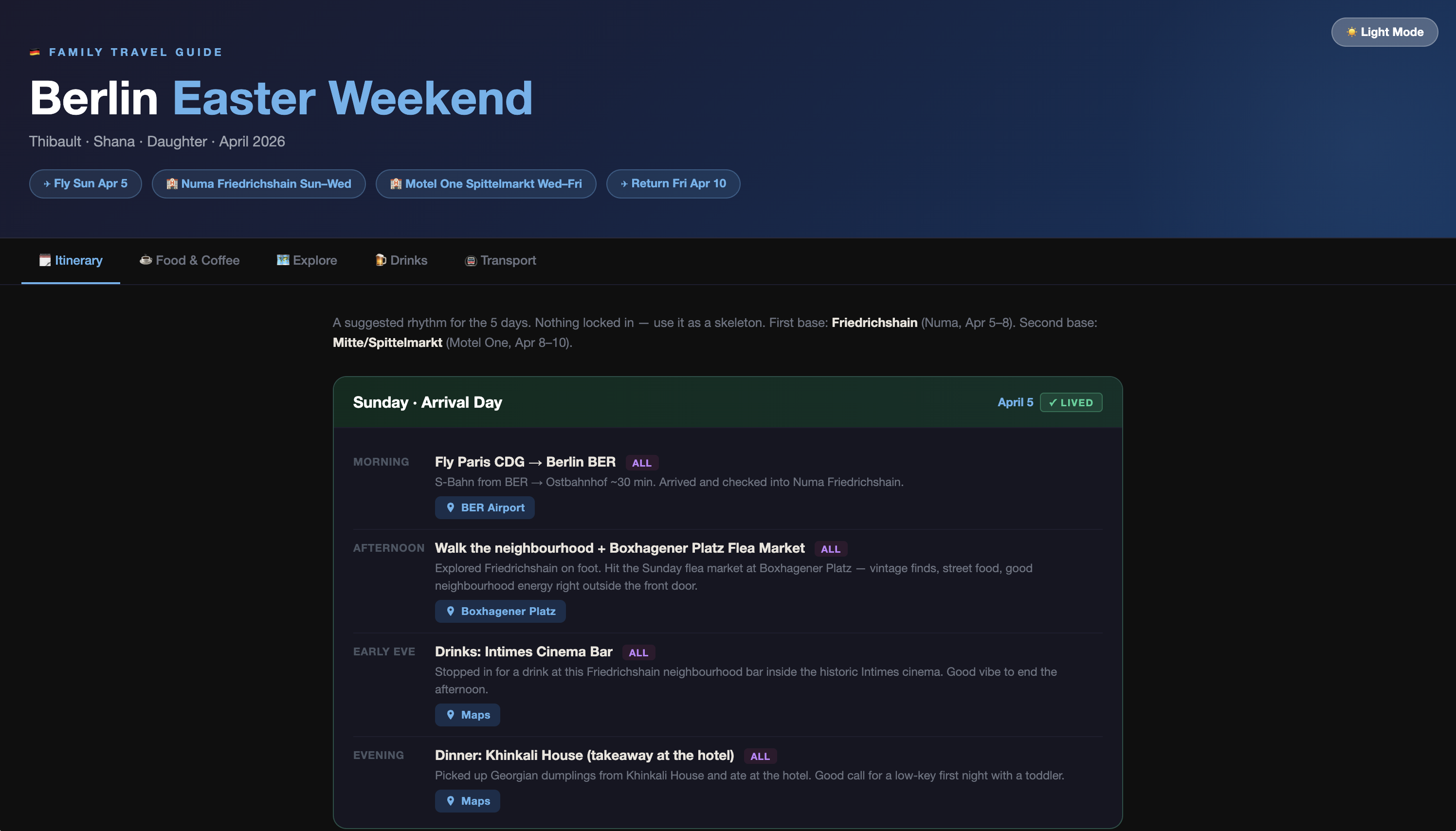
—## It started with ParisI’ve had a list of Paris recommendations for quite a while now. Over the past few years, it took the form of a shared Apple Notes folder, organized with different lists of recommendations. Coffee spots, restaurants, neighborhoods — the kind of stuff friends and family ask about whenever they visit us or simply travel here. I used to just send long texts or emails. Later it took the form of this Apple Notes folder with different notes inside of it, and direct links to Apple Maps. It worked, but it wasn’t great.So I sat down and tried something: I dumped everything I knew into a conversation with Claude, described what kind of places I actually care about (neighborhood spots, good coffee, no tourist traps), and asked it to help me structure everything into something I could actually send people. A few iterations later, I had a clean, navigable HTML page I could just… link to.Honestly? It’s one of the most useful things I’ve made. I’ve shared it probably a dozen times since, with friends & family.The key was being specific. I wasn’t asking it to “make a Paris guide.” I was telling it: here are the places I like, here’s the vibe I’m going for, here’s who this is for. It responded to that. Then I asked it to organize it as a simple static html file to upload to my own website. And then I refined it over time (light mode/dark mode, direct links to Apple Maps, etc.) You can view the guide as it stands now at tibz.blog/Paris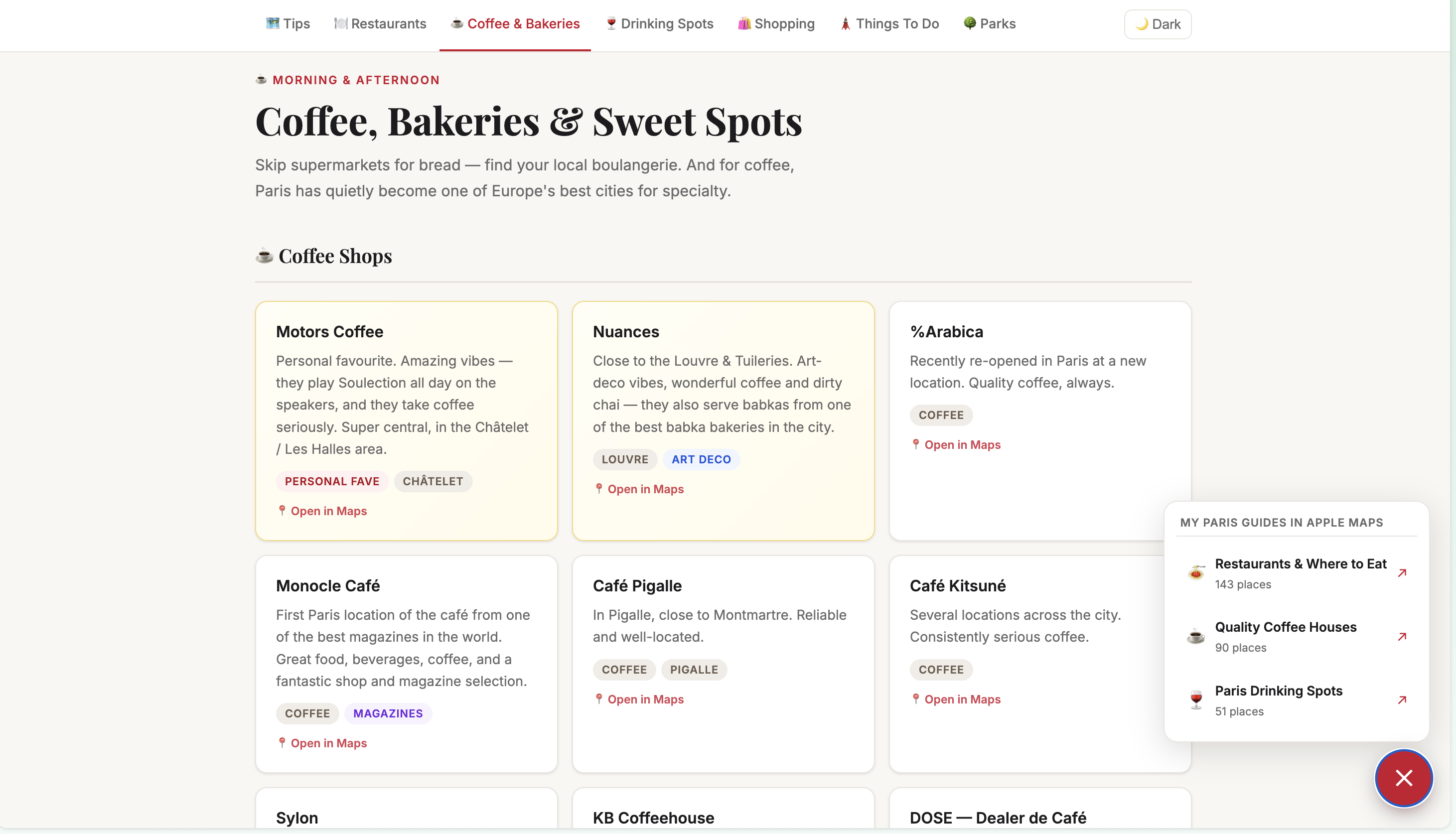 —## Then came BerlinEarlier this month, we took a trip to Berlin over Easter — me, Shana, and our daughter. It coincided with a work trip to the Berlin office during the following week. Family travel with a toddler is its own kind of planning challenge, even when our daughter is already pretty easy and well-traveled: you need stroller-friendly neighborhoods, nap-window logistics, coffee that doesn’t suck, food that works for all three of us.I used the same approach as Paris. Described our situation, what we needed, what we didn’t want. The type of vibes we were after, the neighborhoods we were curious about. The output was a proper guide organized by neighborhood and day — built into an HTML page, hosted on my blog, so I could pull it up from my phone mid-trip.Then after we got back, I did something I hadn’t planned on: I went back into it and asked Claude to turn it into a record or log of what we actually did. Swapped the recommendations for the places we really went to, updated the itinerary to reflect how the days actually played out. Now it reads less like a planning doc and more like a trip log.Both versions felt useful in their own way. And the whole process — planning to debrief — was maybe a couple of hours of back and forth spread over a few days. This one is available at tibz.blog/berlin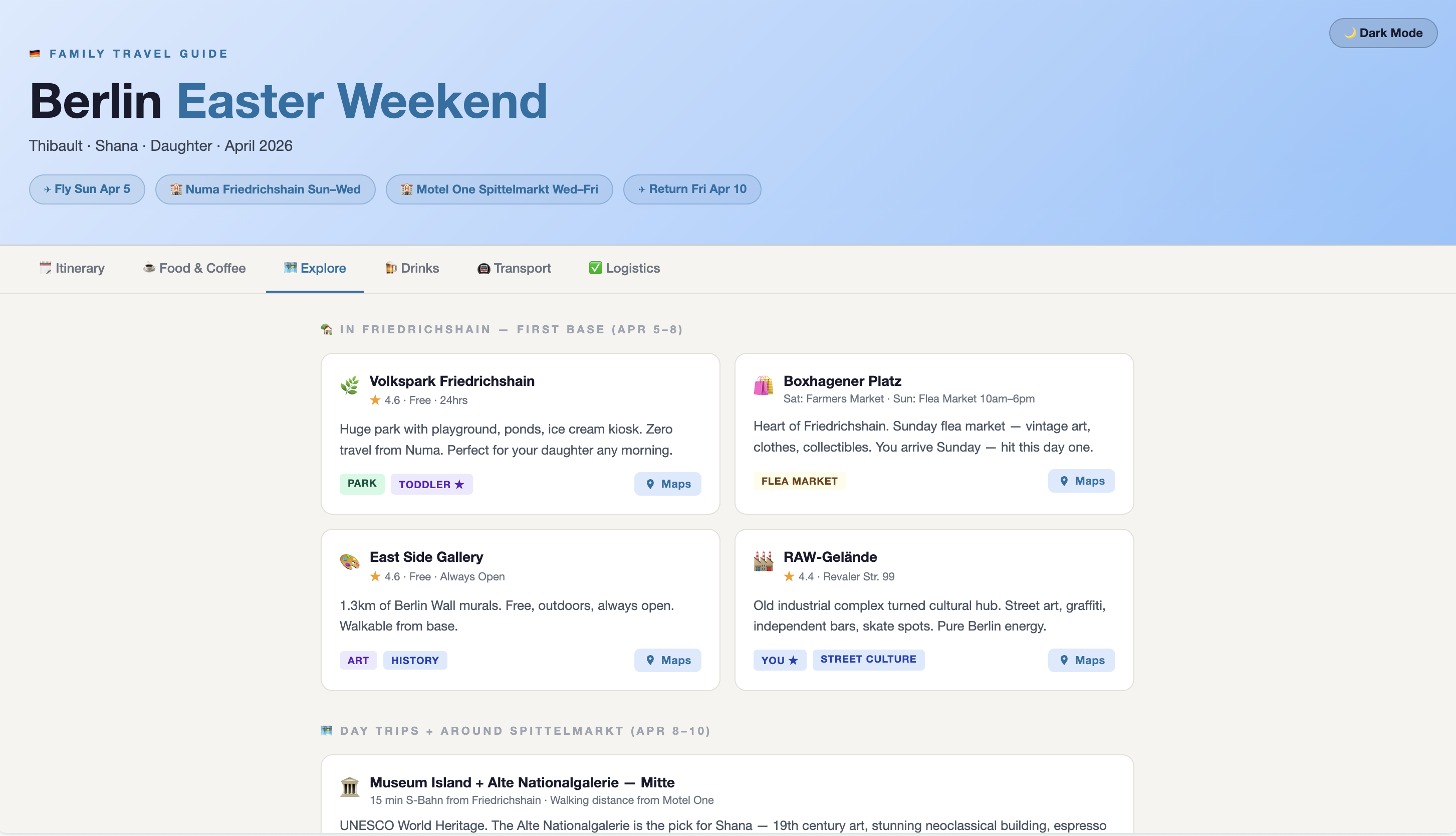
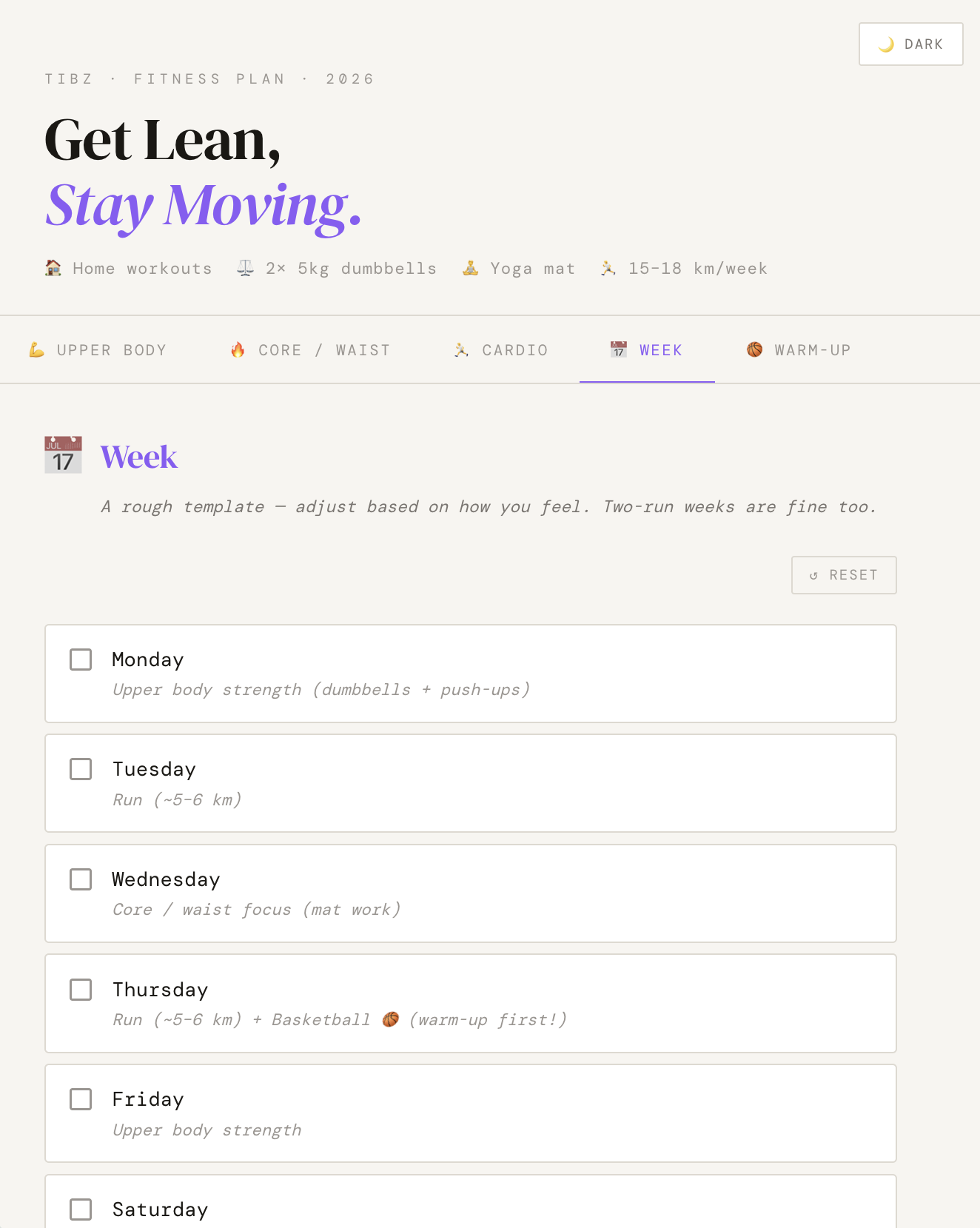
 —## And finally, fitnessI run a few times a week. I play basketball on Thursdays. I have a yoga mat and two dumbbells at home. That’s the full setup.I wanted a weekly routine that actually reflected my life — not some generic program assuming I have a gym, infinite time, or perfect knees. I described my habits, my goals (upper body improvements, building running volume gradually, staying knee-conscious), and what I was working with. The plan I got back was something I could realistically follow, which is rare.I’ve used it more consistently than anything else I’ve tried. Probably because it was built around my actual situation. tibz.blog/workout
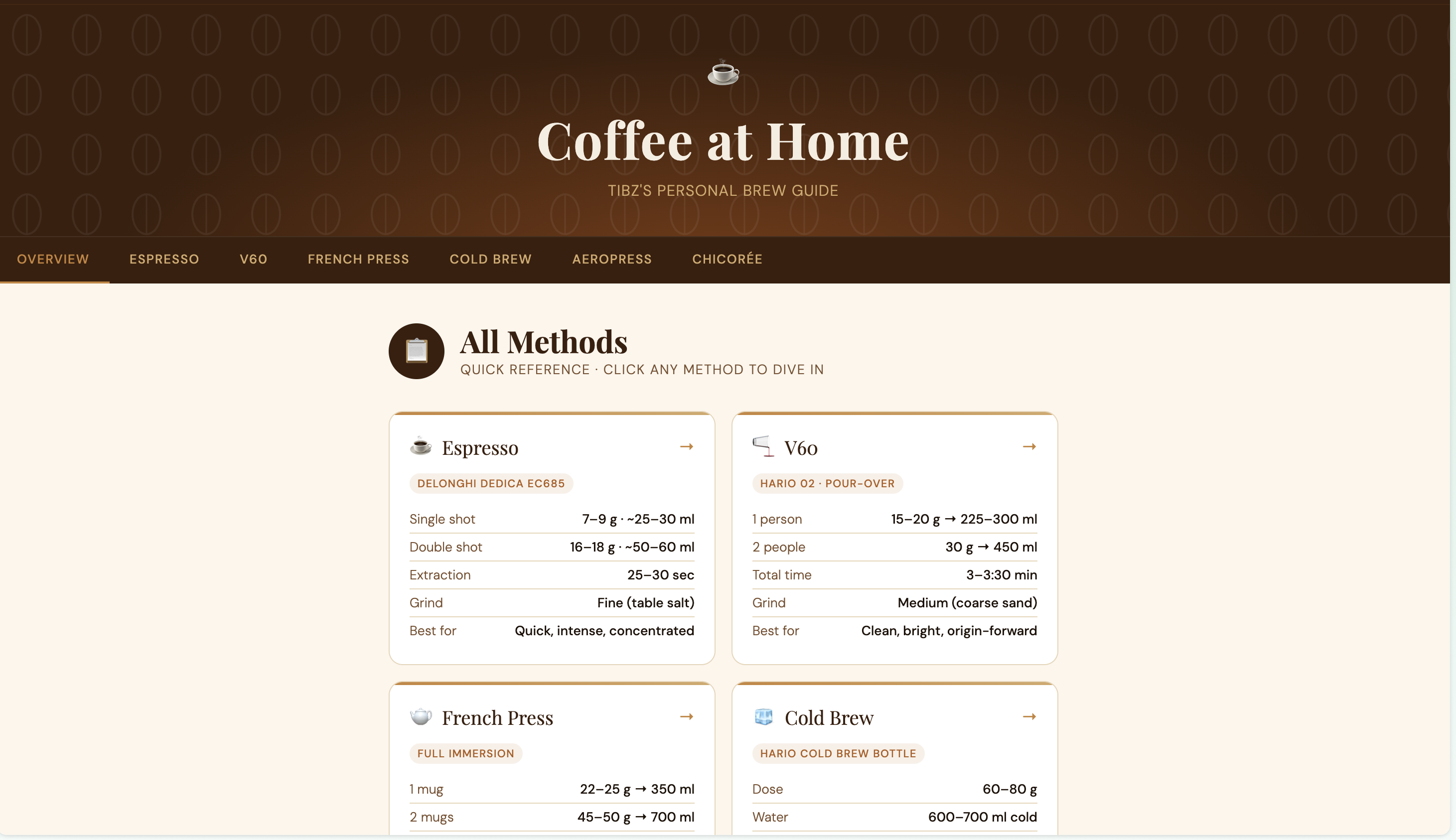
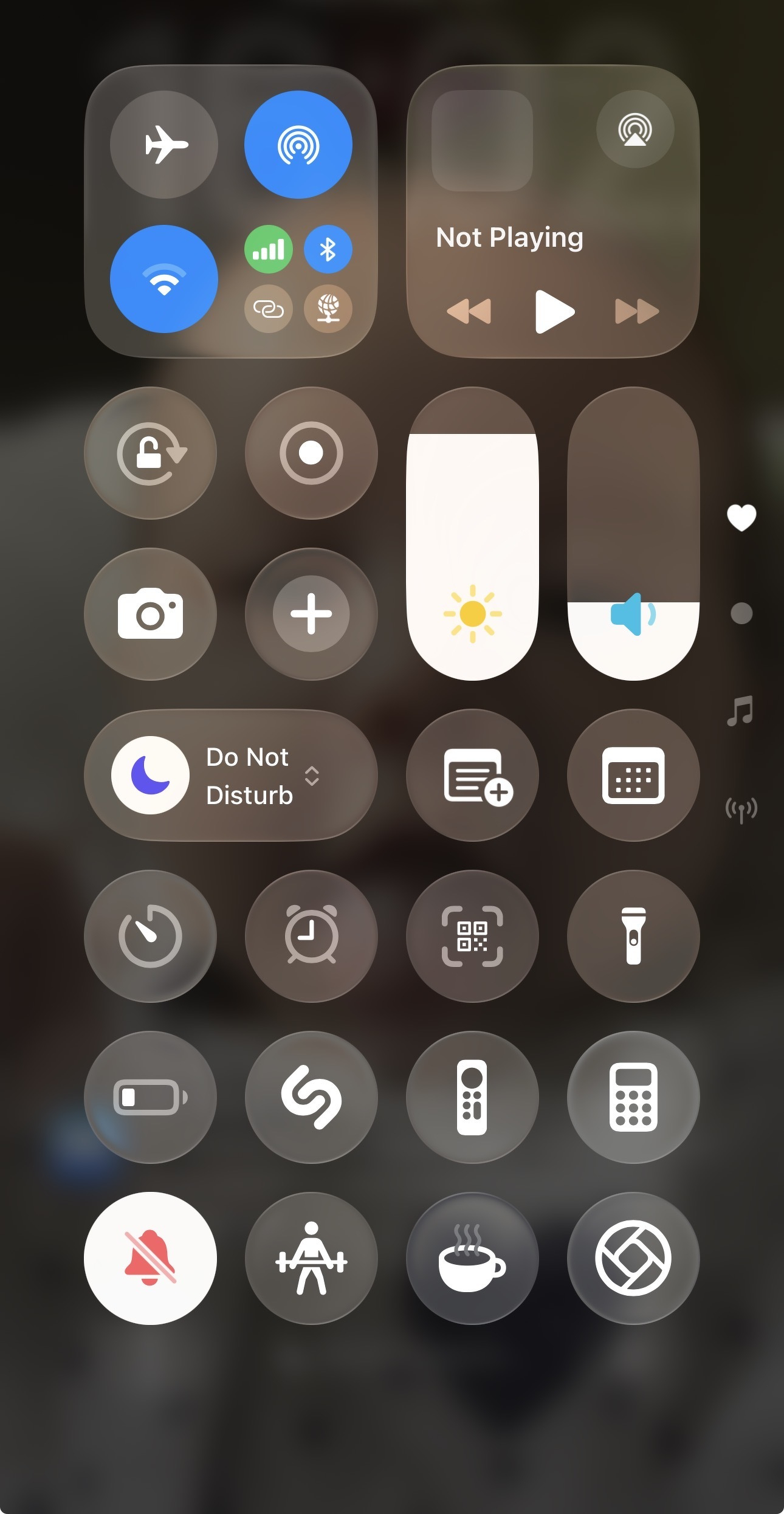
 —## The final touch: open instantly from my phoneAs a last touch, I made sure to create dedicated Shortcuts from my phone’s control center, using Shortcuts: that way, in one-tap I can easily reach for the Coffee guide when I’m still waking up, or change and get ready to workout with very little time-related friction, seconds away from starting my workout.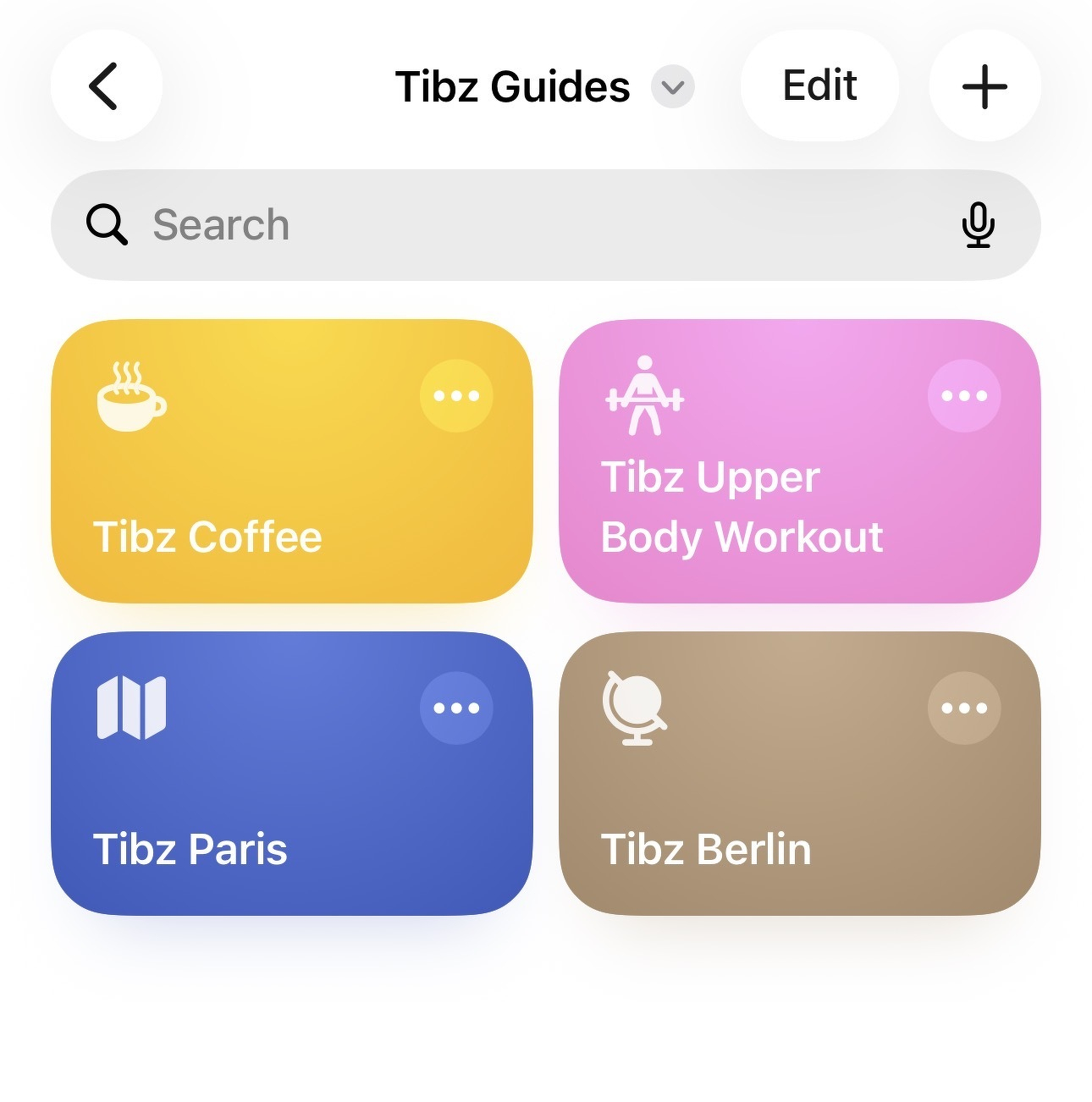
 —## What I noticedThe first version of each of these was never the final version. Always needed at least two or three rounds to get it to feel right. The more honest and specific I was about what I wanted — and what I didn’t want — the better the result.I also stopped framing it as “using AI to do a task” somewhere along the way. It felt more like thinking out loud and having something help me structure it. The knowledge was already there. I just needed a way to get it out of my head and into something useful.That part I didn’t expect to enjoy as much as I did. Nerdy useful things.