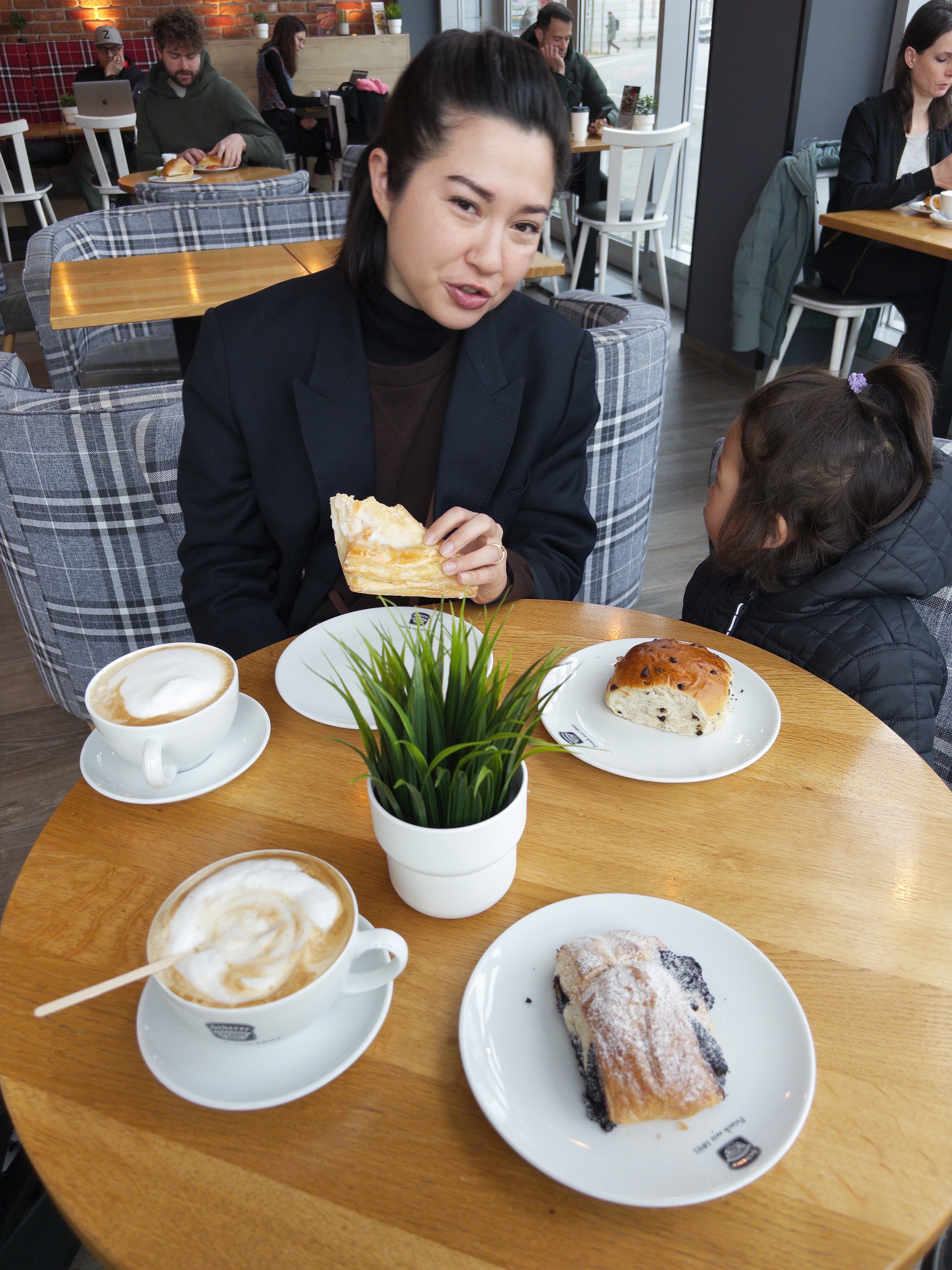
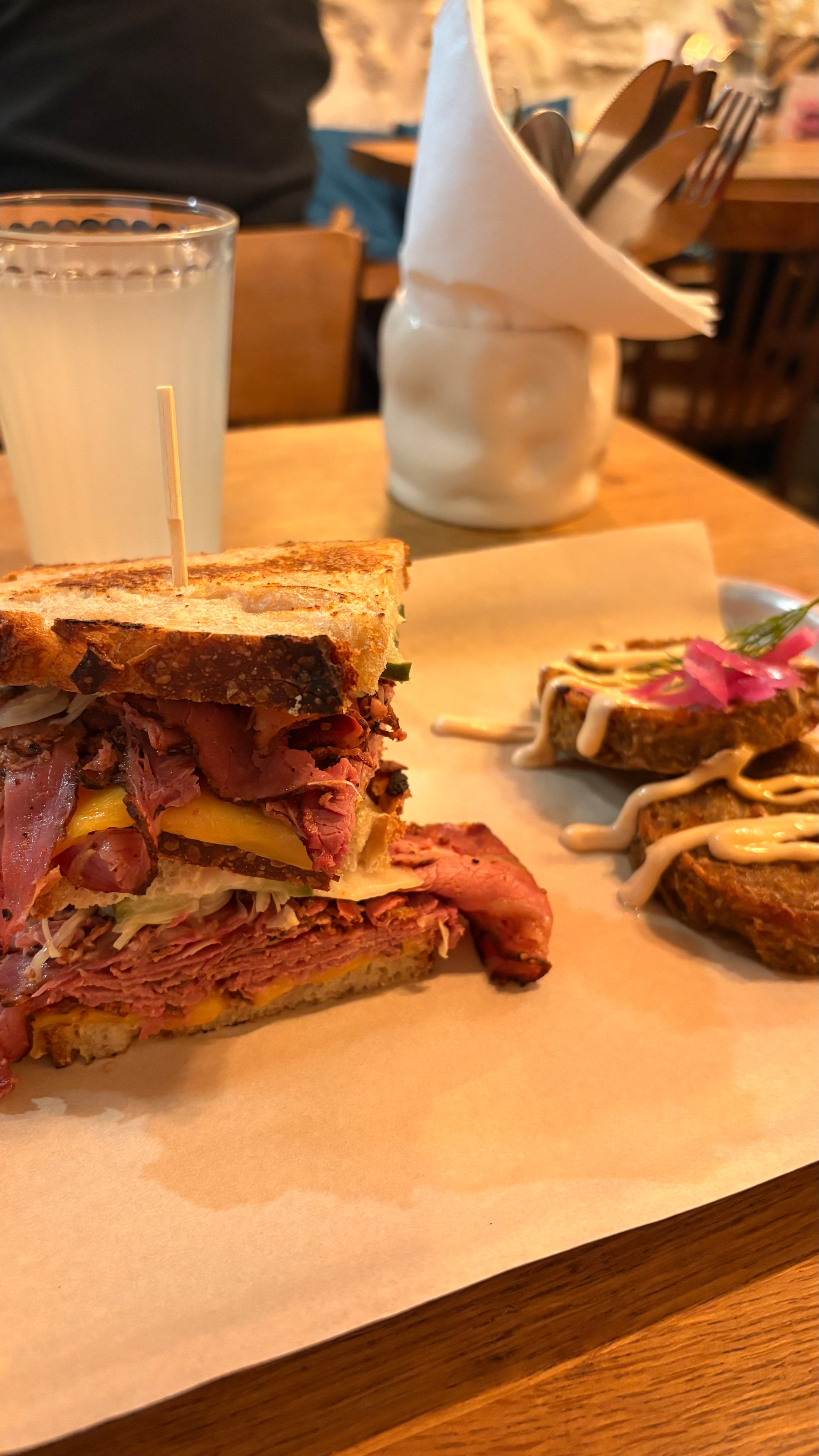
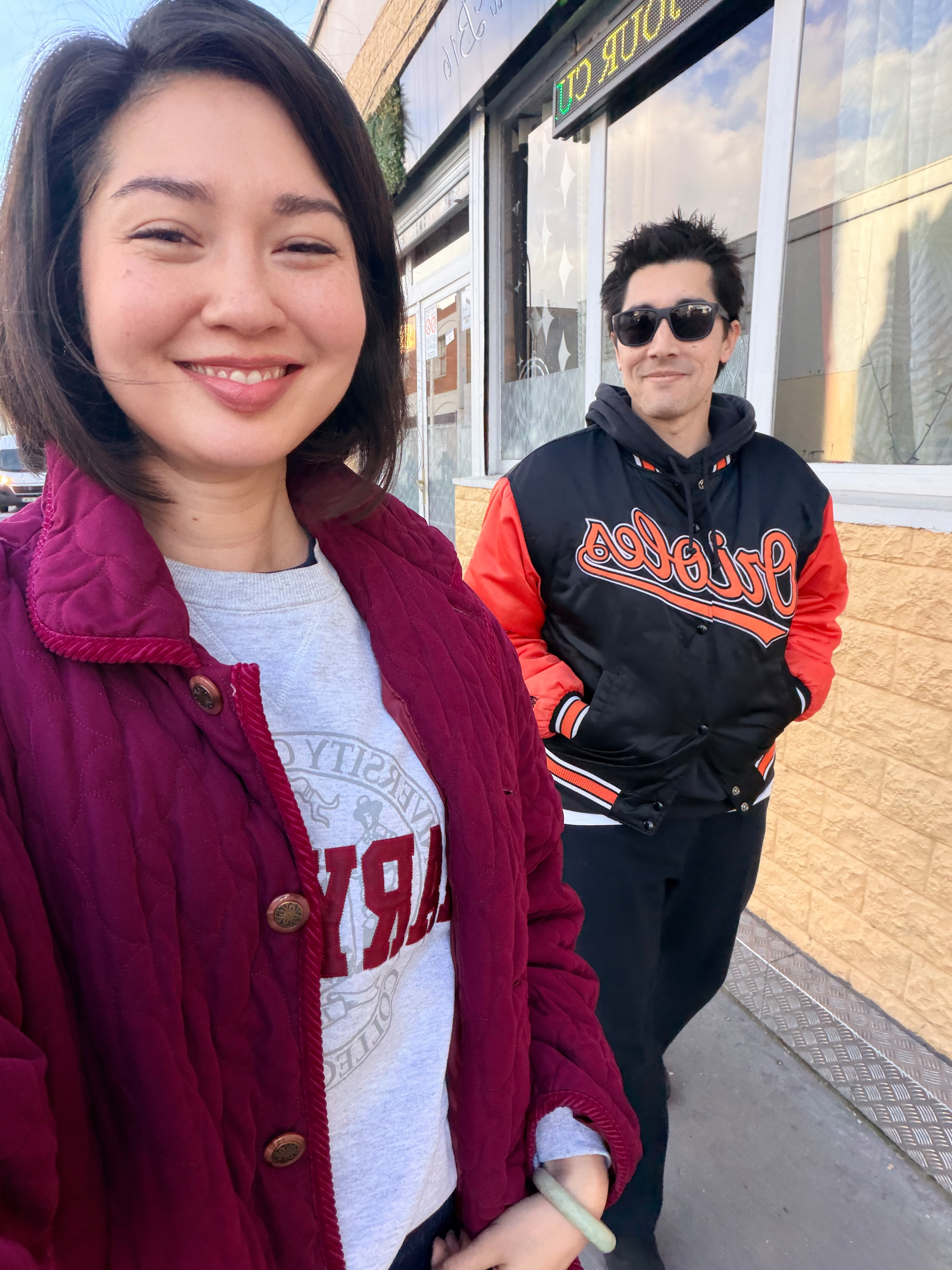
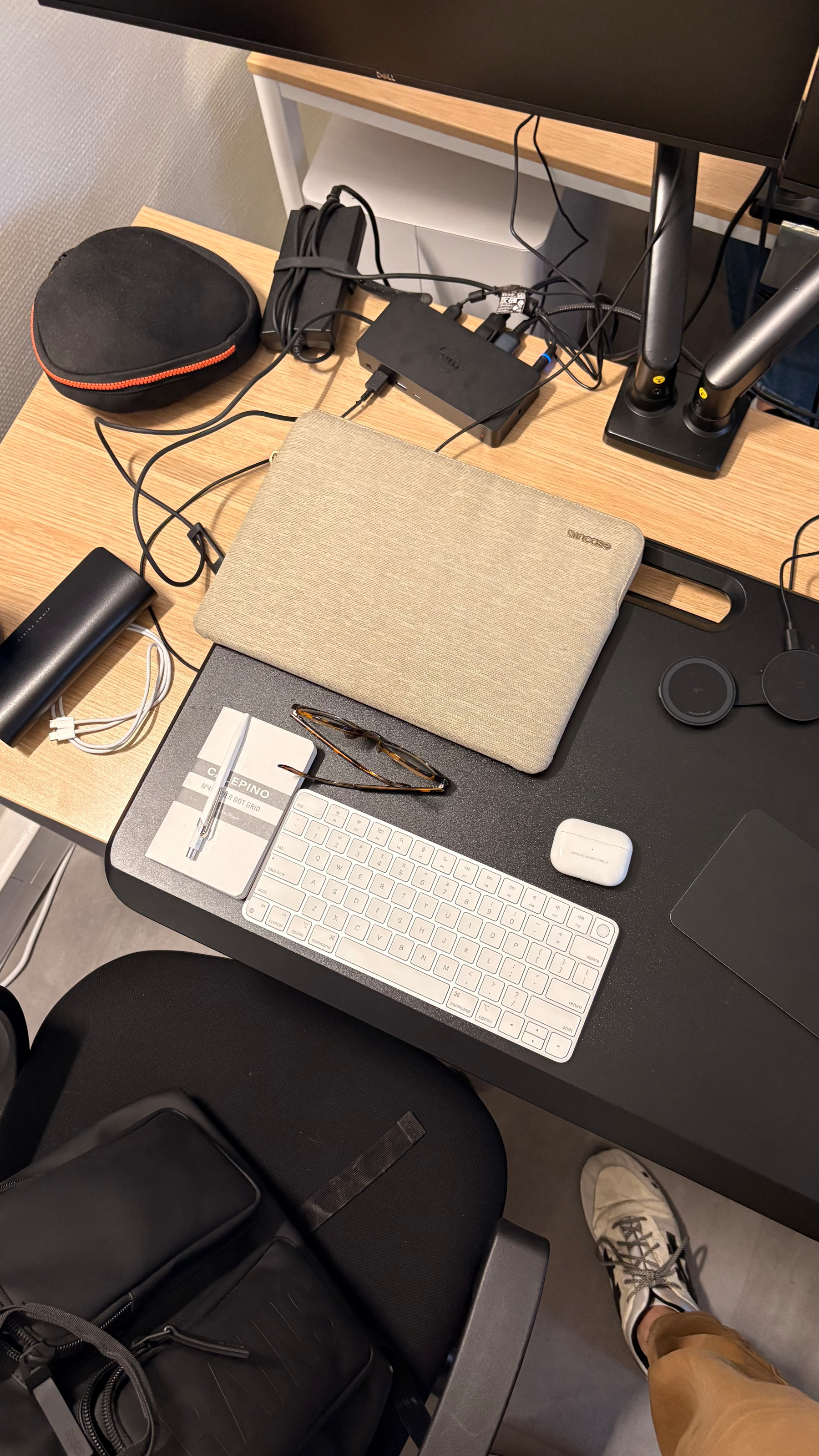
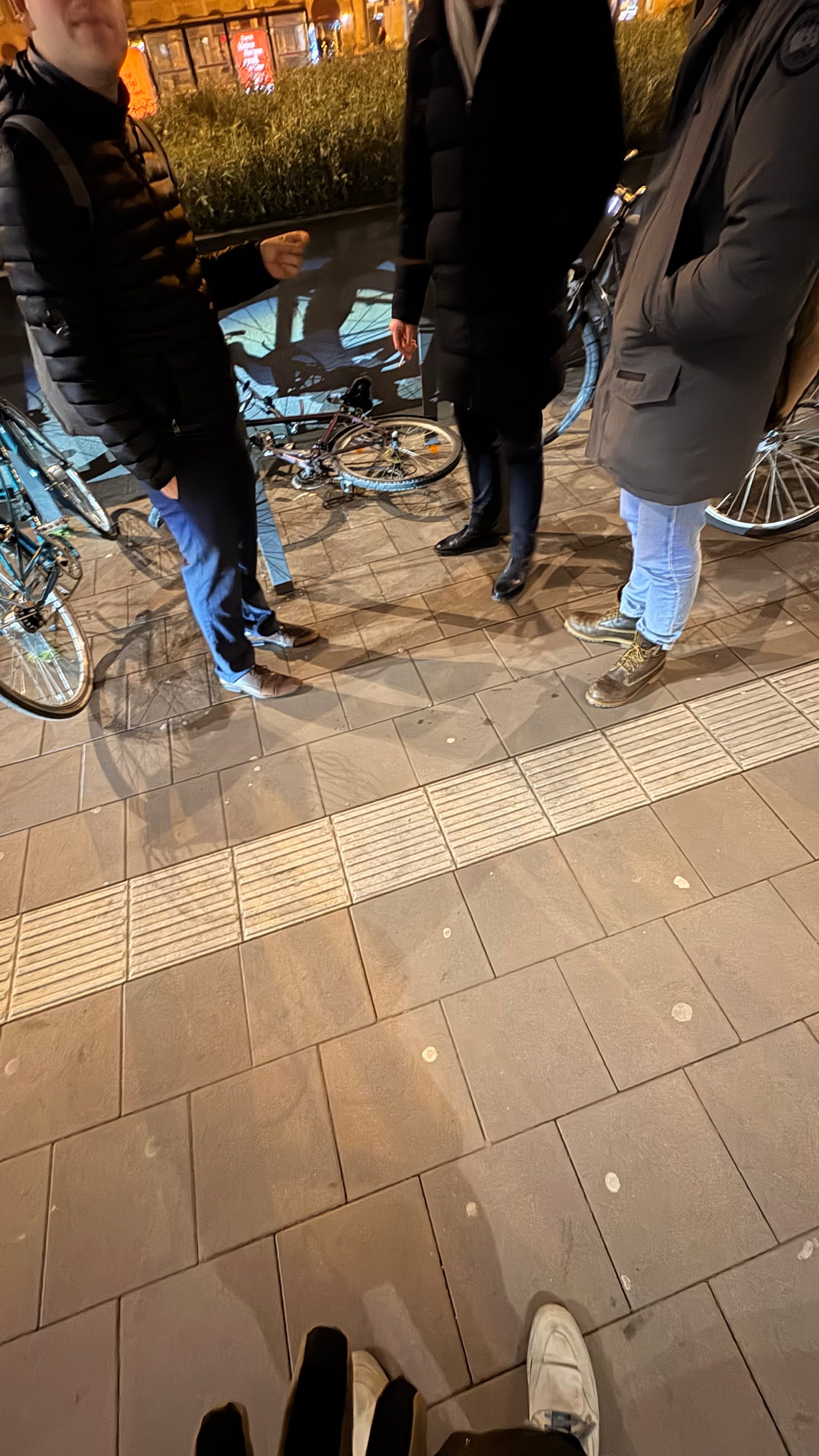
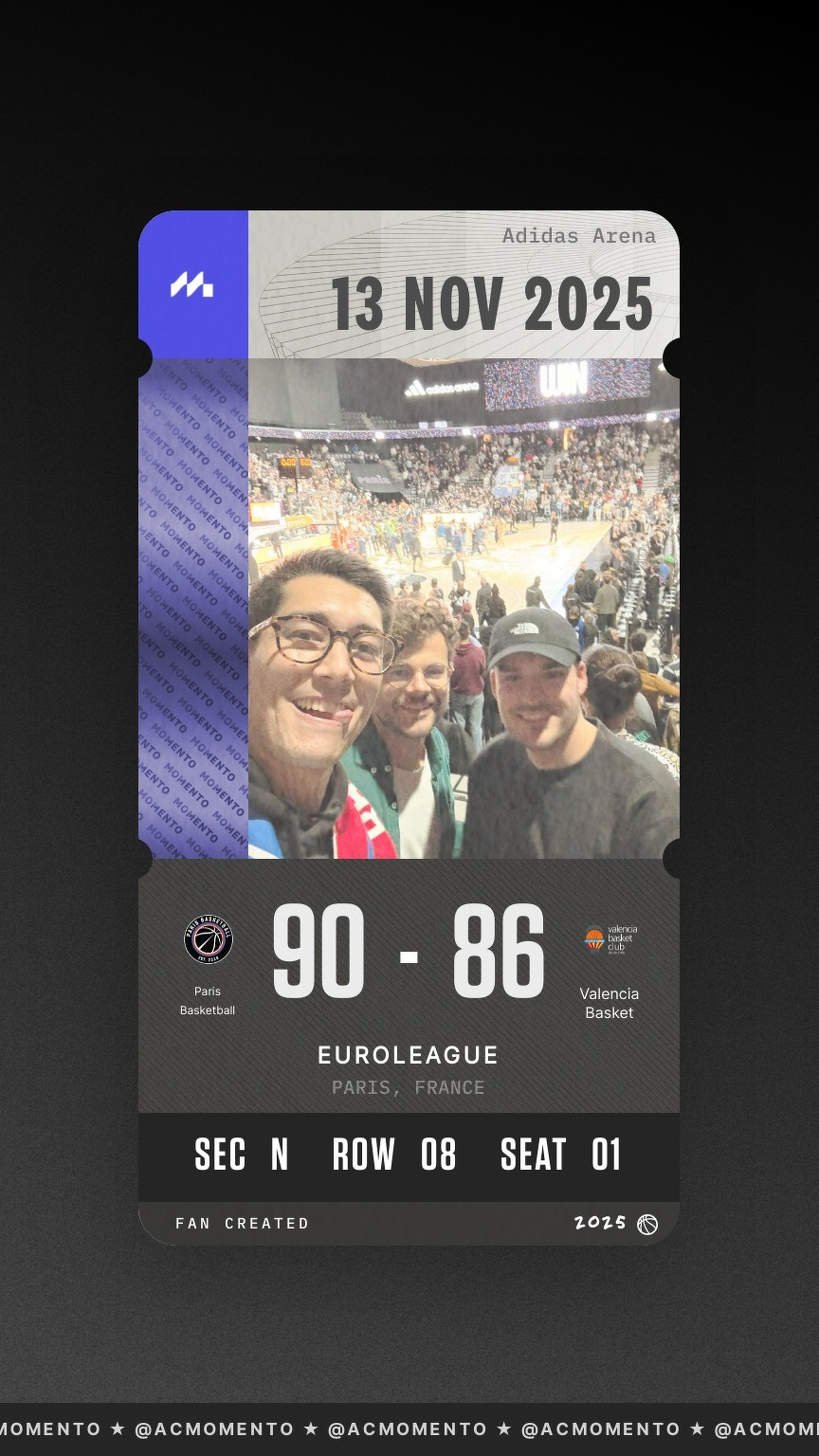
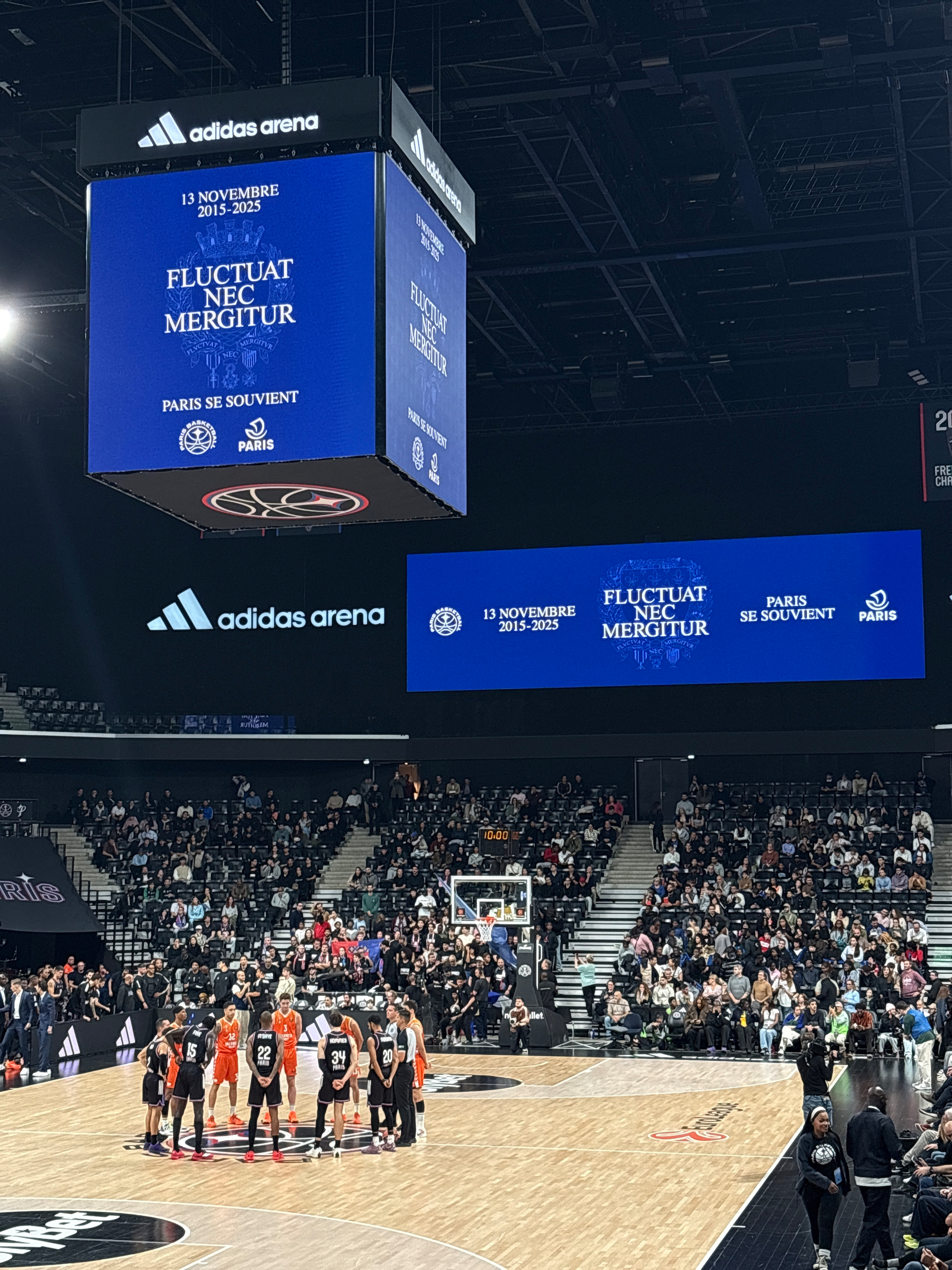
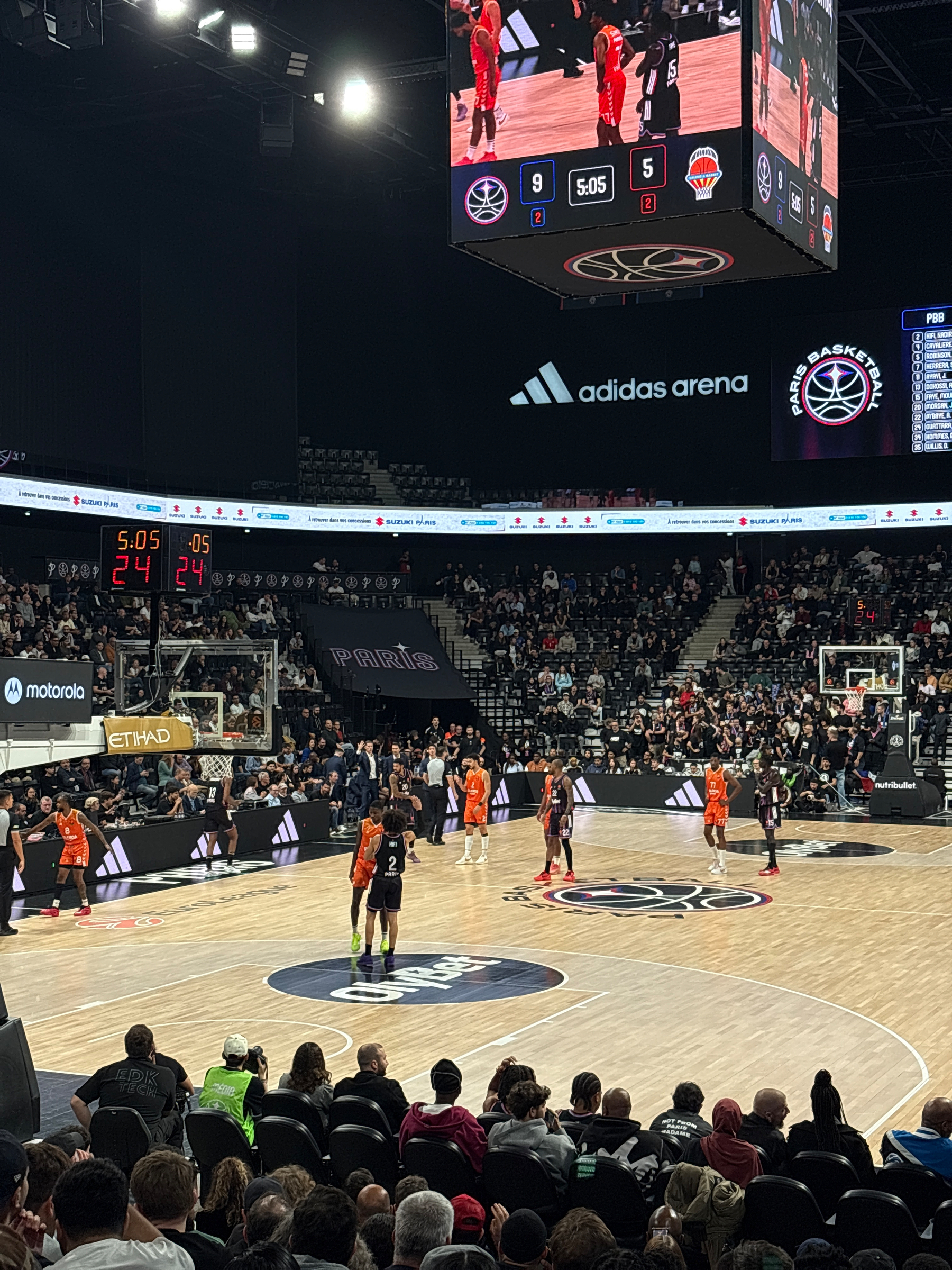
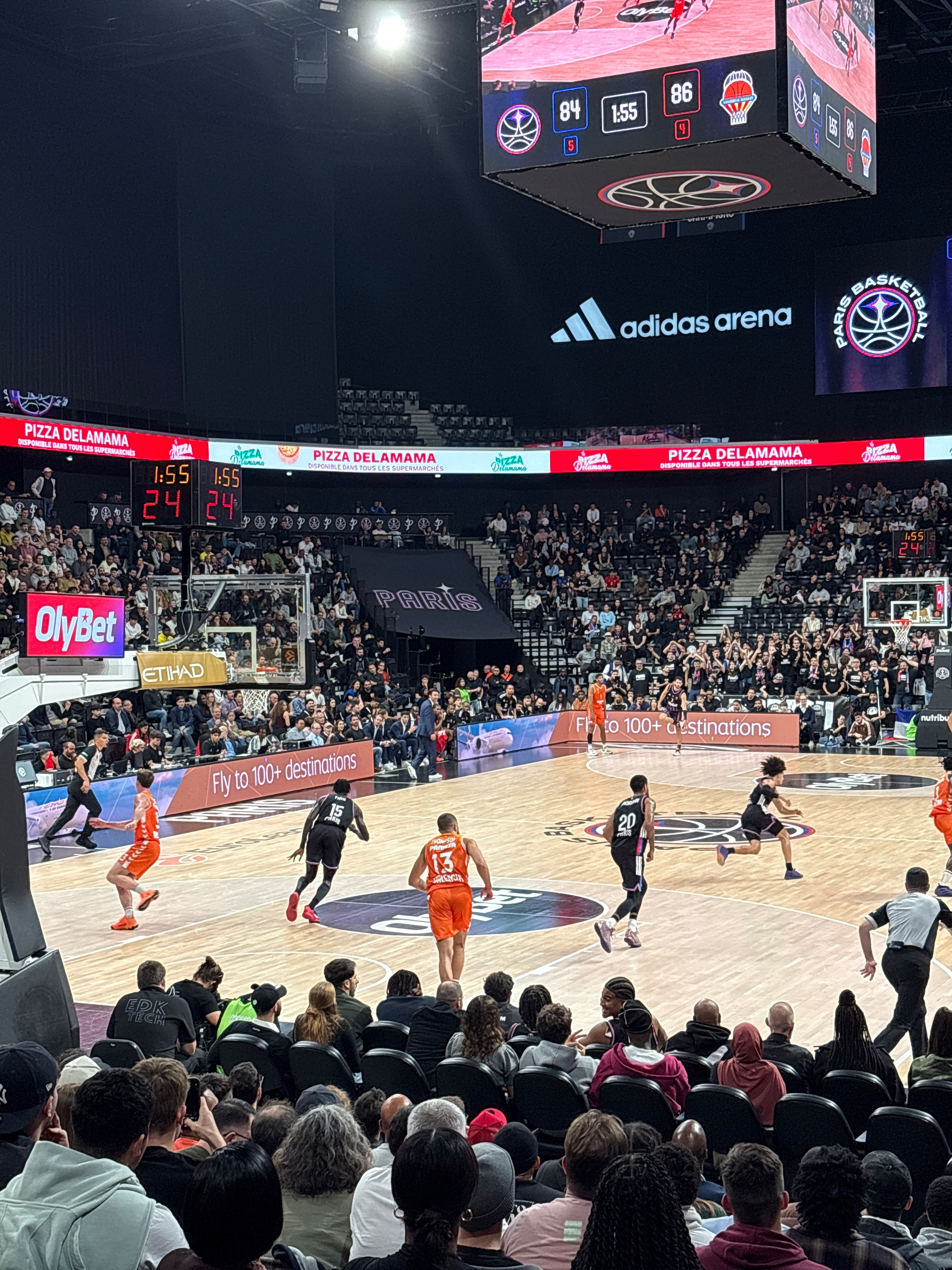
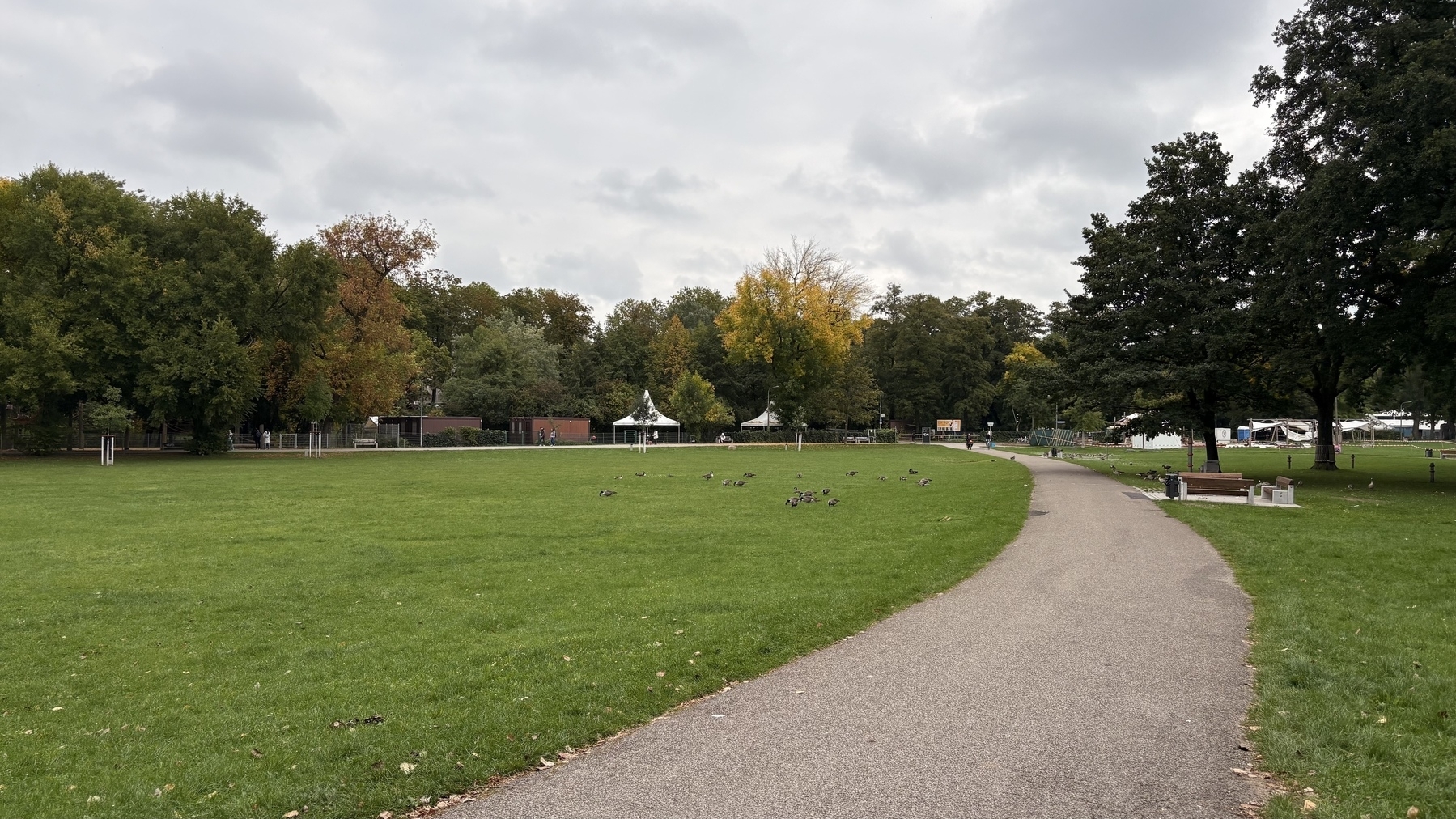
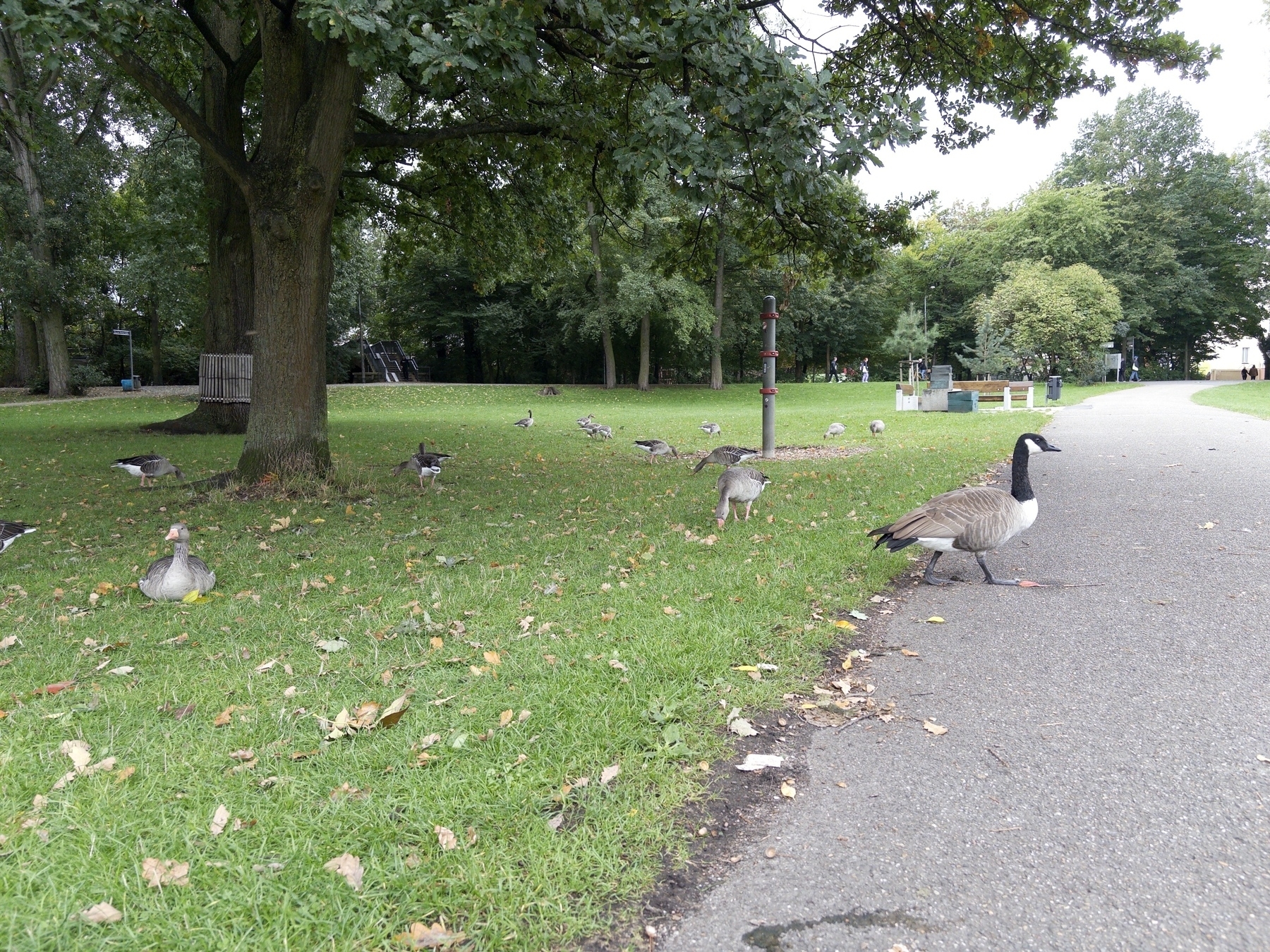
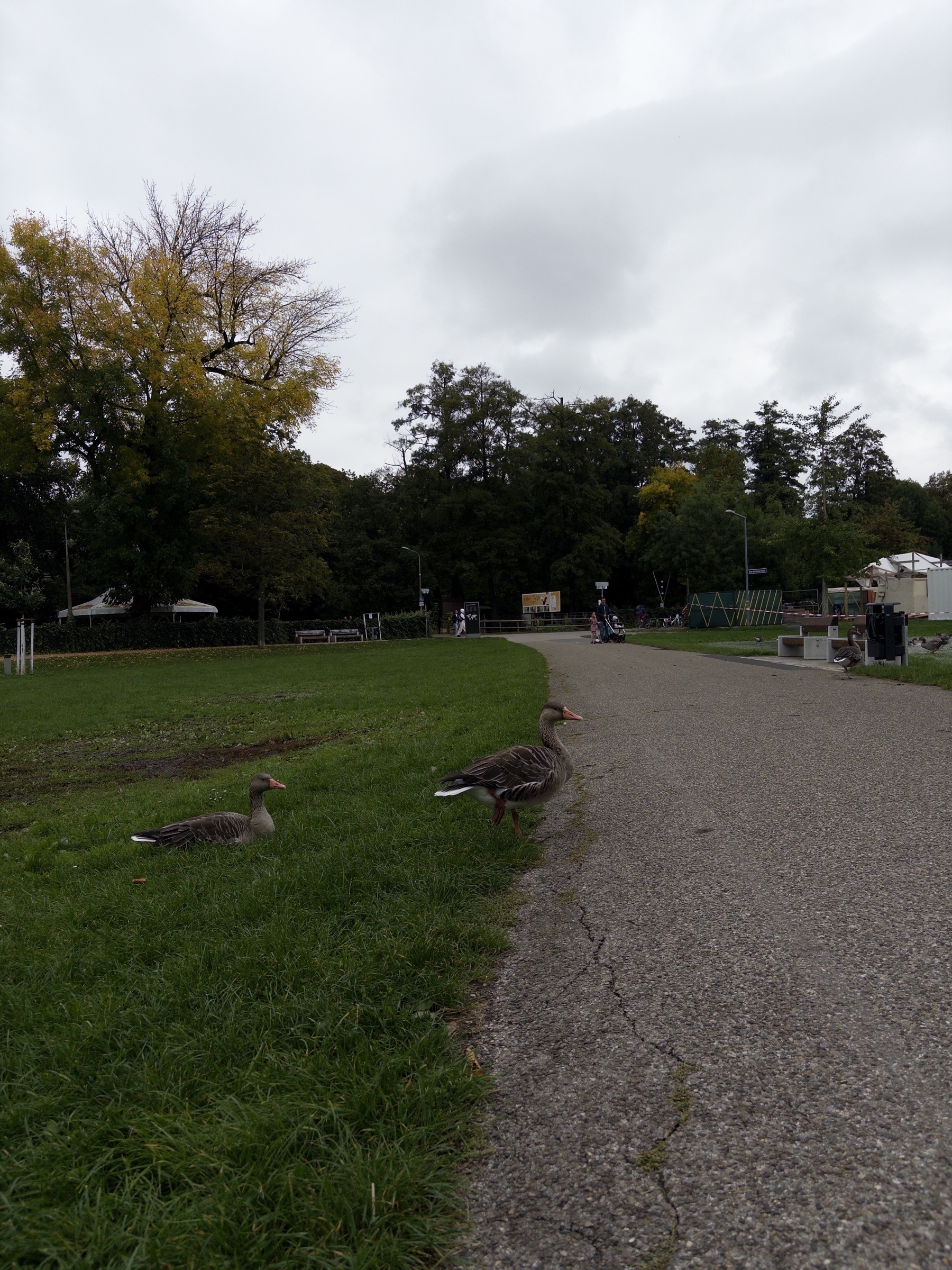
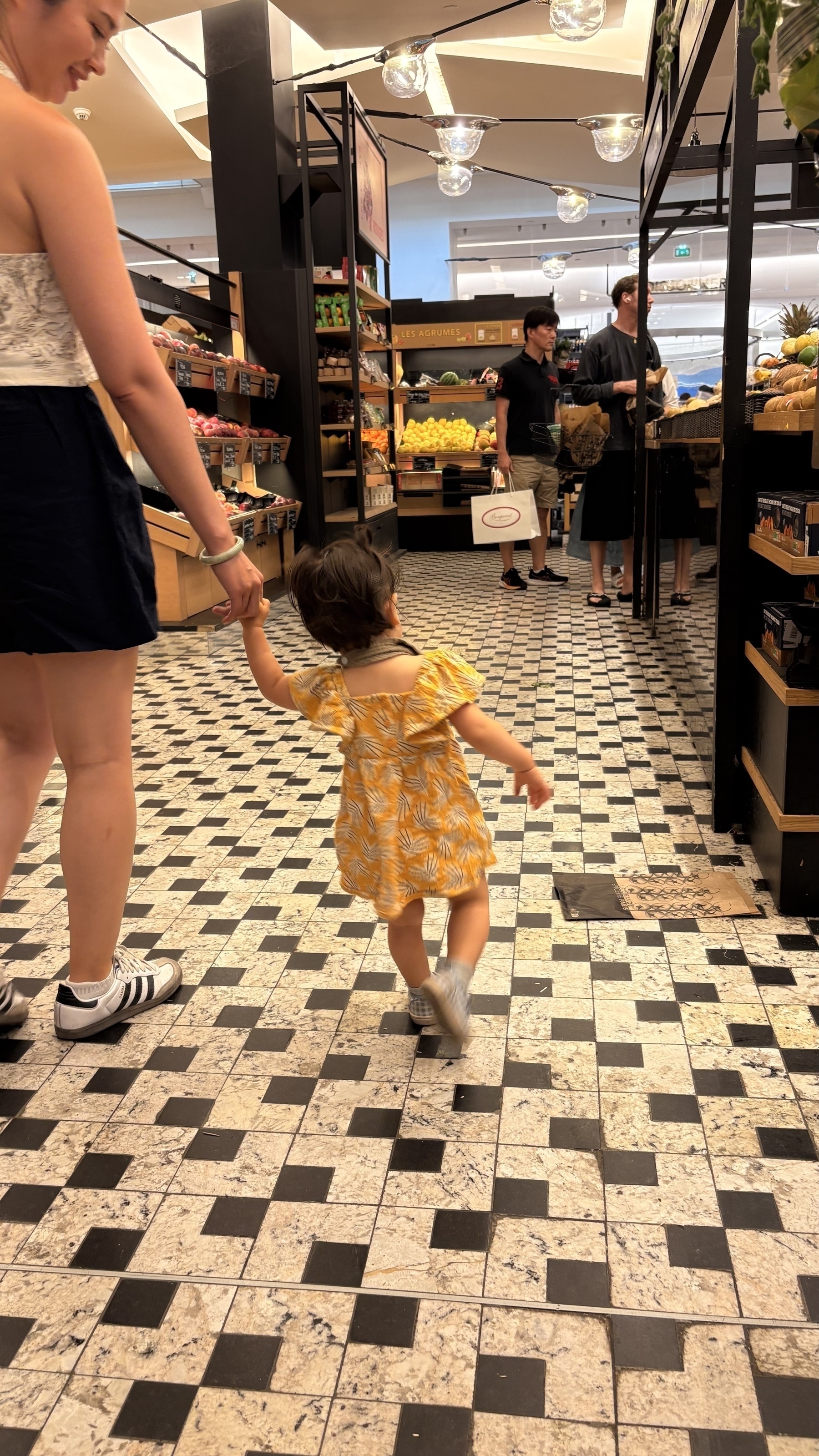
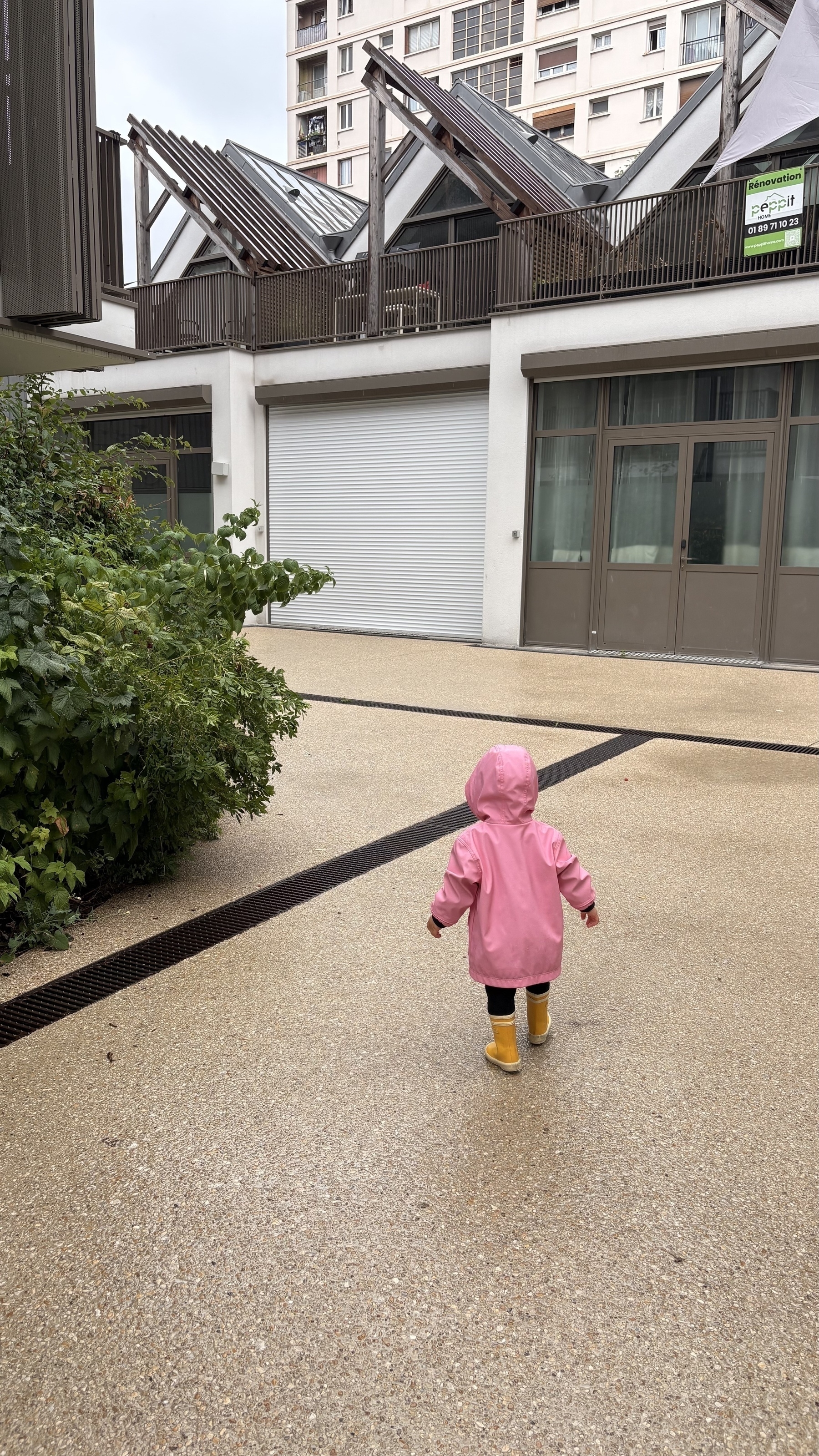
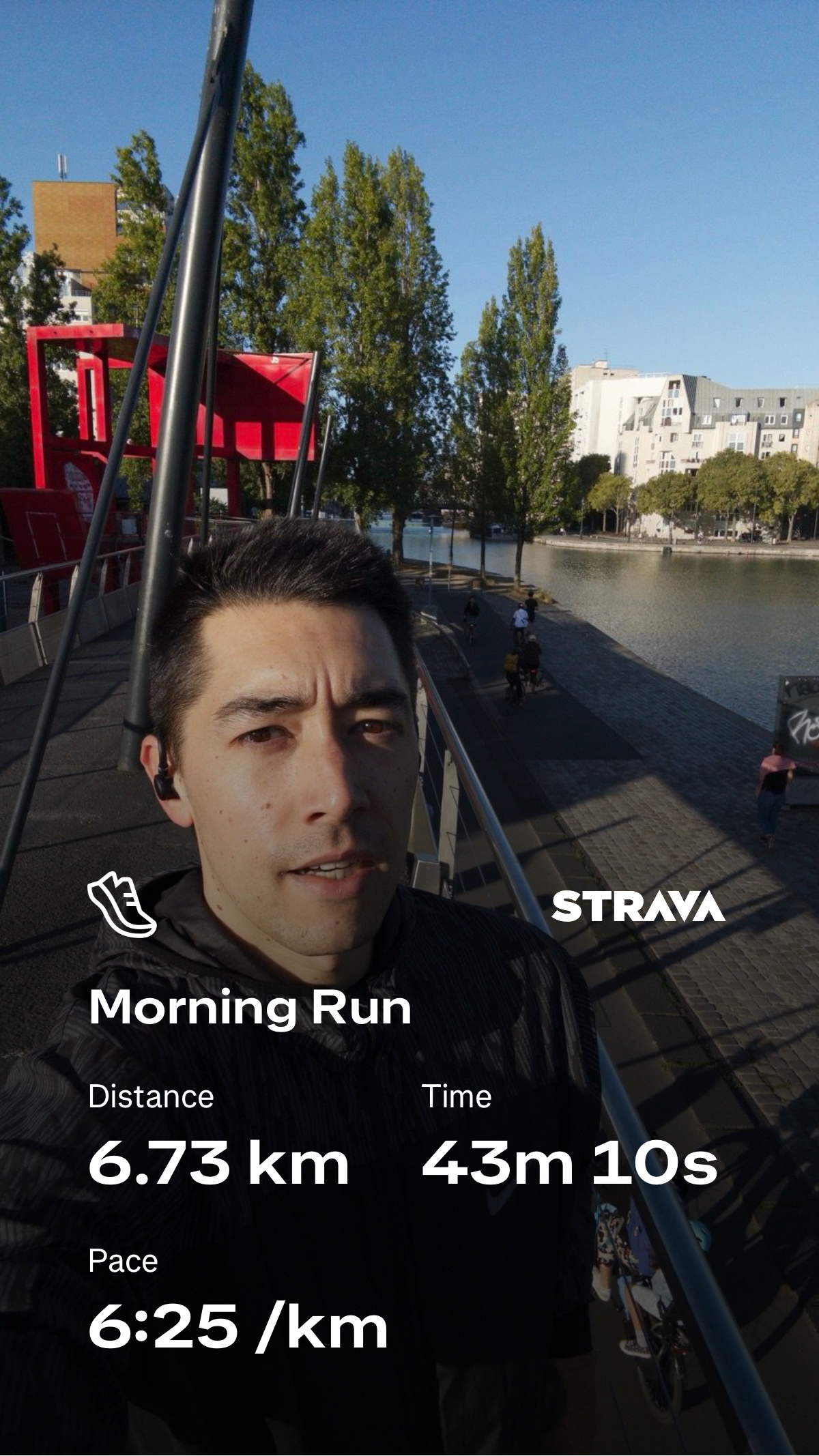
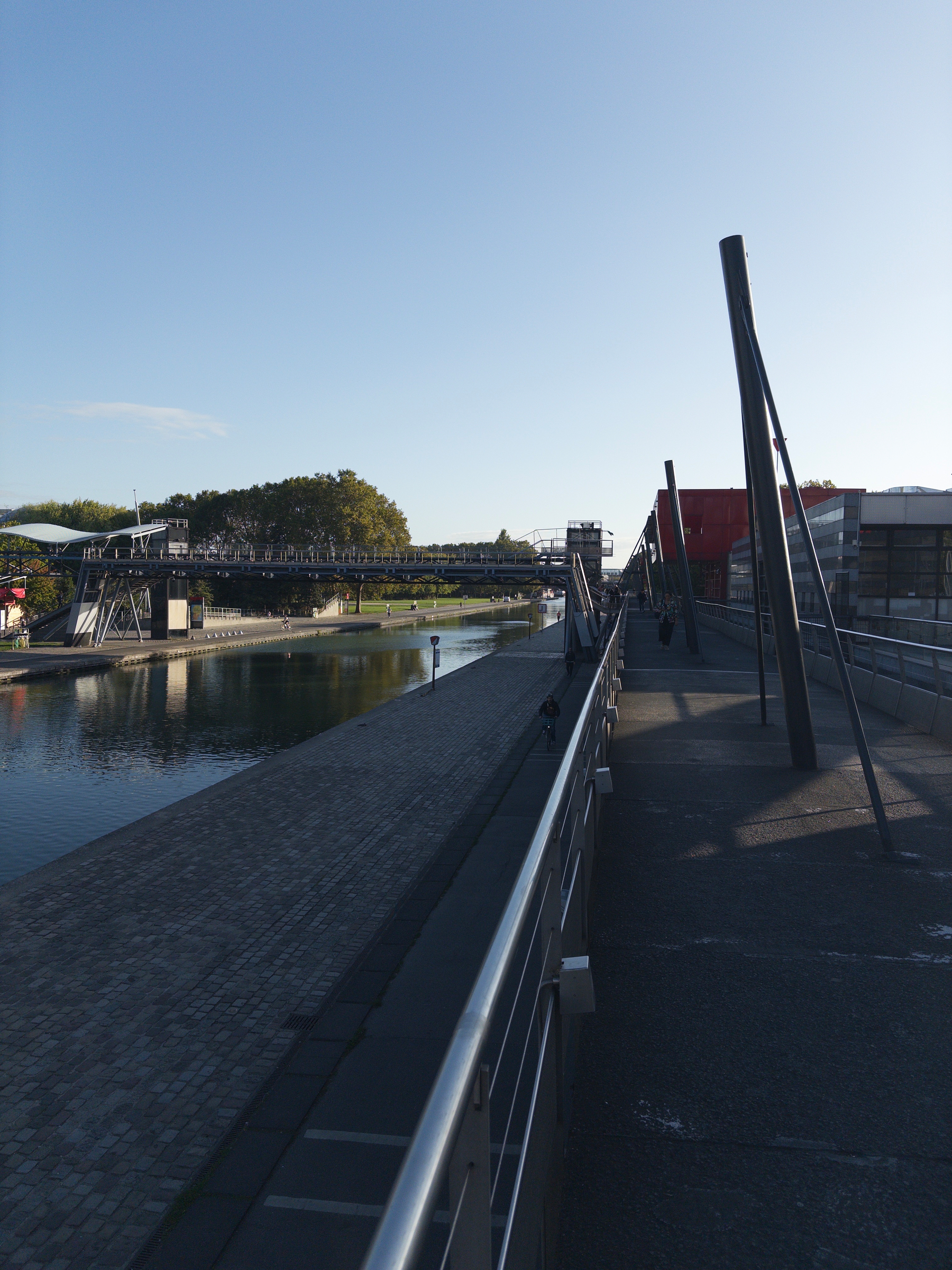
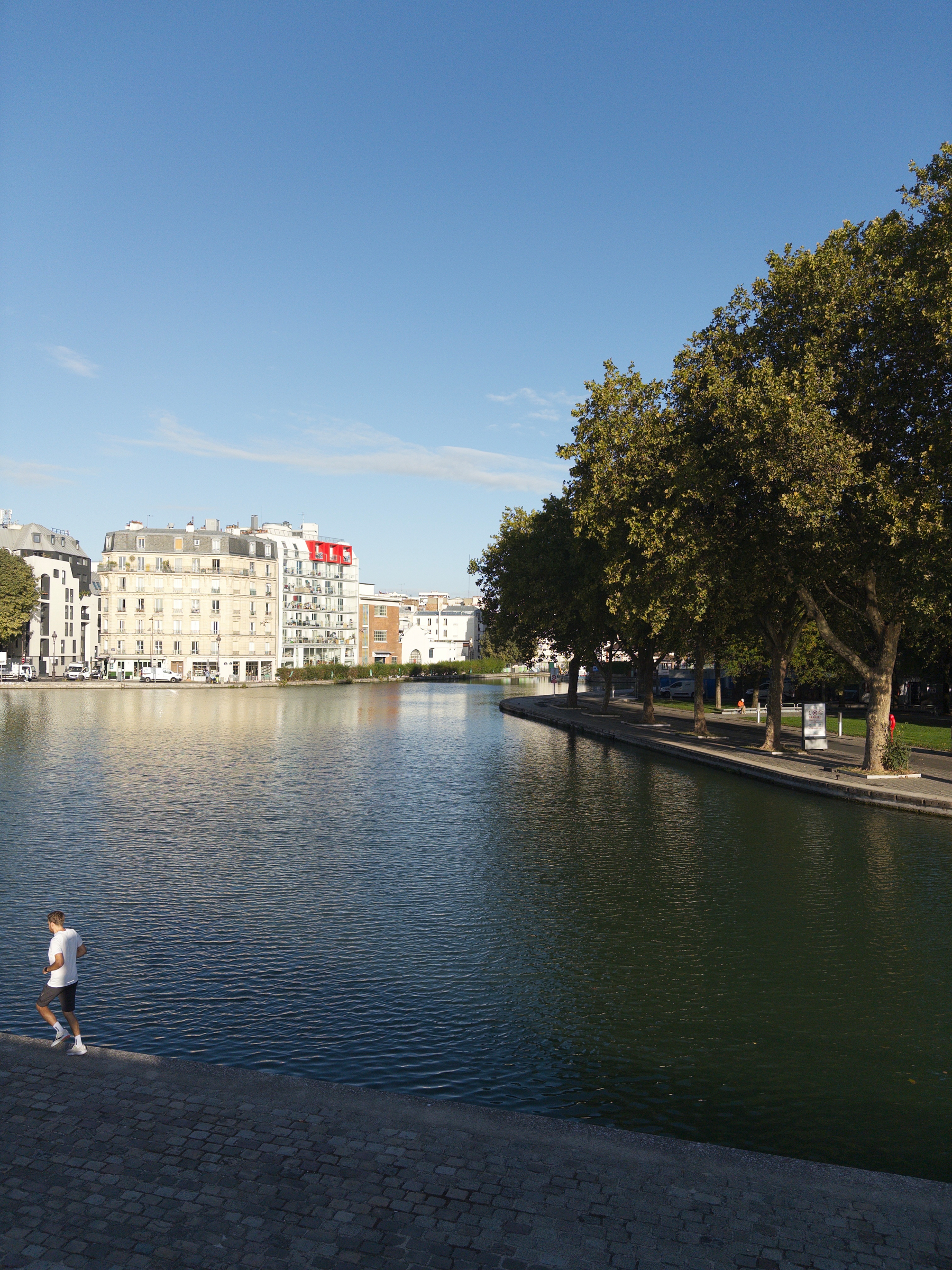
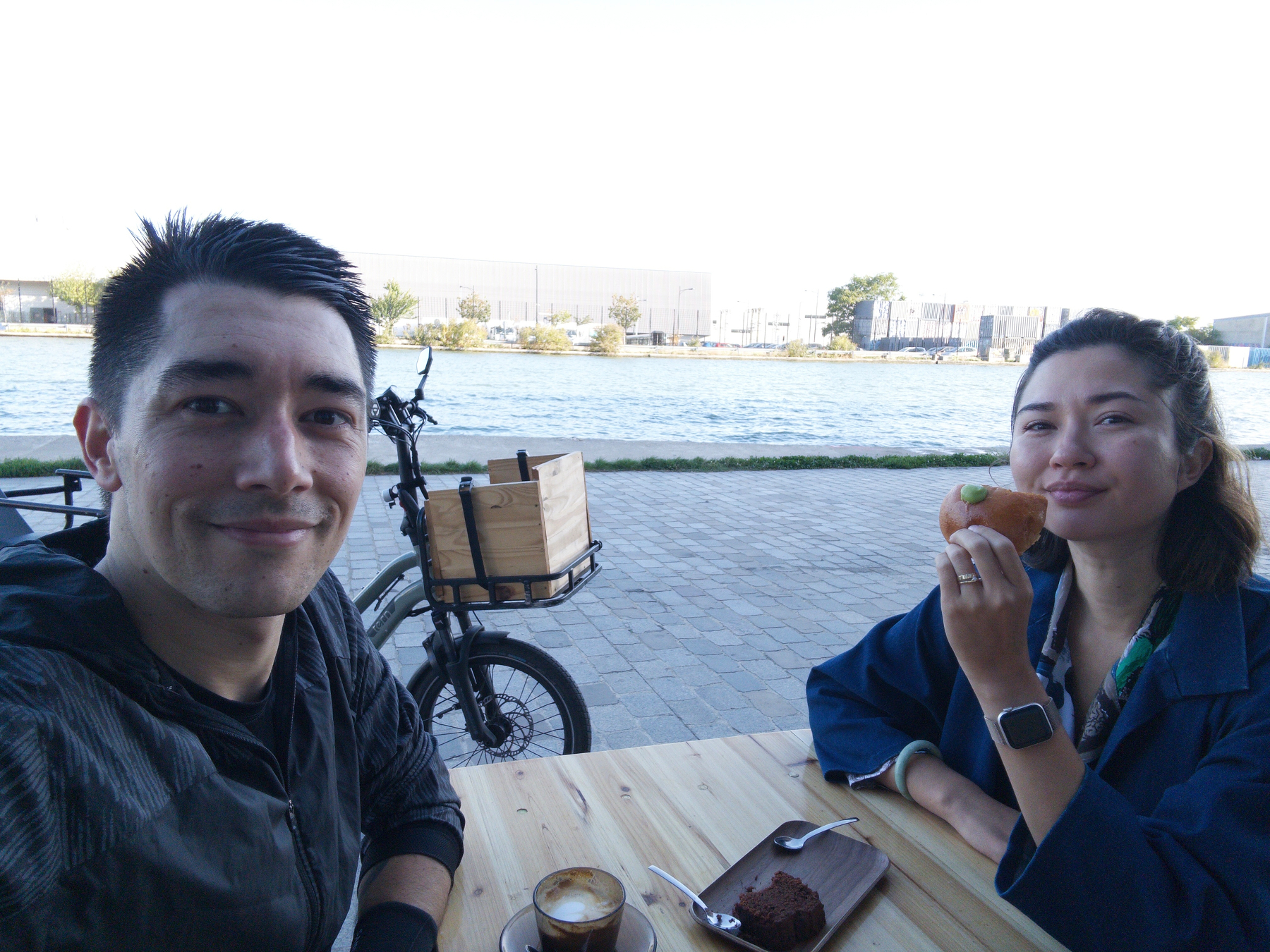
Wednesday morning run after dropping my daughter off at school, followed by a coffee date with my wife at the local neighbourhood café by the canal.
With things being quite frustrating at work lately ahead of my departure in 2 weeks, this little Wednesday morning routine is exactly what I need for my own sanity before diving into the day.
Finished The Expanse S6 🚀 — a hard-won, bittersweet send-off. Would’ve taken three more seasons, easily.
Also wrapped Drops of God S2 🍷 — still the only show that makes a wine tasting play like a heist. Two very different flavours of binge, both very good in their own ways.
And since it’s World Cup season, I’ve been catching up on 2 football (⚽) -related docuseries, both made from friends:
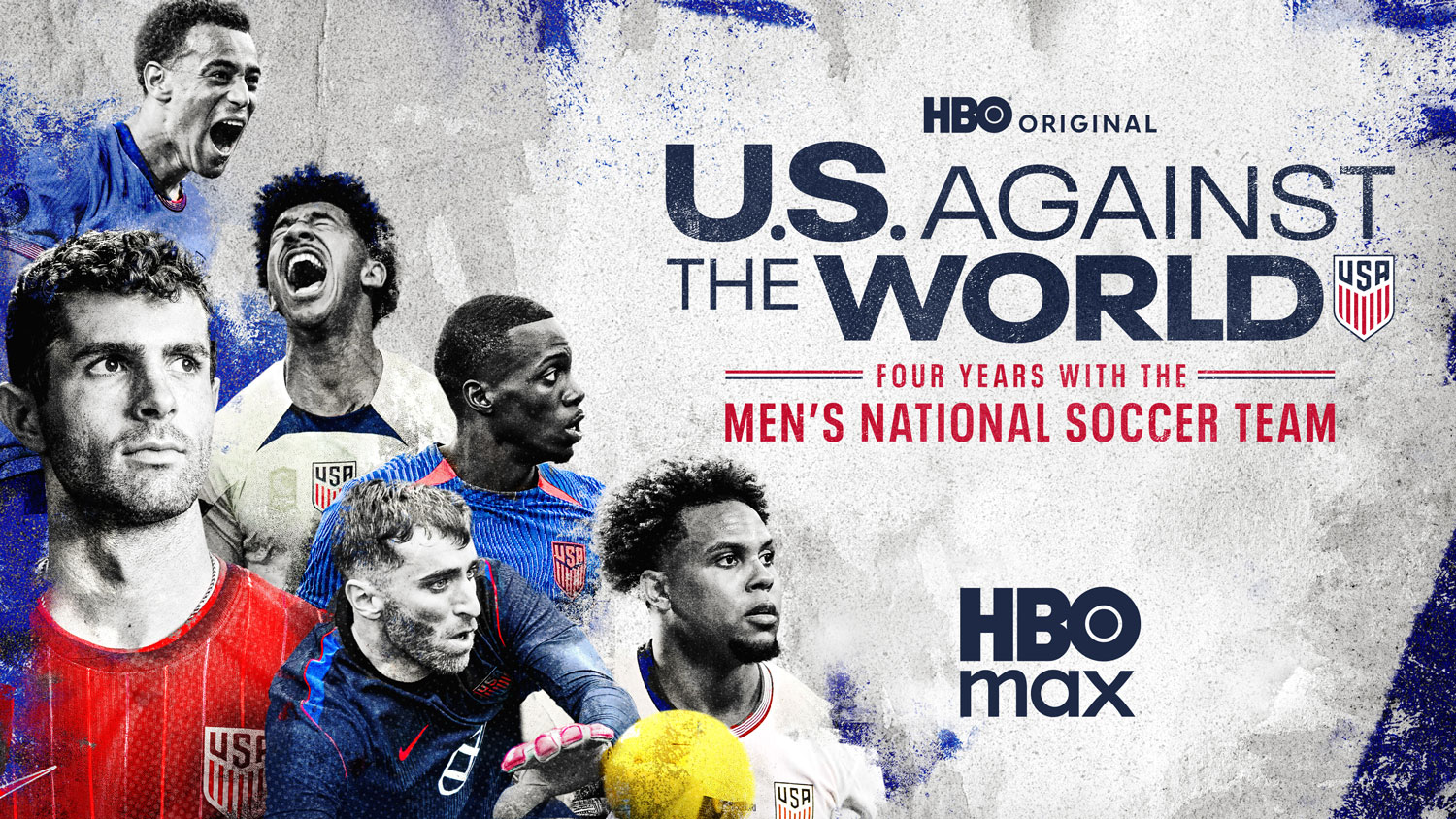
U.S. Against the World:
Produced by my husband-and-wife friends Rand & Janina, through their Parkstories studio. They’ve followed the US Men’s National Team for the past 4 years, and this docu-series traces back the evolution of the North American team from the Qatar 2022 World Cup, through to preparing to host the 2026 World Cup on home soil. Incredible exclusive access with everyone from players to coaches, and a real human underdog story.
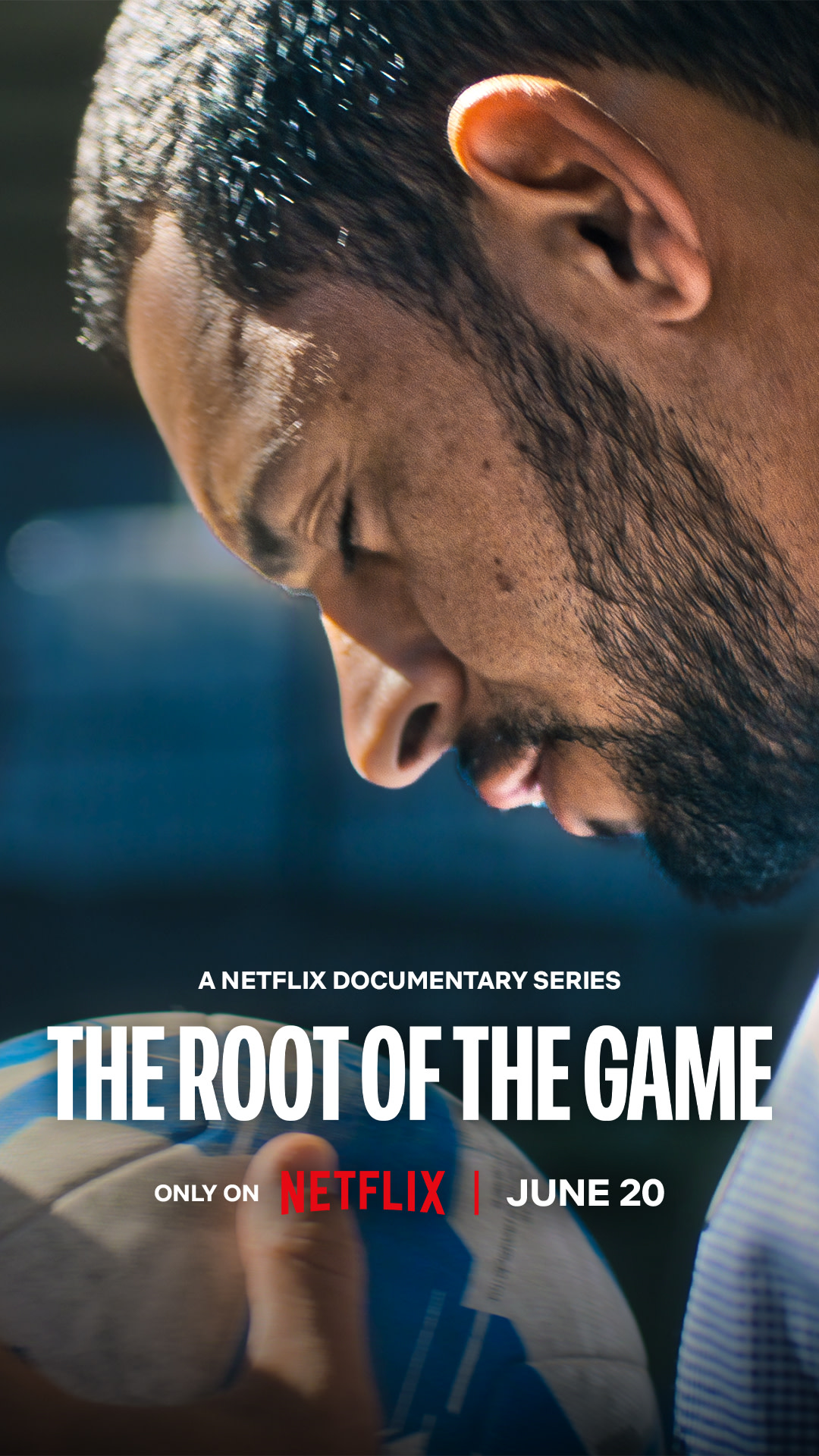
The Root of the Game
Directed by my friend Alec Cutter, possibly the most Brazilian American man I’ve ever met. After an incredible short film called Nando, Alec shares a fascinating look at the Varzea, Brazil’s grassroots, amateur football championship, around the São Paulo working class neighborhoods.
A small French basketball update:
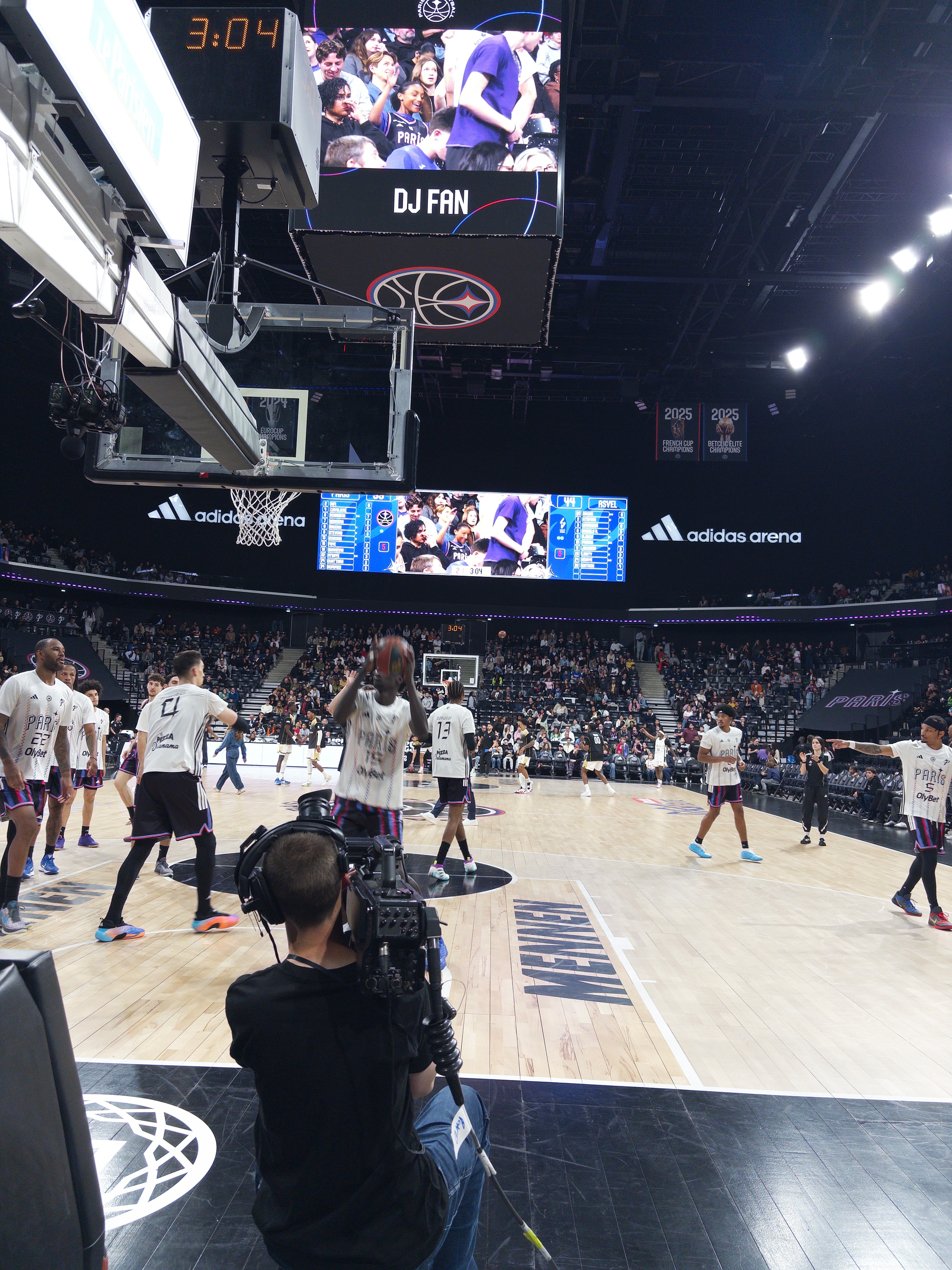
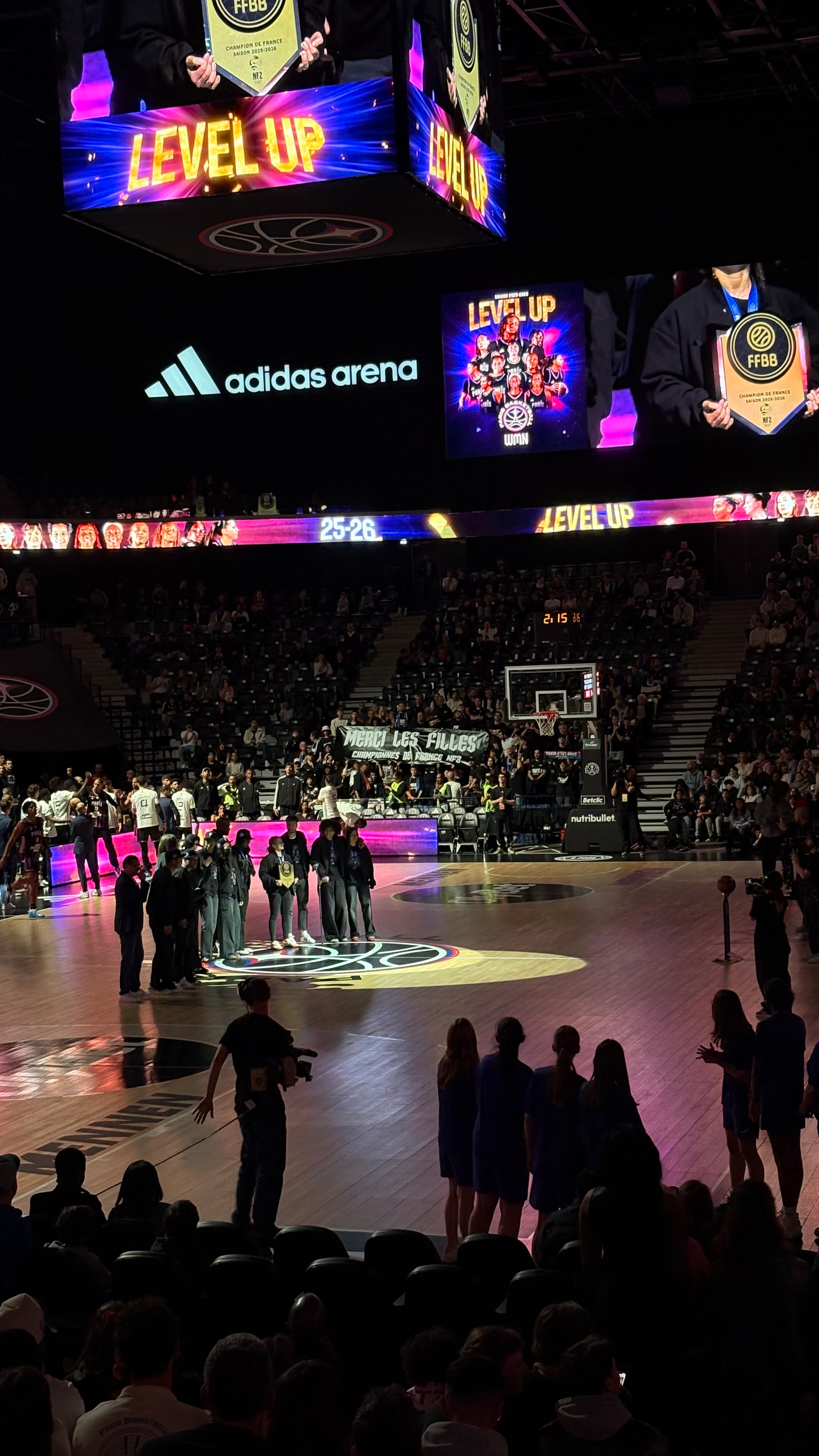
Paris Basketball had a really up-and-down season, 12 players left/traded/bought out after last season.
We didn’t make the Euroleague playoffs and in the domestic league we kept showing up against big teams but struggling against smaller ones.
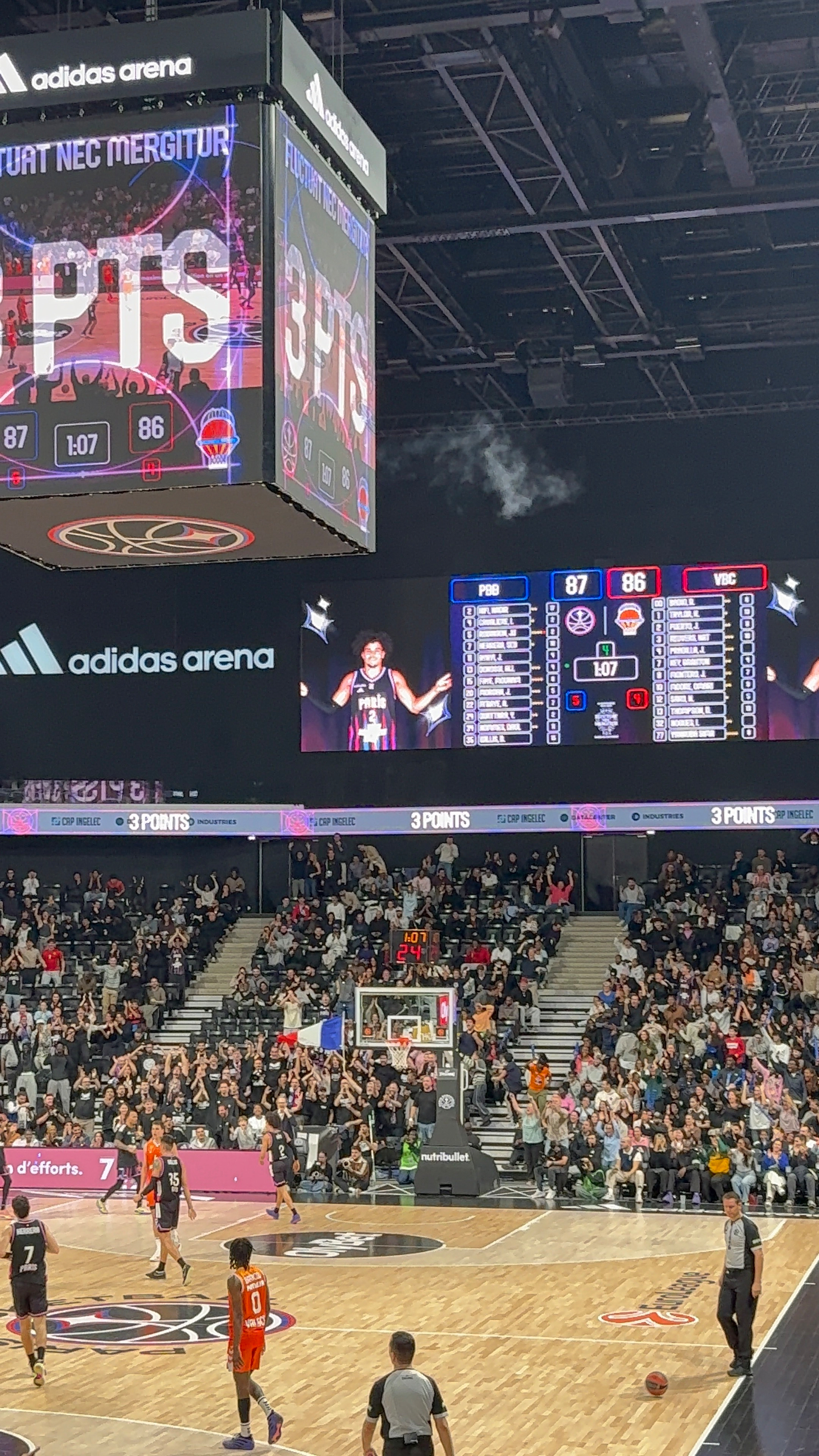
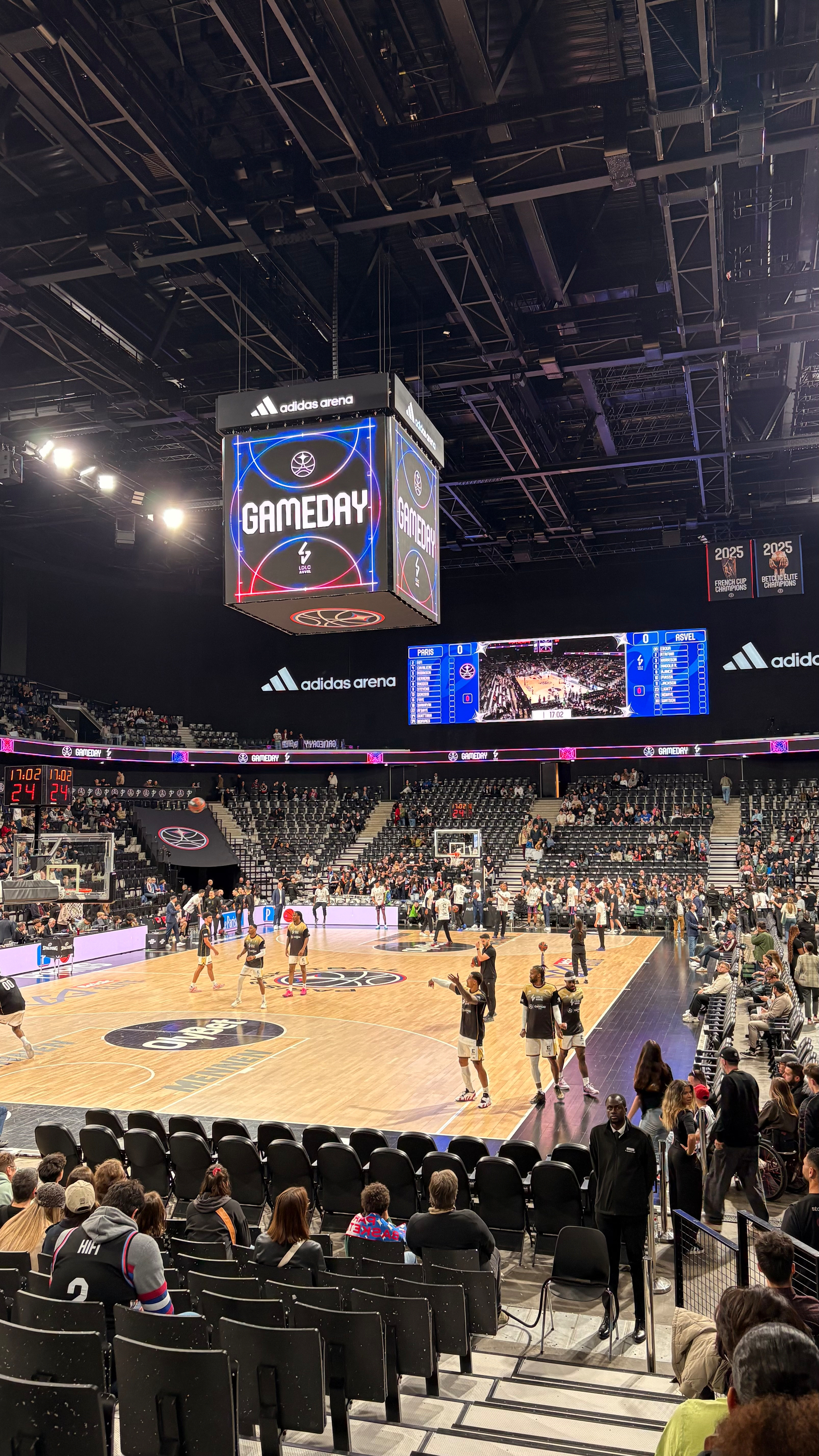
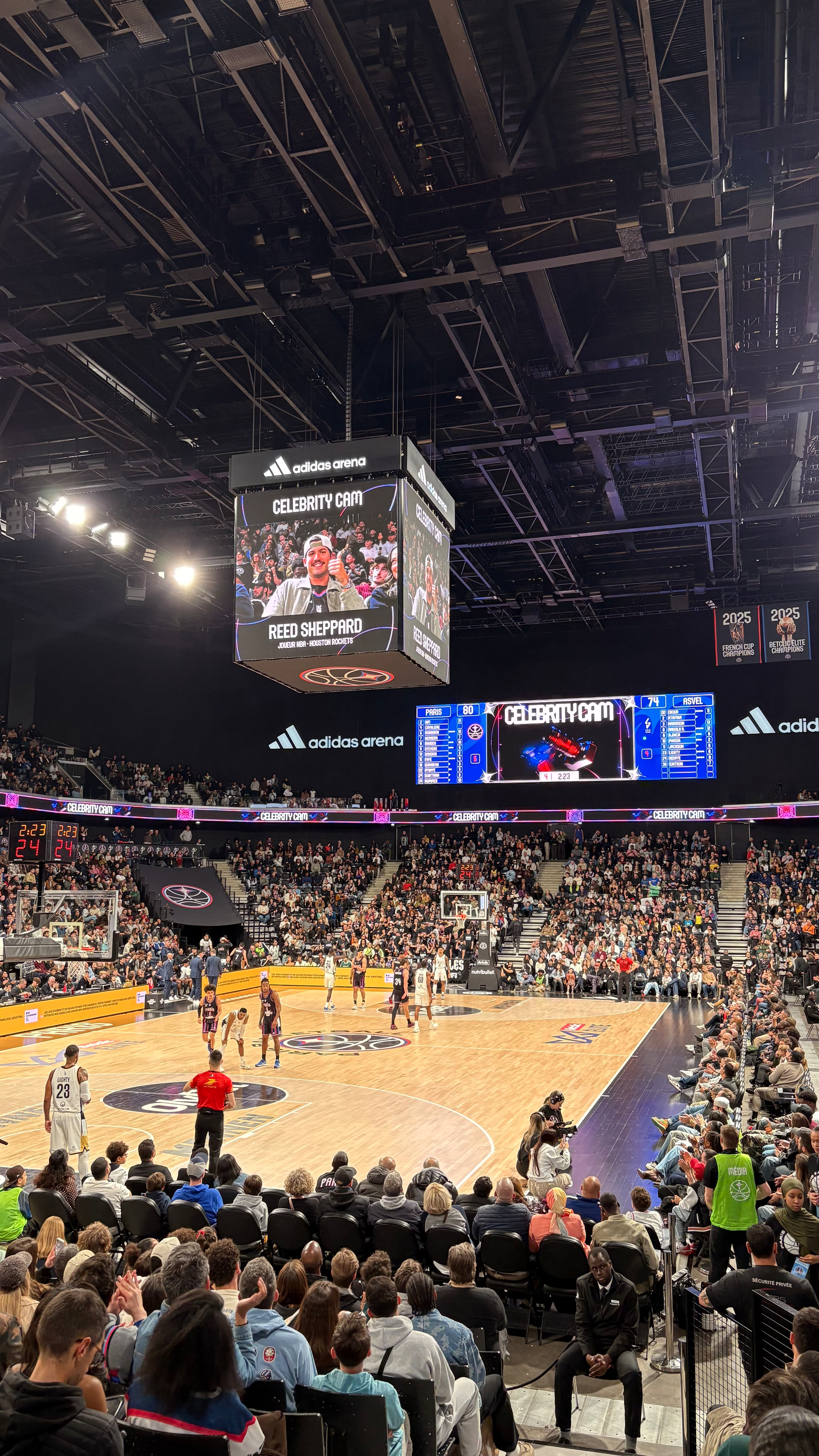
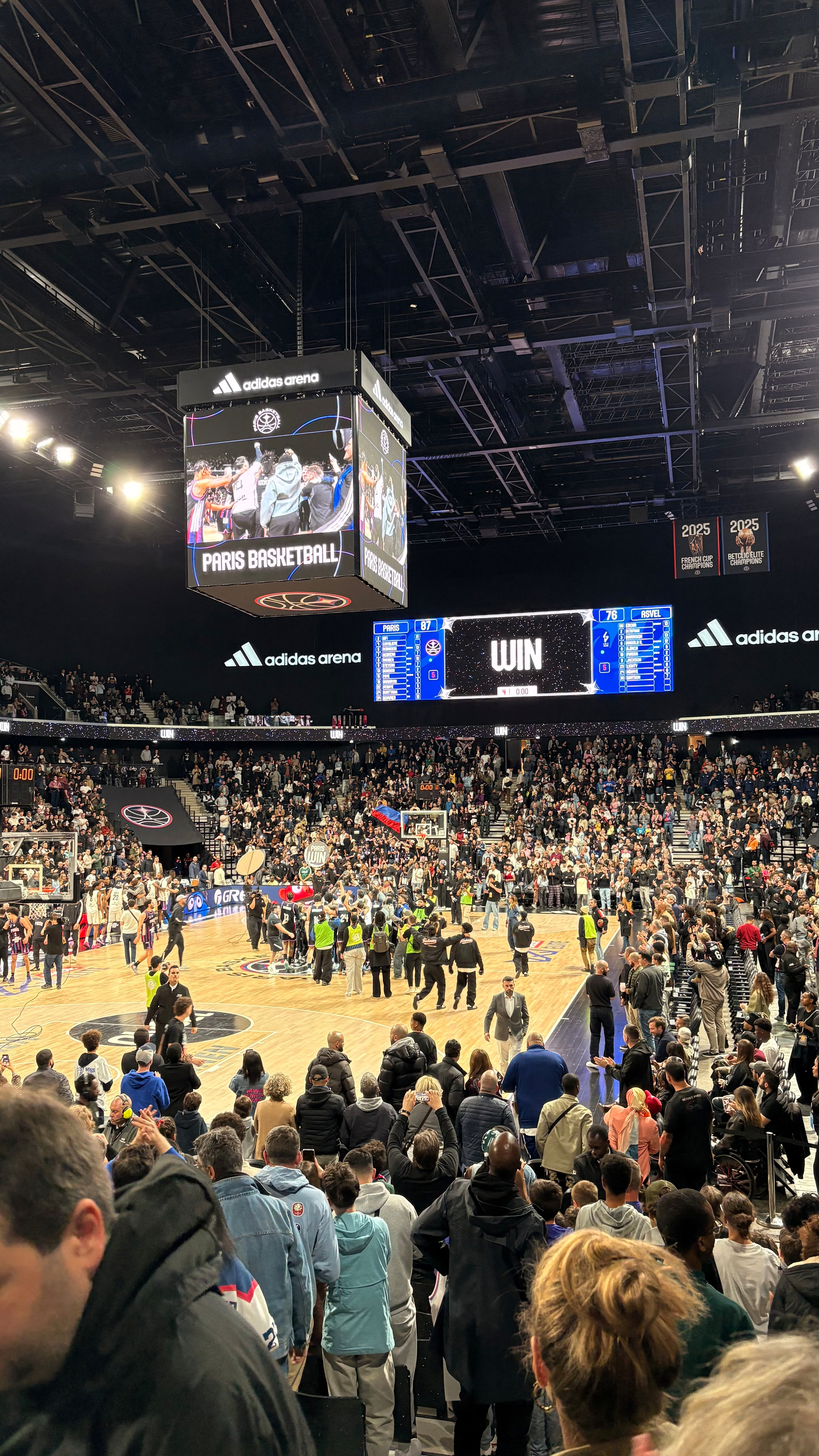
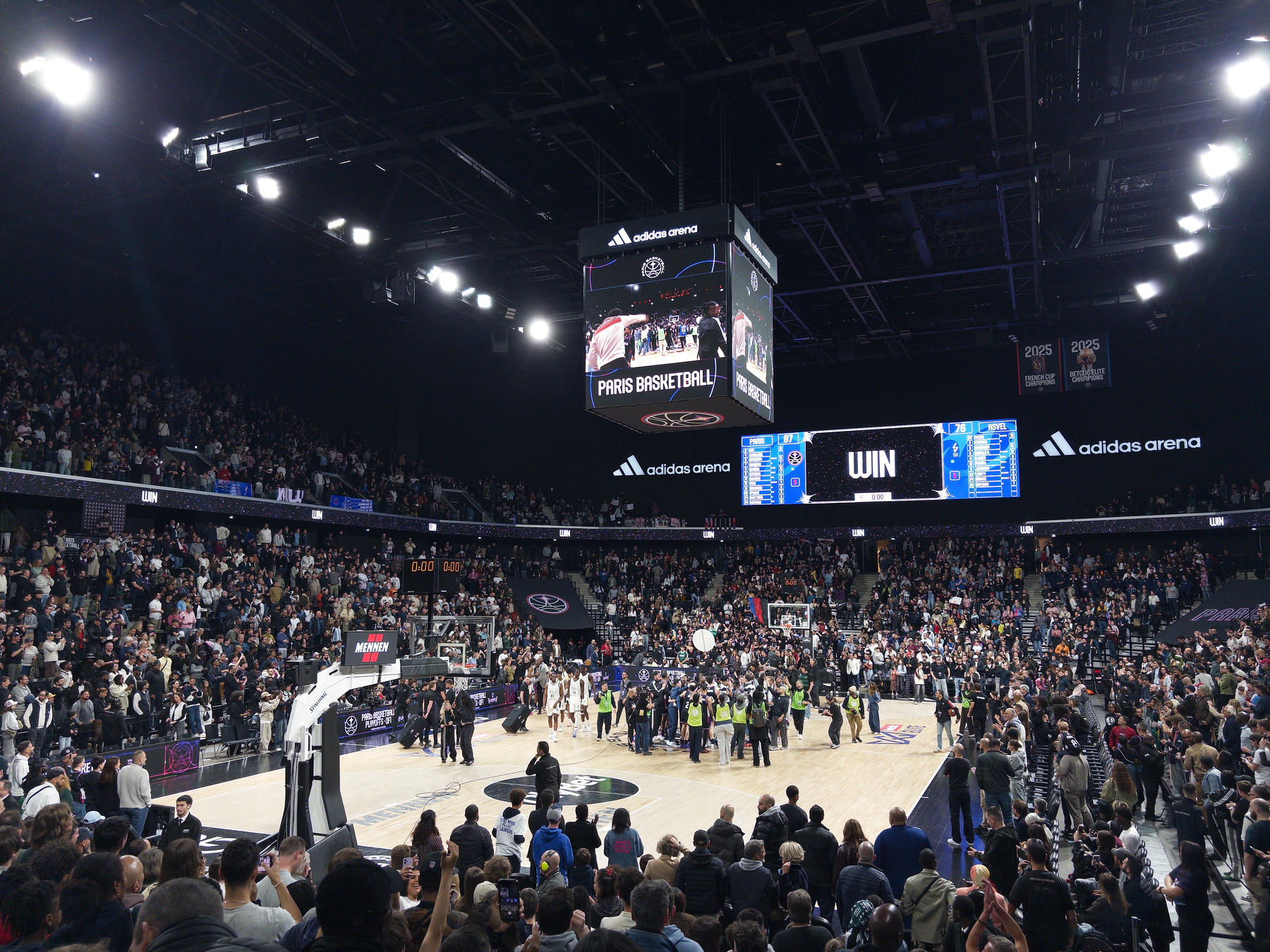
Today was the last “match day” and we were 3rd in the league. Coming into this, anyone from 1st (Monaco) through 4th could’ve snatched the first place, and finish on top of the regular season before the play-ins next week.
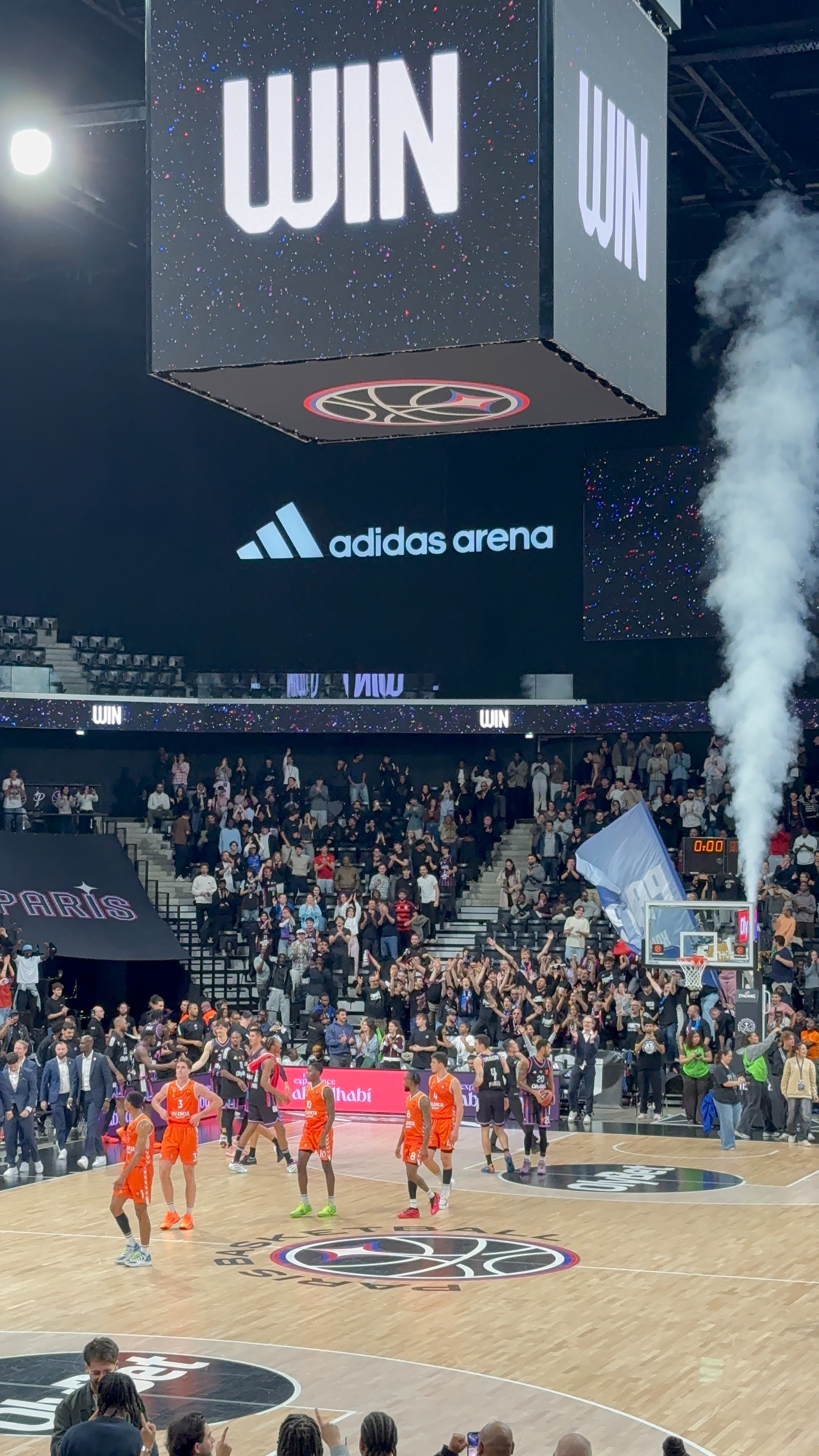
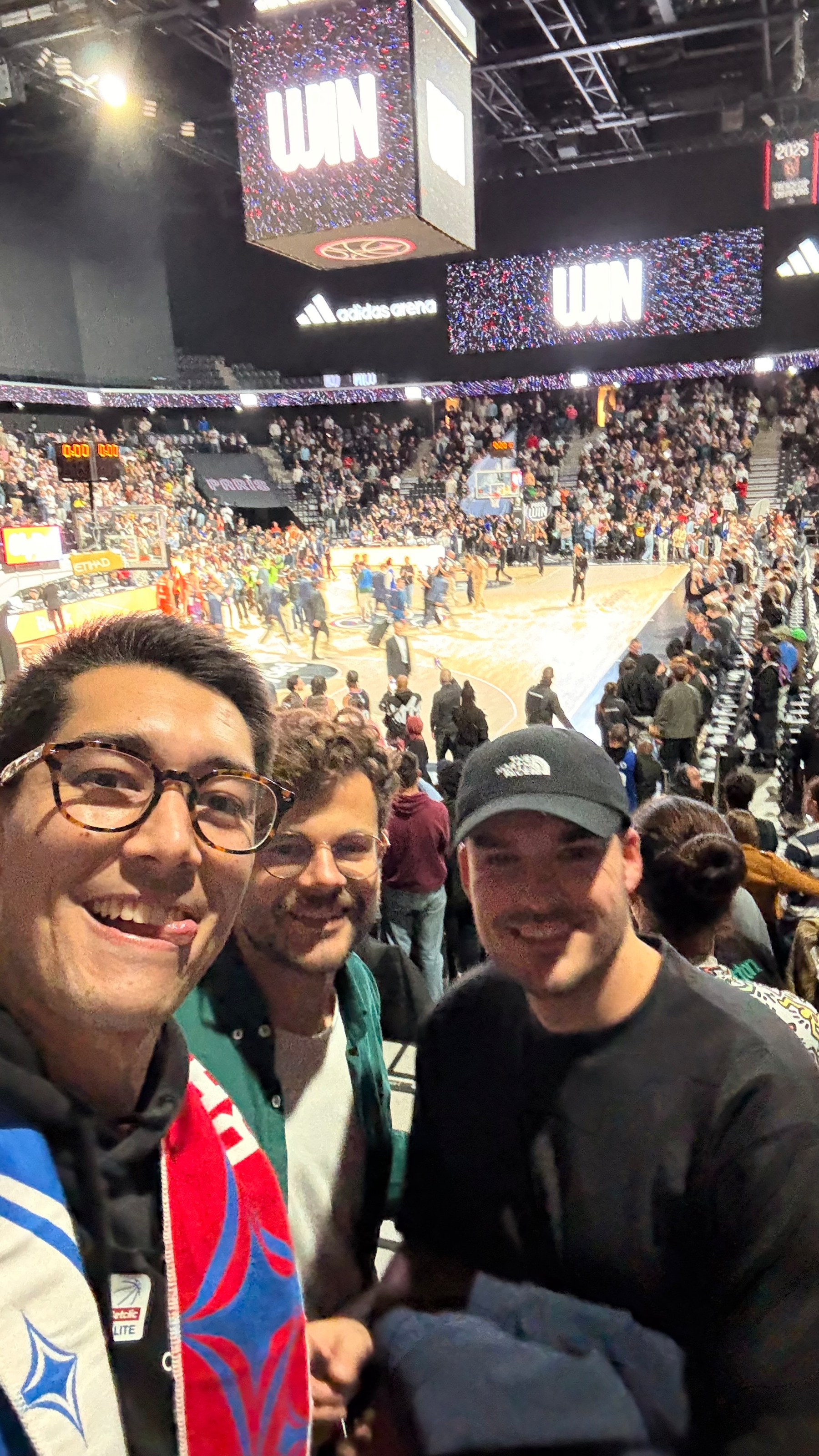
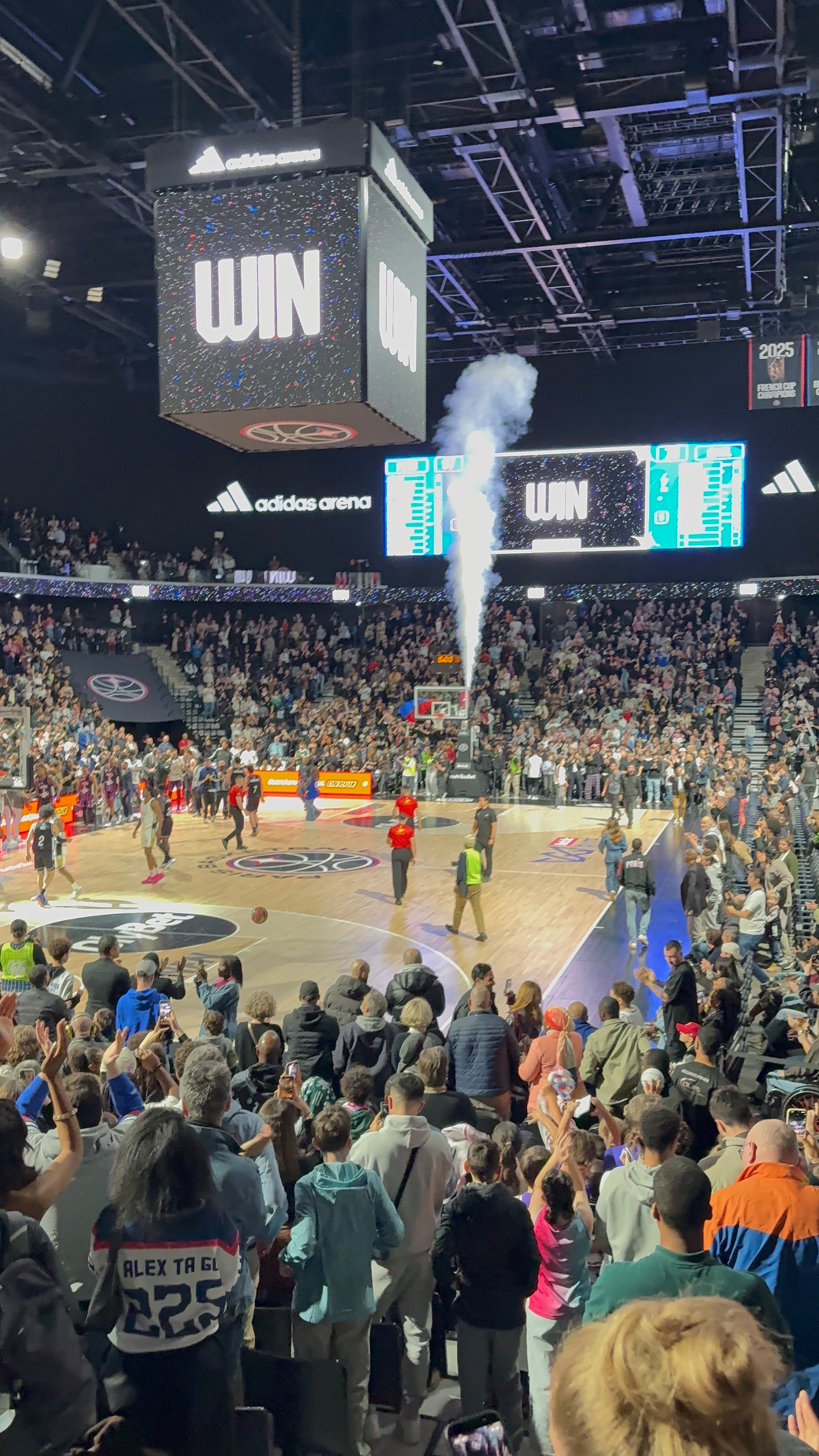
We won, tonight, against Tony Parker’s ASVEL (87-76), and our rivals lost, therefore ensuring 1st place and homecourt advantage. LFG!
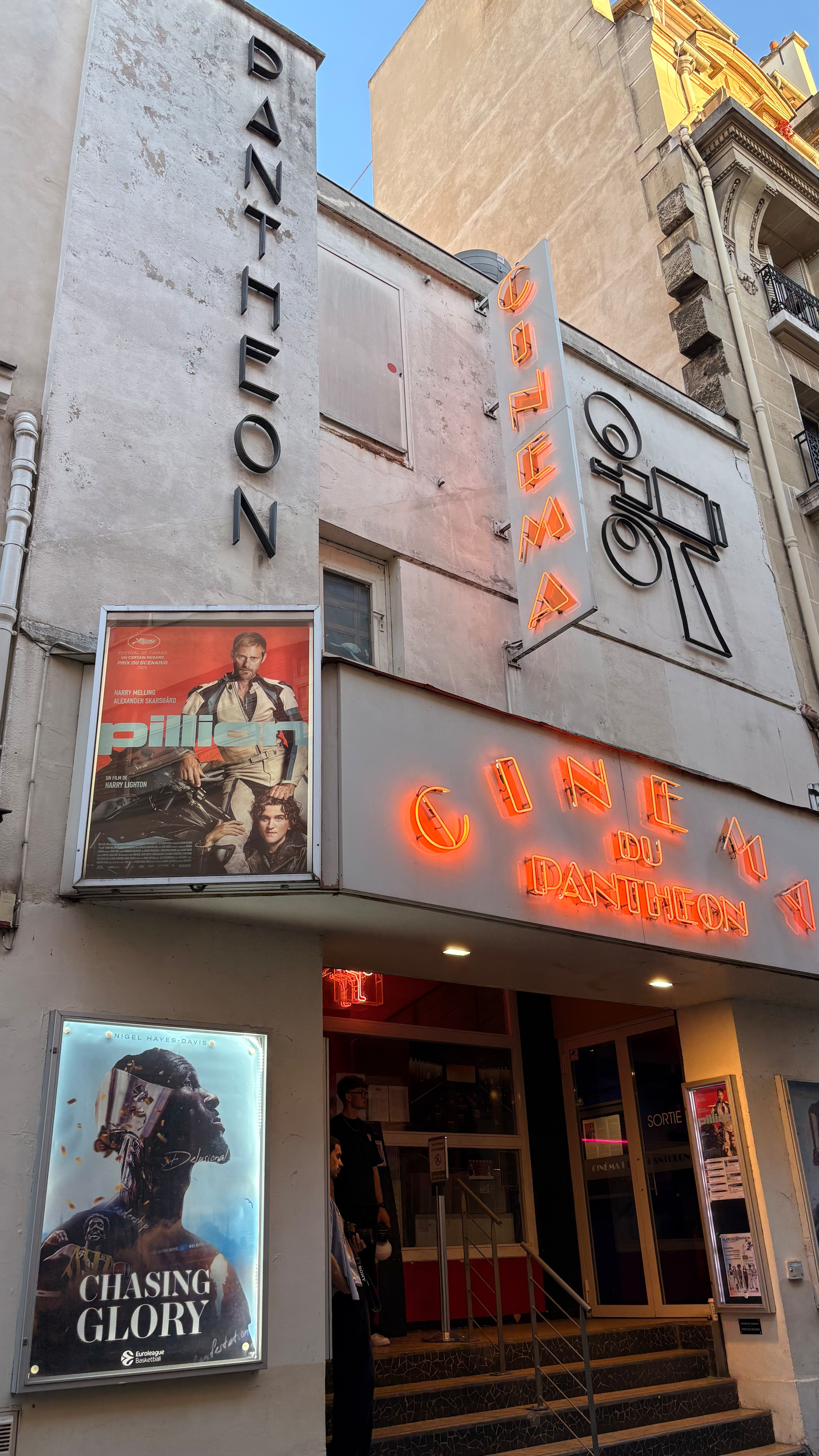
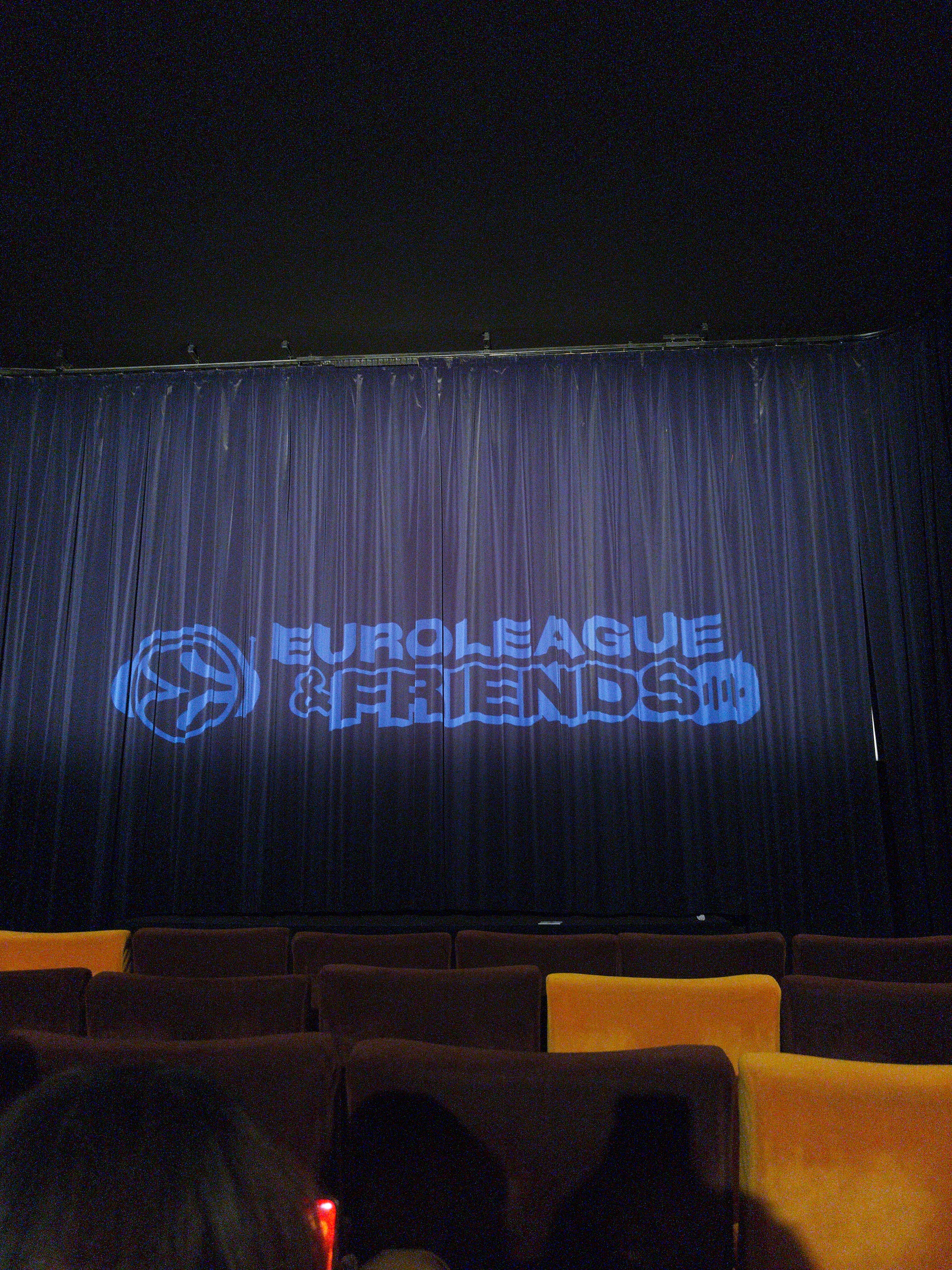
Evening out for a Premiere of a Euroleague Documentary on Nigel Hayes-Davis, “Chasing Glory”.
Following NHD as his Fenerbahce team makes the playoffs against us last season, all the way to the Euroleague final and winning Final Four MVP!
Really insightful documentary on a player who caused us so much heartaches last season!
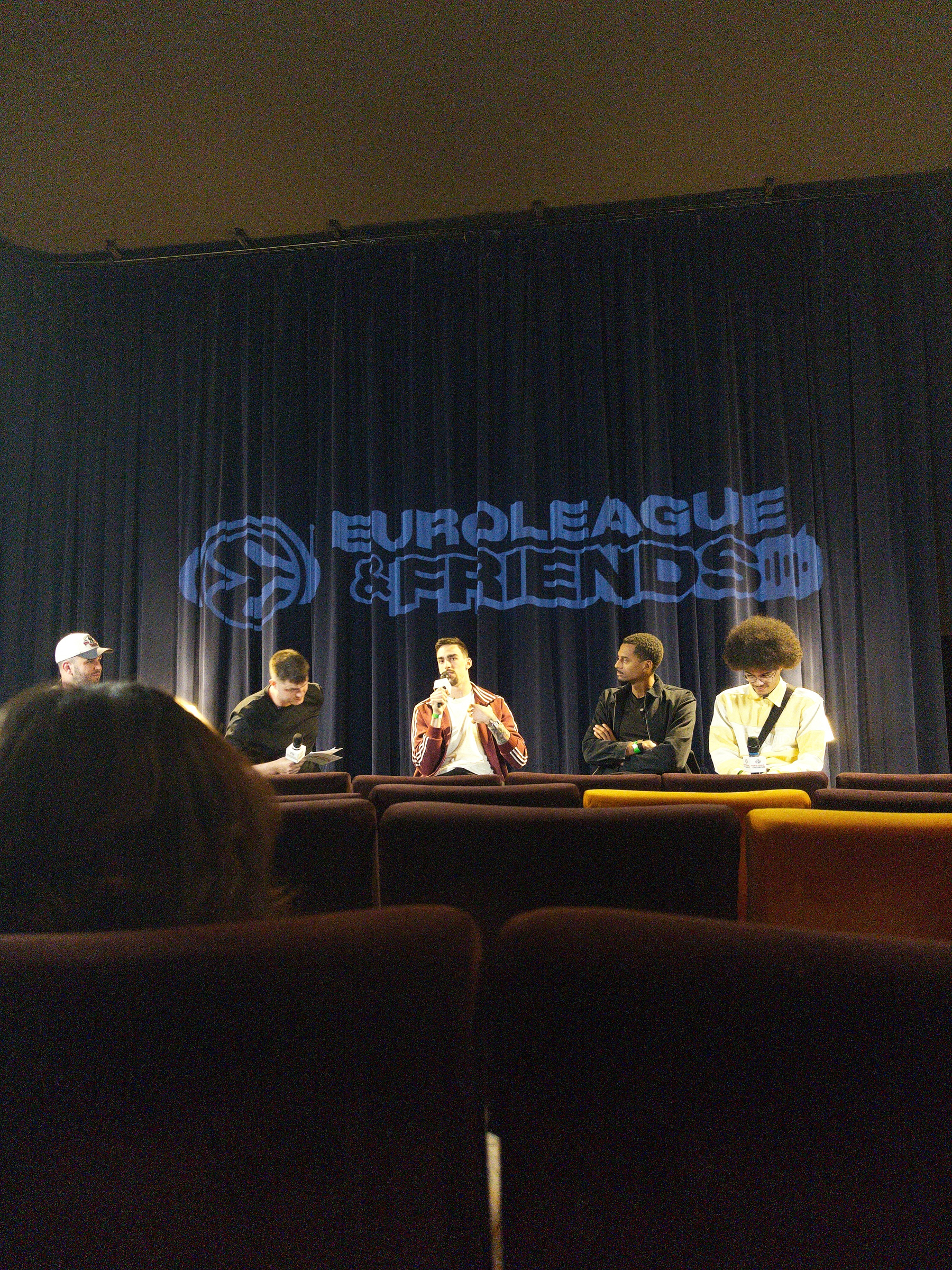
After the documentary, we had a panel discussion on the movie with the presence of Leo Cavalière, one of our Paris Basketball players, as well as two other former basketball players turned content creators.
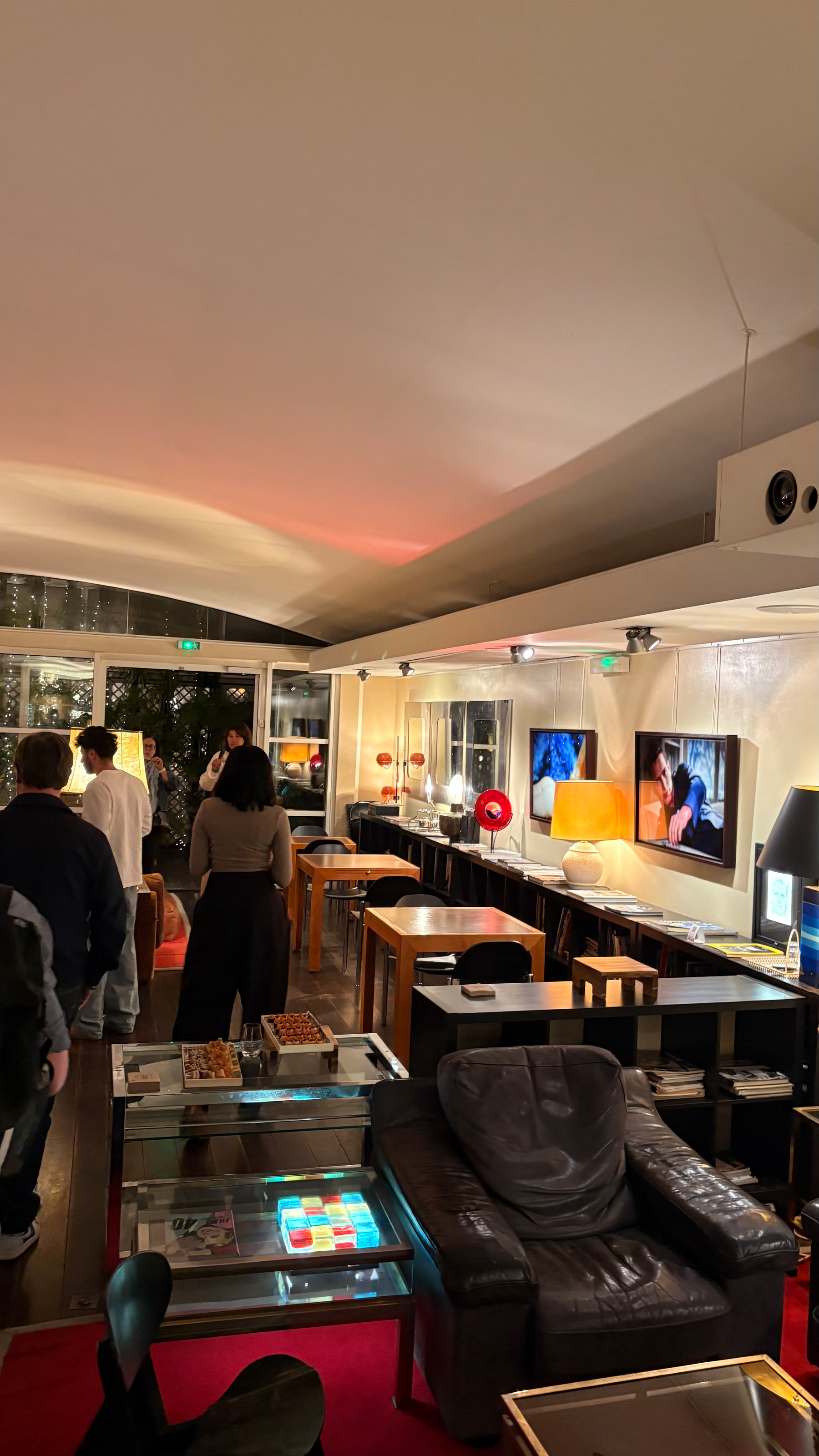
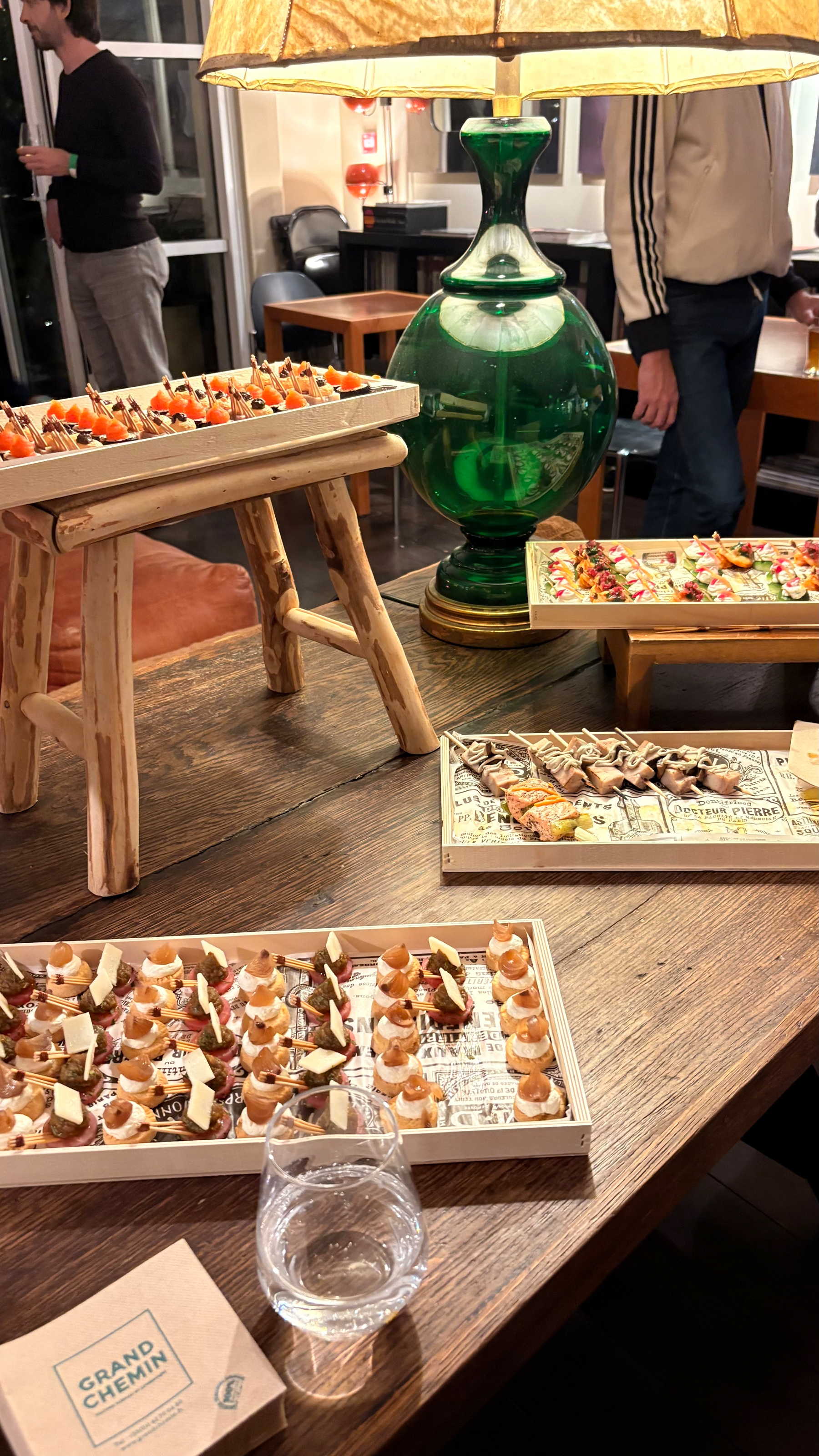
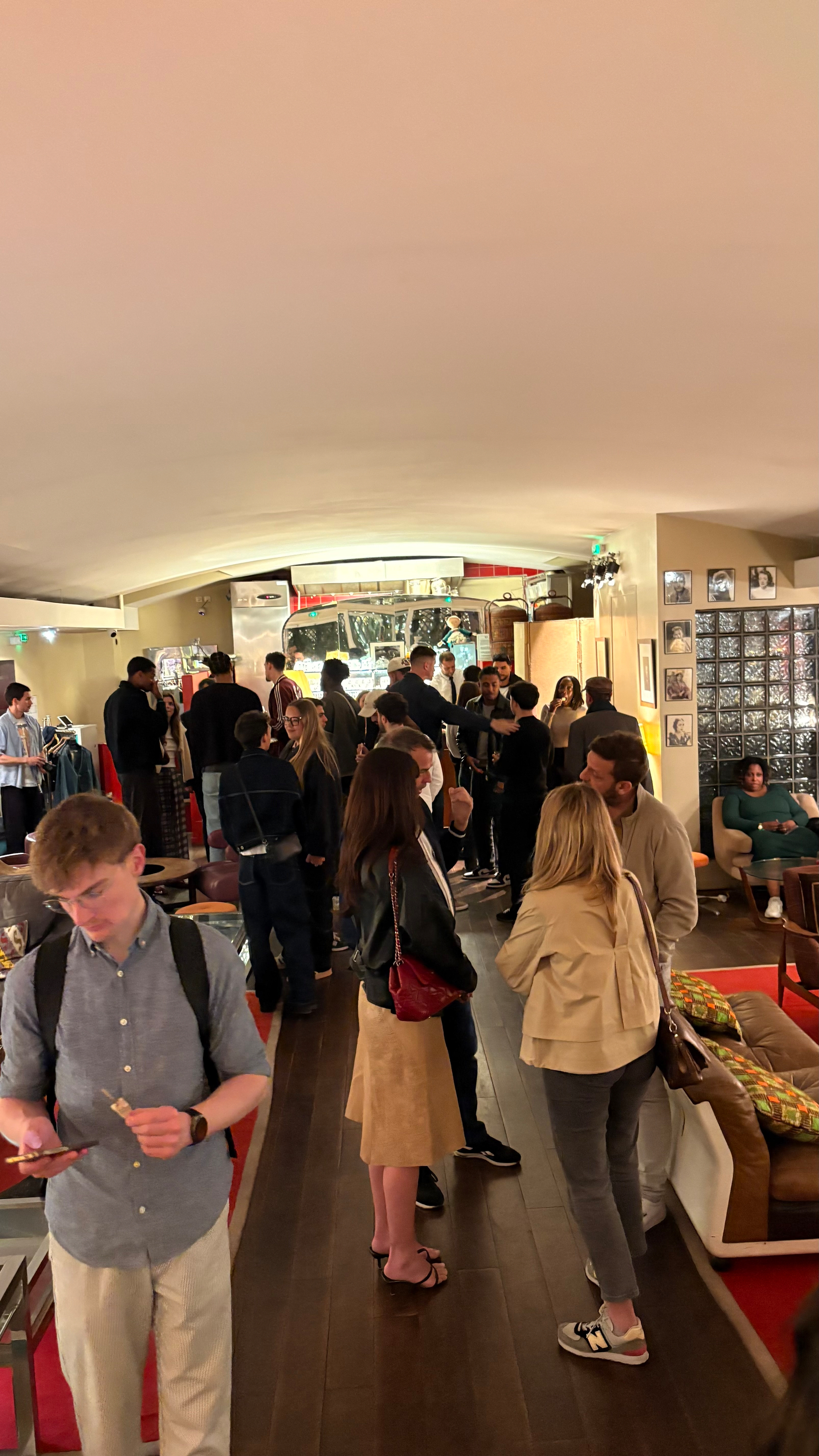
We then enjoyed some lovely drinks and snacks in the private rooftop salon of the cinema that was hosting the event! :)
Almost a month to the day that I picked up an injury yet my weekly basketball practice with my guys.
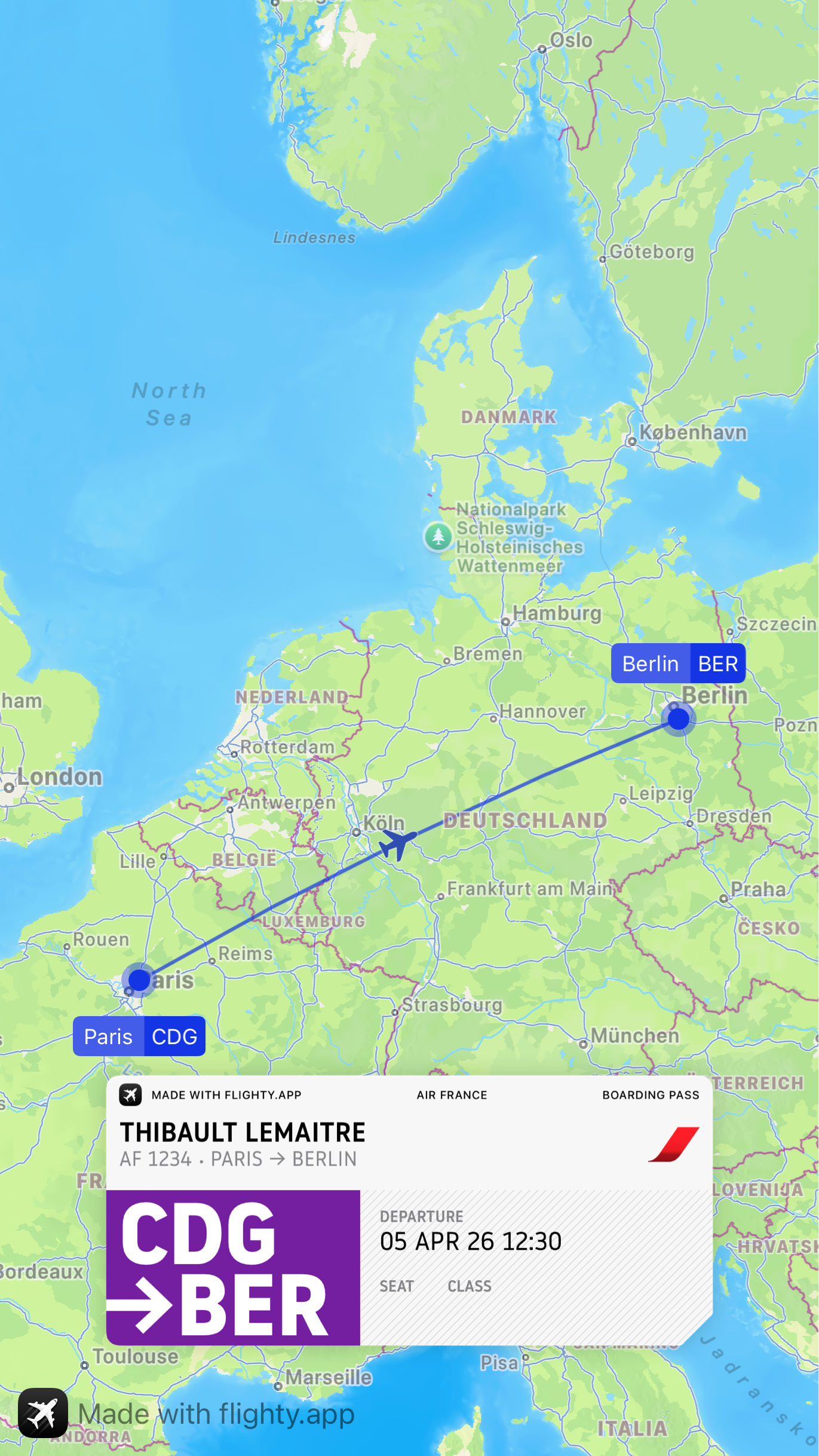
It took a week to see a doctor, another one to get results from a scan, and a week away, traveling to Berlin.
Since getting back, the doctor explained that sustained both a hematoma that solidified around the shin, and perhaps more importantly, a minor tear at the base of my leg just over the ankle
I started seeing a physical therapist for rehab last week, and she provided me with something exercises to try to strengthen my injured leg.
I went back again yesterday, and she assessed that there was enough improvement that I could start testing squat jumps and lunge jumps.
It’s pretty much the first time that I get an injury like that, so it’s a boost of confidence to be able to get her greenlight to start doing these exercise exercises.
I was able to follow the rehab regimen more closely this evening, and it was quite the confidence boost to be able to follow the program successfully today with very little hindrance of movement.
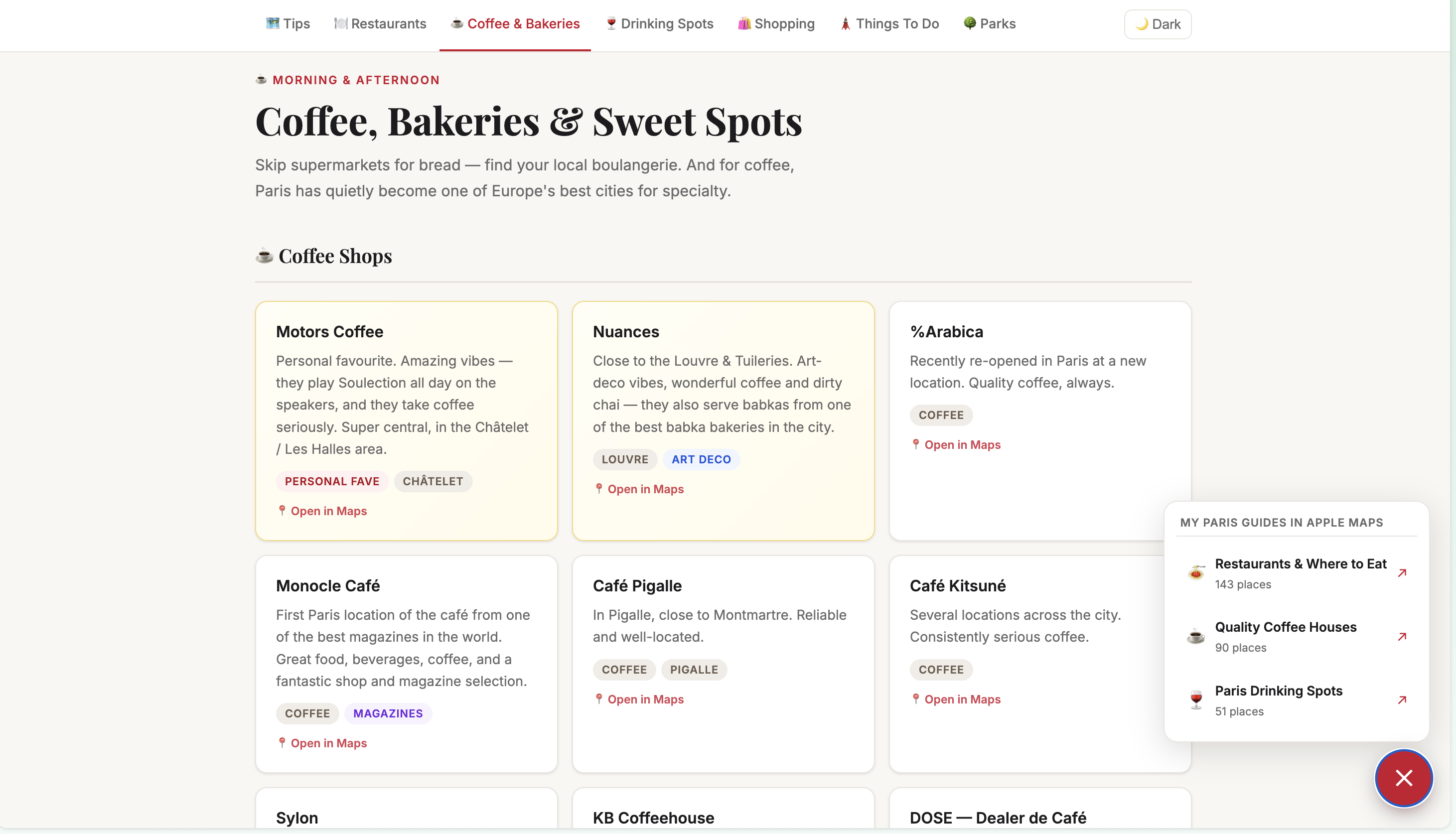
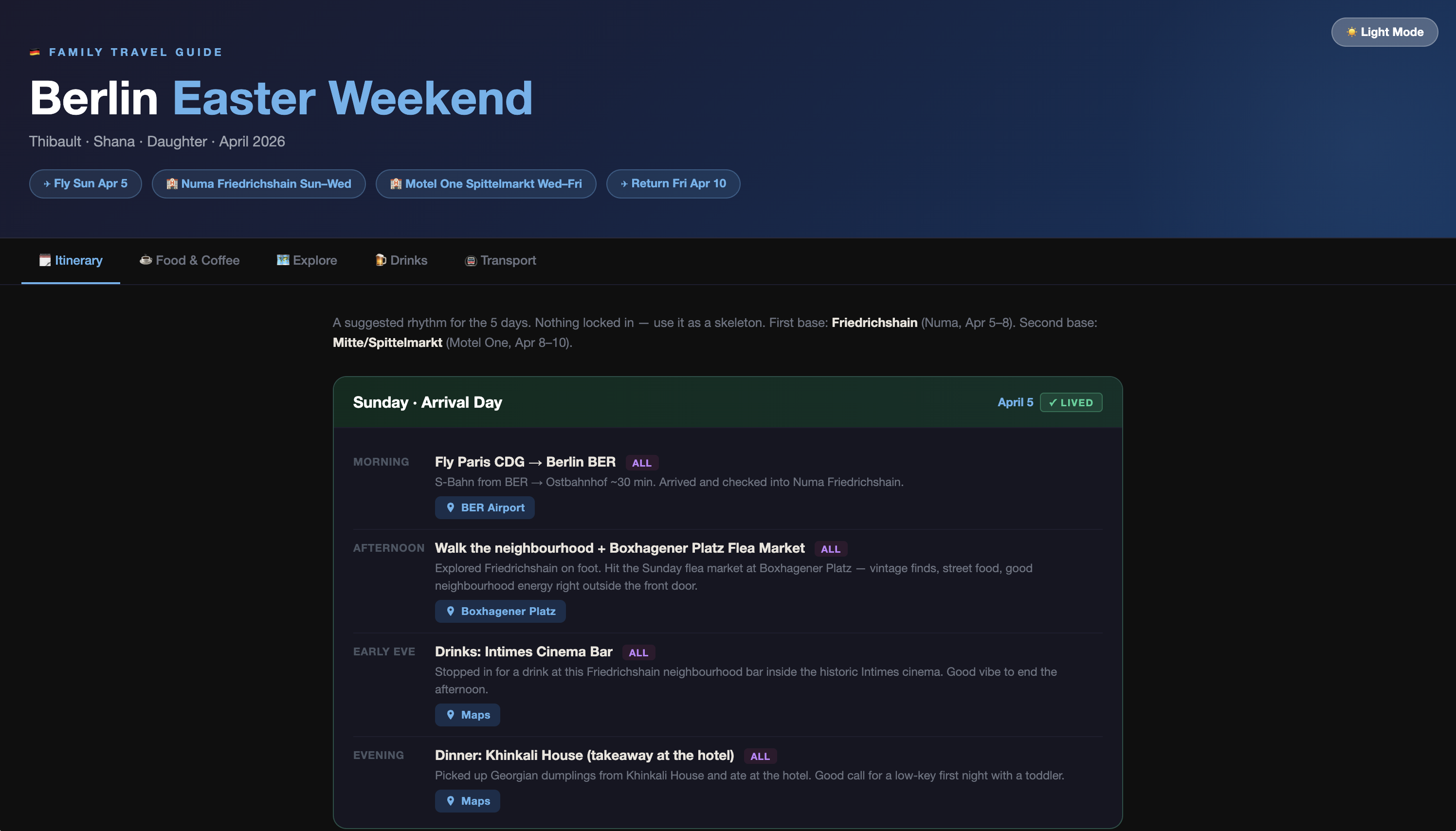
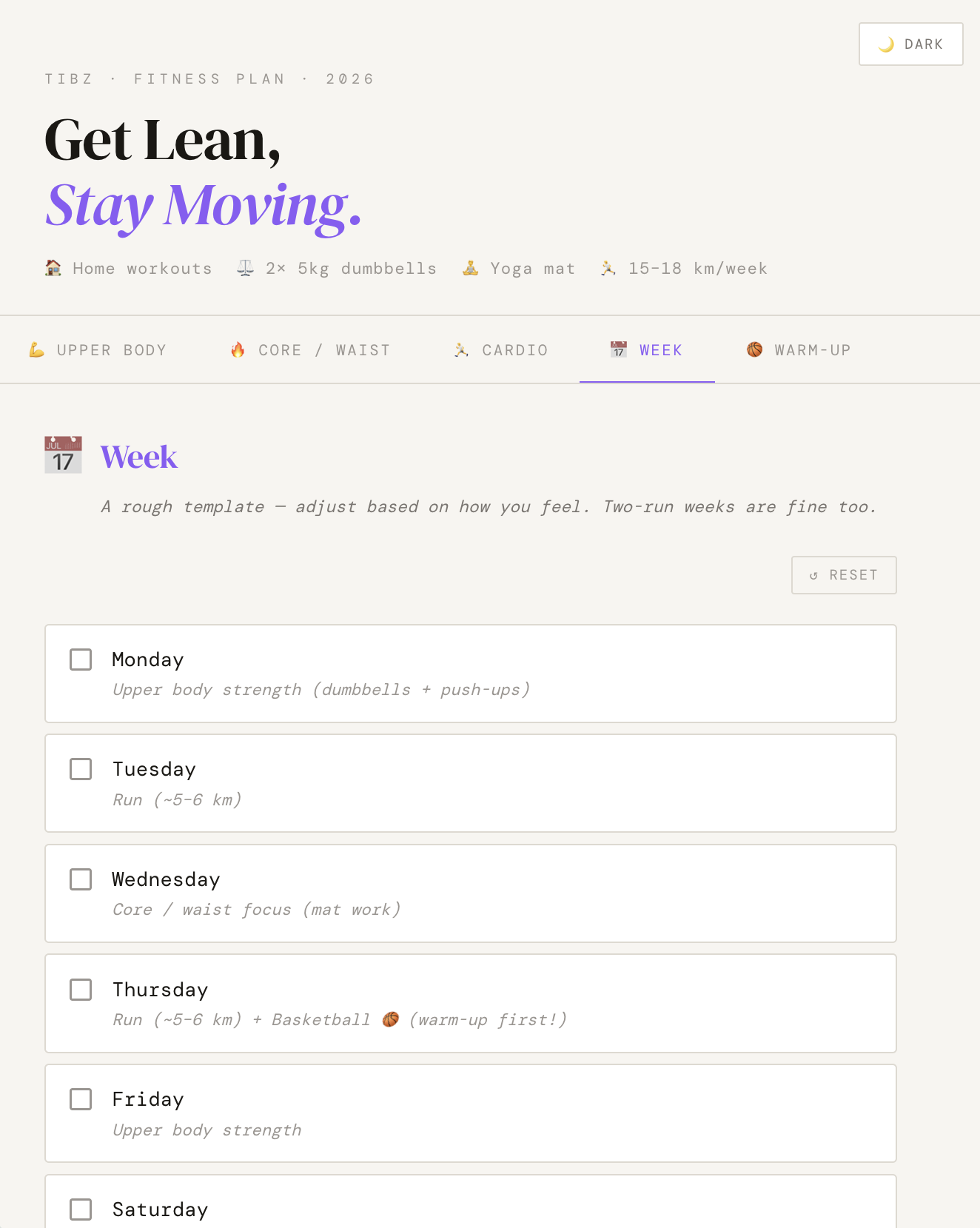
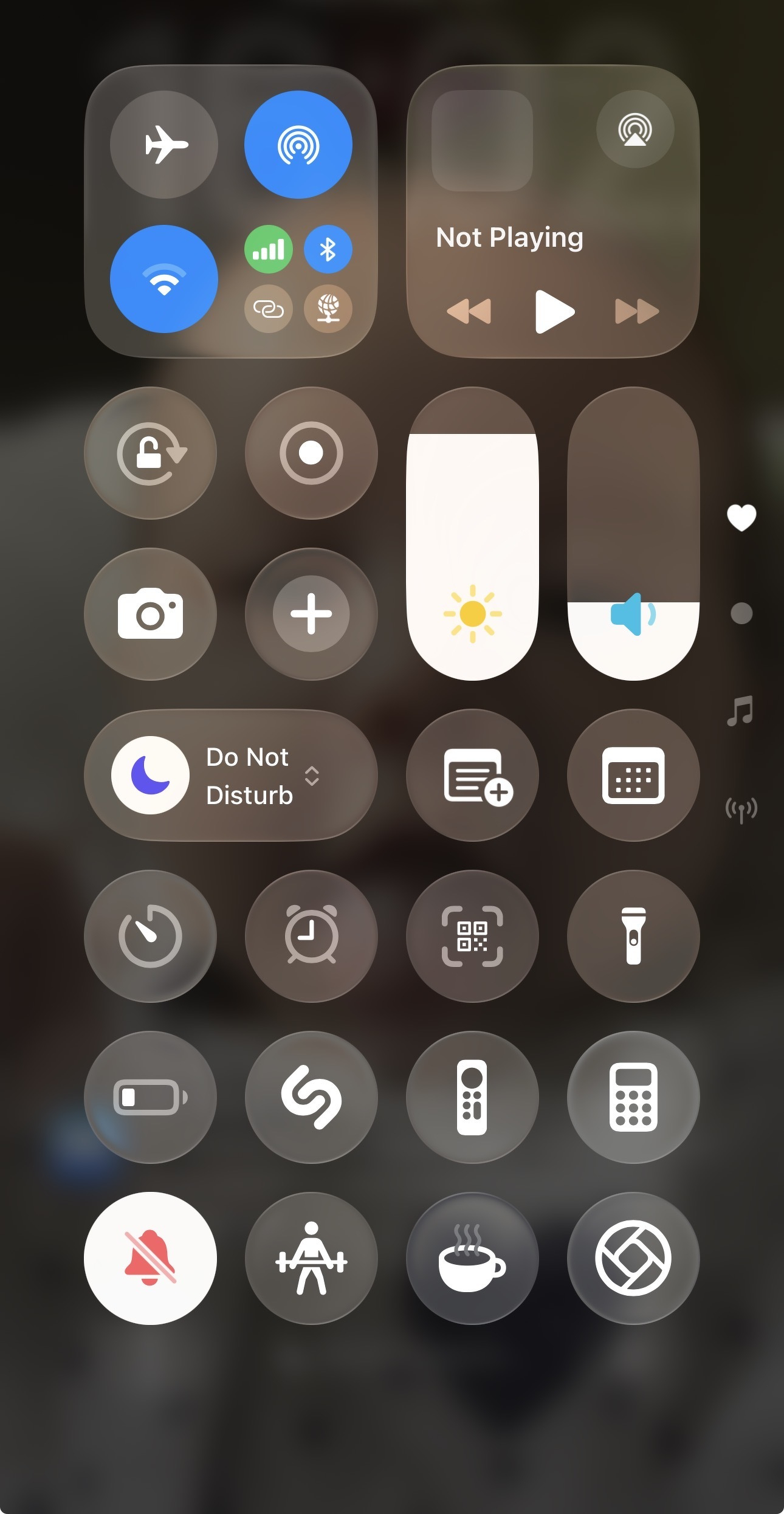
I’ve been thinking about using AI tools in more practical, personal ways for a while now. Not for everything. But for the right things. Somewhere between curiosity and necessity, I started building a handful of small guides for myself over the past few months, and I wanted to document how that happened. —## It started with ParisI’ve had a list of Paris recommendations for quite a while now. Over the past few years, it took the form of a shared Apple Notes folder, organized with different lists of recommendations. Coffee spots, restaurants, neighborhoods — the kind of stuff friends and family ask about whenever they visit us or simply travel here. I used to just send long texts or emails. Later it took the form of this Apple Notes folder with different notes inside of it, and direct links to Apple Maps. It worked, but it wasn’t great.So I sat down and tried something: I dumped everything I knew into a conversation with Claude, described what kind of places I actually care about (neighborhood spots, good coffee, no tourist traps), and asked it to help me structure everything into something I could actually send people. A few iterations later, I had a clean, navigable HTML page I could just… link to.Honestly? It’s one of the most useful things I’ve made. I’ve shared it probably a dozen times since, with friends & family.The key was being specific. I wasn’t asking it to “make a Paris guide.” I was telling it: here are the places I like, here’s the vibe I’m going for, here’s who this is for. It responded to that. Then I asked it to organize it as a simple static html file to upload to my own website. And then I refined it over time (light mode/dark mode, direct links to Apple Maps, etc.) You can view the guide as it stands now at tibz.blog/Paris—## Then came BerlinEarlier this month, we took a trip to Berlin over Easter — me, Shana, and our daughter. It coincided with a work trip to the Berlin office during the following week. Family travel with a toddler is its own kind of planning challenge, even when our daughter is already pretty easy and well-traveled: you need stroller-friendly neighborhoods, nap-window logistics, coffee that doesn’t suck, food that works for all three of us.I used the same approach as Paris. Described our situation, what we needed, what we didn’t want. The type of vibes we were after, the neighborhoods we were curious about. The output was a proper guide organized by neighborhood and day — built into an HTML page, hosted on my blog, so I could pull it up from my phone mid-trip.Then after we got back, I did something I hadn’t planned on: I went back into it and asked Claude to turn it into a record or log of what we actually did. Swapped the recommendations for the places we really went to, updated the itinerary to reflect how the days actually played out. Now it reads less like a planning doc and more like a trip log.Both versions felt useful in their own way. And the whole process — planning to debrief — was maybe a couple of hours of back and forth spread over a few days. This one is available at tibz.blog/berlinberlin.html V1 berlin.html V2, the final, updated version after coming back from the trip.—## Coffee time!I upgraded my home setup recently (added a scale — game changer), and realized I kept mentally holding a lot of knowledge about my own coffee setup that I’d never actually written down. What grind works on the Dedica versus the V60. How hard water affects extraction. When to descale.So I built a small reference guide. Just for me. Not a tutorial, not a how-to — just my own setup, documented in a useful way. It lives somewhere I can actually find it when I need it, instead of Googling the same thing for the third time.Small thing. But satisfying. Tibz.blog/coffee—## And finally, fitnessI run a few times a week. I play basketball on Thursdays. I have a yoga mat and two dumbbells at home. That’s the full setup.I wanted a weekly routine that actually reflected my life — not some generic program assuming I have a gym, infinite time, or perfect knees. I described my habits, my goals (upper body improvements, building running volume gradually, staying knee-conscious), and what I was working with. The plan I got back was something I could realistically follow, which is rare.I’ve used it more consistently than anything else I’ve tried. Probably because it was built around my actual situation. tibz.blog/workout—## The final touch: open instantly from my phoneAs a last touch, I made sure to create dedicated Shortcuts from my phone’s control center, using Shortcuts: that way, in one-tap I can easily reach for the Coffee guide when I’m still waking up, or change and get ready to workout with very little time-related friction, seconds away from starting my workout.—## What I noticedThe first version of each of these was never the final version. Always needed at least two or three rounds to get it to feel right. The more honest and specific I was about what I wanted — and what I didn’t want — the better the result.I also stopped framing it as “using AI to do a task” somewhere along the way. It felt more like thinking out loud and having something help me structure it. The knowledge was already there. I just needed a way to get it out of my head and into something useful.That part I didn’t expect to enjoy as much as I did. Nerdy useful things.
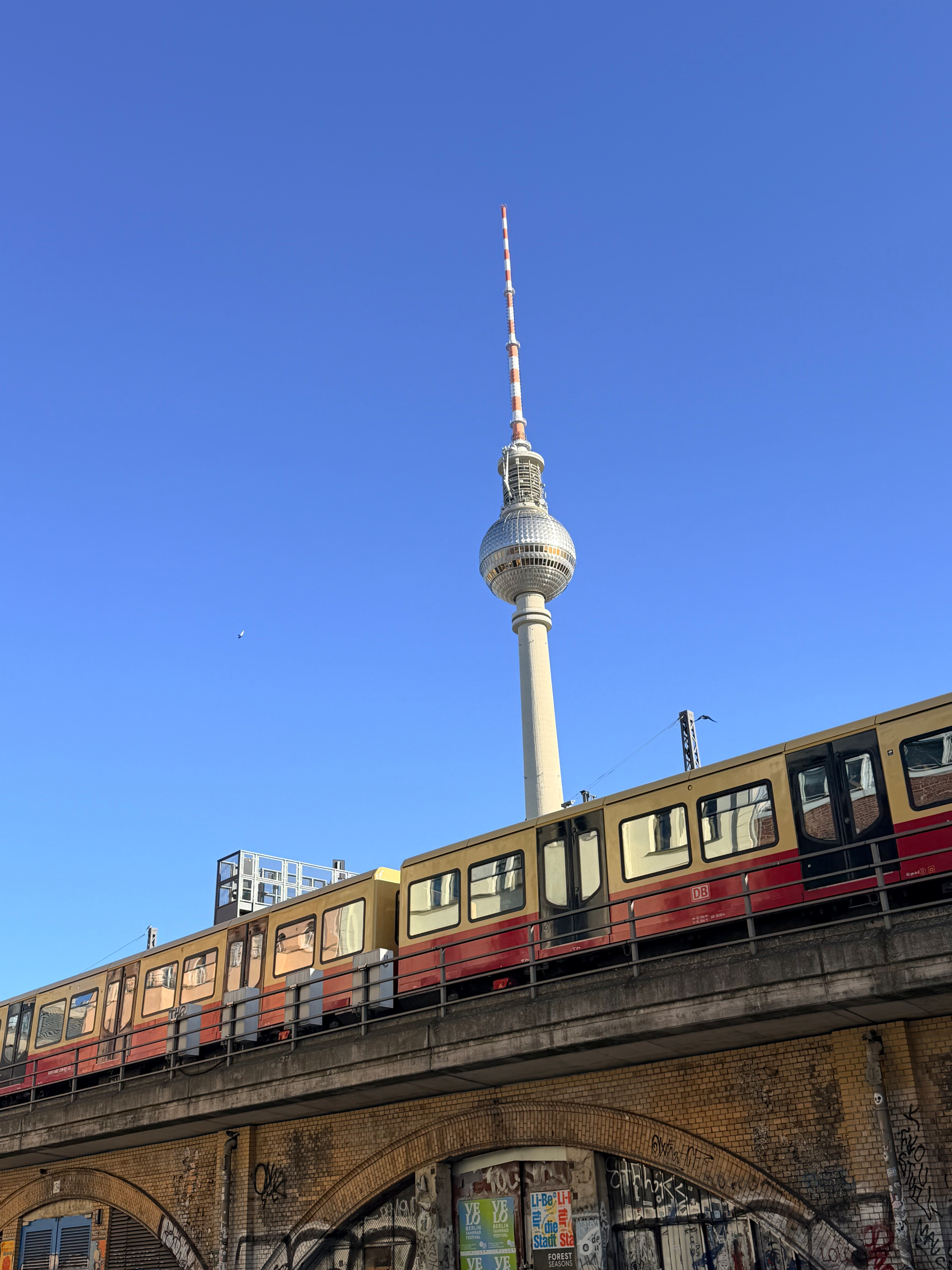
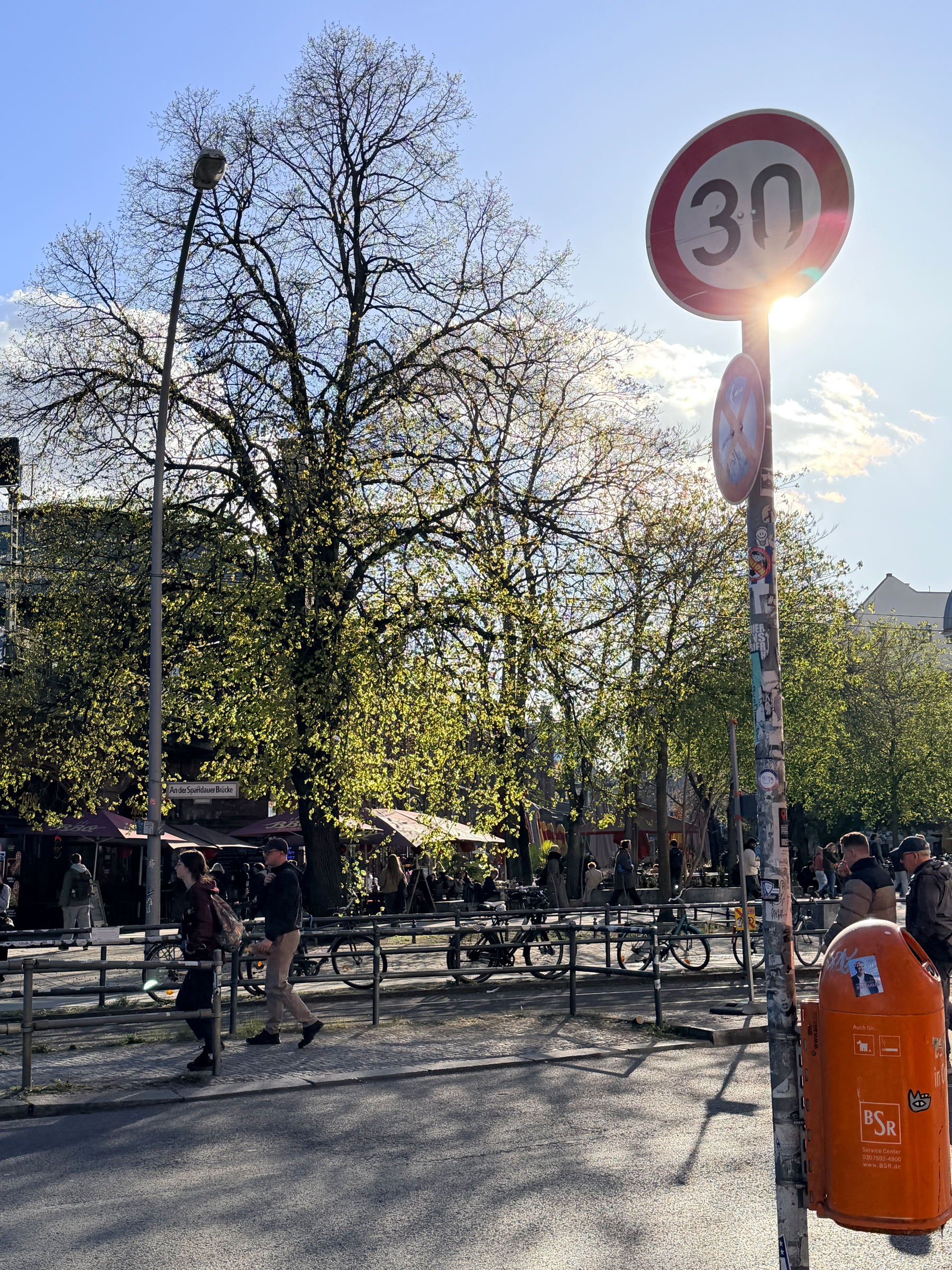
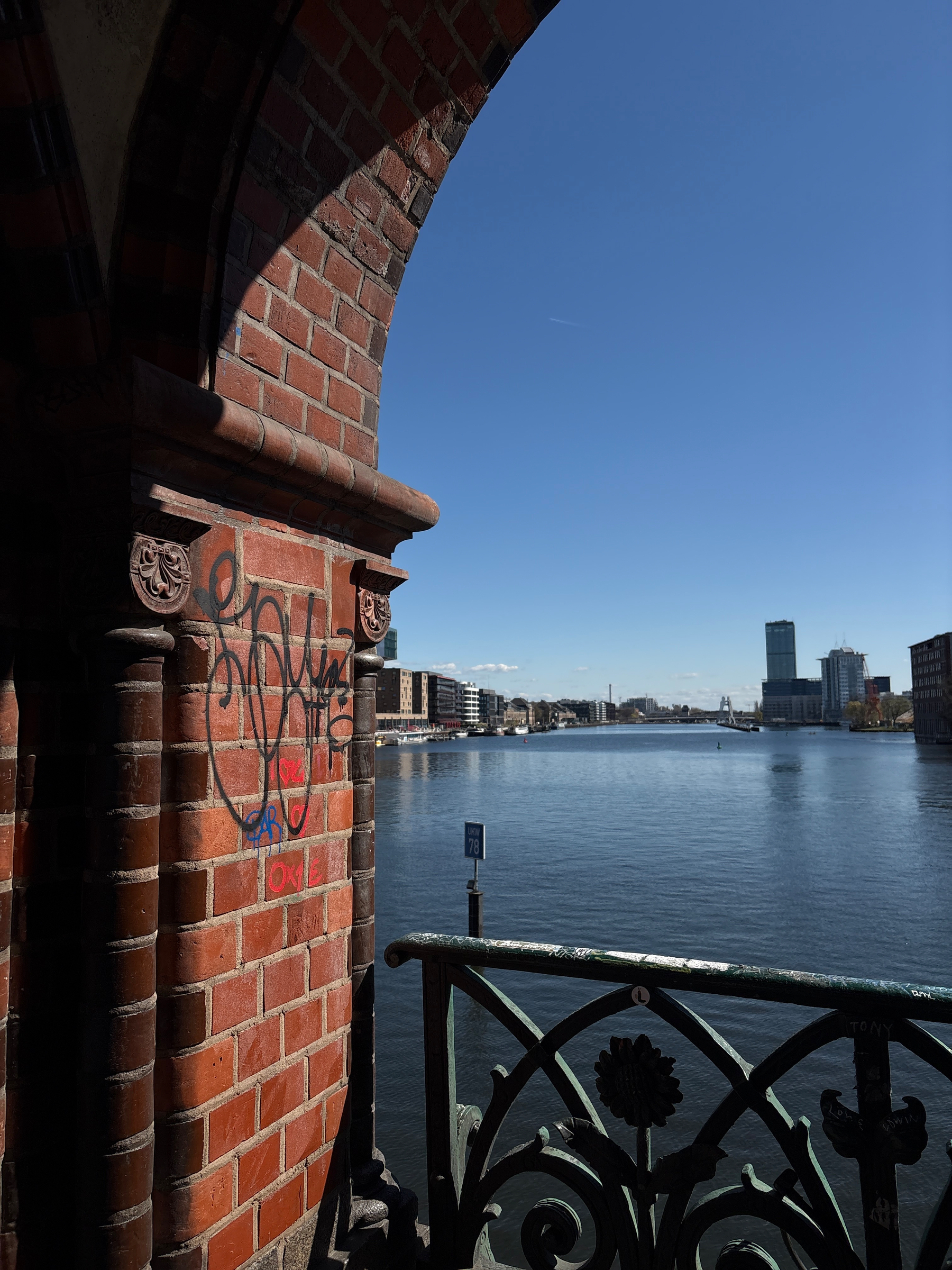
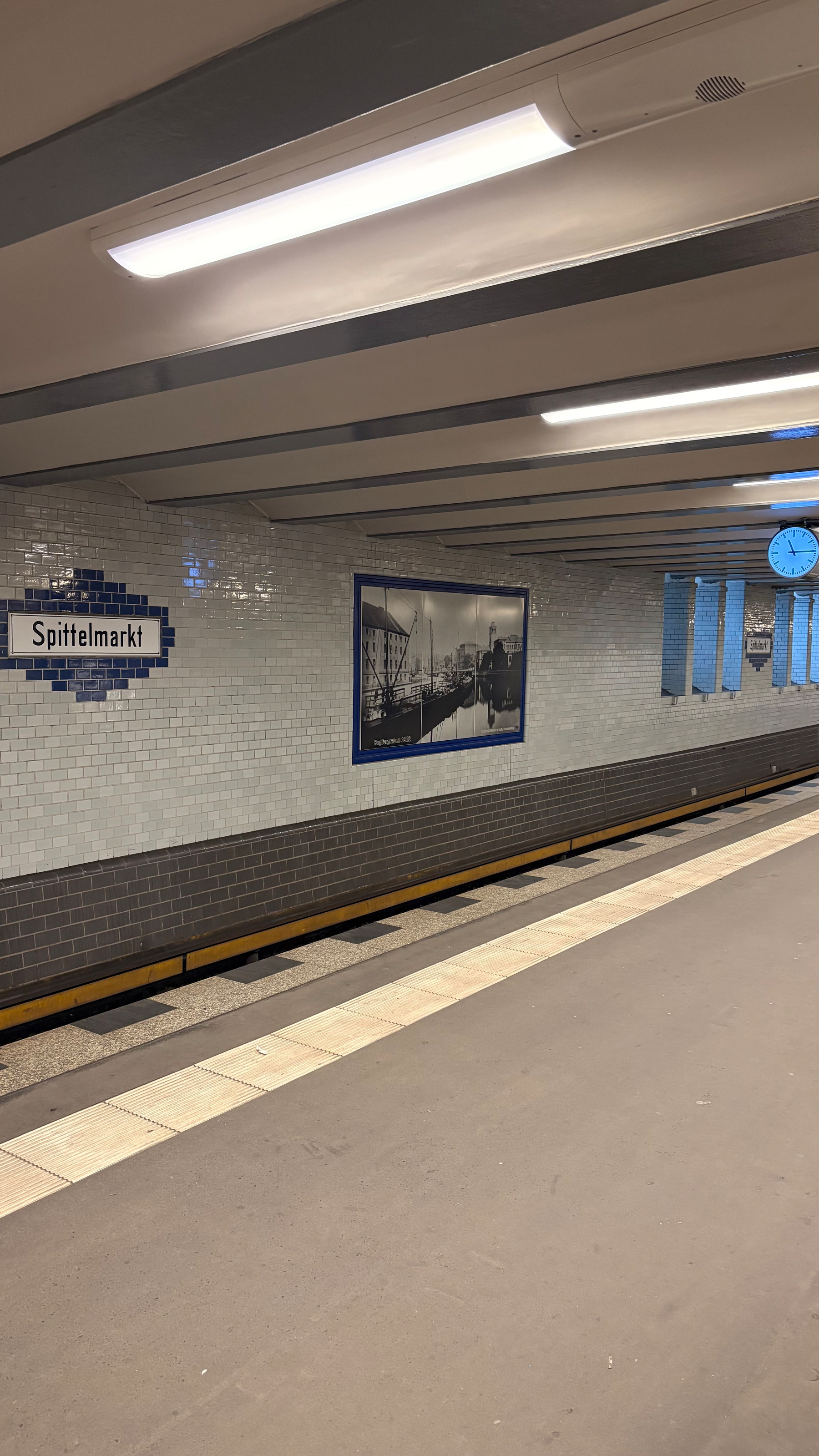
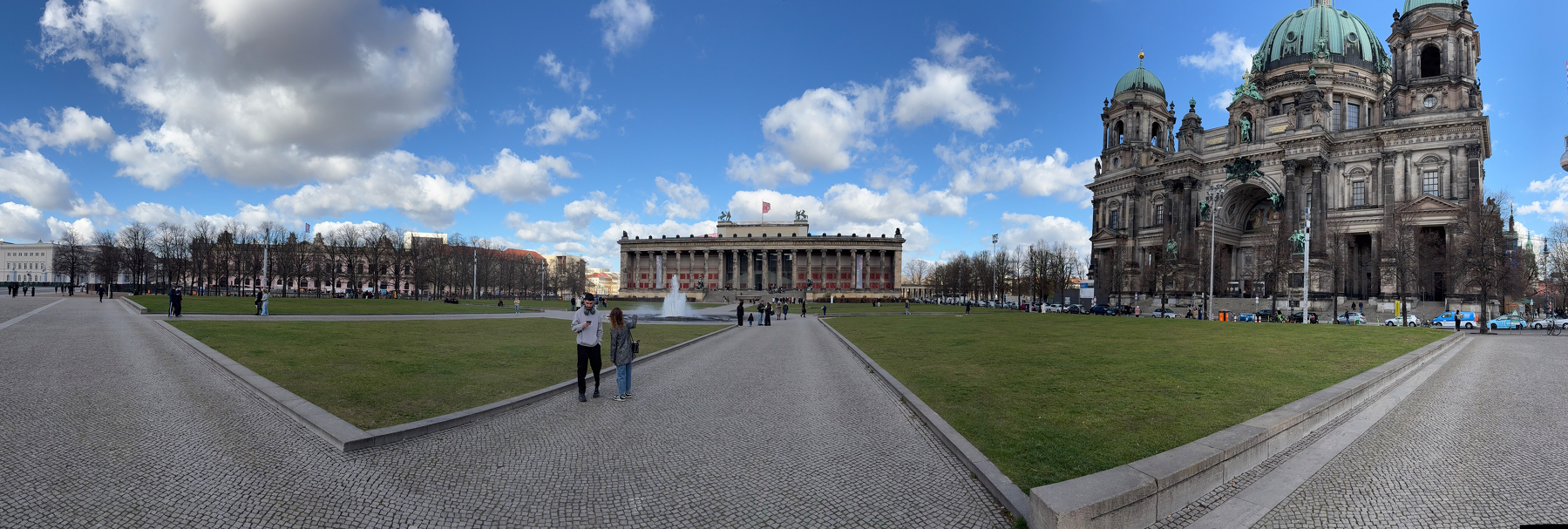
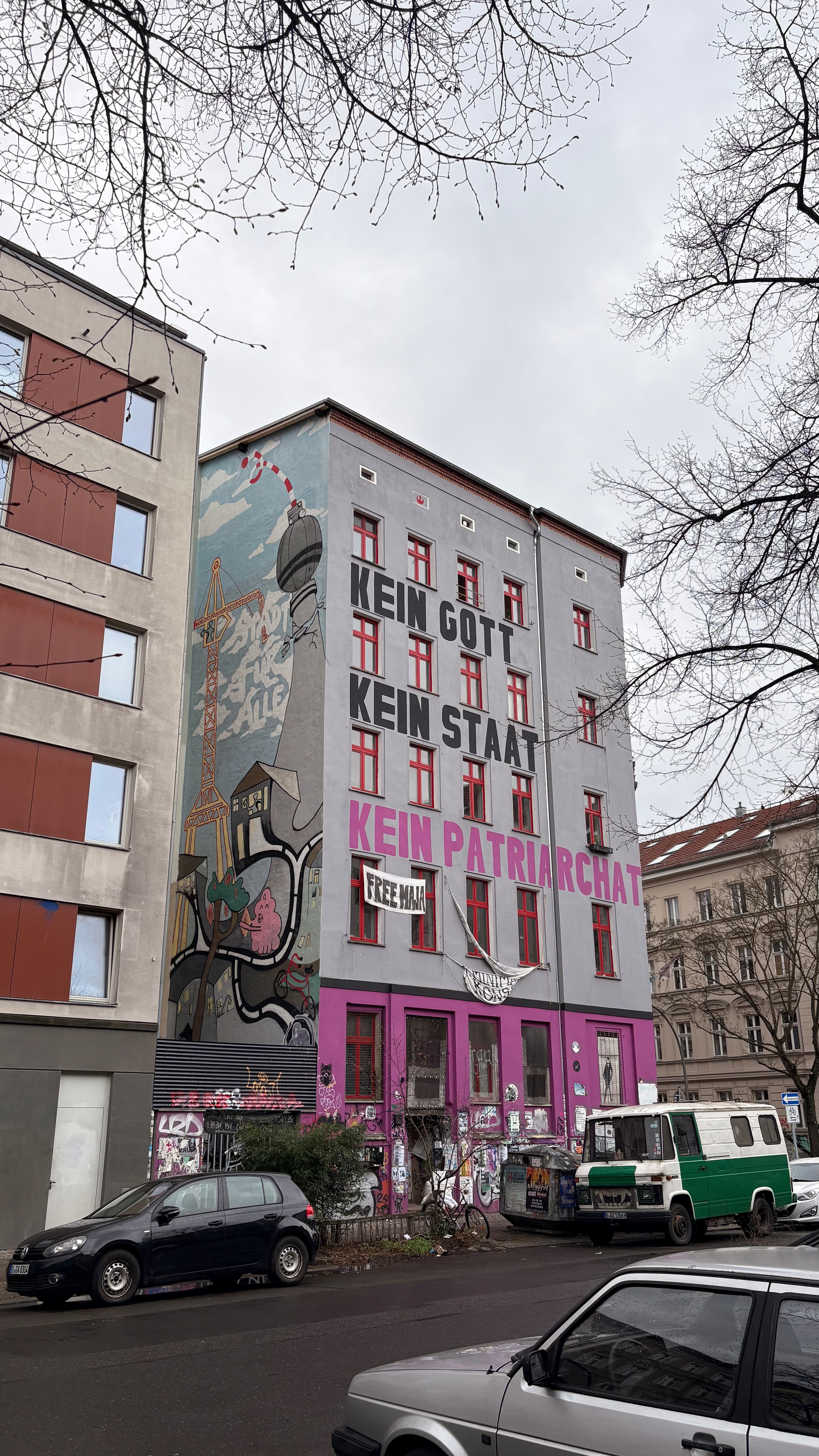
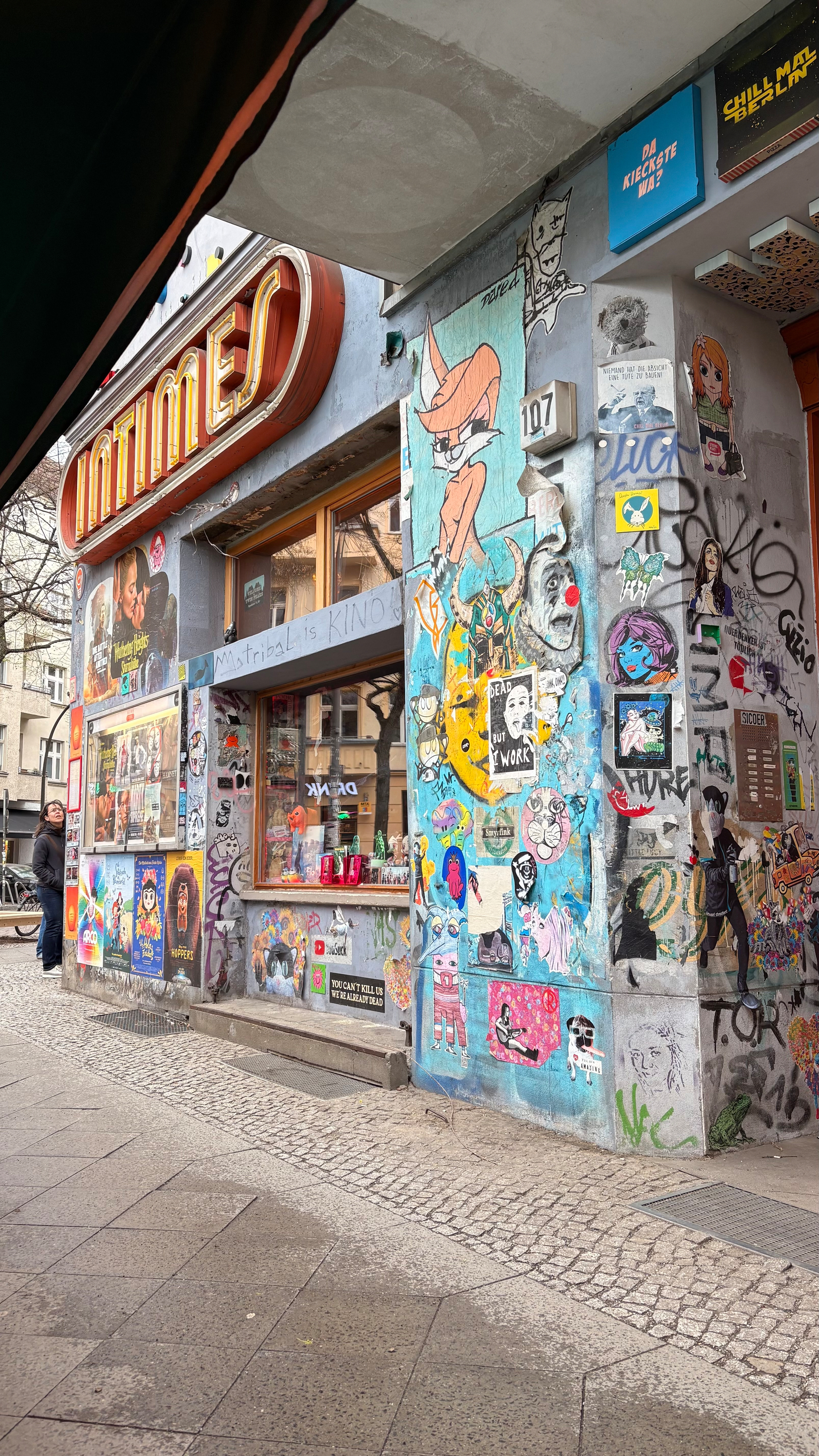
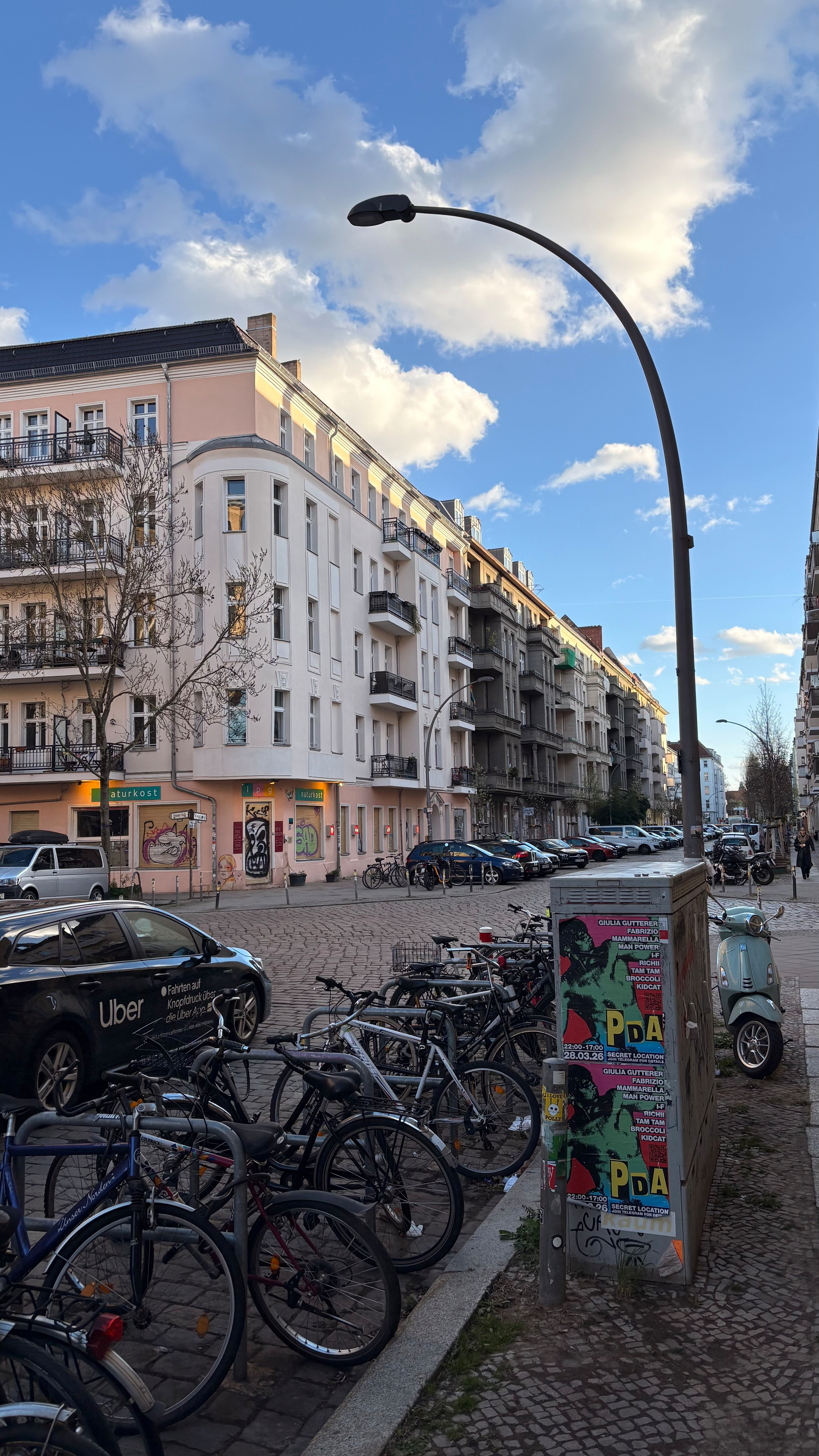
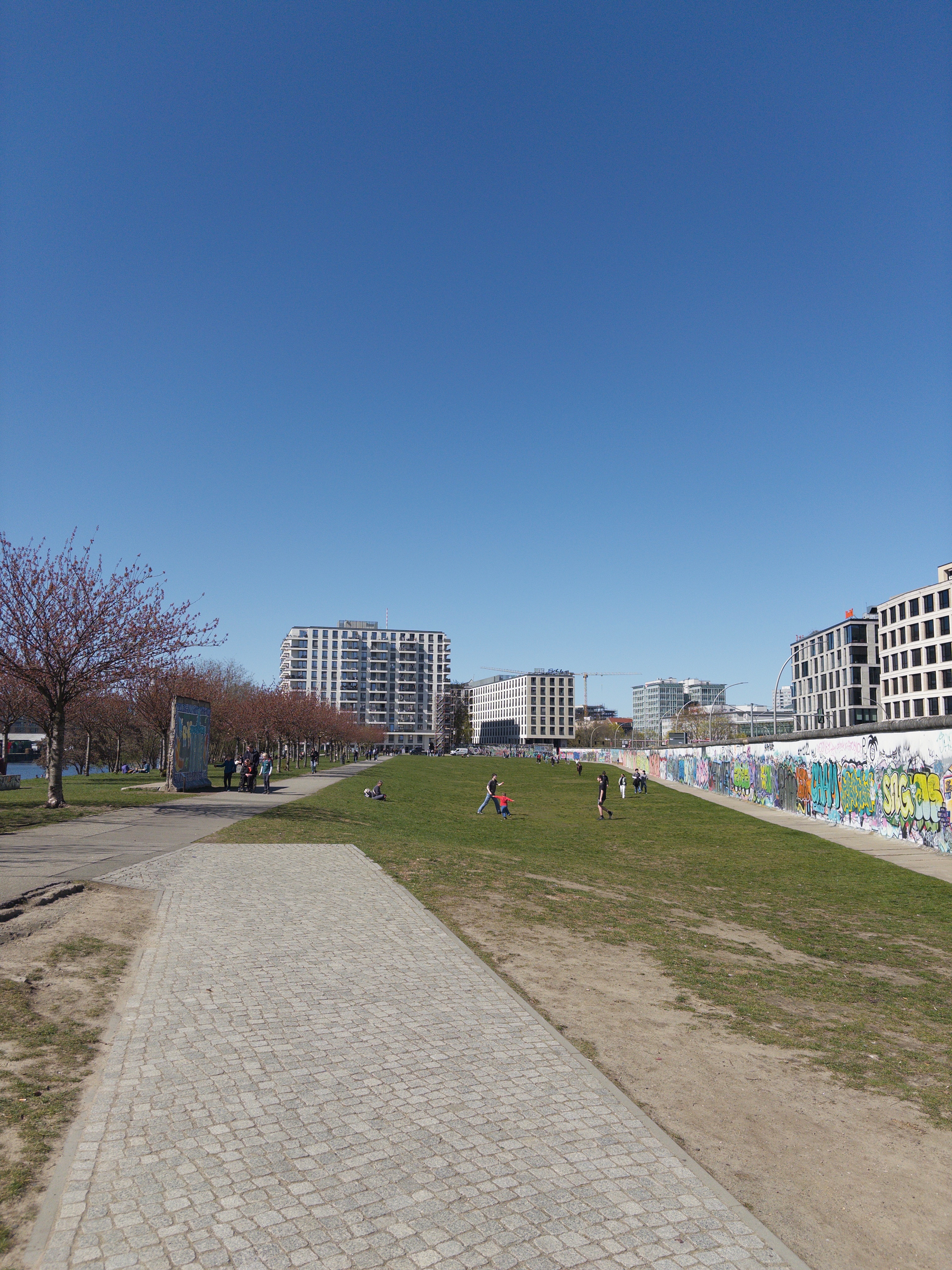
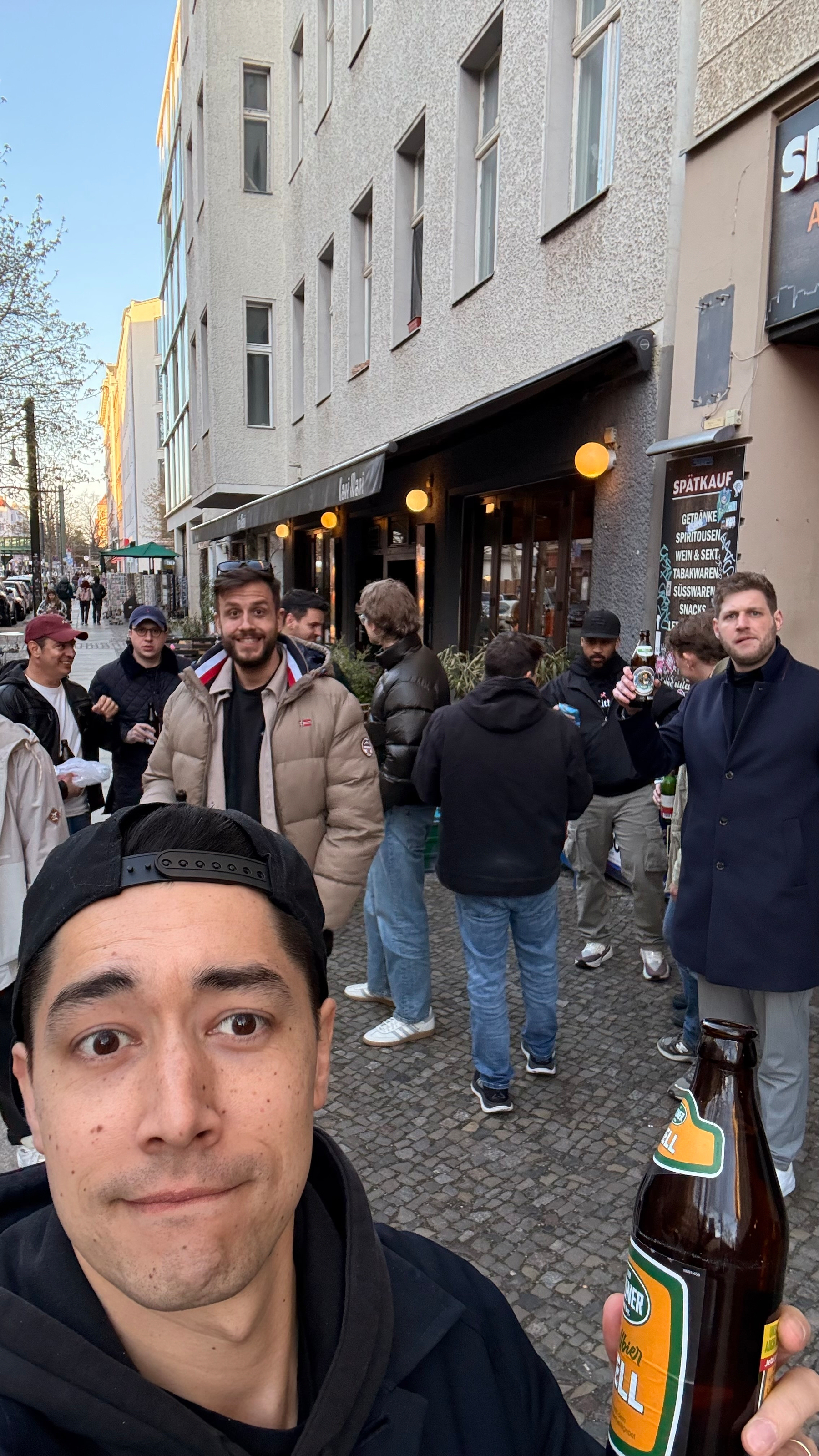
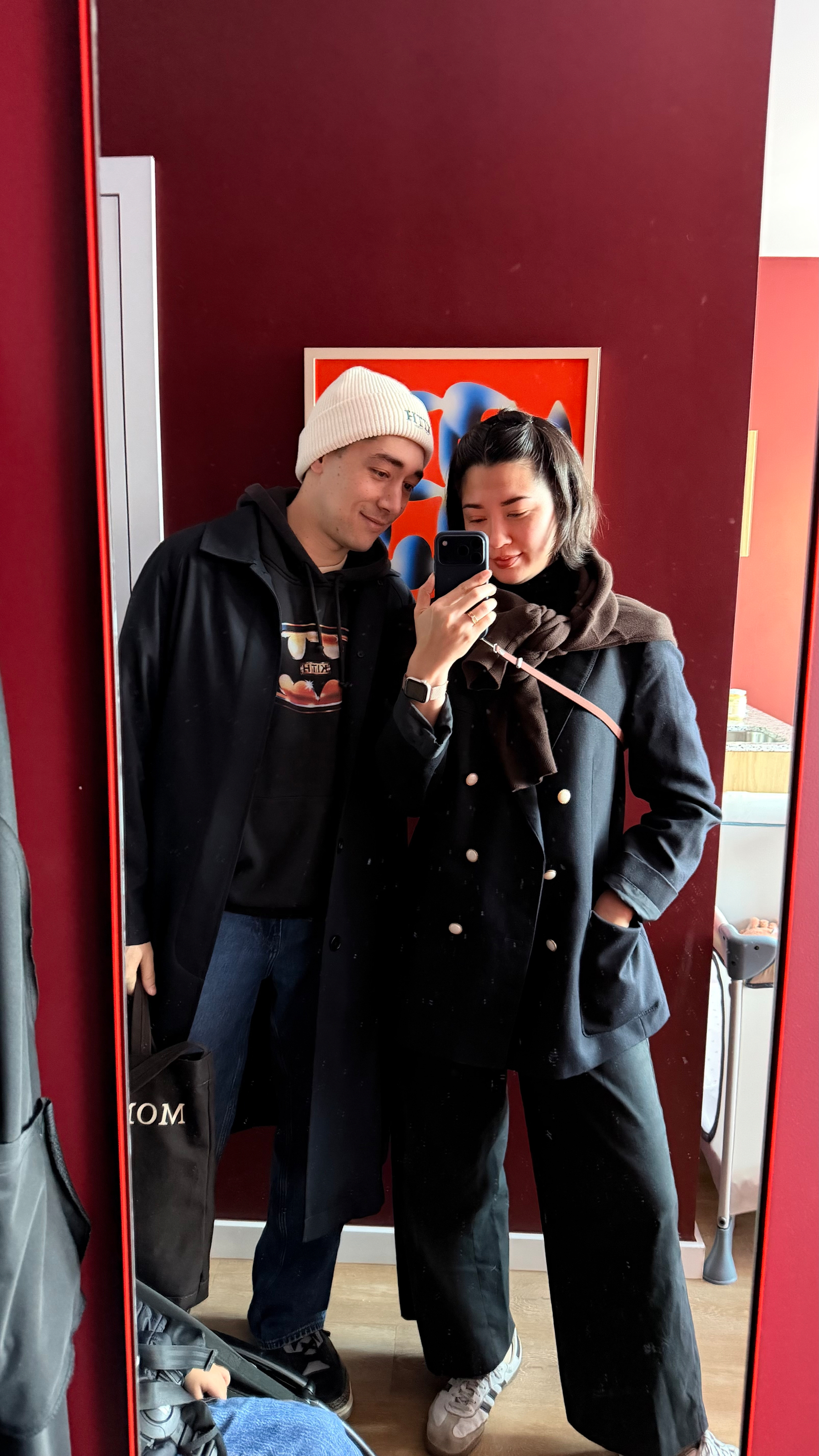
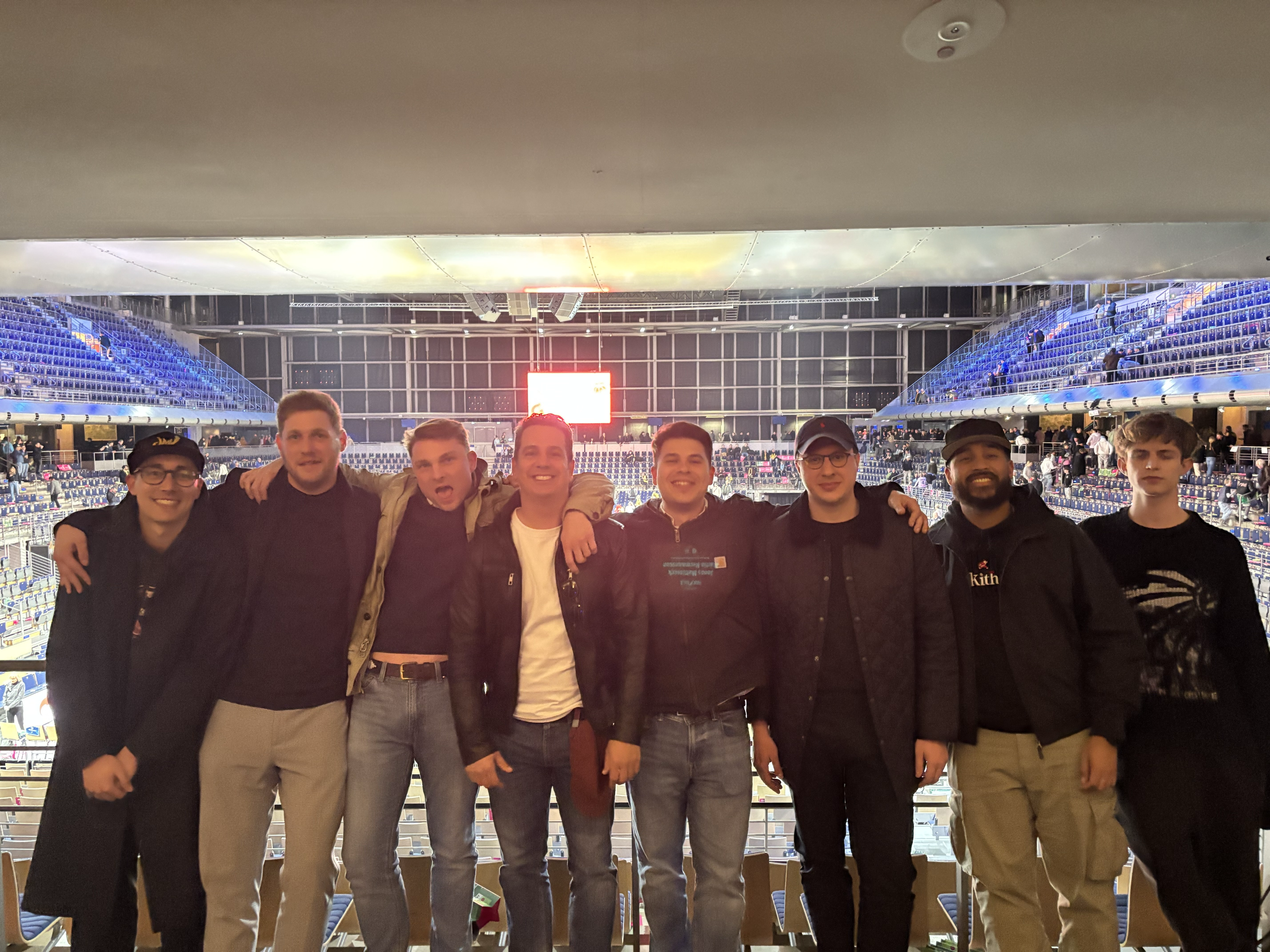
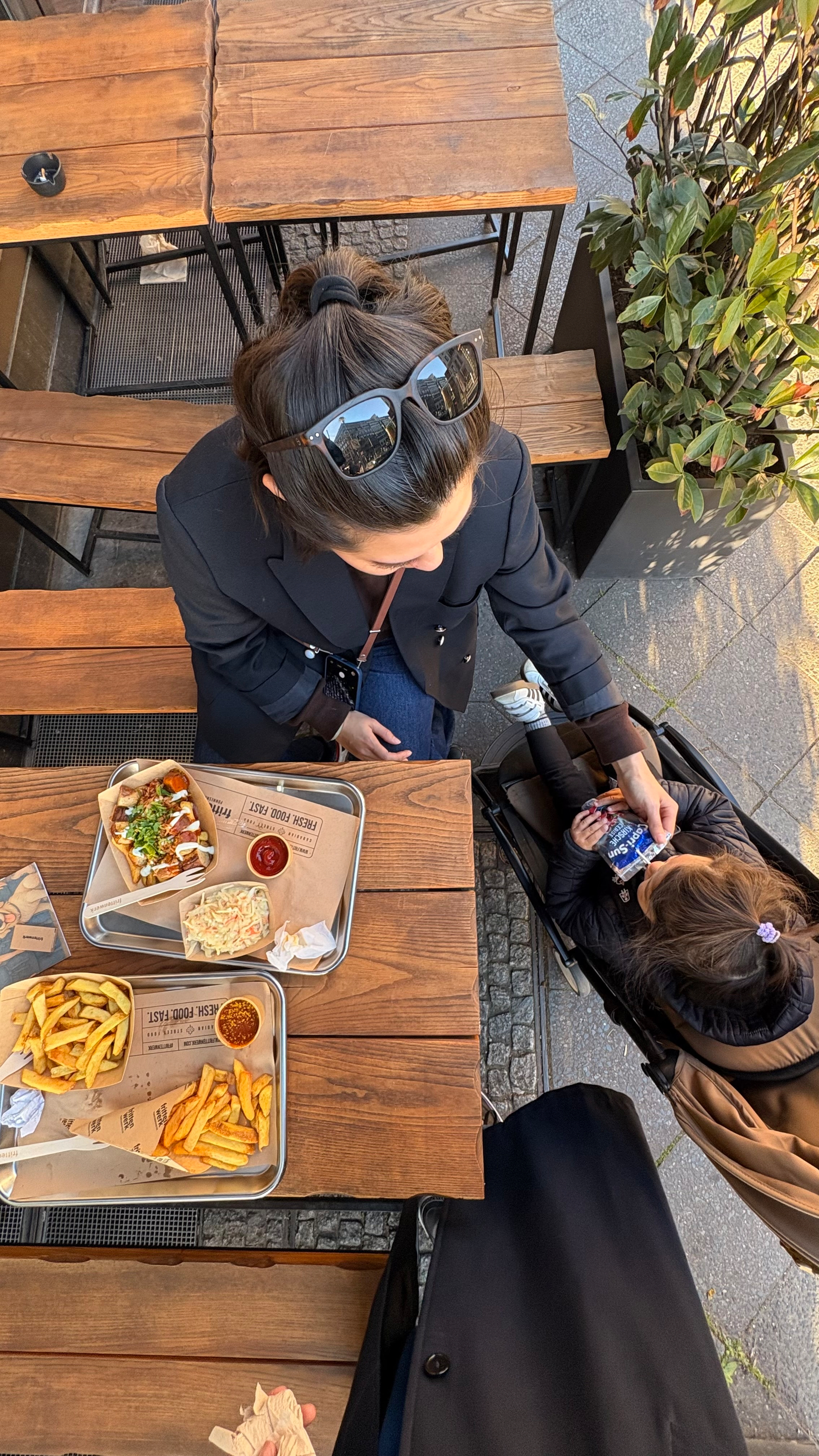
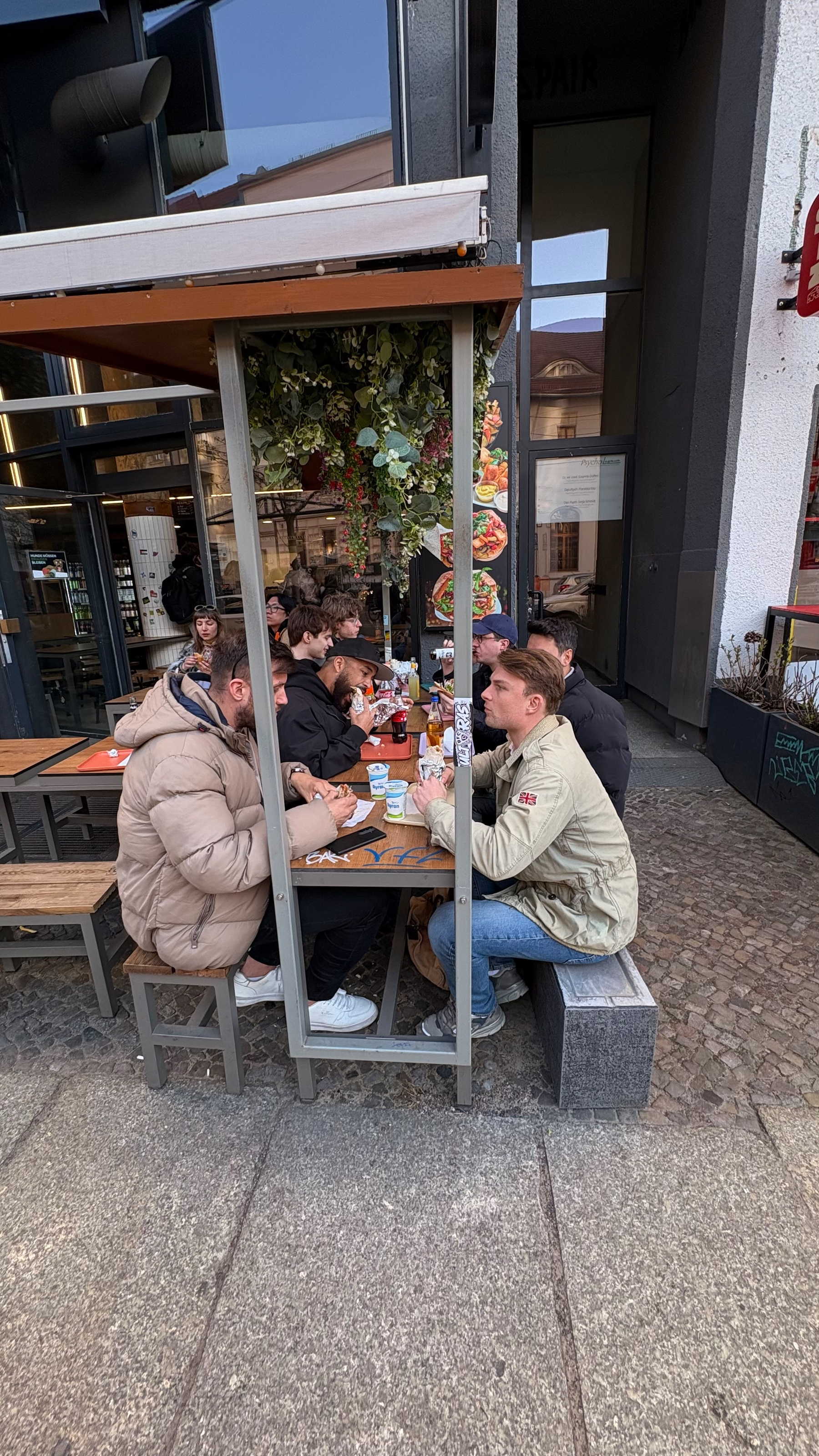
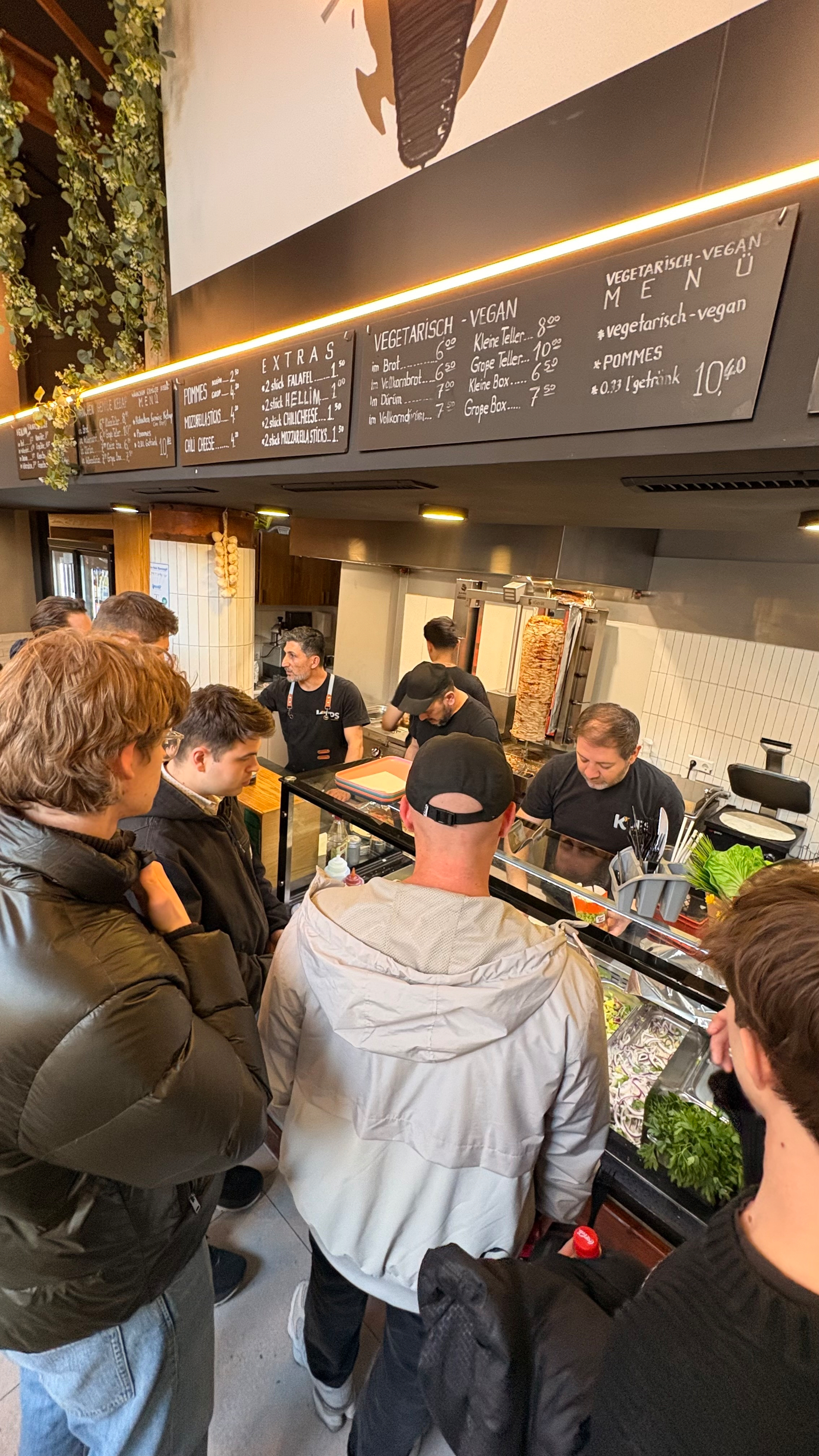
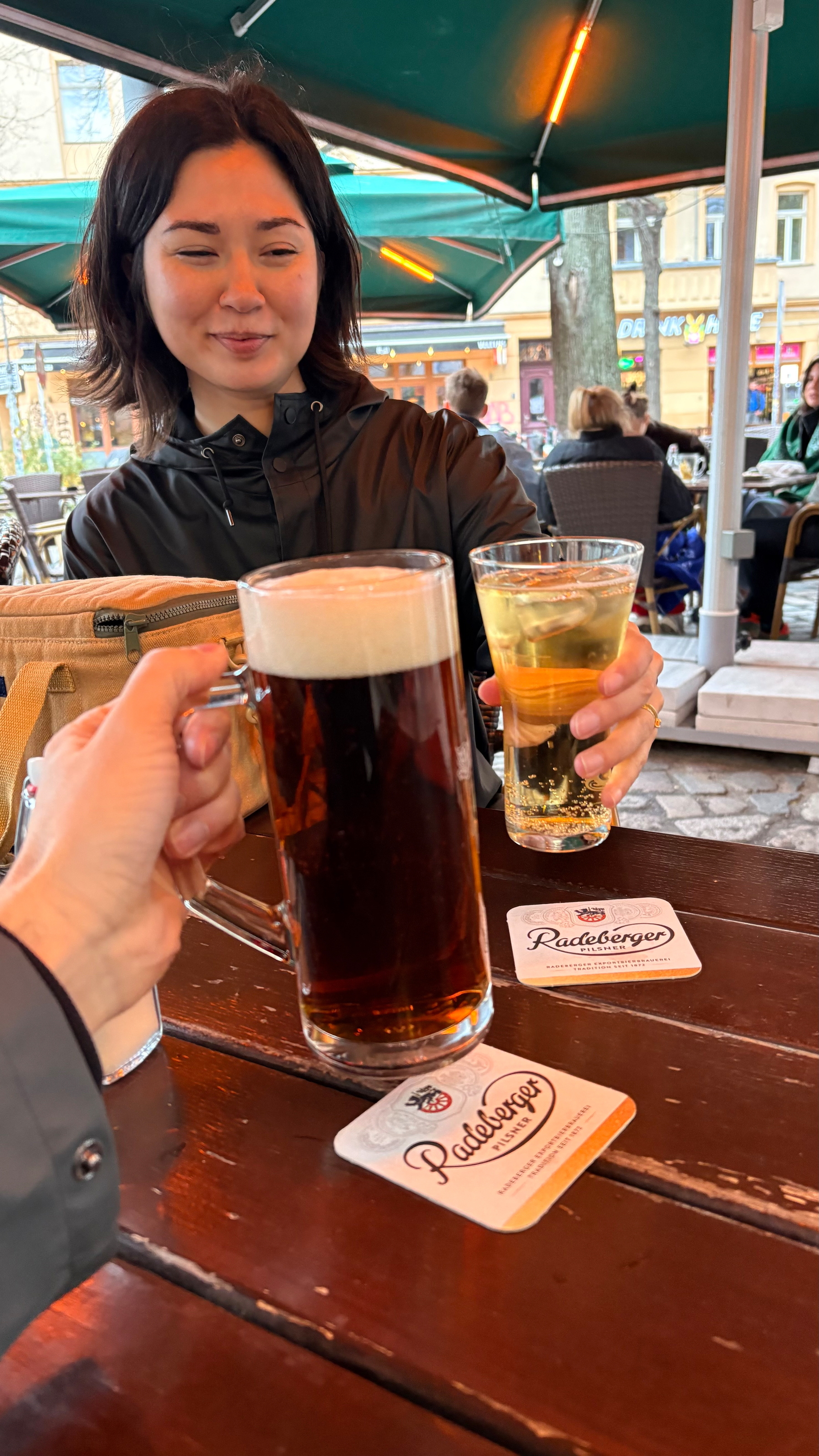
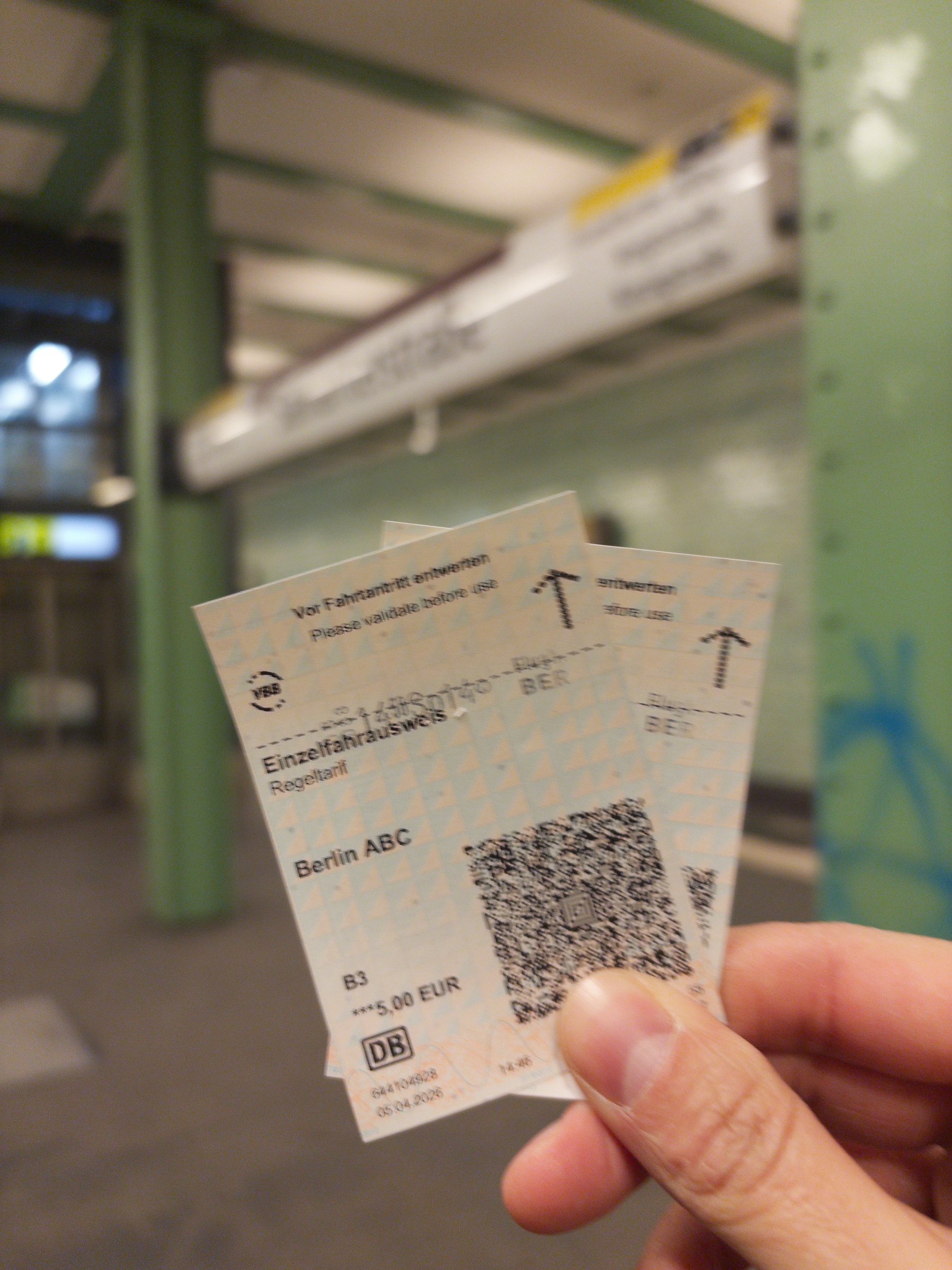
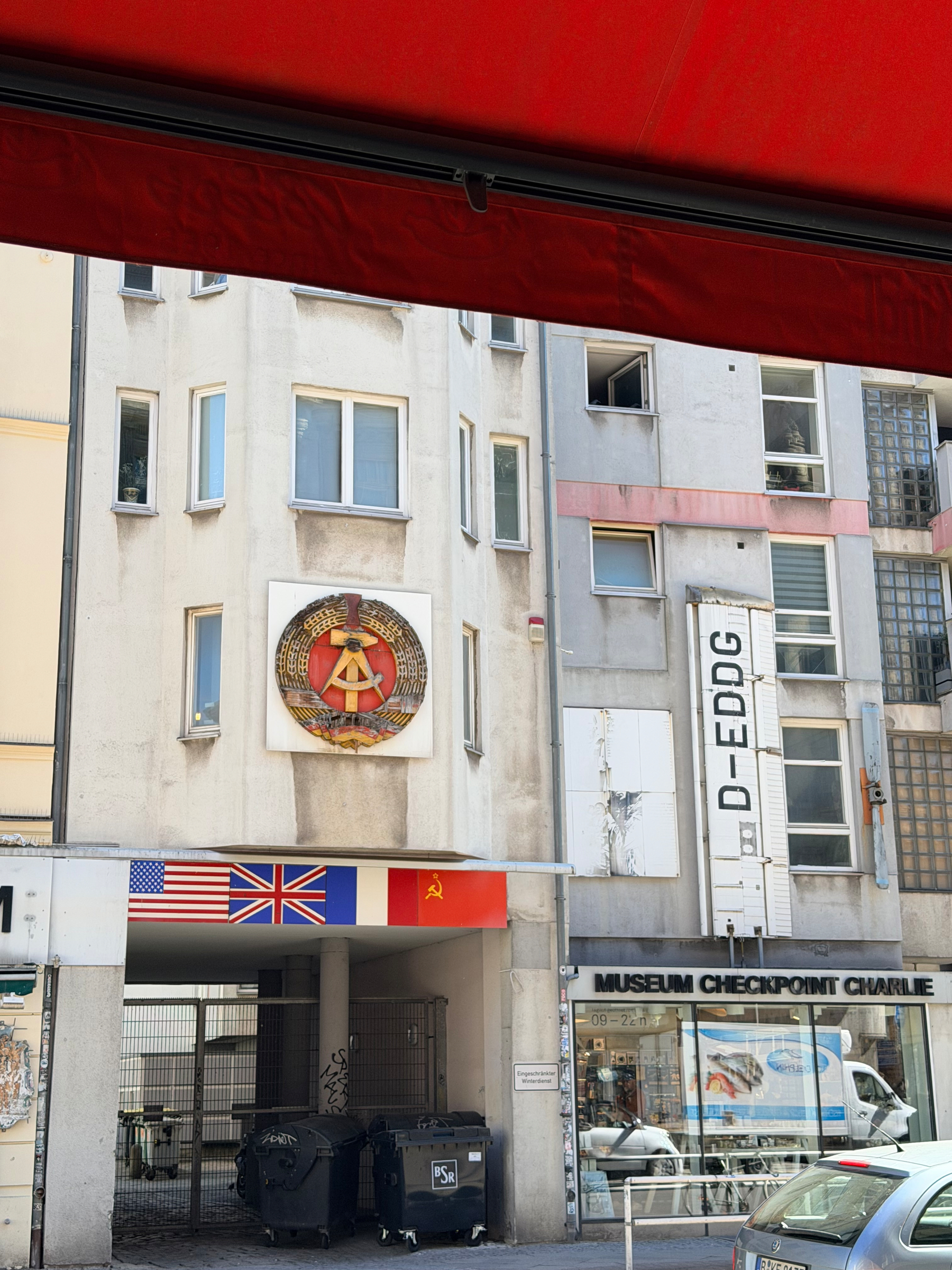
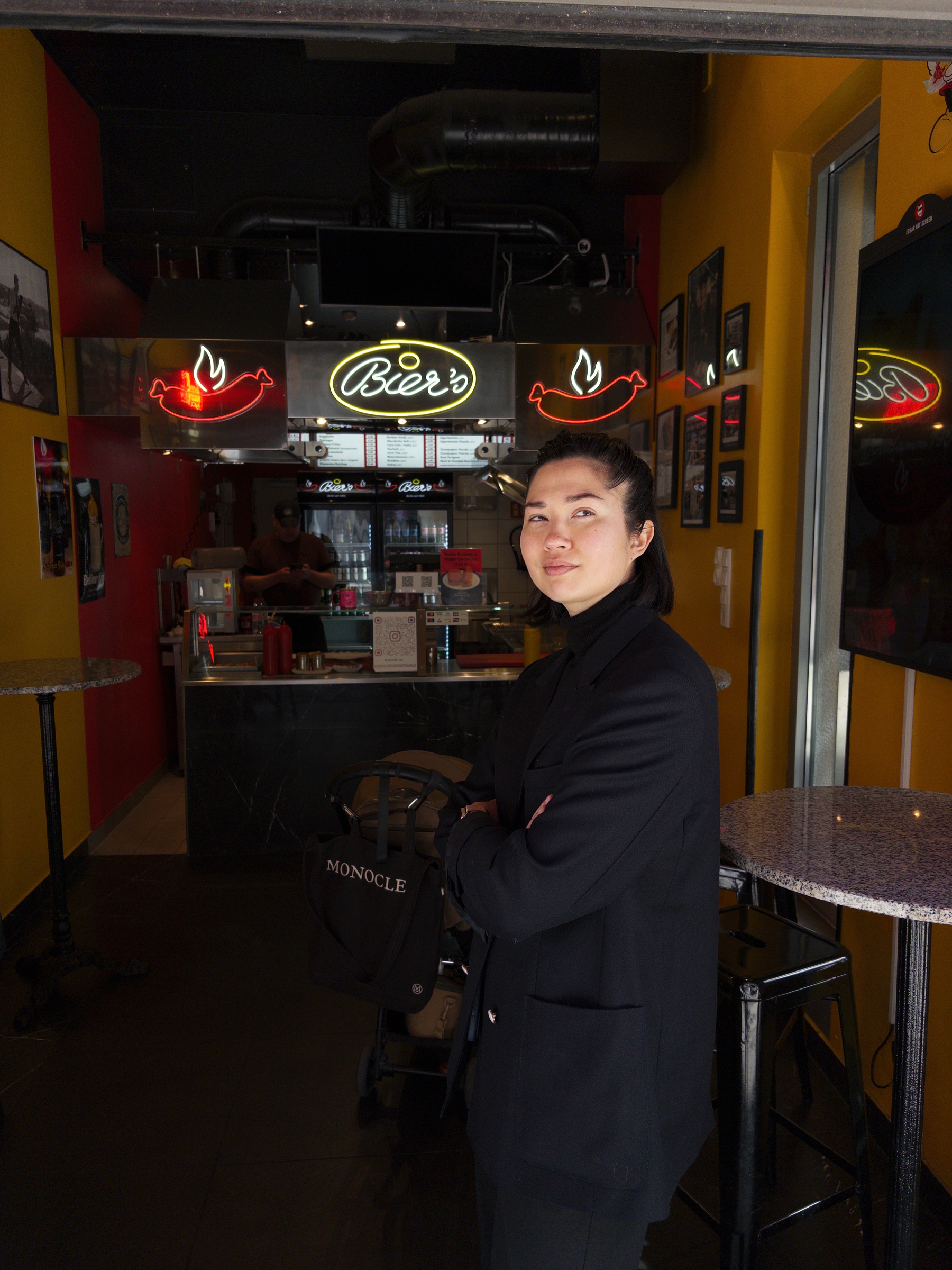
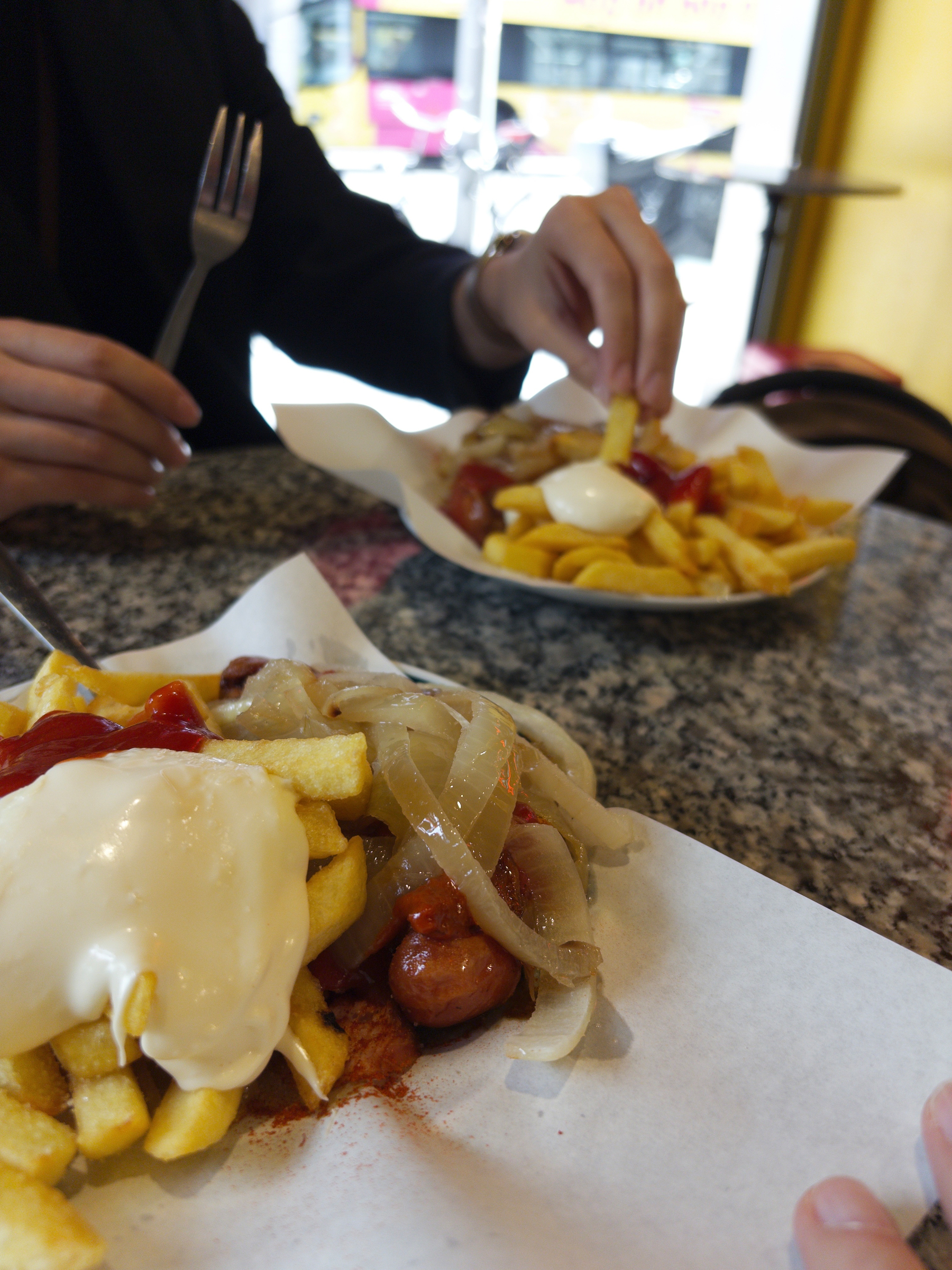
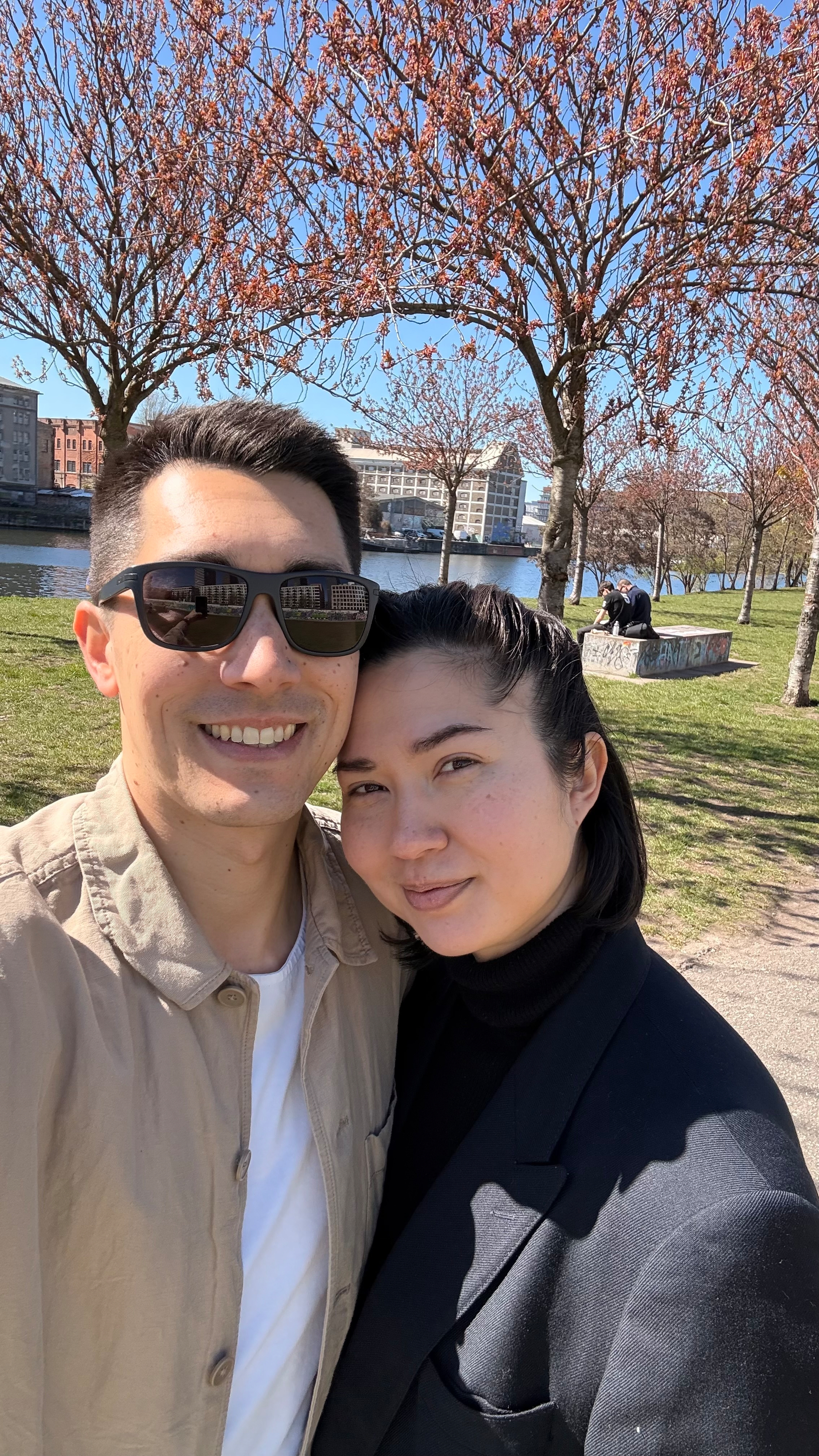
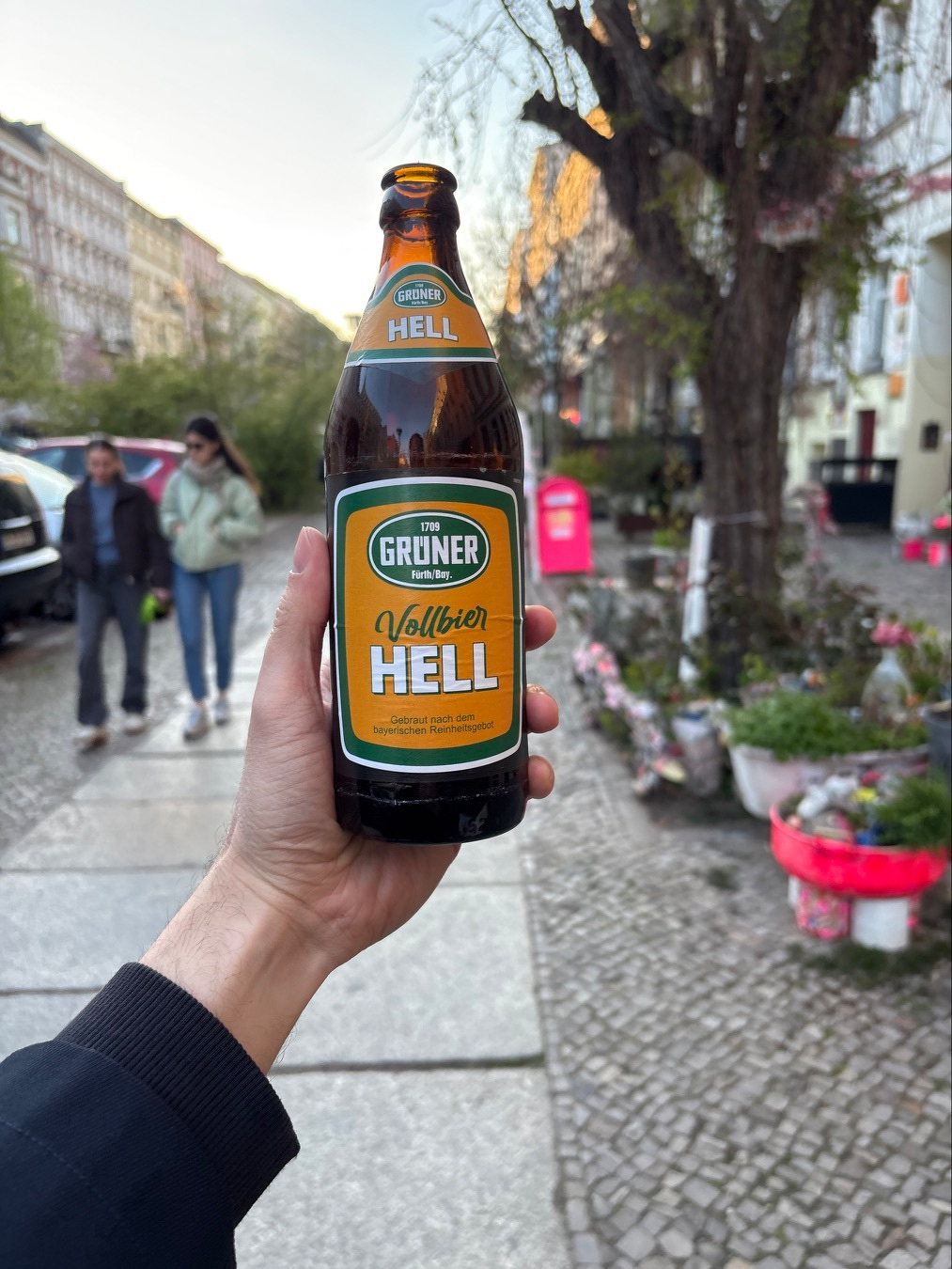
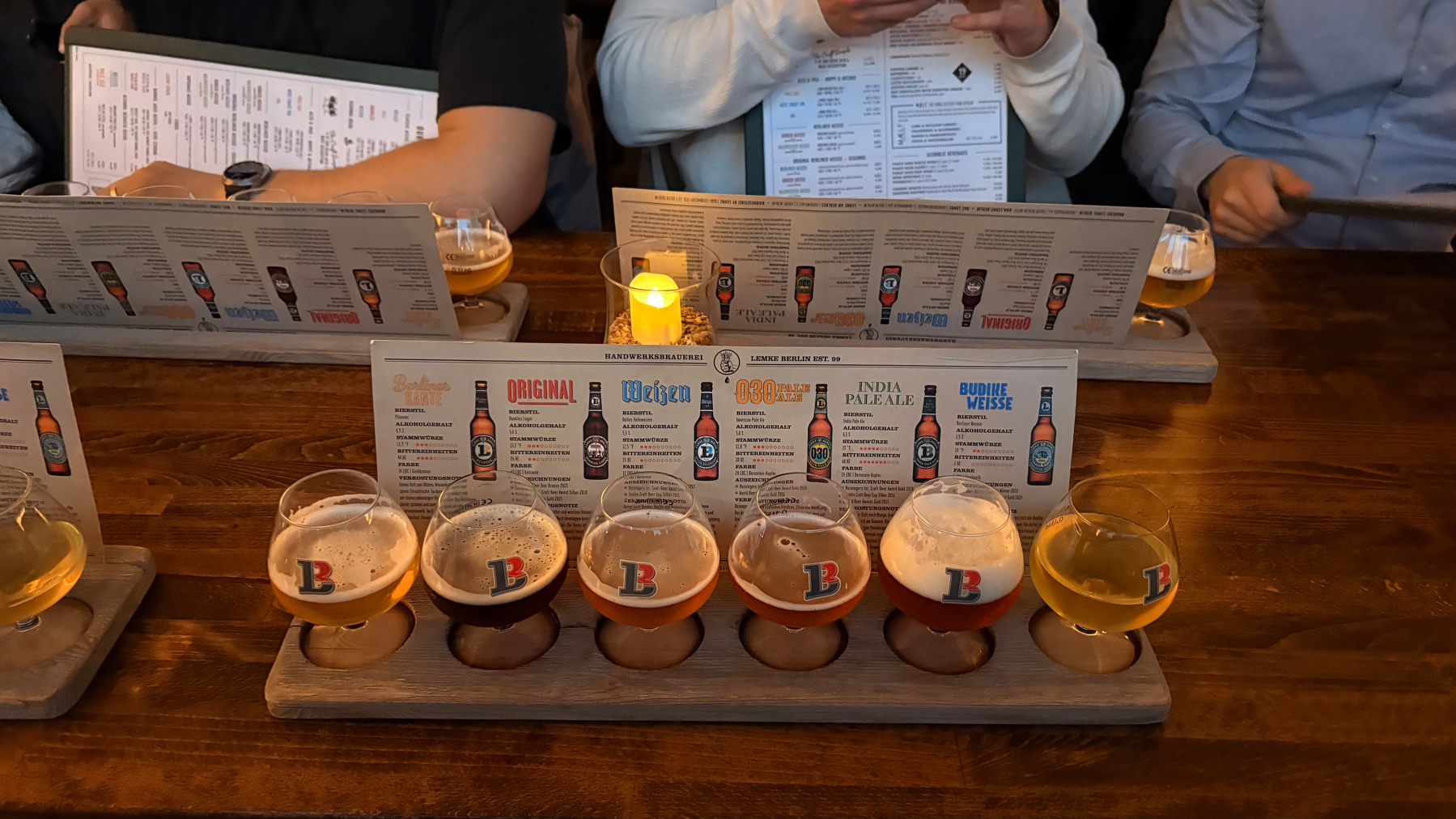
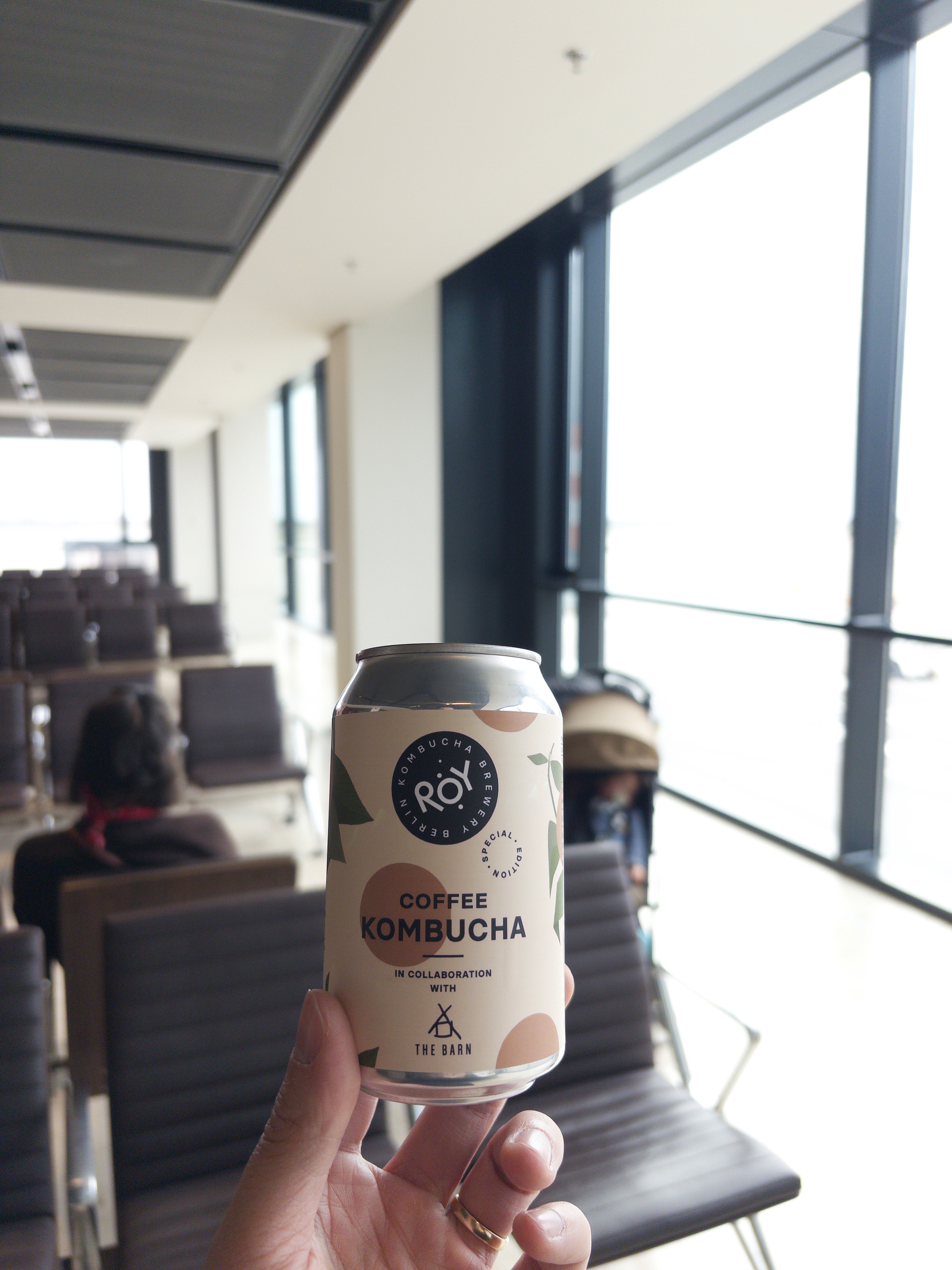
I just came back from a short weeklong trip to Berlin. I was technically there for work. Our team at ITONICS used the Berlin office for our Quarterly Business Review — sales, account management, the full group. Berlin doesn’t look like anywhere else in Western Europe, and that’s not by accident. This is a city that was destroyed and rebuilt twice in a hundred years. Forget the Parisian Haussmannian style — what you get instead is a patchwork of eras, textures, and gaps. Empty lots next to Soviet-era blocks next to glass towers next to community gardens. It shouldn’t work. But in this city, it kind of does. Part of what makes it feel different is who the city has attracted since the Wall came down. Affordable rents, squatted buildings, a low cost of living for three decades — that pulled in artists, weirdos, and creatives from everywhere. It shows. The street art, the tattoos, everyone dressed head-to-toe in black with a leather jacket — it’s not a cliché, it’s just what Berlin looks like. I’ve only felt something close to it in San Francisco, and obviously this has changed a lot since the Sixties. Apparently Portland has this vibe too, though I wouldn’t know. After a couple of rough months at work since the end of last year, seeing everyone in person was more than welcome. We’re lucky to have a genuinely solid department, managers included. That part was good.But I’d planned it as a family trip from the start. Shana and Azul came with me. It was a great call to make. —– The thing that crystallised Berlin for me was Tempelhofer Feld. A decommissioned airport — runways, hangars, the whole footprint — that the city voted to keep as open public space in 2014. No development, no monetisation. Just an enormous field in the middle of the city where people run, cycle, fly kites, and exist. Azul ran across a runway. The scale of it doesn’t translate until you’re standing there. Neither does what it says about how Berlin thinks about public space — that you can take a 380-hectare airport in the middle of a capital city and just leave it empty for people. The personal highlight was different. Élodie has been my best friend since we were 14 — over 20 years. She lives in Berlin now, with her fiancé Daniele. They just got engaged. We met at a park so my daughter could run around, then went back to theirs for pizzas and a long evening of laughter and deeper conversations. These past few years, with life moving fast on both sides, it’s been harder to stay connected. That evening reminded me why the connection is still there. It also meant that my daughter could finally meet them, and they finally met her.
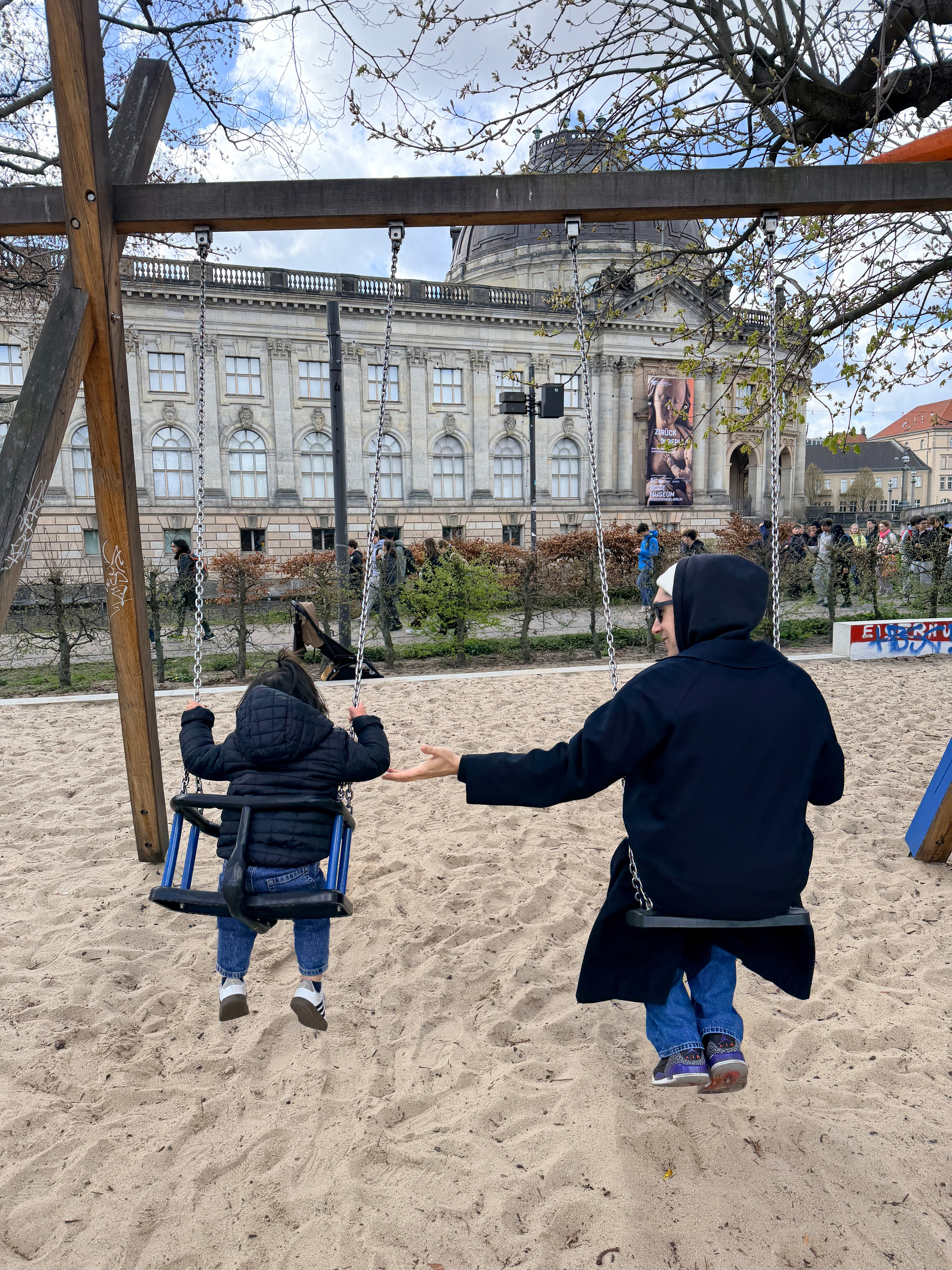
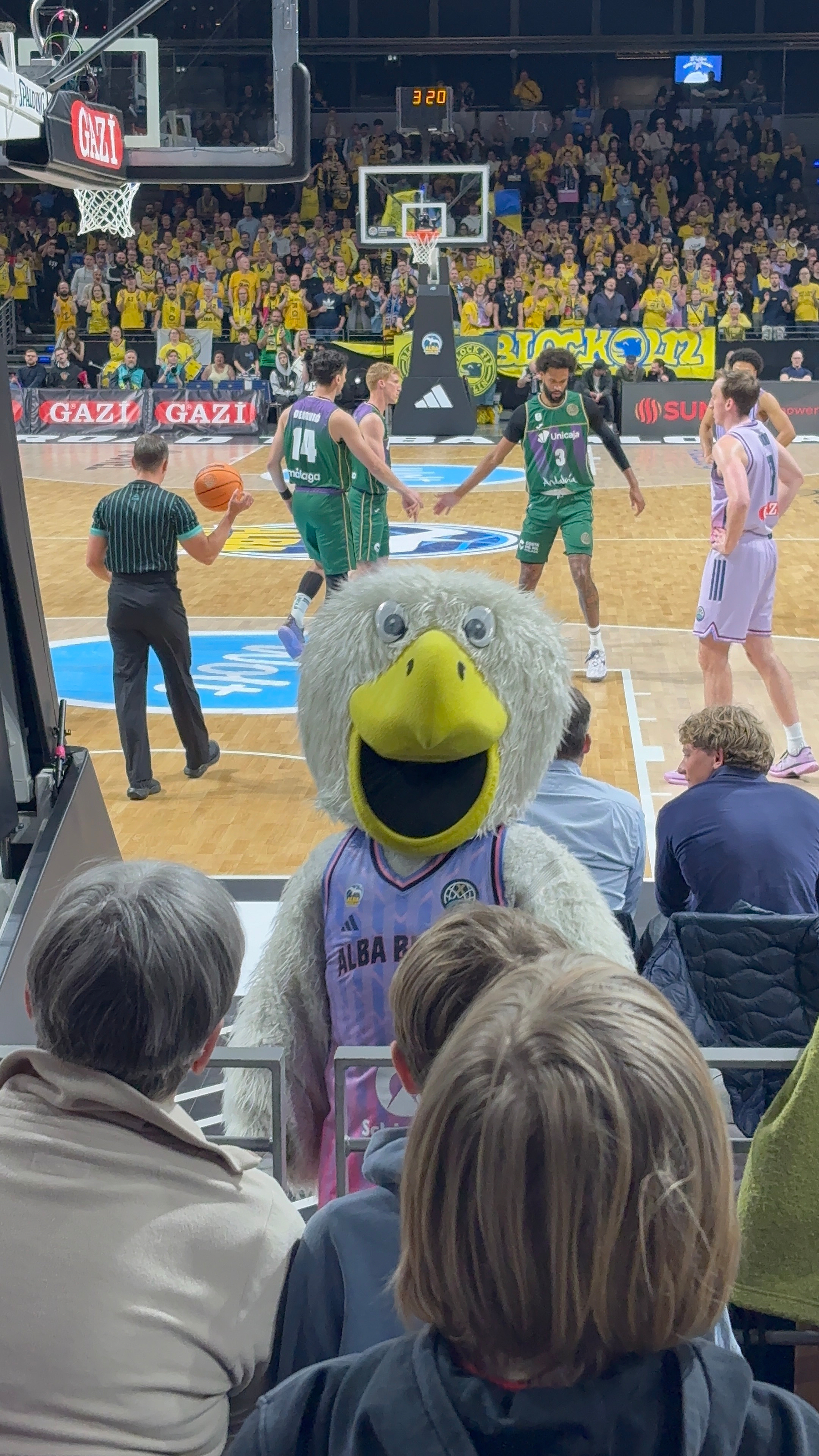
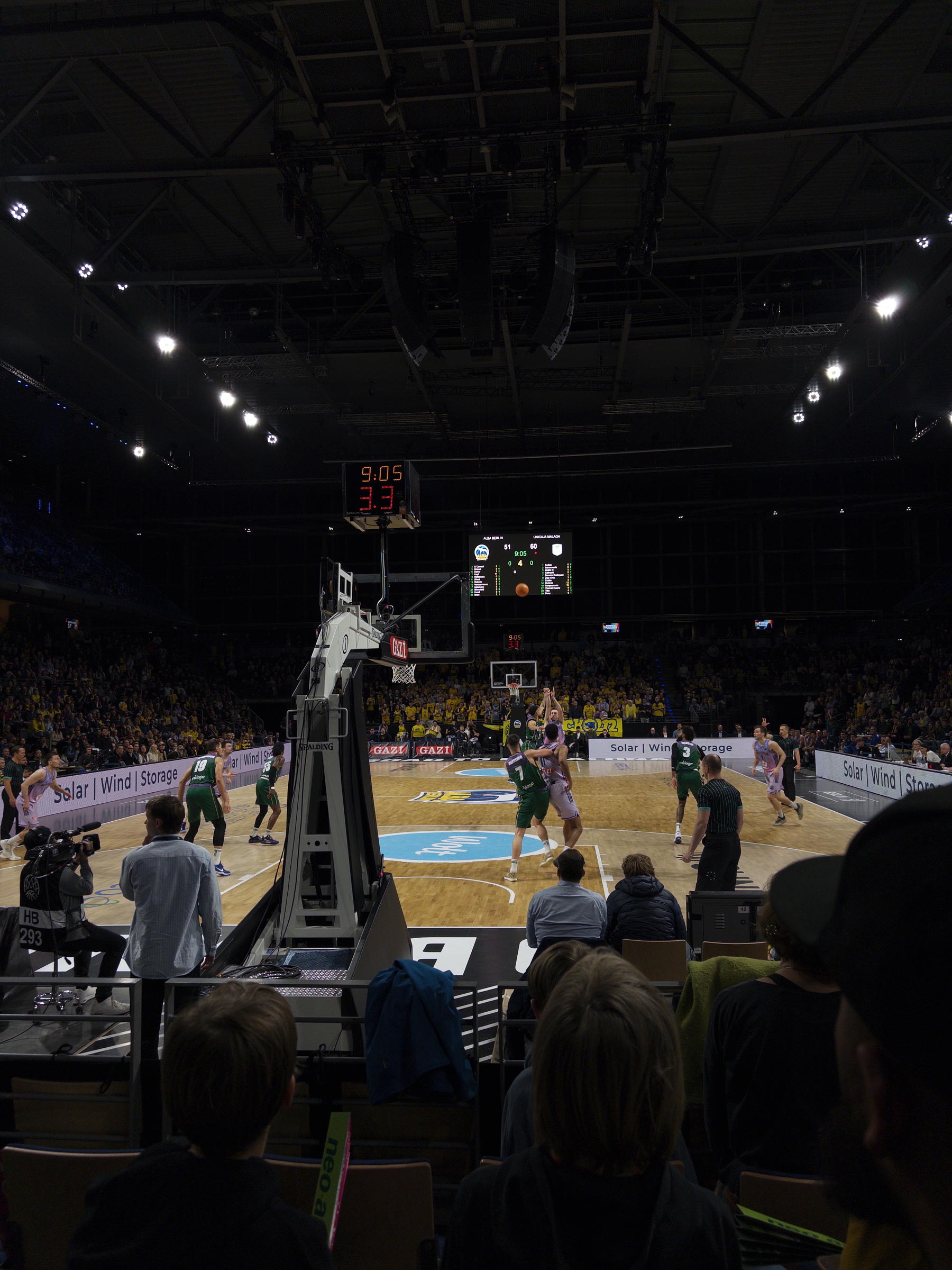
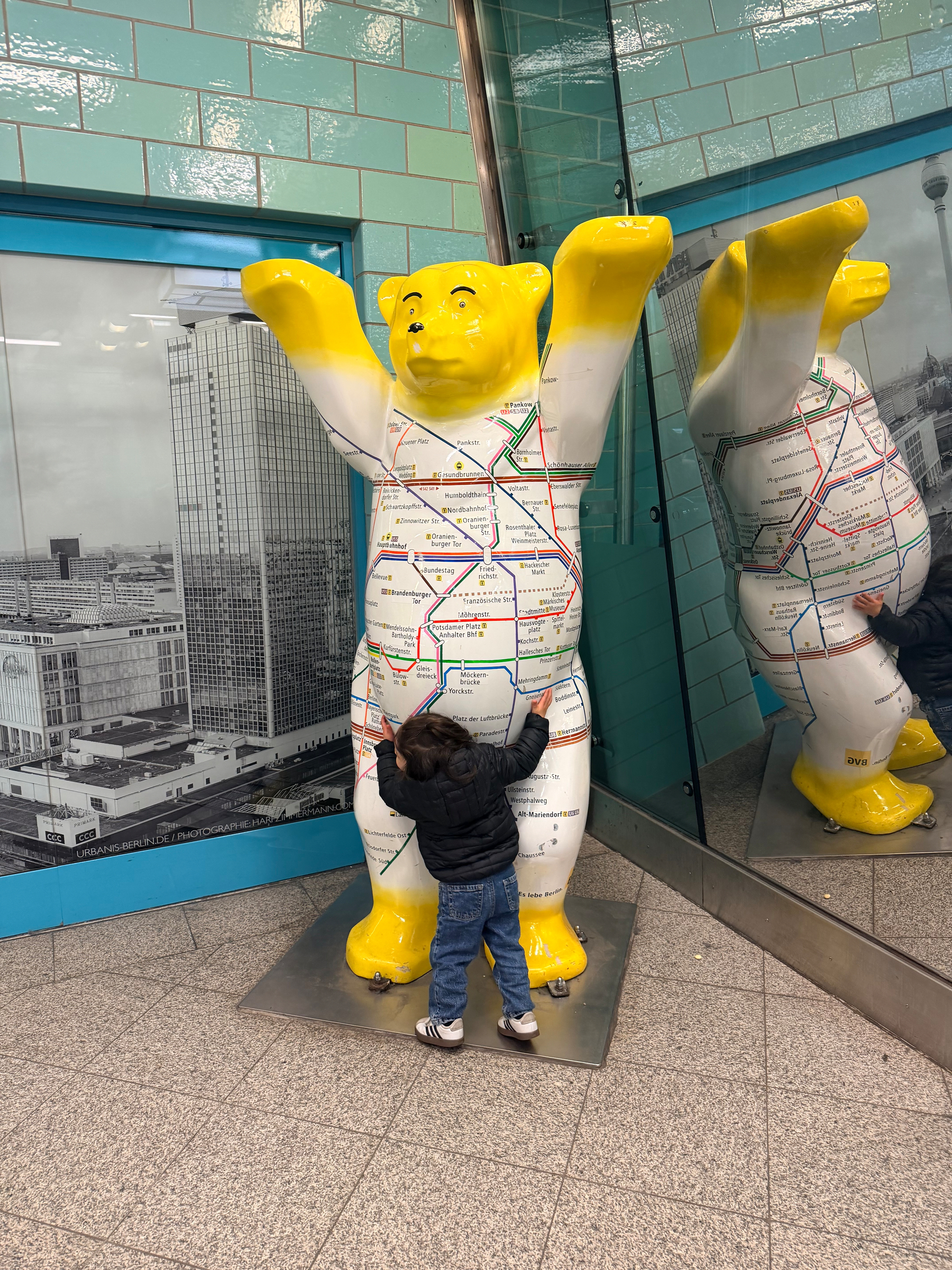
One big thing we noticed while walking as a young family: parks and playgrounds, everywhere, constantly. Élodie and Daniele explained it later — after the war, building a park or a playground was cheaper than constructing a building, so the city ended up densely seeded with green space almost by default. The practical result is a city that works well with a stroller. And one detail I hadn’t seen since growing up in France in the early 90s: all the playgrounds have sand. Actual sand, not rubber or plastic matting. My daughter was delighted. My wife and I less so — we had so much sand to remove from the stroller, our shoes and socks, and left all over the hotel rooms (😬😅). Another small-er highlight: attending game 2 of the Basketball Champions League quarterfinals between Alba Berlin, the local team, and Unicaja Malaga. Alba was relocated to the older Max-Schmeling-Halle, due to the German League Ice Hockey semi-final being played at the newer Uber Arena. But still: 7450 people showed up, including all 11 of us from work. We had a blast seeing the talented young star Jack Kayil take over in the second half, and, despite a loss, Berlin was able to get back in to the game and force an overtime.
—–
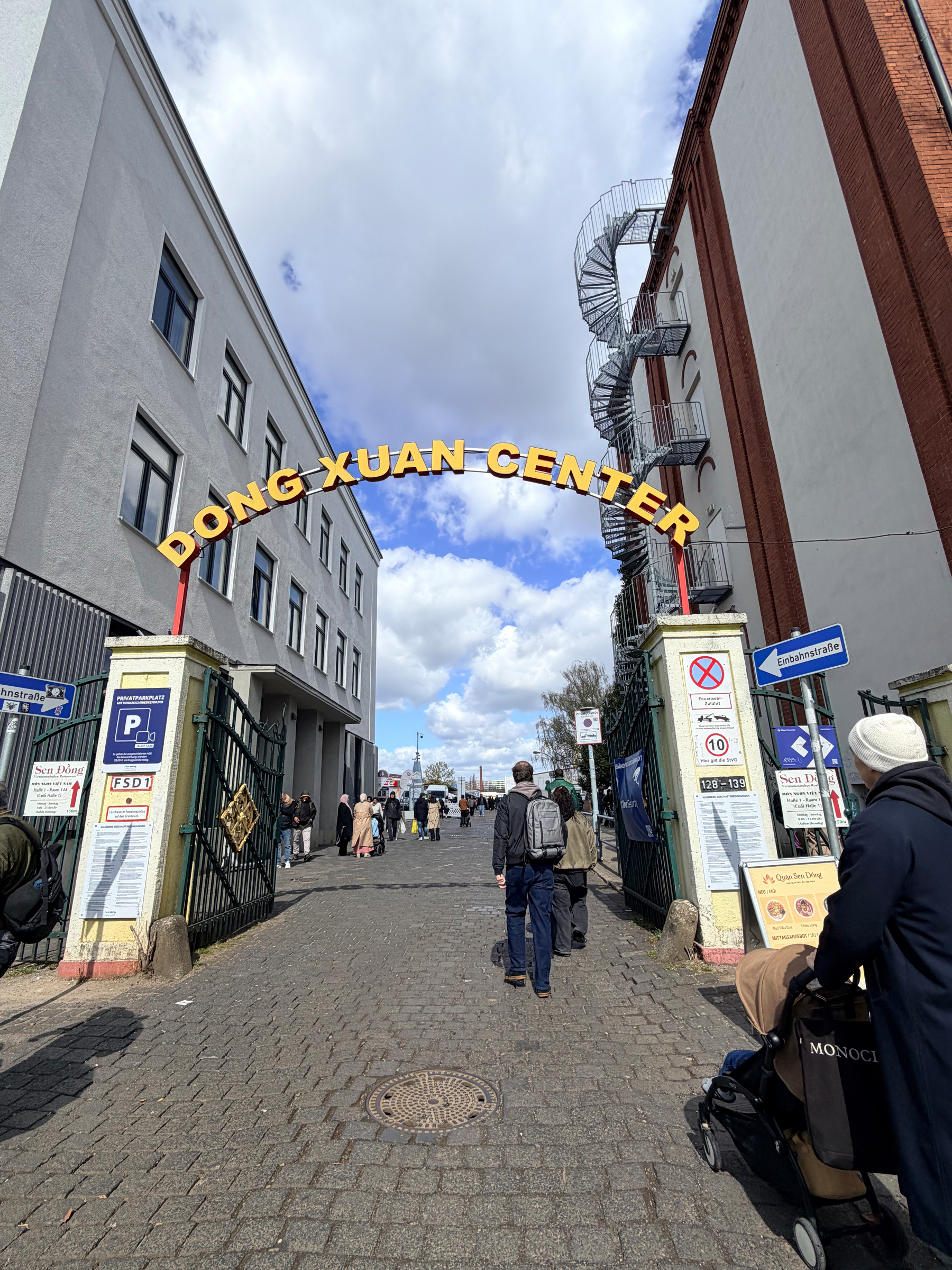
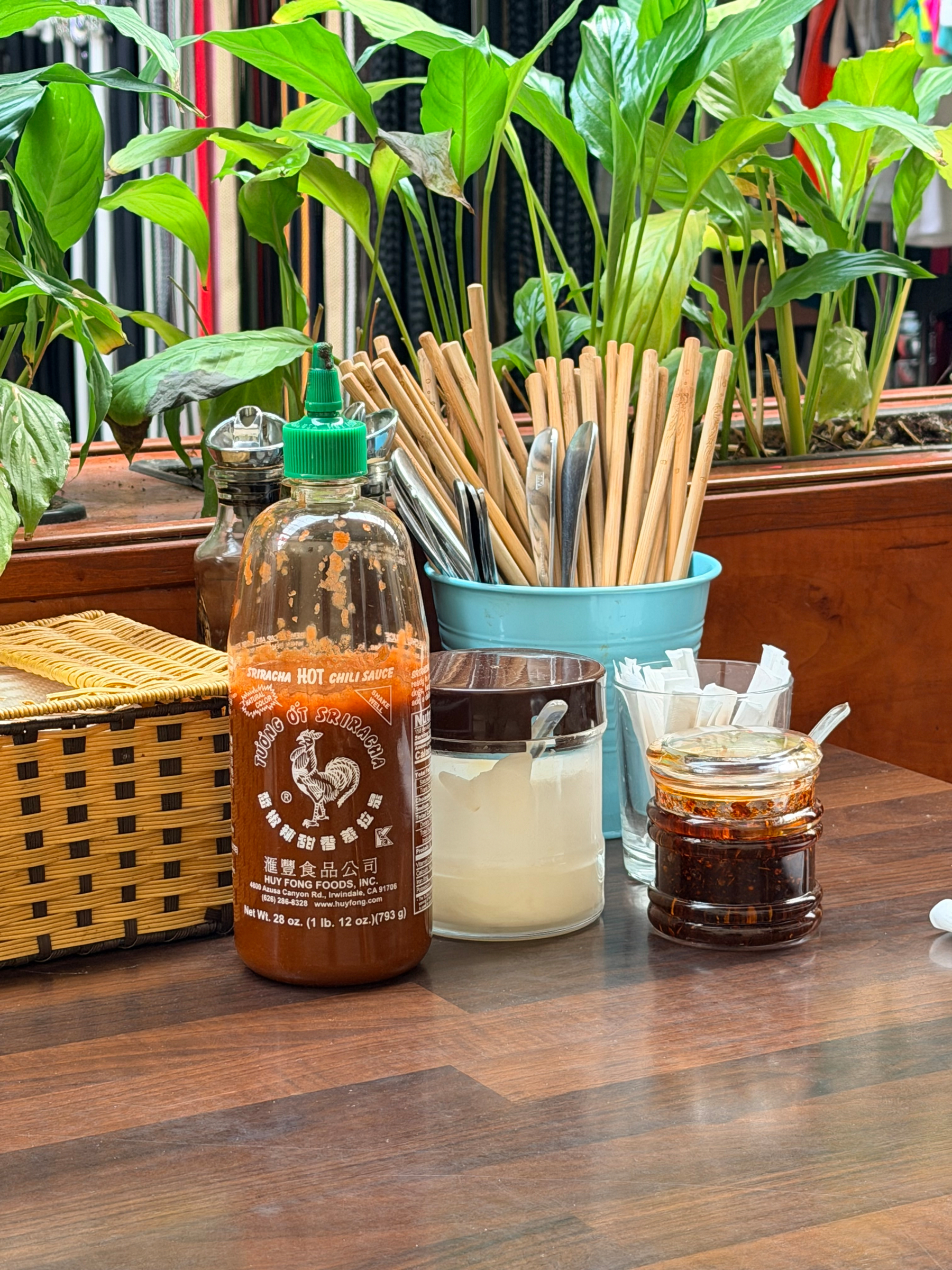
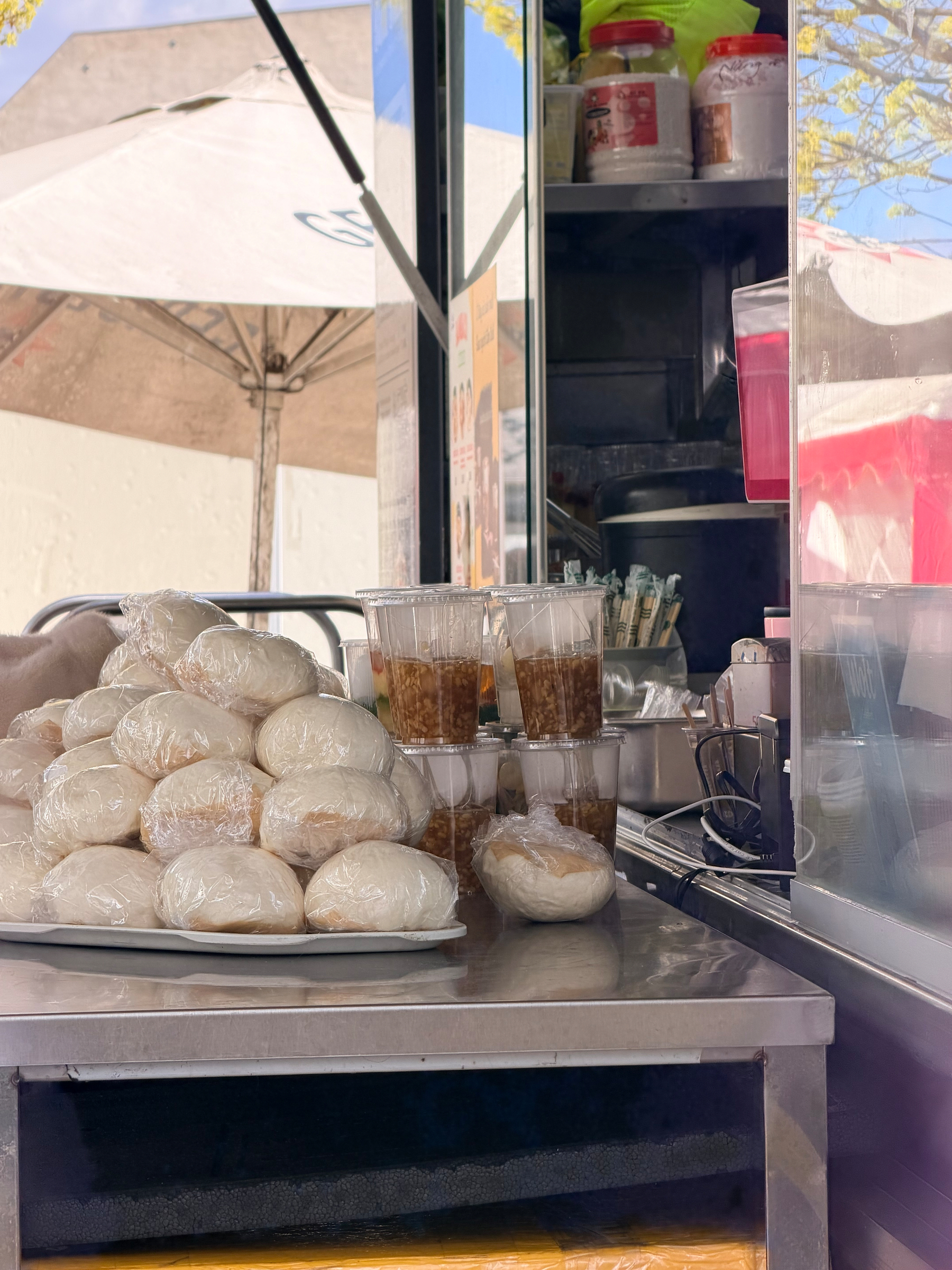
On Easter Monday, we went to the Dong Xuan Center in Lichtenberg — an enormous Vietnamese wholesale market with food stalls, shops, and a specific kind of energy that’s hard to describe if you haven’t been. We stayed for about an hour and a half, walked around, had lunch and a coffee. I’m French of Vietnamese descent; my grandfather came from Vietnam as a second-class citizen, brought to help rebuild France after the Second World War.
My wife Shana is American of Vietnamese descent; her mother came to the US as a refugee from Saigon in the mid-70s. Both family histories are charged. And yet both of us have been able to navigate the Vietnamese community in France, in the US, and in Vietnam itself — to move between those worlds with a degree of ease, cultural fluency, and, on both sides, openness. We were not prepared for what we found at Dong Xuan.
In Paris, if you visit the 13th arrondissement, you know the kind of place: all ethnicities mixing, including a lot of people of Asian descent who grew up in France, whose parents or grandparents came from Vietnam or Cambodia or elsewhere, who’ve found partners from different communities, built lives in between. There’s a visible exchange. In the US it’s similar — the Vietnamese-American community is deeply embedded in the broader culture, and that creates a certain permeability. At Dong Xuan it was different. Vietnamese people were with other Vietnamese people. Other communities were there too, but separately, in their own groups. Nobody much mixing. It wasn’t unfriendly exactly — just distinctly closed. Two cultures that are both known for being reserved, existing in parallel rather than together.
I went looking for reasons afterwards. The history of the Vietnamese community in Germany is genuinely distinct: most came not as refugees or immigrants chasing opportunity, but as contract workers sent by the Vietnamese government to the GDR in the 1980s under bilateral labour agreements. They arrived in a country that was itself closed, transactional, not built for integration. When the Wall fell and Germany reunified, many stayed — but the social fabric that might have opened things up never fully formed. The community turned inward.
What we saw at Dong Xuan makes more sense in that light.This is not a judgment. It’s an observation — one that surprised us both precisely because we thought we knew what Vietnamese community spaces felt like. Berlin just had a different answer.
—–
On the question of mixing a work trip with family: I was genuinely alone for maybe one full day and the two evenings around that. We were together for the majority of the time — split during work hours, but regrouping in the afternoon and evening, sharing what we’d each done. S and The Baby™️ explored freely while I worked. Shana found the Dussmann bookstore on her own — five floors of culture, open until midnight, she was very happy to discover it. I planned the days off in advance so nobody was just sitting around waiting. It felt like sharing an experience rather than one person traveling while the other one stays behind with a toddler. That distinction matters more than I expected it to.
A few other things worth noting.
People talk about Parisians being rude — we genuinely have nothing on Berliners, at least around strollers and public transit. In Paris there’s an unspoken consideration for young parents: people hold elevator doors, let you off trains first, make space. In Berlin it was consistently the opposite. People would cut in front of us to get into a lift they could have walked, rush train doors instead of letting us through. Not everyone, but enough to be a pattern.
Smoking was another surprise. Germany has a lower smoking rate than France statistically — around 20% versus 25% — but Berlin feels smokier than Paris. The reason, apparently, is that Berlin still allows indoor smoking in some venues at the state level, which the rest of Germany doesn’t. Combined with the fact that most of our friends in Paris don’t smoke, the smell was noticeable. Around bars especially.
One last thing: cash. Germany has a reputation. I budgeted €100 for three people across a week and barely used it — a handful of small vendors, that’s it. Everything else by card or Apple Pay. Either the reputation is outdated, or Berlin runs differently from the rest of the country. Probably both.
—–
Berlin’s the kind of city you don’t fully understand on a first visit. But you get enough. It took me until my second time, 13 years later, to get a much better grasp on it.
Seven years ago this month, my wife and I had just moved to Paris as a pair of newlyweds — I’d found a job. Today I had an errand to run on the same street where that first Parisian office used to be.
We spent about a year and a half there. Enough time to build routines — the restaurant next door for lunch, the bar around the corner for after-work drinks with colleagues.
Going back felt strange in a good way. The street has changed — new lunch spots, new offices — but the vibe is the same. It just keeps renewing itself every few years.
What hit me more was thinking about the distance we’ve covered. From fresh-off-the-boat Parisians to actually feeling at home here. My wife and I, and now us as a family.
Same street. Different people walking it.
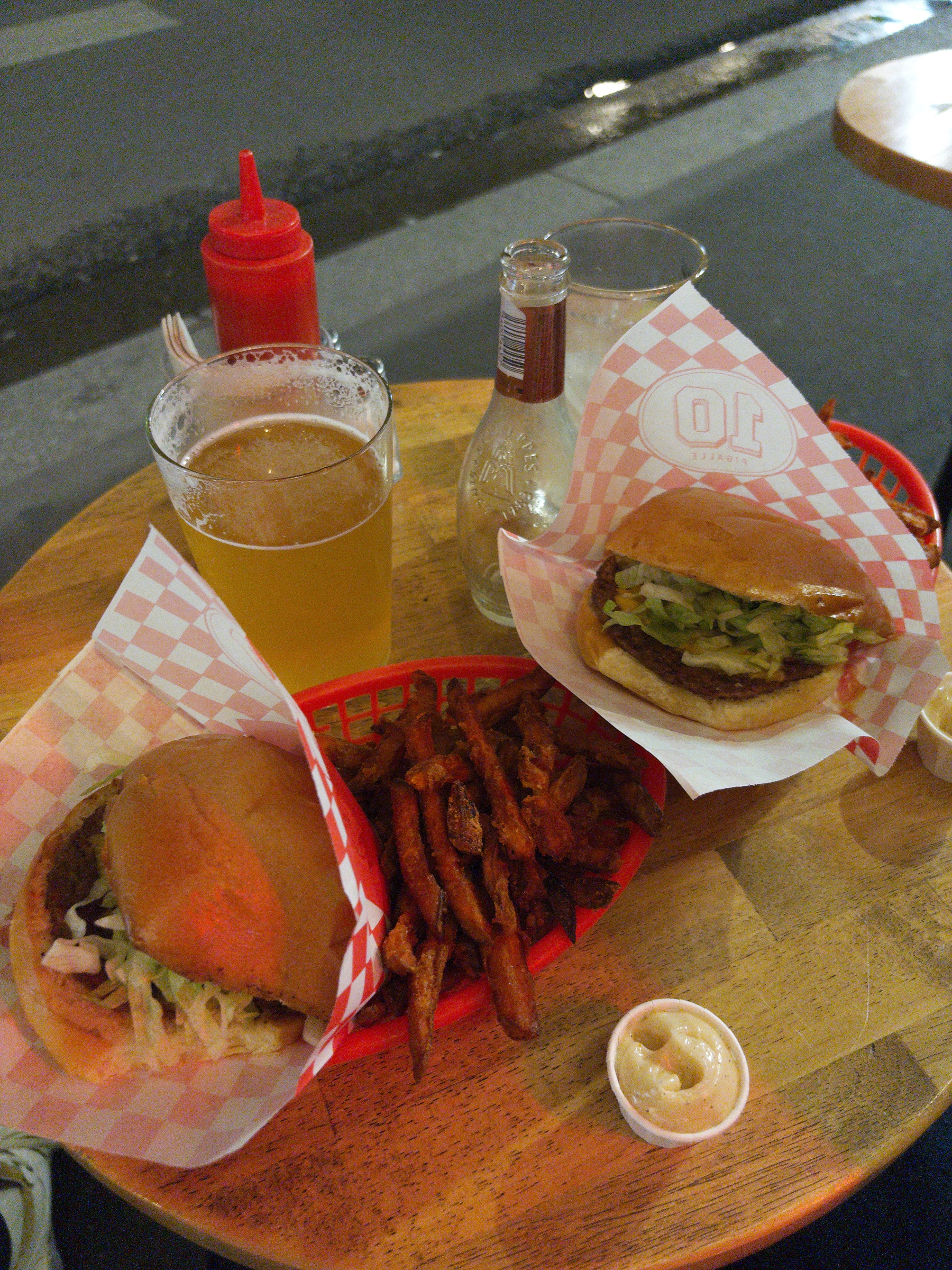
As I was running my errand(s), I took myself out to lunch, in one of my favorite street food places in town, a place that means a lot to my wife & I.
I’ve been thinking a lot about how I start my workdays.
As a Customer Success and Account Manager at a B2B SaaS company, my mornings used to look something like this: open Gmail, scan for anything urgent. Switch to Google Calendar, figure out what’s on today. Check Slack for threads I missed overnight. Pop into HubSpot to see what tasks are due and whether any deals moved. Then mentally piece together a plan for the day — usually while sipping coffee and hoping I didn’t miss something important.
It’s not that any one of those steps is hard. It’s that doing them all, every single morning, across four or five different tools is a drain. Not on my skills — on my attention. By the time I’ve assembled the picture of “what’s going on today,” I’ve already burned through a chunk of my best morning energy.
So I decided to try something: what if I could have all of that waiting for me when I sit down?
The idea
I’d been experimenting with Claude — Anthropic’s AI assistant — for a while. Mostly for writing help, thinking through problems, that kind of thing. But when I started exploring Cowork mode (their desktop tool), I realized it could actually connect to the tools I use every day: Gmail, Google Calendar, HubSpot, Slack, and more.
That’s when the idea clicked: what if I could set up a recurring task that runs every weekday morning, checks all my work tools, and delivers me a ready-made briefing?
I’m not a developer. I don’t write code for a living. But I figured — why not try?
What it actually does
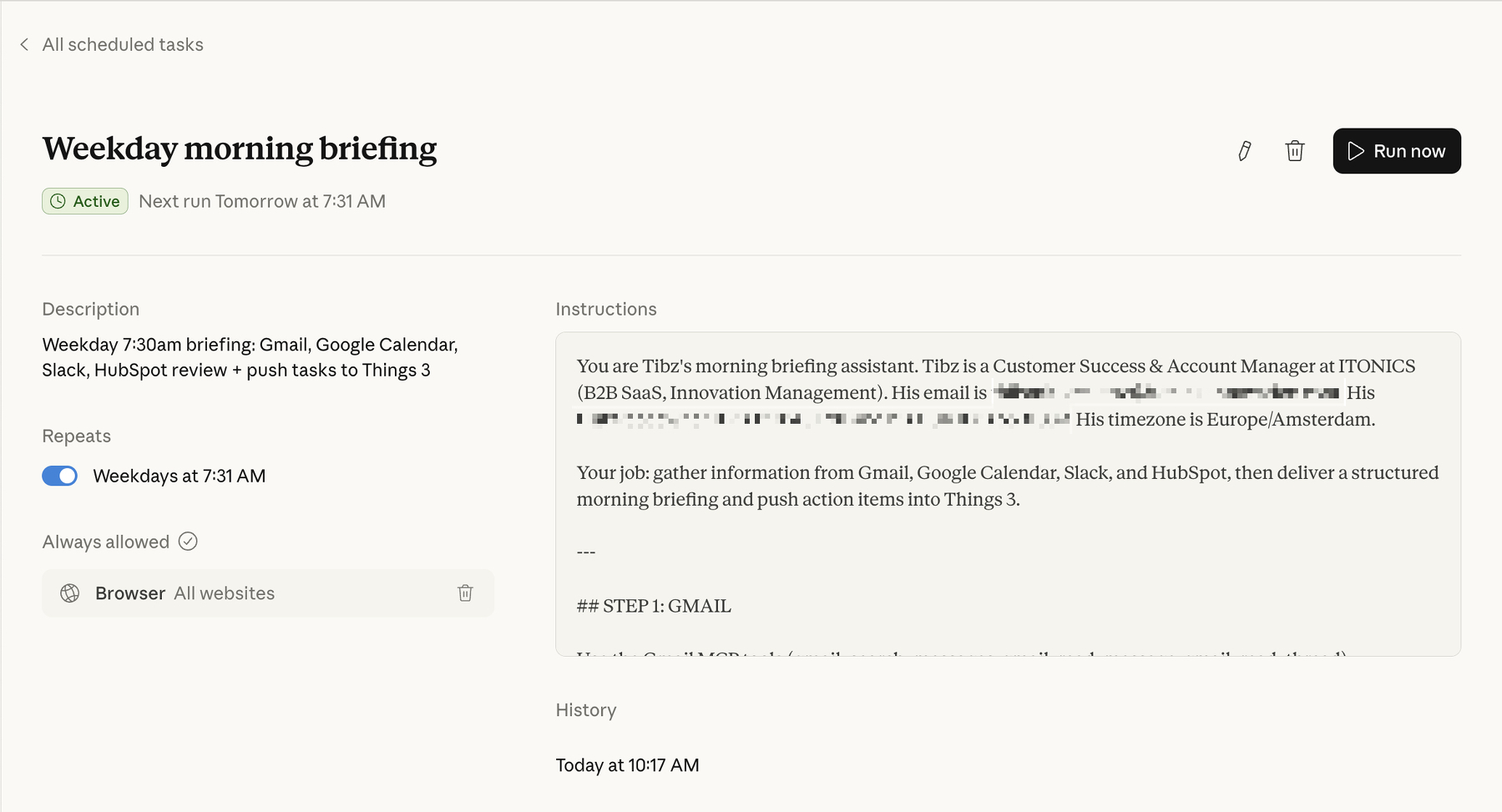
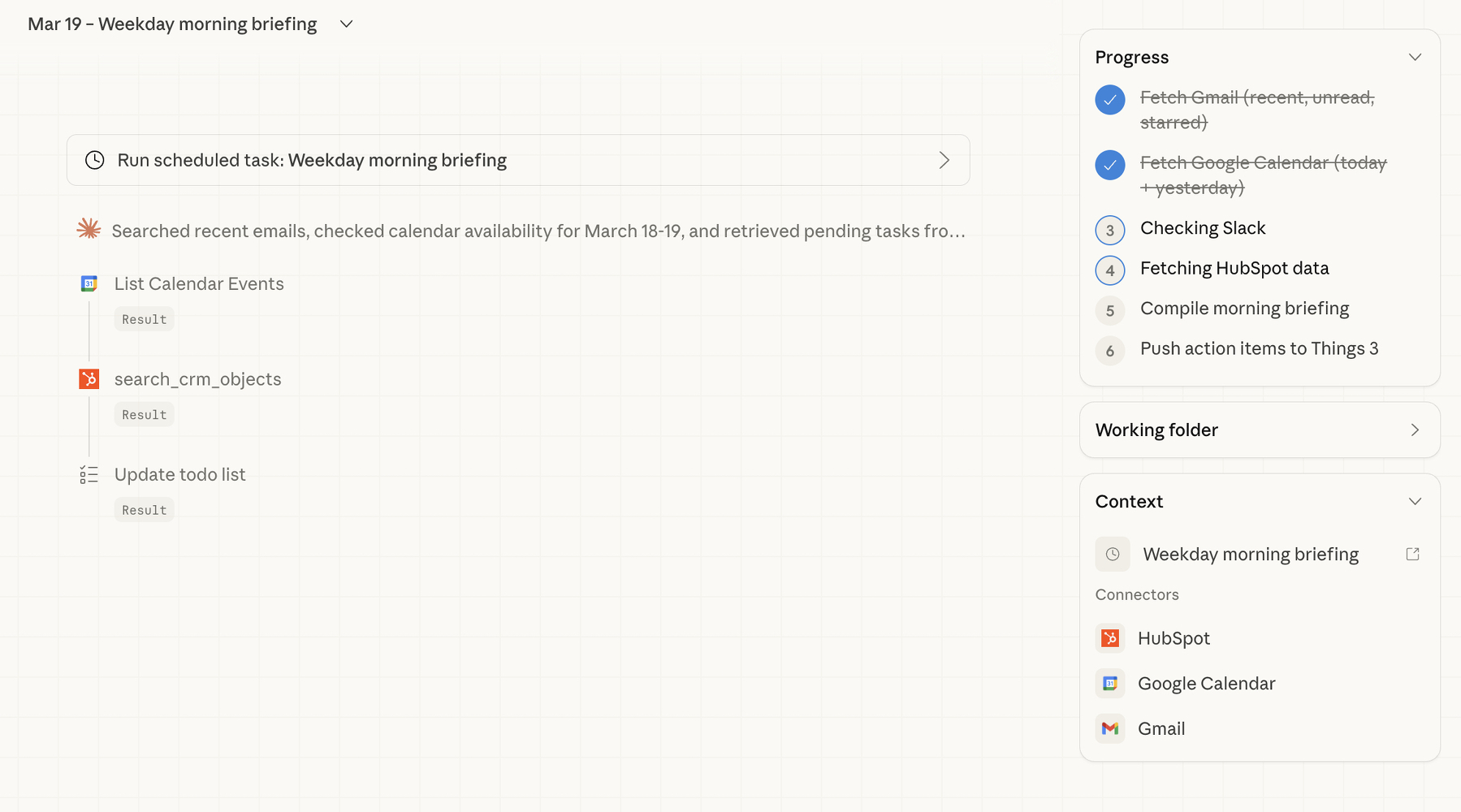
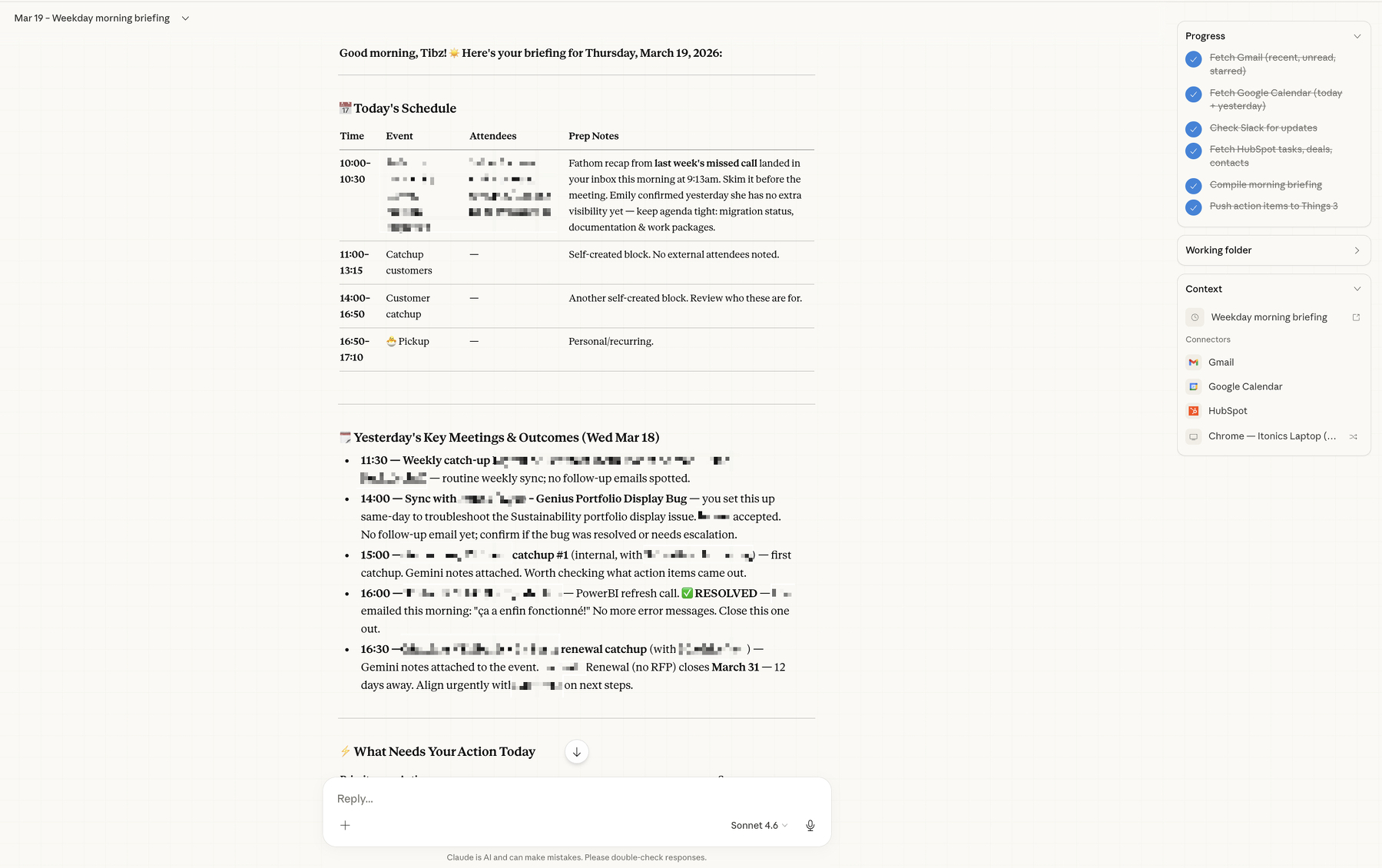
Every weekday at 7:30am, before I’ve even opened my laptop, Claude runs a scheduled task that does the following:
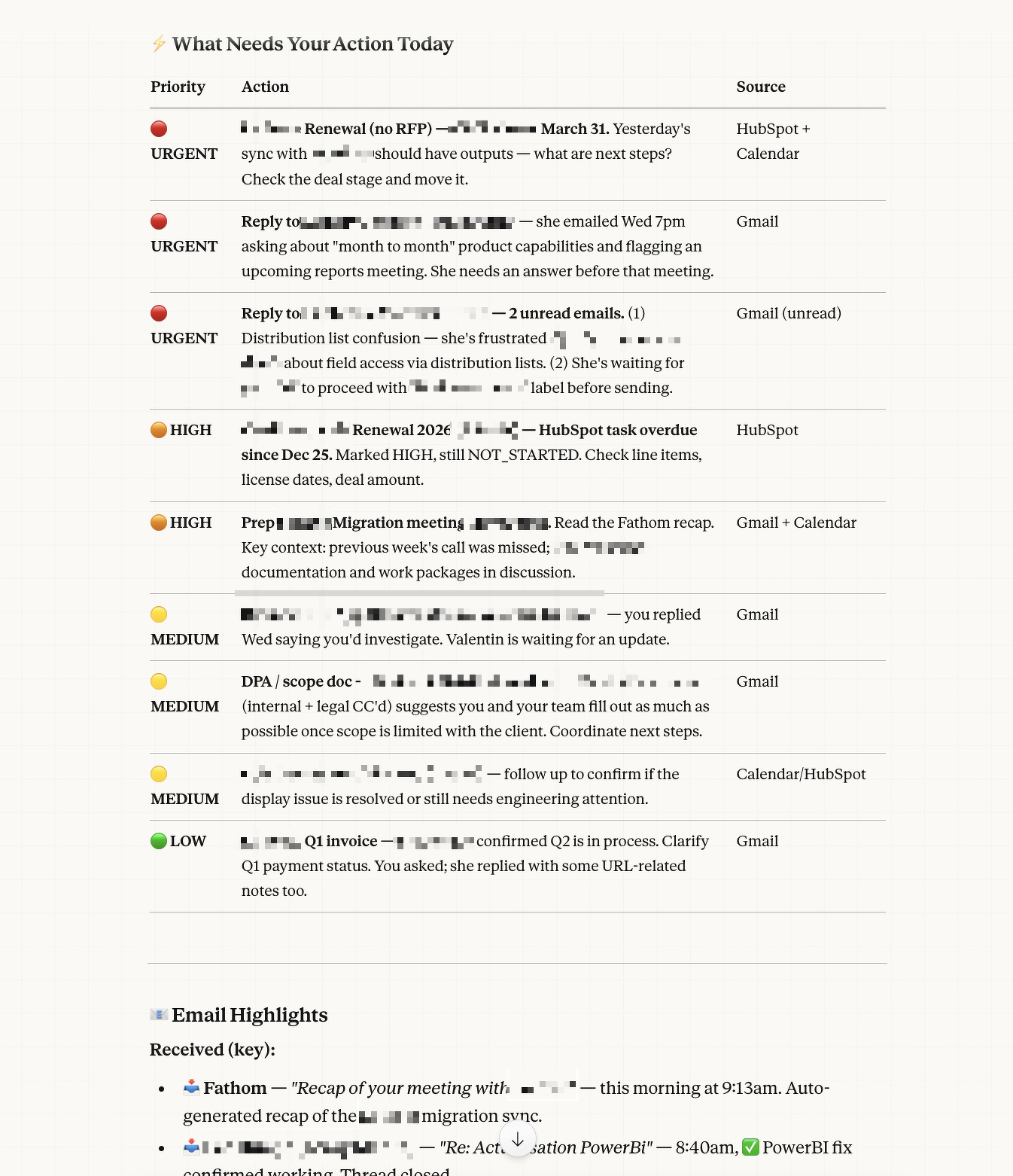
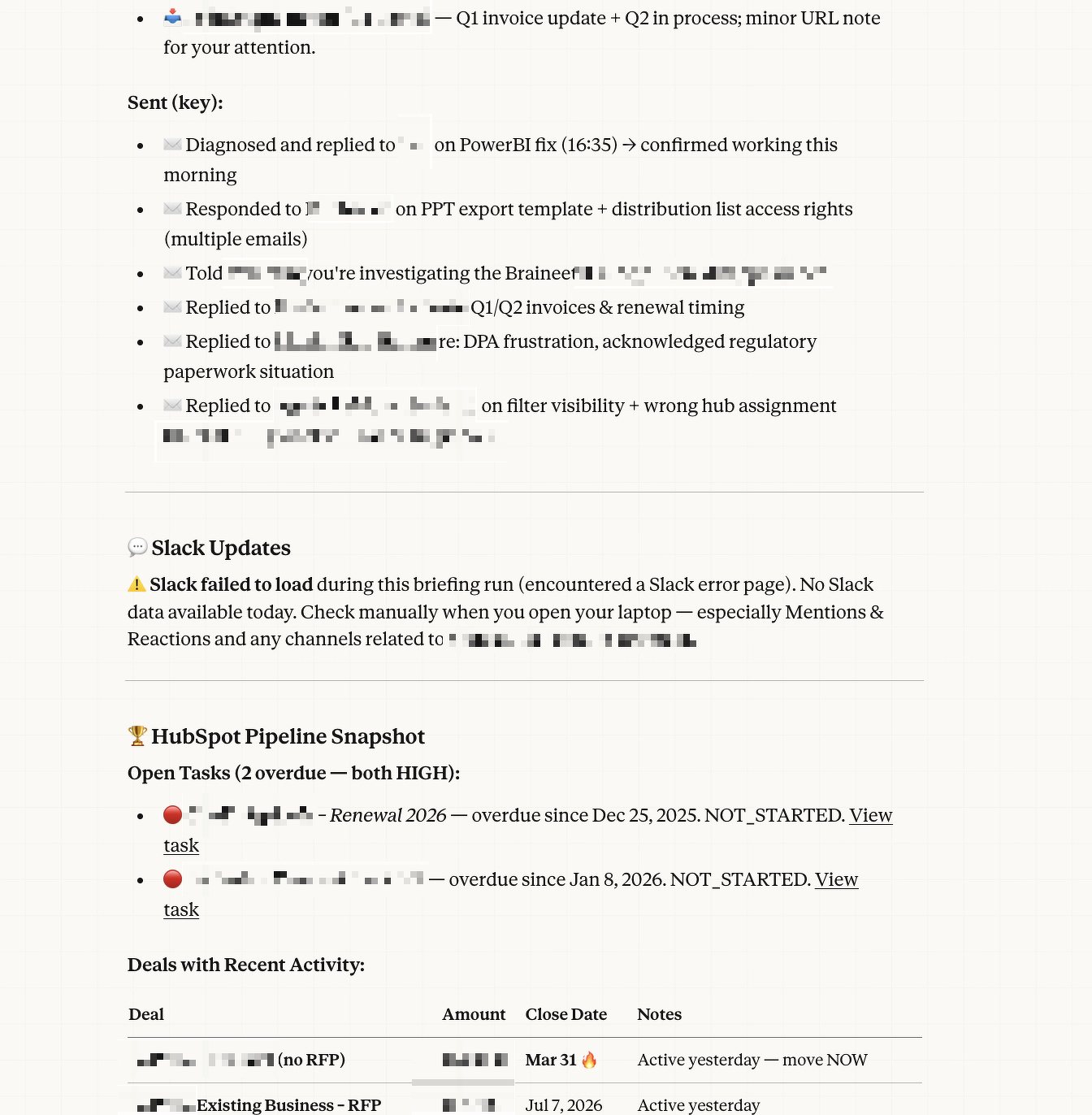
Email review. It scans my Gmail for everything sent and received in the last 24 hours, flags anything that looks like it needs a reply or follow-up, and checks for unread or starred messages that might have slipped through the cracks.
Calendar check. It pulls today’s meetings — who’s attending, what it’s about, any relevant context — and also looks back at yesterday’s meetings to piece together a recap of what happened and what outcomes might need follow-up.
Slack scan. It checks my workspace for mentions, active threads, and important team or customer updates. Anything that looks like it needs my attention gets surfaced.
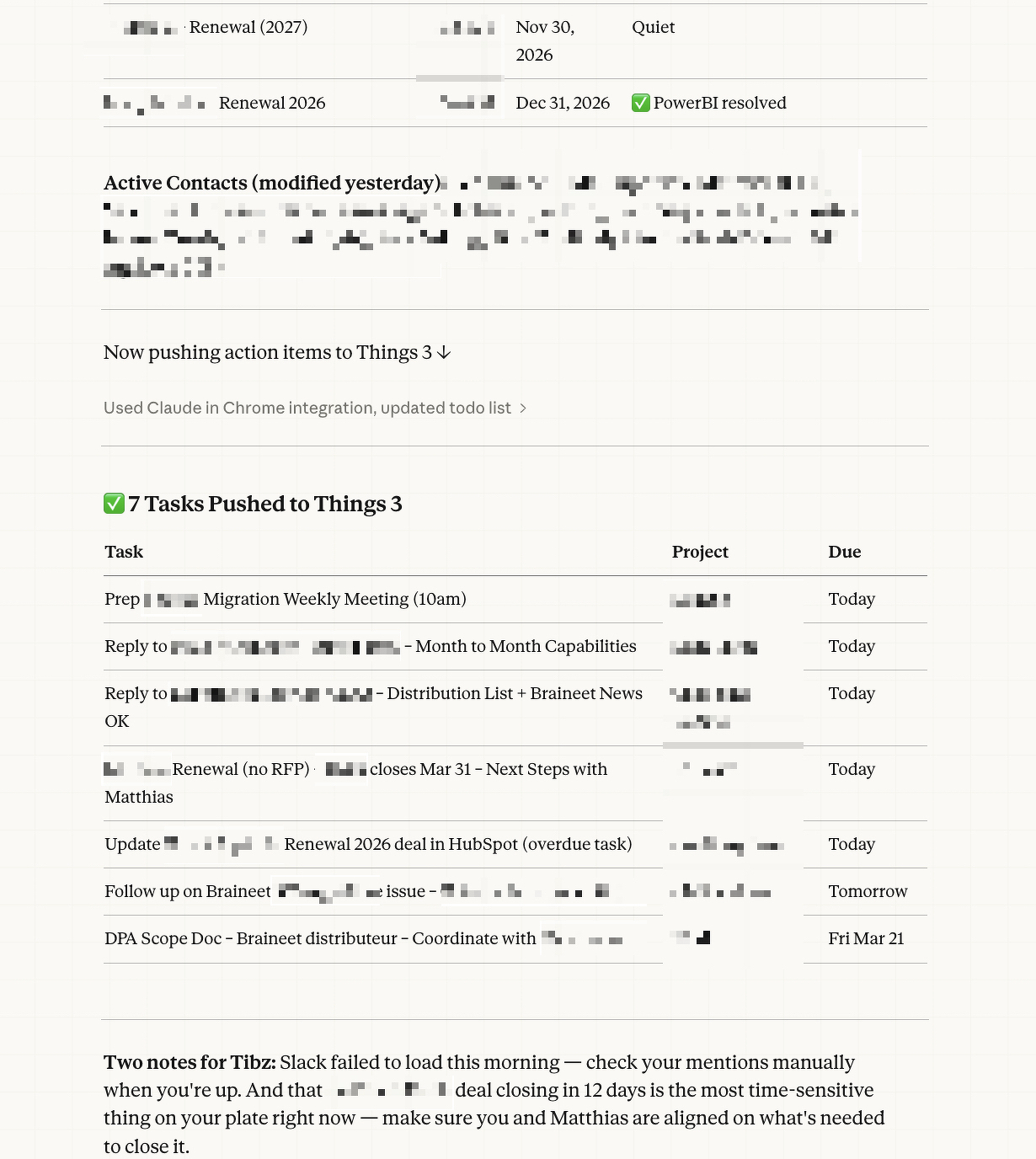
HubSpot review. It looks at my open tasks, recent deal activity, and any contacts or companies that have been updated recently. So if a deal moved stages or a customer reached out, I know about it.
Then it compiles all of that into a structured morning briefing: what’s happening today, what needs my action, and a summary of yesterday’s key meetings and outcomes.
And the part I’m most proud of: it pushes the action items directly into Things 3 (my task manager), sorted into the right customer account projects with appropriate deadlines based on urgency. So by the time I sit down, my task list is already organized.
How I built it
Here’s the thing that surprised me most — the whole setup was basically a conversation.
I opened Claude’s Cowork mode on my Mac, and told it what I wanted. Something like: “Every weekday morning, check my Gmail, Calendar, Slack, and HubSpot, and give me a briefing. Then push the tasks into Things 3.”
Claude took it from there. It checked which tools were already connected (Gmail, Google Calendar, and HubSpot were good to go via MCP connectors — think of these as bridges between Claude and your apps). For Slack, it set up browser-based access as a fallback. For Things 3, it uses the app’s URL scheme to create tasks directly.
The whole thing runs as a “scheduled task” — essentially a saved set of instructions that Claude executes automatically on a cron schedule. I didn’t write a single line of code. I described what I wanted in plain English, refined it through a few back-and-forth messages (“can you make sure State Farm tasks go into the State Farm project?” / “add tags like ‘bug’ or ‘feature request’ to the right items”), and that was it.
The conversation felt less like programming and more like onboarding a very capable assistant.
What I’ve learned so far
A few reflections, now that I’ve been running this for a bit.
It’s not about replacing my judgment — it’s about saving my attention. The briefing doesn’t tell me what to think about my day. It gives me the raw materials so I can make better decisions faster. I still decide what’s actually urgent, what can wait, and what needs a different approach. But I’m making those decisions with everything in front of me, instead of context-switching across five tabs.
The setup is iterative, not one-shot. My first version was pretty basic. Over time, I’ve been refining it — adding smarter routing for Things 3 projects, better tagging logic, adjusting what gets surfaced and what doesn’t. It’s a living system, not a finished product. And because the instructions are in plain language, tweaking them is easy.
You don’t need to be technical to do this. I think there’s a misconception that leveraging AI tools like this requires coding skills. It doesn’t. What it requires is clarity about your workflow. If you can describe what you do every morning in plain sentences, you can automate a good chunk of it. The AI handles the technical wiring.
It’s changed how I think about my role. CS and Account Management are fundamentally human roles — they’re about relationships, empathy, understanding what your customer actually needs. But so much of our day gets eaten by information gathering. If I can reclaim even 30 minutes of that, that’s 30 minutes I can spend actually being there for my customers instead of hunting through inboxes.
For fellow CS/AM folks
If you’re in a similar role and curious about trying something like this, here’s what I’d suggest:
Start by mapping out your morning routine. Literally write down every tool you check and what you’re looking for. That description is your prompt. Then look into tools like Claude’s Cowork mode (or similar AI assistants that support integrations) and see which of your tools can be connected.
You don’t need to automate everything on day one. Start with one or two data sources — maybe just email and calendar — and see how it feels. Then layer on more as you get comfortable.
The hardest part isn’t the technology. It’s giving yourself permission to try.
This is part of my effort to share more about my work in Customer Success and Account Management. I’m not an expert on AI, but I am someone who’s figuring out how to use it in a way that makes my actual work better. If you have questions or want to swap notes, feel free to reach out.
I’ve been heads down doing the work in Customer Success and Account Management —building relationships, focusing on the human side of things, taking care of my customers, etc.
Account Management is a new_er_ territory for me, and although I had been involved in contract renewals in the past, I’m continuing to learn about this when dealing with bigger, more Corporate Customers.
But in the past, I haven’t shared much of my thinking. One idea that I strongly adhere can be summed up in this simple quote: “You know more than you think you do.”
So in the spirit of this phrase, I’m going to try and do a better job at sharing my expertise, experiment, and thoughts related to what I’m working on and the core of my job!
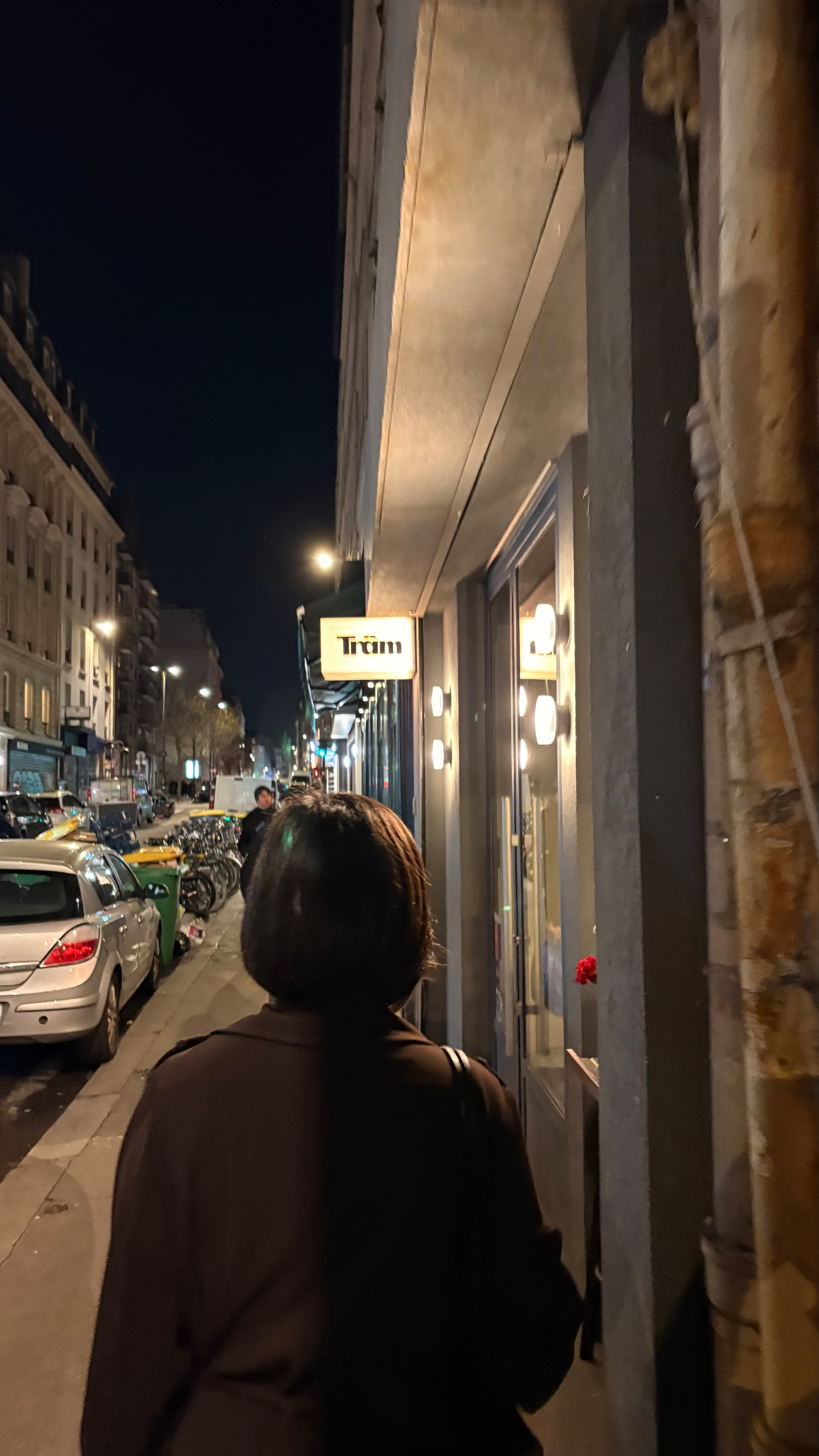
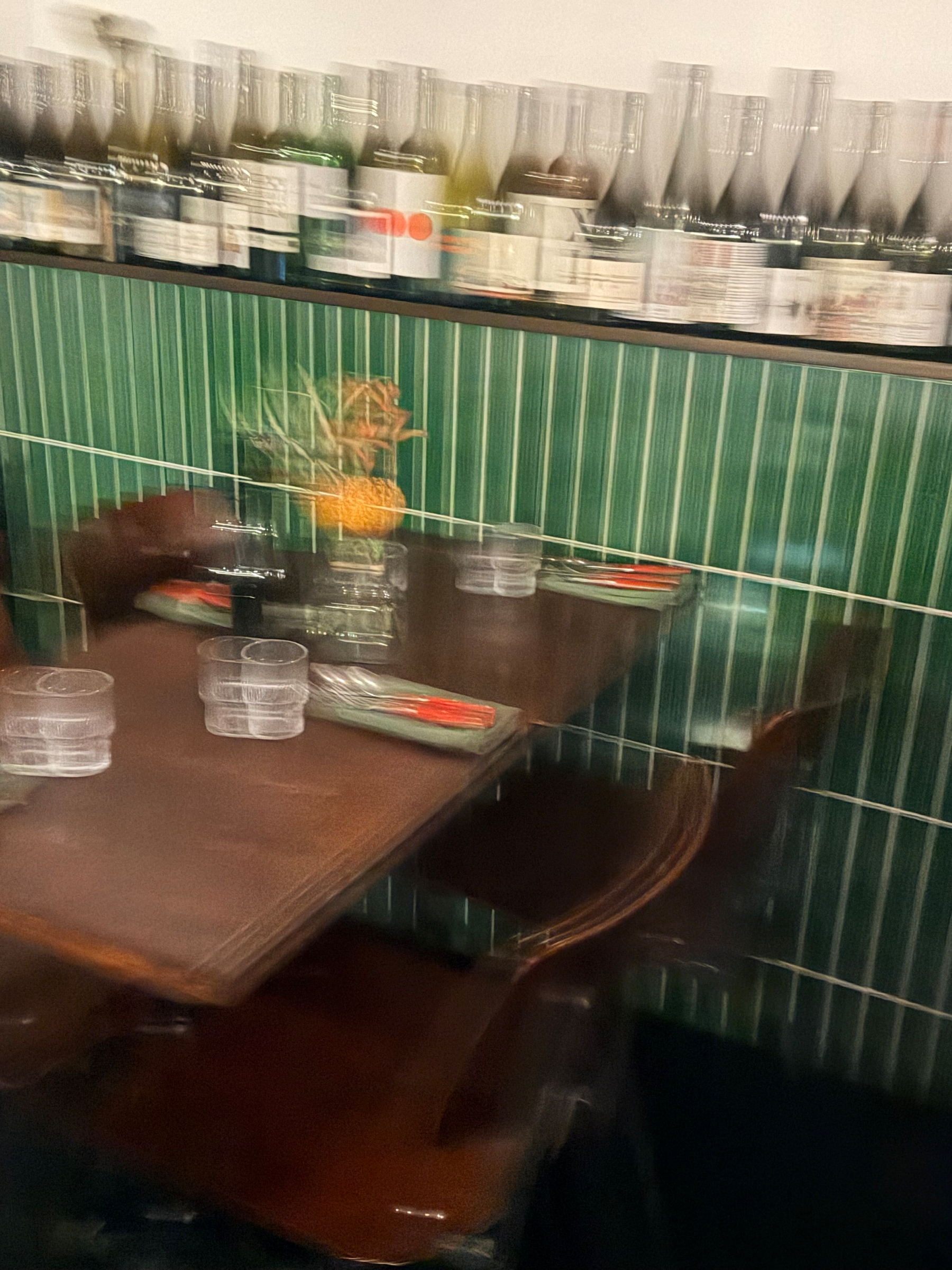
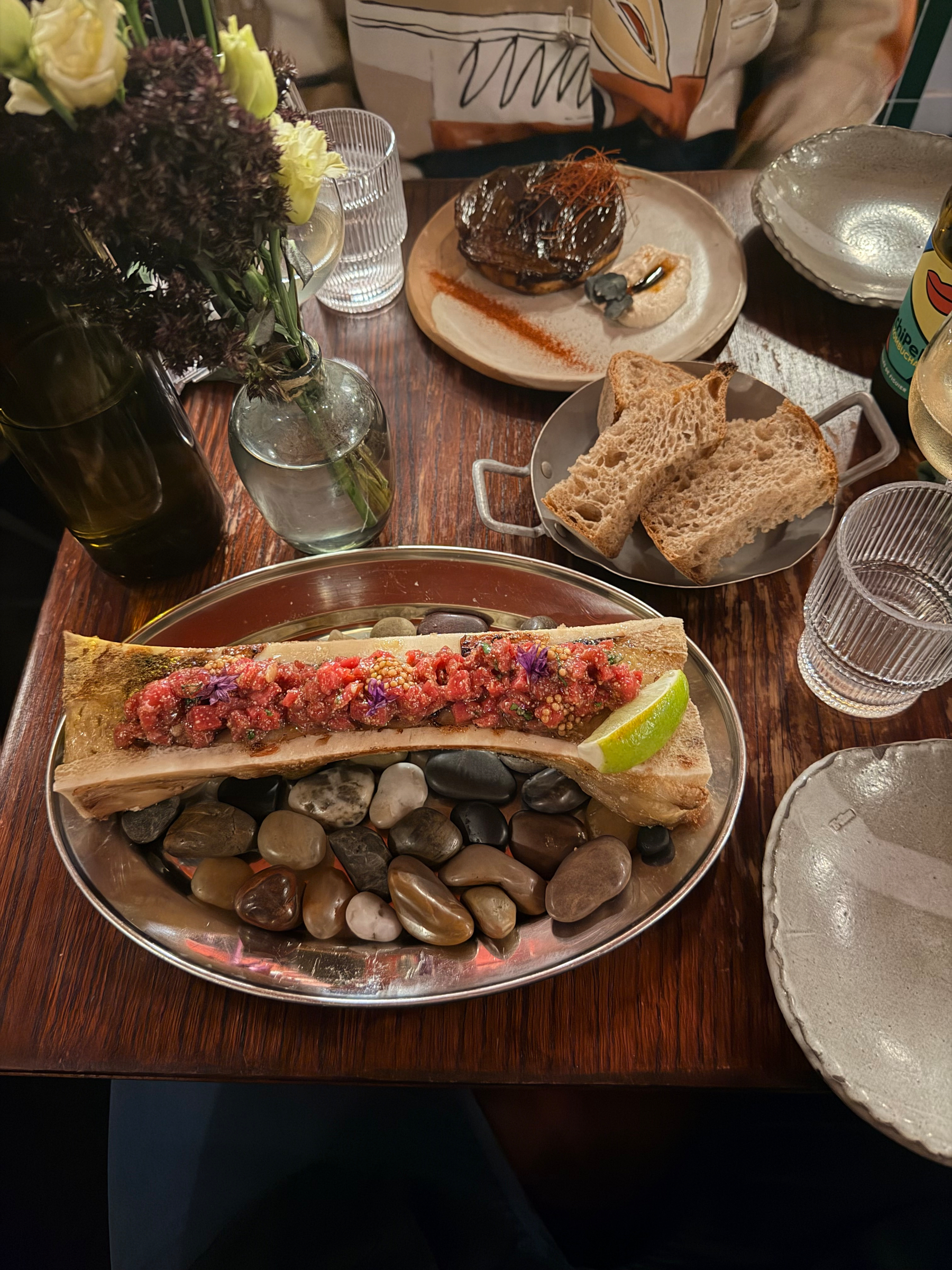
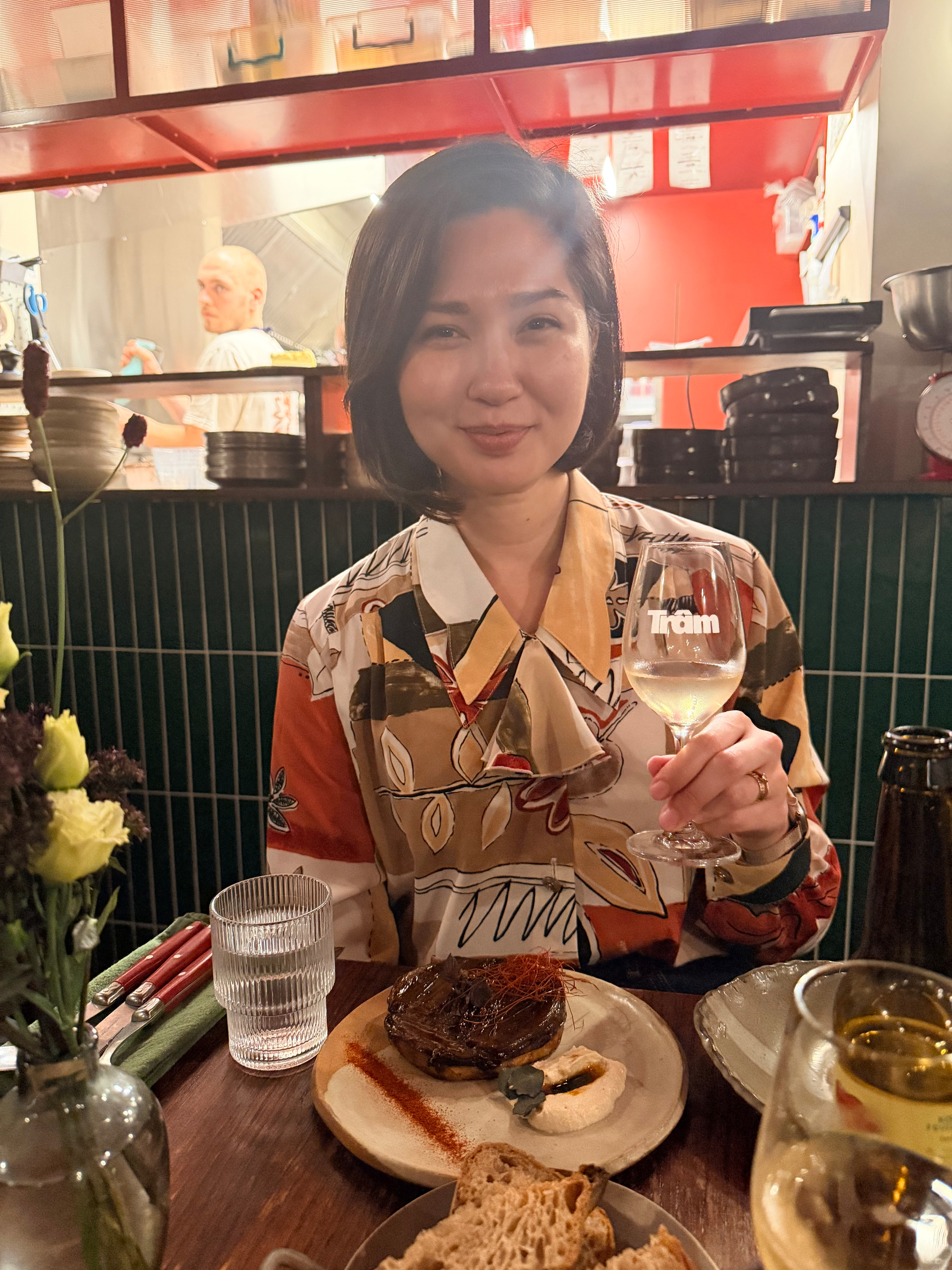
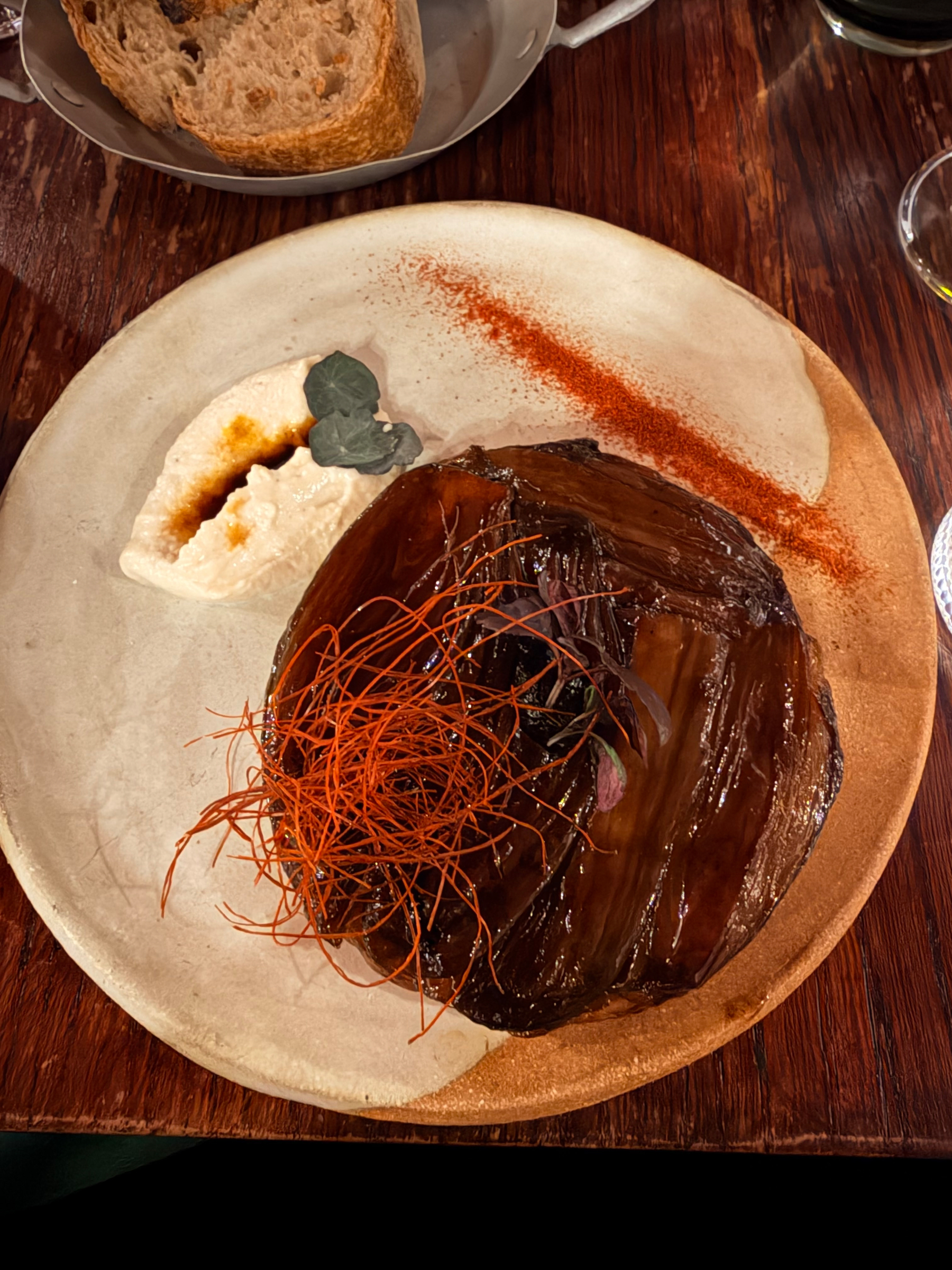
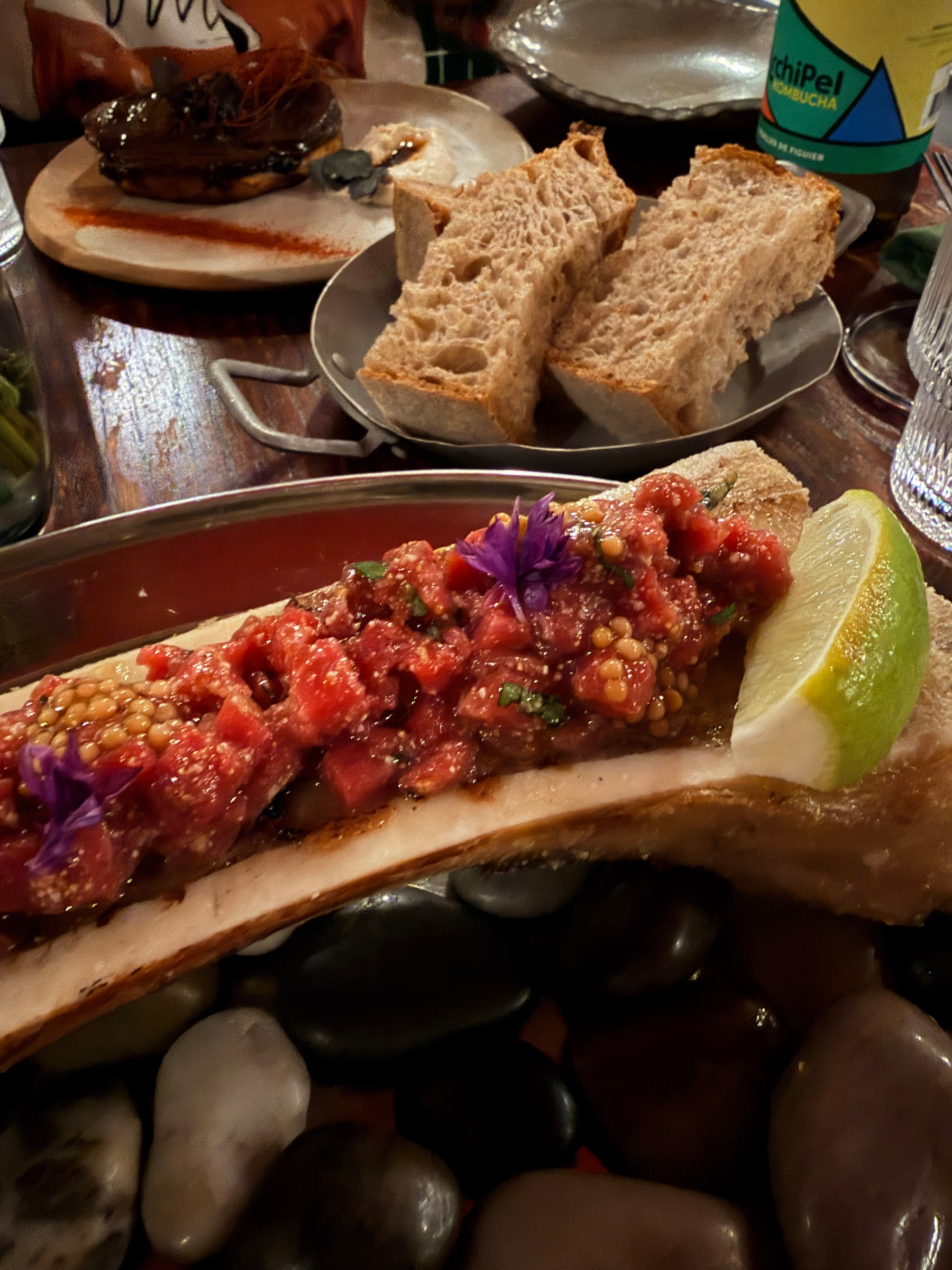
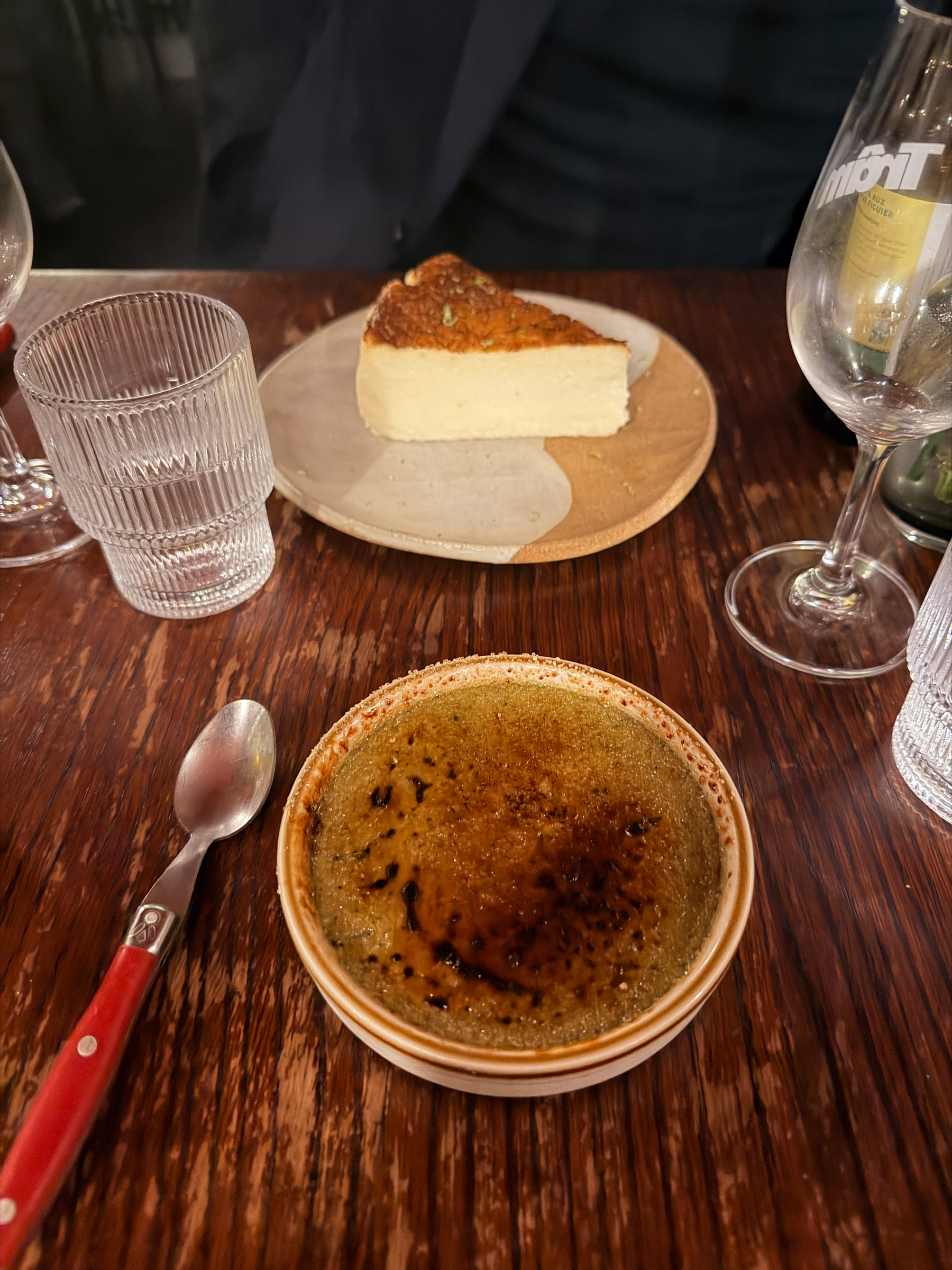
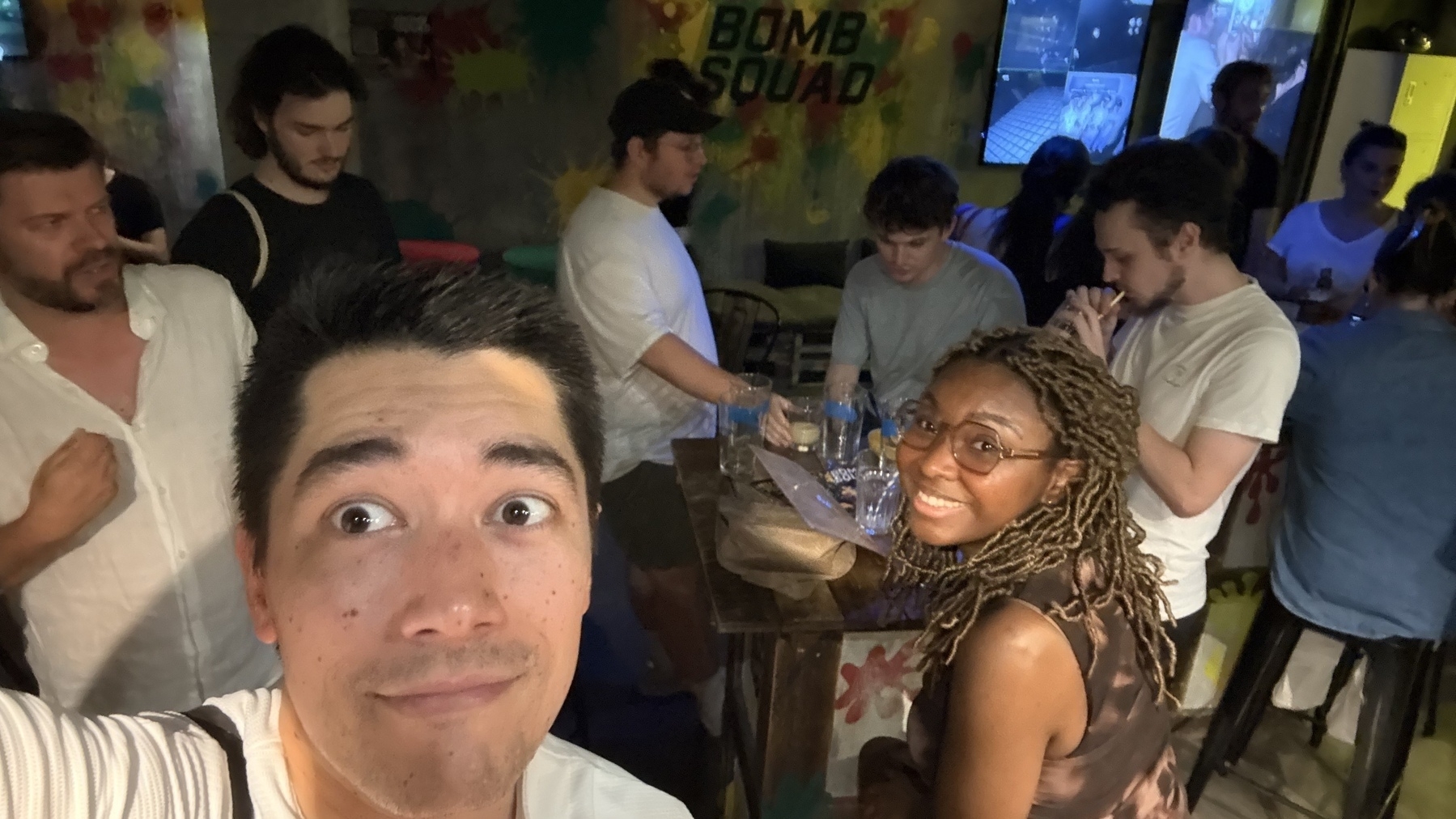
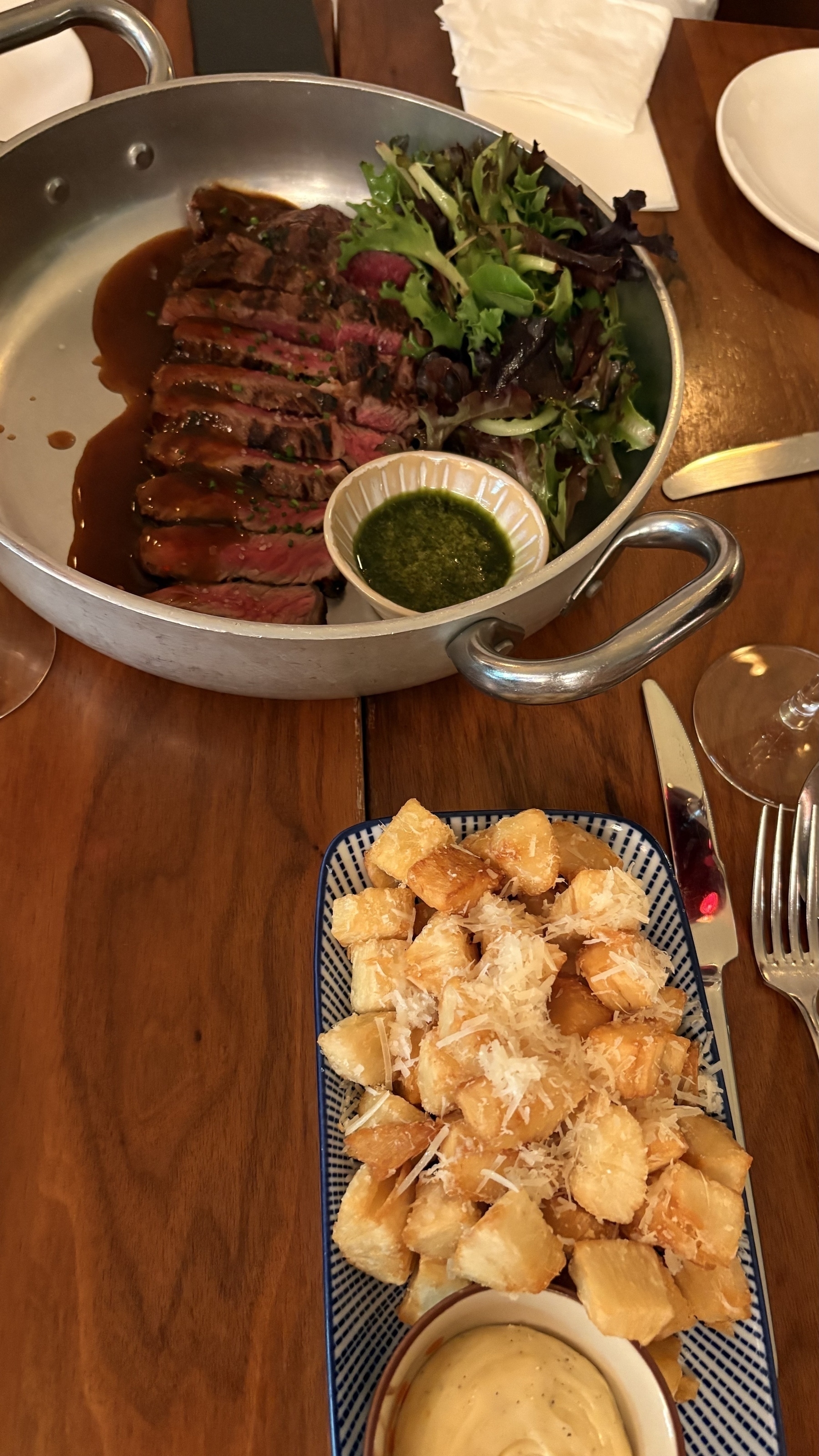
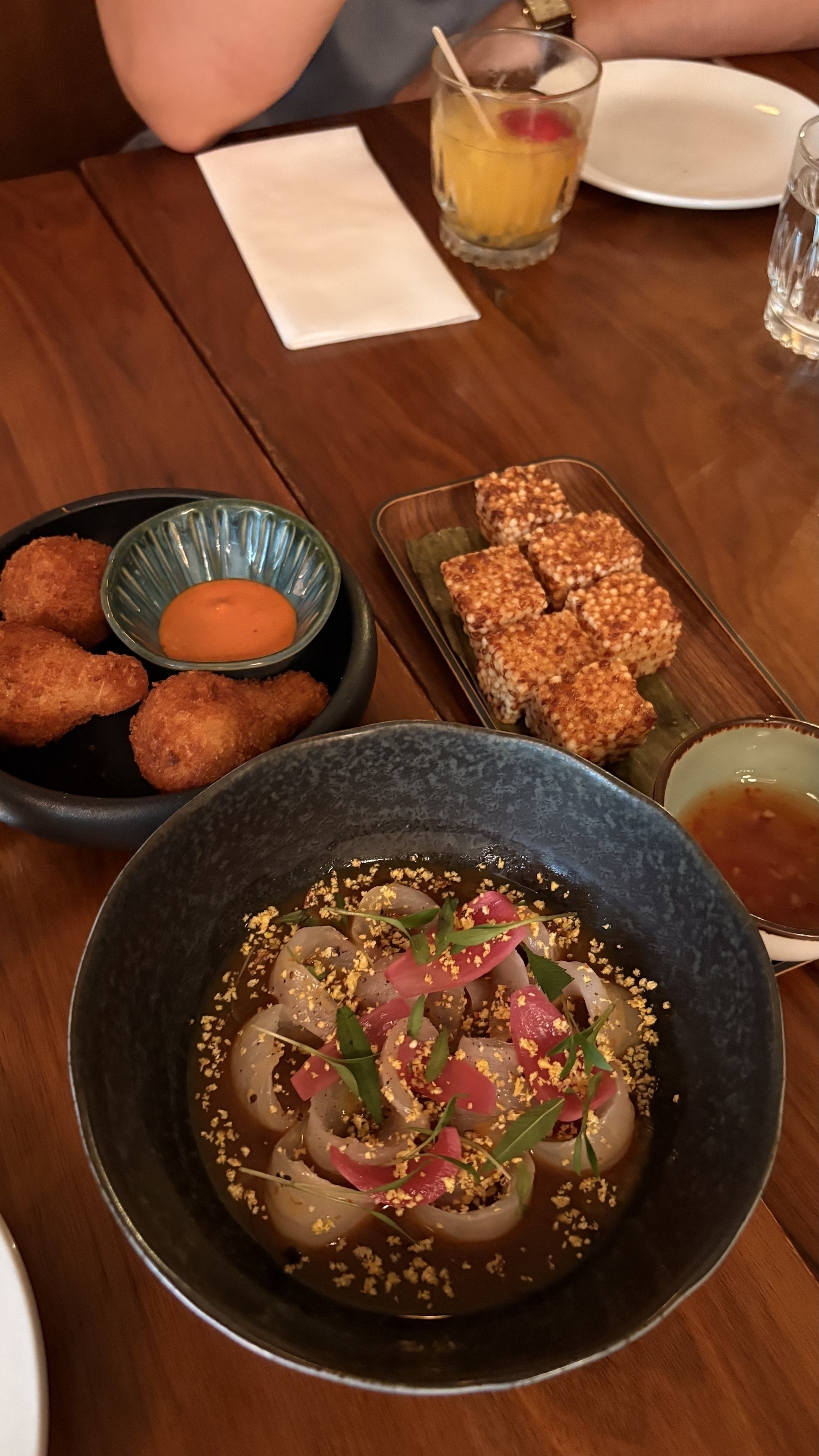
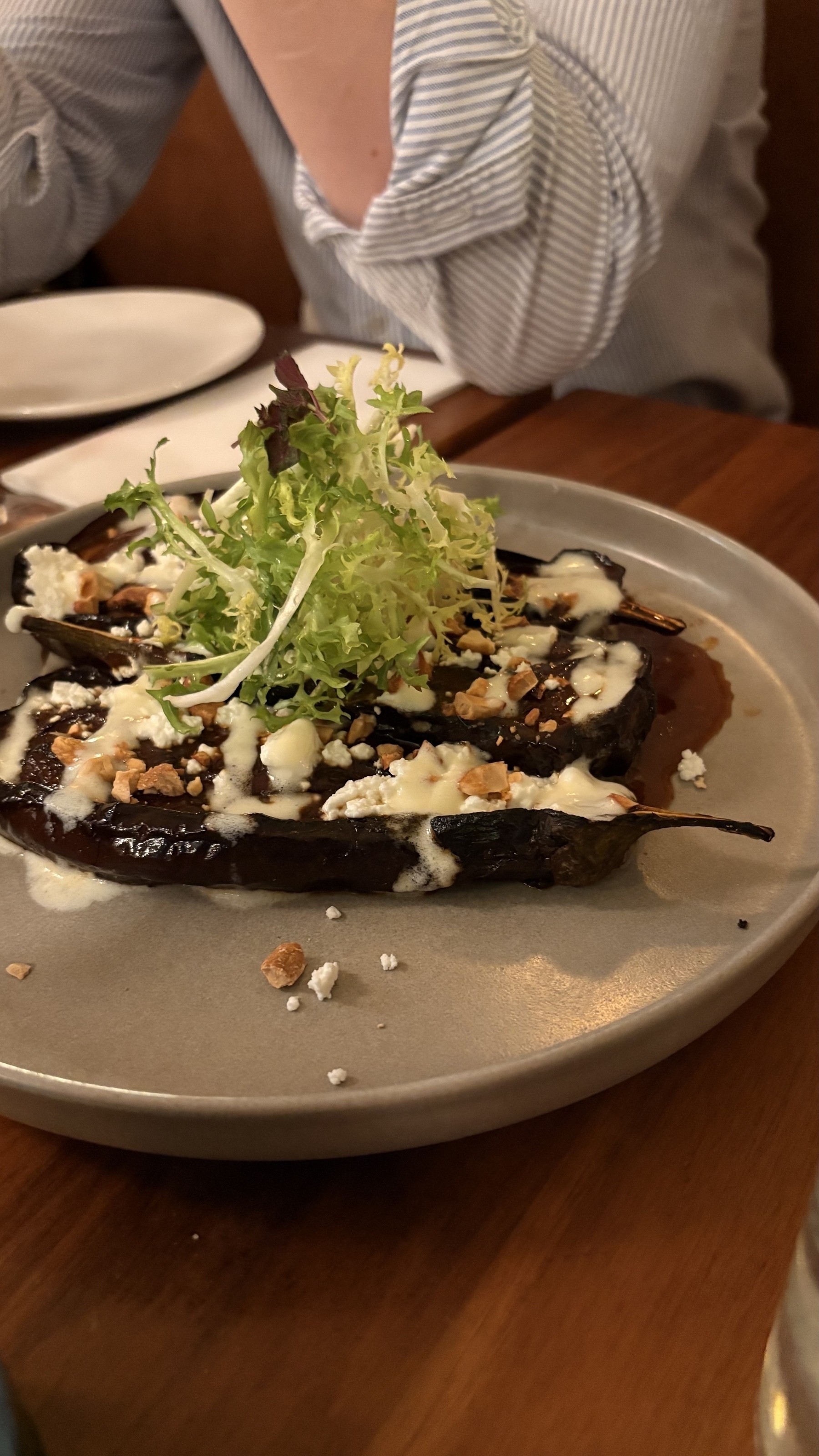
A wonderful (belated) anniversary dinner and celebration last night, at Tram 130, a place I’ve been wanting to go to since it opened two years ago!
Highlights included:
the mix of Việt and French culture
the tasteful interior design
the food from start to finish: the bone marrow is to die for, the onion tart blends sweetness and savory flavors for a perfect starter, a balanced fried chicken with a sauce that brought me back to childhood, and the sweet notes of the desserts (matcha crème brûlée and basque-style cheesecake).
Also had a surprise visit from the boss Priscilla Tram herself :)
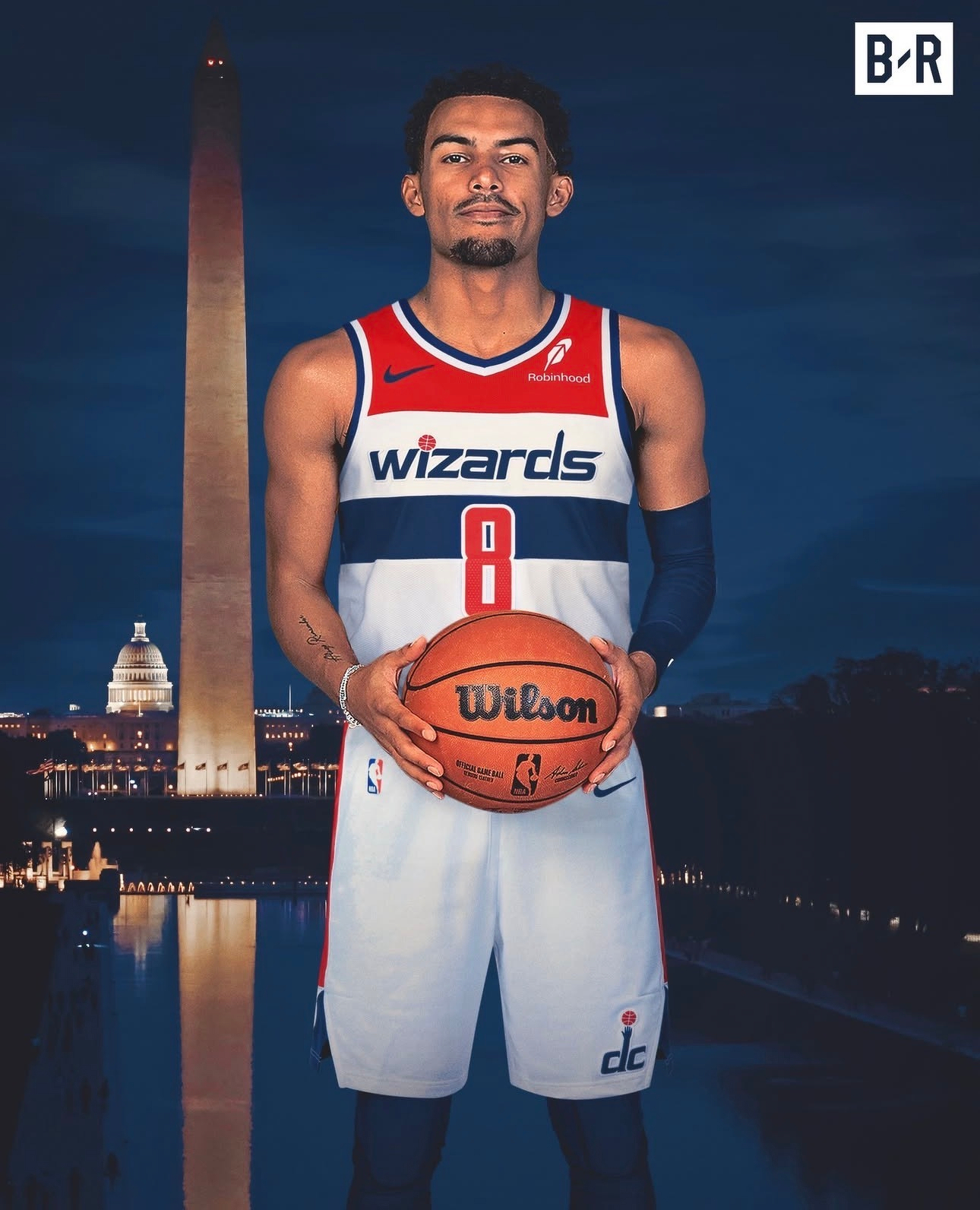
Having no picks is particularly advantageous for us. We owe one to the Knicks, but we’re confident we’ll maintain our current status by continuing to perform poorly, especially considering the exceptional talent in this upcoming draft class.
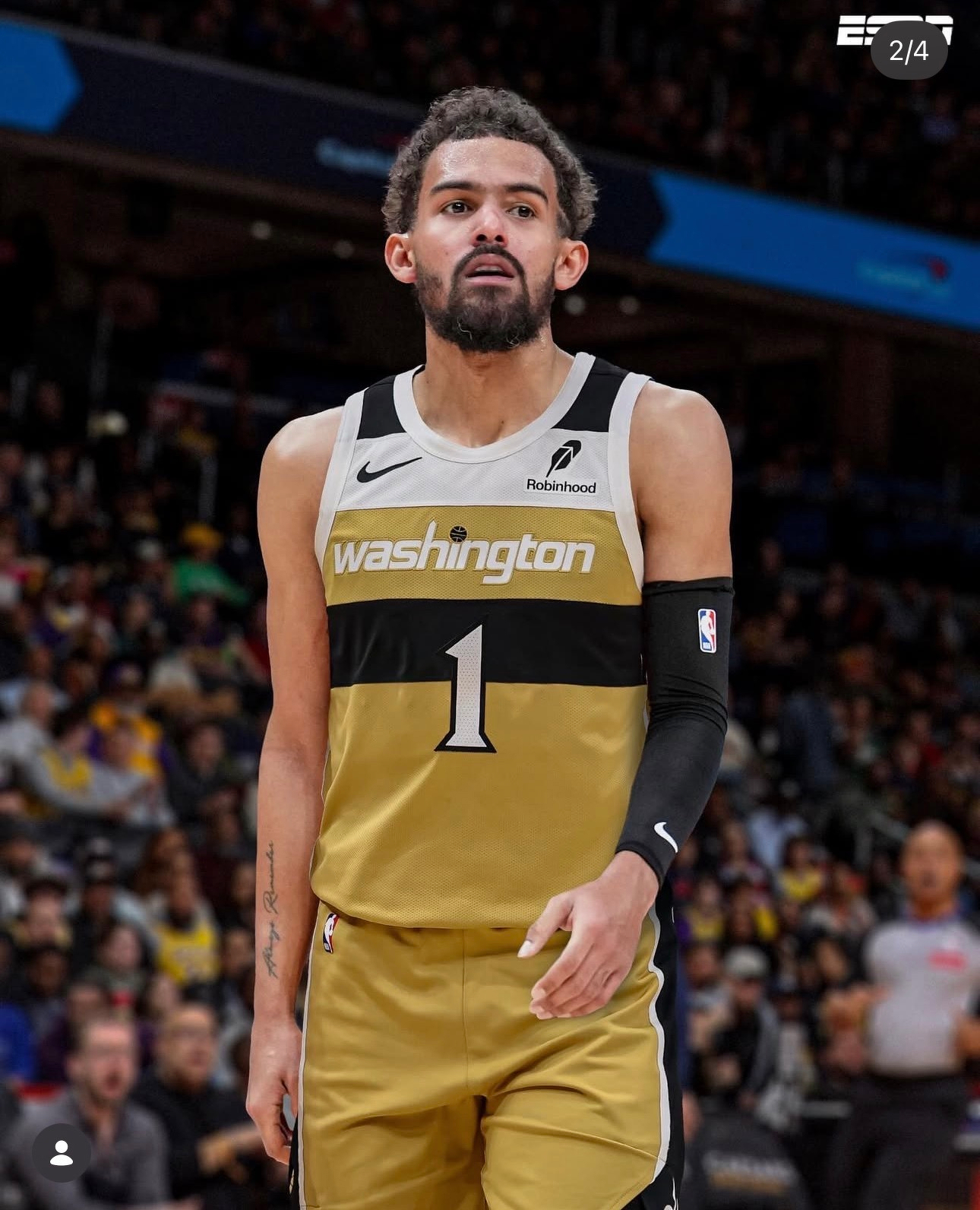
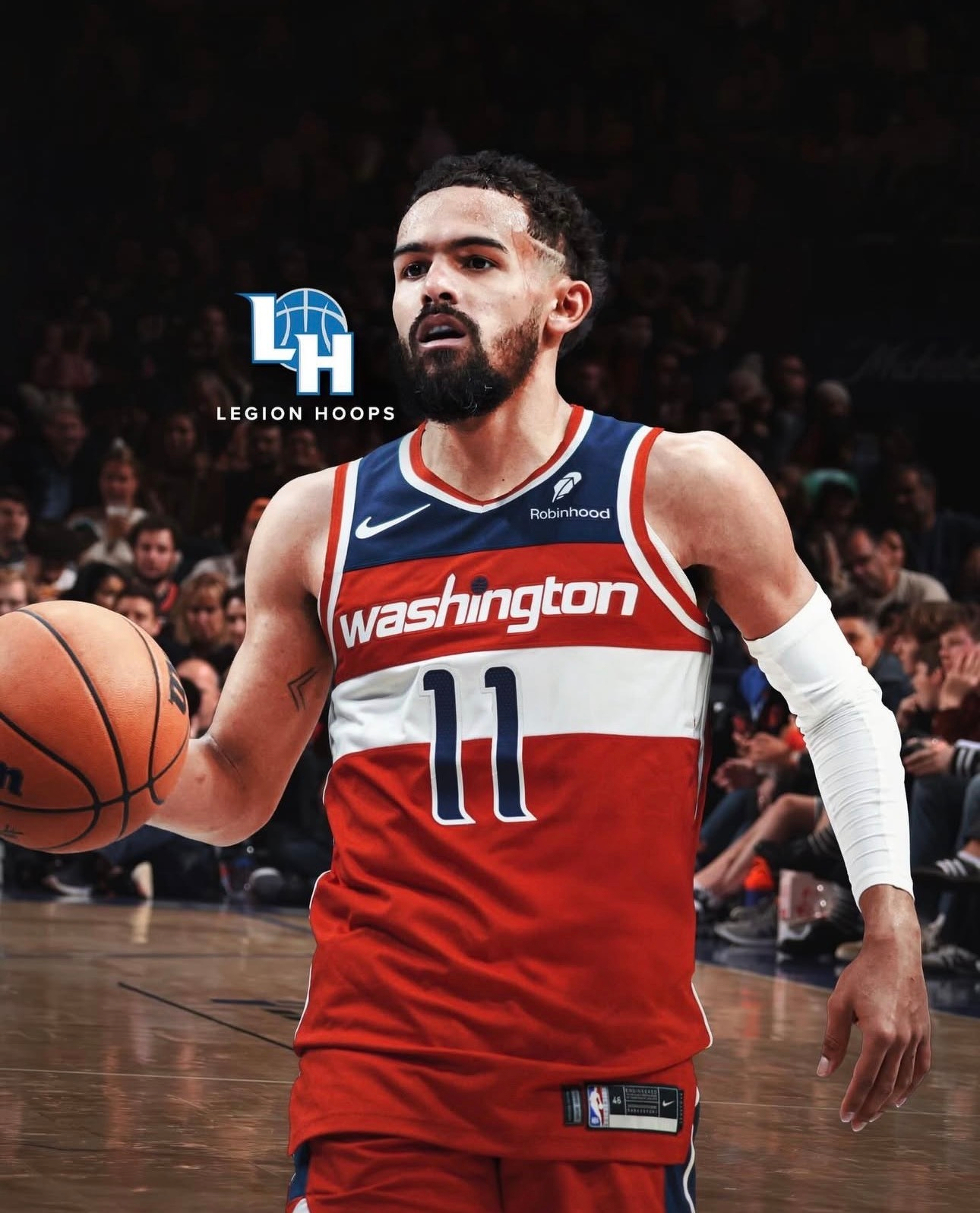
We should aim to become competitive within the next two years. And having Trae as a primary guard will free space for Alex Sarr on pick & rolls, and the other shooters/forwards on the team too :)
Our salary cap is $80 million, so even with Trae Young’s $49 million contract, we still have substantial room to secure bad contracts or free agents this summer.
Additionally, we haven’t had a superstar on our roster since Russell Westbrook’s tenure from 2020 to 2021, and John Wall before that.
The Wizards don’t have any big extensions looming, so even if they gave Young a two- or three-year deal this summer, they’ll be in great shape financially. This might be the perfect rental with a chance at long-term success. And if it doesn’t work out, they can cut the bait and maintain business as usual in their development process.
FWIW [my wife] and I got married within 5 weeks after getting engaged, and our little 13-people ceremony in my village in the south of France, in the middle of February, has been a much better memory than a costly-ordeal-to-“please”-hundreds-of-people-whom-we-hadn’t-seen-or-connected-with-in-recent-years would have been.
We’re about to enter our 9th year together, and 7th year of marriage, and now have a wonderful 2yo daughter who keeps us on our toes 😆 🐣 👩❤️👨
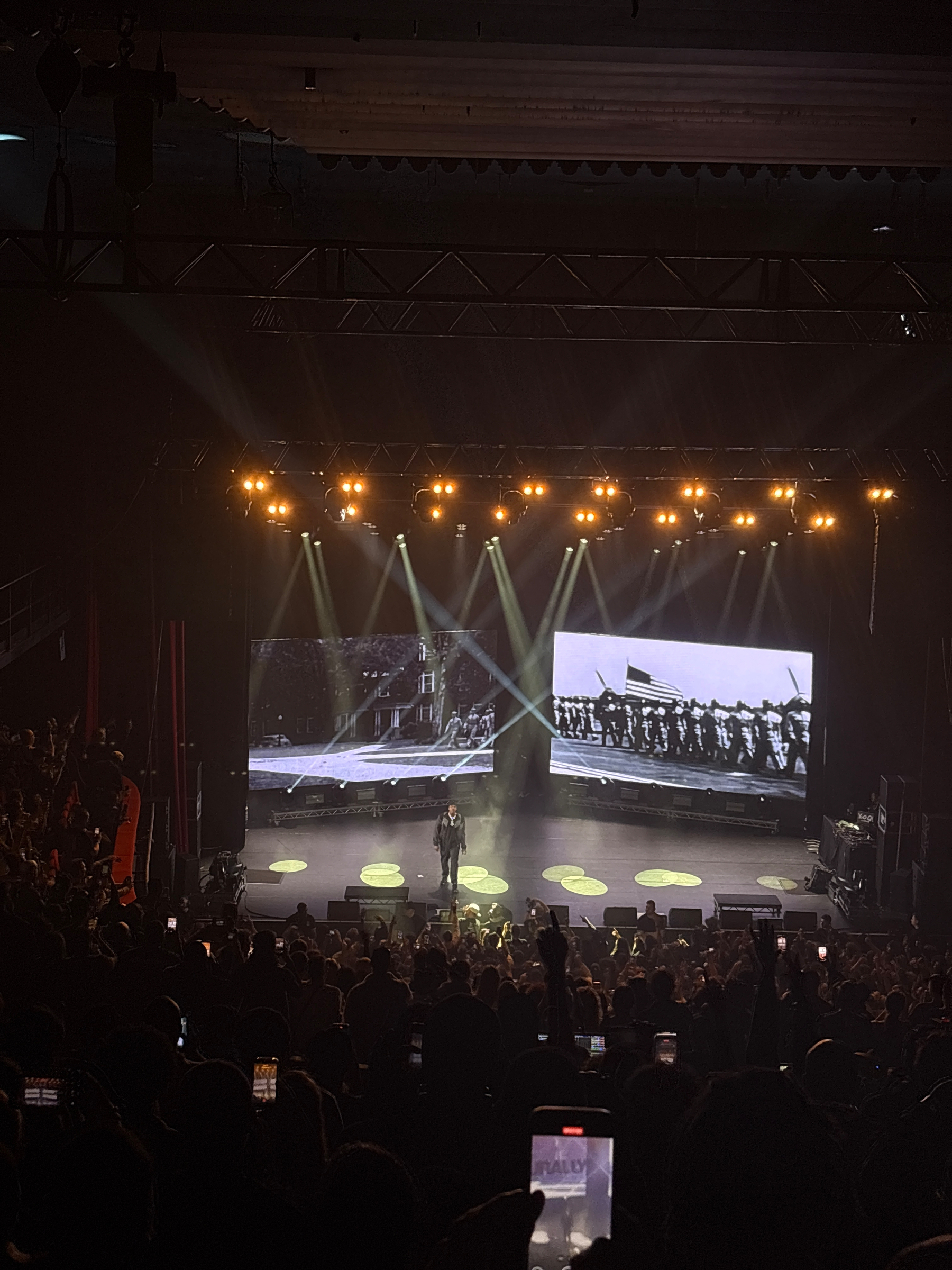
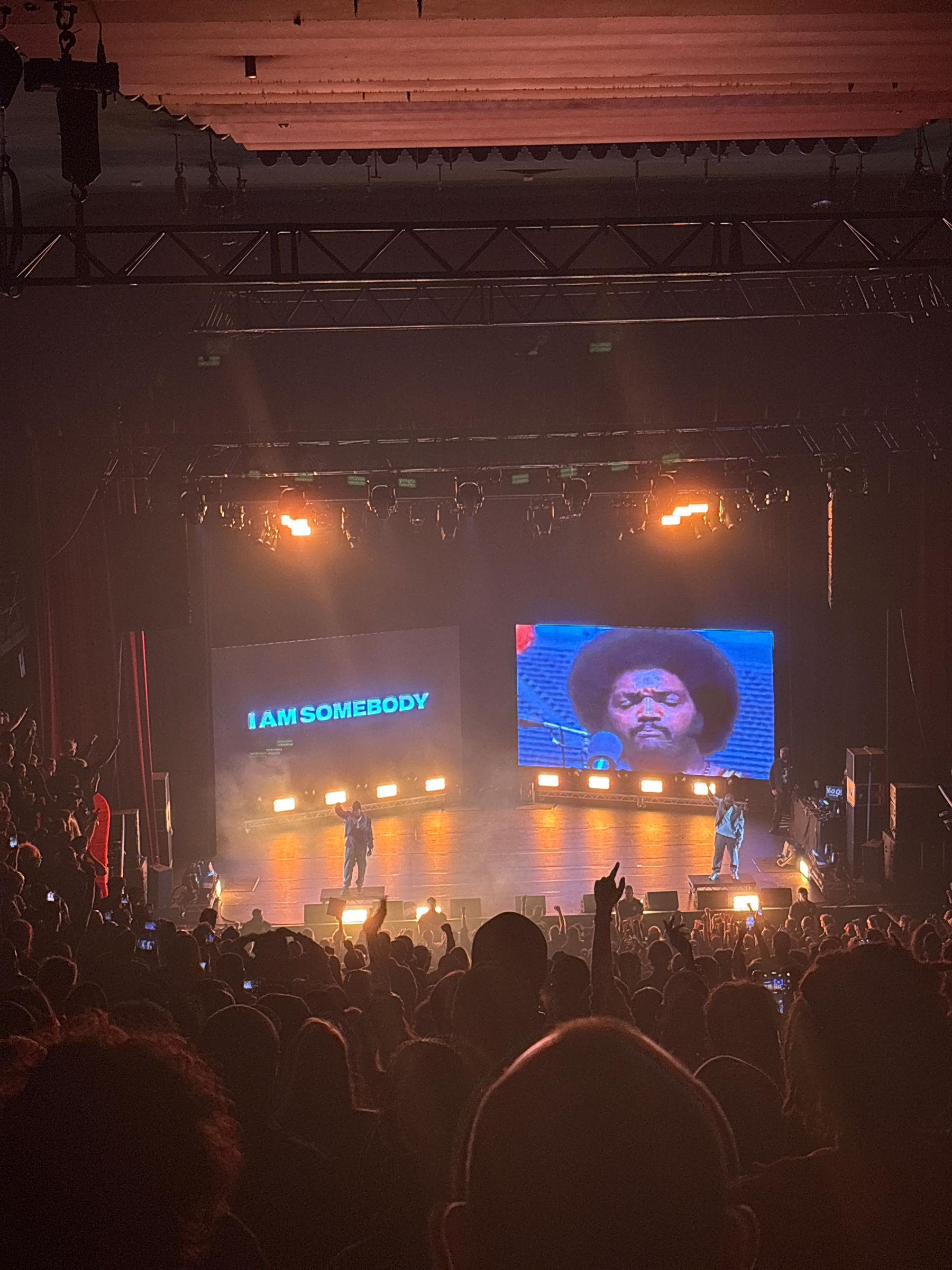
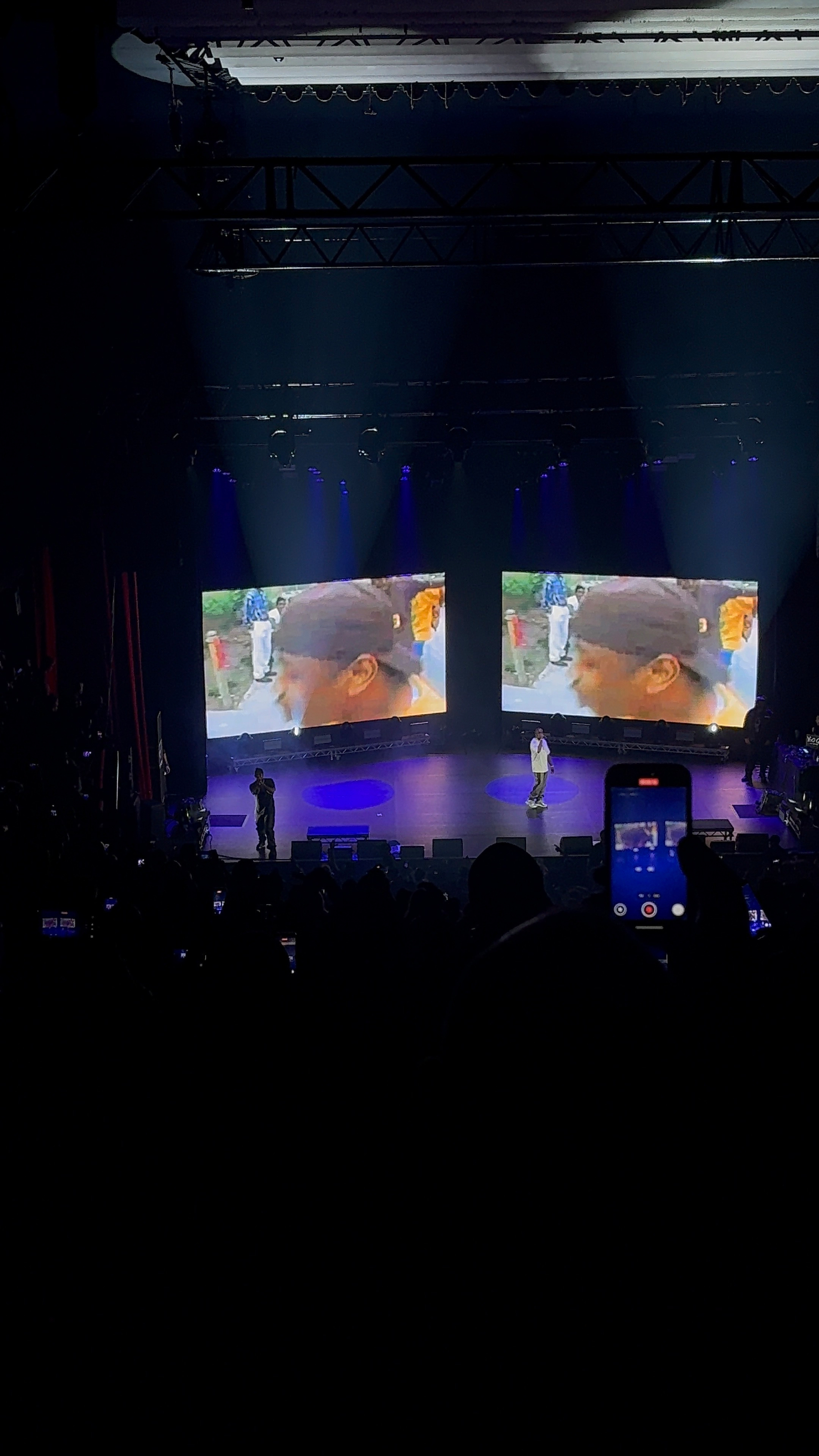
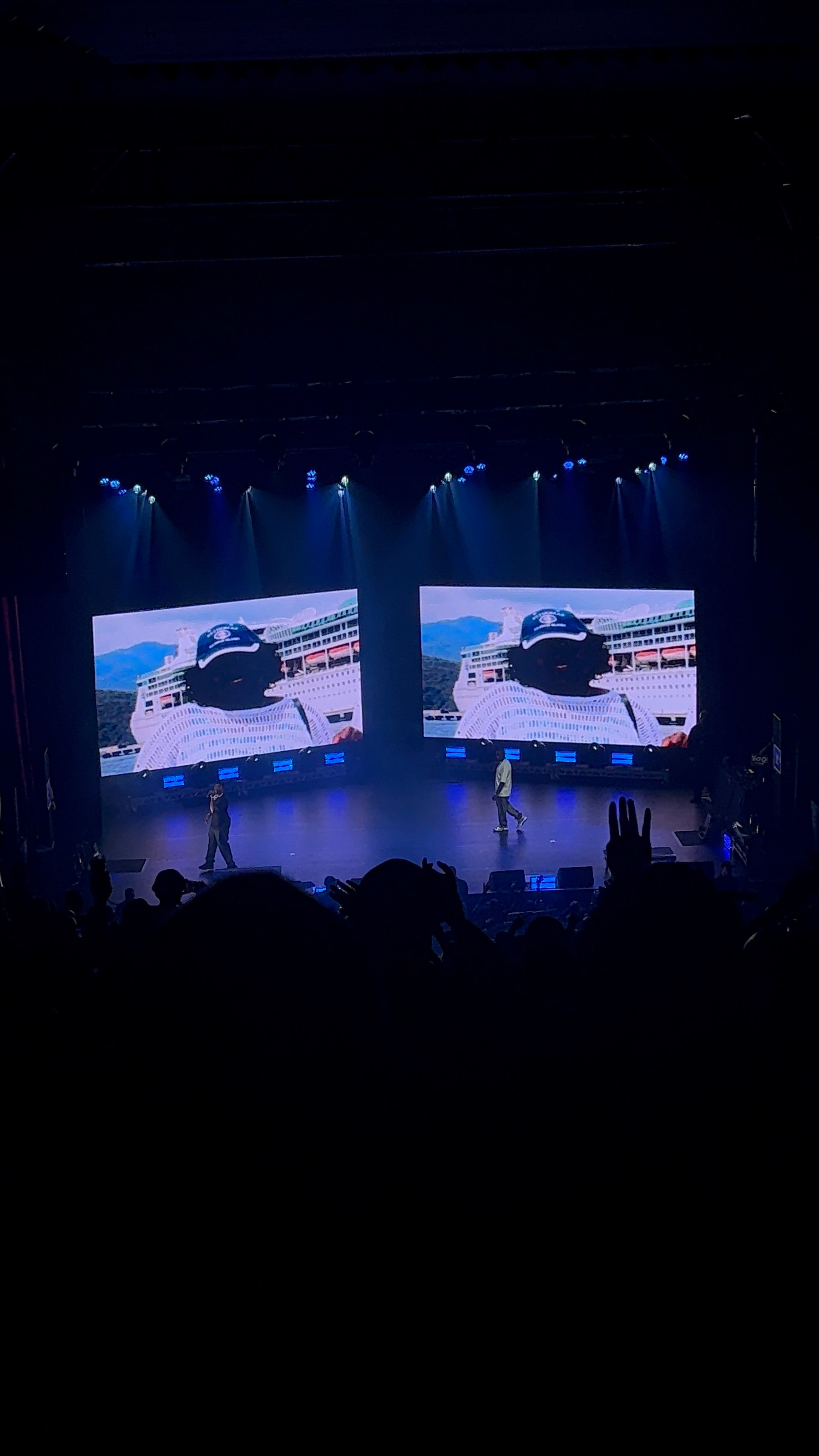
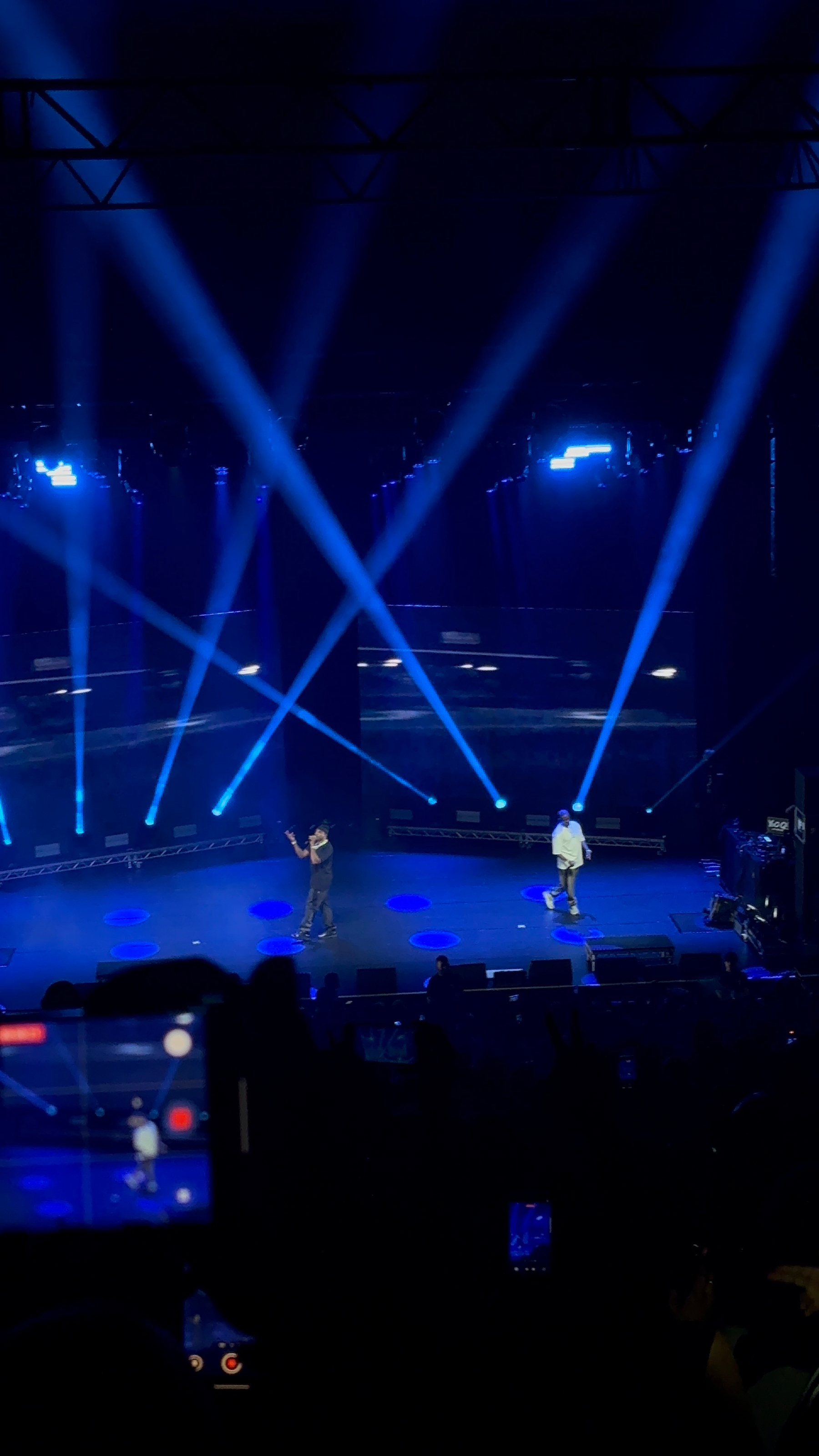
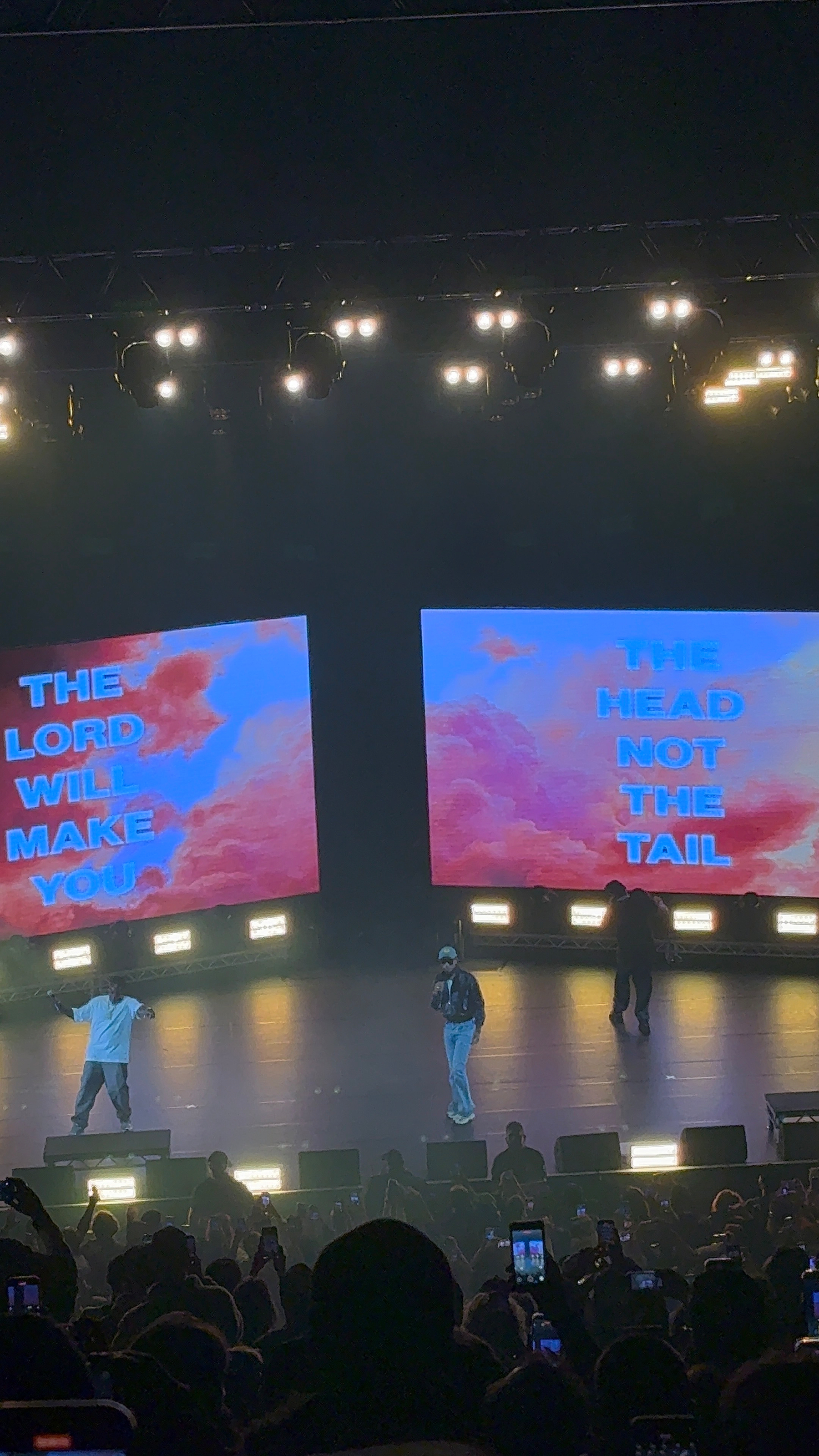
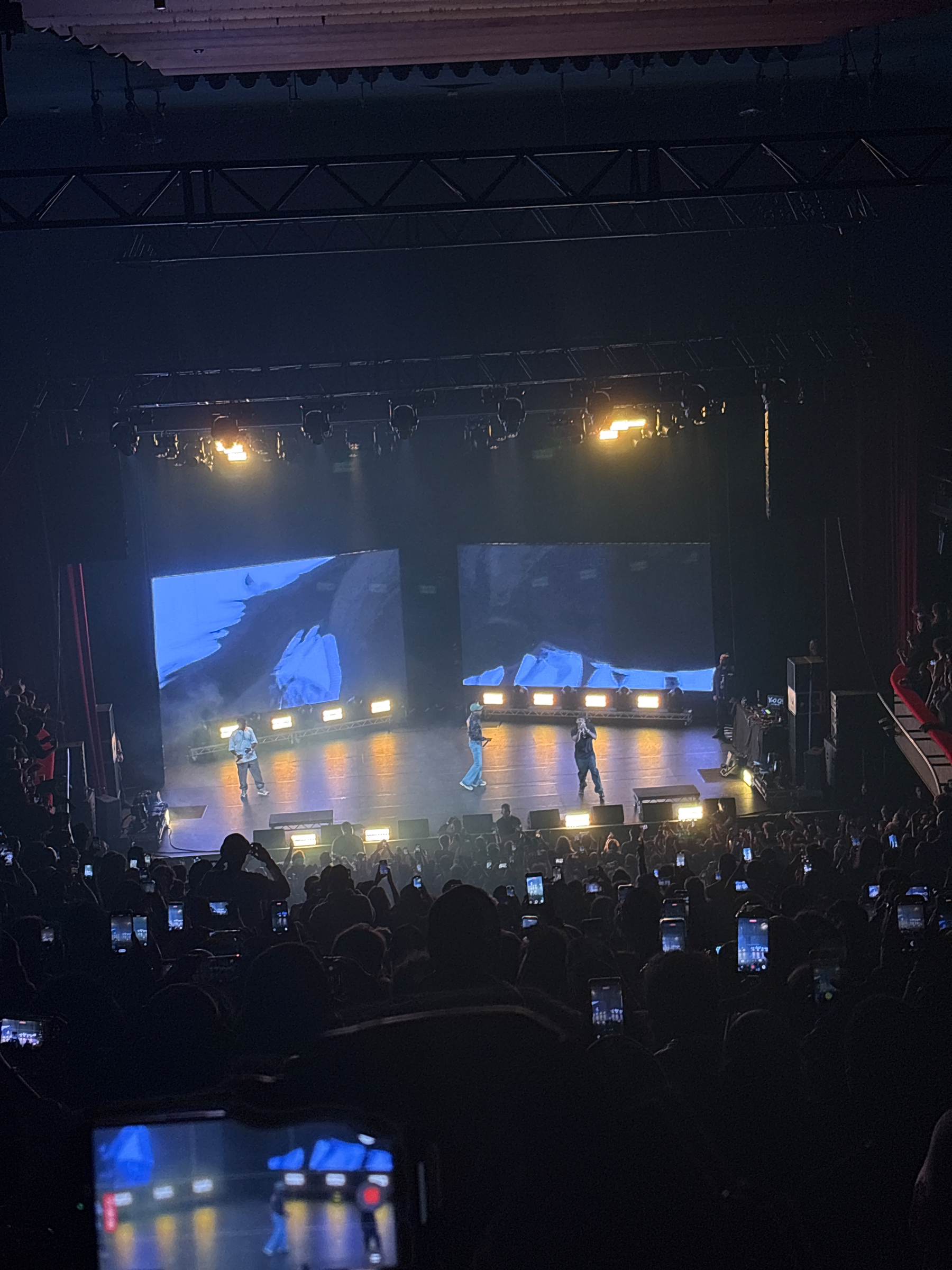
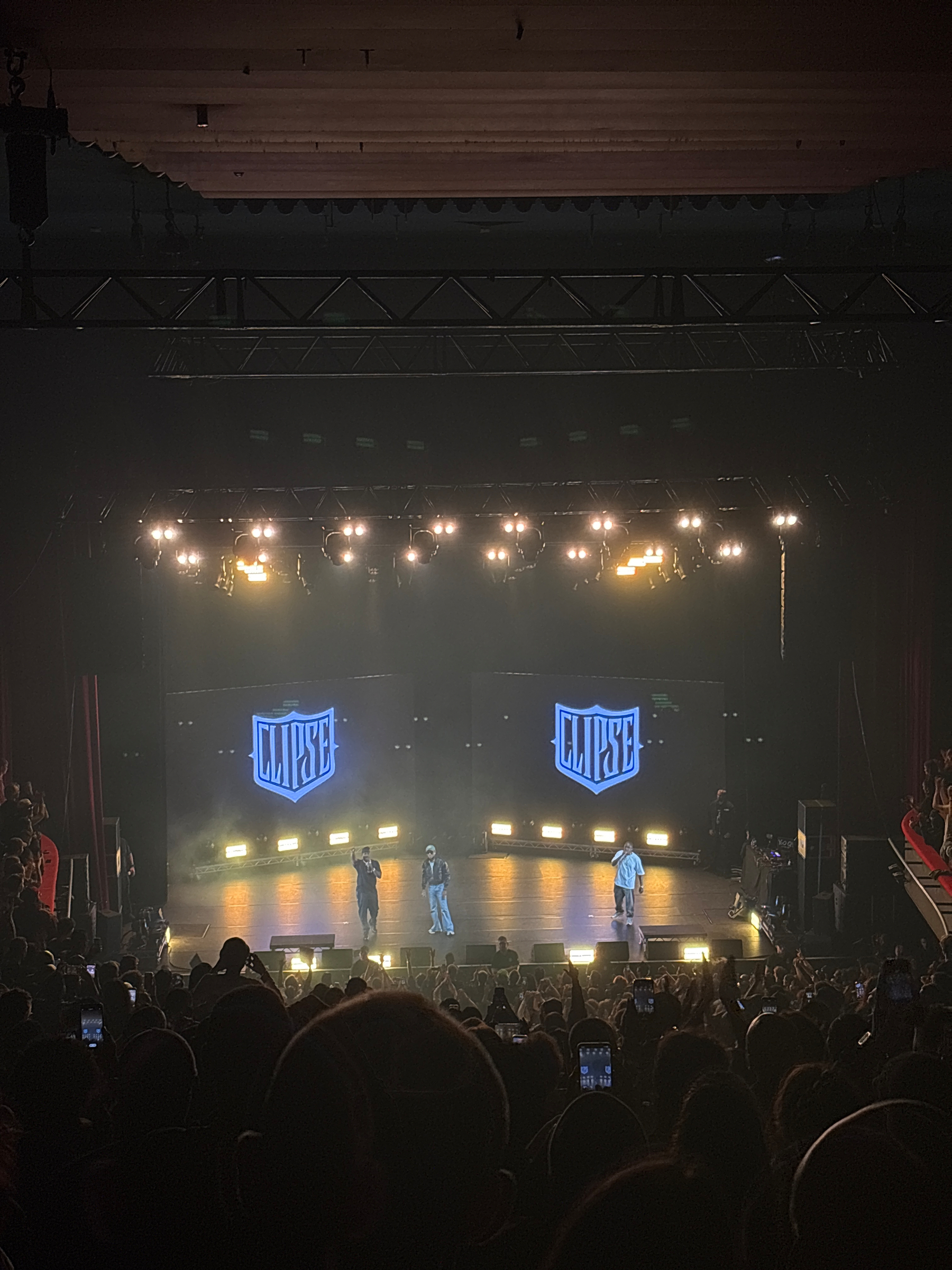
Was supposed to see Pusha-T live a few years back but gig got cancelled, so extremely happy to have seen him in my hometown.
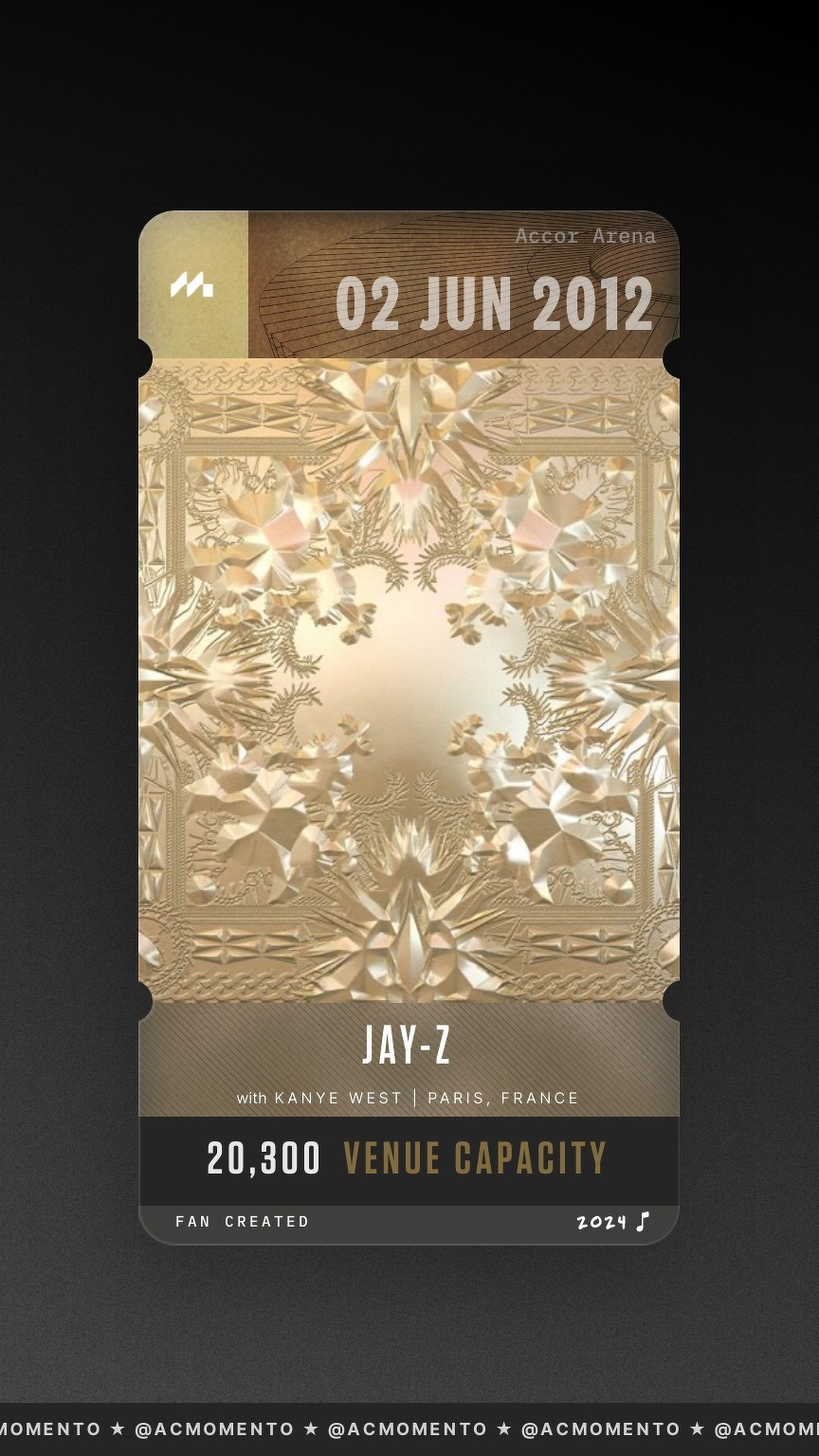
Given that Pharrell Williams is now the Creative Director at Louis Vuitton in Paris and that they recorded the album in the offices, I was low-key hoping for a Pharrell appearance. And not only did he show up, he also came on stage for the very last song!
America is the land of the free and the home of disposable stuff. There’s not much sentimentality about dropping your platform thingy like a rancid steak tartar left on the countertop overnight.
Nothing to add here: moving to/from Silicon Valley and/or the US seems cyclical — there’s clearly success stories coming from all schools of thought, whether SV-based, Europe-based, remote or on-location, etc. At the end of the day, only execution matter
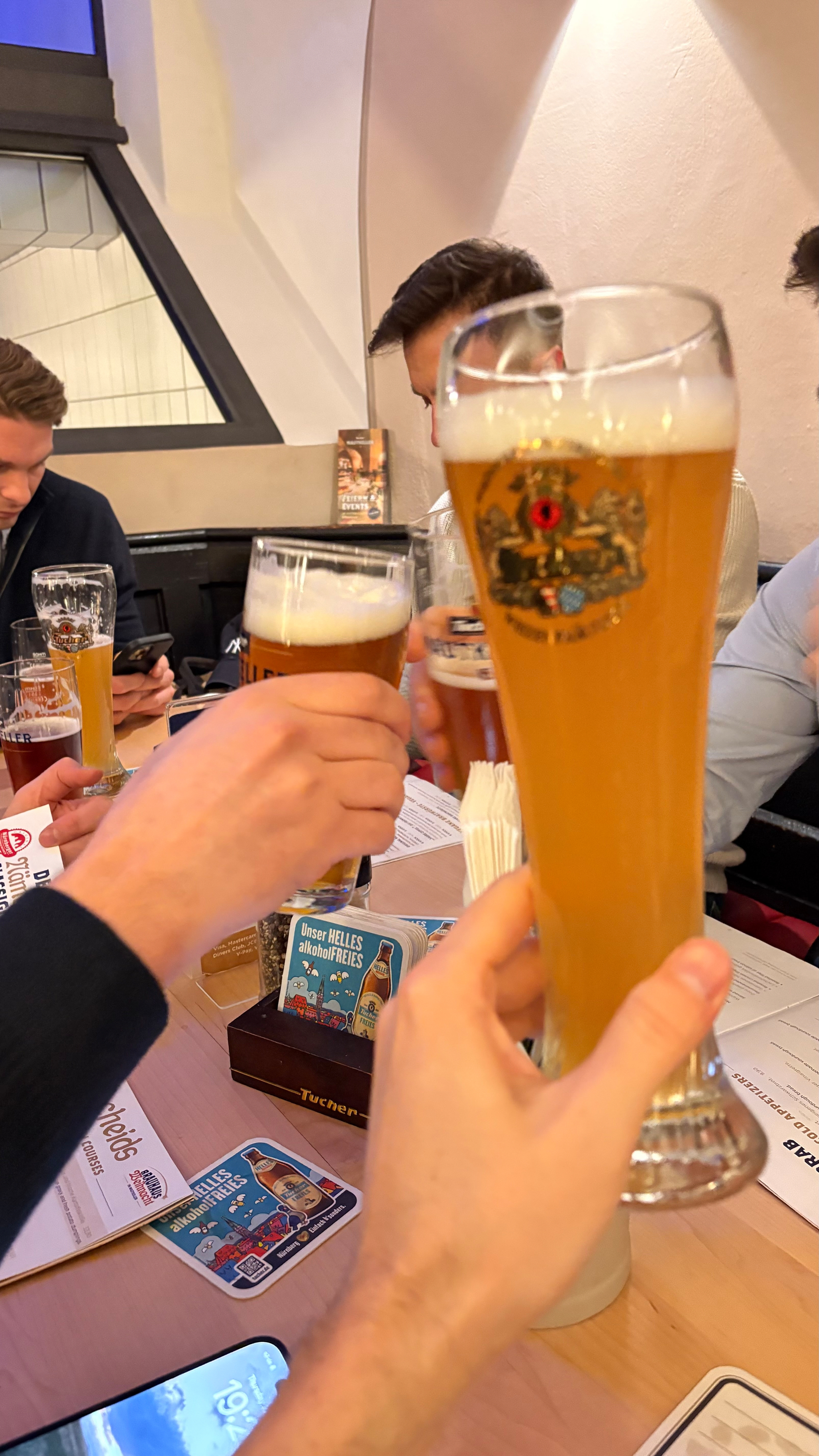
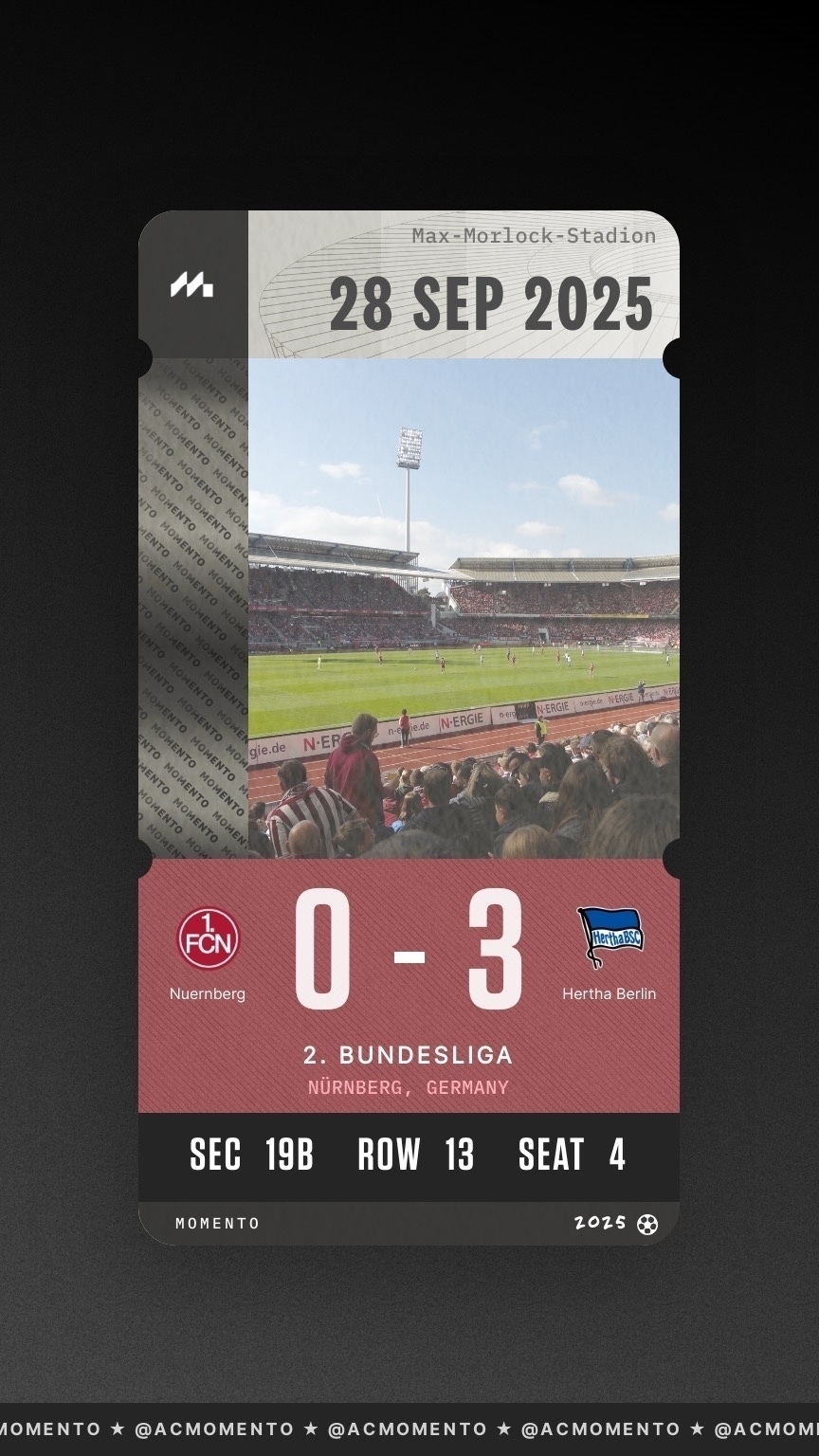
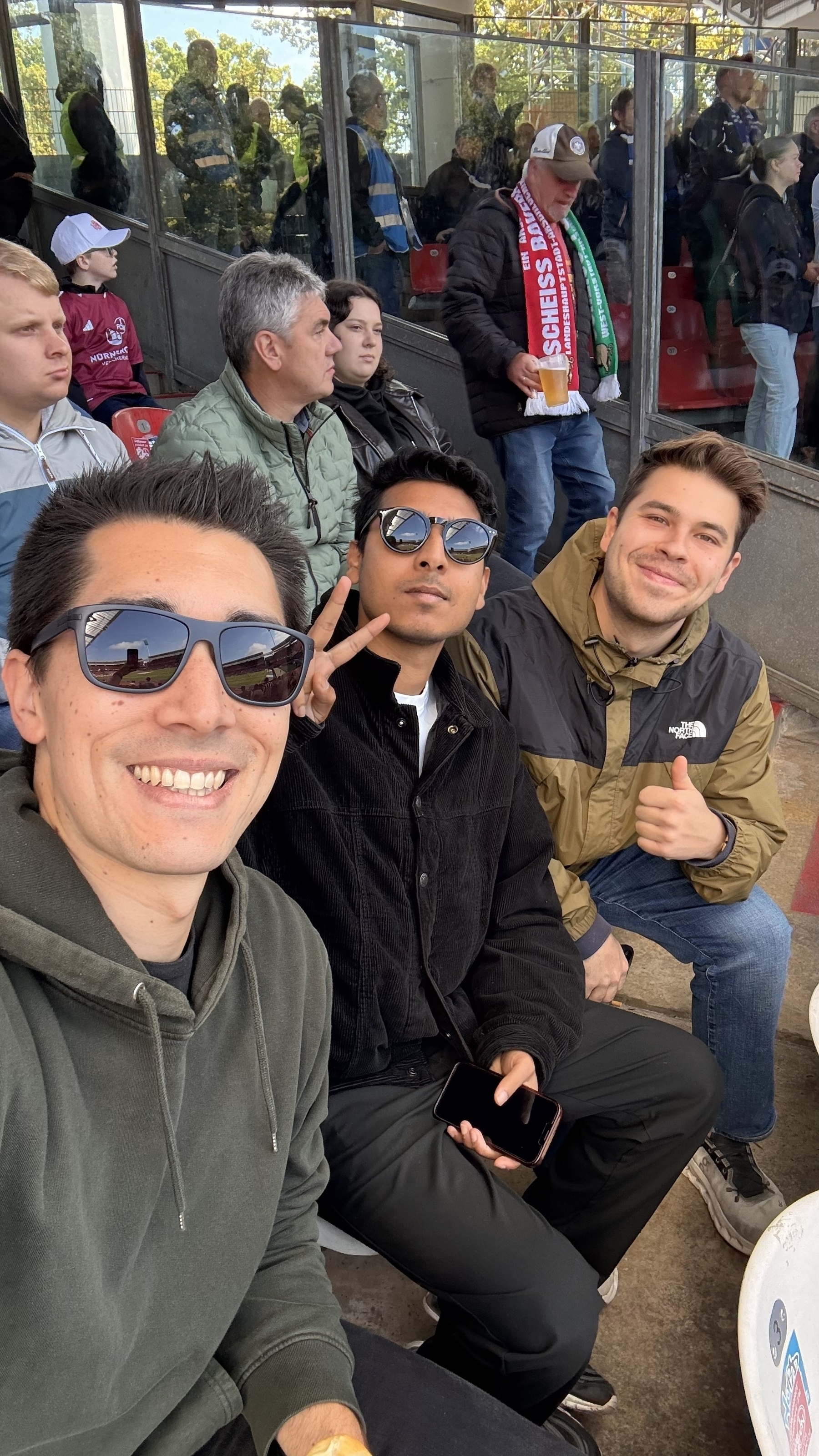
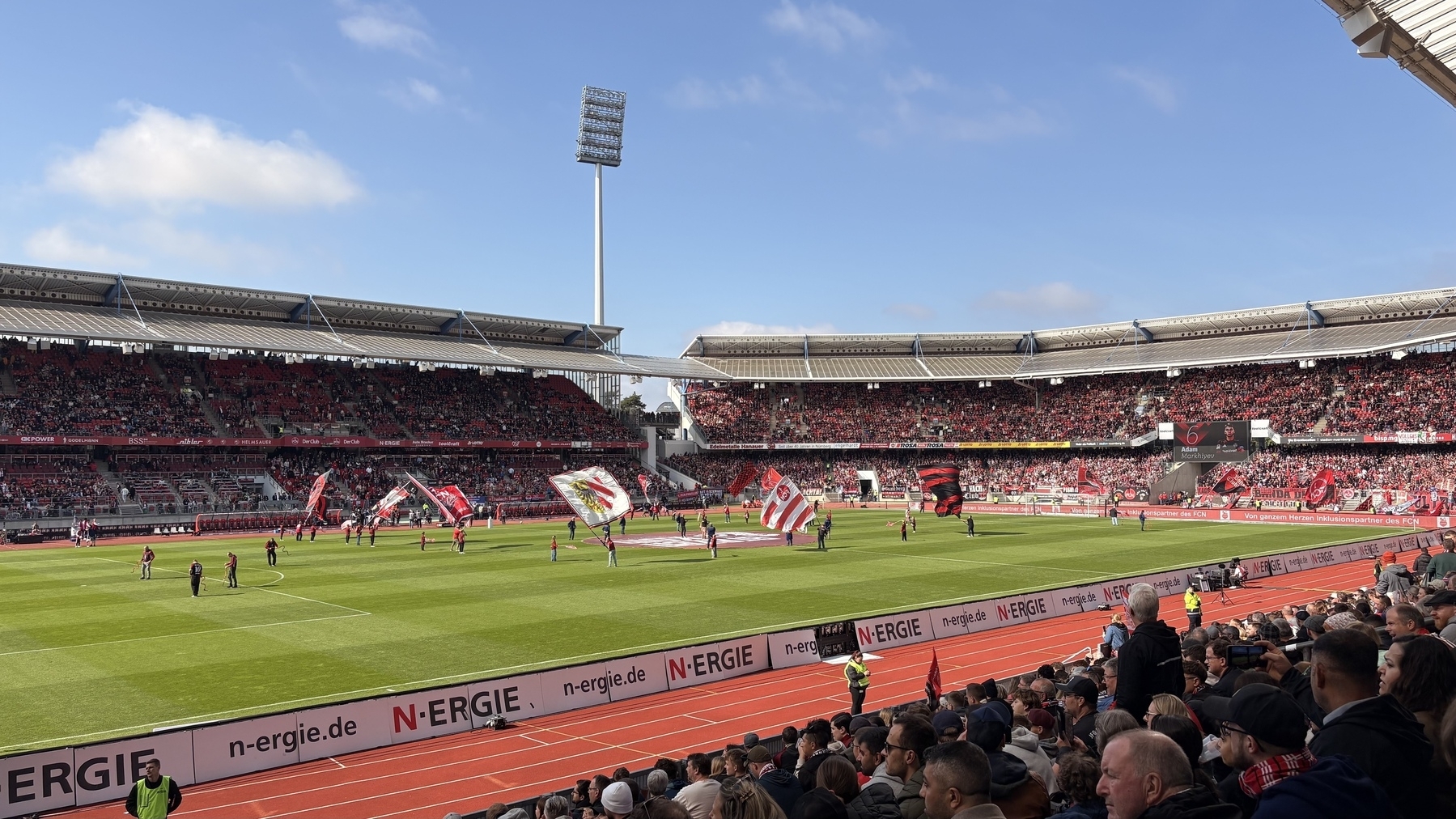
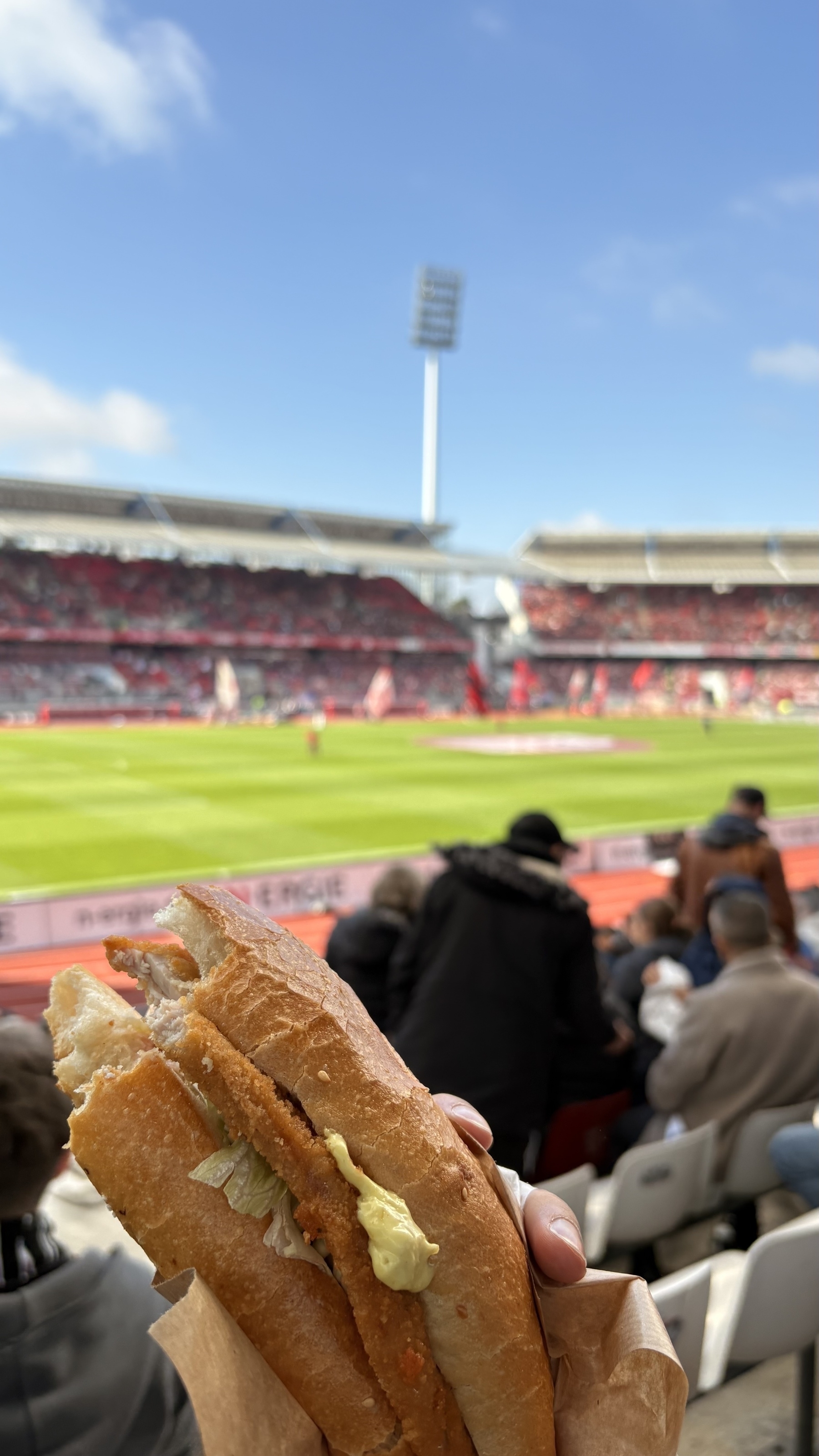
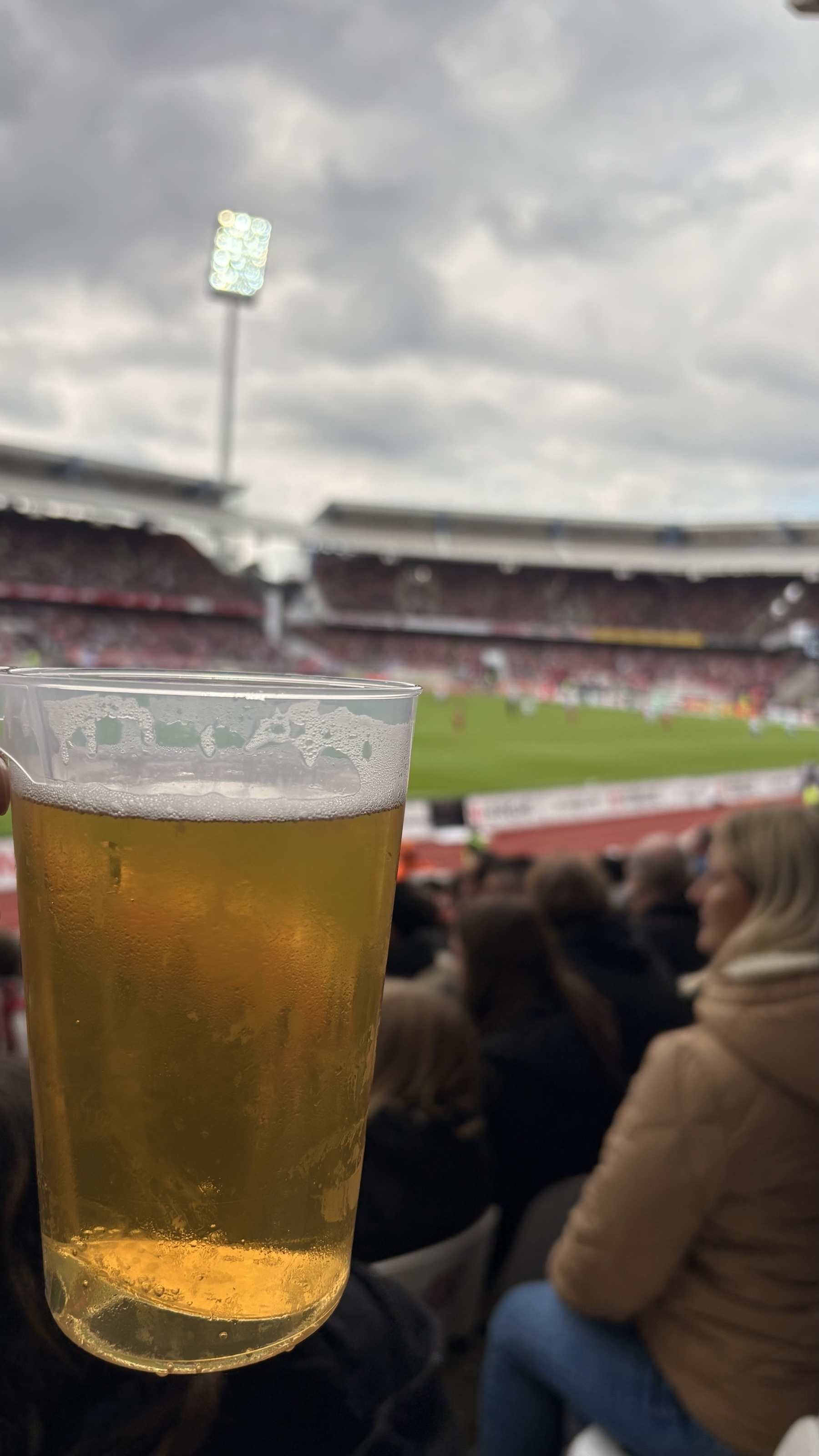
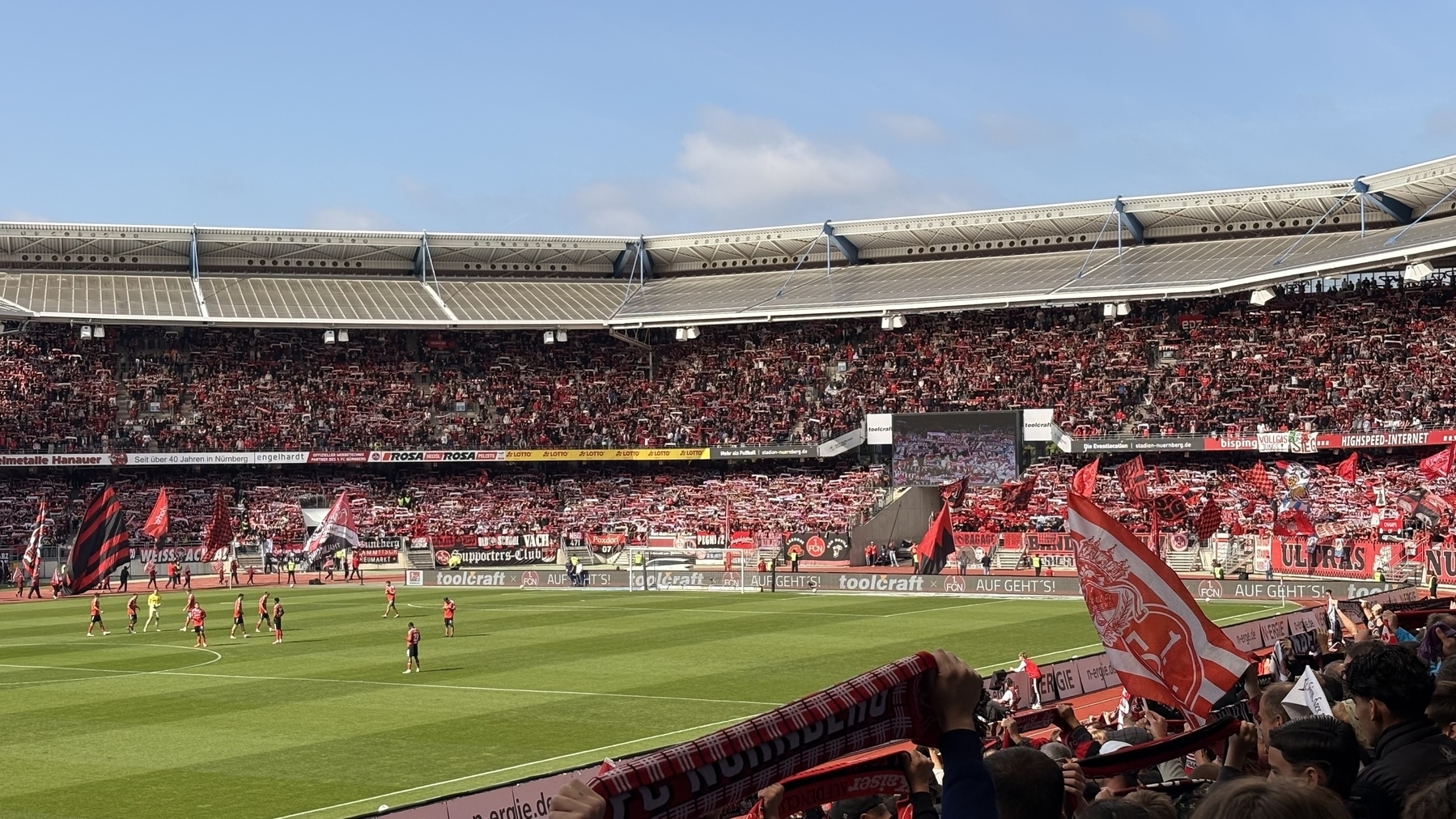
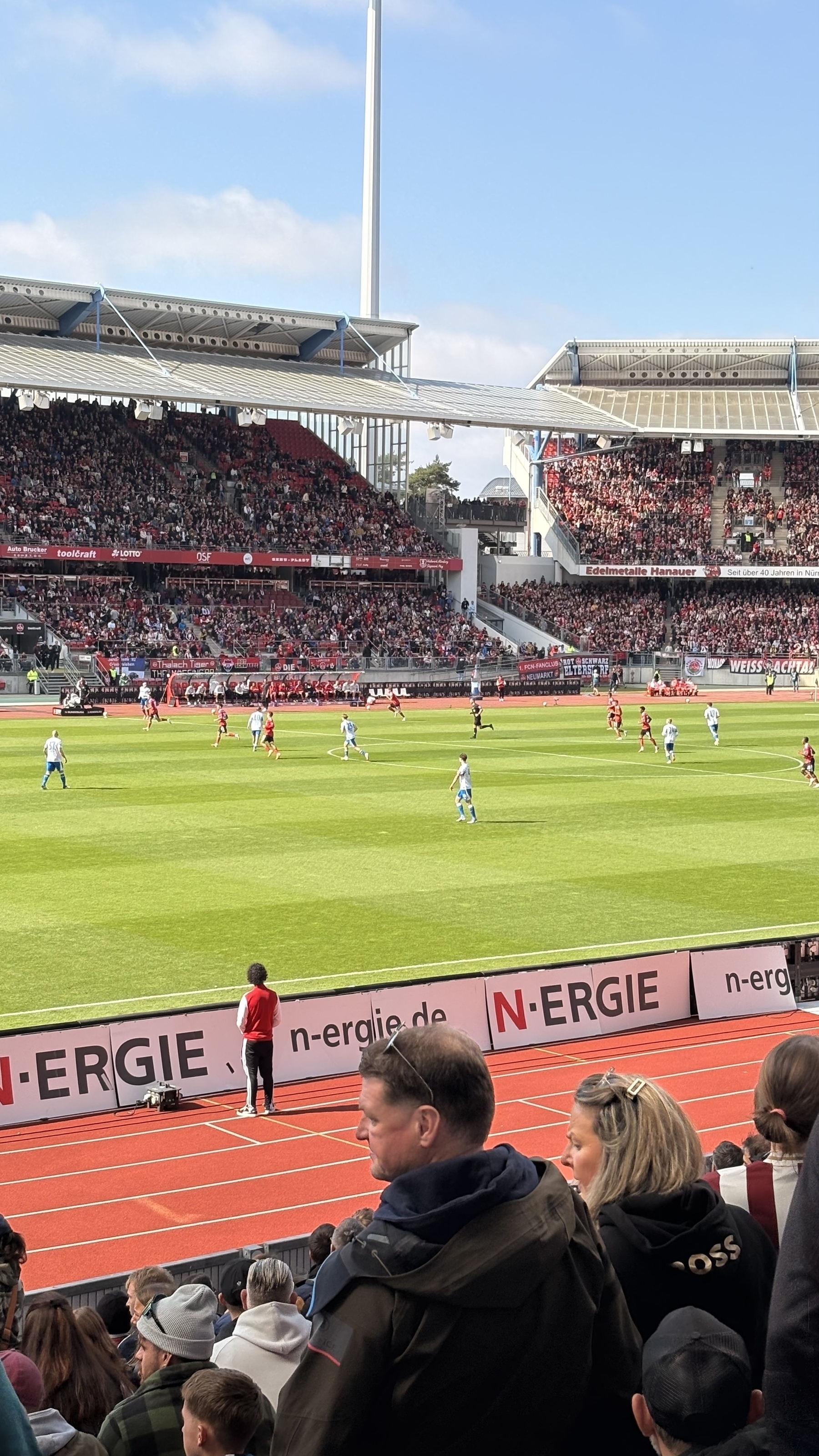
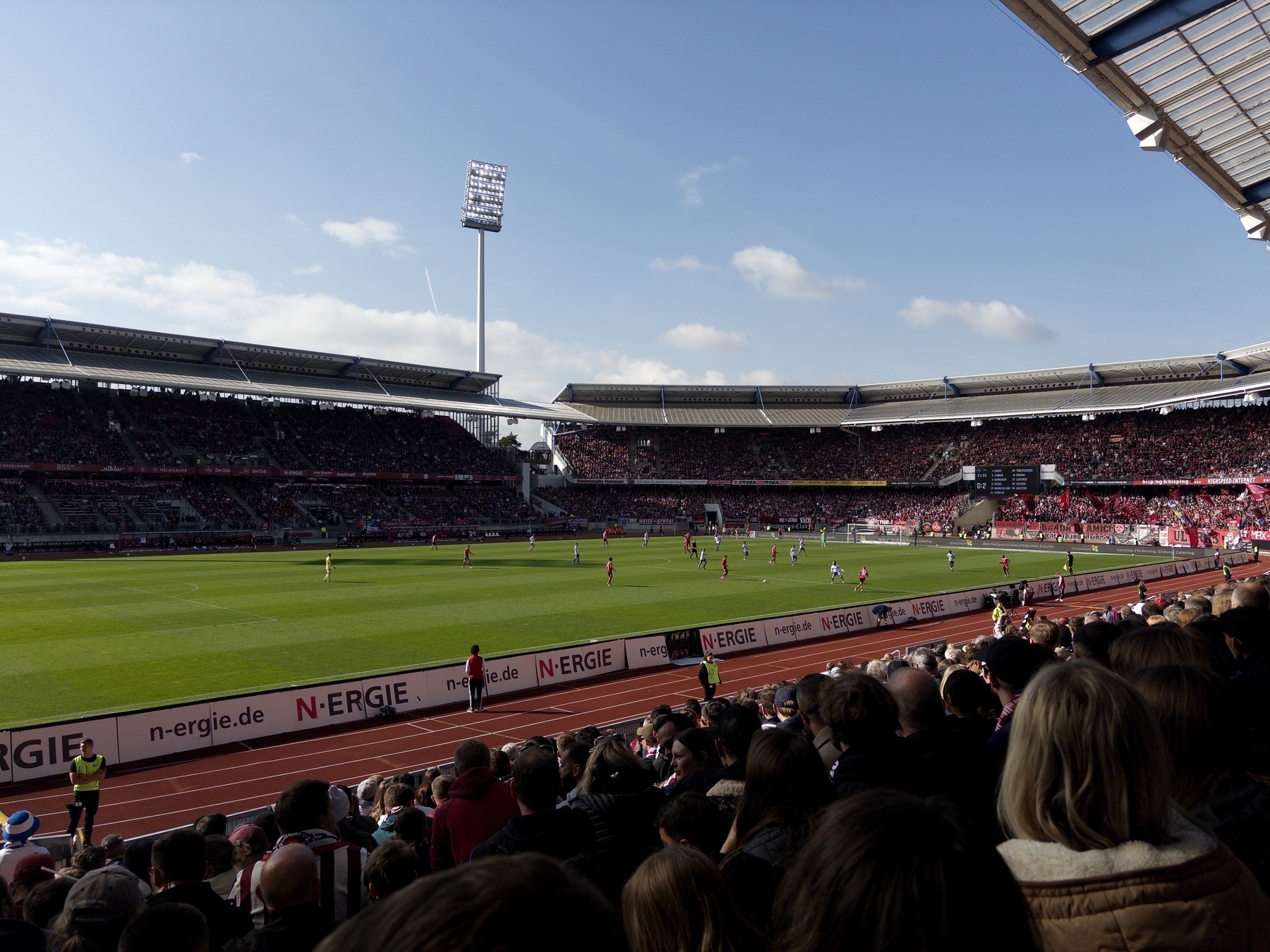
In Nuremberg for work for the week, and decided to go check out the local football team with some of my colleagues.
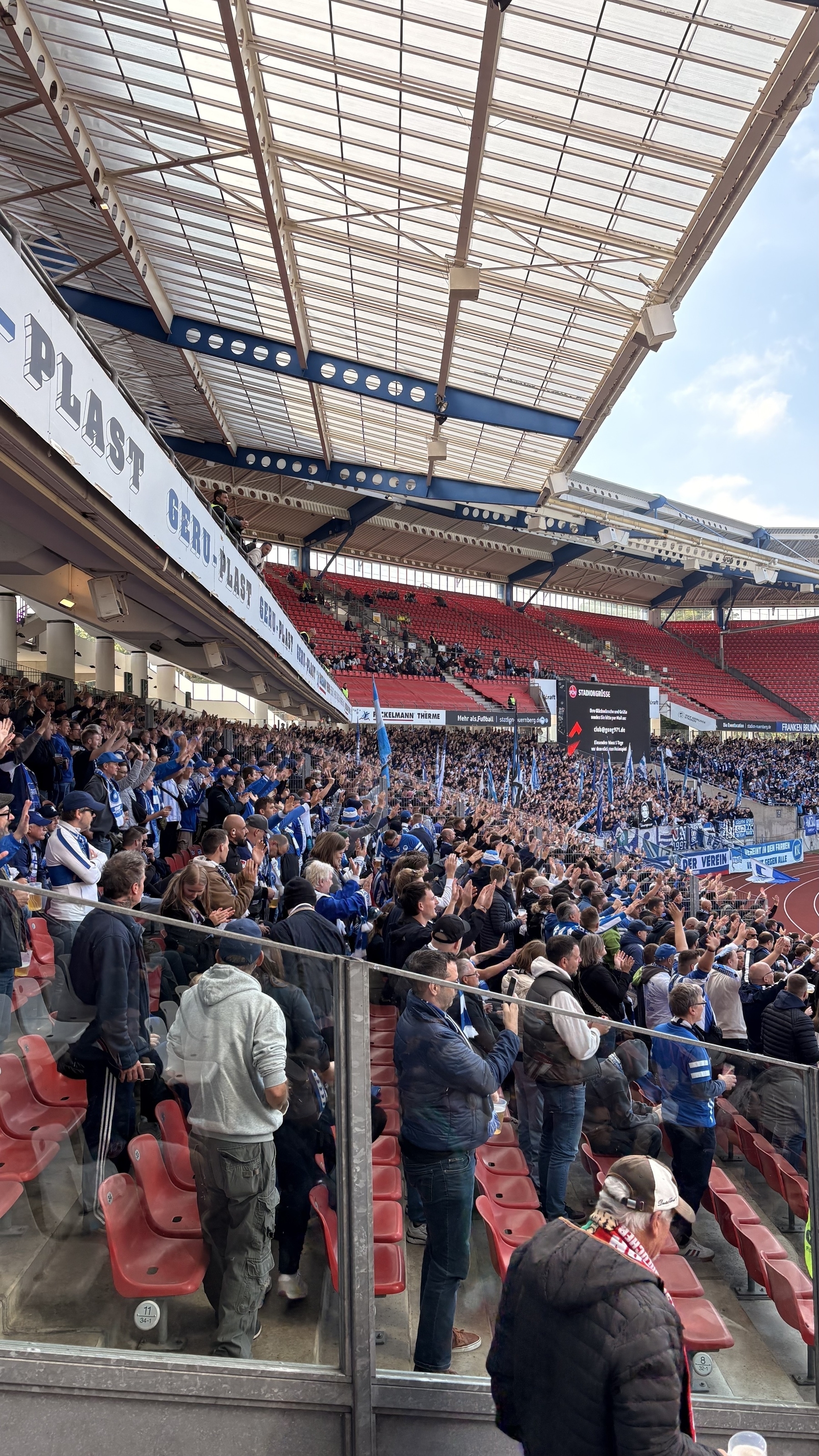
We were seated next to the Berlin fans, and unfortunately, the stadium has a running track around it, which I generally really dislike. But other than that fun atmosphere and frustrating experience to watch the home team lose 0-3. Good experience if they were playing better, I would try to go see that more regularly considering I am visiting this town four times a year.
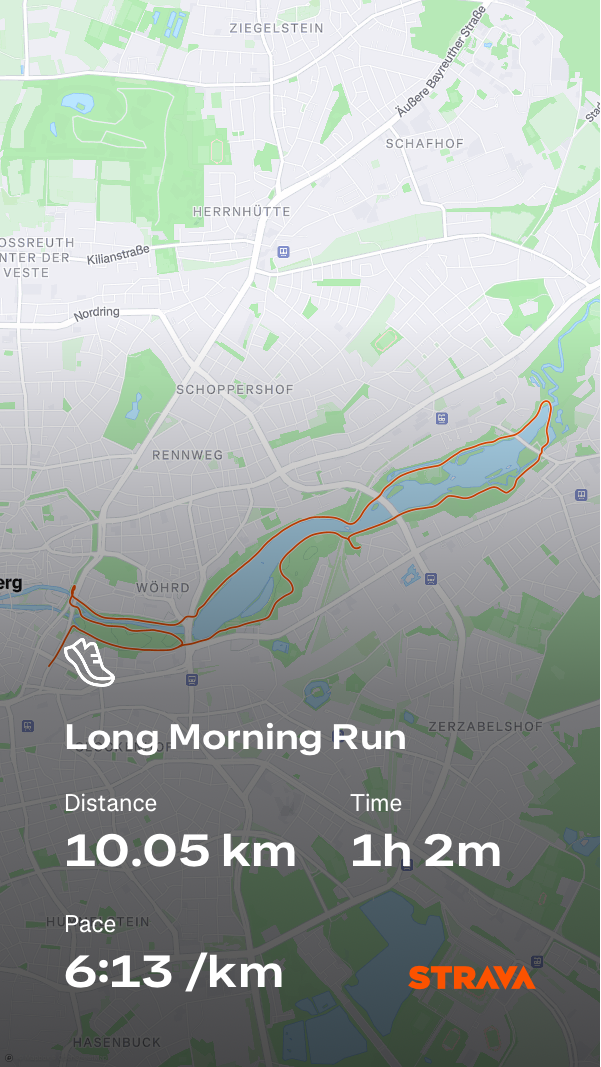
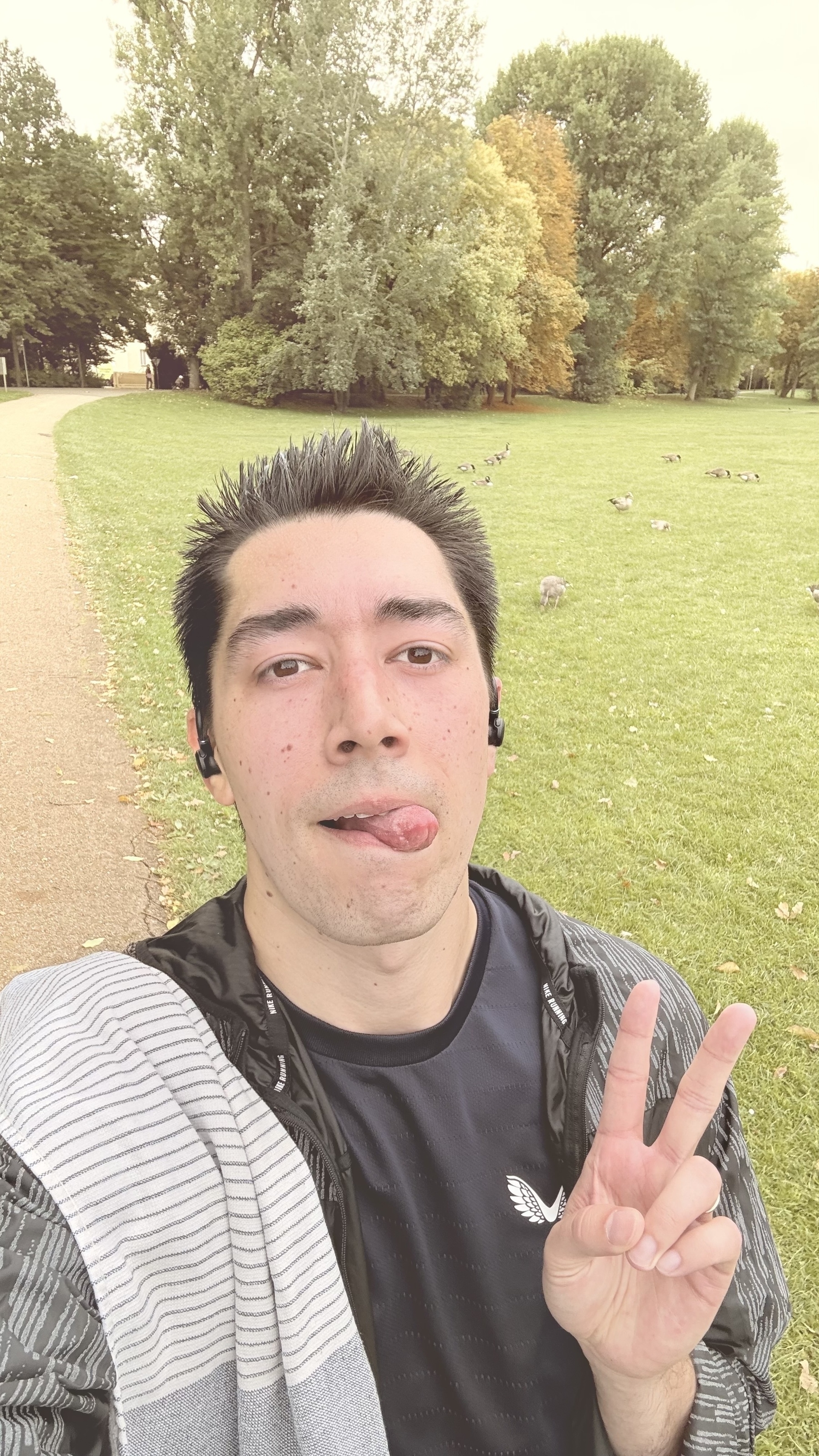
I believe this might be the first time ever, or at least in the past two decades, that I’ve completed a 10k run (and also managed to run over an hour, which is unprecedented for me, especially without any interruptions).
The course had minimal elevation, and the weather was cold and slightly humid. However, I think the temperature at least helped me maintain my pace and push through. Once I completed the larger loop around the lake, I realized that I needed to push just a bit more to reach the 10k mark as well as the hour mark. So, I continued running.
Proud of myself for reaching this milestone. It wasn’t easy, but I made an effort to pace myself more and ensure that I could complete the longer distance and time.
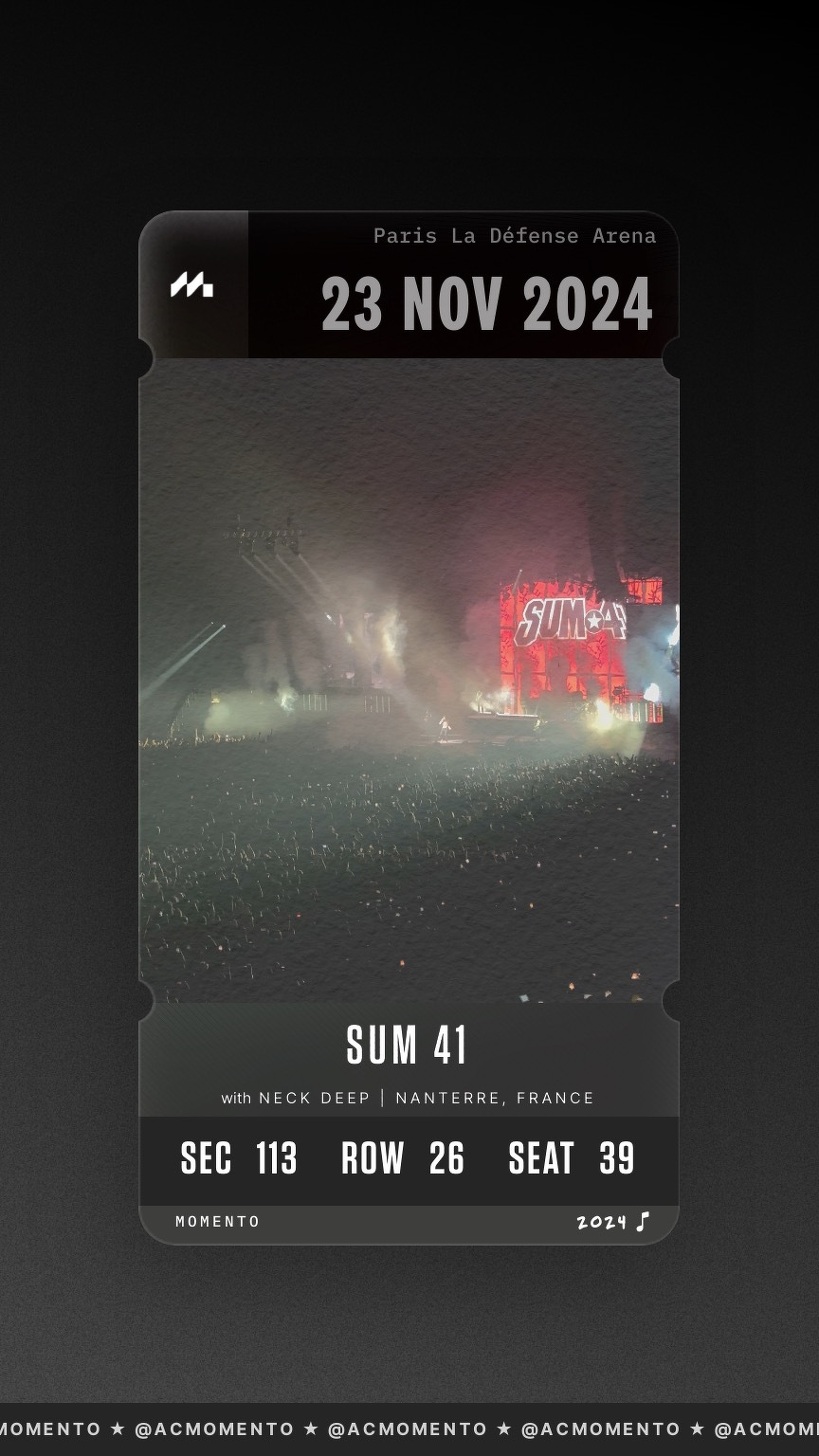
As a pop-punk kid, I had been meaning to get a copy of the physical book, but the audiobook version narrated by Mark was a great format!
It’s hard not to compare it with Deryck Whibley’s memoir (of Sum 41) since these two books came out less than a year of each other, and I preferred reading Whibley’s book in comparison.
Even if I knew of some of the stories and anecdotes through the years, it gave a great and compelling view into Mark’s story and the creation of this band that means so much to me, to this day!
The idea of Kindness being Punk, continuing to grow and get good traction. I love it!
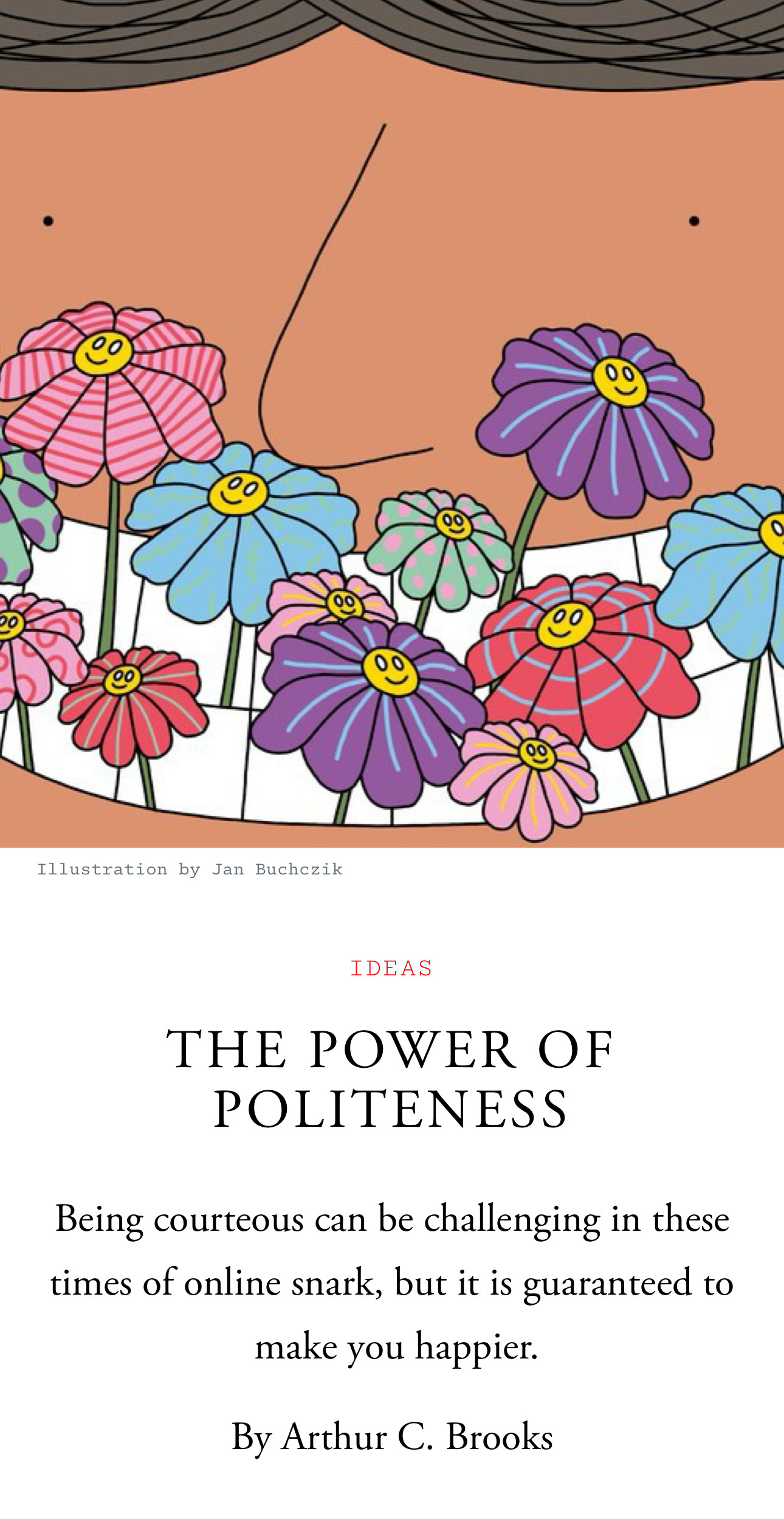
When you become less polite, the alteration in your conduct can make you less happy, more depressed, and angrier about life.
(…) One study [allows] us to infer that you inherit some politeness from your parents partly through your genes, but more through how you were brought up. This also implies that you can become more polite with good influences and by cultivating positive habits.
Researchers (…) showed that being polite to others raises happiness and lowers anger. (…) Being impolite is more like scratching at your poison-ivy rash. Giving in to the urge makes things worse.
(…) I see politeness as today’s punk rock because it so transgresses the spirit of our times. And like punk rock, when you empower yourself with politeness, you feel exhilarated. It is the ultimate exercise in freedom: the freedom to be the person I want to be in the face of a cultural tyranny.
Without real-world freedom, children don’t get the chance to develop competence, confidence, and the ability to solve everyday problems. Indeed, independence and unsupervised play are associated with positive mental-health outcomes.
Kids being raised on screens long for real freedom. It’s like they’re homesick for a world they’ve never known.
A few thoughts:
really glad I’m not raising my daughter is the land of mass shootings
parents are overestimating risks at a wiiiiide rate
very glad to live in a 15mn neighborhood where anything we might need is within 15mn on foot, bike, or public transport.
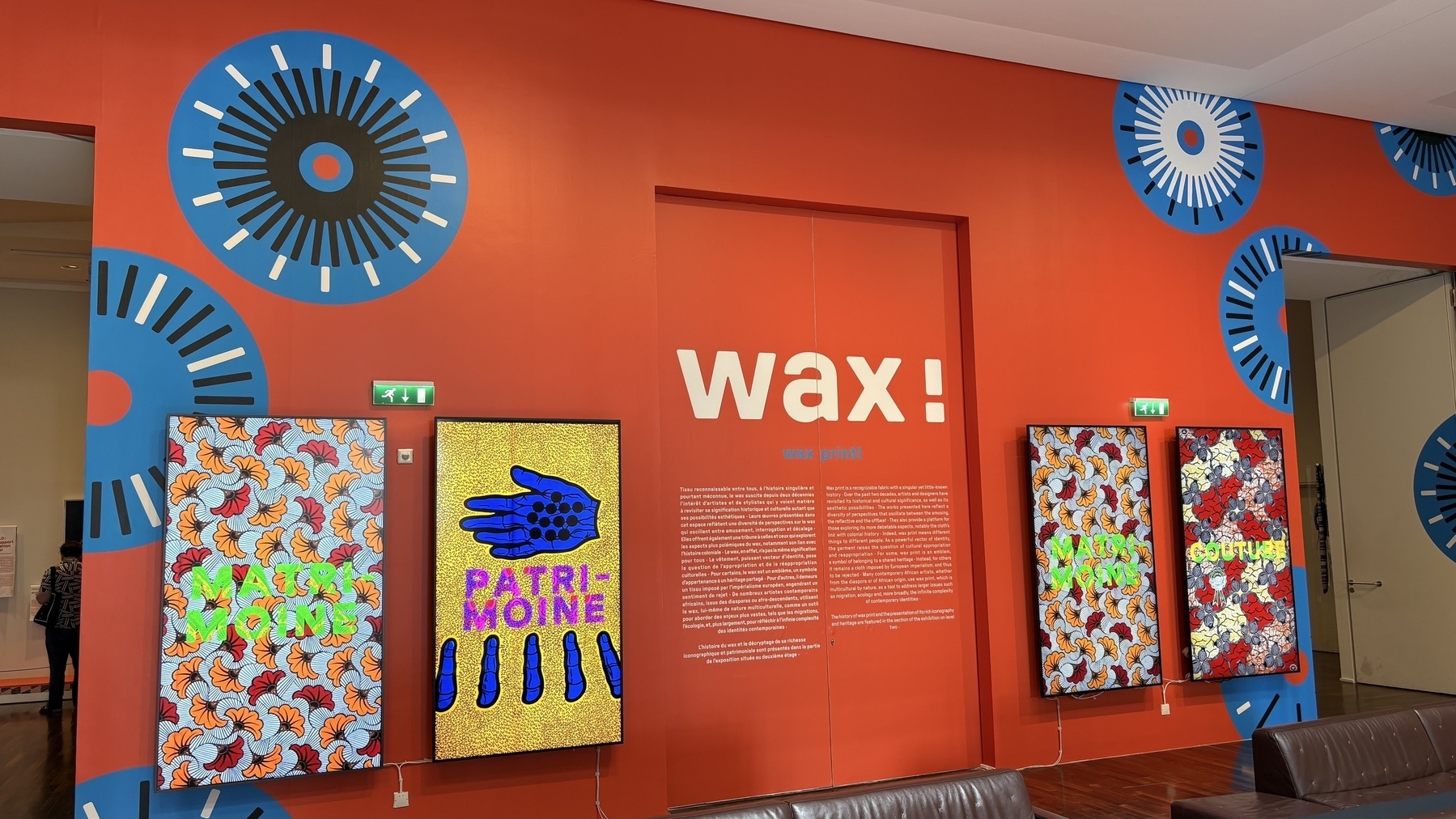
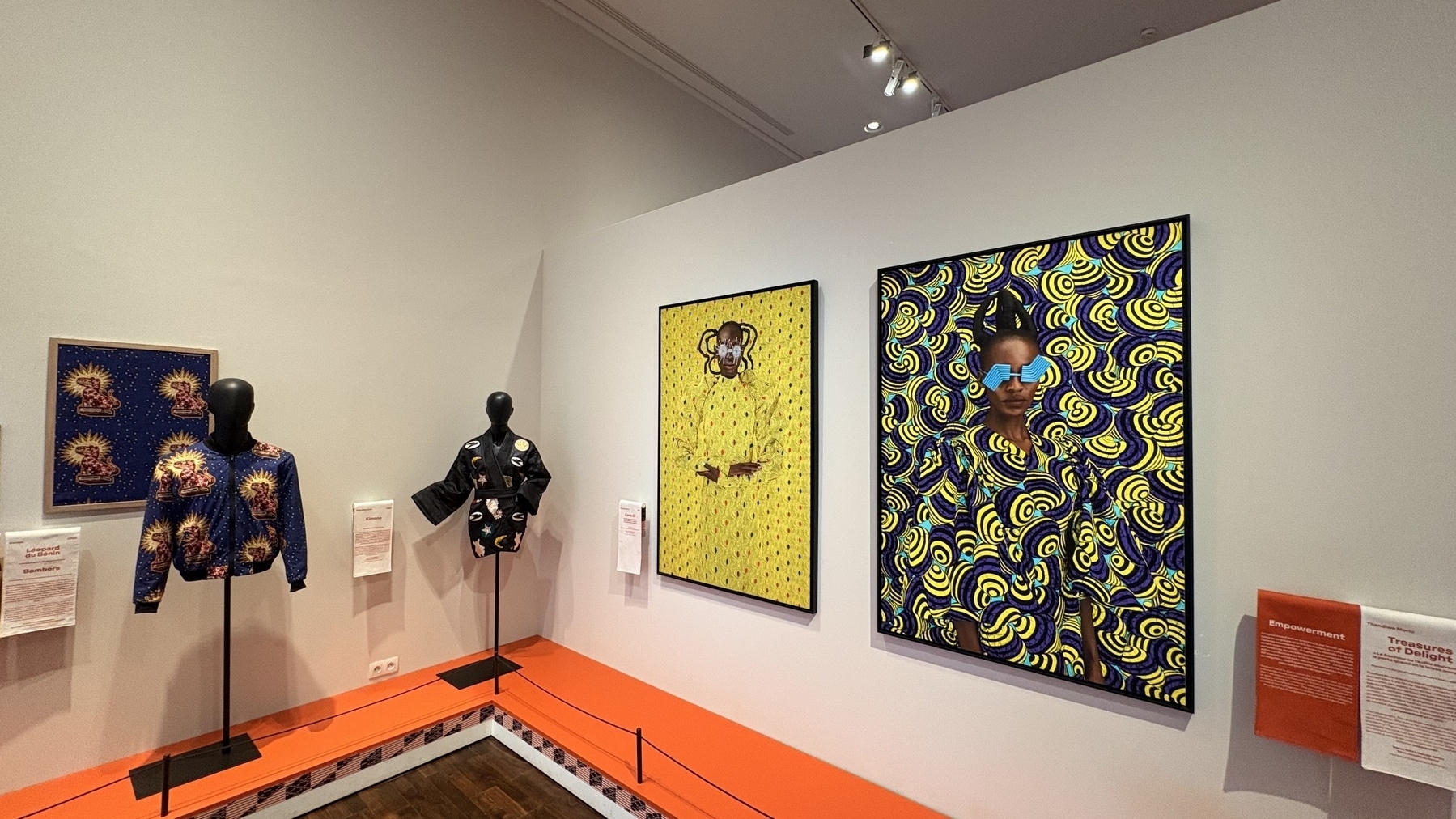
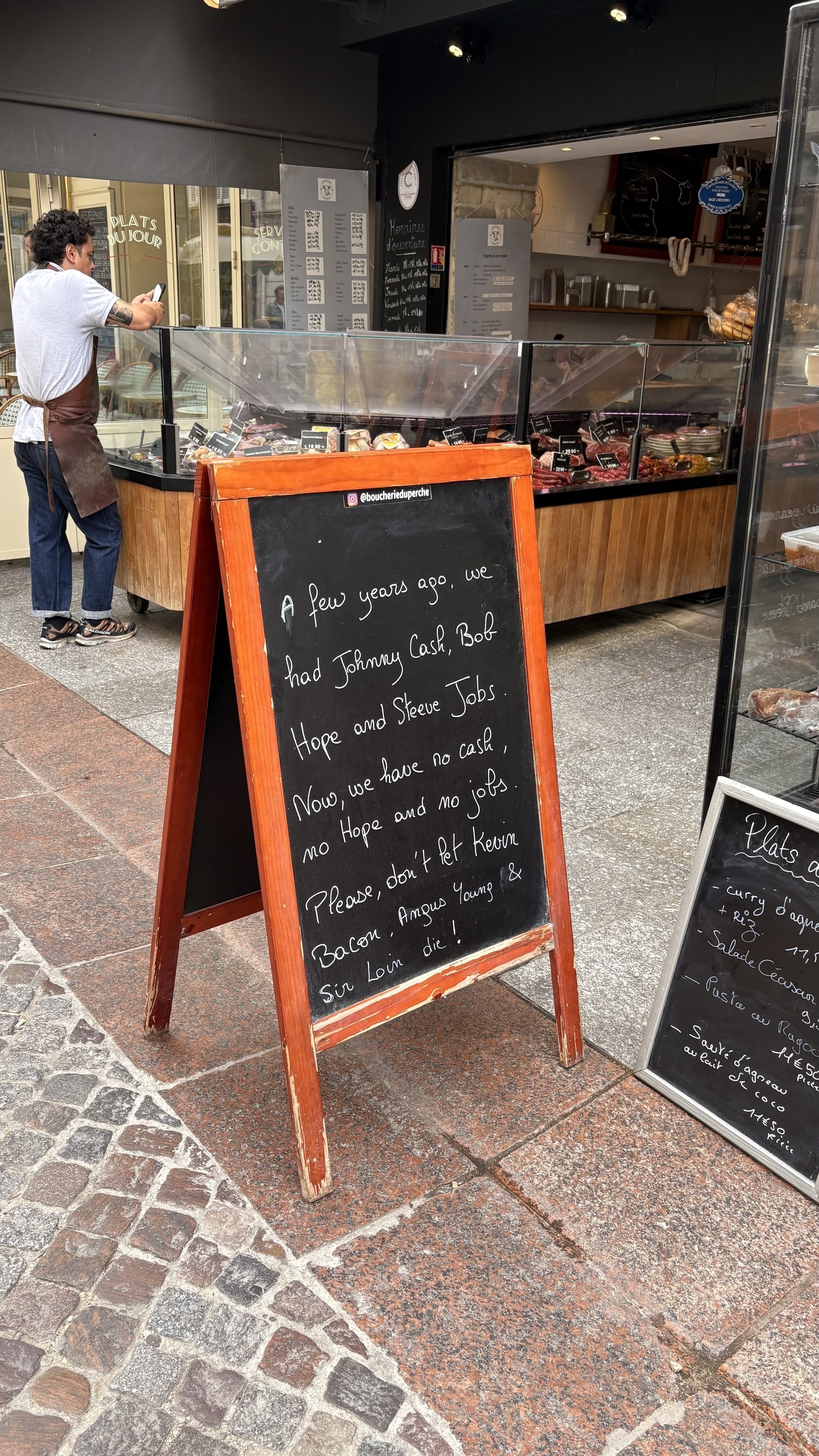
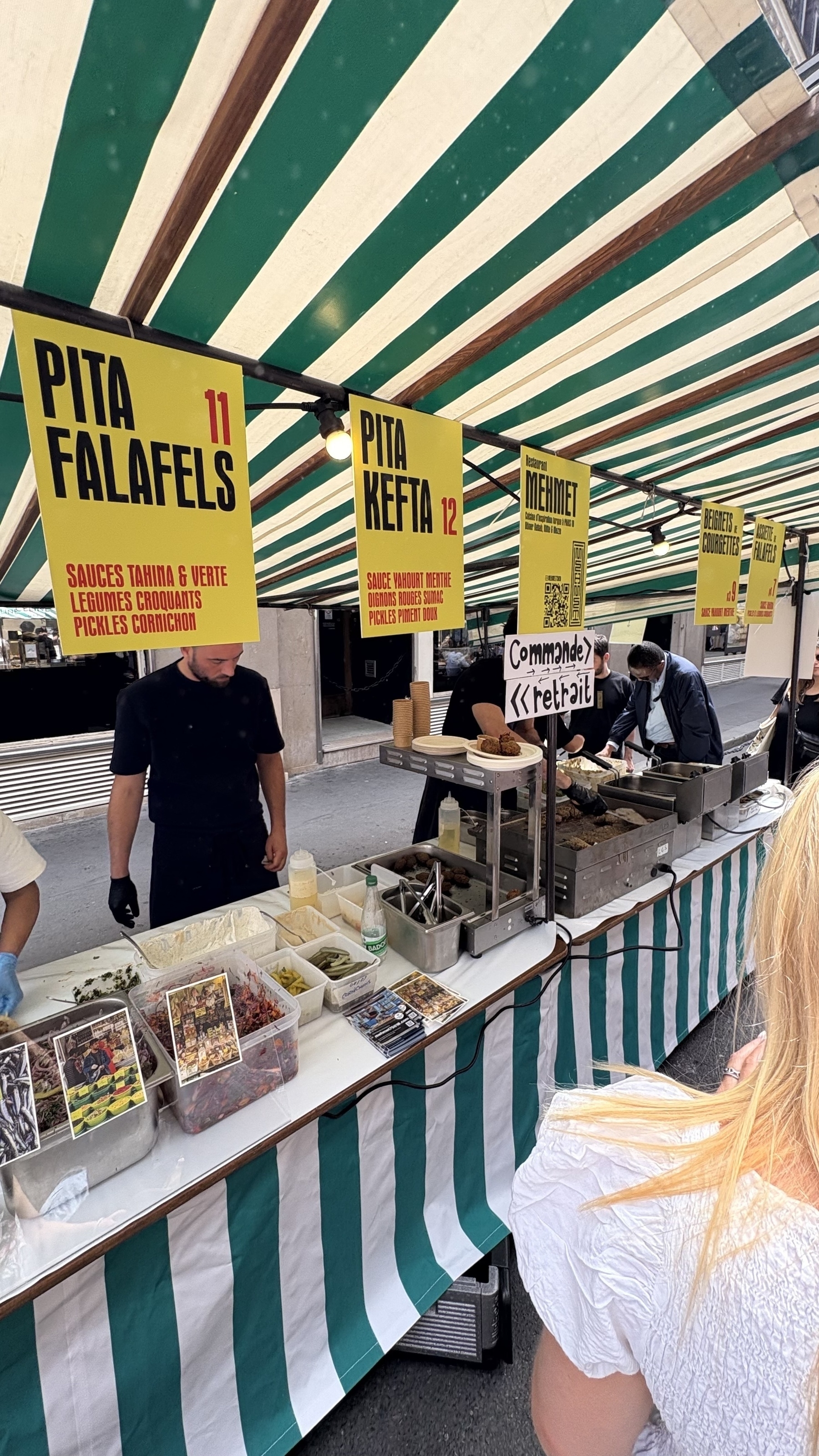
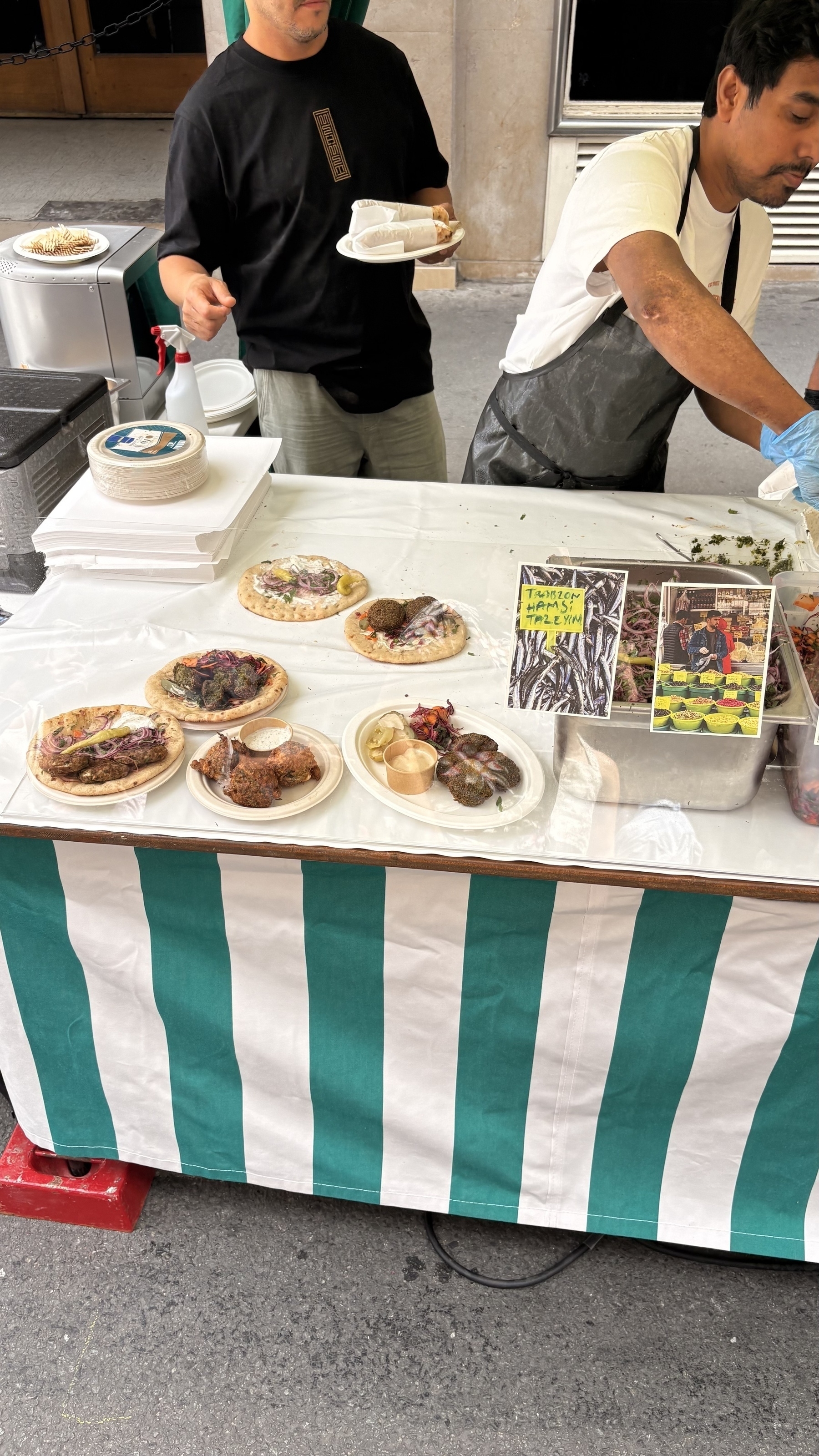
Went out to Musée de L’Homme for the exhibition on Wax Textile, and would highly recommend it to anyone interested in fashion, colonialism, ethnography, culture, and global trade.
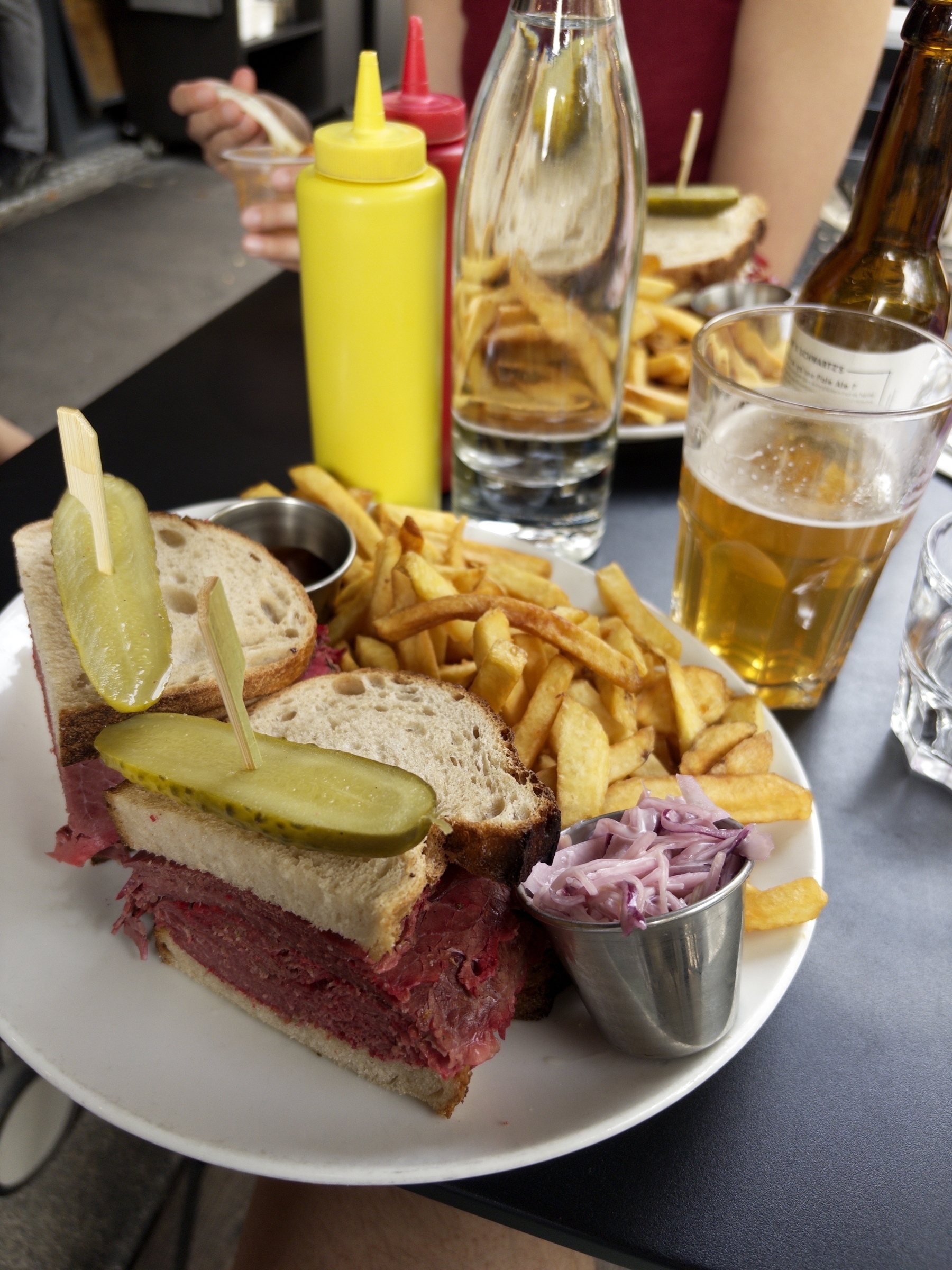
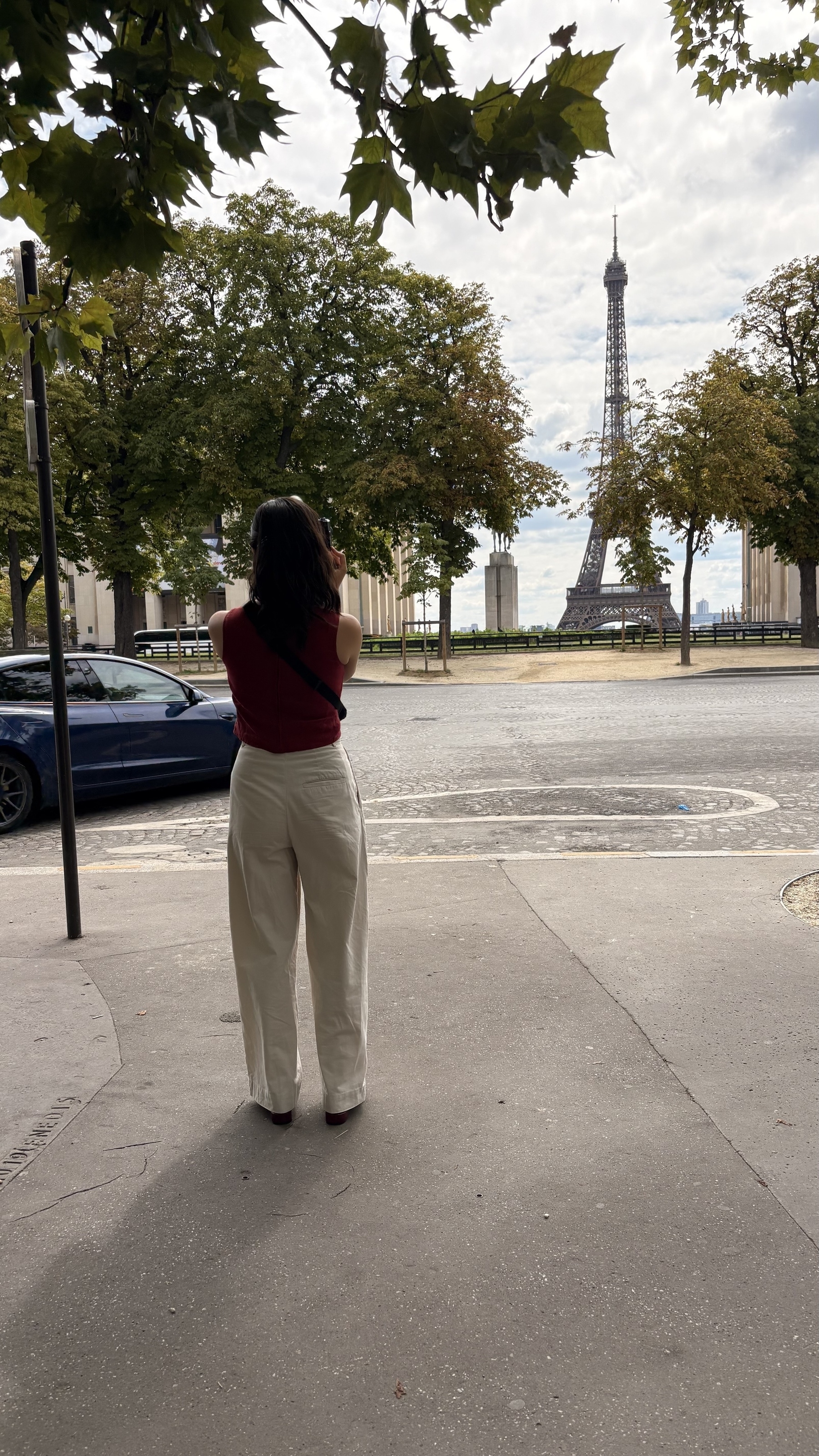
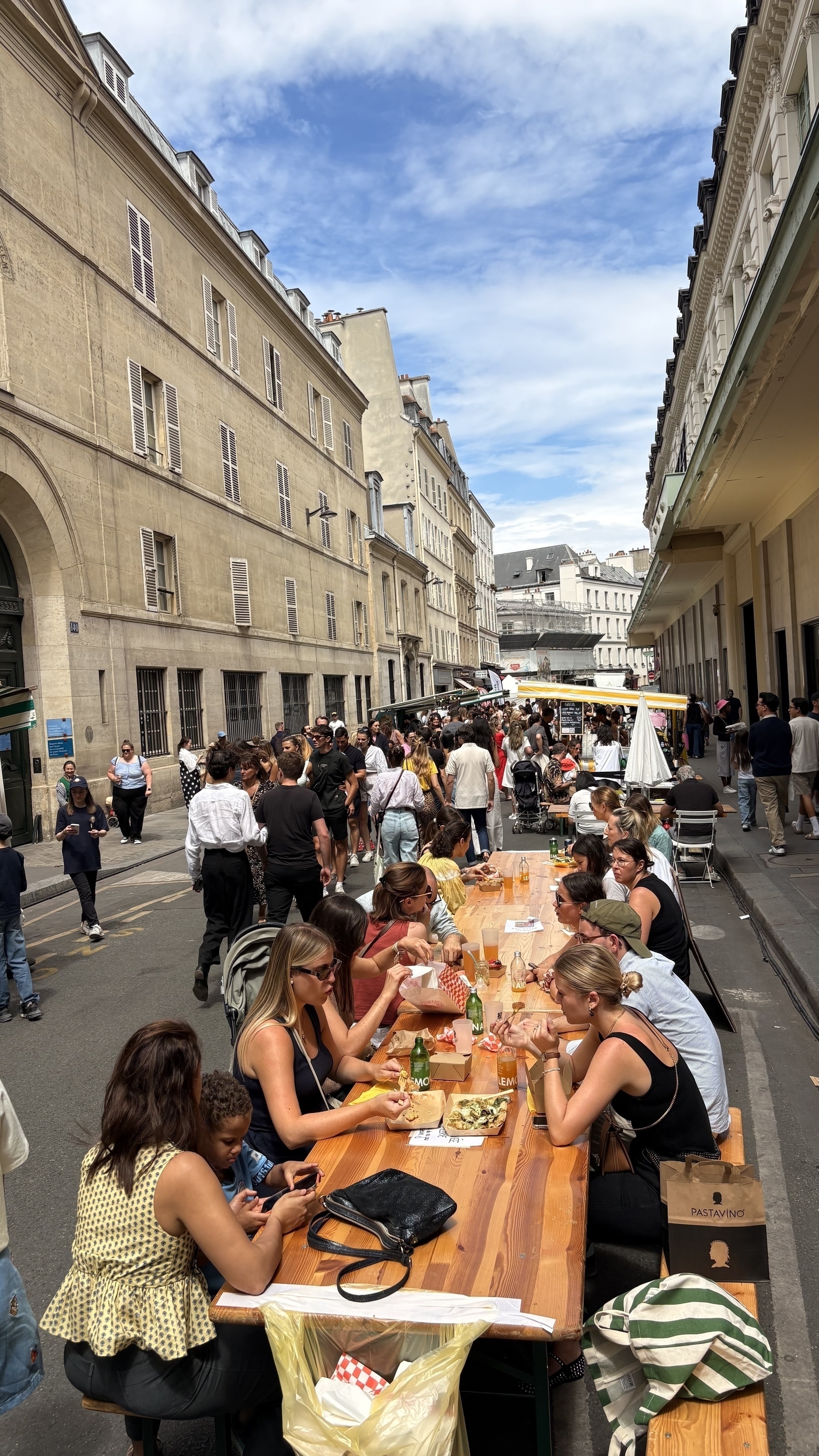
Then had lunch at Schwartz’s Deli before enjoying the sight, and spending time with some of our friends living close to the Eiffel Tower on Rive Droite.
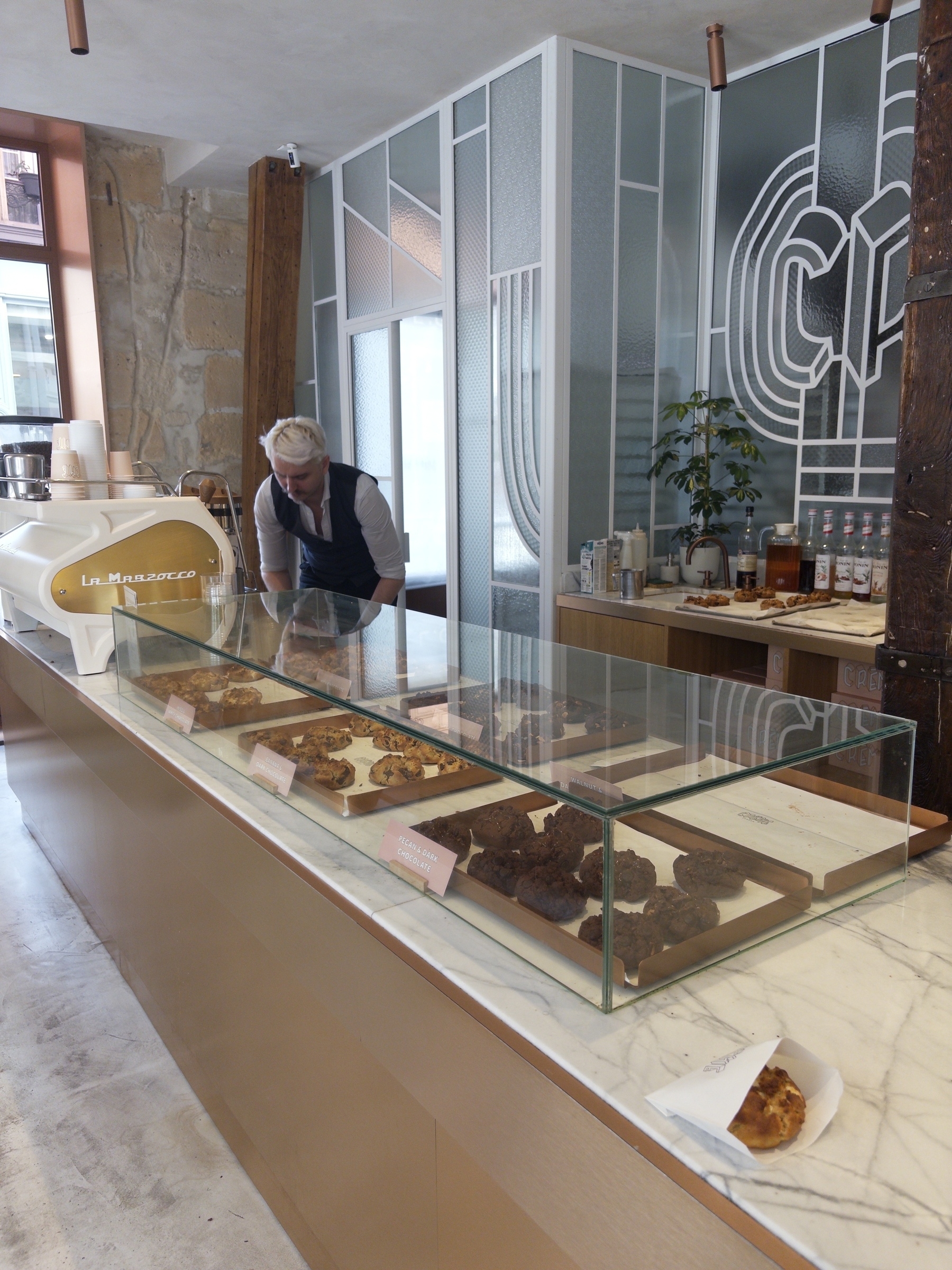
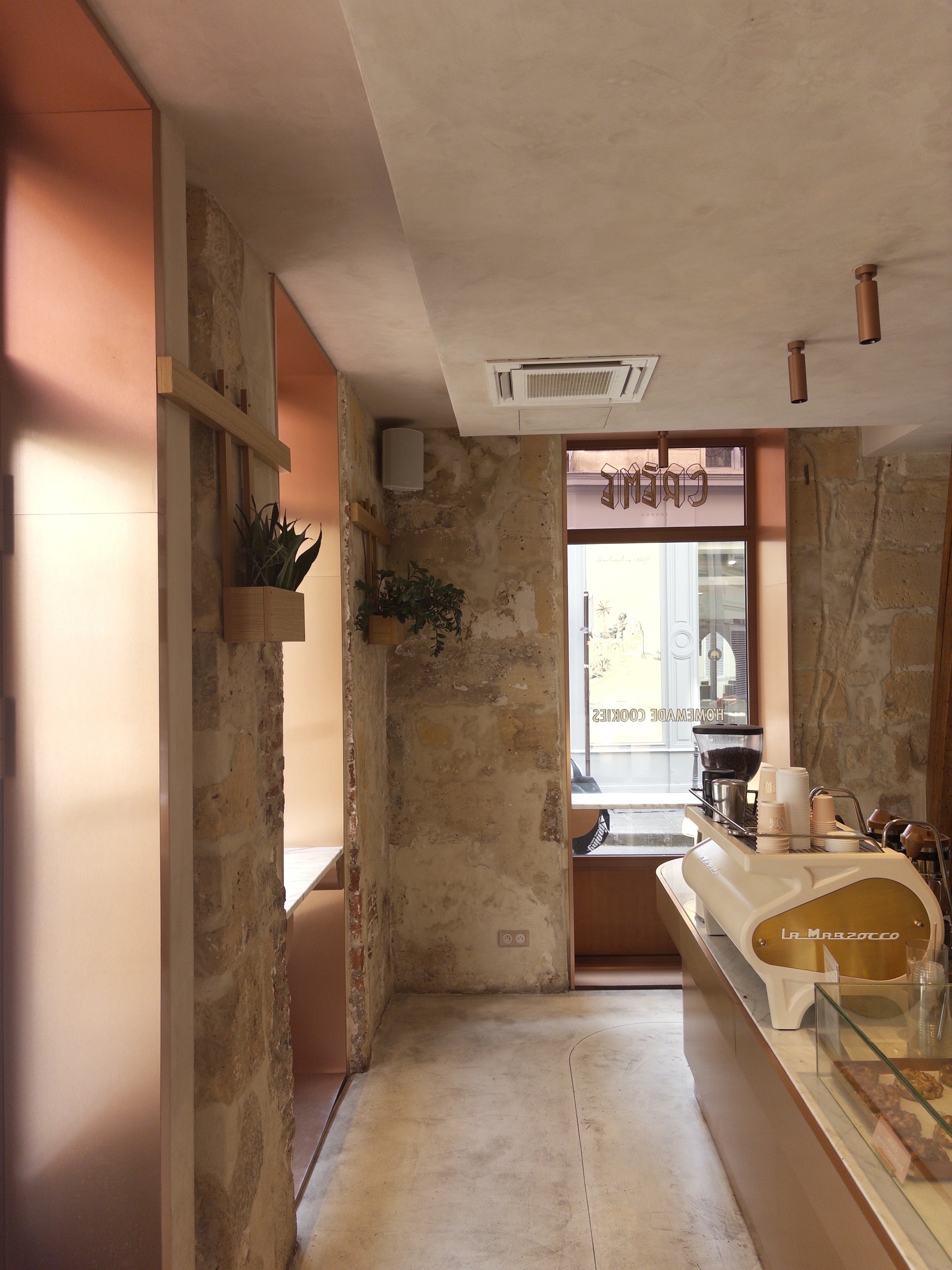
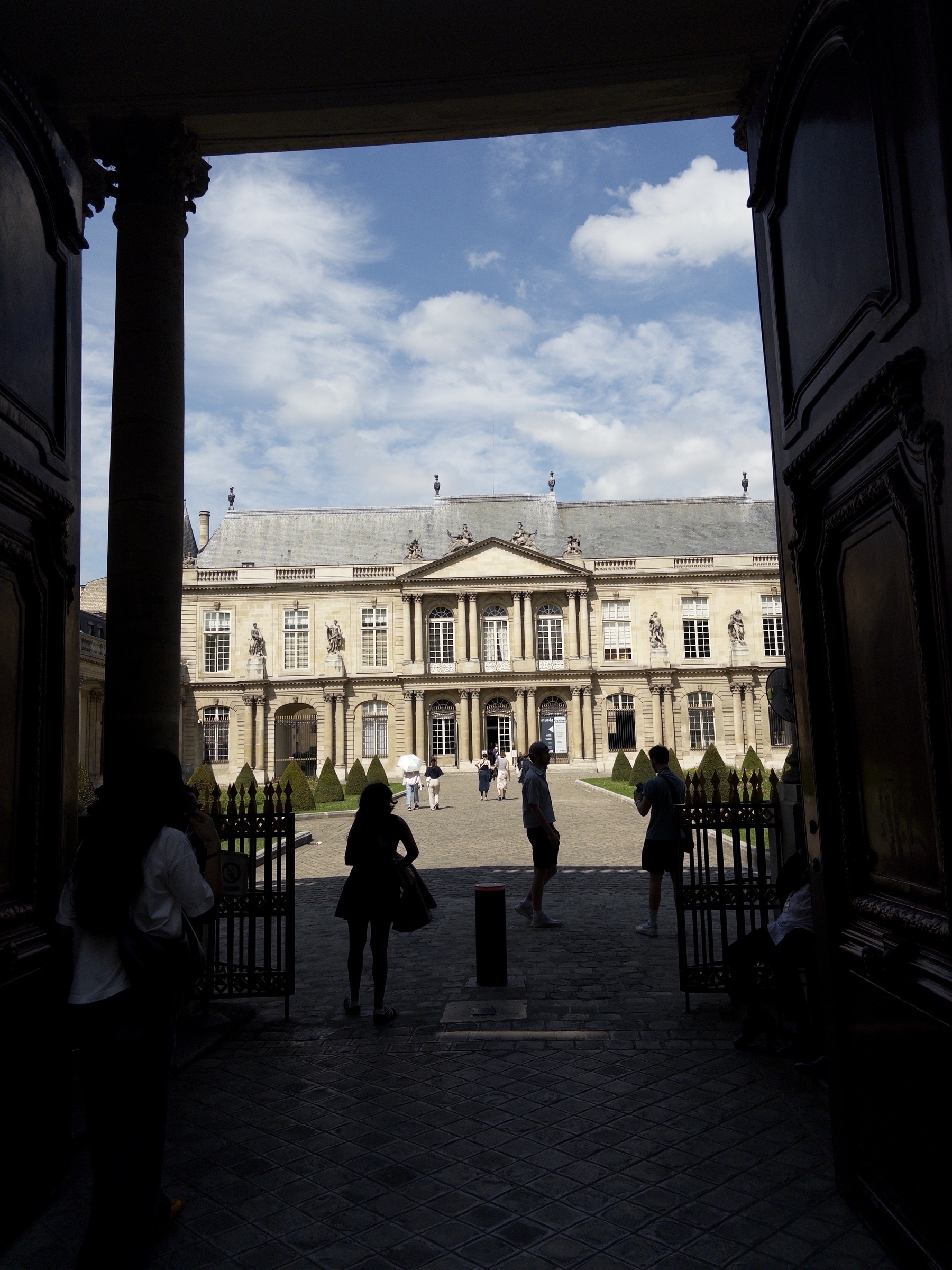
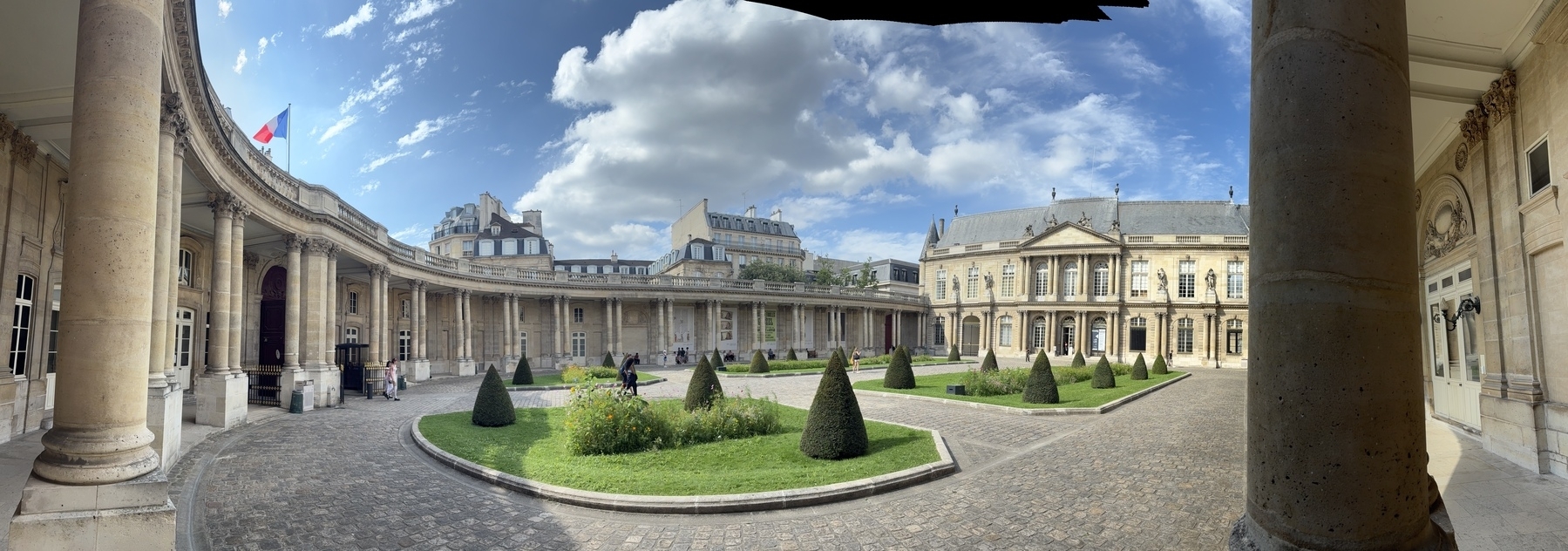
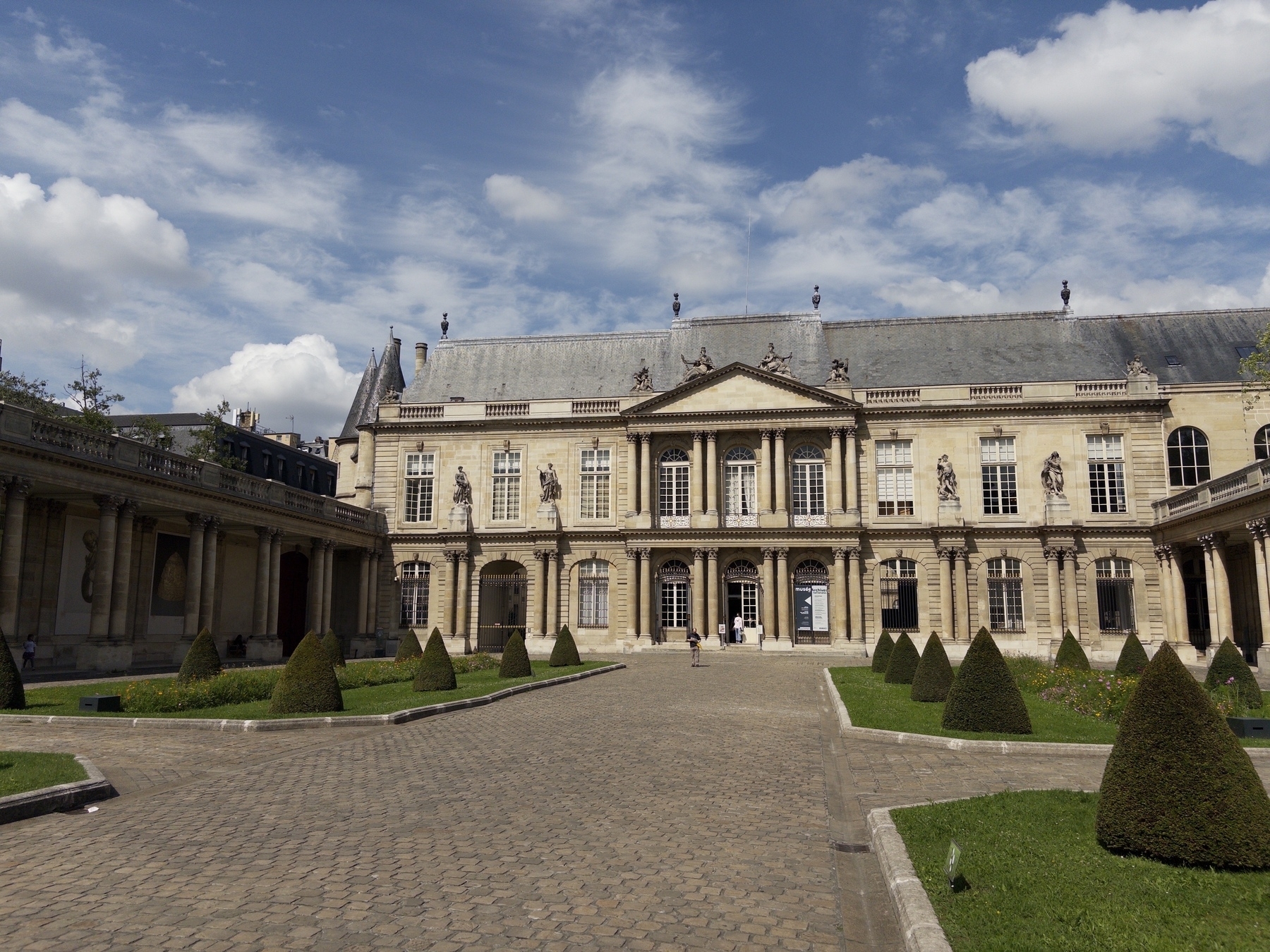
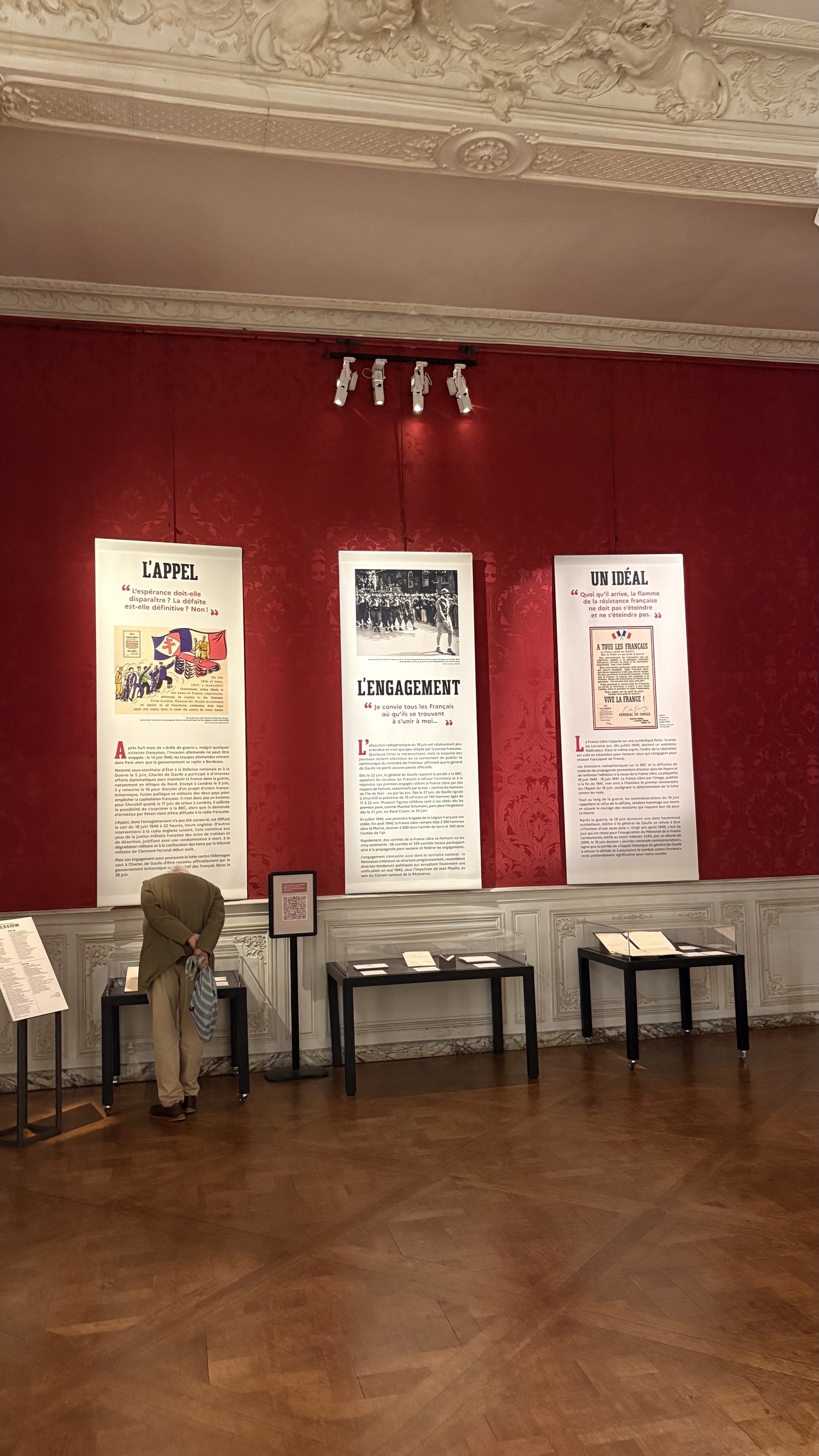
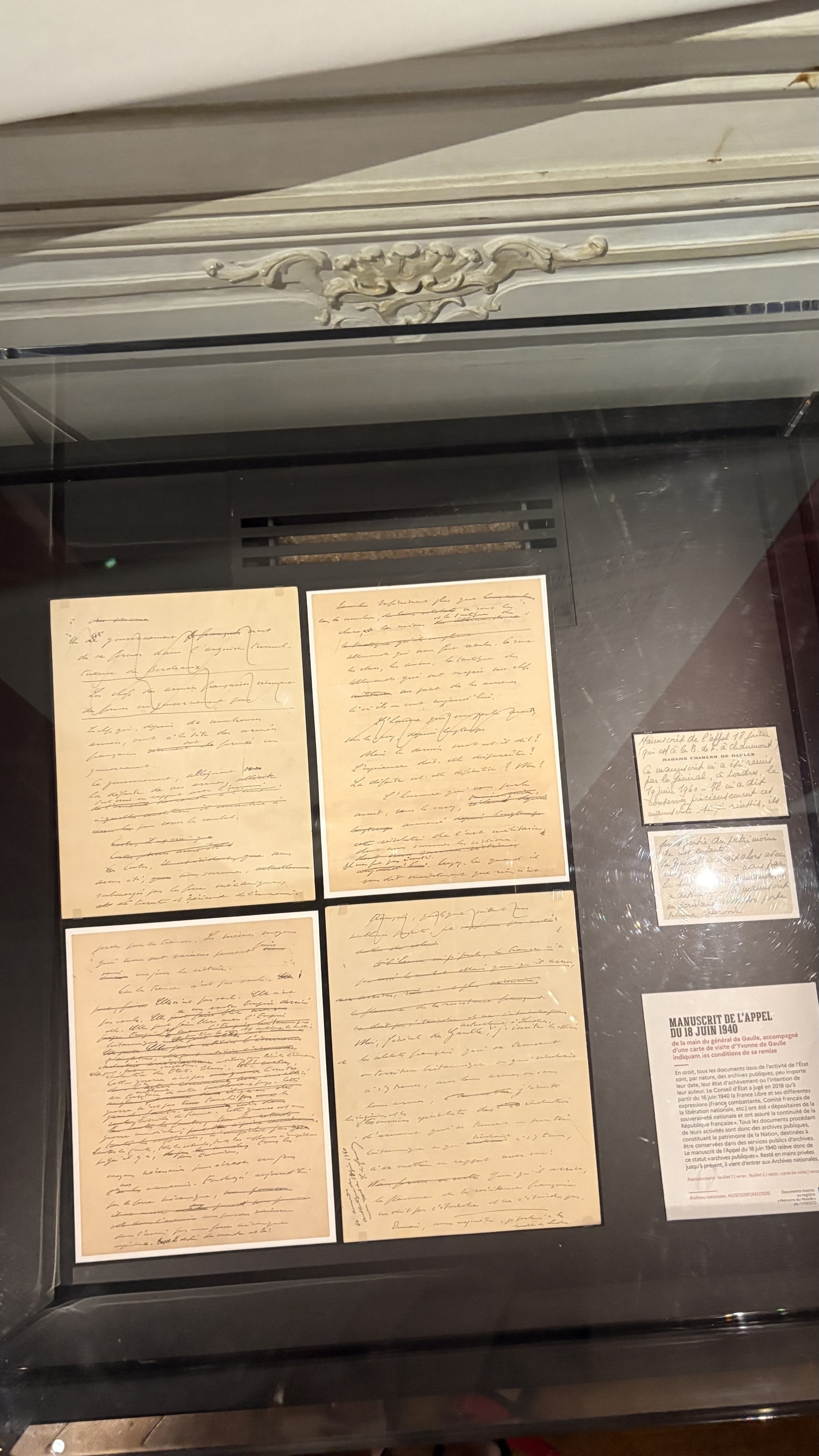
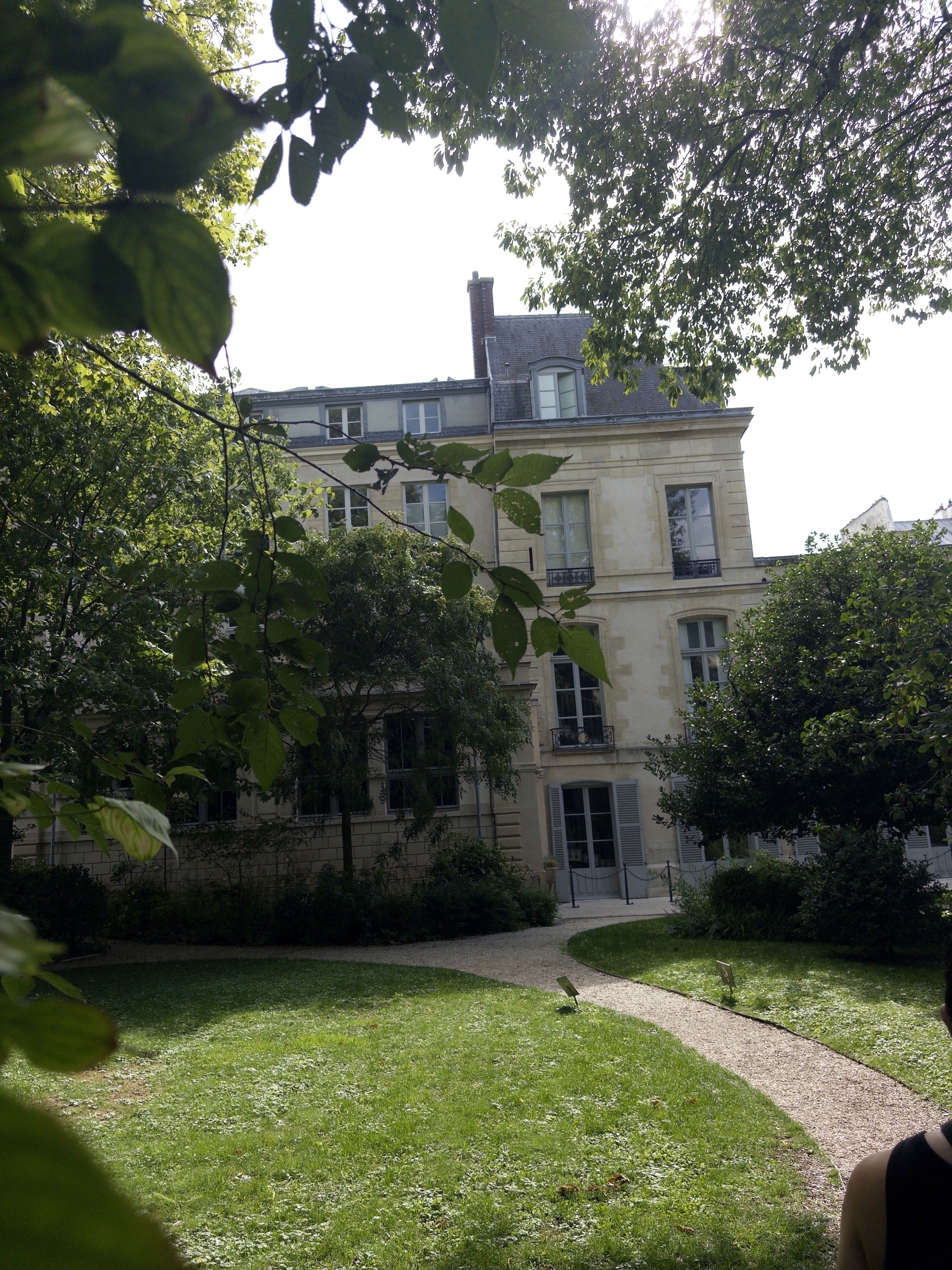
Including delicious cookies and affogatos from Crème and a visit to the National Archives and seeing the official handwritten “Appeal of June 18th” from General Charles De Gaulle, which he broadcast on the BBC from London while in exile, on June 18th 1940, trying to inspire the French to resist their invaders.
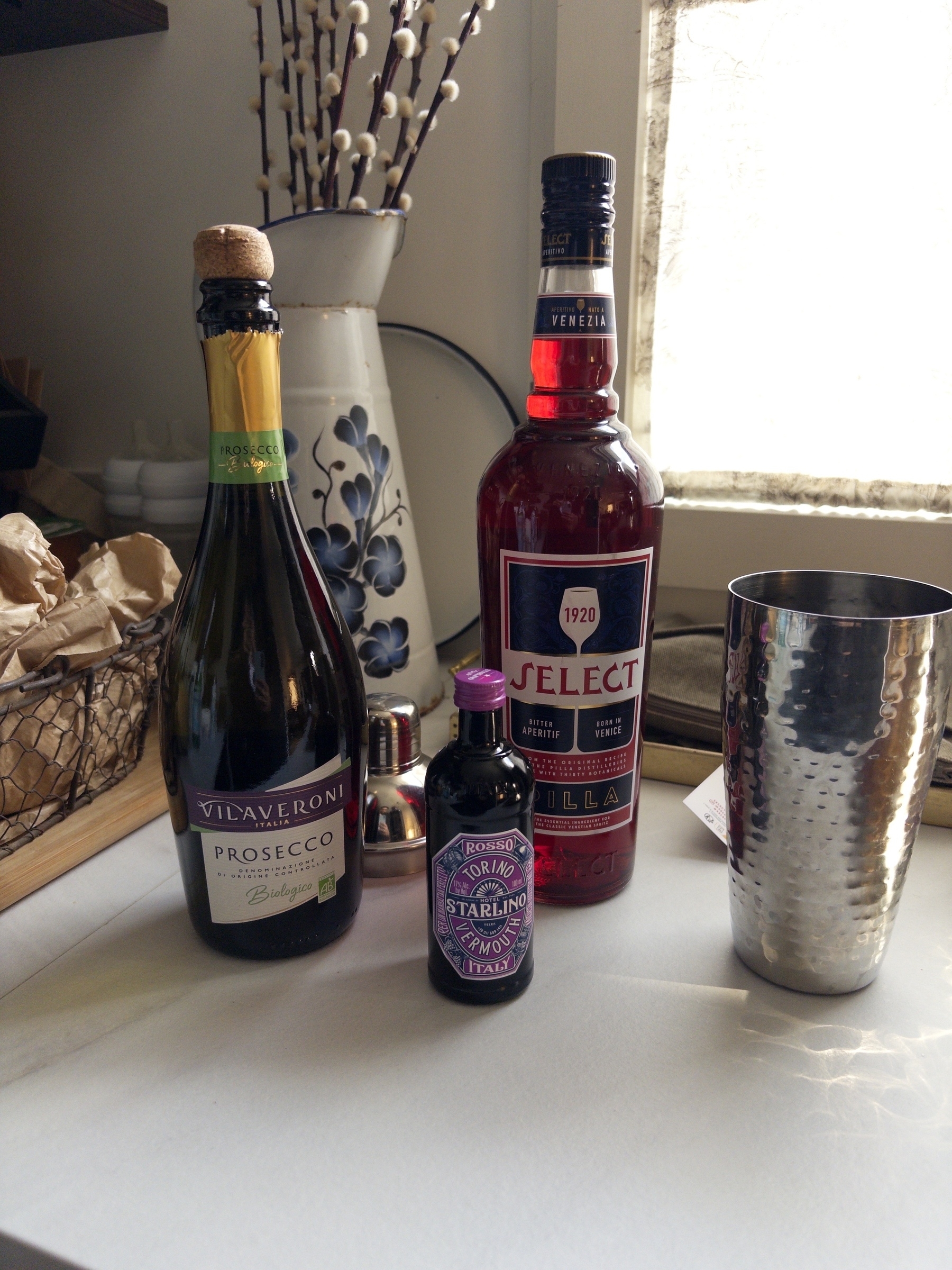
Also: Happy International Spritz Day! Grateful that we have a lovely big Eataly here in Paris 🇮🇹
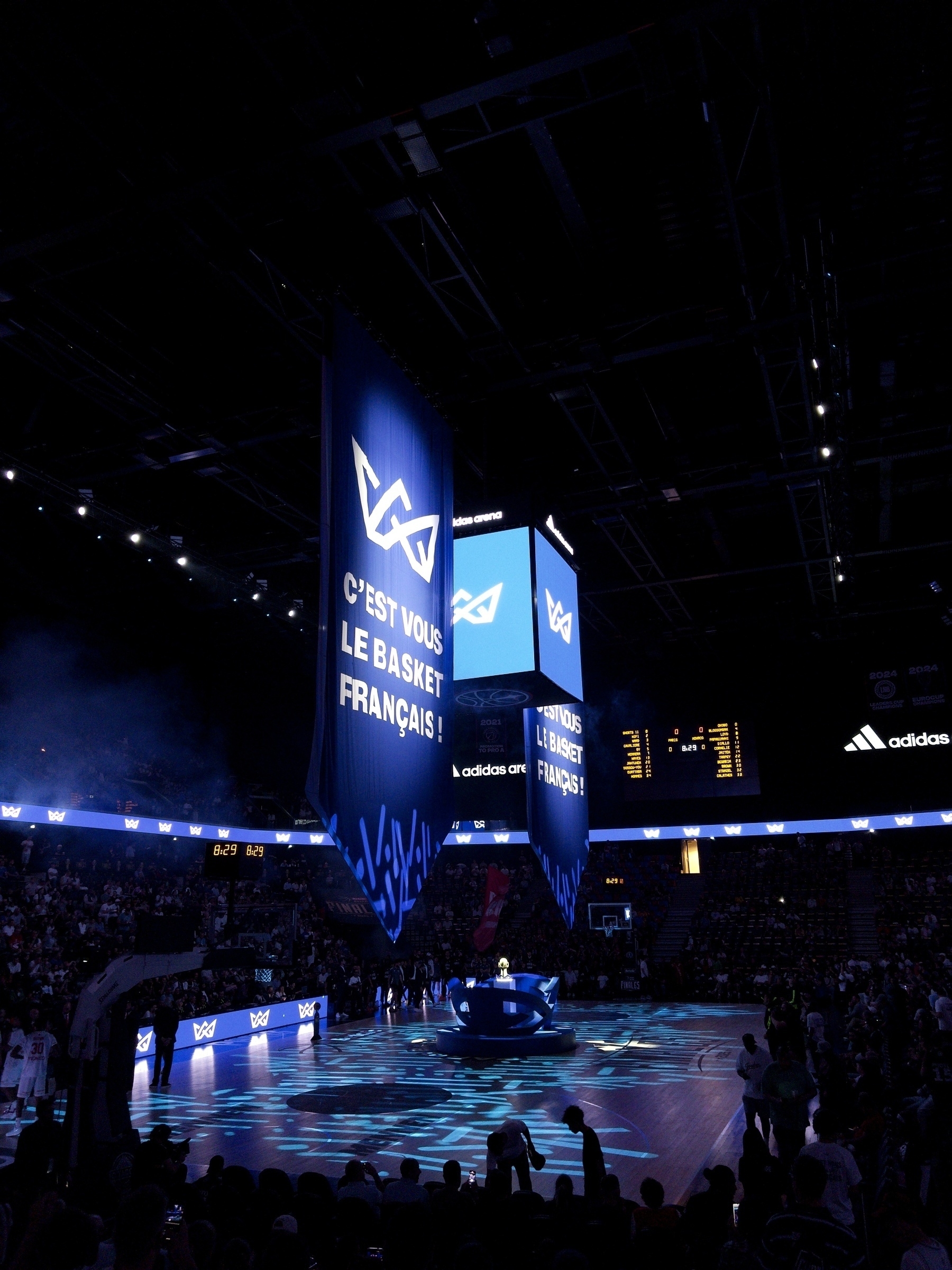
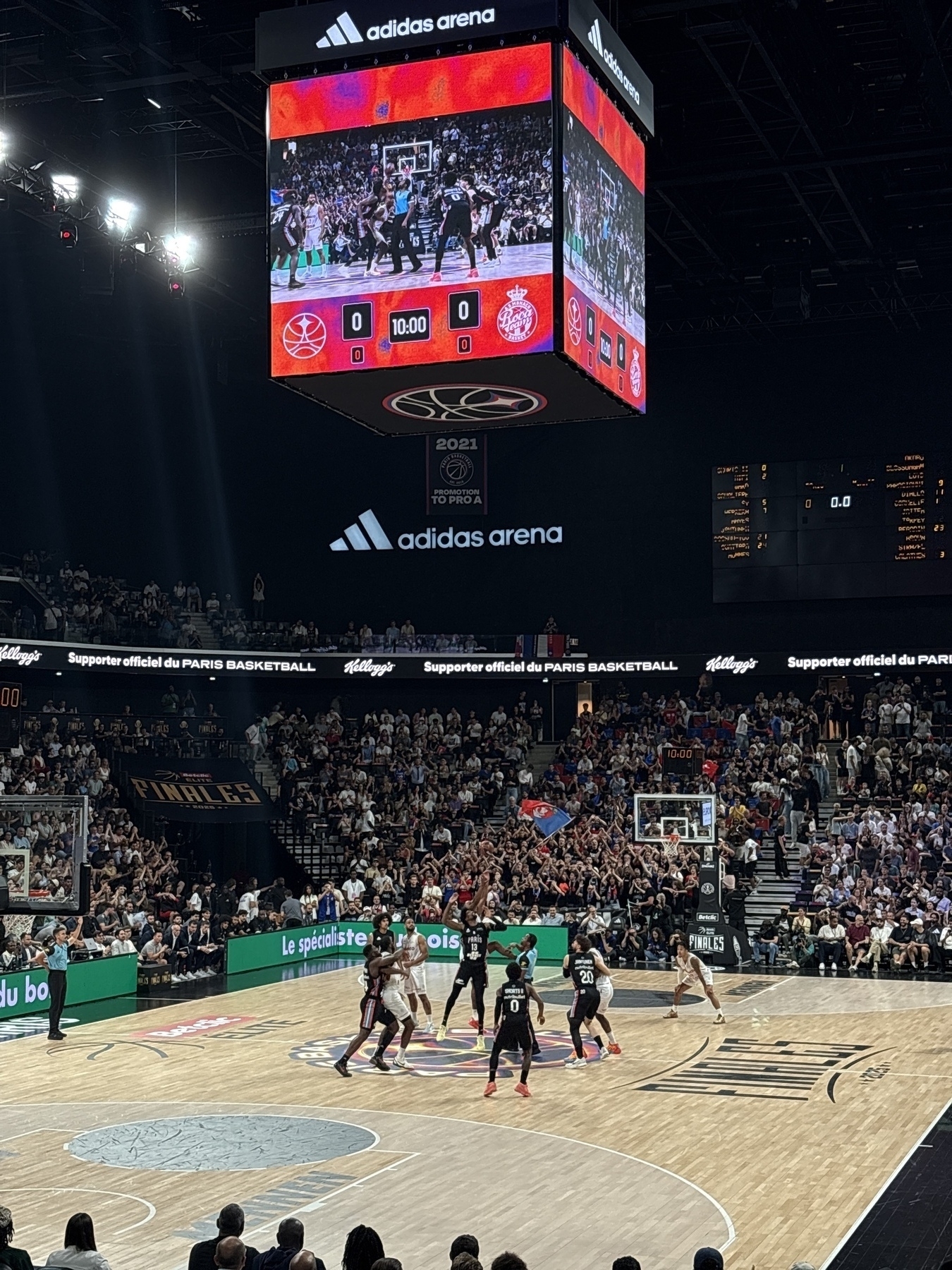
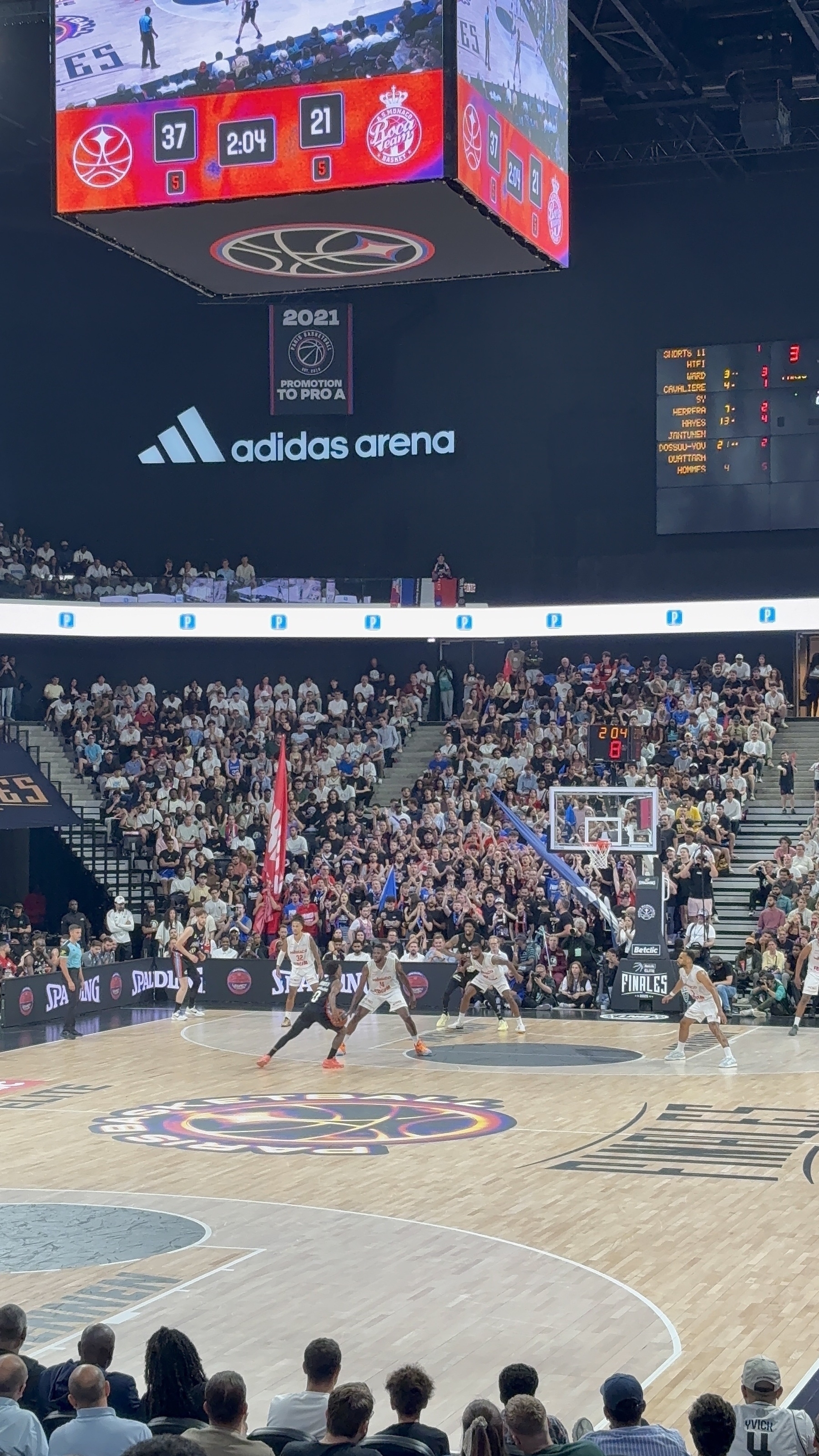
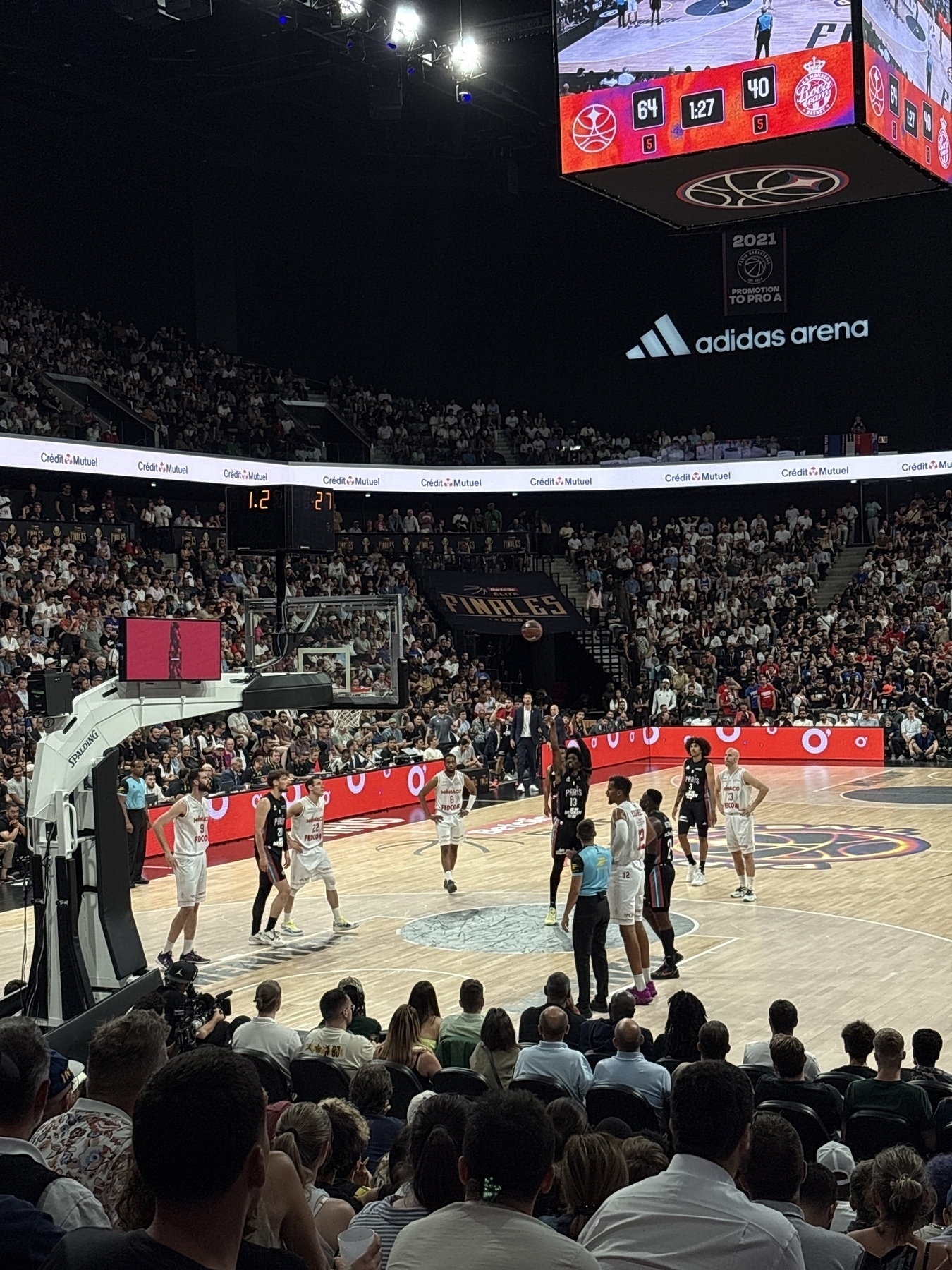
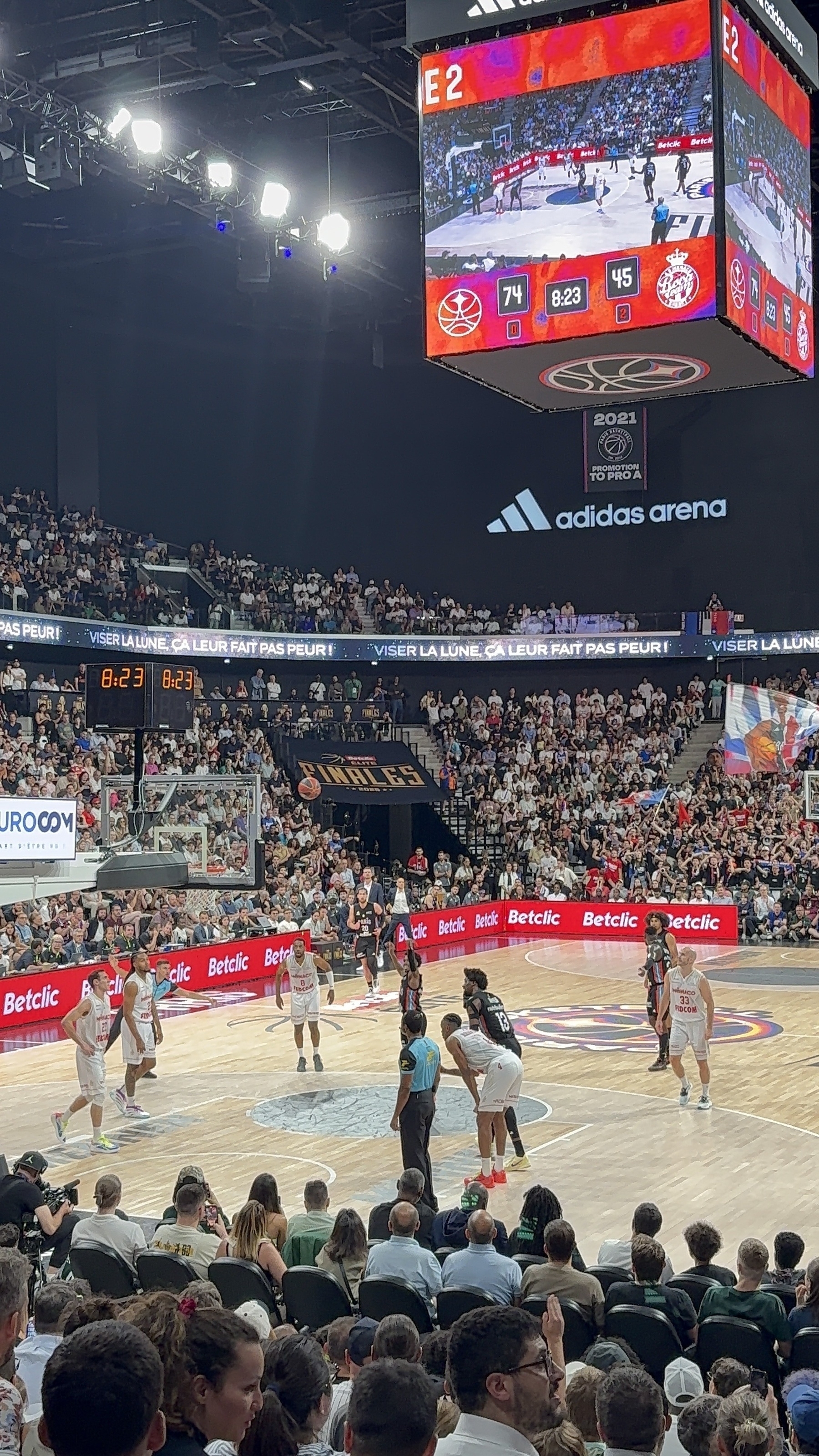
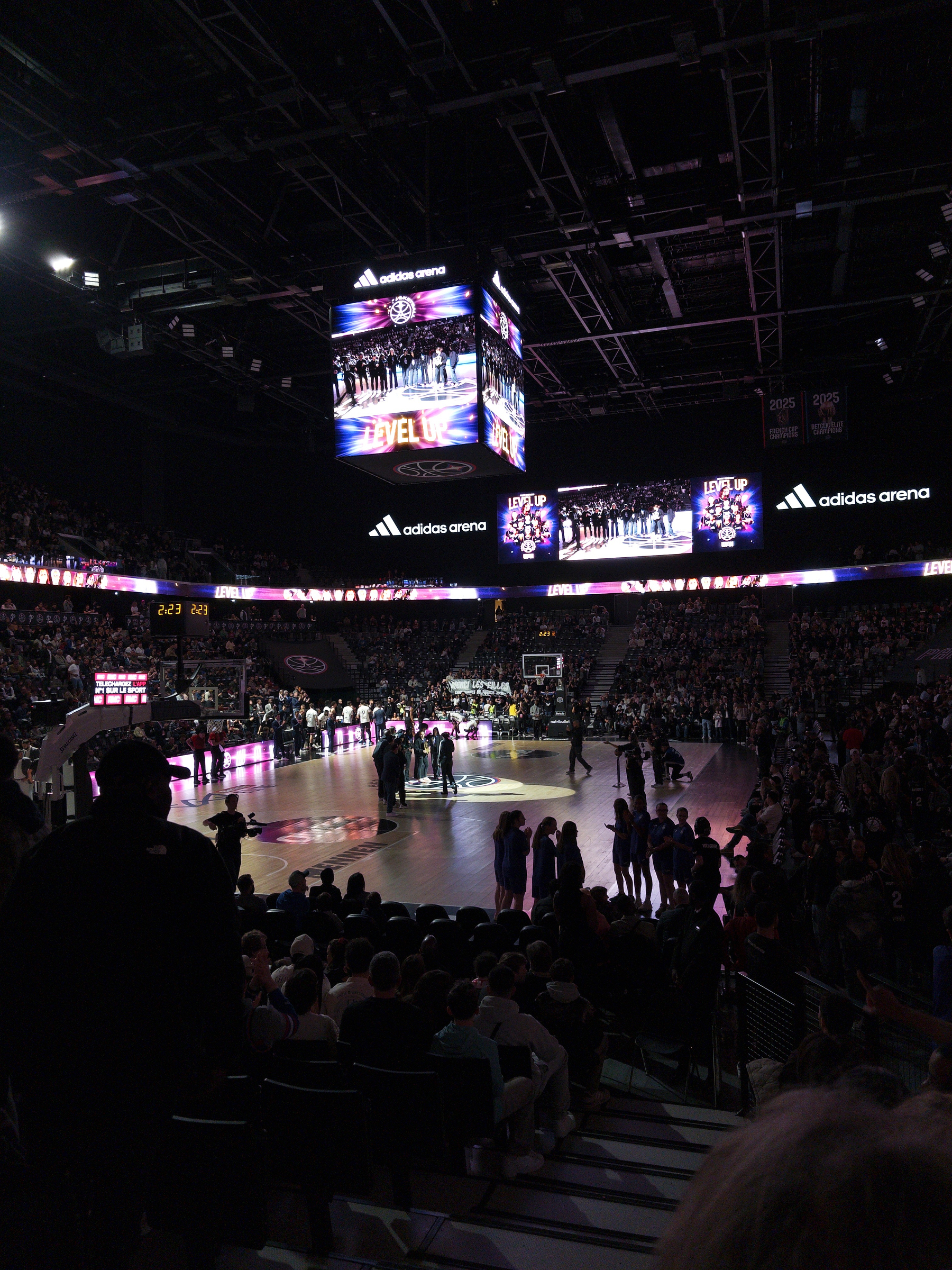
Game 2 of the 2024-2025 LNB Betclic Elite Finals: 2-0 Win
Total domination against this Monaco team and we went as high as having a +30 point gap.
TJ Shorts proving once again why he’s the best player on the continent and the whole team played its part! Incredible game, incredible atmosphere, and now one win away from our very first League Championship.












 —## Then came BerlinEarlier this month, we took a trip to Berlin over Easter — me, Shana, and our daughter. It coincided with a work trip to the Berlin office during the following week. Family travel with a toddler is its own kind of planning challenge, even when our daughter is already pretty easy and well-traveled: you need stroller-friendly neighborhoods, nap-window logistics, coffee that doesn’t suck, food that works for all three of us.I used the same approach as Paris. Described our situation, what we needed, what we didn’t want. The type of vibes we were after, the neighborhoods we were curious about. The output was a proper guide organized by neighborhood and day — built into an HTML page, hosted on my blog, so I could pull it up from my phone mid-trip.Then after we got back, I did something I hadn’t planned on: I went back into it and asked Claude to turn it into a record or log of what we actually did. Swapped the recommendations for the places we really went to, updated the itinerary to reflect how the days actually played out. Now it reads less like a planning doc and more like a trip log.Both versions felt useful in their own way. And the whole process — planning to debrief — was maybe a couple of hours of back and forth spread over a few days. This one is available at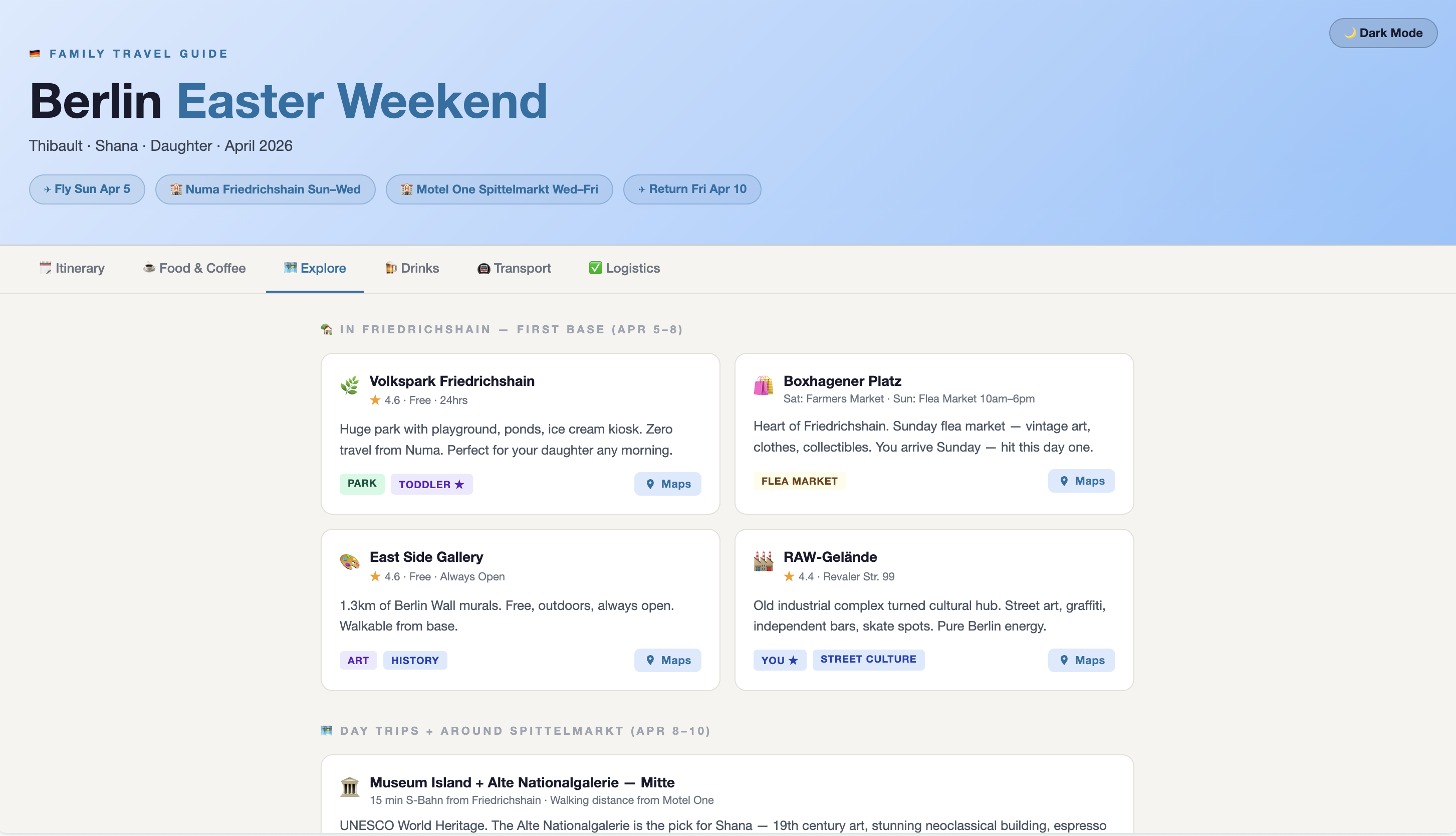
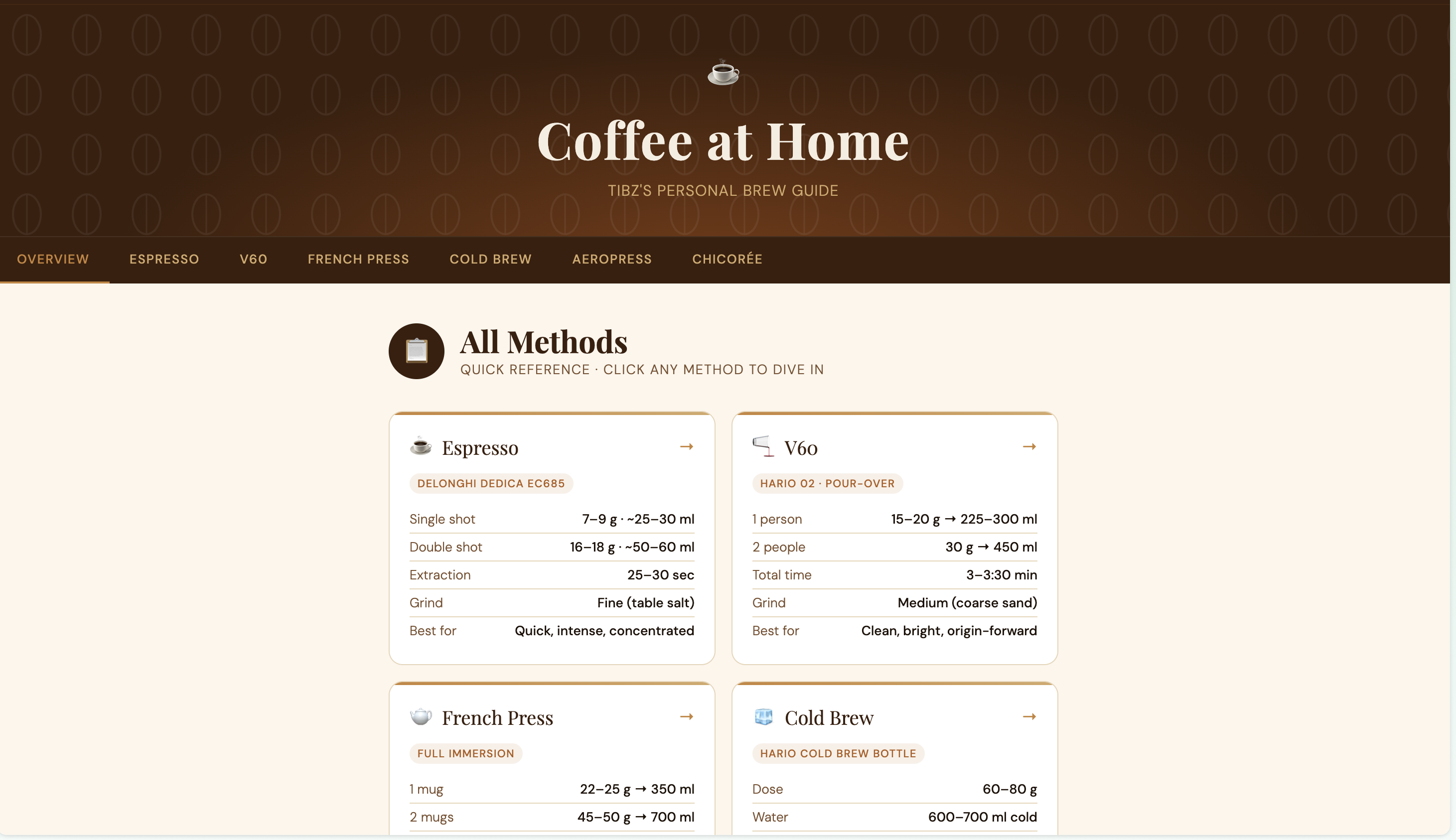 —## And finally, fitnessI run a few times a week. I play basketball on Thursdays. I have a yoga mat and two dumbbells at home. That’s the full setup.I wanted a weekly routine that actually reflected my life — not some generic program assuming I have a gym, infinite time, or perfect knees. I described my habits, my goals (upper body improvements, building running volume gradually, staying knee-conscious), and what I was working with. The plan I got back was something I could realistically follow, which is rare.I’ve used it more consistently than anything else I’ve tried. Probably because it was built around my actual situation.
  —## The final touch: open instantly from my phoneAs a last touch, I made sure to create dedicated Shortcuts from my phone’s control center, using Shortcuts: that way, in one-tap I can easily reach for the Coffee guide when I’m still waking up, or change and get ready to workout with very little time-related friction, seconds away from starting my workout.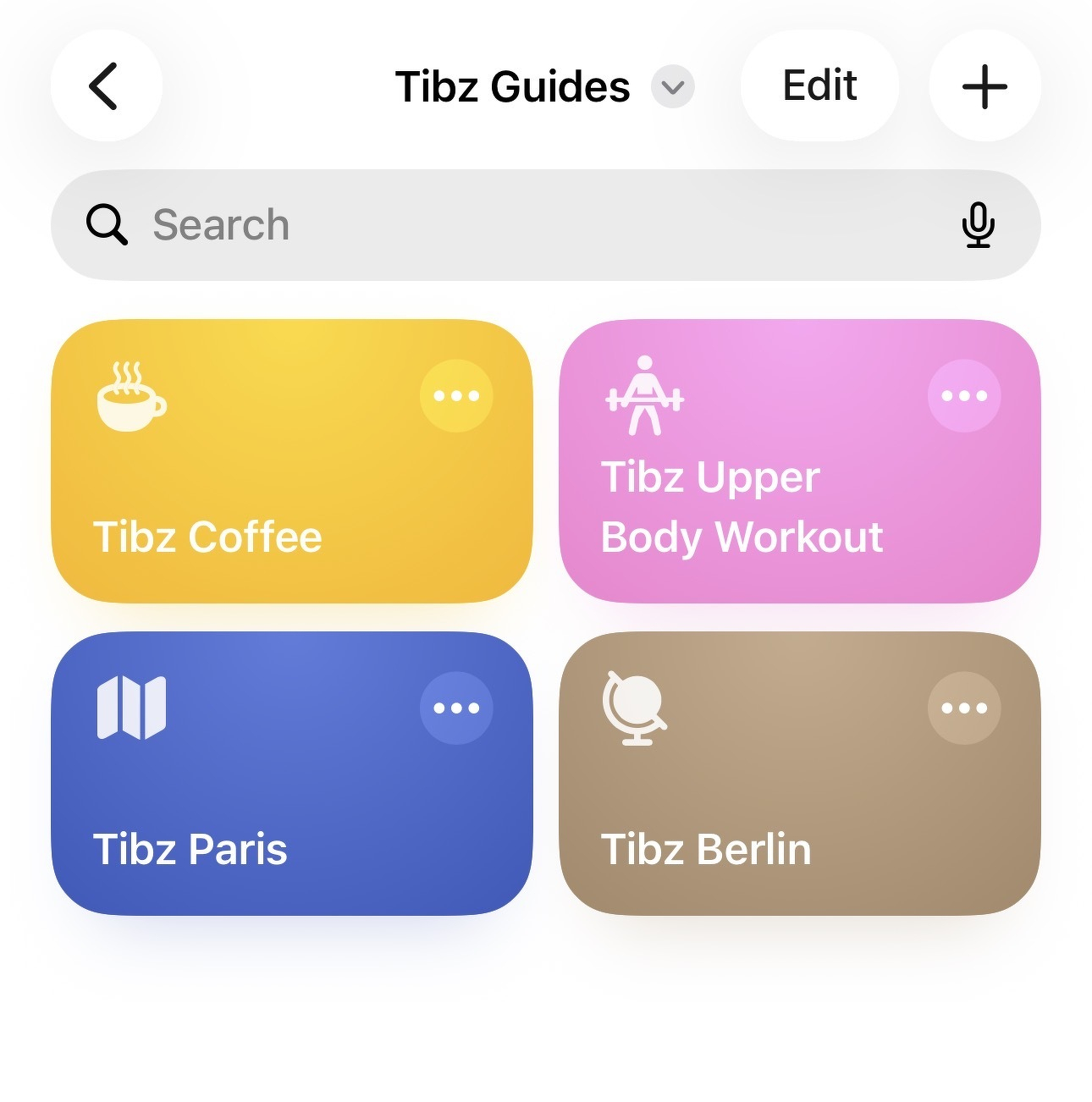
 —## What I noticedThe first version of each of these was never the final version. Always needed at least two or three rounds to get it to feel right. The more honest and specific I was about what I wanted — and what I didn’t want — the better the result.I also stopped framing it as “using AI to do a task” somewhere along the way. It felt more like thinking out loud and having something help me structure it. The knowledge was already there. I just needed a way to get it out of my head and into something useful.That part I didn’t expect to enjoy as much as I did. Nerdy useful things.