Longform

[The New Yorker] “Black Panther and the invention of Africa”

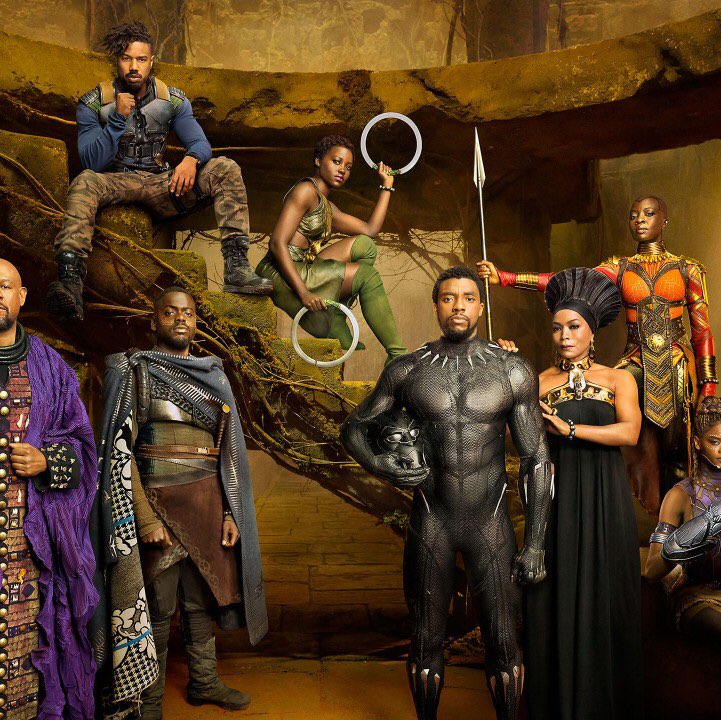
I’ve been catching up on a lot of Wakanda-related reading over the past week. This one from The New Yorker makes a series of great points:

> “There is a fundamental dissonance in the term “African-American,” two feuding ancestries conjoined by a hyphen. That dissonance—a hyphen standing in for the brutal history that intervened between Africa and America—is the subject of “Black Panther,” Ryan Coogler’s brilliant first installment of the story of Marvel Comics’ landmark black character.” ​ > ”Coogler told Marvel upfront that his version of the story would remain true to those political elements. It is shot through with the sense of longing and romance common to the way that people of a diaspora envision their distant homeland.

This last part above is something I can identify with, and something that I have found with manychildren and grandchildren of immigrants too!# The article goes on…

> ”Wakanda is no more or less imaginary than the Africa conjured by Hume or Trevor-Roper, or the one canonized in such Hollywood offerings as “Tarzan.” It is a redemptive counter-mythology.”

> ”The film is not about world domination by an alien invasion or a mad cabal of villains but about the implications of a version of Western domination that has been with us so long that it has become as ambient as the air.

The really good point that the author makes is that while Wakanda is a fictional place, so is the western idea and portrayal of the African continent and its countries, cultures, and inhabitants.

> ”Marvel has made a great many entertaining movies in the past decade, but Ryan Coogler has made a profound one.”

Taking a step back, it is incredibly wild that a mainstream superhero blockbuster has so much conversation around it. It’s really a sign of the incredible talent displayed by Ryan Coogler, and his team of writers and actors to be able to give so much depth to the first Blockbuster of 2018!

[=]

Is Bandcamp going to save the Music Industry?

2017 was another stellar year for Bandcamp, with double digit growth in every aspect of the business. (…) Meanwhile, standalone music streaming companies continued to lose money in 2017, and industry-wide record sales continued to decline. (…) Allowing the distribution of an entire art form to be controlled by so few has troubling implications, and those continued to play out in 2017.

[]

Is Bandcamp going to save the Music Industry?

> 2017 was another stellar year for Bandcamp, with double digit growth in every aspect of the business. (…) > Meanwhile, standalone music streaming companies continued to lose money in 2017, and industry-wide record sales continued to decline. (…) > Allowing the distribution of an entire art form to be controlled by so few has troubling implications, and those continued to play out in 2017.

[]

[Video] 1SE January 2018

vimeo.com/253648483

[Video] 2017 Year In Review, a 1SE video

It’s technically still January, so here’s every single thing that happened this year, on video, with 1SecondEveryday:

vimeo.com/249321679

[NYT]: "The Latest Data Privacy Debacle"

Data privacy is not like a consumer good, where you click “I accept” and all is well. Data privacy is more like air quality or safe drinking water, a public good that cannot be effectively regulated by trusting in the wisdom of millions of individual choices. A more collective response is needed.
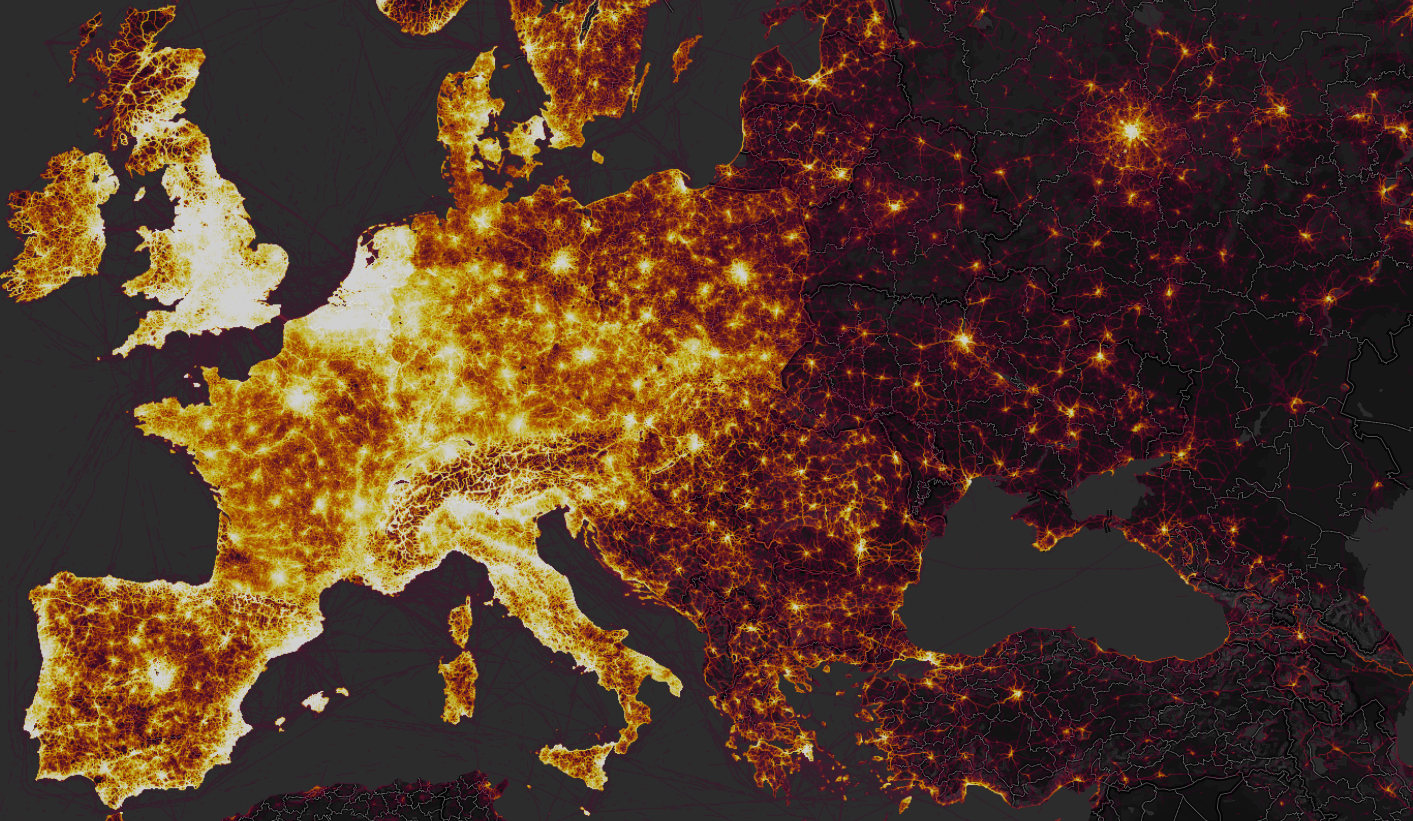
heatmap

This week’s data/privacy debacle has to do with Strava’s heat map. To sum it up quickly: Strava is a really good app to track your workouts, runs, and bike rides. However, they published a heat map of their users' activities around the world, which also showed suspected military bases in war zones around the world. We’re talking American bases in the Middle East, but there seems to be rumoured bases of other countries, like Russia, the UK, France, and more.

To me this highlights growing concerns that the Indie Web and Tech community has tried to voice for years: the collection of data by corporations offering a free service. And the lack of knowledge that the users may have about where their data is going and how it’s being used.


If you're not paying for it, you're the product


A few years ago, I was an employee for a small app development studio. Working there opened my eyes on the reality that unfortunately, most people would rather get an app for free, subsidised by ads and relinquishing a little bit of their data and privacy rather than paying the $0.99 - $1.99 - $2.99 barrier of entry.

What started as a worrying trend became the norm, and soon, it became evident that mobile ecosystems were turning into a hard market for independent software businesses.

But this behavior has turned into a bigger issue where we tend to refuse paying for digital products —unless they’re Netflix or Spotify. And in both cases, we’ve seen examples of these companies using the data for uncomfortable ads.

On the individual level, I think we’re too eager to get a service — and yes, feel free to blame marketing — prior to understanding the consequences a free product can have with our data. On the other hand, it’d be nice to start seeing corporations be more vocal about the data they collect and the reasons as to why they’re collecting it. I’d love to see an “opt-out by default” mentality where companies use a simple onboarding process to explain what they do with it.

And, as a consumer, I’d love to get a way to use current free services for a fee if it meant getting rid of ads and keeping my data safe. Even at a symbolic $1.5 - 2/month, Facebook would make more money than it does selling ads:

In Q3 2016, it was reported that the average revenue per user was $4.01 — or just over $1/user/month. With a growing community of over 2 Billion users, this would be an easy way to offer an alternative for the users who want and can afford this change.

Even I’m still sceptical, I really hope that the Strava heatmap fiasco will bring a more positive outcome on the data-collection debate. Privacy is important, and it’s not quite dead yet, so let’s try to preserve it, and ourselves, as much as we can.

Not-so-late night tales

Going East, not West!

“If you go to New York and want to meet a big company such as Budweiser you are just one of a thousand firms pitching to them, whereas if you got to Tokyo and seek a meeting with Nissan you might be the only Irish company and one of only a handful from Europe knocking at their door”

My friend Eamonn is in Dublin this evening and I’m well excited to catch-up. Ahead of his talk, he’s had a chat with the Irish Time about the potential of going towards Asia instead of Silicon Valley.

Amen to that!

Dublin Week 2

Aside from work and prospecting for new clients, possibly jobs too, this week has revolved around a lot of walking in the different neighborhoods of the city centre, searching for and viewing apartments…


[gallery ids=“3525,3526,3527,3529,3530,3528,3531,3532,3533,3534” type=“rectangular”]


Dublin Docklands

Walking around Dublin’s newest redeveloped neighborhood of the Docks, along the Liffey.

The Sunday winter sun was lovely today!

[Video] 1SE December 2017

vimeo.com/249297364…


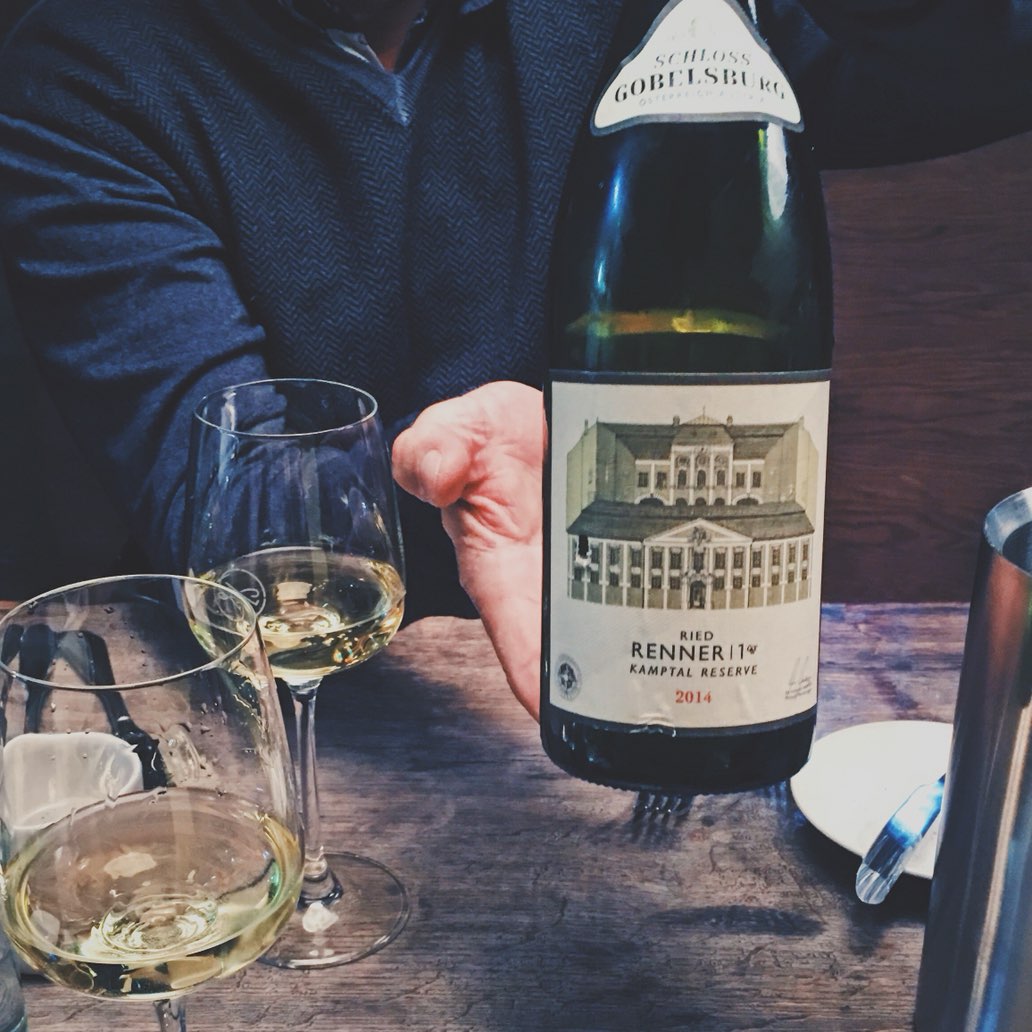
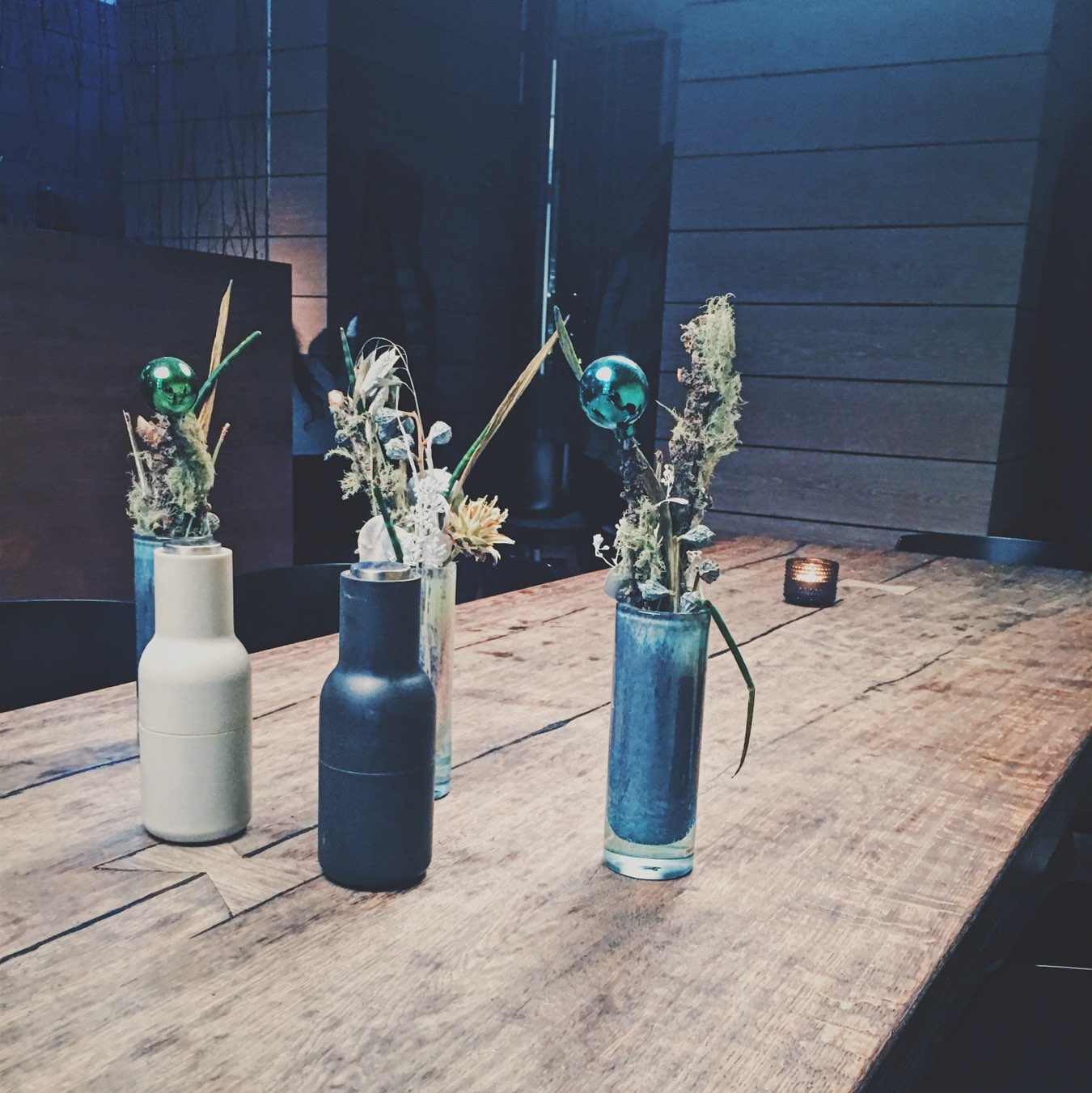
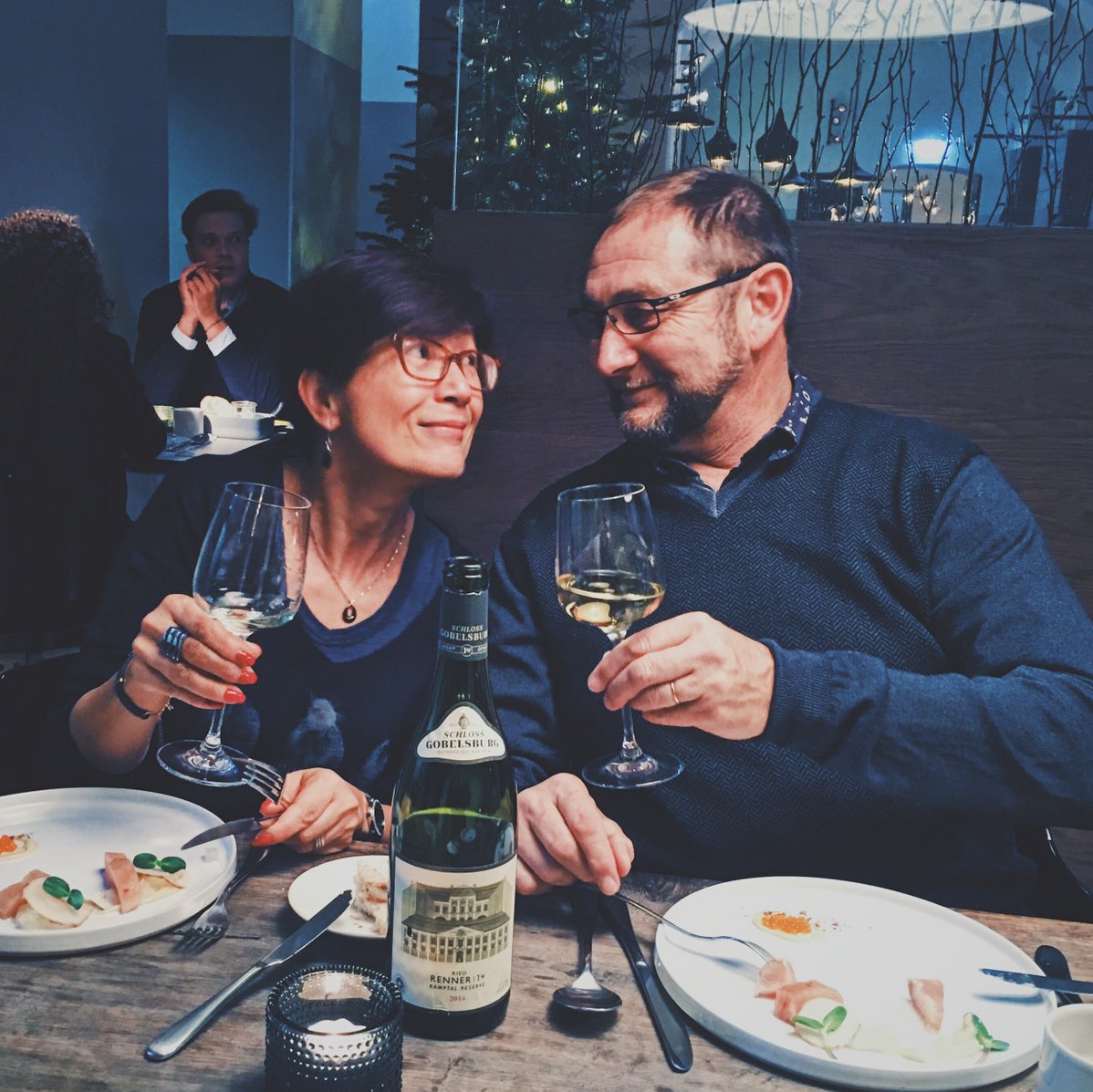
Labstelle, a dinner experience in Vienna

This was hands-down the best meal/dinner I’ve had and it happened out of curiosity!

• • •

We struggled to find a place in Vienna that wasn’t fully booked tonight and then I remembered this place we stumbled upon close to our hotel. They were able to book us a table for the four of us, Shana, my parents and myself.

• • •

We sat down to discover that almost everything is made in premise, from baking their own bread to pickling their own vegetables. Everything is done to minimize the distance between the ingredients to the plate on the table. And they offered an intriguing “surprise menu” where you allow the chef and his team to cook dishes for you, over four courses and one amuse-bouche.

• • •

From the carrot amuse-bouche, the freshly smoked fish, the pumpkin consommé, the veal, all the way to the dessert pumpkin delicacy and ice-cream, everything tasted delicious, blending subtly with the wine and its sides of vegetables and fresh seeds.

• • •

Everything has been perfect in ways we couldn’t have imagined and we’re living Vienna on a very-high note!

It’s been a wild year

vimeo.com/248643594

[The Outline] "The Death of the Internet"

There won’t be an internet where you can watch shows on Hulu then jump over to Gmail — you’ll watch Facebook TV and send Facebook Messages. Services that look and act like something distinct but are sadly part of a homogenized whole will also be available; Instagram and WhatsApp do this already. There you will be delivered ads according to your interests, interests predicated on the content you view, content promoted by bots and agents of a corrupt government and its many corporate and civilian allies. It will be a win-win for everyone but you.

[]

A conversation between Jay Z and the Times' editor in chief Dean Baquet


This interview between the Editor in Chief of the Times and Jay Z was incredible.

Really respect the humility and empathy coming from him in this video:

www.nytimes.com/video/t-m…


[]

"The Creator of Bitcoin Comes Clean, Only to Disappear Again"

I really loved this article from Longreads over the weekend. A thrilling piece of non-fiction writing about the rise of bitcoin and an ongoing investigation about the maybe-but-probably-not creator of Bitcoin.

On December 9, 2015, Craig Wright woke up to the news that two articles had come out overnight fingering him as the person behind the pseudonym Satoshi Nakamoto. Reading the articles on his laptop, Wright knew his old life was over.


[≠ Longreads ≠]

bitcoin-perfecthue
PS: In case you've not heard of it before, Longreads is an online publication that non only pulls interesting long-form articles from the internet, but they also work on their own articles. You should check them out and consider supporting them to help them fight the good fight.

SaveSave

About the #MeToo Movement

The goal of #MeToo, as Milano’s friend told her, was simply to give people a sense of “the magnitude of the problem.” 

Over the last day, I’ve seen the MeToo status pop up, without an explanation. But after seeing it multiple times from some of my female friends, I understood quickly what this was about. In the last 24h, the status has been tweeted 500 thousand times already. Think of the gravity of the situation.

[≠ The Atlantic ≠]

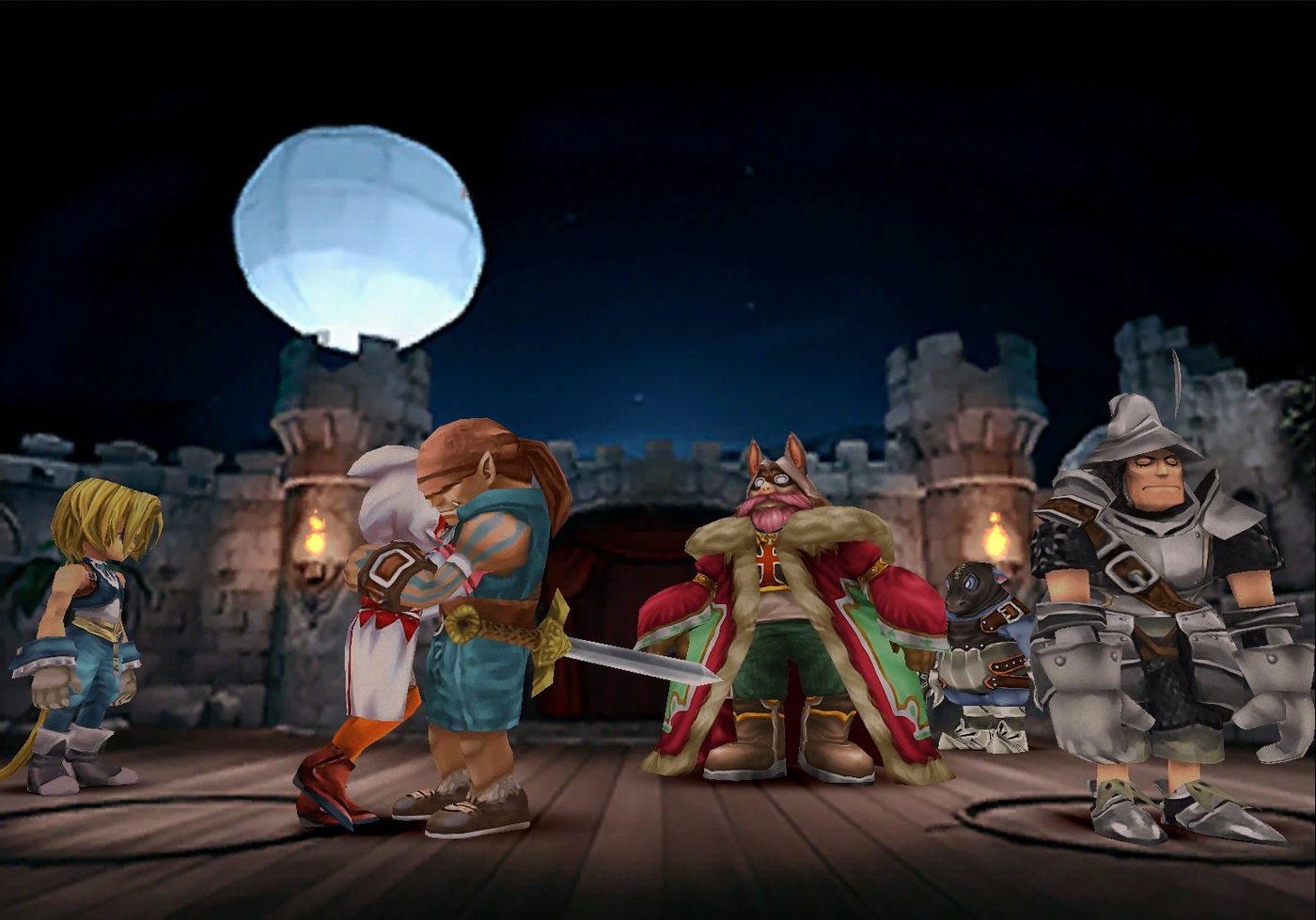
Final Fantasy IX, War, and WMDs

Cameron Kunzelman for Polygon has a great opinion piece this week about one of my favorite video games: Final Fantasy IX.

Final Fantasy 9 shows us the closest thing to a fantasy weapon of mass destruction that exists in video games.

I really appreciate the thoughts that went into this piece, especially given the current news and the constant will-they-won’t-they regarding our nuclear overlords.

If you’ve not had the chance to play through this wonderful Shakespearian experience, it’s available on PS4, iOS, and on Steam — which means you really have no excuse!

[] Final Fantasy 9 teaches us about war and how times have changed

Hipstamatic is still alive!

It's hard to believe it's been nearly a decade since New York Times photographer Damon Winter used Hipstamatic to create an award-winning photo for a cover story about the war in Afghanistan. It's even harder to believe that the app is still downloadable in close to its original form. It still takes three seconds to "print" your photo to a Polaroid-esque frame that loads in the bottom corner.

As someone who’s been using Hipstamatic on and off over the past few years, I’m yet to find a camera app with the same unpredictable feel!
[]

Brandwatch takes a look at eSports, the most underrated internet phenomenon of the past decade

Goldman Sachs valued eSports at $500 million in 2016 and expects the market will grow at 22% annually.

via eSports Data: The Huge Industry That’s Constantly Misunderstood | Brandwatch

[LINK]Things More Heavily Regulated Than Buying a Gun in the United States

This gem, from McSweeney’s.


[]

Security News This Week: The Deloitte Breach Was Worse Than We Thought | WIRED

“I am horrified but absolutely not surprised by this amount of data.”

via Security News This Week: The Deloitte Breach Was Worse Than We Thought | WIRED

Vlog 047: A week in Singapore

After a month in Vietnam, I switched things up with a short week in Singapore. I had a blast there: discovering a story, culture, and people that are mixed, welcoming, and have a truly unique place in the world!

vimeo.com/tibz/vlog…

Pilotfish — Making Remote Work ..Work!

Over on Remotive1 this week, we were introduced to Pilotfish, and its founder Joseph. They’re a social enterprise tackling issues related to Mental Health for Remote Workers.

With the continuing rise of remote workers or location independent workers, there’s a lot of things to navigate through, especially for first timers. It’s not easy to go from a social open office environment where you get to see your coworkers in person every day of the week, to working alone at home (or even in a coworking space where you might not know people around you.)

Pilotfish has the potential to tackle this issue before mental health becomes a real widely developed problem for remote workers, in the same way that employees of big corporations can too often battle against stress and related workplace-related issues.

They’re tackling this issue before it becomes a real problem, from day one, and that’s something that we should all applaud and support.

On a more personal note, I was lucky enough, in my last full-time employee position, to be part of a team where we started testing out remote working once or twice a week.

It was a great way to “dip my toes in the water” and start learning about the discipline required, and the communication needed, to make it work. It wasn’t as easy as it sounds, and I made many mistakes along the way. But this led to me being in the position that I am today, lucky enough not only to work remotely full-time but also do it as a freelancer, while traveling around the world.

[]


  1. The community of Remote / Location-Independent workers that I’ve been a part of for the past few years. 

Bali: Experiences money can't buy!

For my last weekend in Bali, I wanted to explore the infamous peninsula. I met up with my driver, Ketut, the same driver that showed me around the previous Saturday.

Bali Peninsula

Nusa Dua / Water Blow

We started the day by driving down to Nusa Dua / “Water Blow”, which is a beautiful natural beach area with patches of grass around. It’s surrounded by luxury resorts, however, local Balinese and Indonesian families still go there to relax over the weekend. It’s reminiscent of some of Juan Les Pins, Cannes, and other well-off beach towns along the French Riviera, in a way.

[gallery ids=“3293,3300,3284,3287” type=“rectangular”]

Pandawa

After the luxury area, we went down to Pandawa beach, a long beach nestled under beautiful cliffs, which gives it kind of a hidden feel.

We didn’t stay long, but the drive and the scenery were worth it. Seeing this makes me understand why people say that Bali is an ideal surfing spot —and I don’t even surf!

[gallery ids=“3288,3274,3301,3299” type=“rectangular”]

Kopi Luwak

We stopped along the way to get a coffee (kopi), which gave me an opportunity to have my second ever cup of kopi luwak: the infamous Balinese coffee ranked as the best in the world.

It’s a truly unique process: the Lusaka is this little animal, a cross between a ferret and a little fox. It picks and eats the best coffee cherries, generally arabica. Later on, it poops it out, and the villagers collect the beans, remove the envelope, clean them in boiling water, roast the beans, and ground them — it sounds kind of weird, but the nutrients that envelop the beans give them a special flavor that adds to the quality of the coffee as a whole.

By the time they serve the coffee, it is a delicate, strong, and pure aroma!

In addition to this delicious cup, the workers at the roasters also get you to taste different varieties of local teas and coffees, including —but not limited to— coconut coffee, ginseng coffee, white and red ginger tea, lemon tea, lemongrass tea, mangosteen tea (my favorite), and a bunch of others!

Processed with VSCO with fp8 preset

Uluwatu

After the coffee stop, we headed down to the Temple of Uluwatu — infamous for being a beautiful and large temple on top of a cliff, overlooking the Indian Ocean. This was absolutely breathtaking, and I couldn’t quite help myself but shout wow! at each different side and areas of the temple!

[gallery ids=“3291,3273,3294,3290,3297,3298,3283” type=“rectangular”]

A family encounter

After the temple, we switched it up for a bit: my driver, Ketut, offered to go to his brother’s, have lunch there, and spend the afternoon, before going to see a local football game with his family. I jumped on the occasion.

We drove about an hour north/east, to the small town of Sanur, and I got to meet his dad (65 years old), his brother (45 yo), his brother’s wife, and a few of their friends, kids, nephews…

They offered the local Nasi Goreng —fried rice with egg, chicken, and spices— a few cups of coffee, and we even got to play with one of the local Balinese kites —flying at 50 meters above in the sky—, play some guitar, and grab some home-made snacks.

All in all, it was very kind of them to welcome me in their home and allow me to join them, experiencing a side of local Balinese life that no tour guide could have booked on my behalf.

[gallery ids=“3279,3295,3282,3276,3285,3292,3275,3281,3289” type=“rectangular”]

Bali United FC

Finally, the day ended at the football game. For the price of 35,000 Indonesian Rupiahs, or about 1.7€, we got through the main supporter entrance and saw Bali United FC, the best team in Indonesia, play and win 5-1 over the team of Lampongan (a city based on the main island of Indonesia).

Coming from Europe, the level feels like a National second or third division down from the main professional team back home, and it certainly was frustrating to see players hesitate to shoot towards the goal, on a 1-on-1 against the keeper. But it was very good fun, and I loved the feeling of respect and unity that I experienced.

Another thing to note was that prior to the start of the game, it started raining pretty hard, so we got drenched almost instantly as soon as we got to our stands in the stadium. That being said, with a nice 20+ degree weather, we were nowhere close to catching a cold and, if anything, this allowed us to cool down a bit.

[gallery ids=“3277,3278,3286” type=“rectangular”]


About Stephen King's 2017 "IT" adaptation

Managed to convince the girlfriend to see it at the theater next week (on bean bags) and I couldn’t be more excited!

It joins The Shining and Carrie as the best of the Stephen King horror adaptations — films that understand that King’s novels are never about surface-level scares, but about the countless ways in which individual small-time acts of evil coalesce into terrifying systems of violence

[]

Vlog 046: Solo-ing Saigon

After spending an incredible week with my girlfriend, I've spent 3 weeks alone in Saigon, getting back to work, and exploring local spots with my Airbnb host Cong.

vimeo.com/tibz/vlog…


Music: Louis Futon

James Bond with an iPhone?

With Daniel Craig signing up for yet another James Bond movie, and the Sony distribution deal having expired after Spectre, it seems that Amazon and Apple are also in the mix.

As a fan of the company, and someone who’s paid attention to their recent content play, I’d be very excited by this prospect. Oh, and another thing:

If Apple does win the bidding for these rights, I’m pretty sure we’ve seen the last of Bond using some shitty Sony phone.

[]


PS: Also, Plot Leak and Spoiler Alert.

There’s only one thing I like about this report: a James Bond wedding! It raises so many questions I never though to ask. What does a man who constantly wears a tuxedo end up wearing to his own wedding—a fancier tuxedo? Would his best man be Felix Leiter or Q? Would Adele perform at the reception? Would he risk damaging his Aston Martin DB5 by tying a bunch of tin cans to the back?

Subscription Business Model for Indie Apps

Three of my favorite indie apps recently switched from the Paid Upfront model, over to a Subscription based model — similar to what web apps have been doing (the infamous “SaaS” idea — Software as a Service).

Day One goes Premium

Day One | A simple and elegant journal for iPhone, iPad, and Mac. Day One is a journaling app that I’ve been using on and off since its launch on the Mac App Store back in 2011. Over the years, I’ve gotten back to it, frequently jotting down thoughts and big intimate moments of my life, from a heartbreak to a new job, to planning a trip. However, since March 2016, they’ve integrated with popular web service IFTTT, which made it more useful for me as a passive application.

Since then, I’ve been using DayOne to automatically save my blog posts, and other of my online activities, but I’m still longing for a change in my own habits so I can start using it again on a day to day, taking the time to write down my thoughts and what has happened on a given day.

I also have another project in mind — since they offer an option to print their digital journals, I’m working on one to document my current relationship with S. I still have plenty of things to write down and upload, but in the long run, I’d like to have a beautiful journal printed for the two of us.

DayOne’s move to subscription is really smart because it’s a really intimate and personal application that holds people’s secrets, dreams, fears, and desires, and thus it would make sense that as a paid customer, you’d want this beautifully designed and feature-rich application to run over the course of many more years to come.

Introducing the 1Password subscription service

1Password 1Password may as well have the title for most used and most vital app I’ve ever used. This is a solid password manager that allows you to store your ever-growing number of usernames and passwords.

With the introduction of their subscription model, last year, 1Password has turned its locked vault to a series of secured boxes that you can easily sync across devices, easily moving between a smartphone, a laptop, and even a web client if need be.

I’ve been meaning to write a post about this, but 1Password is the one app I would recommend to everyone around me. Do not store your passwords in your browser, do not store them in an excel spreadsheet. Use 1Password for the security, ease of use, and peace of mind.

Ulysses switches to SubscriptionUlysses

Ulysses has been with me on and off for years until I decided to purchase the full version upon a major release about a year ago. Since then, it’s been my go to application of choice whenever I need to write a blog post, a report, a business proposal, and essentially, anytime I need to jot down my thoughts for anything longer than a note.

You can read co-founder Max Seeleman’s post on the economics and thought process behind this move — it’s a fascinating read for anyone interested in modern business and software development.

What happens when you change your business model...

Every single time software developers change their business models, customers get angry. A lot of people feel entitled to life-long software updates without realizing the cost and the amount of work that goes into app development. In addition, spending money on the App Store remains a hit-and-miss for developers generally. The thought process being: Why would I spend some money on your app when there is a perfectly fine alternative available for FREE?

The truth is that in most cases, Customers can absolutely find a free alternative, but whether you end up getting a worse experience due to the presence of ads, or you’re using a product that is likely to be acquired and then shut down (see Sunrise or Wunderlist).

If you’re worried about this, AND you want to reward “software artisans” who really value an experience of high quality, then supporting indie developers is the way to go. It even allows the industry to grow as a whole, instead of being left in the hand of a handful of companies with big enough budgets to offer a product for free and monetize another way. Remember: If you’re using a product for free, ask yourself if you’re not the product yourself.

Paying Upfront vs Ongoing Subscription

In the case of the macOS and iOS ecosystems, this has been a problem where, for a long time, the only way to go about this was to offer a Free-with-In-app-purchase approach, as consumers preferred a free alternative of lower quality.

However, recently, I’ve seen this trend change a little bit, especially when it comes to utilities and professional apps: more people seem ready to pay for tools on a recurring basis. This is especially true for independent app development studios that offer apps in a very niche market, something truly specific that people need and use regularly. These apps cost a bit more to create, but that’s due to the amazing level of details, quality, and work put into it.

And in order to sustain the ongoing development of these products, software developers have started offering these apps not as a “pay upfront” case, but rather on a subscription basis. This is easy and makes more sense to these companies over the long term. It allows them to better anticipate how much revenue is made, while also being able to provide existing customers with frequent updates, all the while knowing that development for the product is ongoing.

And since there’s no upgrade pricing available on the Mac or on iOS, it often means that you’ll have to get a new app and get your subscription as an in-app-purchase.

Future of software development

As a final word before wrapping this up, I just want to make a note towards customers who complain, sometimes rightfully, about these changes.

The coffee analogy is used very often in the tech world: “You’re willing to pay $5 for a coffee a few times a week but unwilling to pay $2-3 for an application.” And this is where this has led us. The future of Software development is in “software as a service” — using the subscription model to sustain a business.

It’s no longer about creating a product and launching it in the wild — 10 years after the introduction of the iPhone, the app development market is maturing: if you want to be successful, the hardest part isn’t to launch, but to last by ensuring a sustainable business over the next few years.

And the subscription model is here to stay. This is something I discovered during my time helping a software licensing SaaS platform to grow. Software developers have plenty of choices ahead of them as to how to integrate the subscription model:

They can use or build their own internal subscription system. This is a good way to be in control of everything. Unfortunately, it’s not possible to work outside the App Store on iOS, and for Android, it is highly recommended not to download apps from outside the Play Store. This is to ensure stability and safety, avoiding the potential for viruses, and other security breaches.

But for most software developers, modern operating systems now allow developers to handle, develop, deploy and manage their own subscription, the infrastructure is built in and a third-party solution will only appeal to developers who are outside these controlled sandboxed ecosystems. In this case, and for the majority of them, they can distribute their software via the baked-in stores of the ecosystems they’re building for (i.e. iOS App Store, Google Play Store, Microsoft Windows Store, etc.)

A visit to Saigon’s War Remnants Museum

A few weeks ago, I spent some time visiting one of the few museums here in Saigon/Ho Chi Minh City: the War Remnants Museum. This place is a reminder of the atrocities committed in the name of fear and freedom and colonialism. The museum is one of the Top 3 most visited spots in the city, and I’d highly recommend it to anyone coming here, even on a short trip.

I’ve been thinking about it a lot following my trip to the motherland, and I wanted to share my thoughts about it.

The first surreal thing that you see when you enter the museum’s plaza is the military vehicles parked outside: American helicopters, fighter jets, and tanks are displayed casually, and you are free to walk around and take pictures or read facts about these killing machines. What makes it surreal is roaming around these vehicles, along with dozens of tourists from all over the world, Asians and Westerners alike.

But this is only an introduction to what you’re about to experience. It’s hard to stay indifferent once you step inside the War Remnants museum.

The Vietnam War – the second one, the one between Vietnam and the USA– happened only 50 years ago.

Over the summer, there was a temporary exhibition about the battles of Hai Phong. It was —and still remains— an important harbor for the country, importing and exporting a lot of merchandise to this day. Back then, as soon as the war was over, they resumed commercial activity in order to try and get back on track.

Next to this temporary exhibition is a display of posters and photographs supporting Vietnam’s independence. You can see people gathering all around the world, from China to Cuba, to Mexico, to France, to Germany, and even to the US. Indeed, there were pictures, primary historical sources taken at the time, showing more people protesting in front of the capitol against the Vietnam war than during the last presidential inauguration back in January.

The War Crimes room showed the damages that the US army has done, including many stories and comments from primary sources such as American War Photographers on the ground, who took those cliches before the US GIs executed defenseless men, women, and children running from the fields, in cold blood.

Like other countries which were formerly under a colonial domination, Vietnam has paid a huge price for its independence. Whether it’s the 3 Million of Vietnamese people who were killed, among which 2 million were civilians or the infrastructure that was lost and had to be rebuilt, I can’t help but think how further along in its development the country would be today without these human and material casualties.

As I understand it, the US had two goals in mind when it came to the Vietnam War: preventing another country from swaying on the Communist side, while at the same time continuing to get resources from the country — in the case of Vietnam, a lot of tungsten. However what they did to try and keep this influence and these resources was reckless —and useless considering the outcome of the war:

The Napalm bombings exhibition was pretty shocking, with pictures of bodies, torn and shredded. It’s been well documented over the years, with the infamous image of the little girl running from the fields after being one of the numerous victim burned from napalm.

But worse yet, the Agent Orange exhibition was even more disturbing and hard to shake off my mind: it’s a clear case of the US Army using chemical weapons in a time of War. And seeing this part of the exhibition actually brought some memories from just 9 years ago.

9 years ago, during my first trip to Vietnam, with my family, we were taken to the countryside by our guide, who showed us some local villages. This was in 2008. And yet, it struck me when we met villagers who had been of the first, second, and third generations of Agent Orange casualties.

It is hard to describe the pain, the void, and the shock of realizing that this was not only a crime with monstrous immediate results, but that the impact and the legacy of the decision to use these chemical weapons has endured half a century later.

It’s hard to think about the use of these chemical weapons and not think of the current conflict in Syria. It’s hard to think about an unnecessary war, motivated by the USA’s fear and greed for more resources, and not think about the Iraq War of the early 2000s.

As an aside, while searching online, I noticed that a lot of people complained about how the museum only tells you about the point of view of the war from the Vietnamese side. Being in Vietnam, and considering Vietnam has won its war, I don’t really know what these tourists and online commentators were expecting. As they say: “The ones who win their wars are the ones (re-)writing History”.

It’s hard to think how often History has repeated itself, and yet, how much better we fare, Humanity as a whole, then in any previous time in History.


https://twitter.com/sama/status/892079862097166336

During the different trips to Vietnam that I’ve been lucky enough to take throughout the past few years, I’ve come to realise that Vietnamese people may be amongst the most hardworking and resilient people I’ve come across.

I want to say that it comes from History, from having so much pain and drama and results in the current state of the country, under a fairly liberal economy and a communist regime that is fairly lax when it comes to foreigners, but still rather authoritarian and restrictive when it comes to its own citizen.

In Saigon especially, I’ve noticed that a lot of the young people I was meeting were happy to discuss the current state of things with me, their disappointment in the current government’s practices and corruption. And at the end of the day, no matter where we come from, we all seem to have the same aspiration: live comfortably enough, and make sure that our children have a better quality of life than what we’ve had.