More holiday shenanigans


More holiday shenanigans
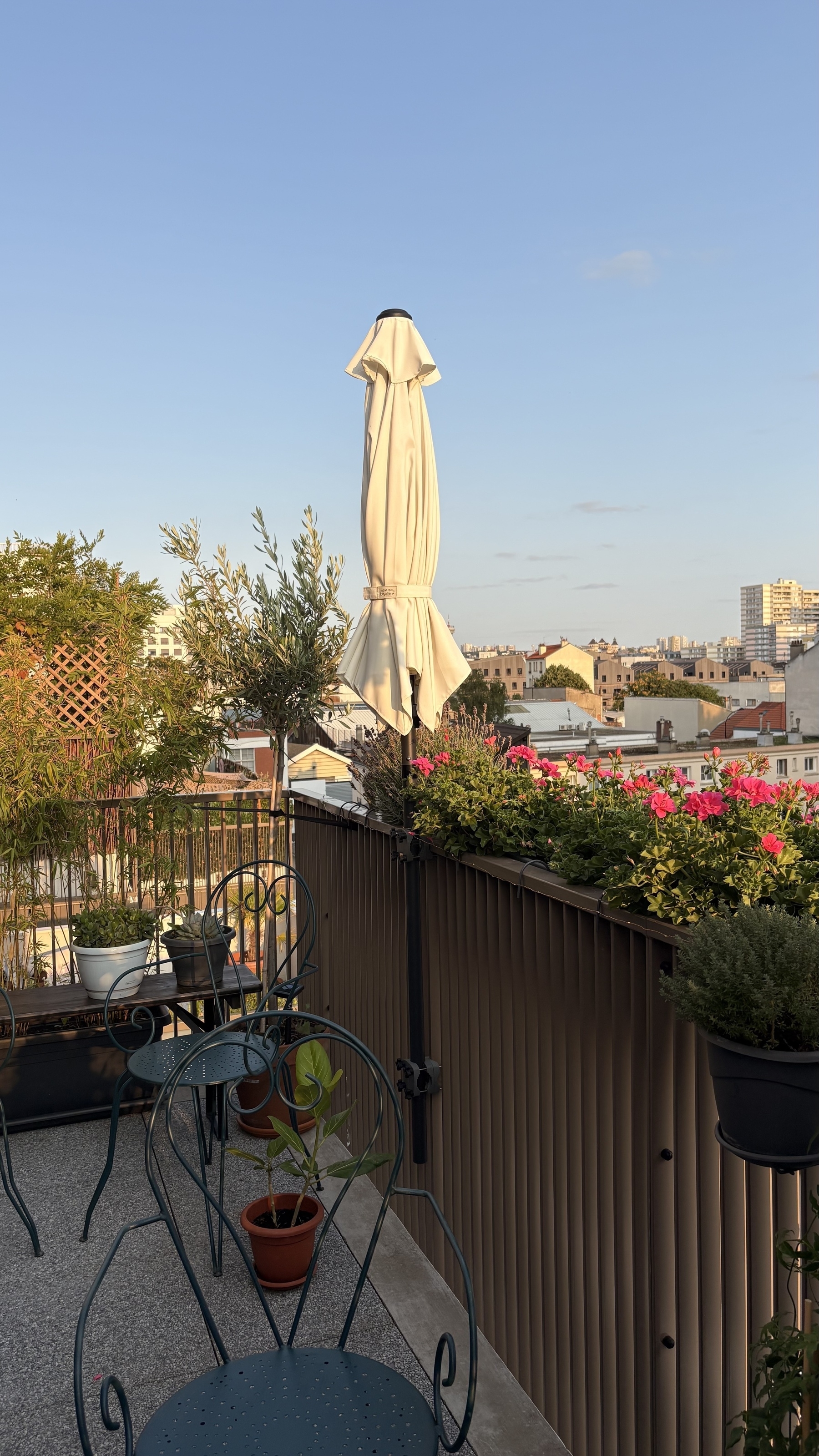
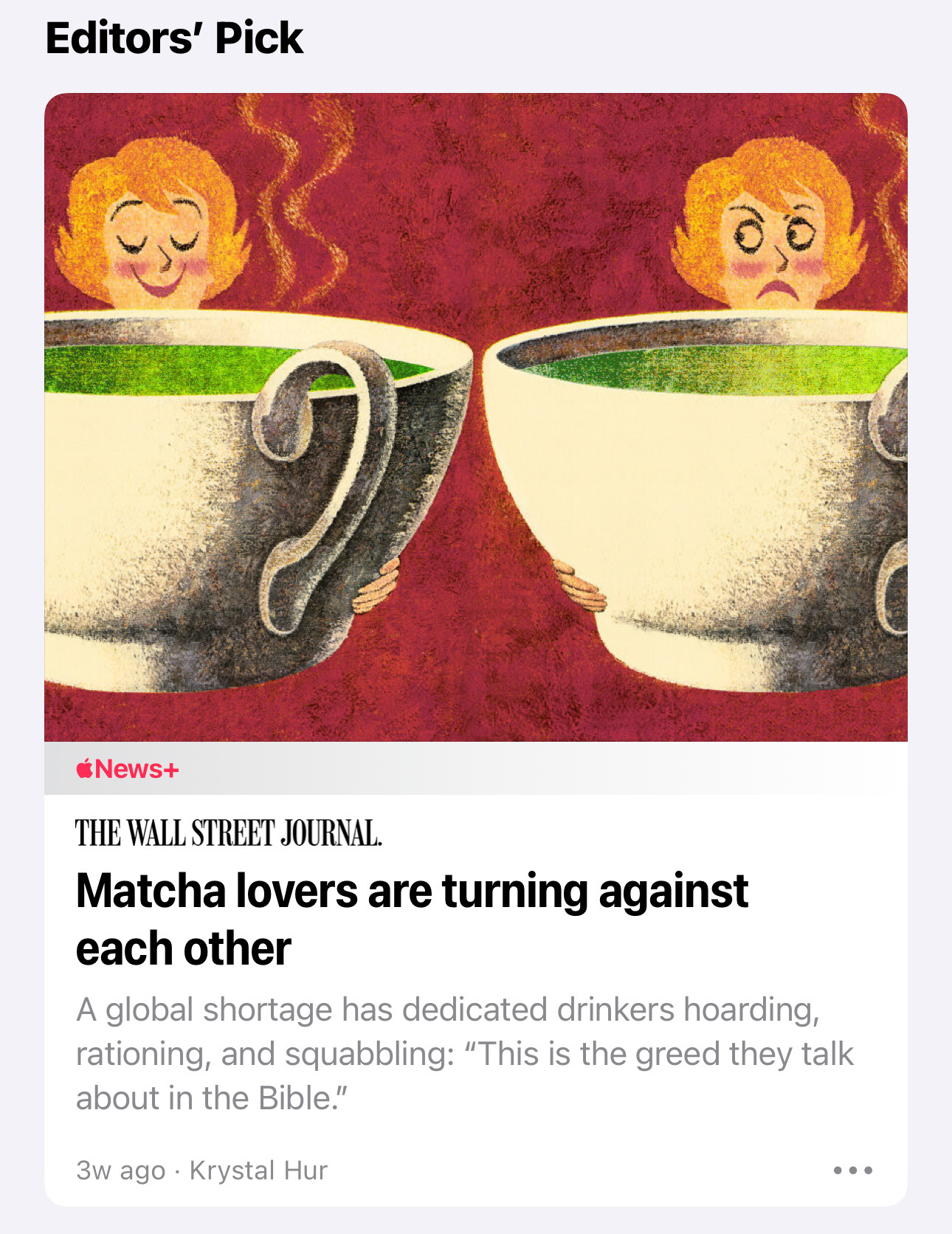
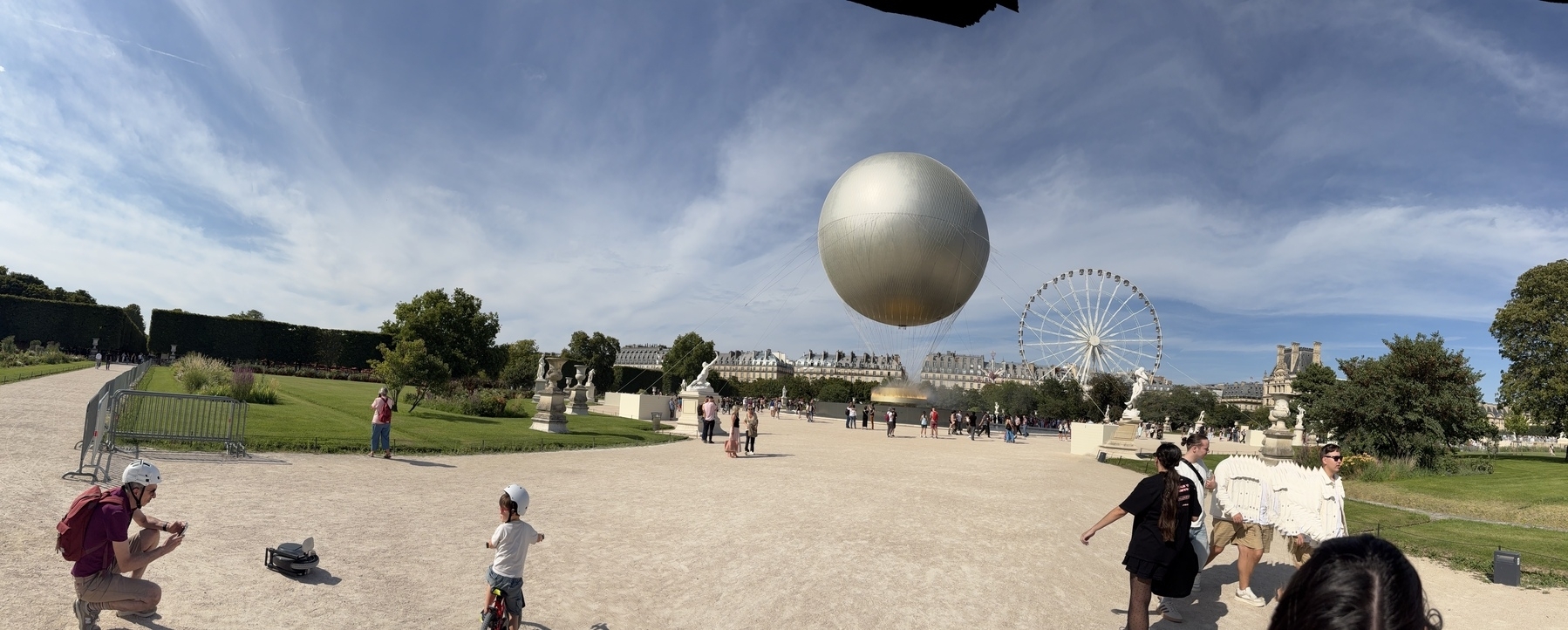
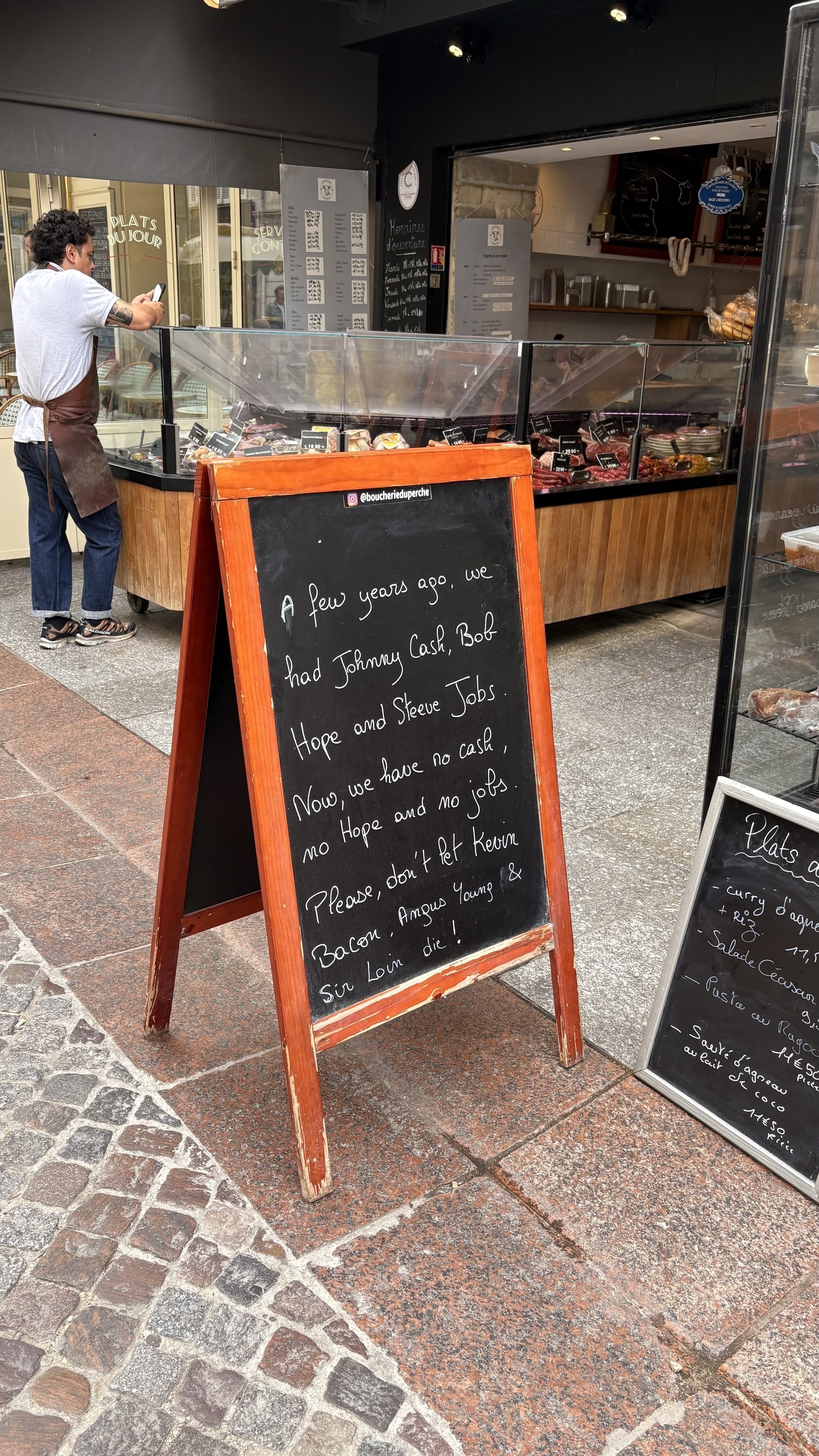
Ah yes the only civil war I’m happy to watch from the sidelines…
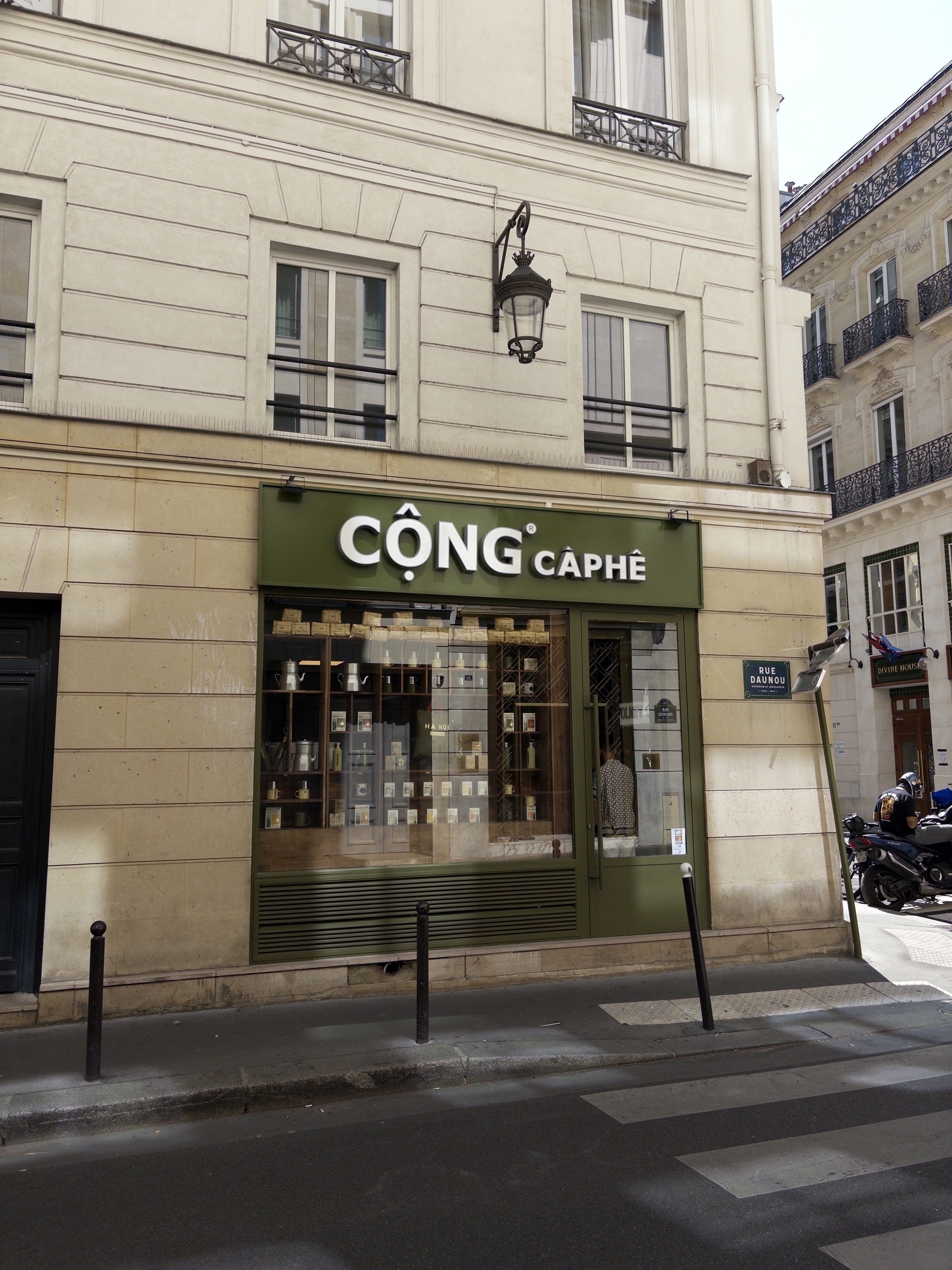
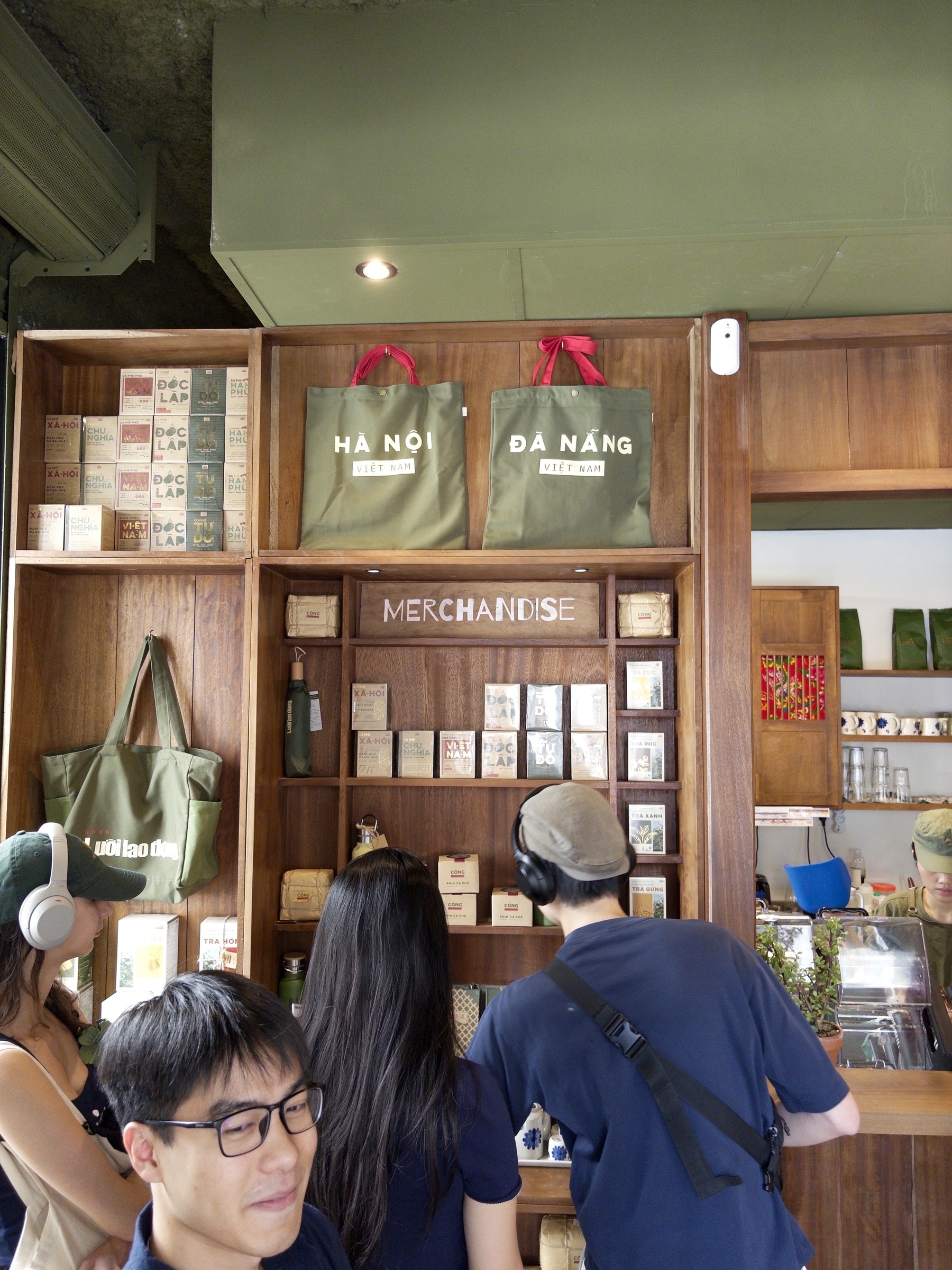
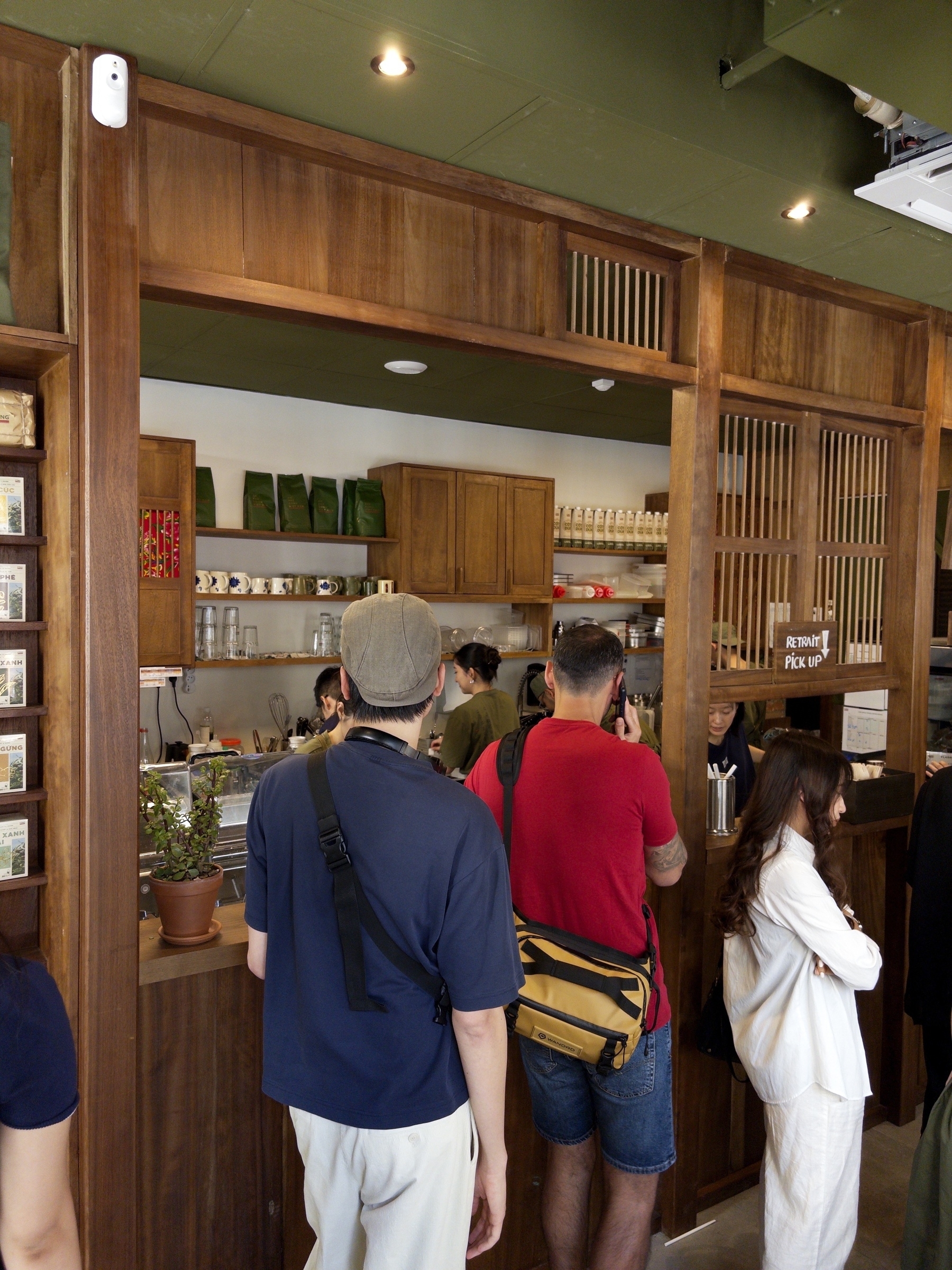
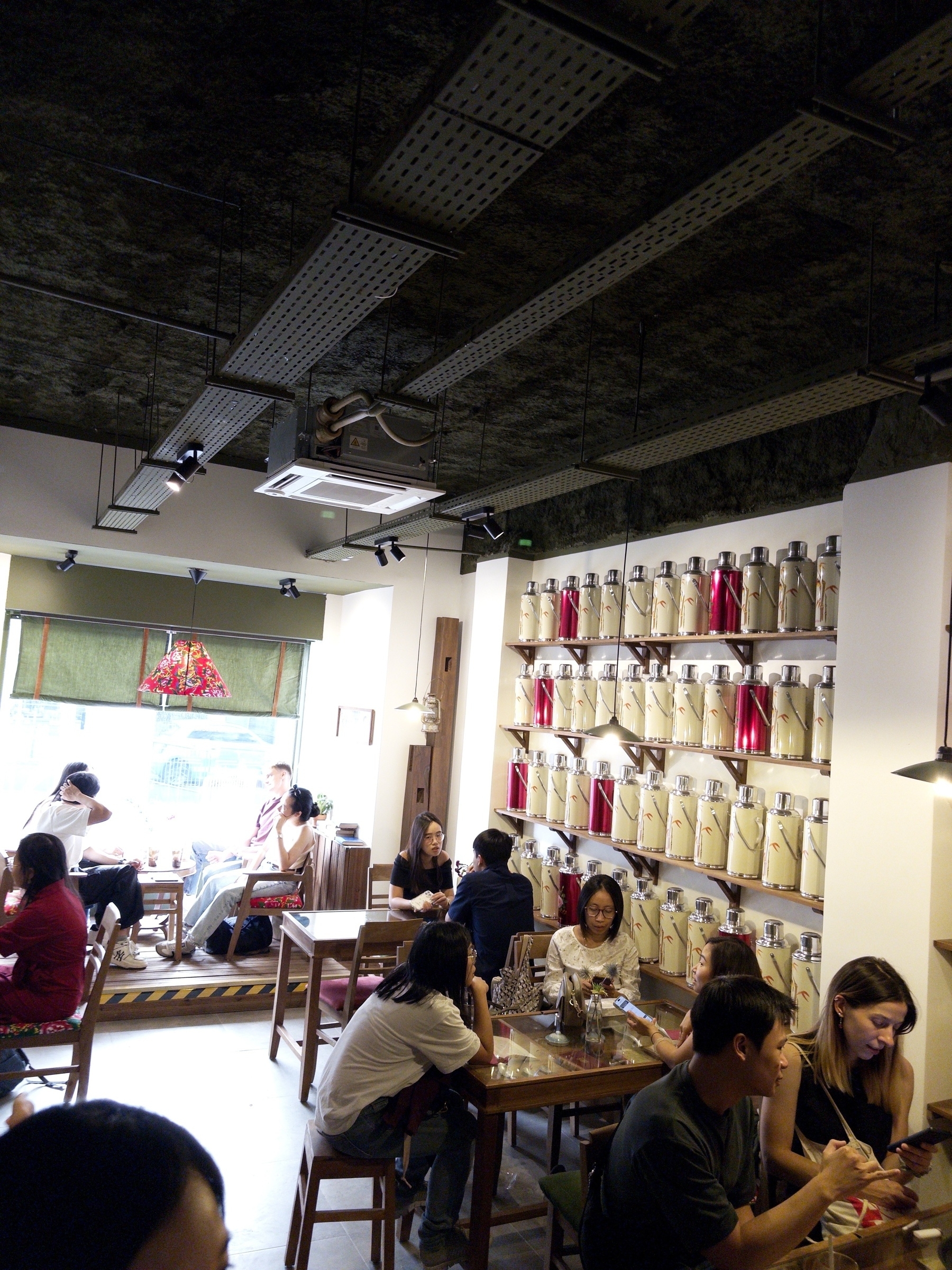
#CongCaPhe #Paris
8/2/25
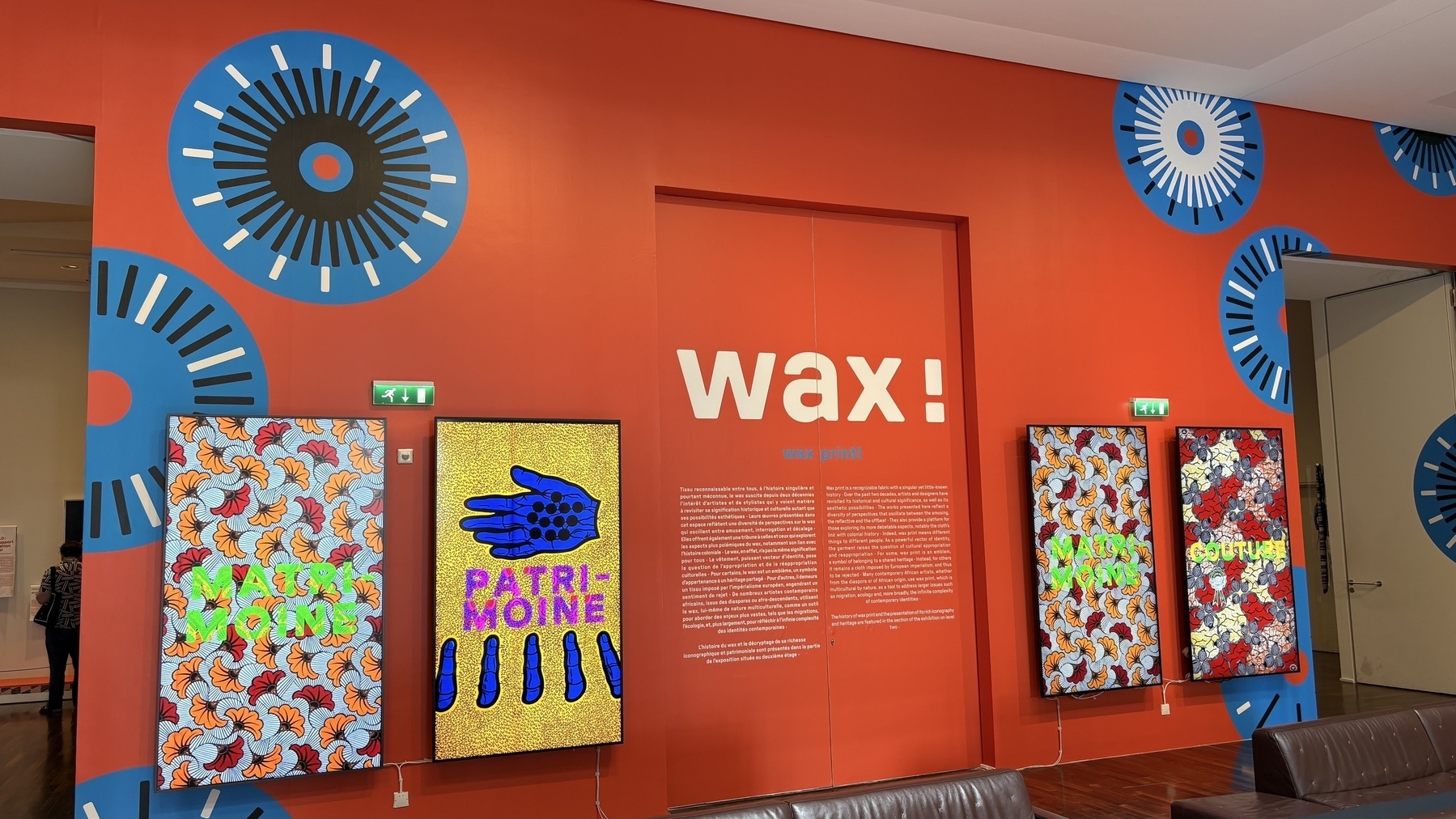
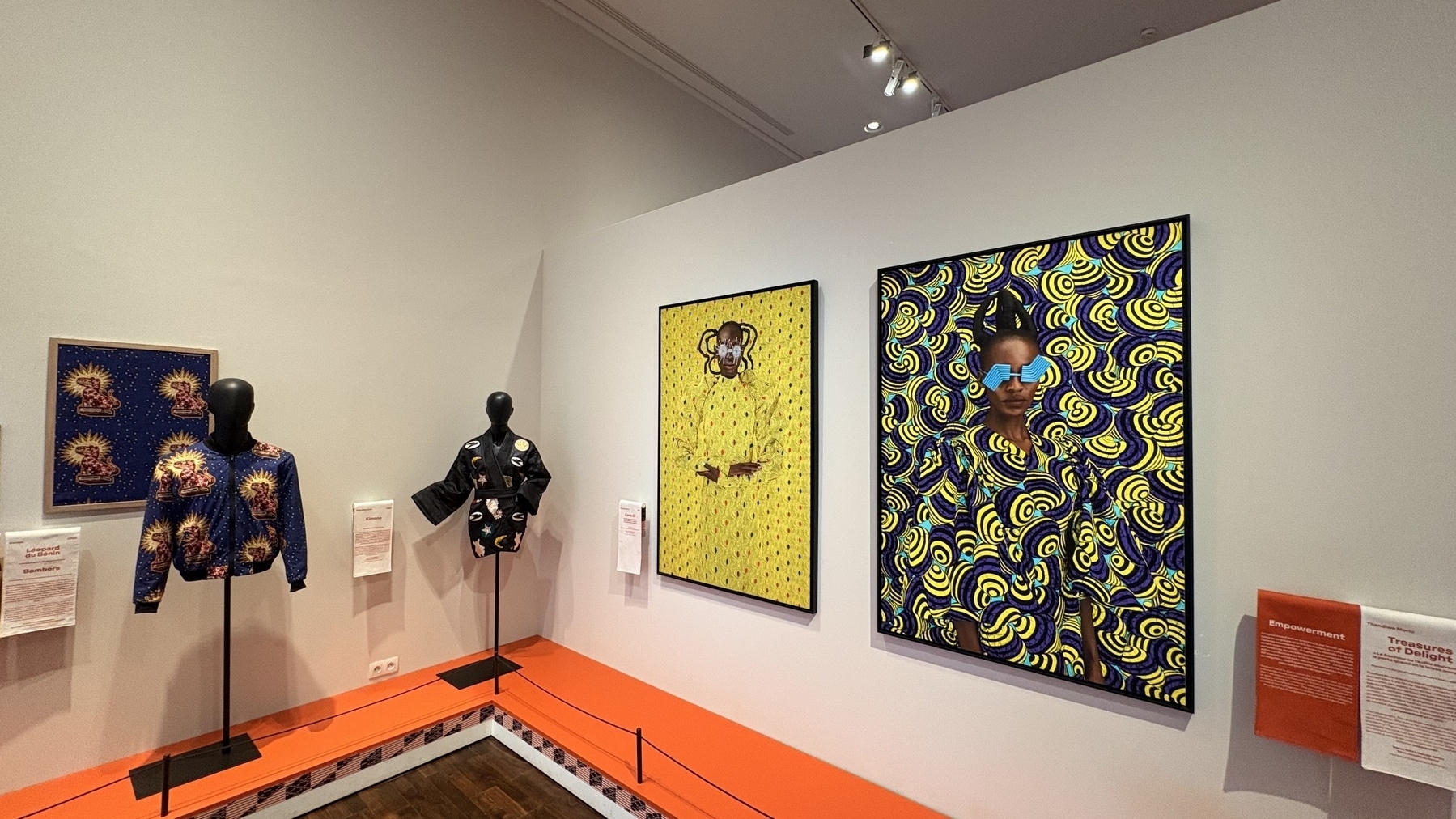
Went out to Musée de L’Homme for the exhibition on Wax Textile, and would highly recommend it to anyone interested in fashion, colonialism, ethnography, culture, and global trade.
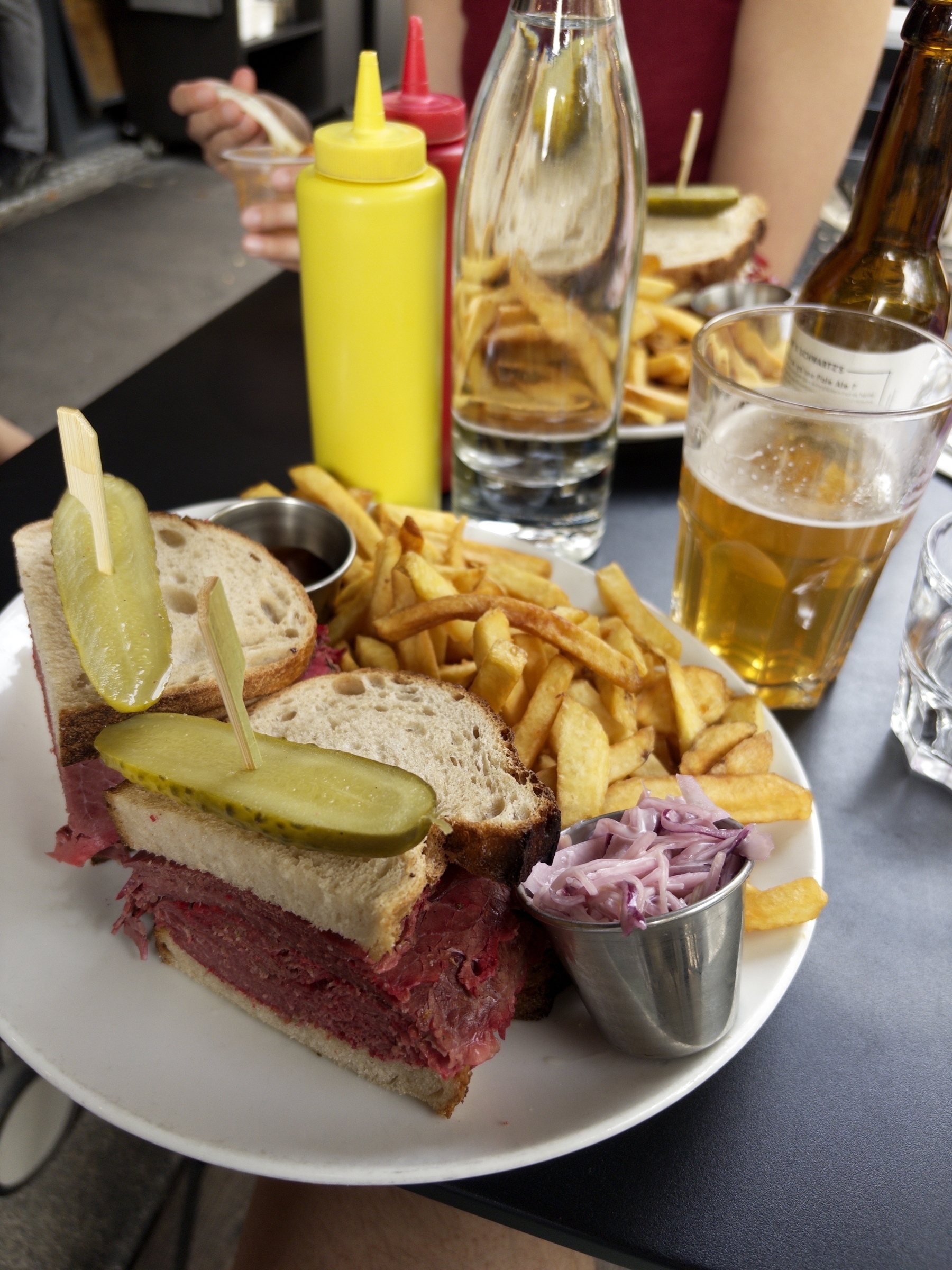
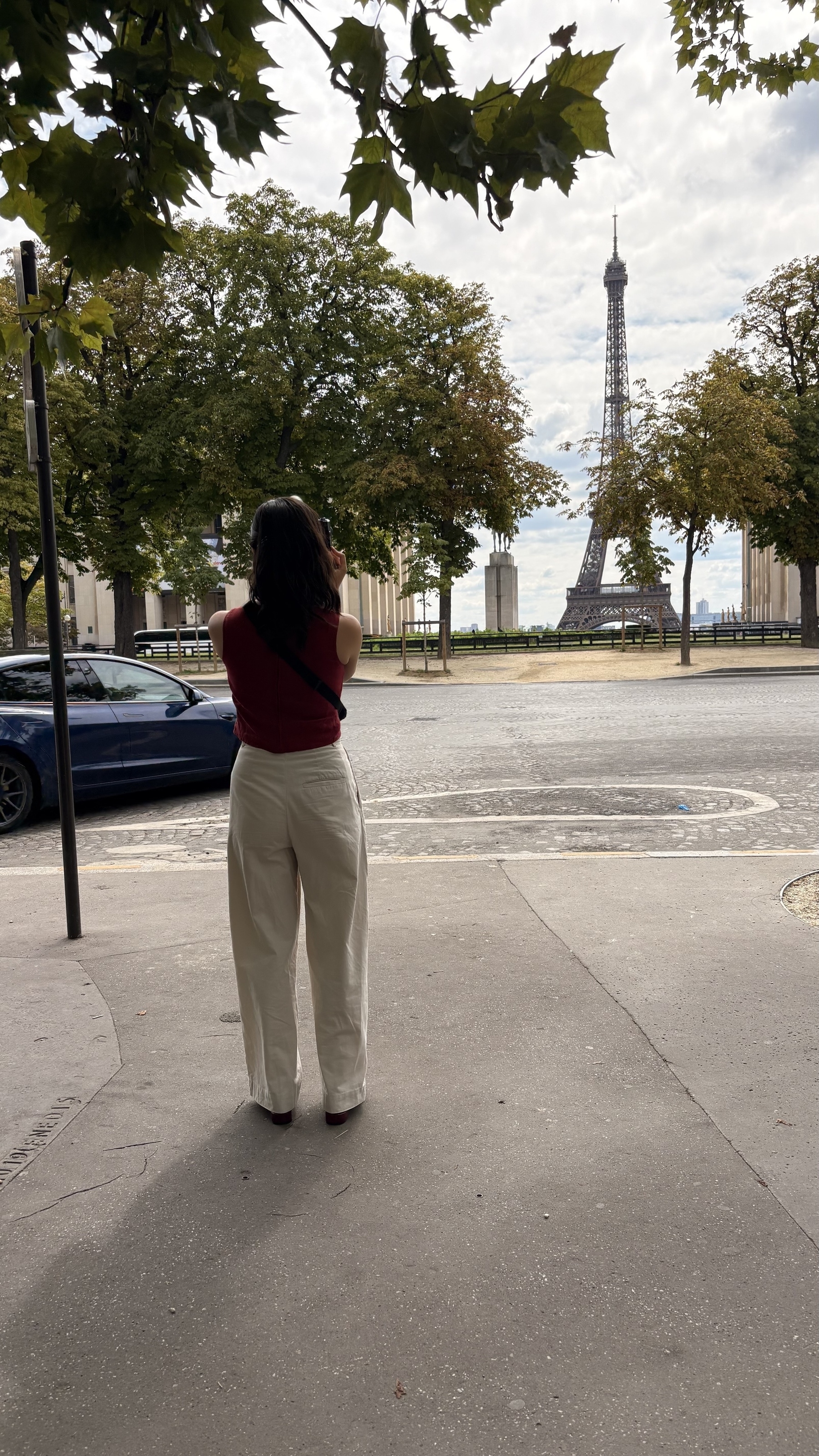
Then had lunch at Schwartz’s Deli before enjoying the sight, and spending time with some of our friends living close to the Eiffel Tower on Rive Droite.

8/1/25
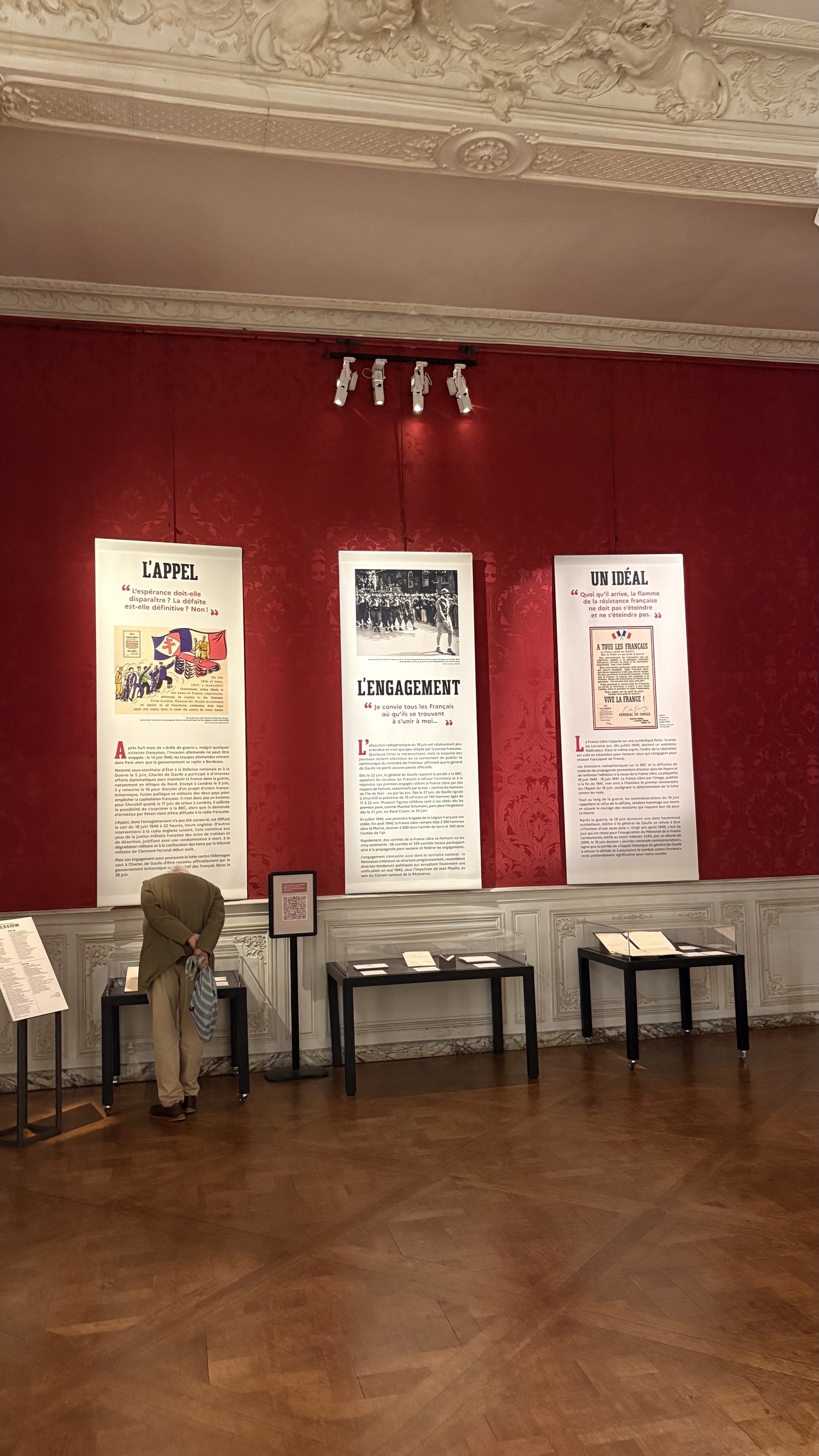
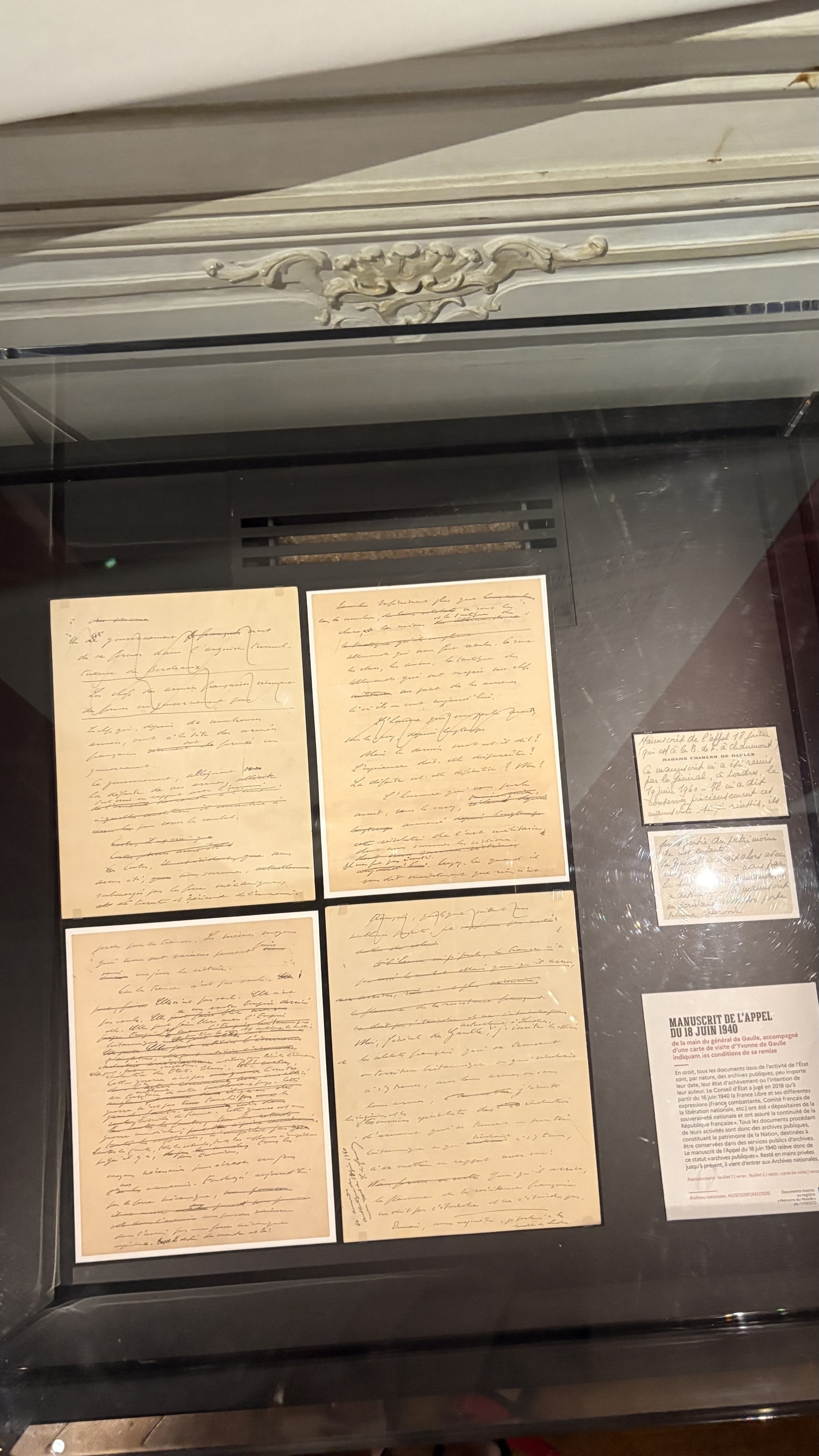
Including delicious cookies and affogatos from Crème and a visit to the National Archives and seeing the official handwritten “Appeal of June 18th” from General Charles De Gaulle, which he broadcast on the BBC from London while in exile, on June 18th 1940, trying to inspire the French to resist their invaders.
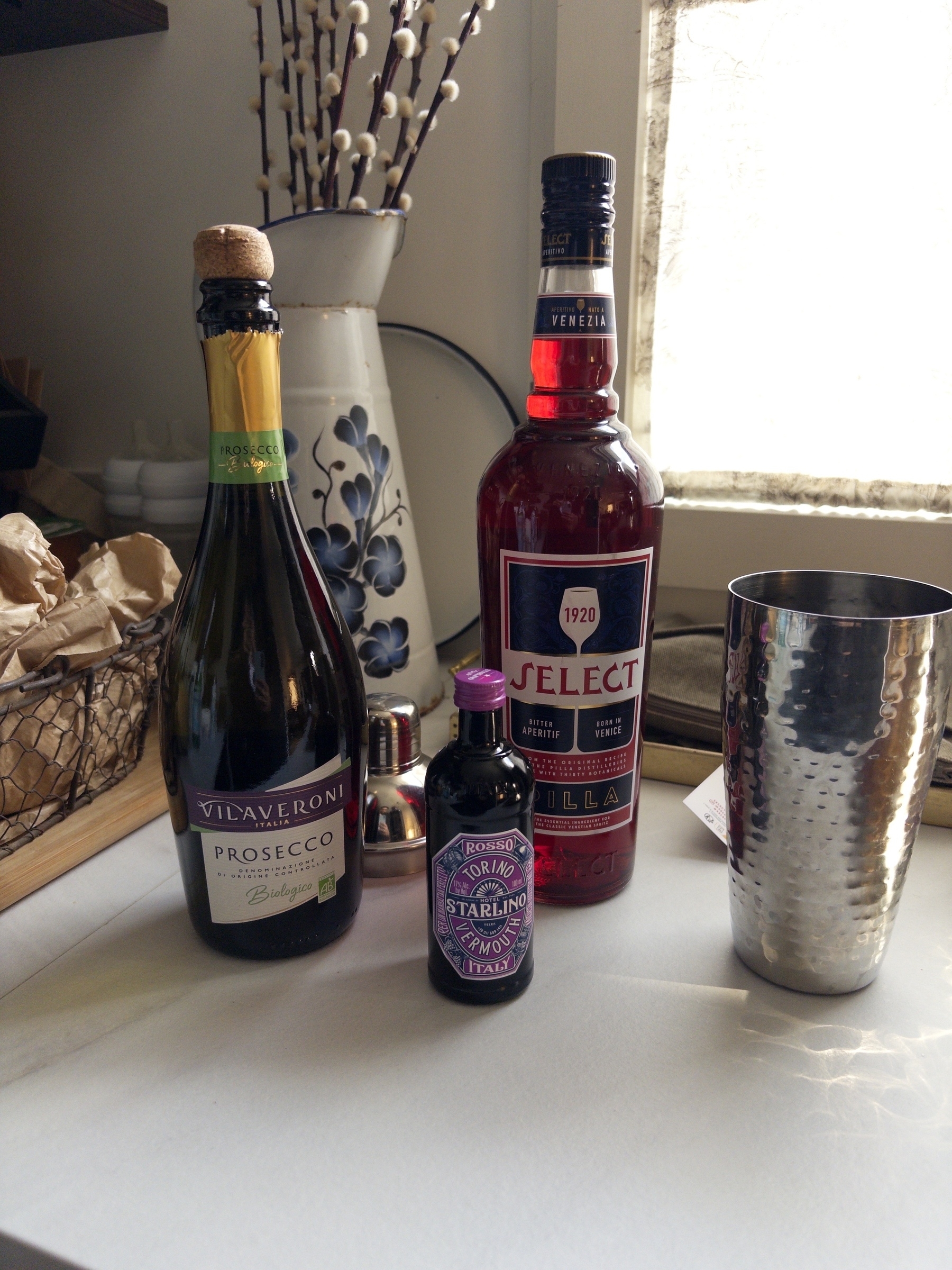
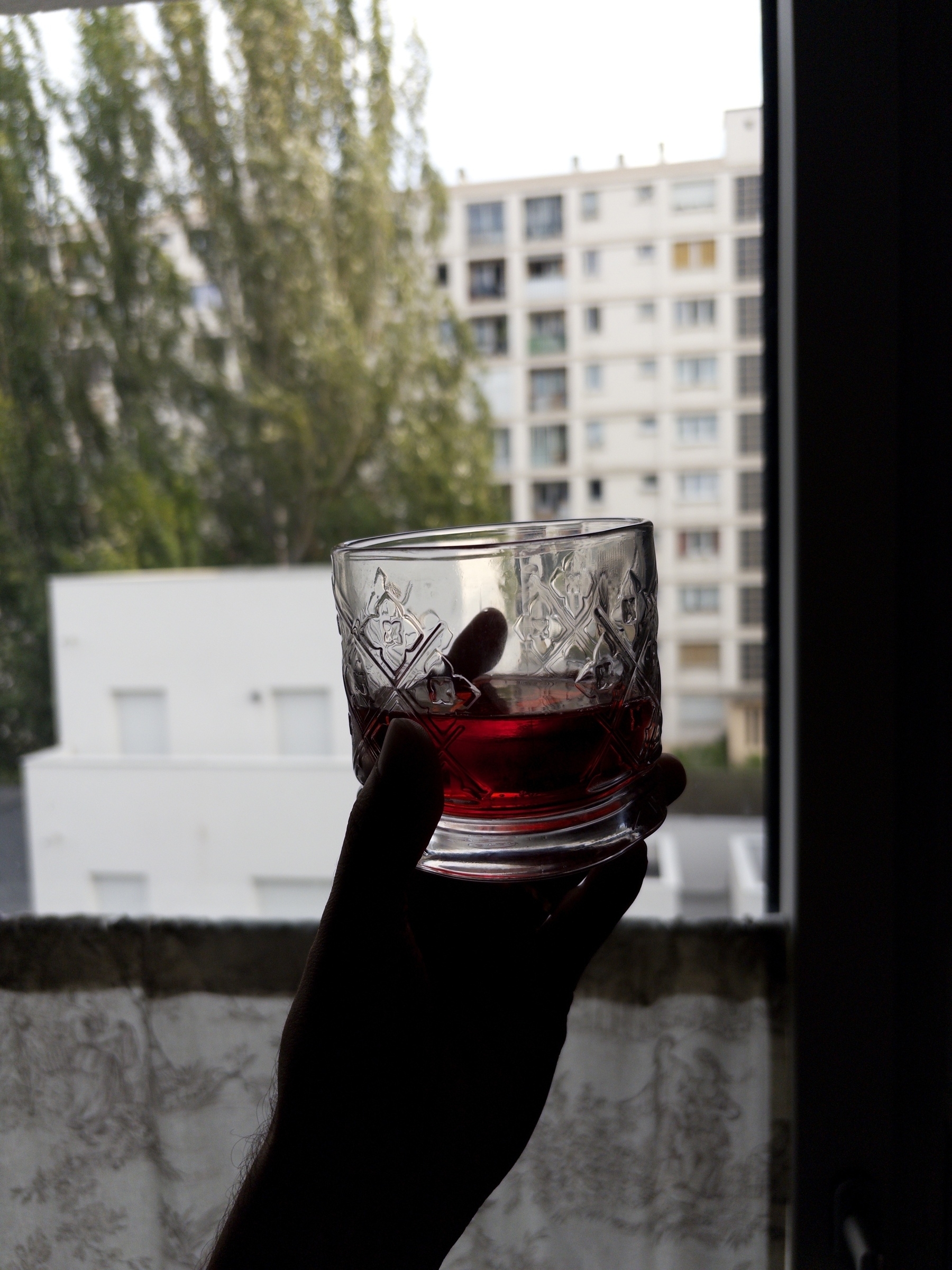
Also: Happy International Spritz Day! Grateful that we have a lovely big Eataly here in Paris 🇮🇹
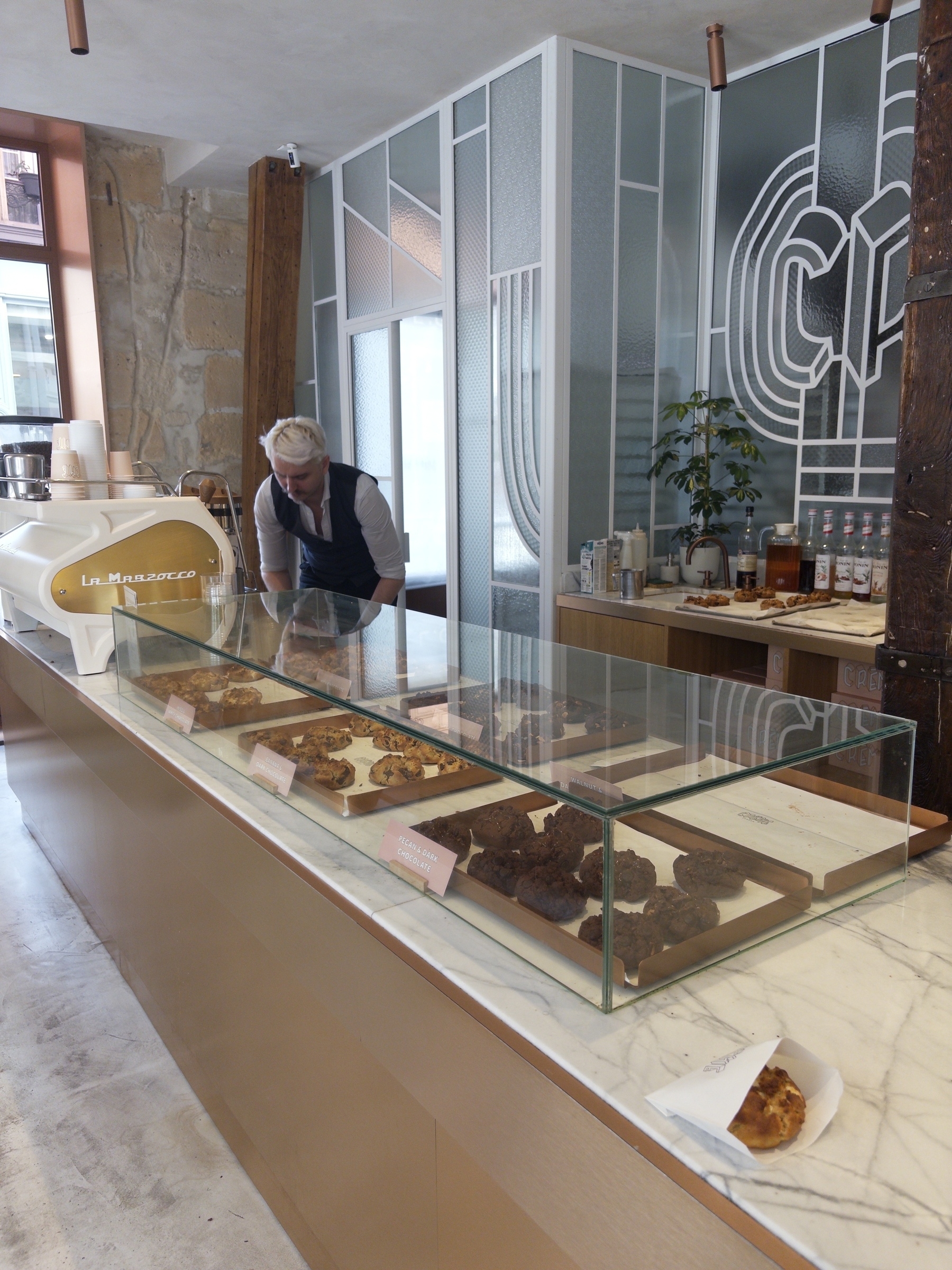
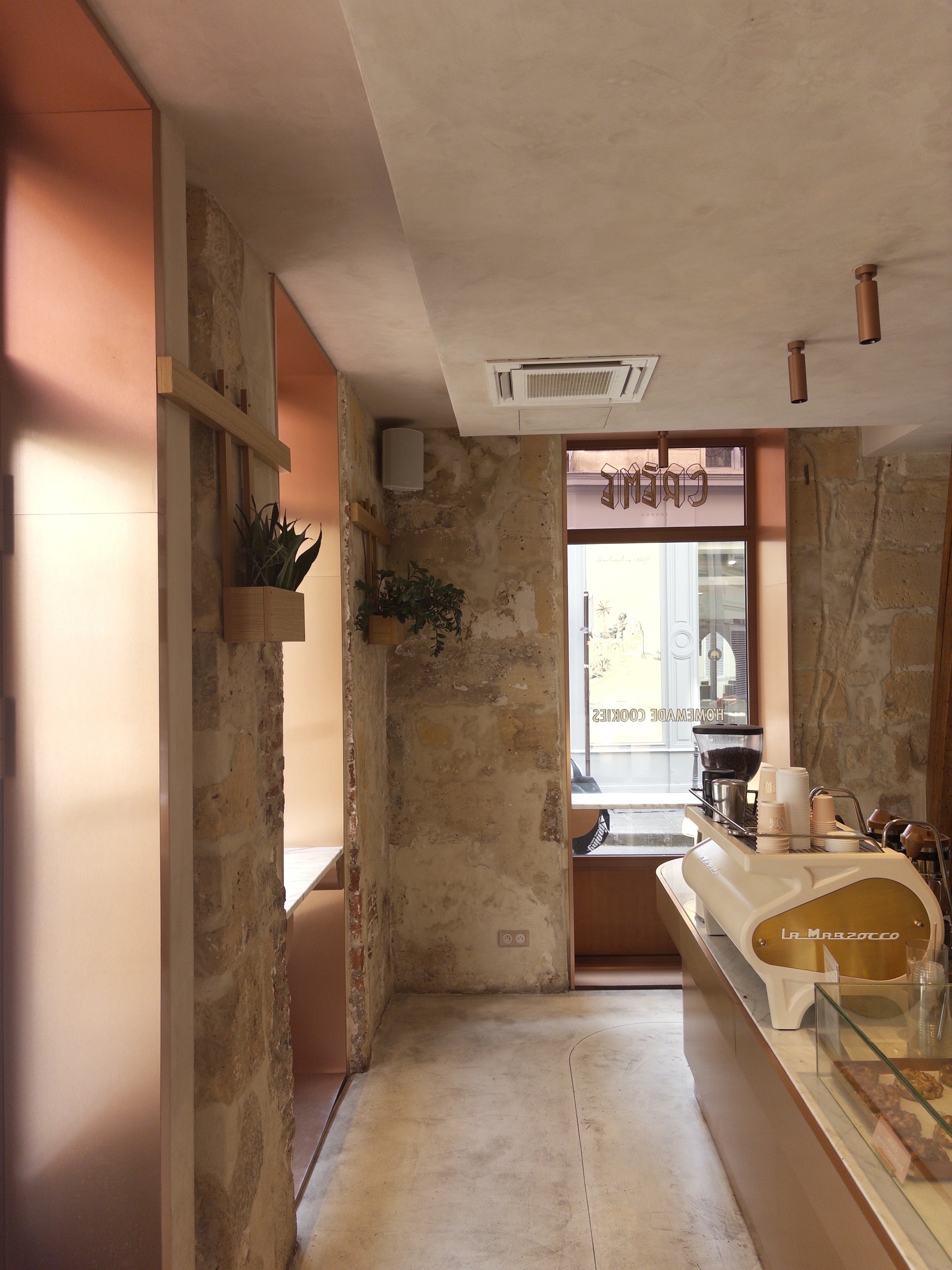
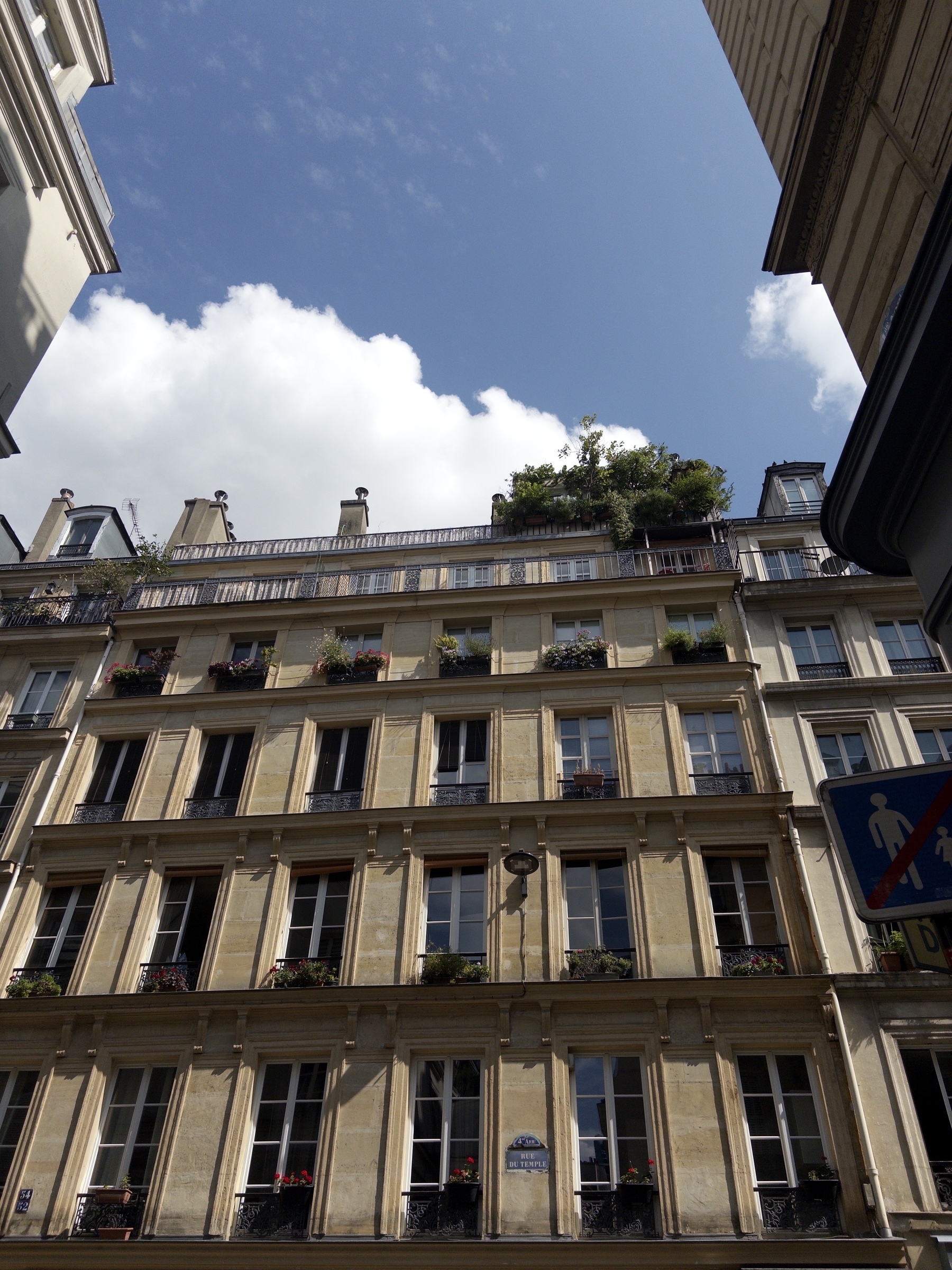
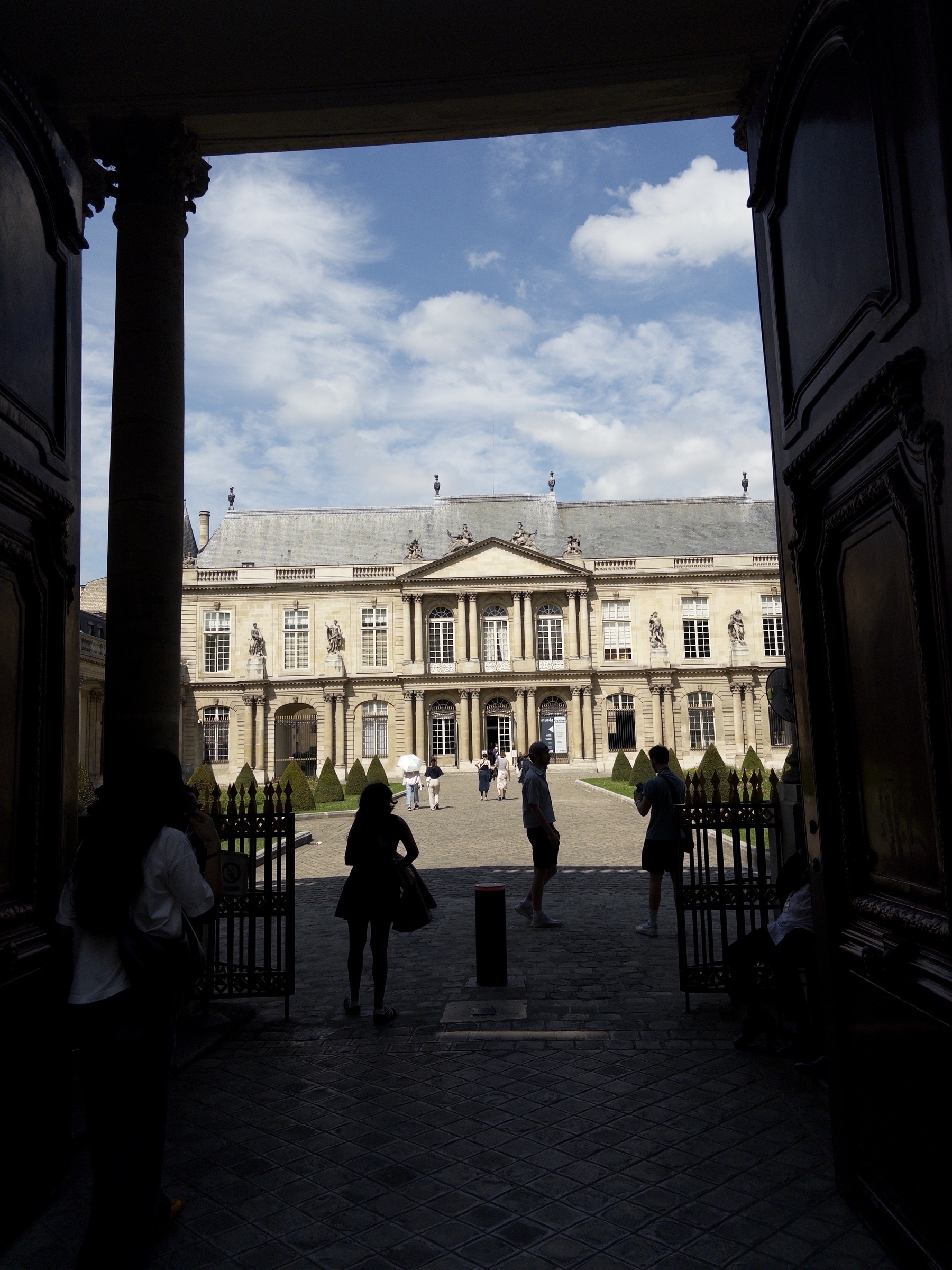



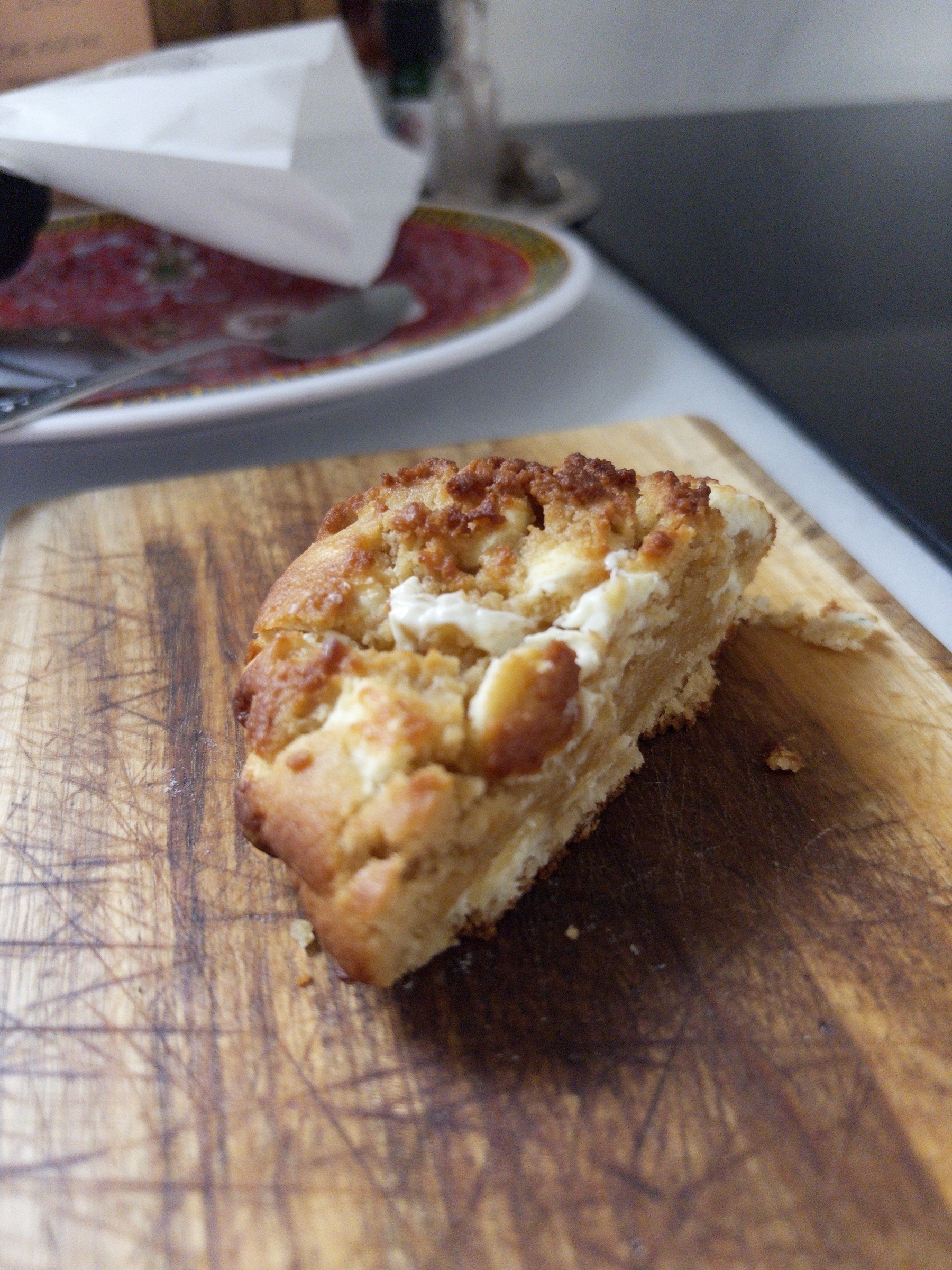
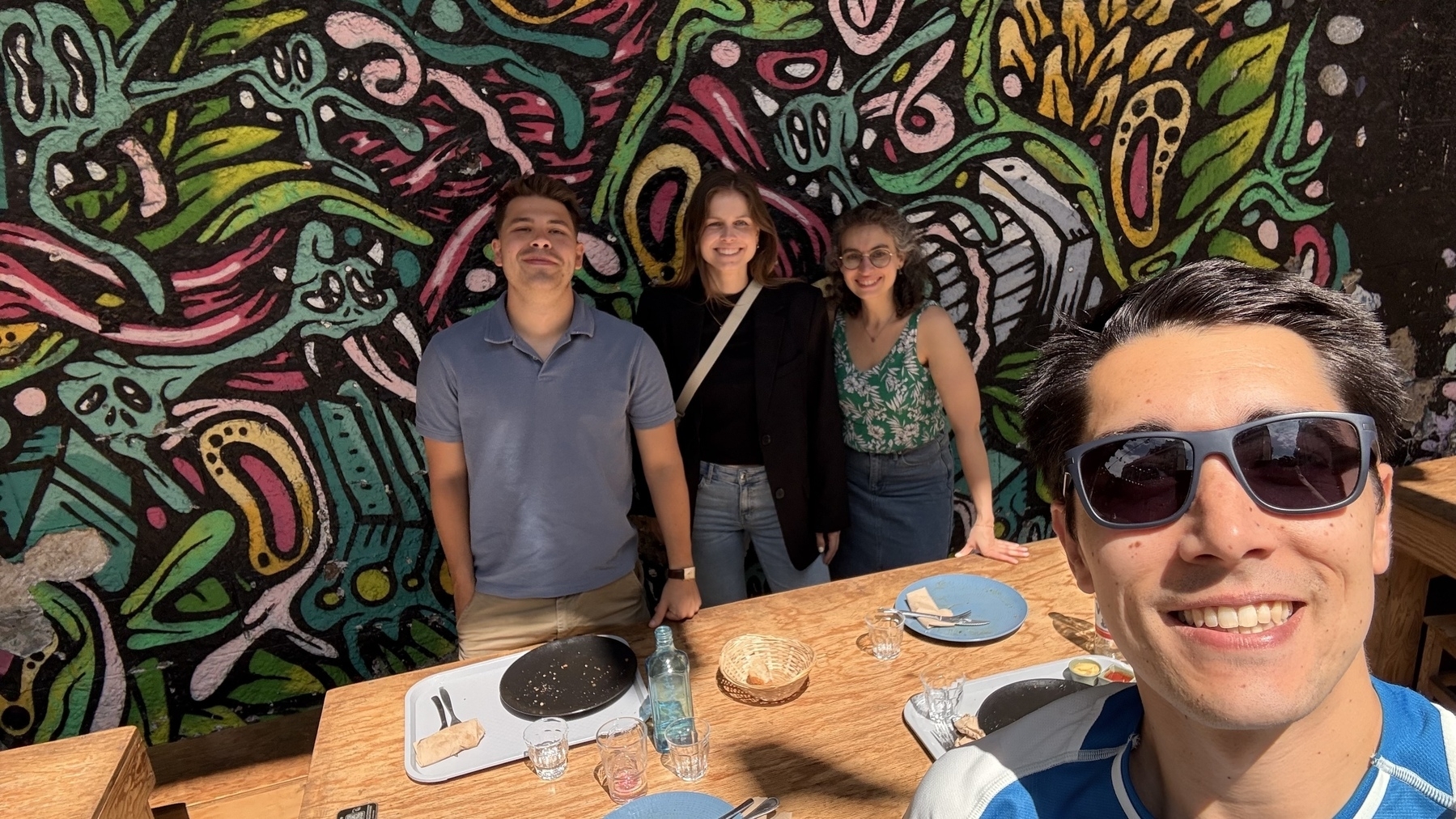
Work lunches with visiting coworkers 😊
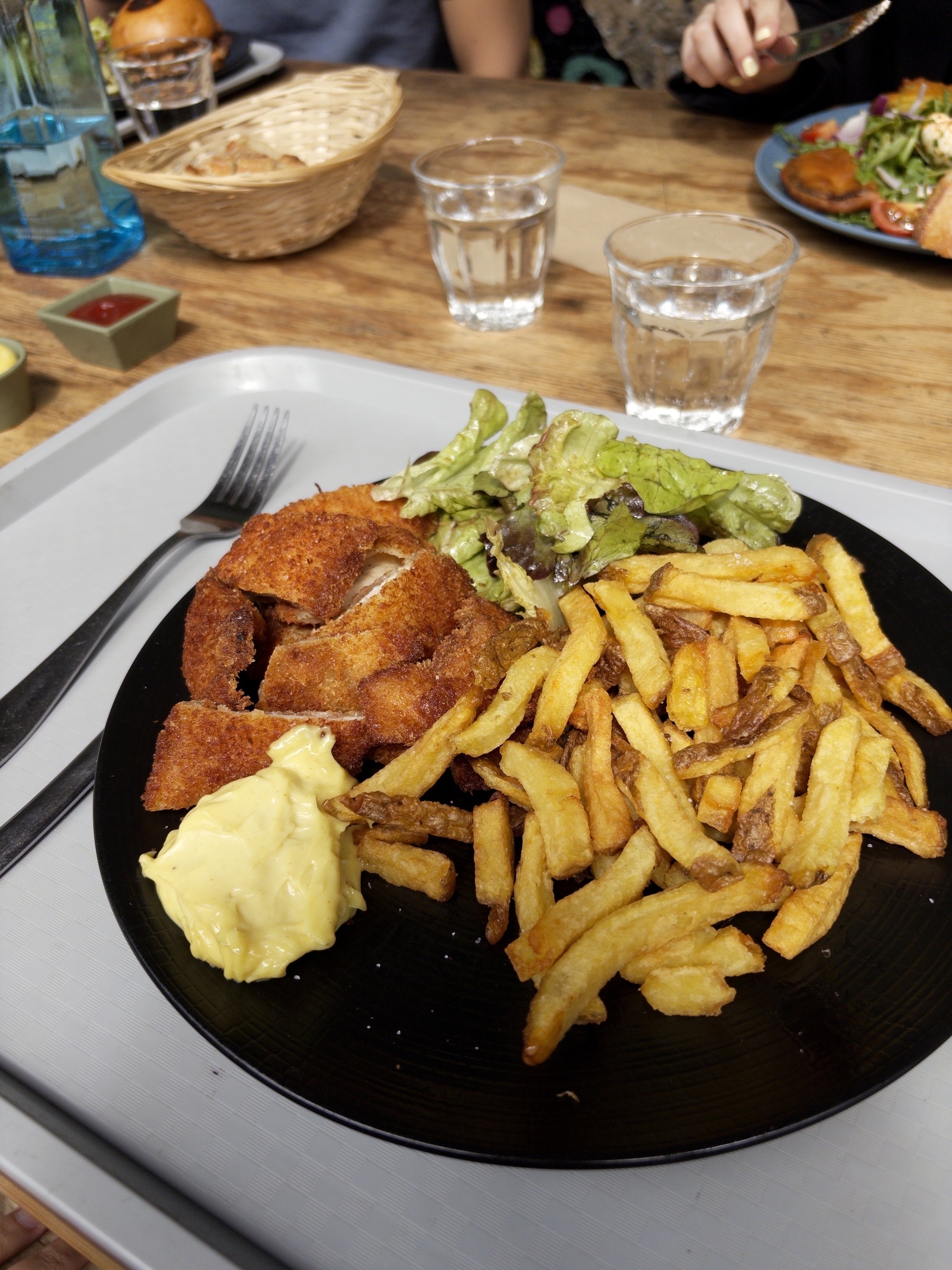
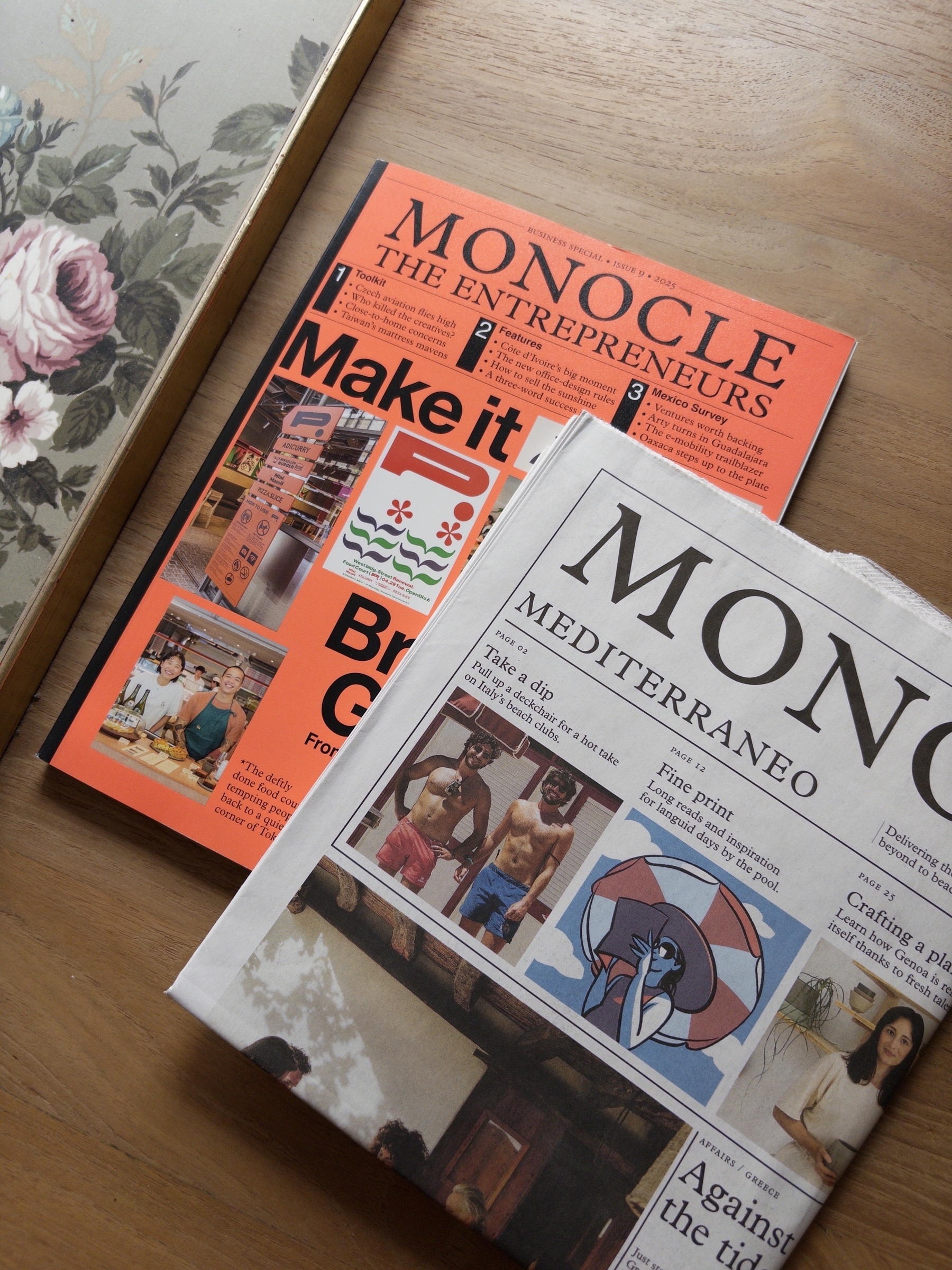
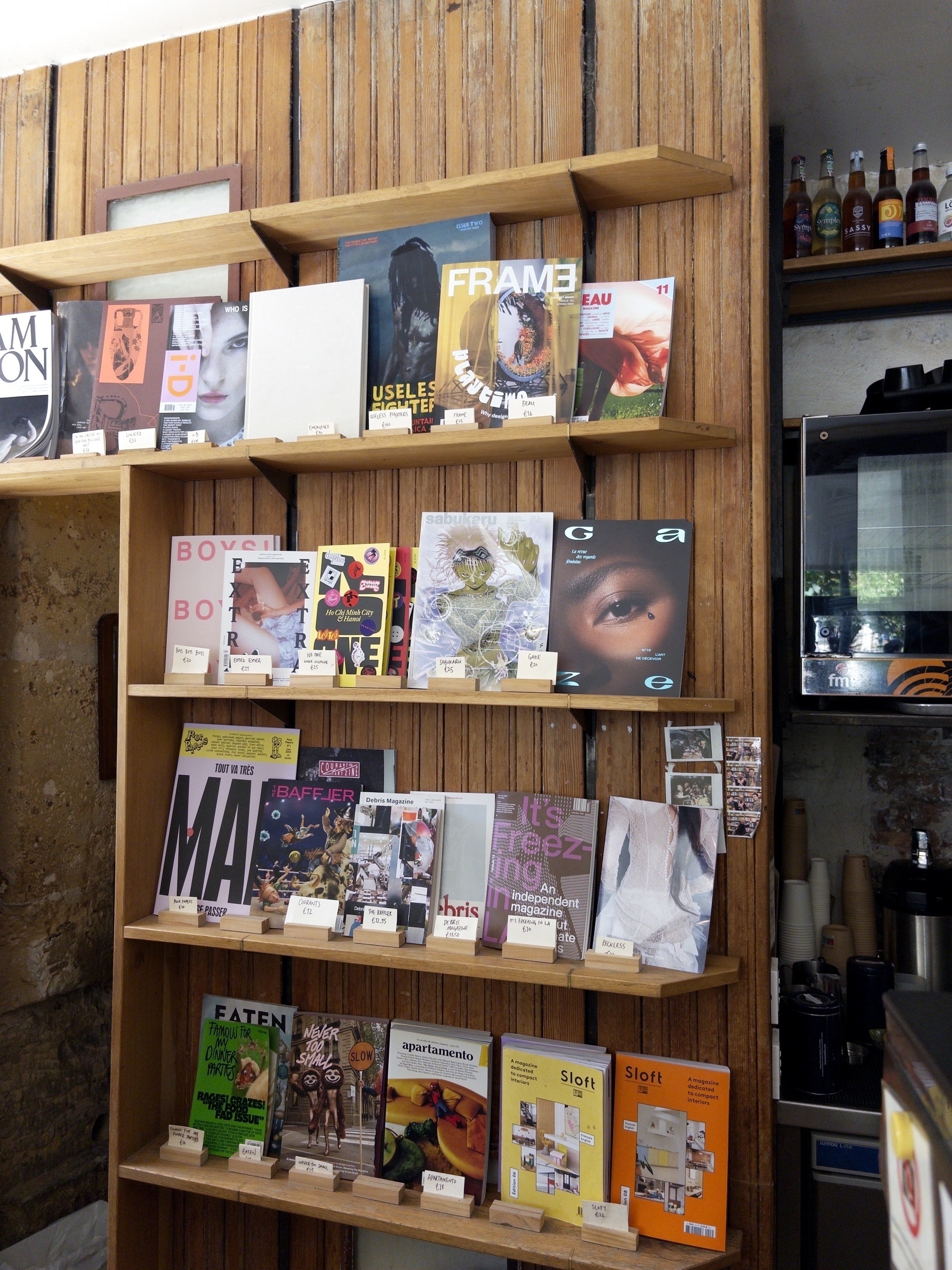
Mail day 📚 🗞️ 📰 🥃
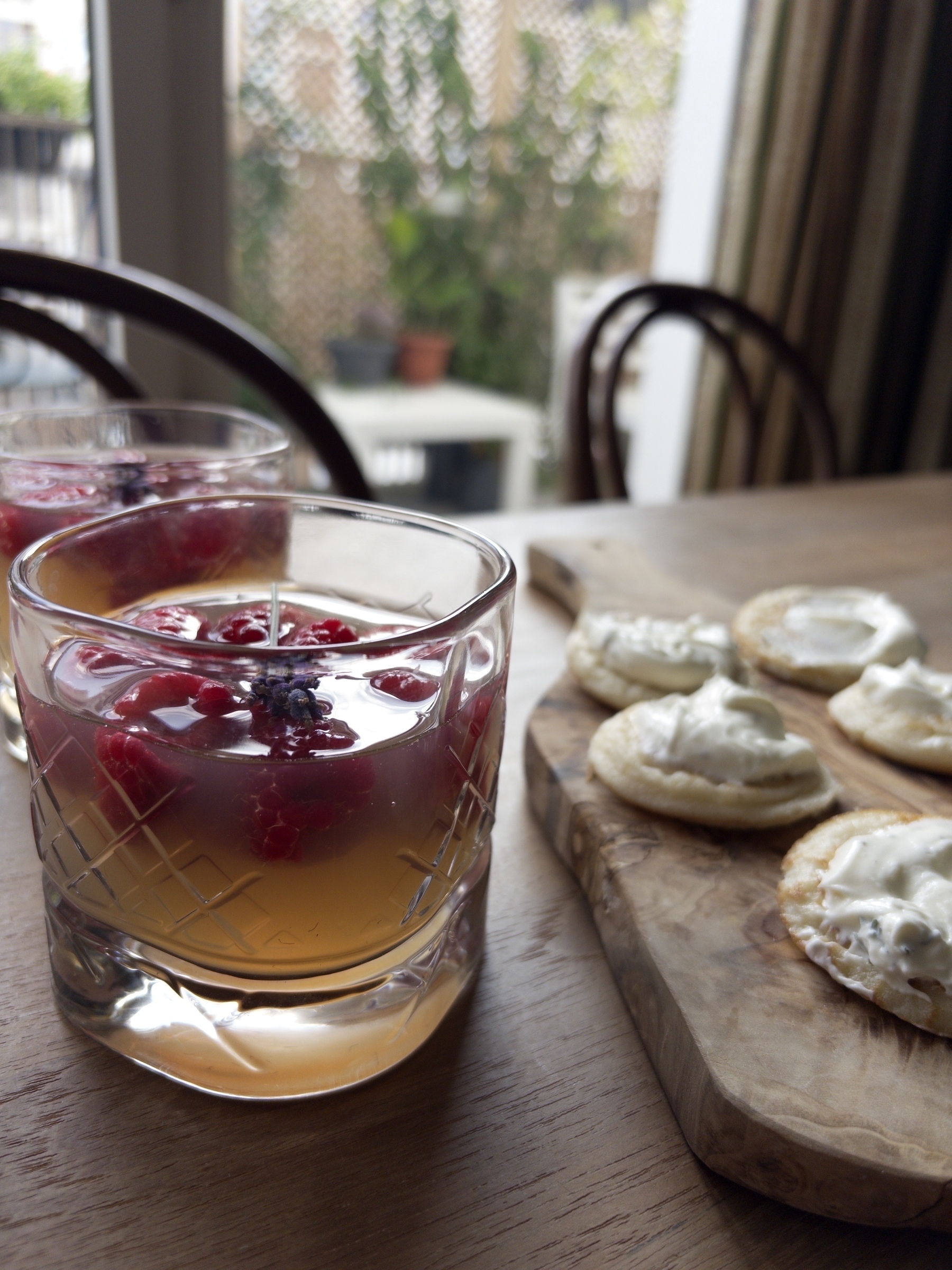
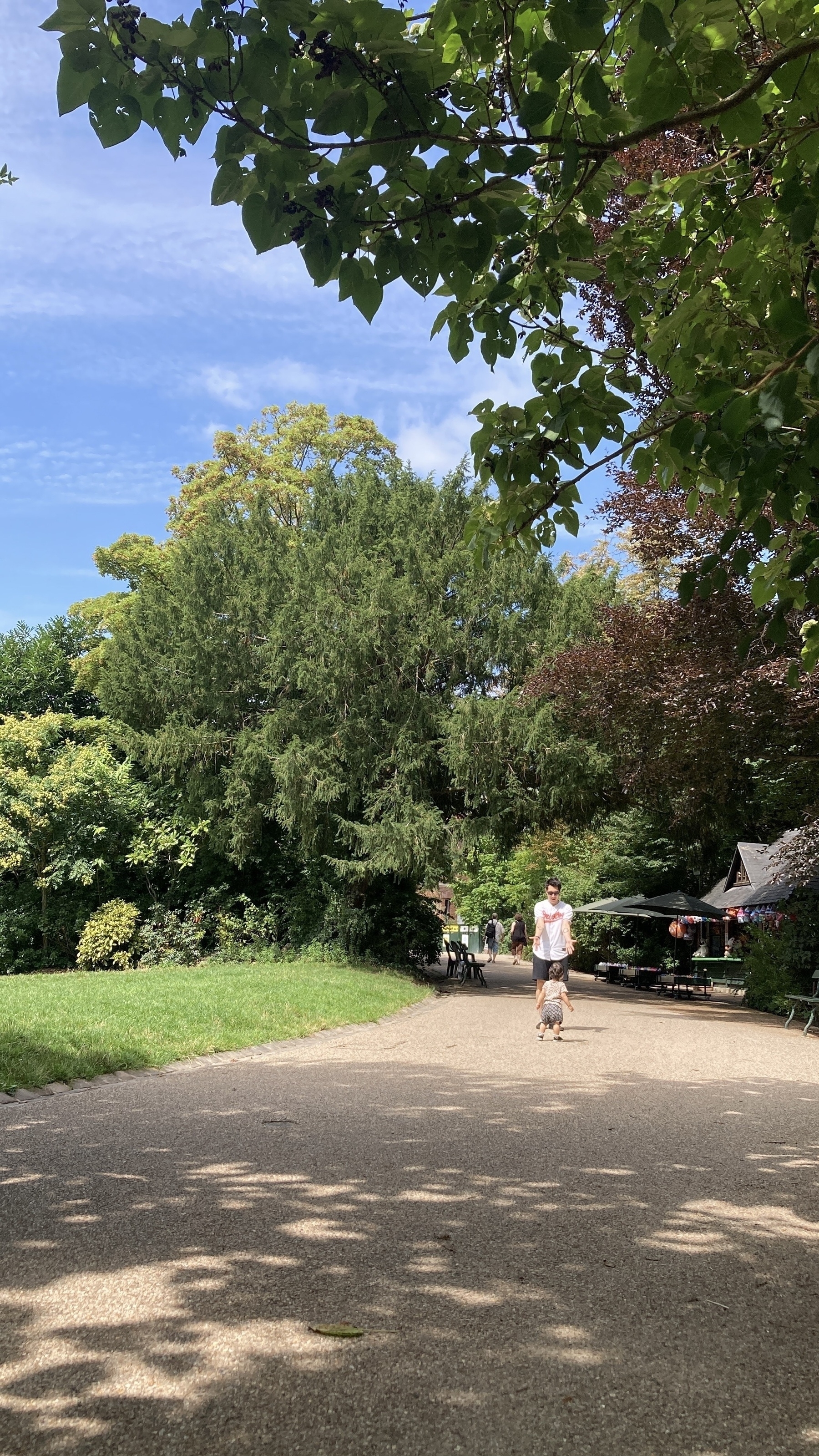
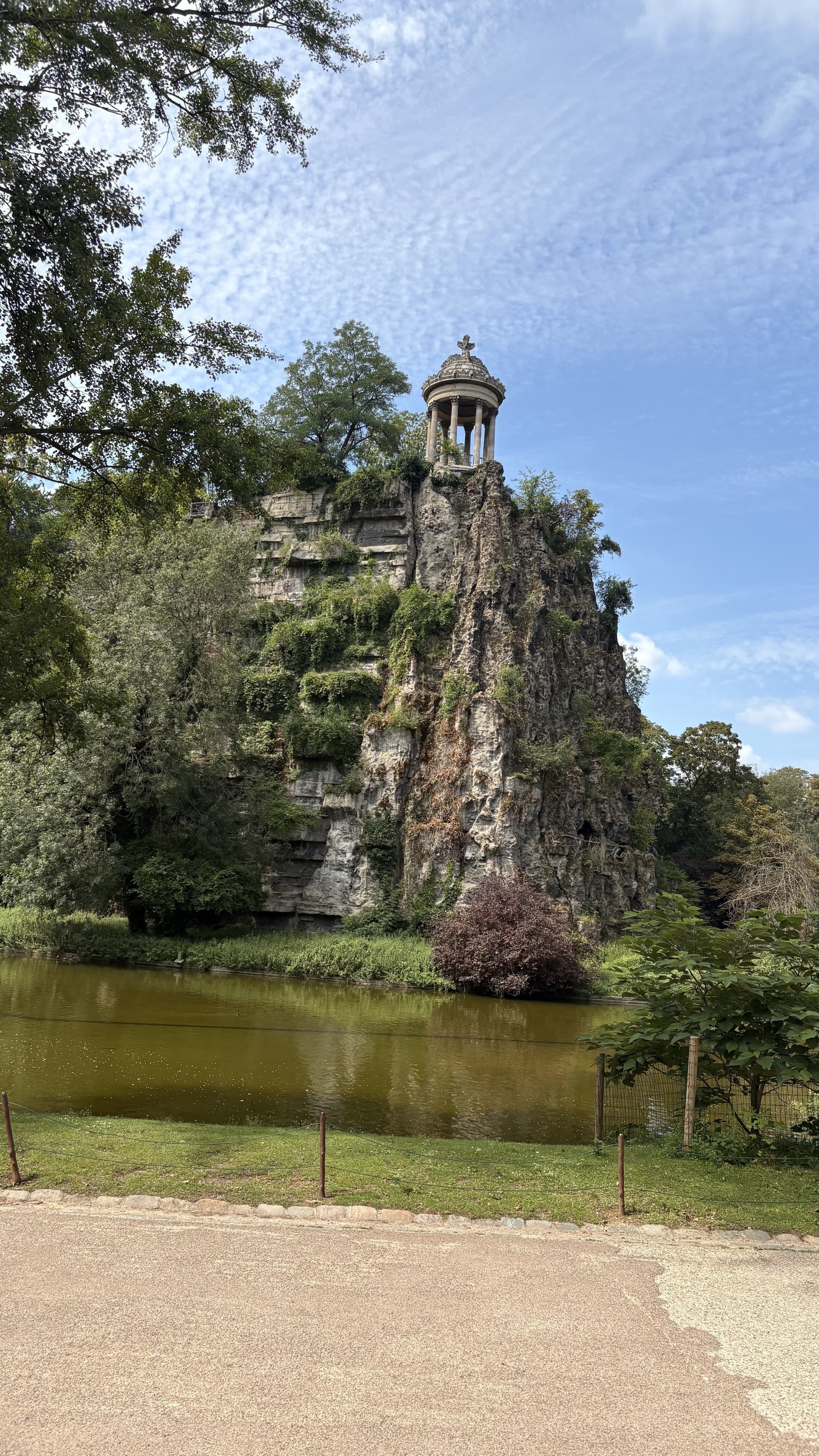
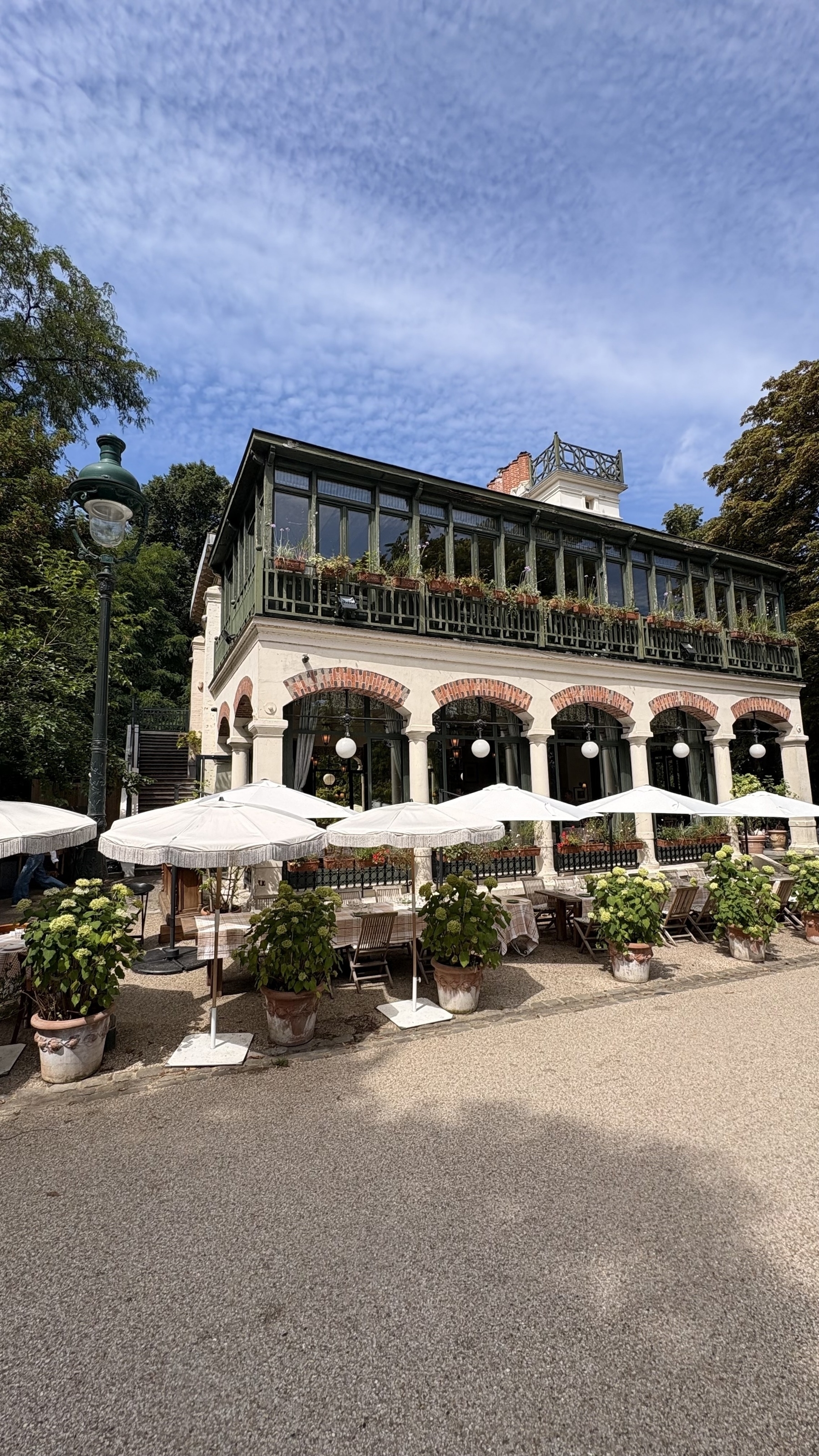
Family weekend fun at the Buttes Chaumont
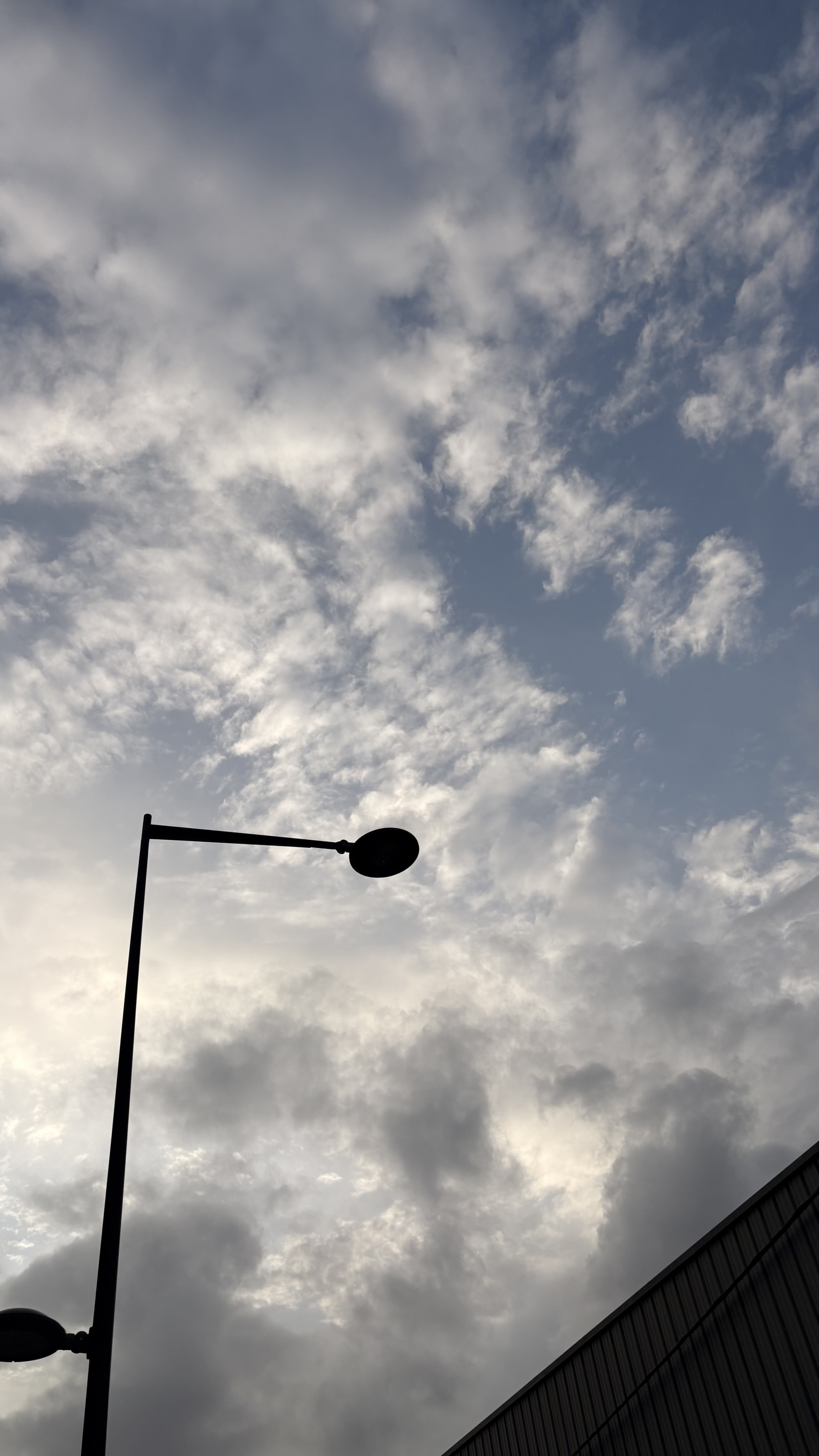
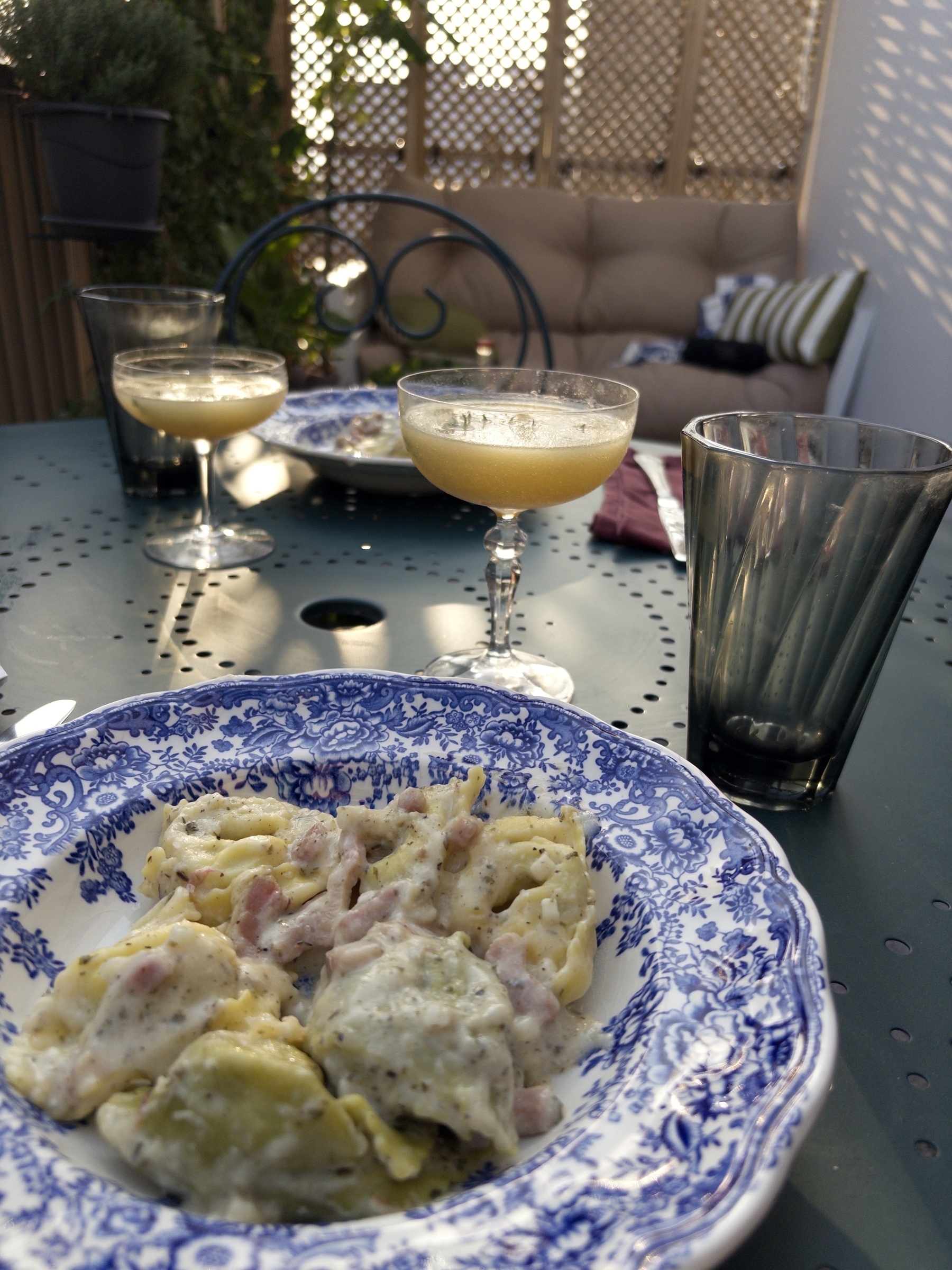

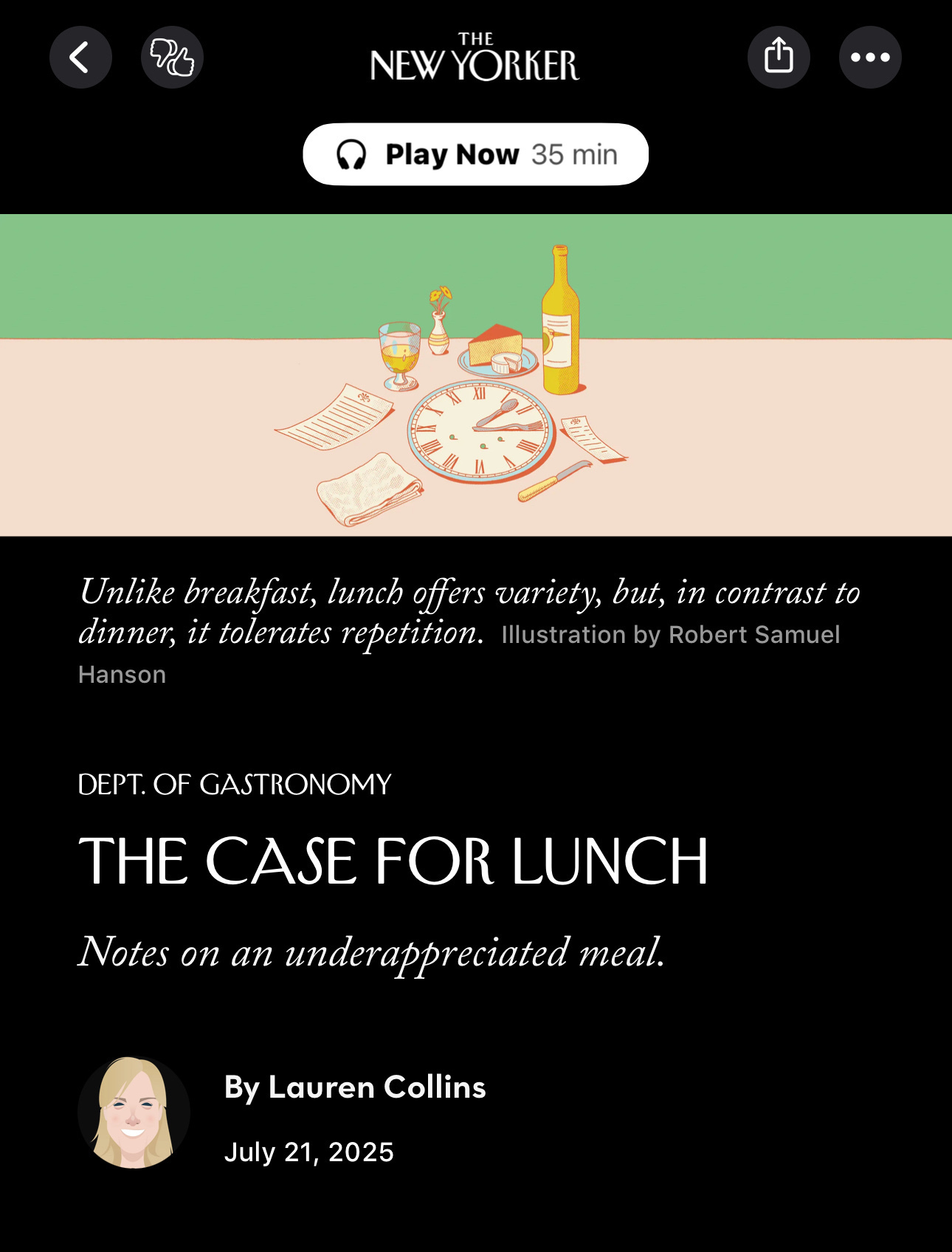
Lunch is the Thanksgiving of meals, neither underwhelming nor extra luxurious, adapting easily to various contingencies and configurations. It is what you make of it.
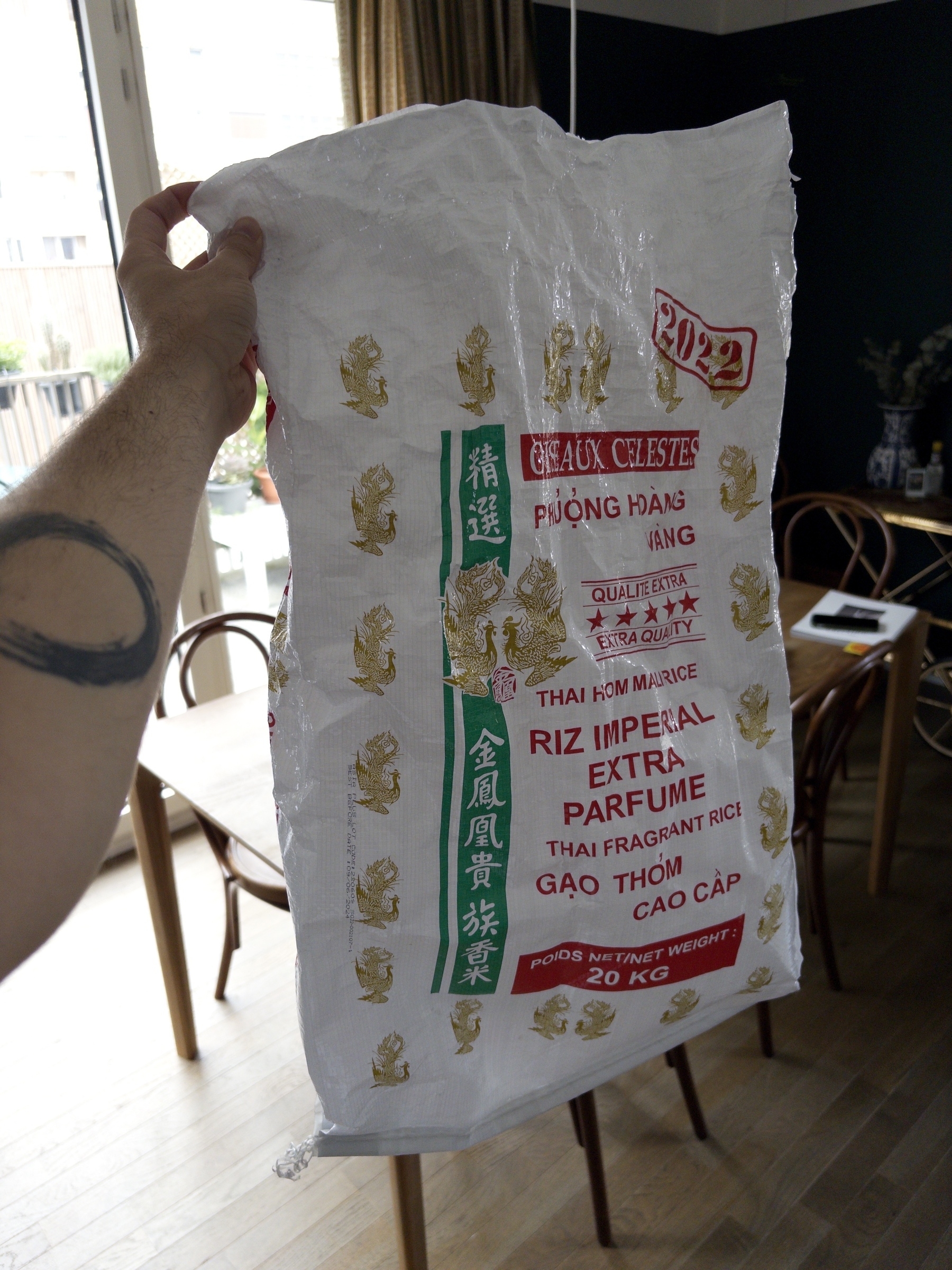
2022-2025 RIP 🪦 👼 🌾 🍚
Solo for lunch today and had to run an errand so stopped by my local café for a delicious lunch.
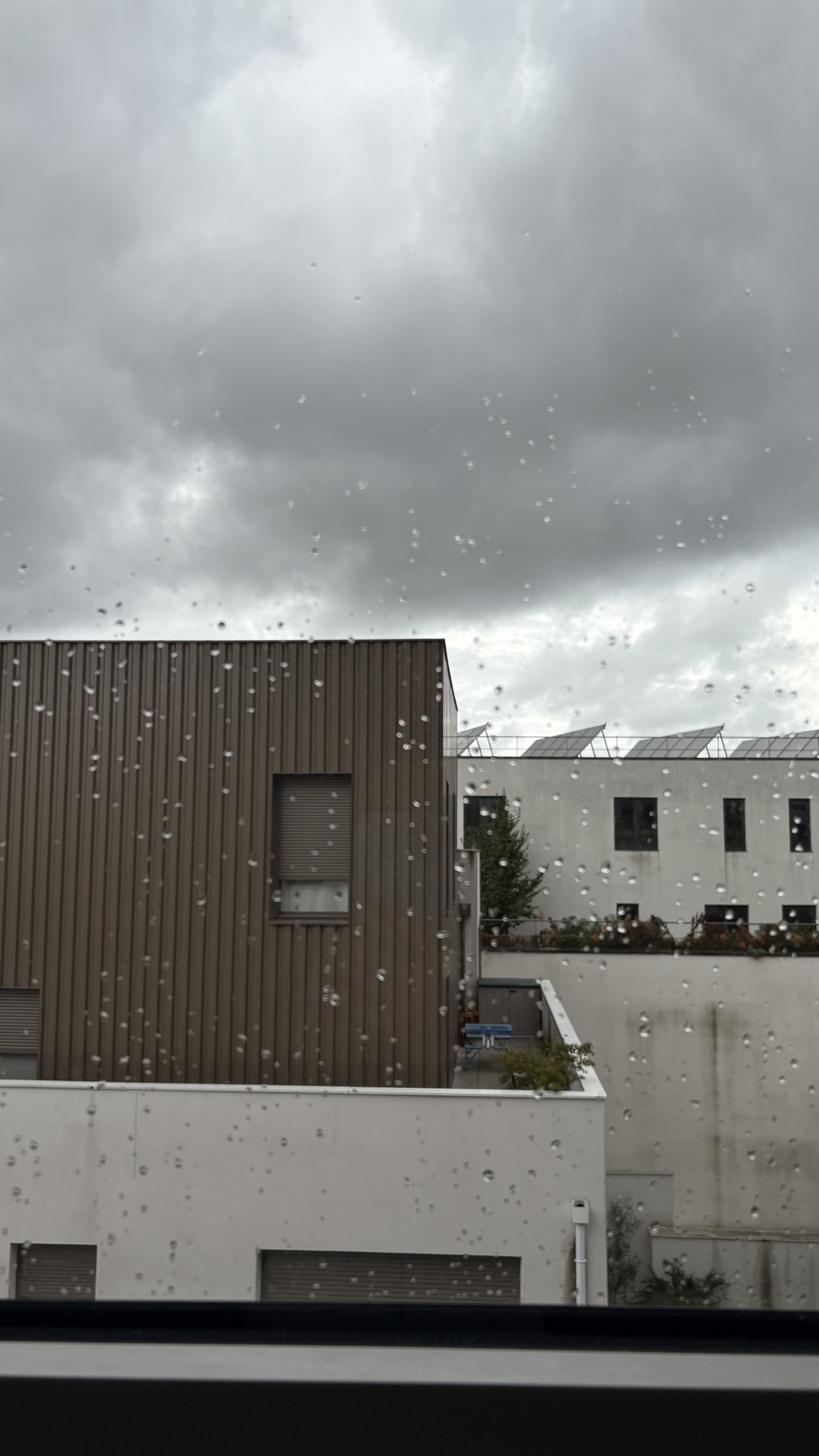
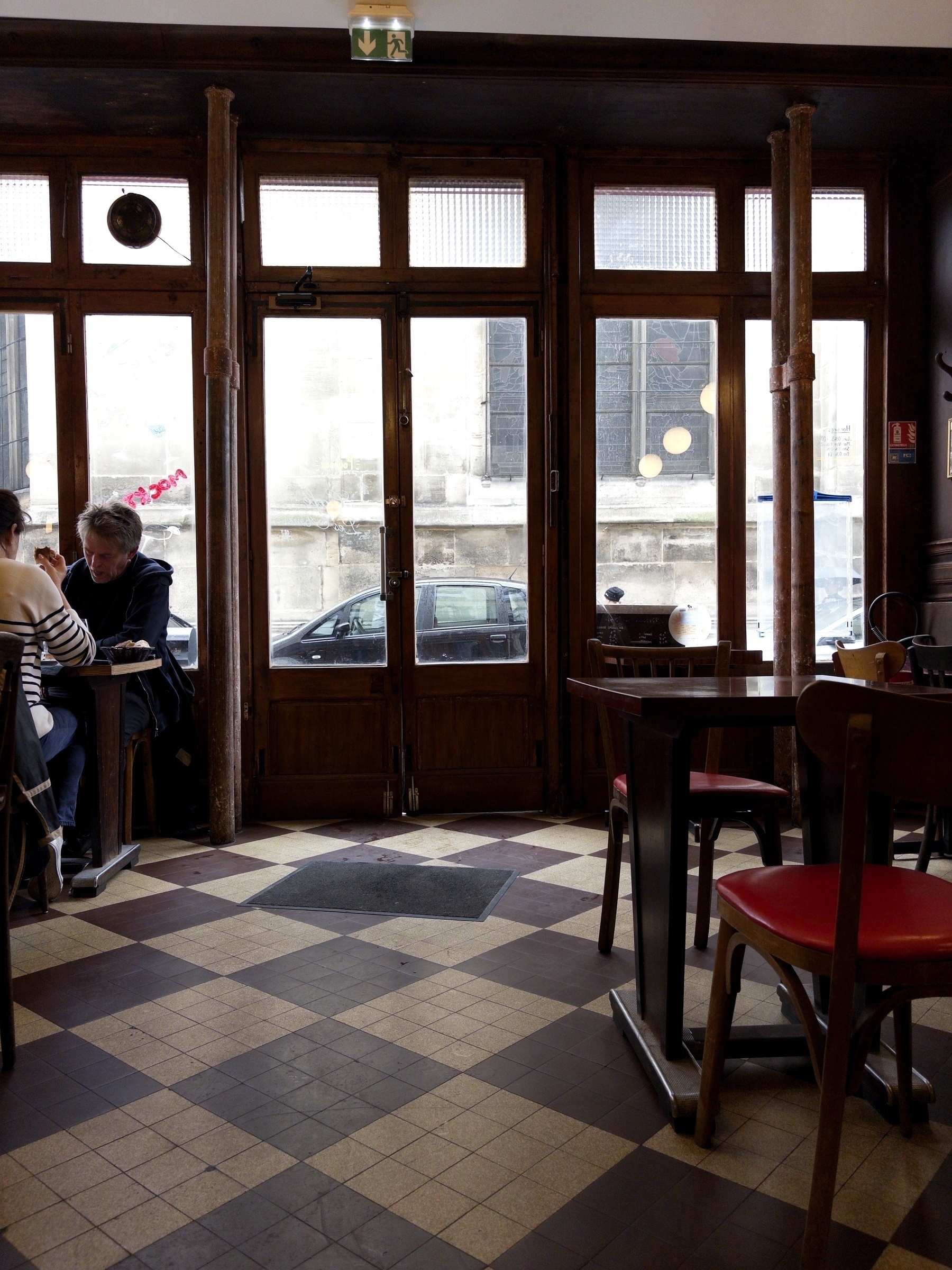
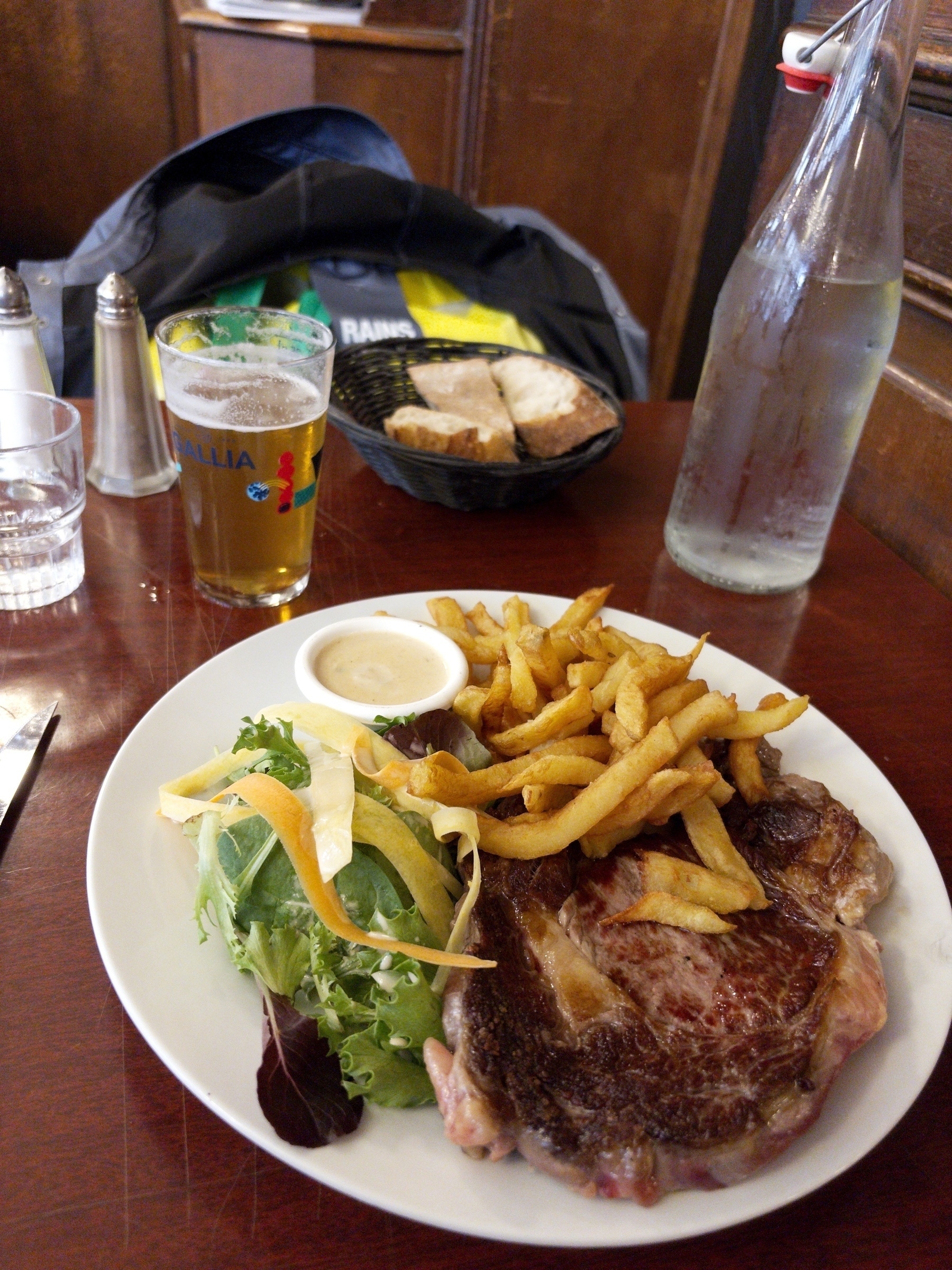
A lovely lovely weekend
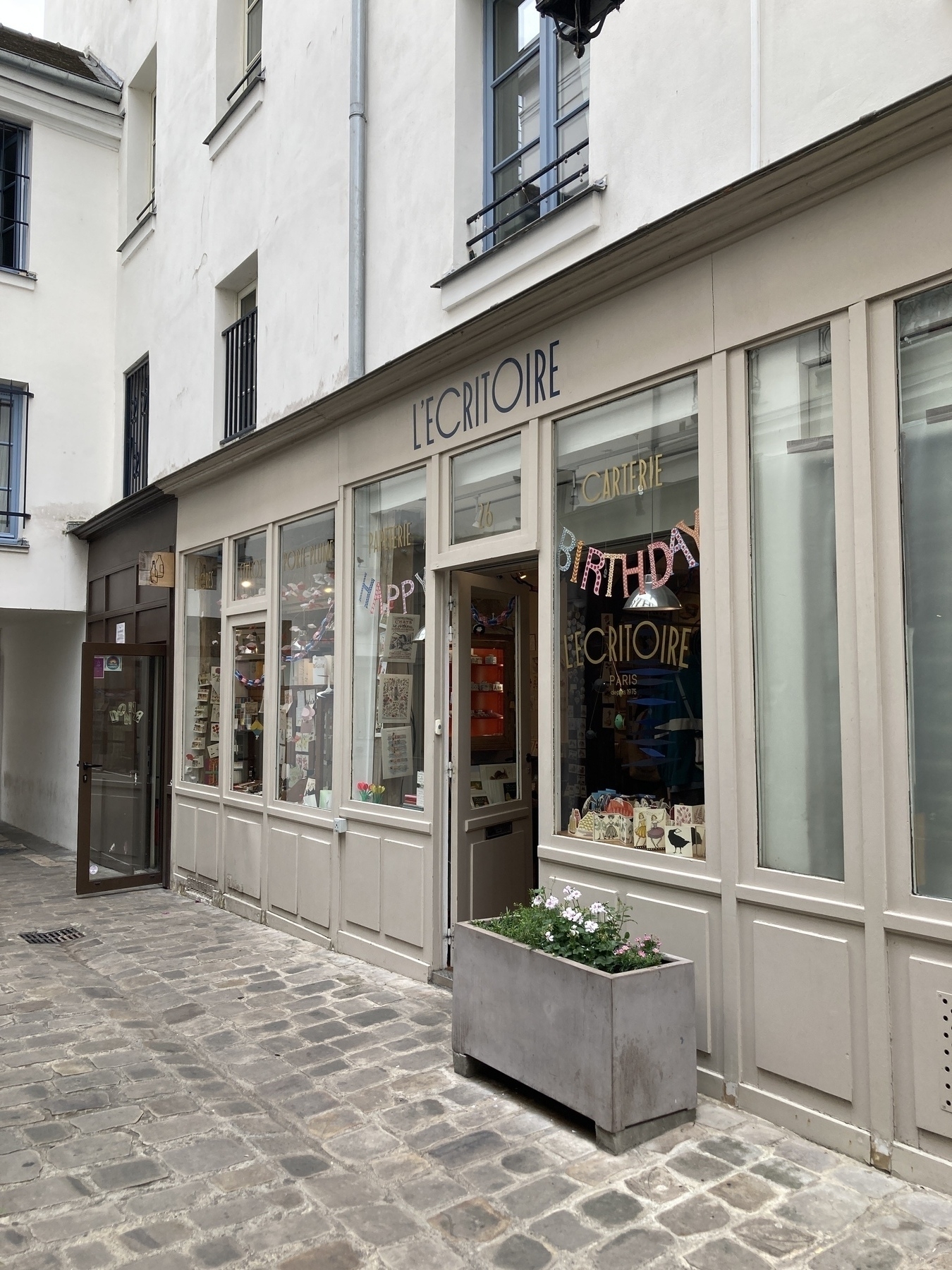
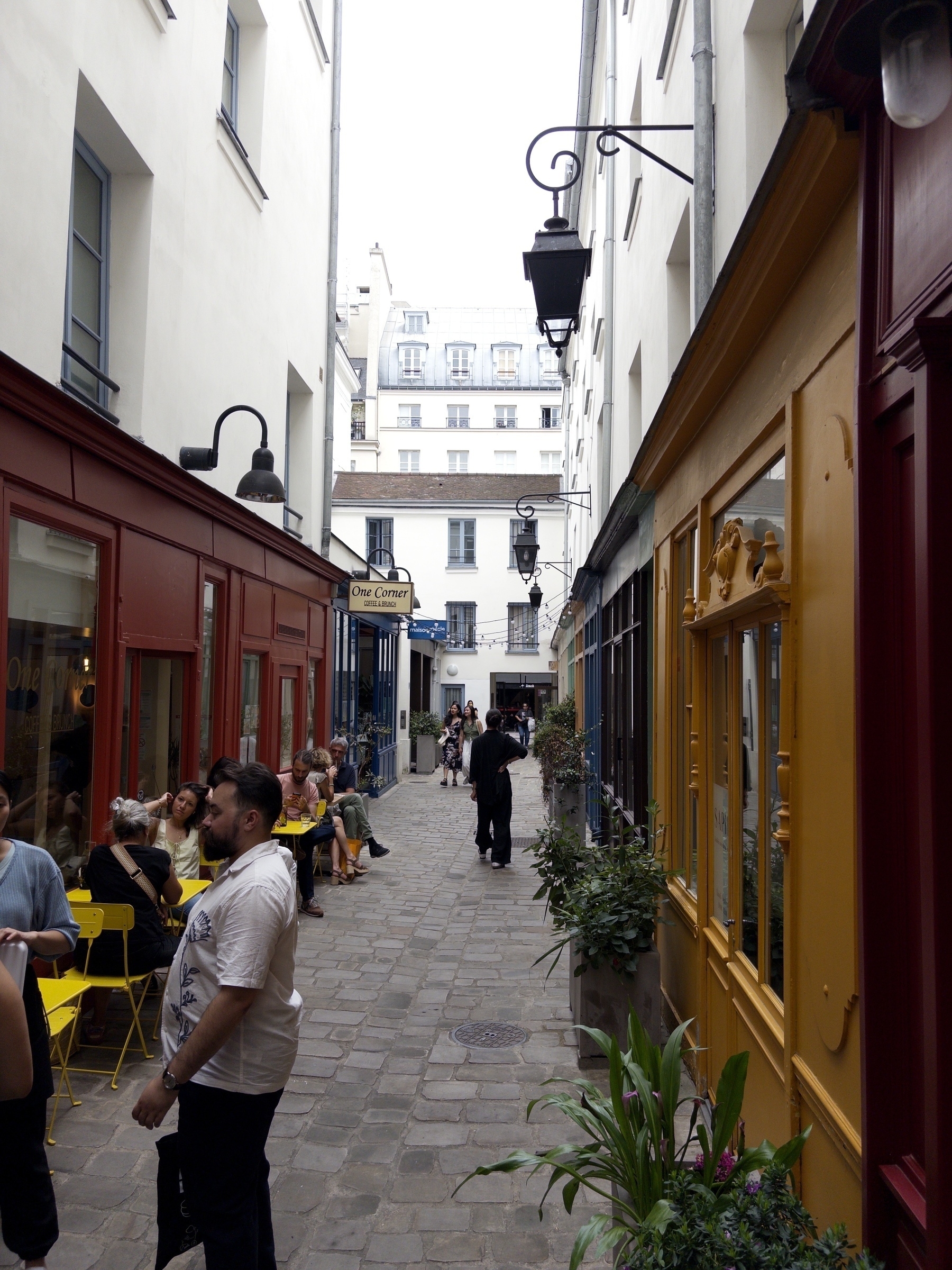
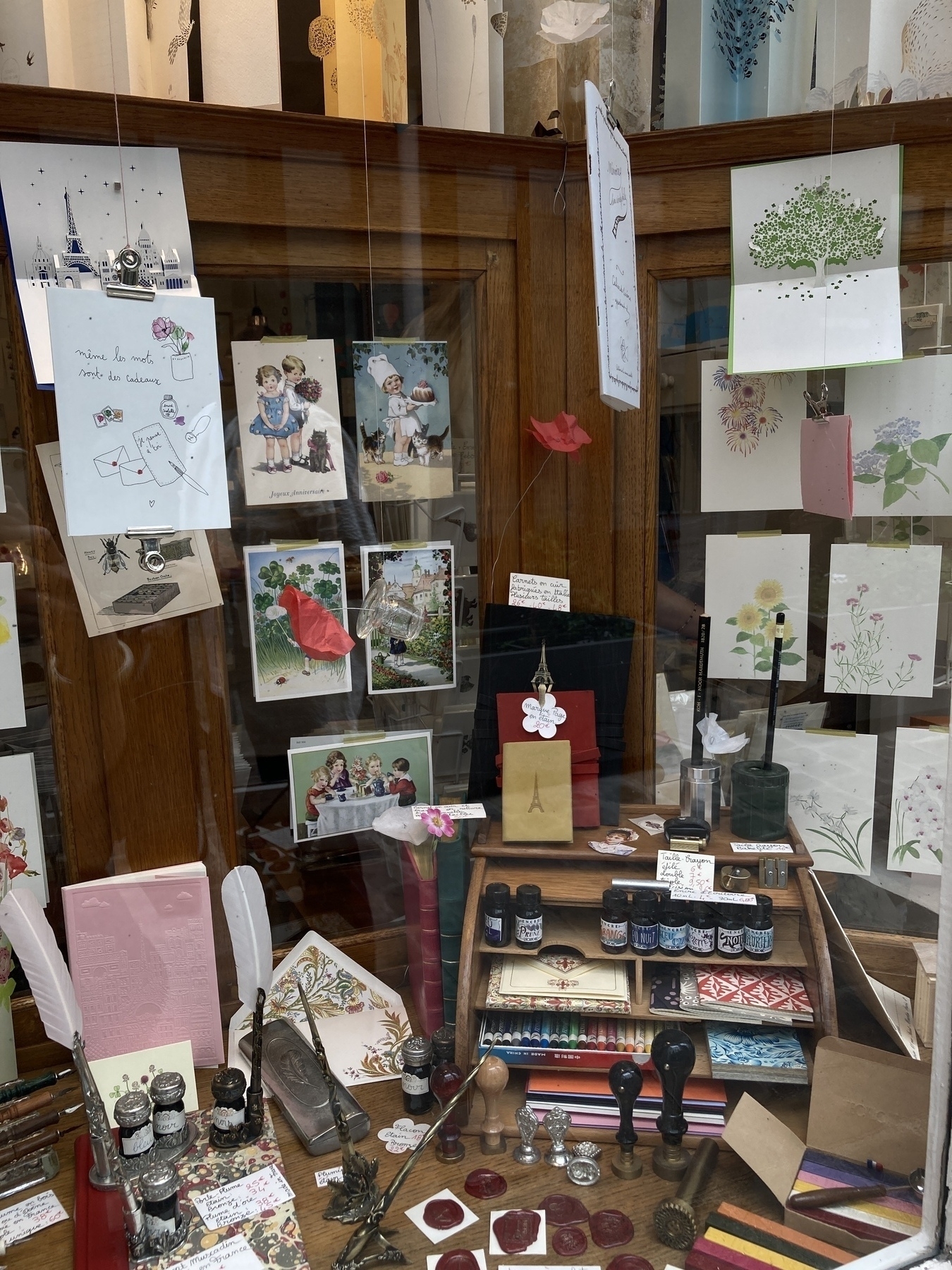
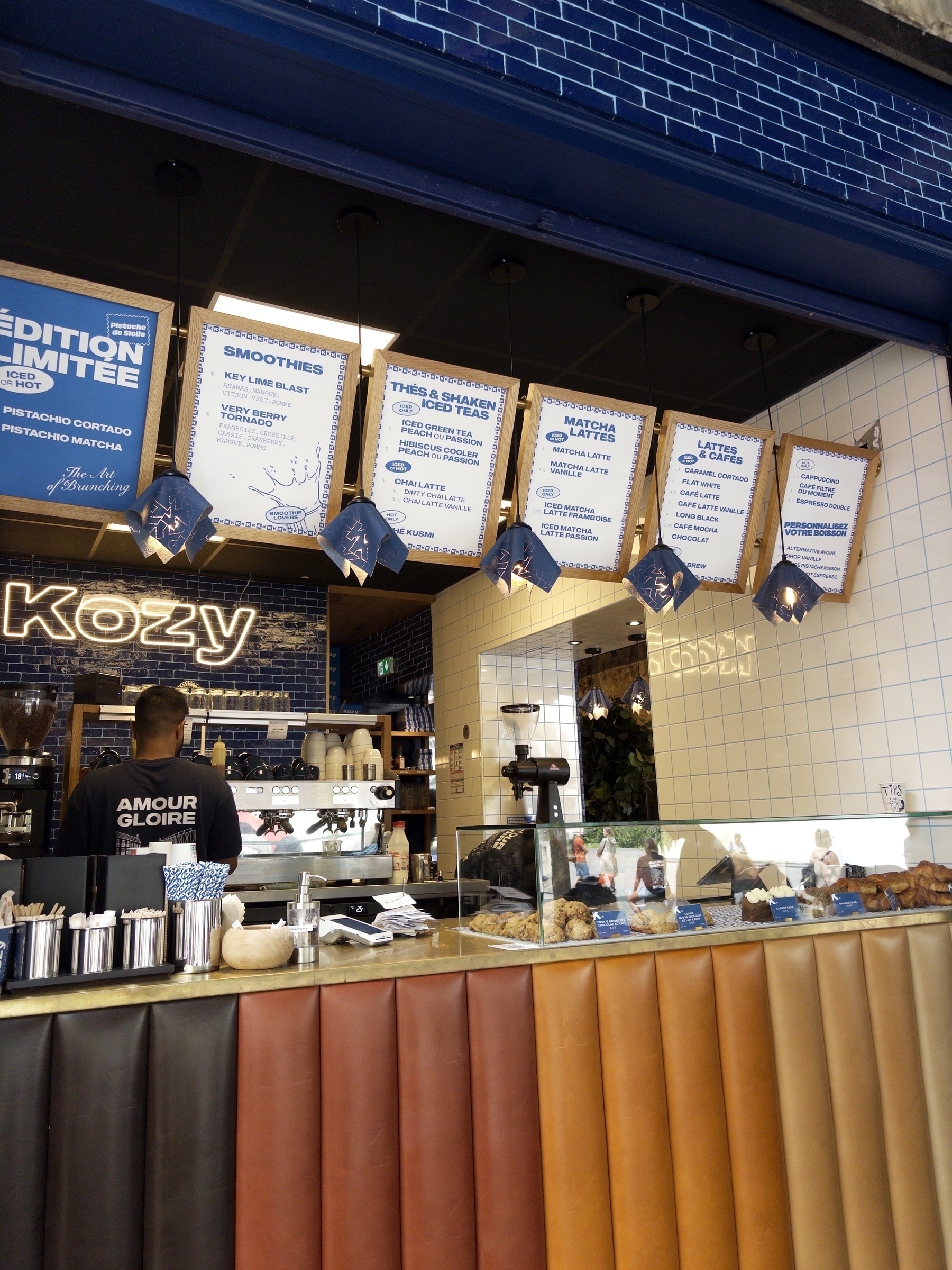
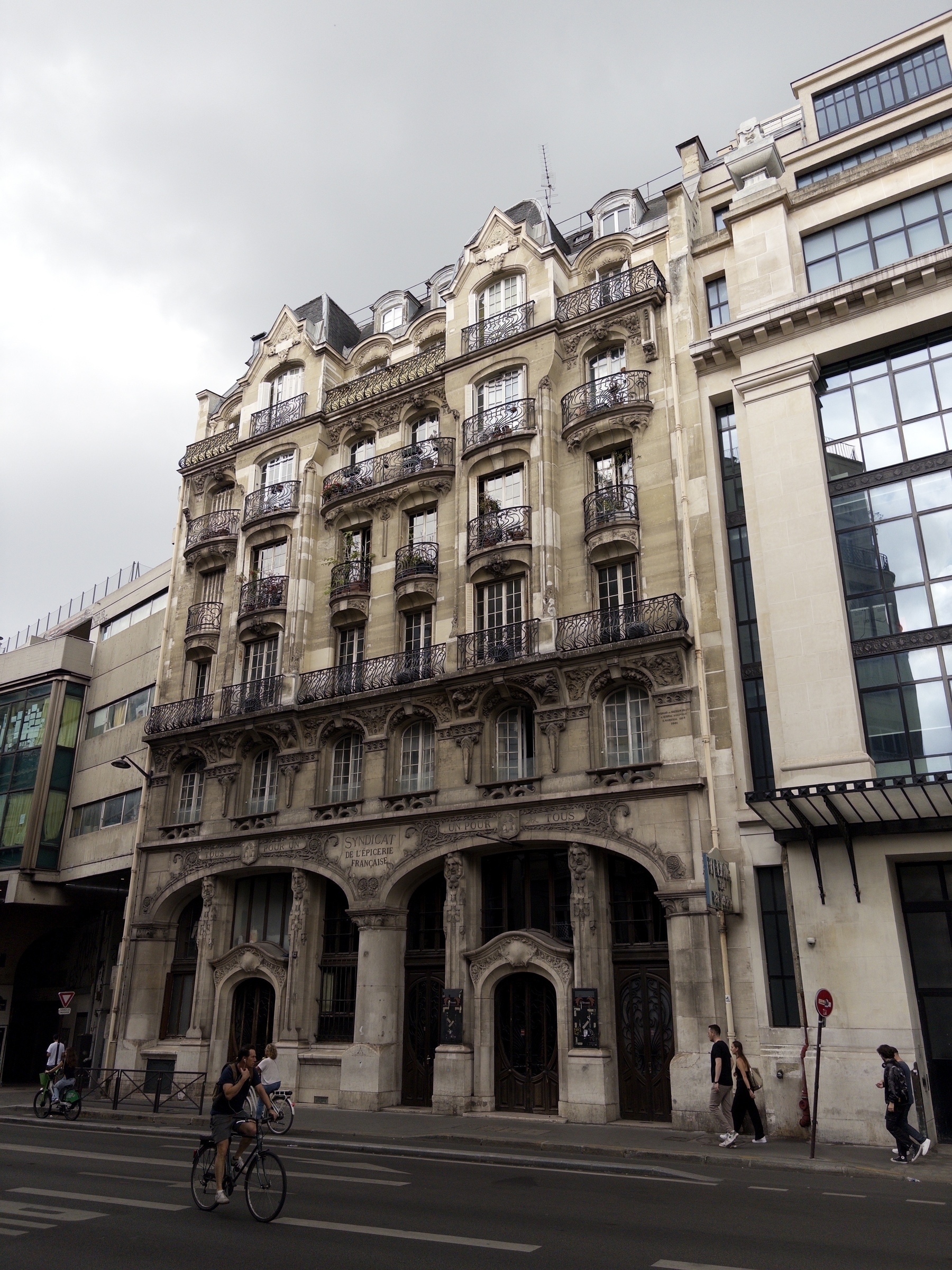
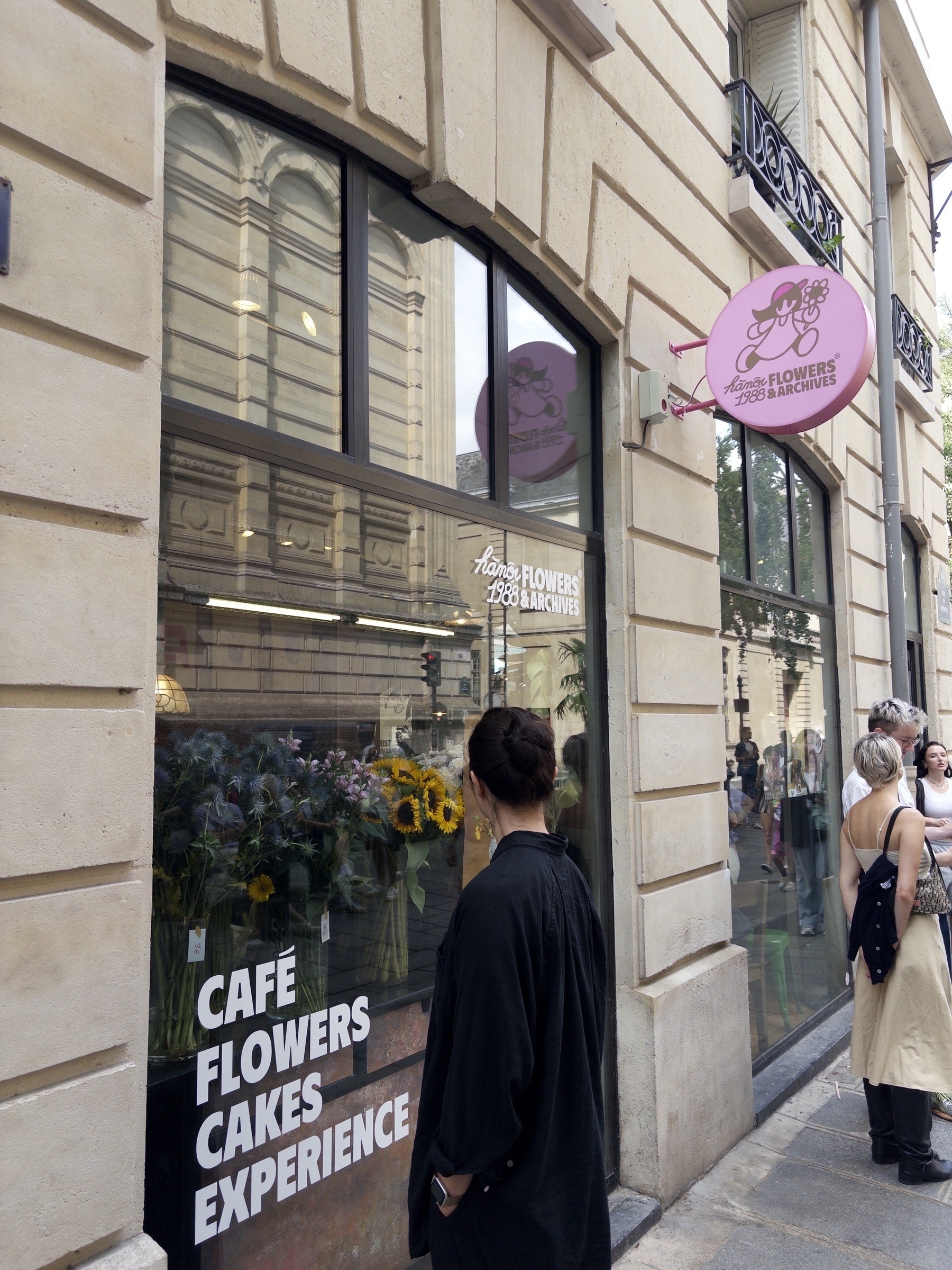
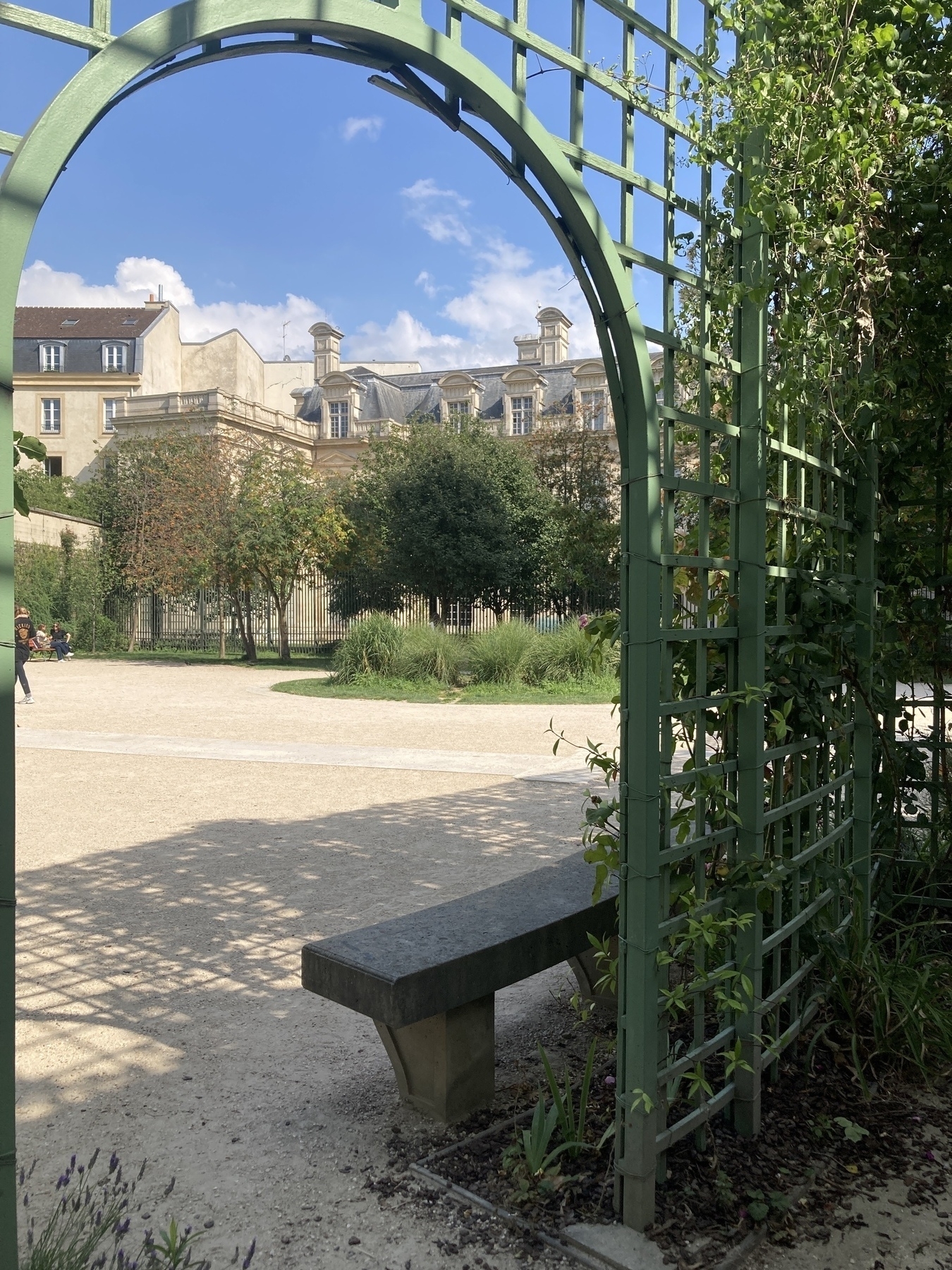


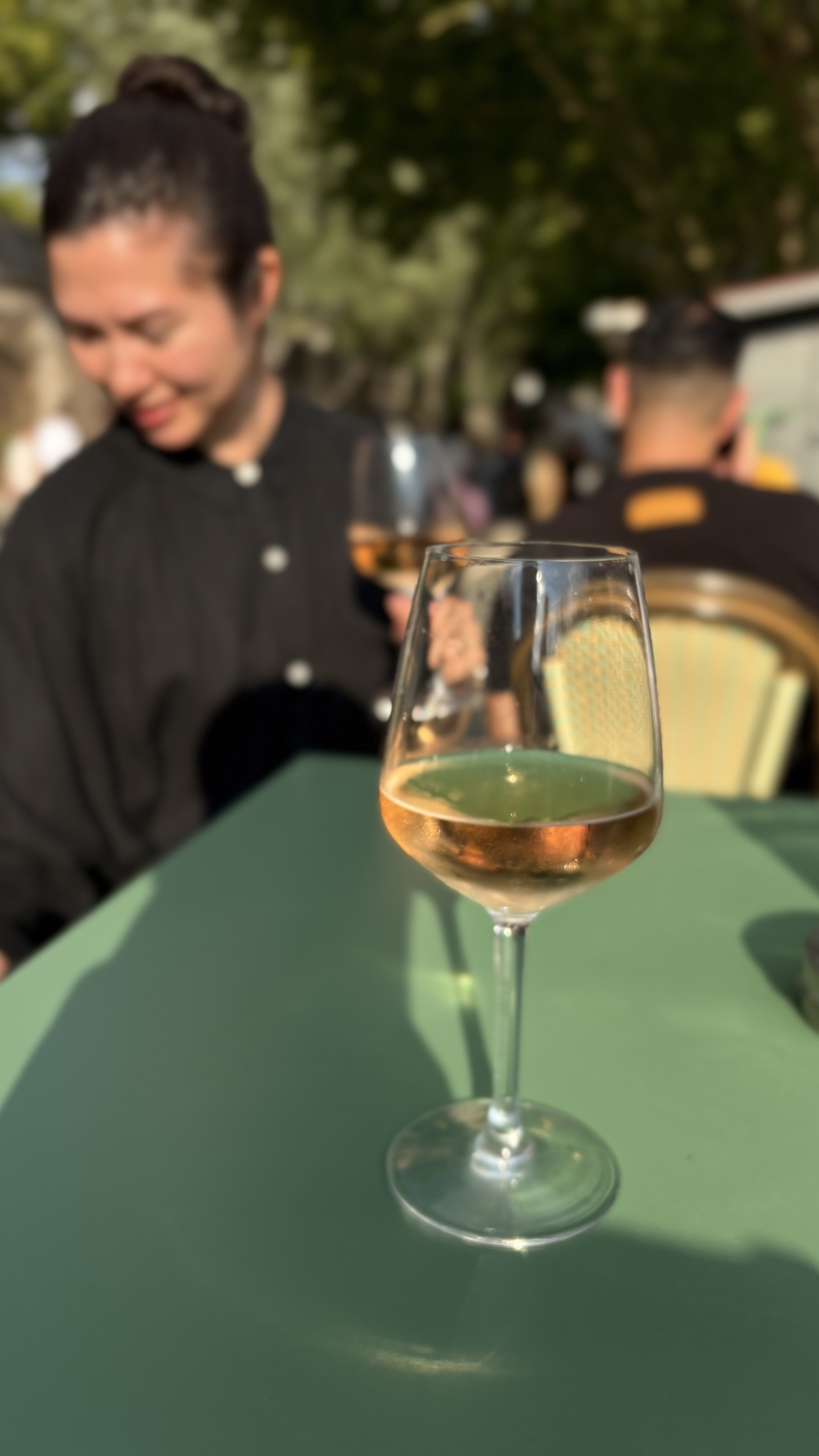
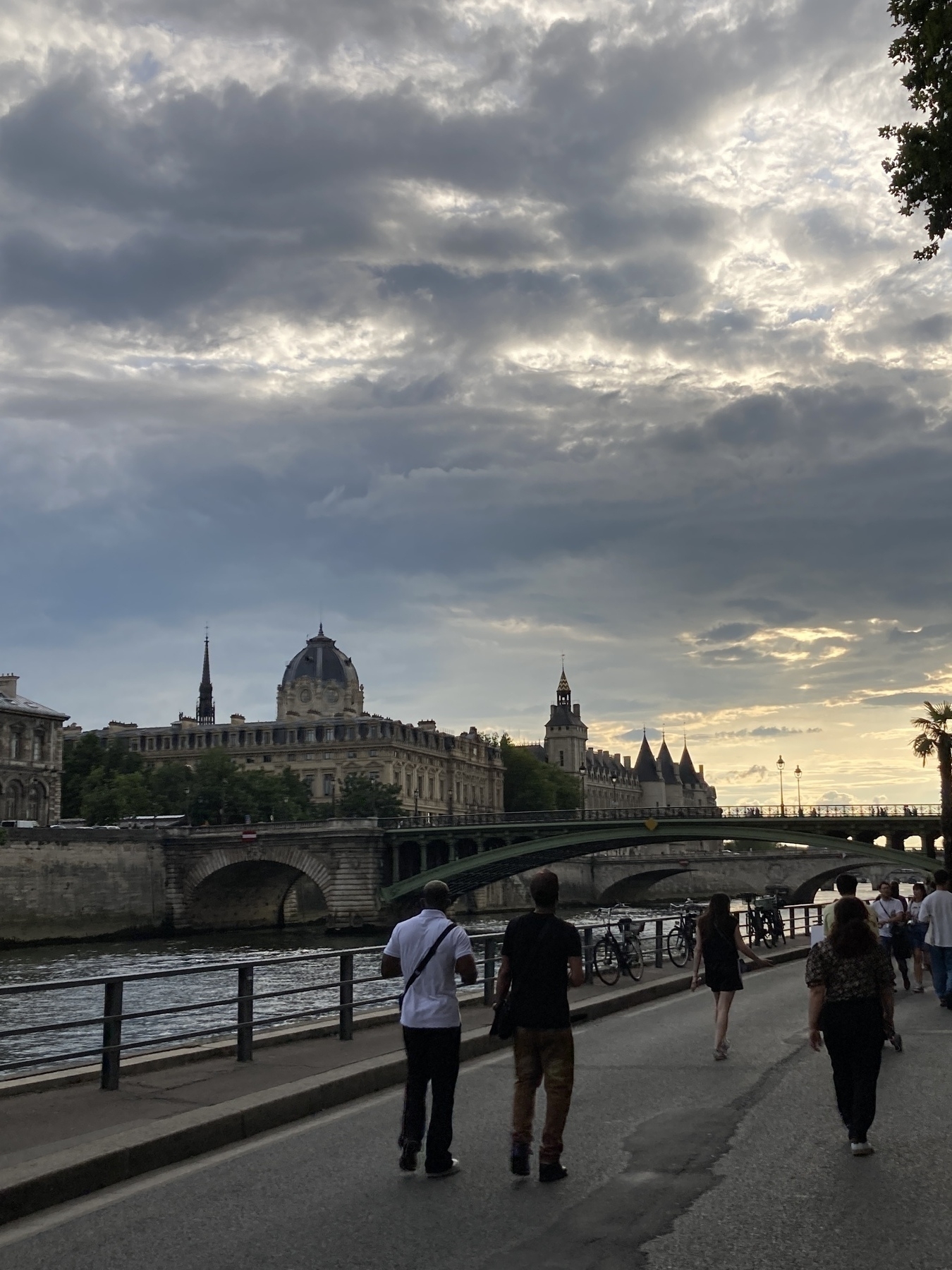
In a world of food fads, this is why the real French baguette reigns supreme | @monocle.com 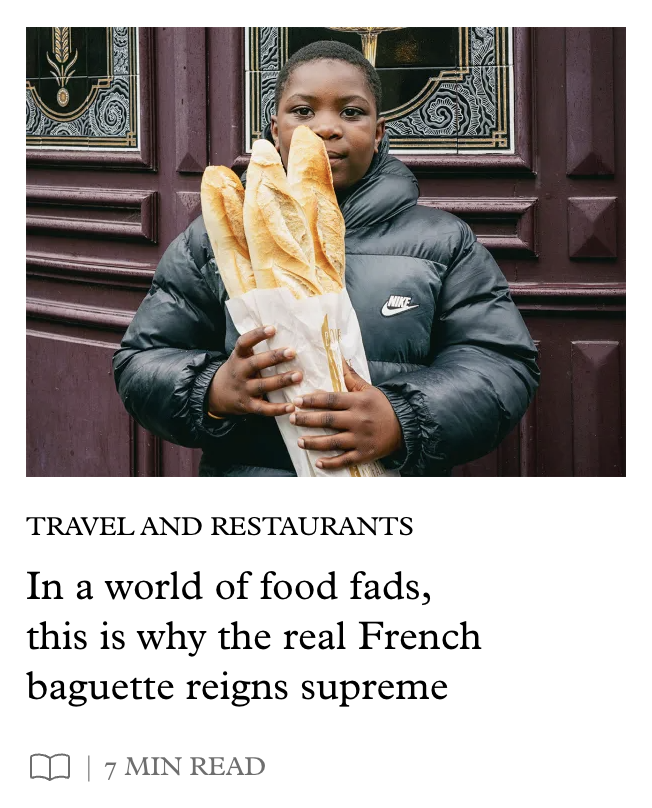
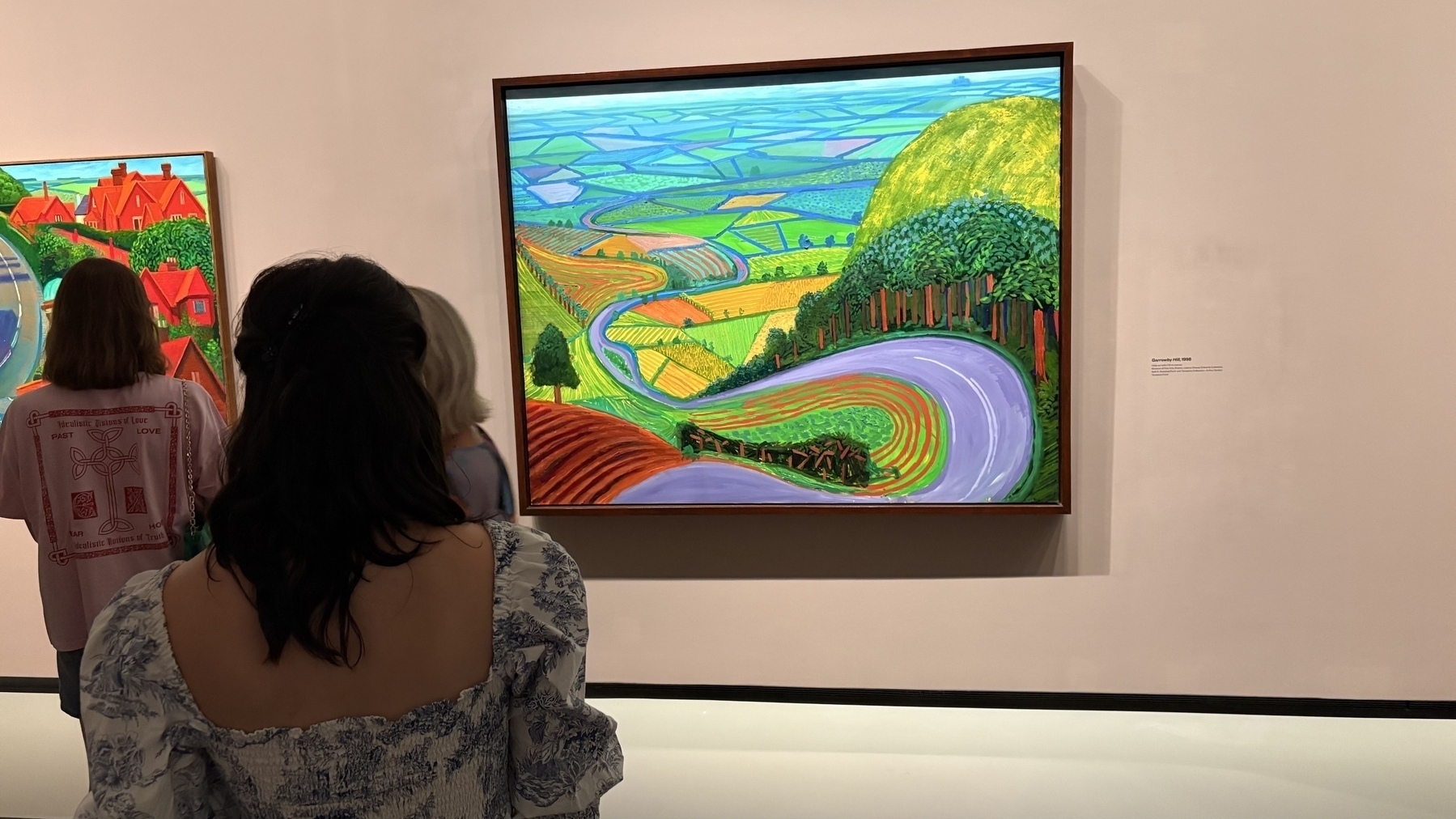
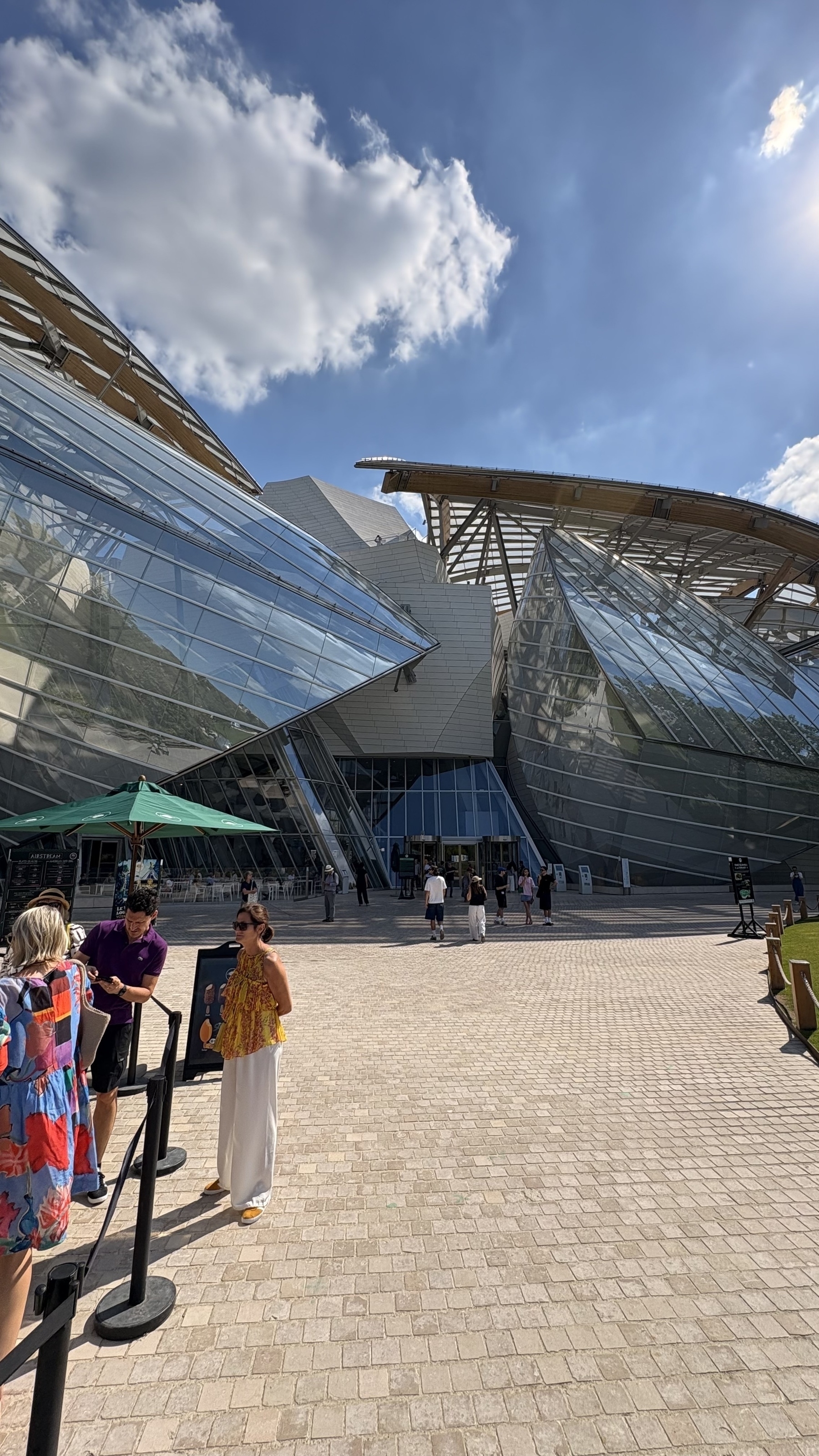
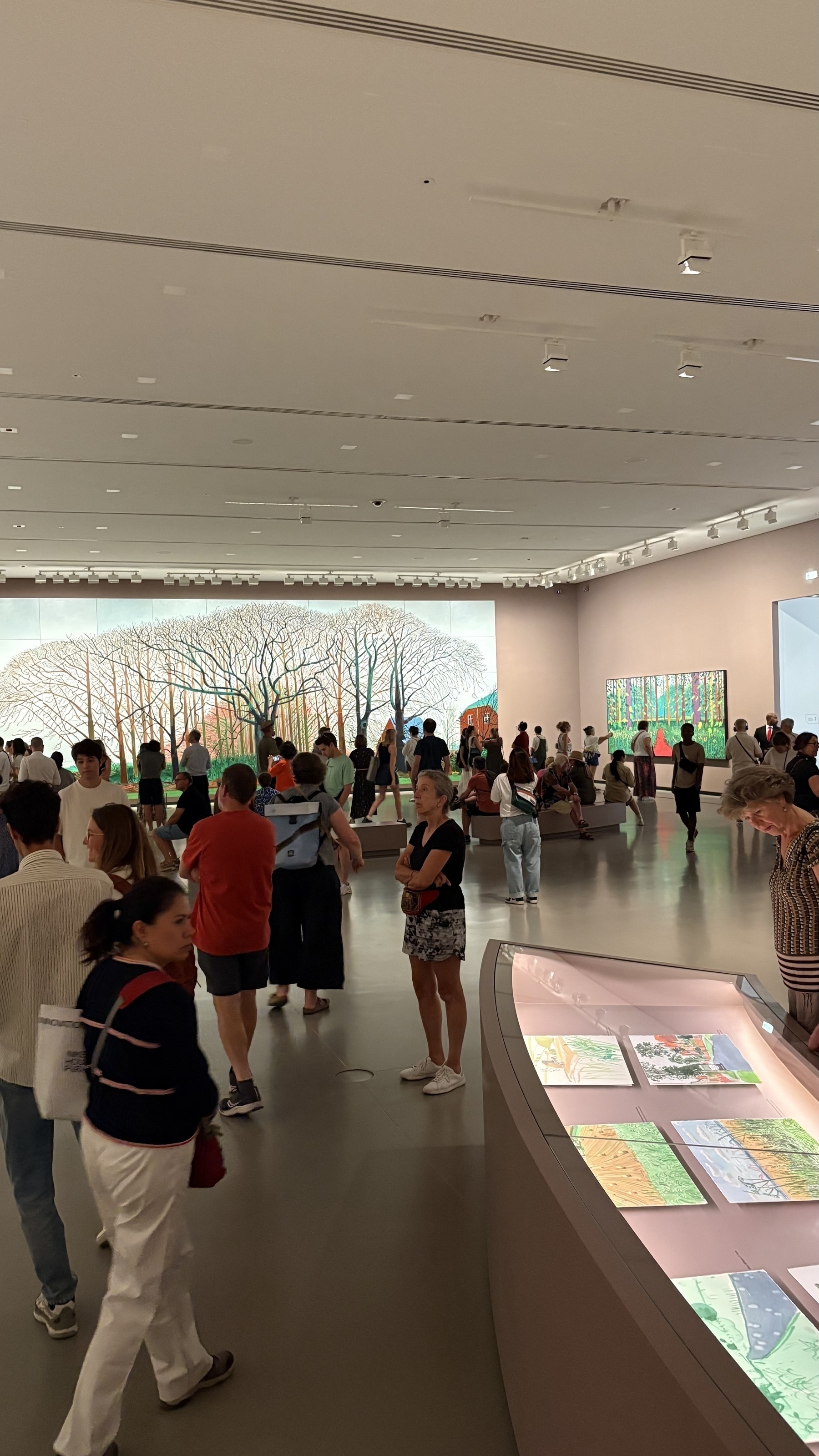
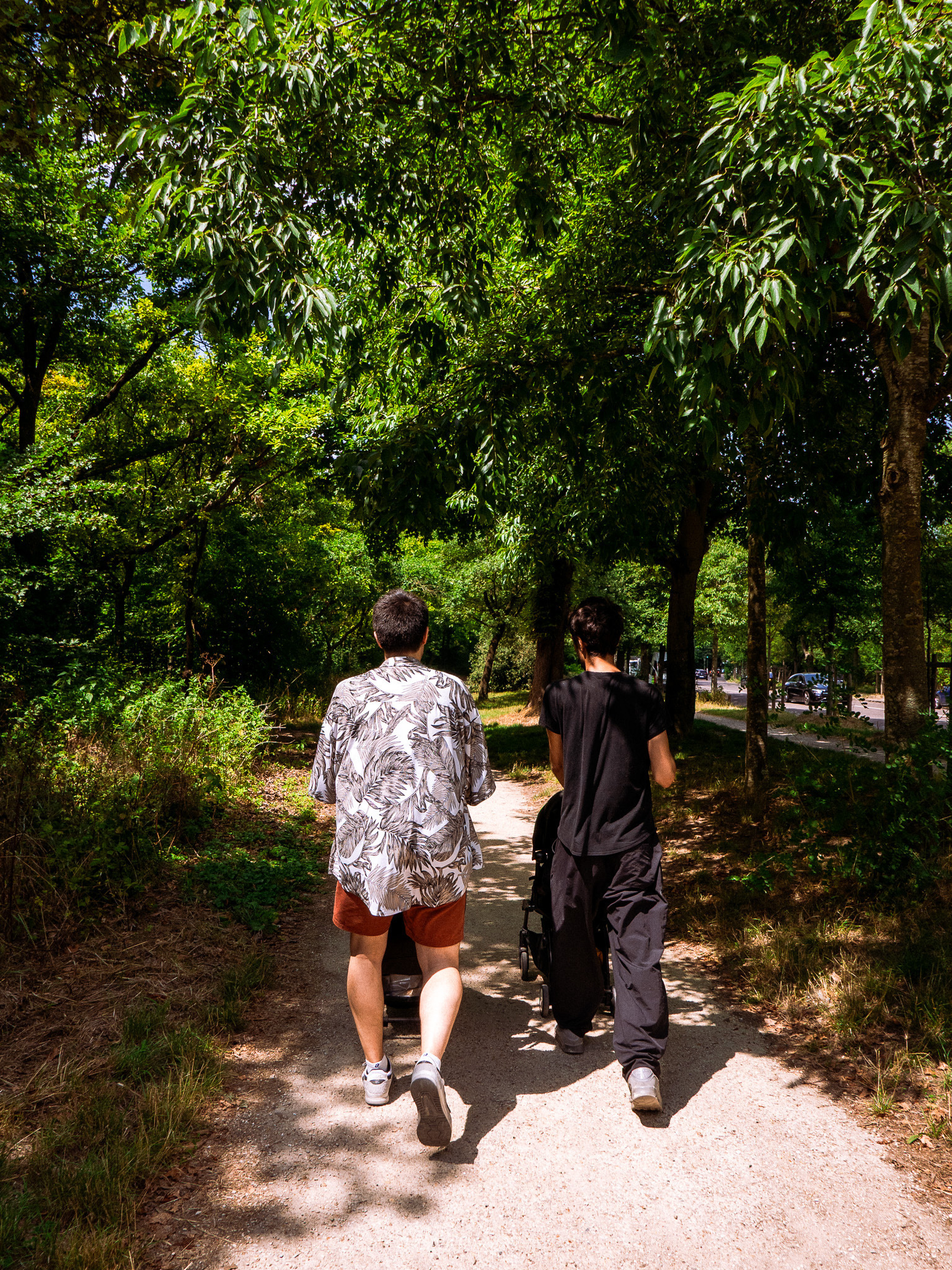
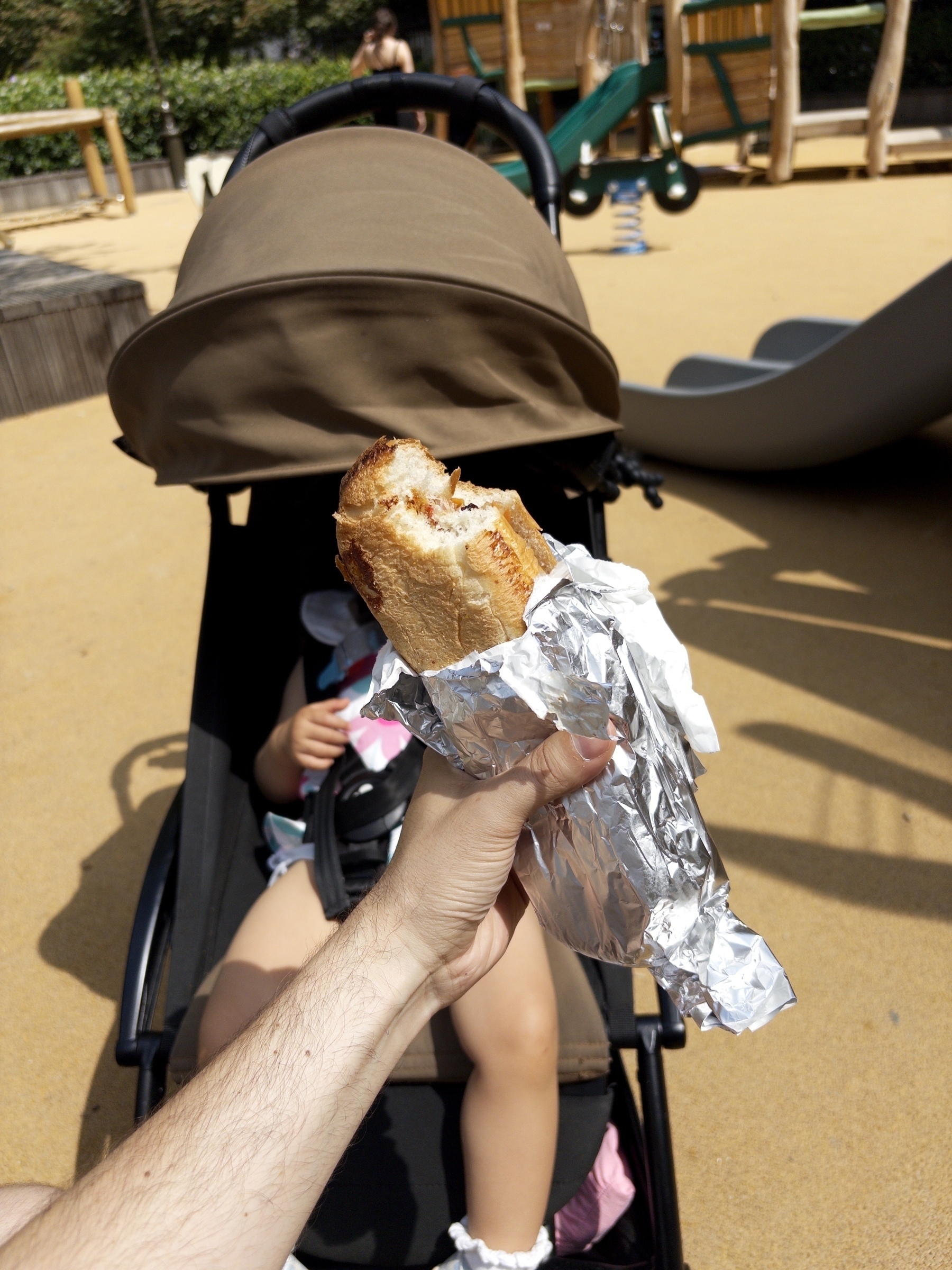
Very wholesome afternoon with close friends at the #FondationLouisVuitton for the David #Hockney exhibition yesterday!





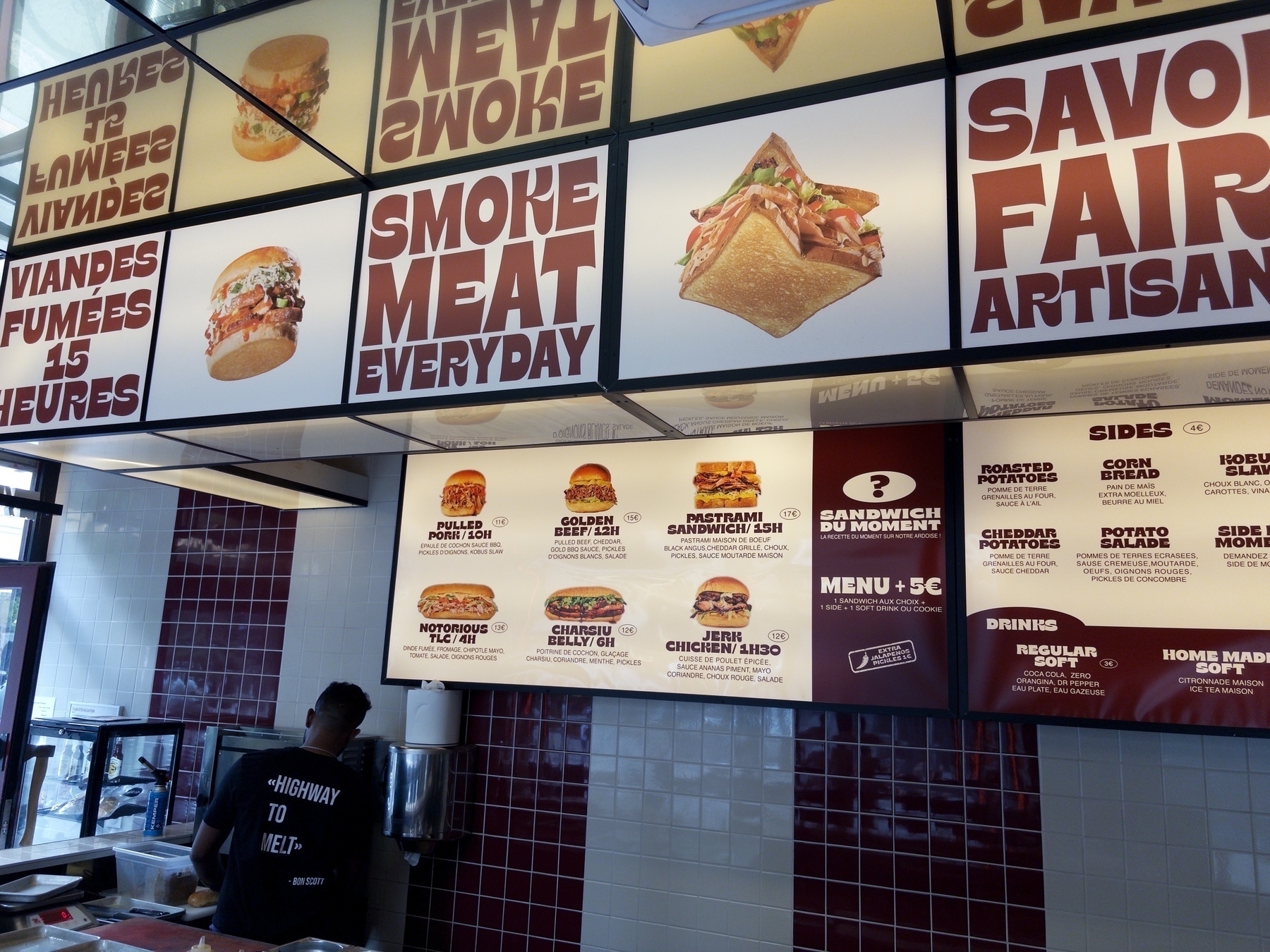
7/7/25
The end to another eventful week and weekend…
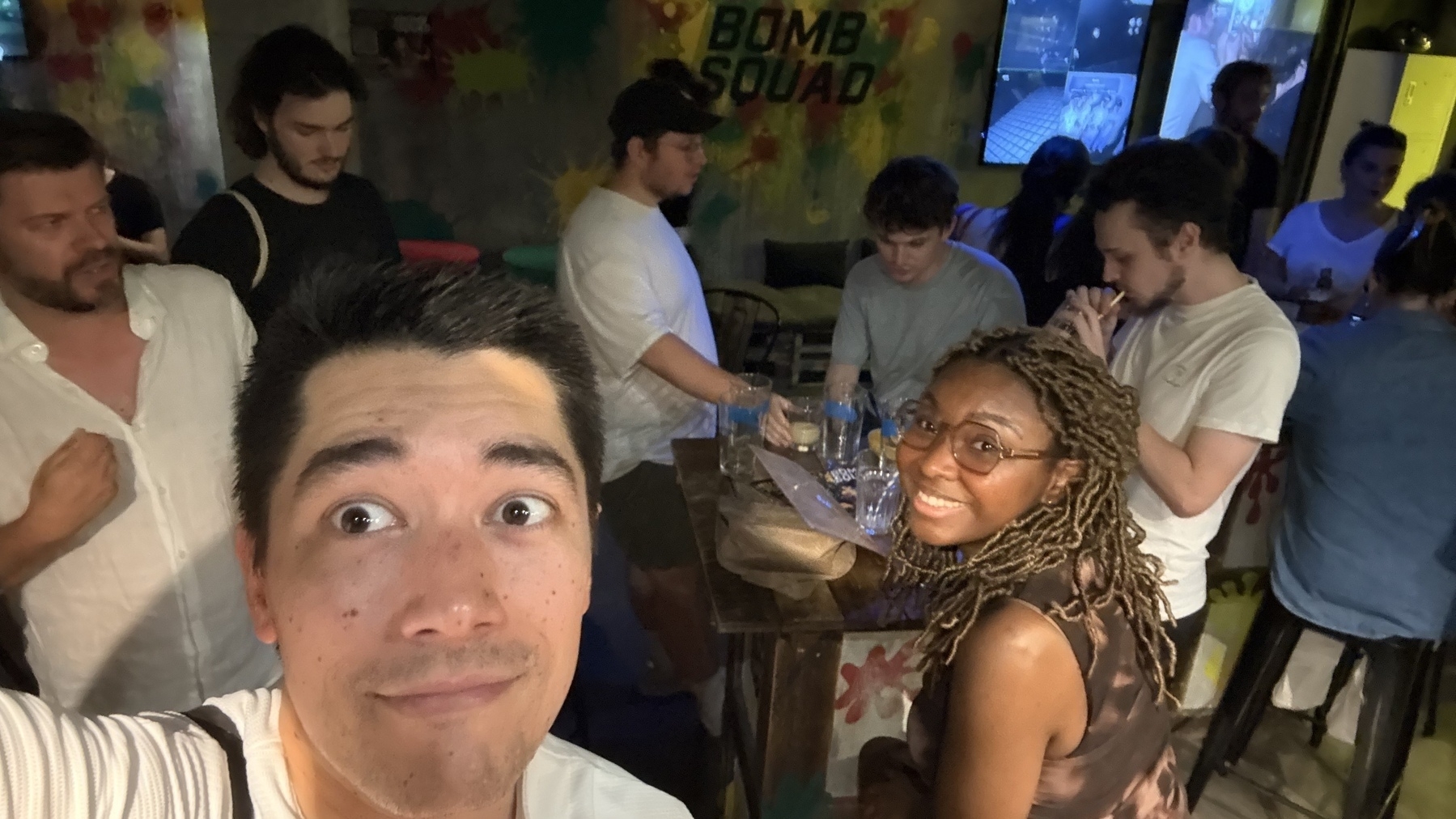
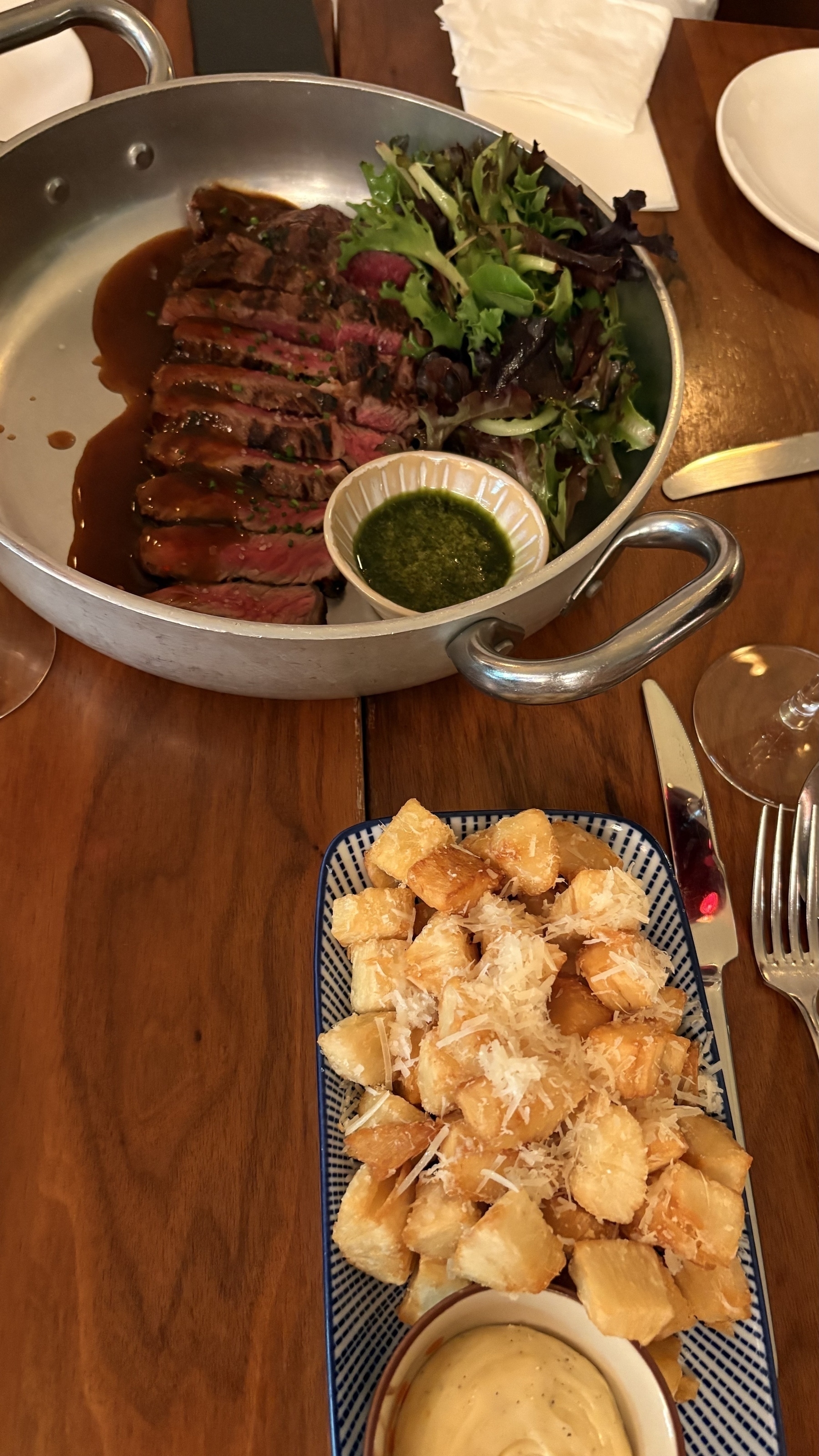
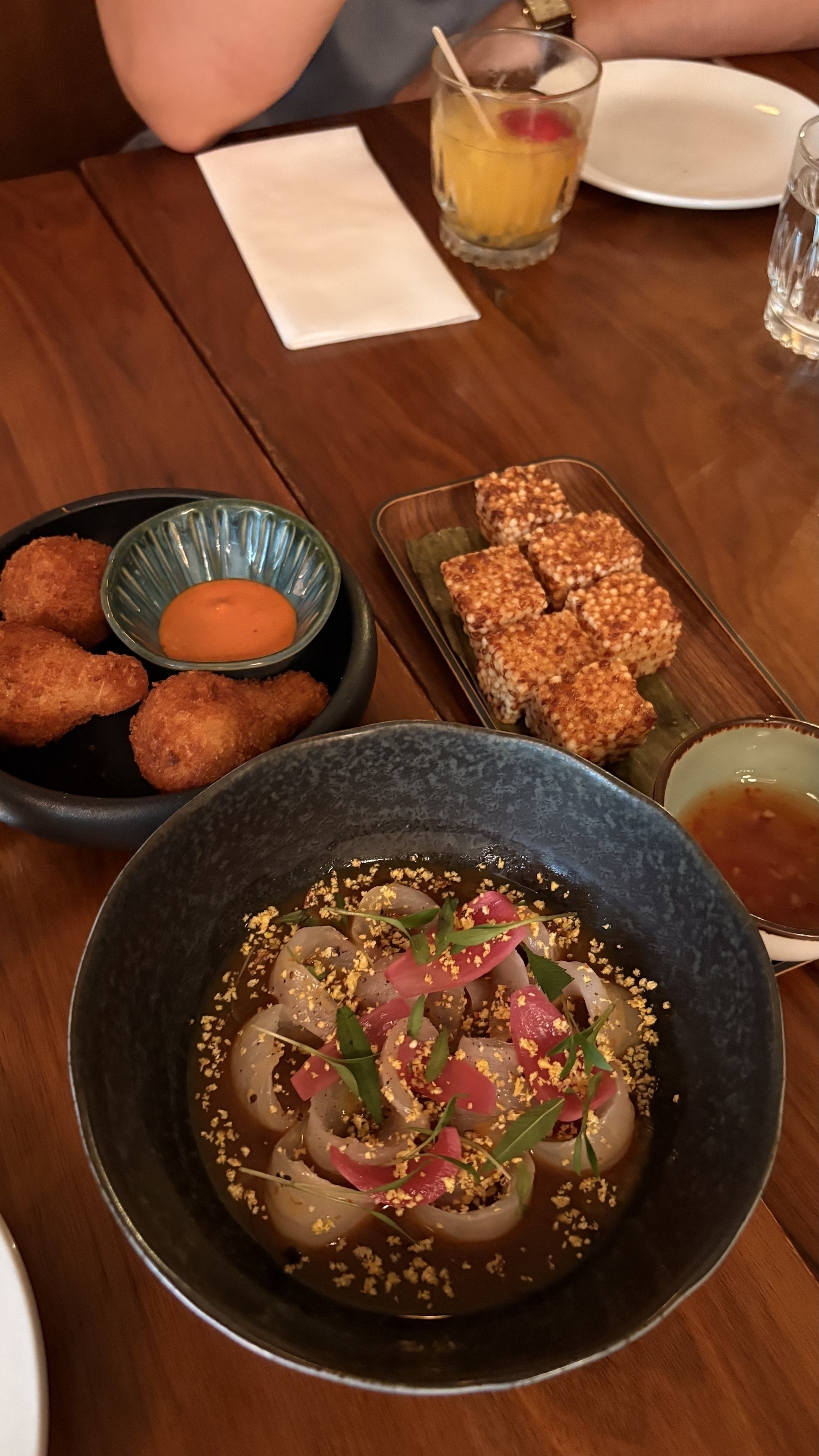
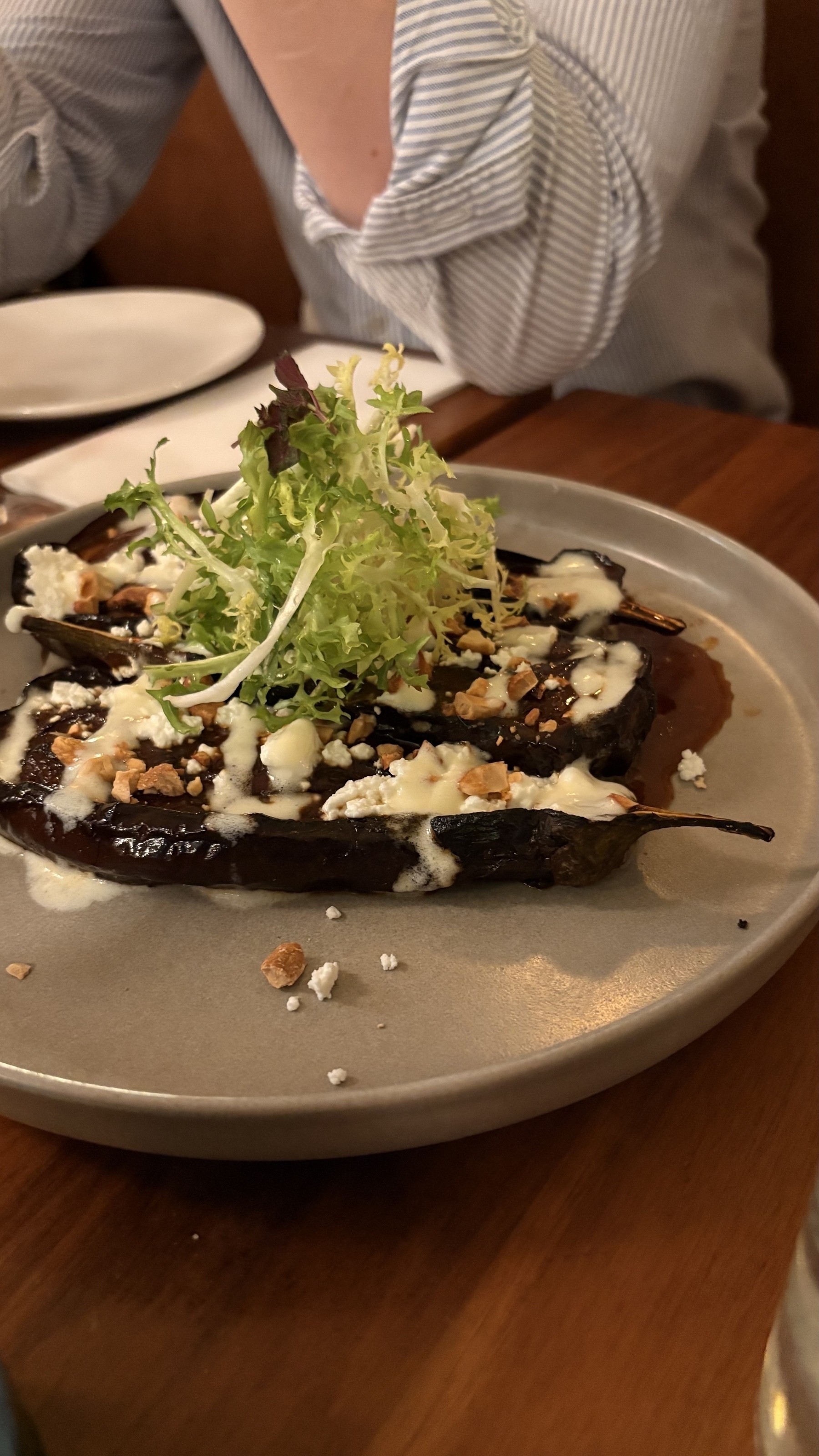
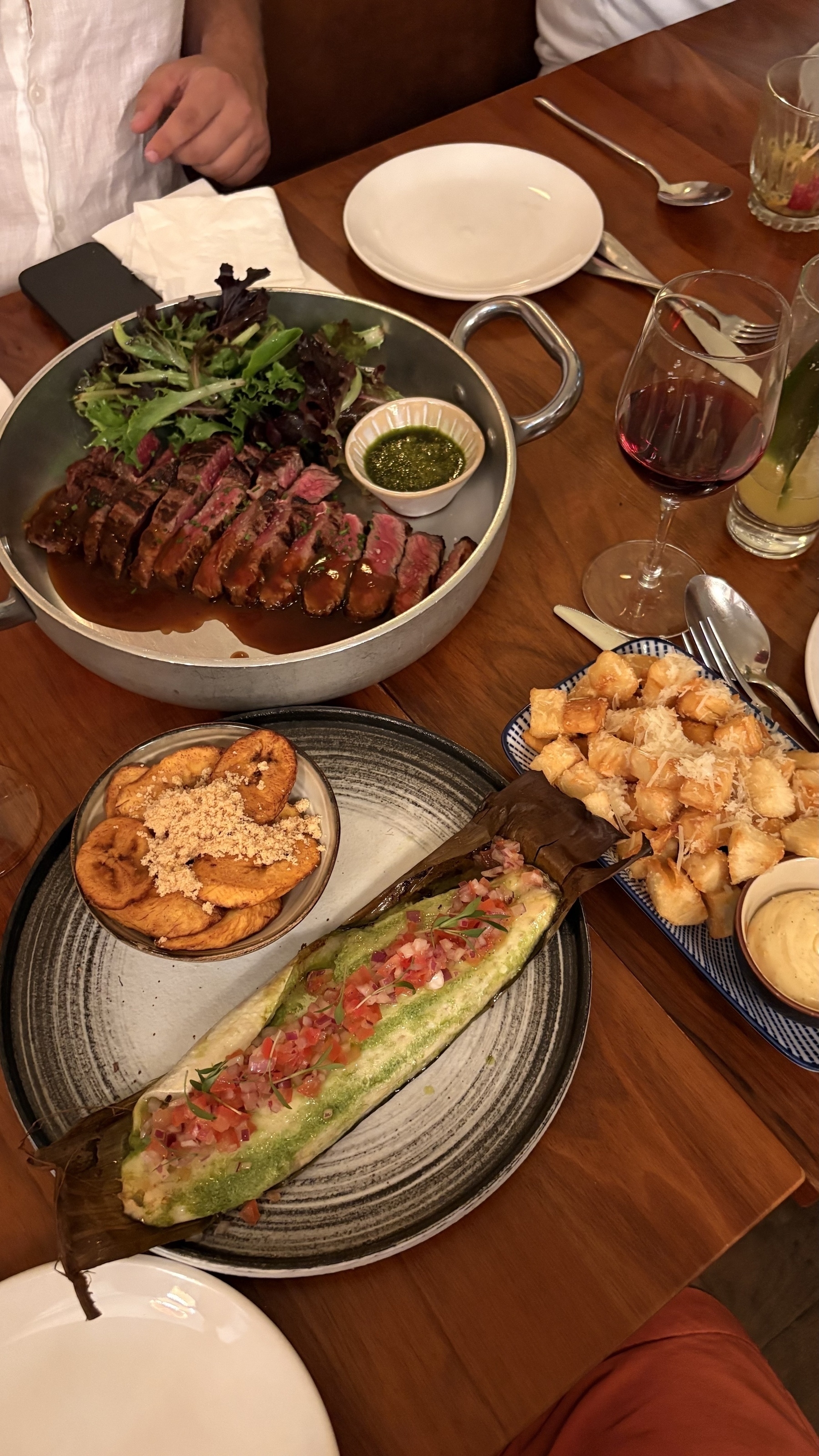
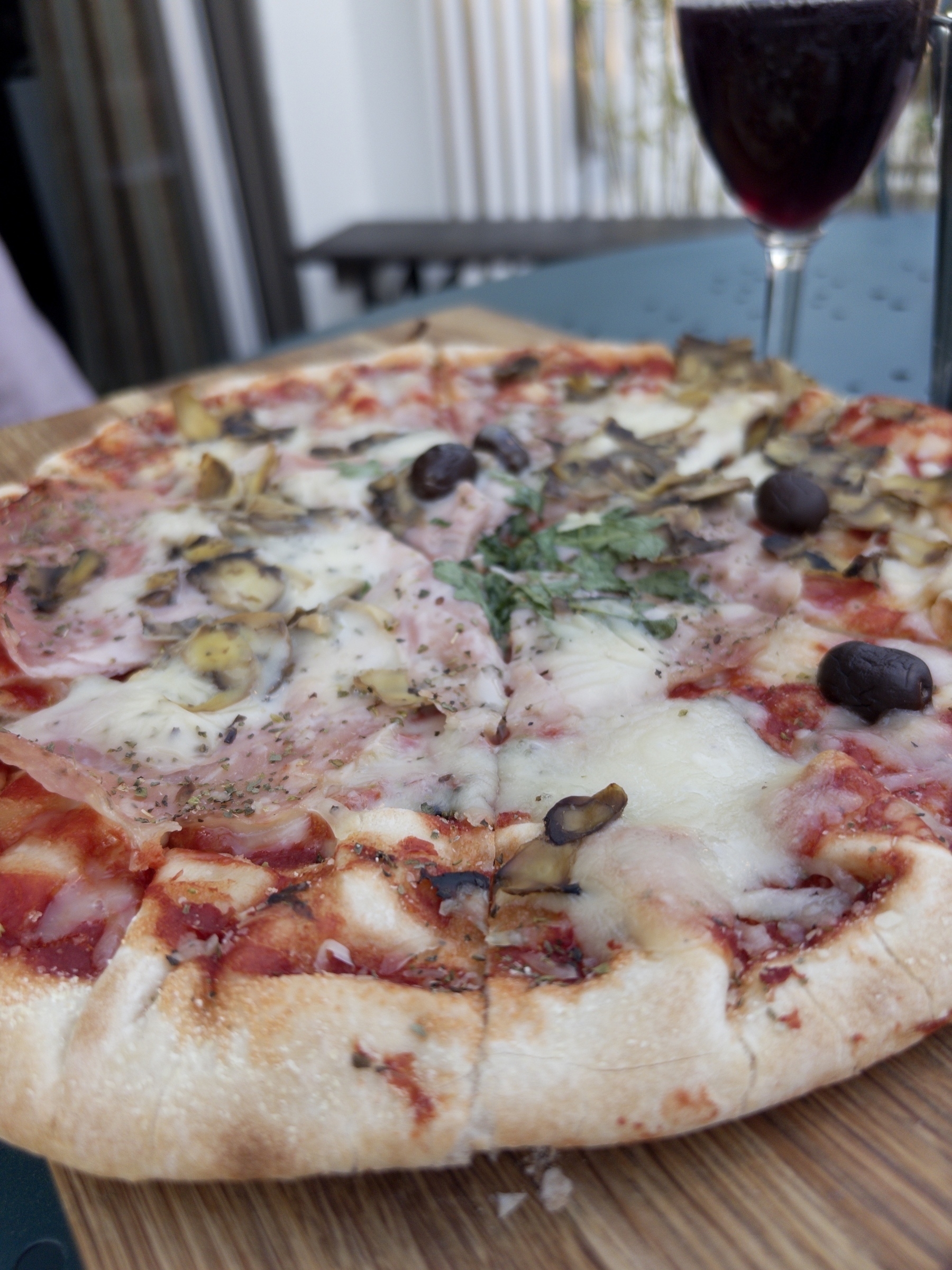
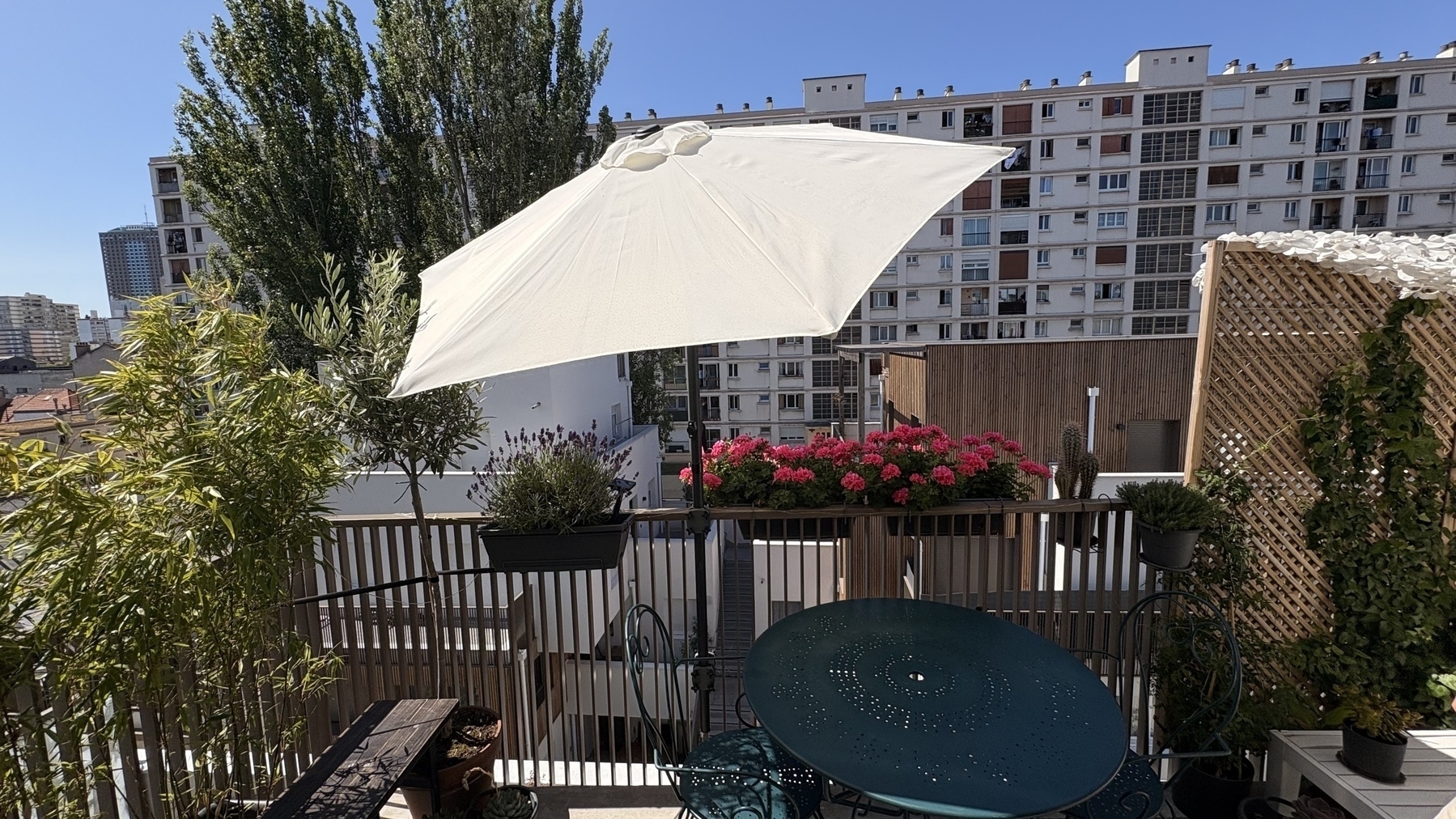
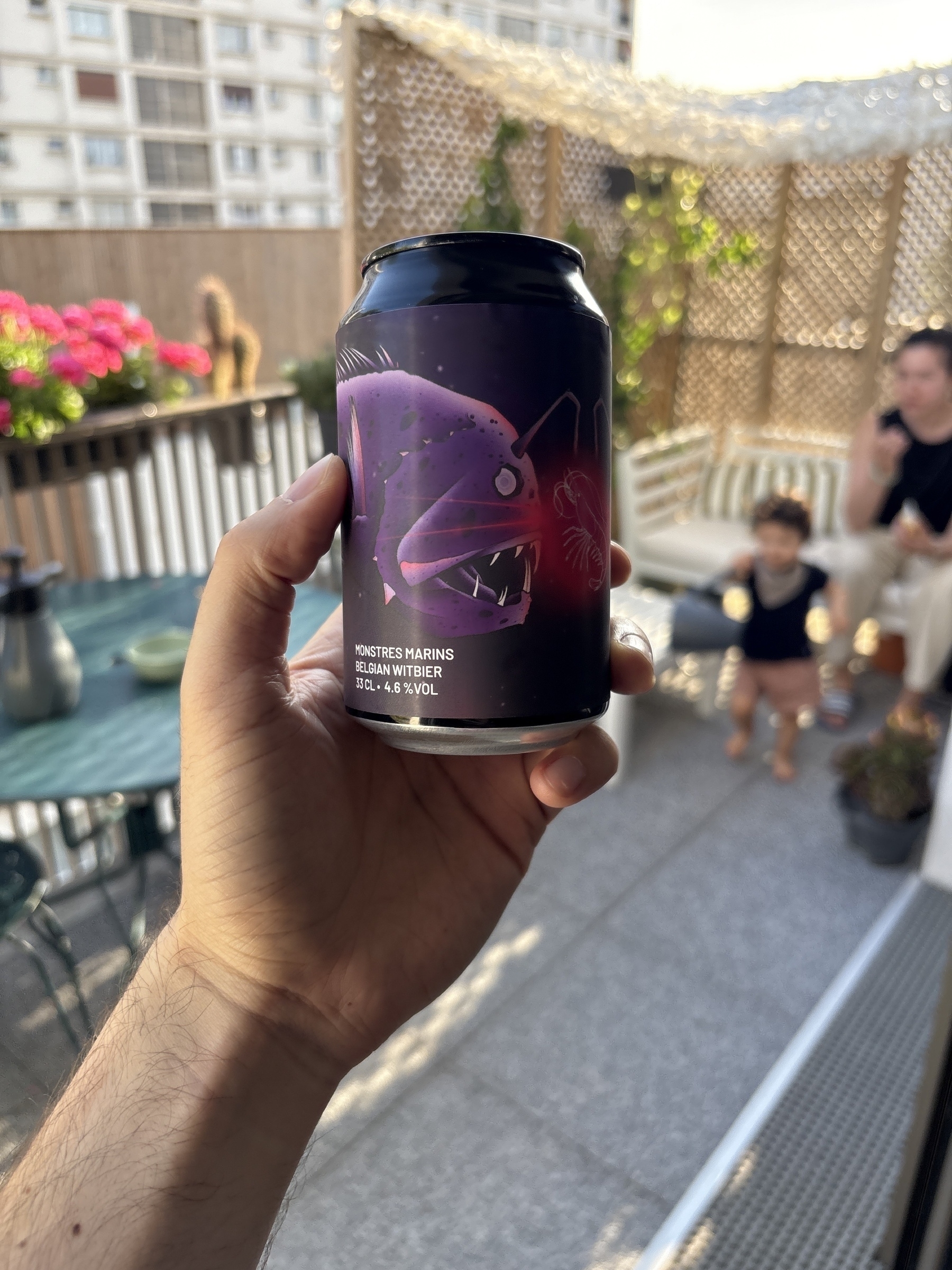
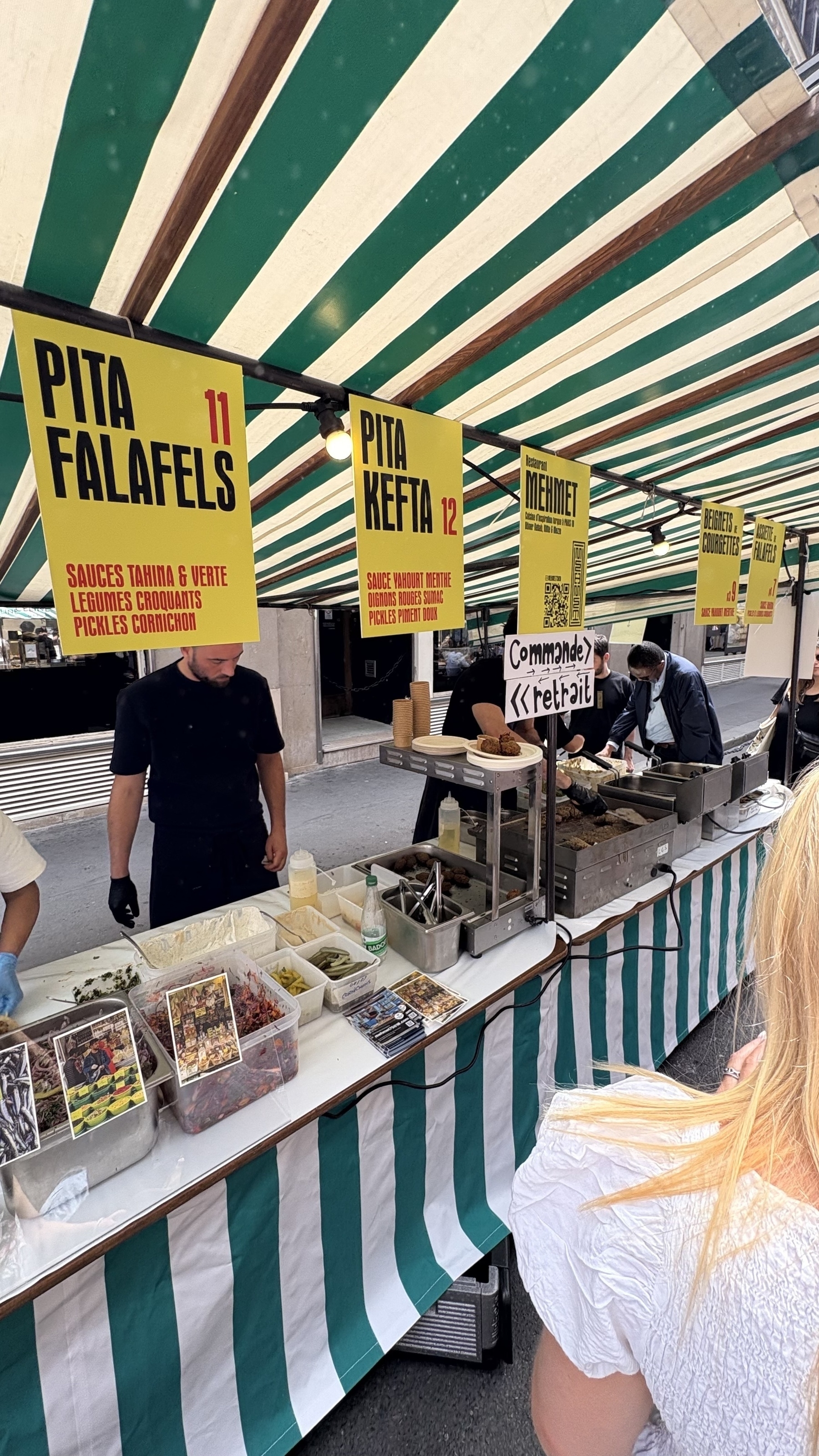
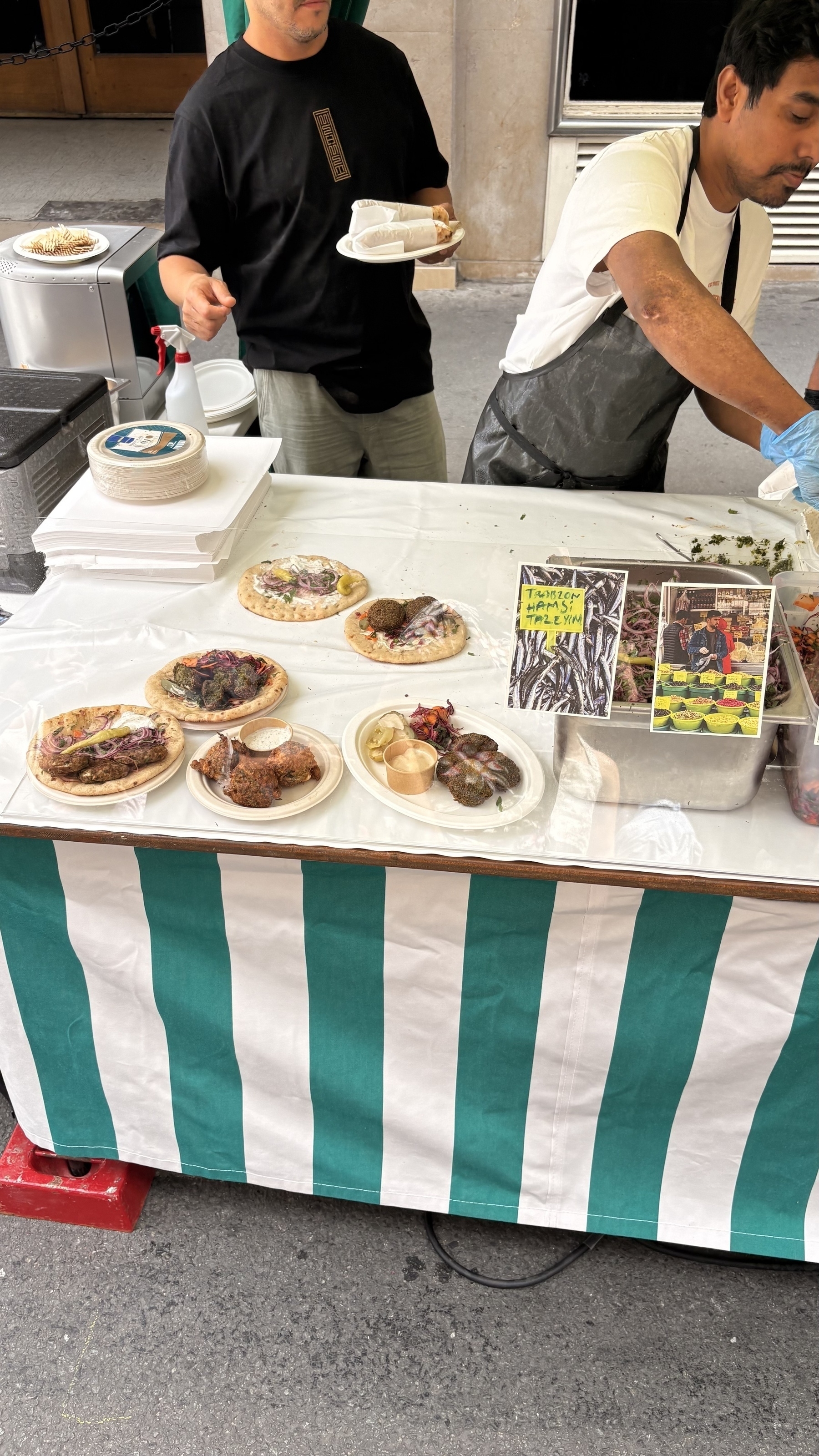
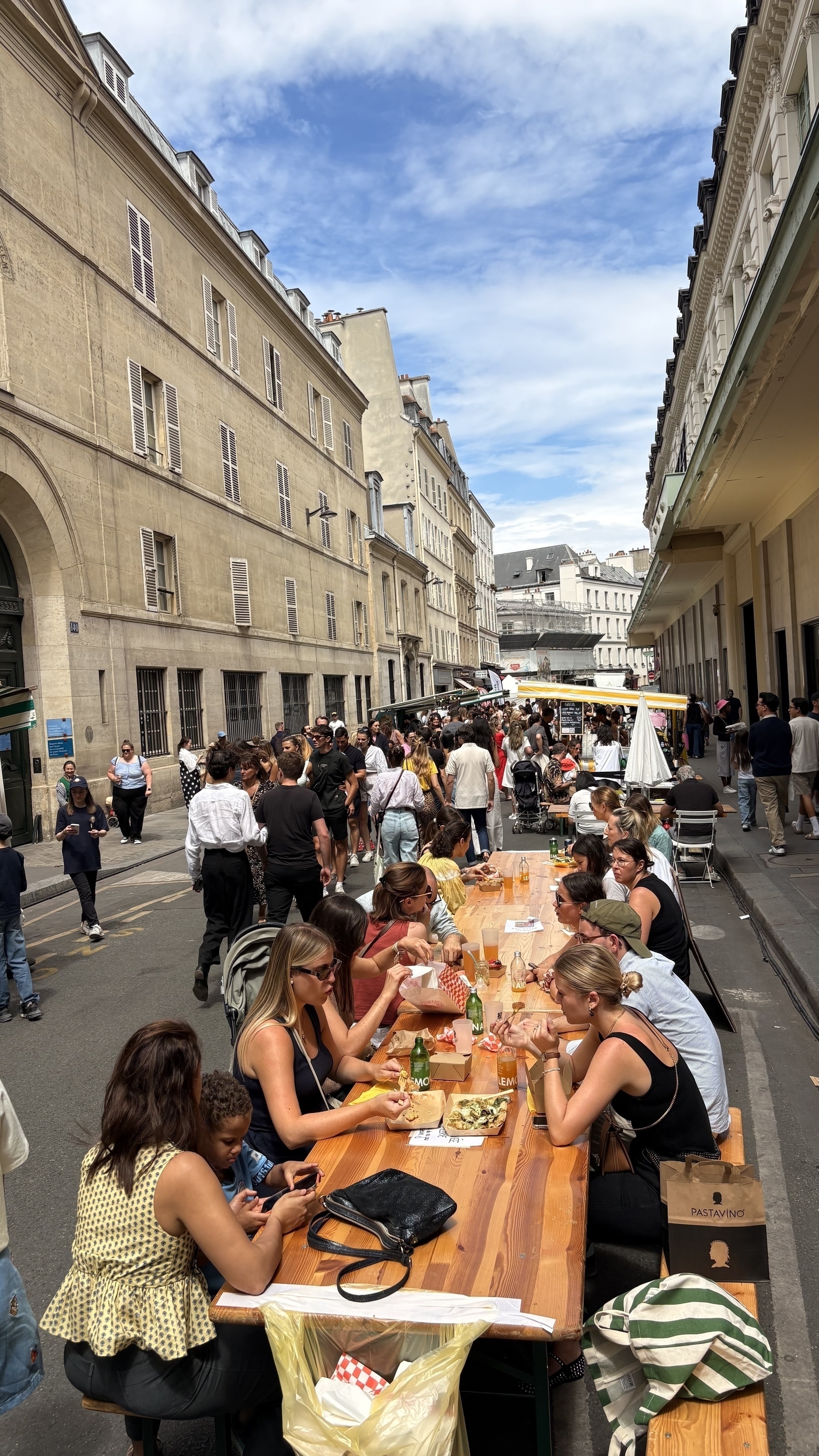
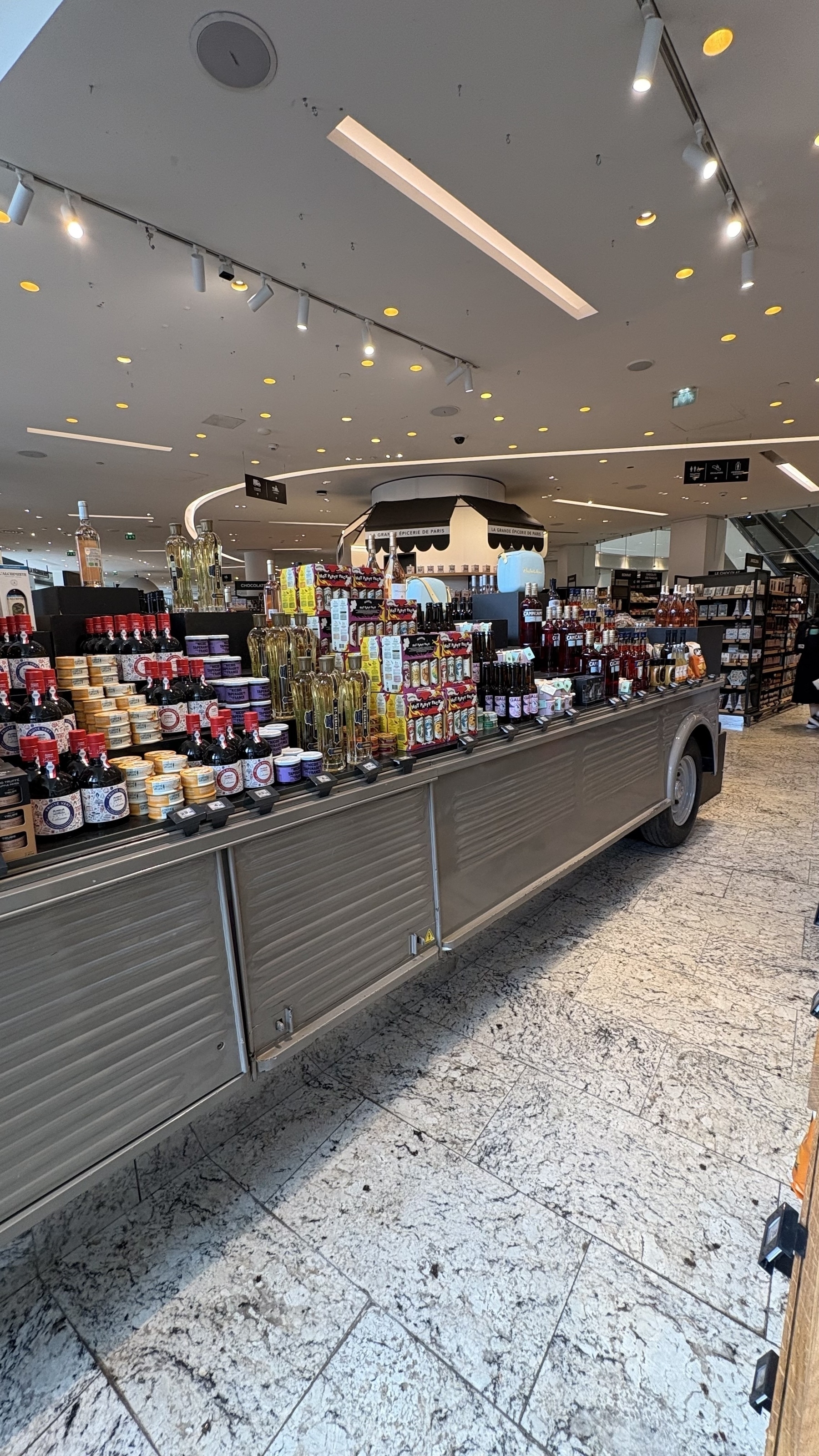


6/29/25
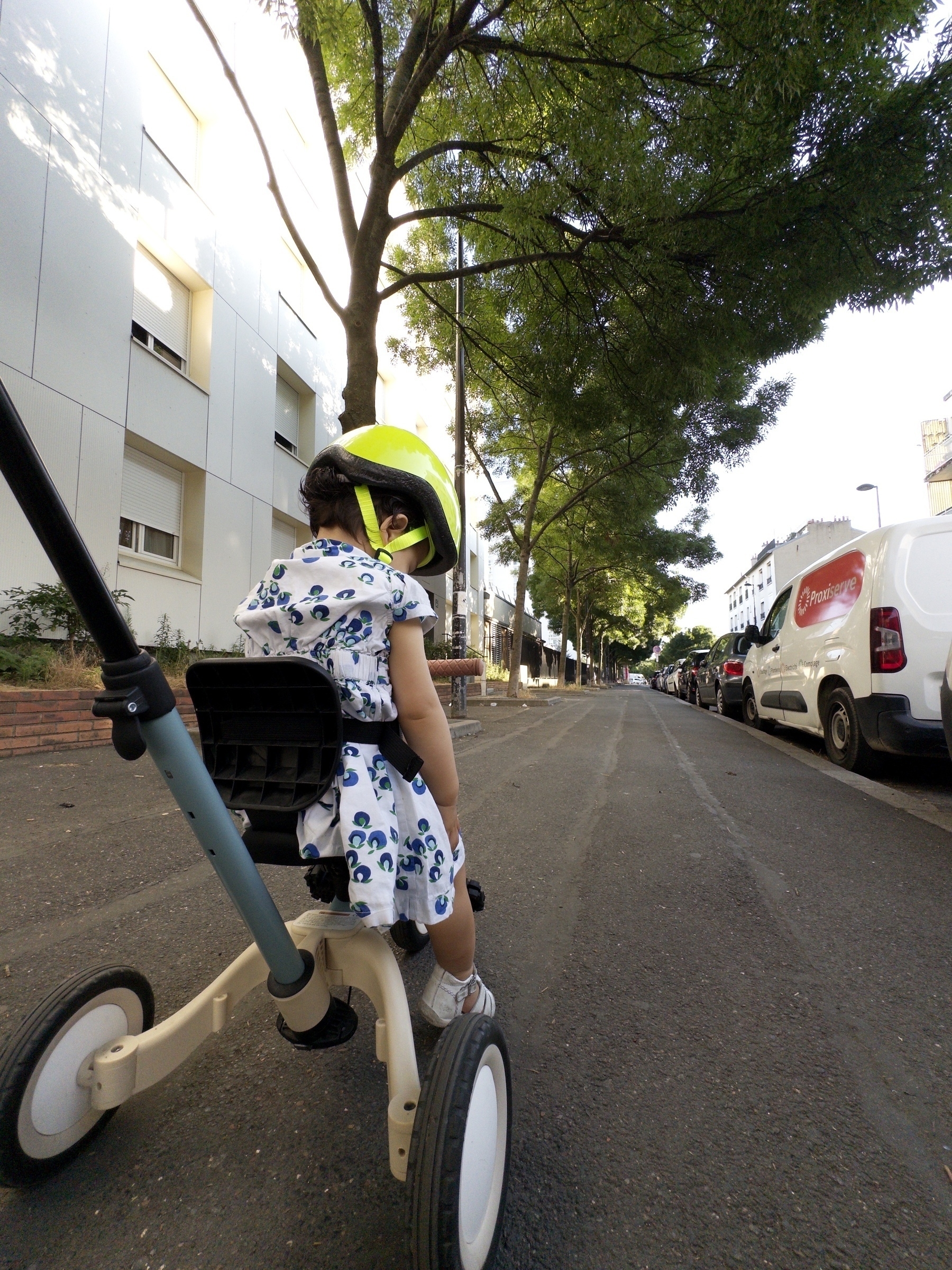
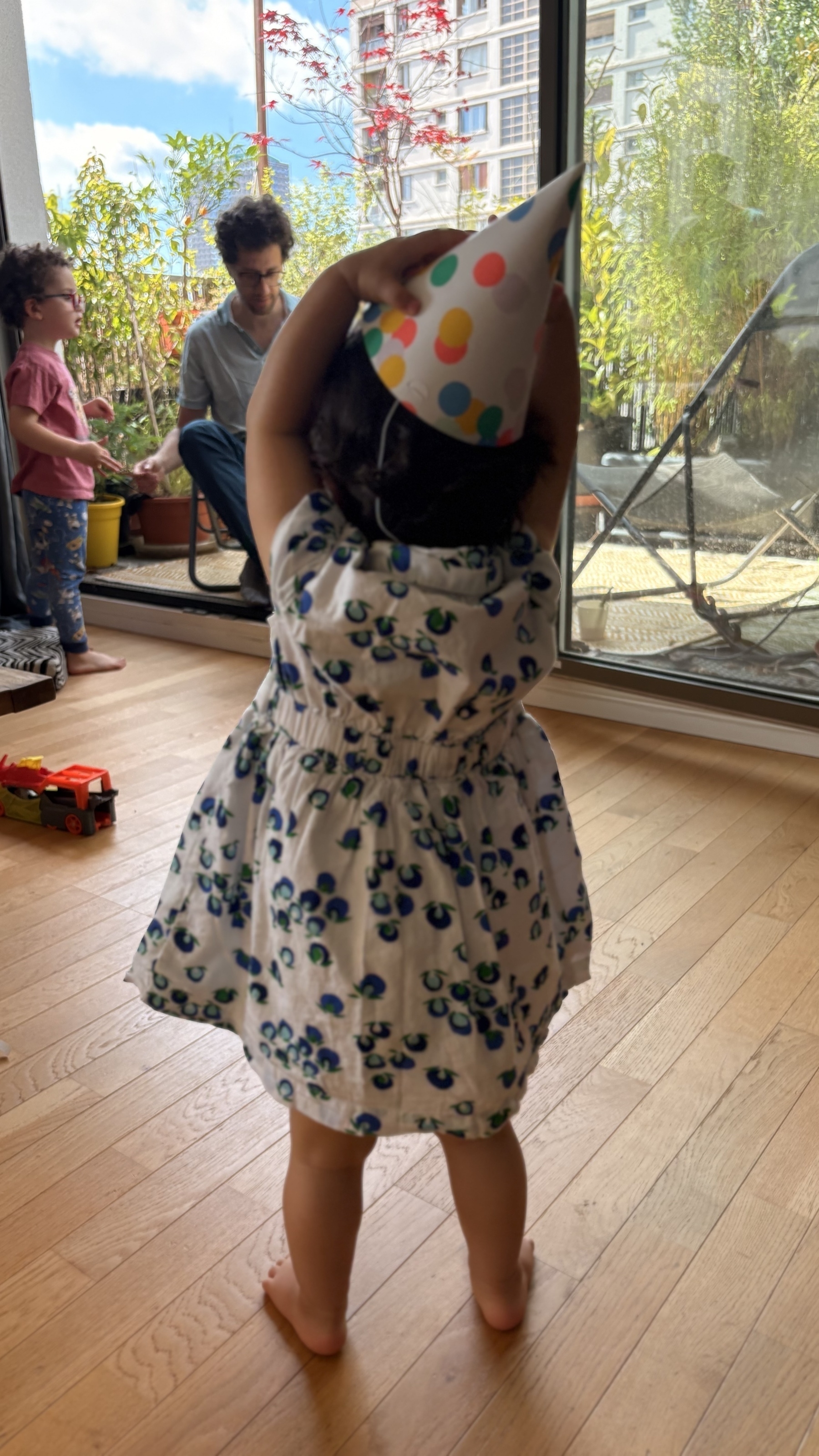
Friend’s Birthday Party
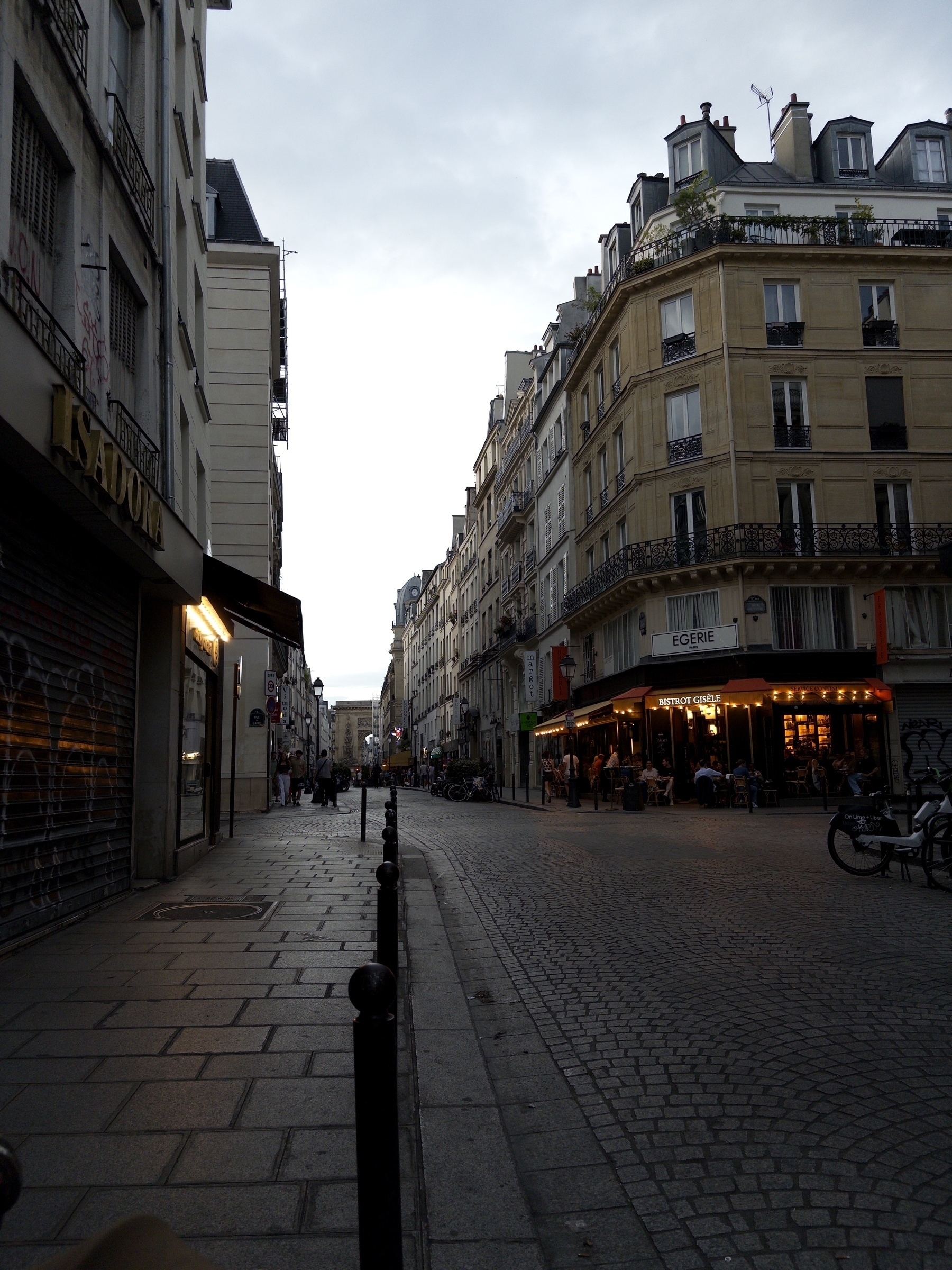
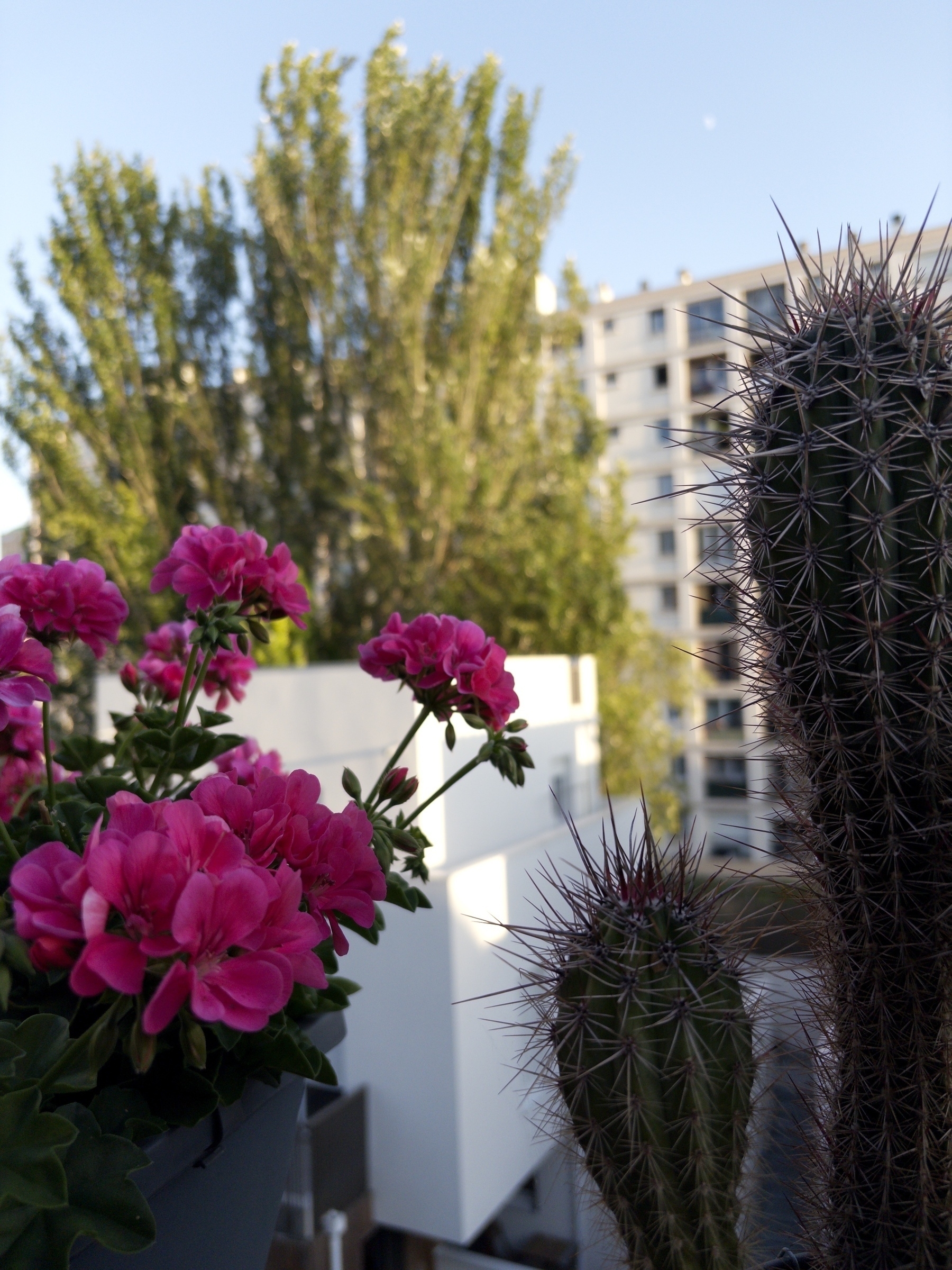
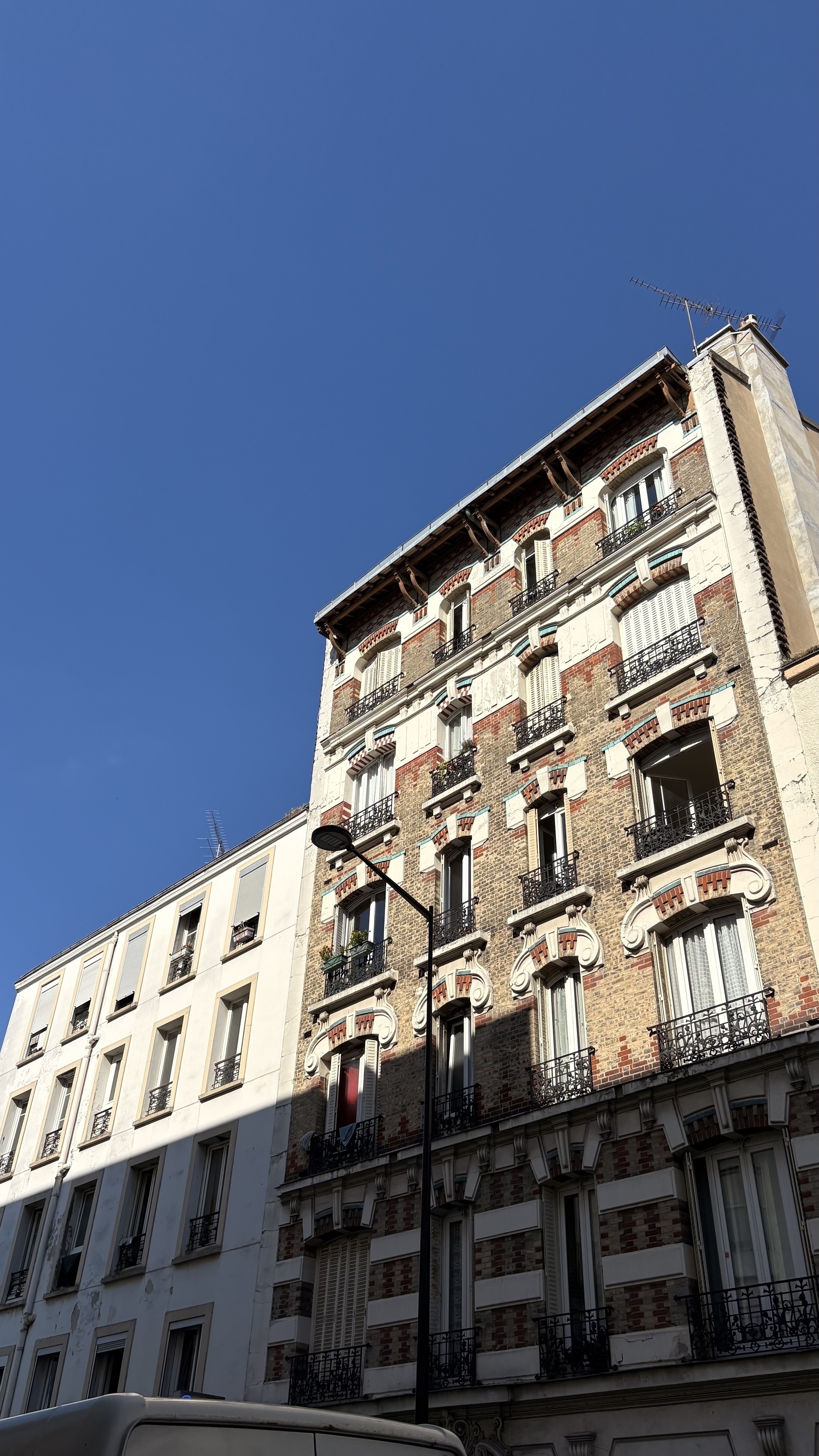
Cityscape

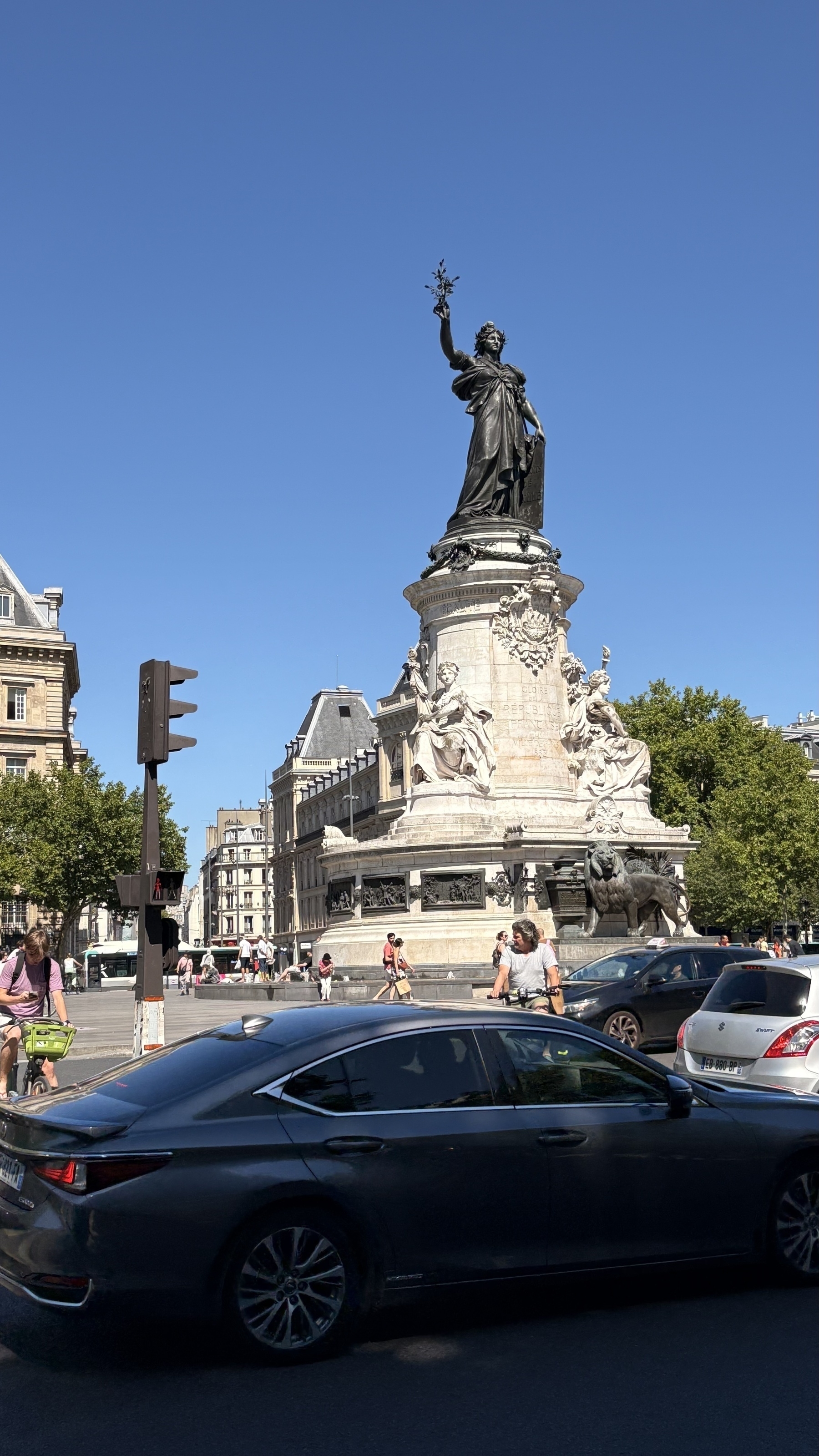
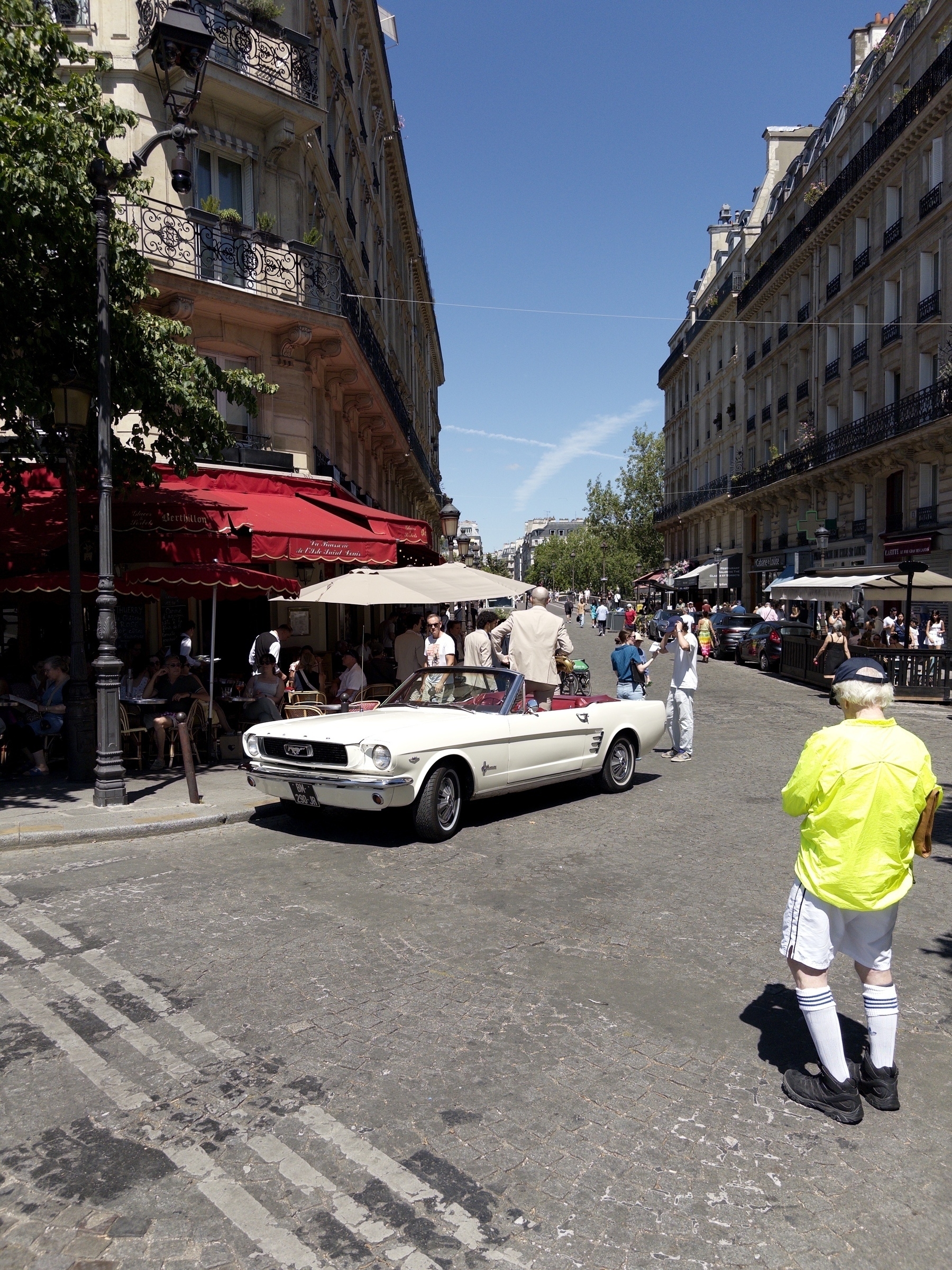
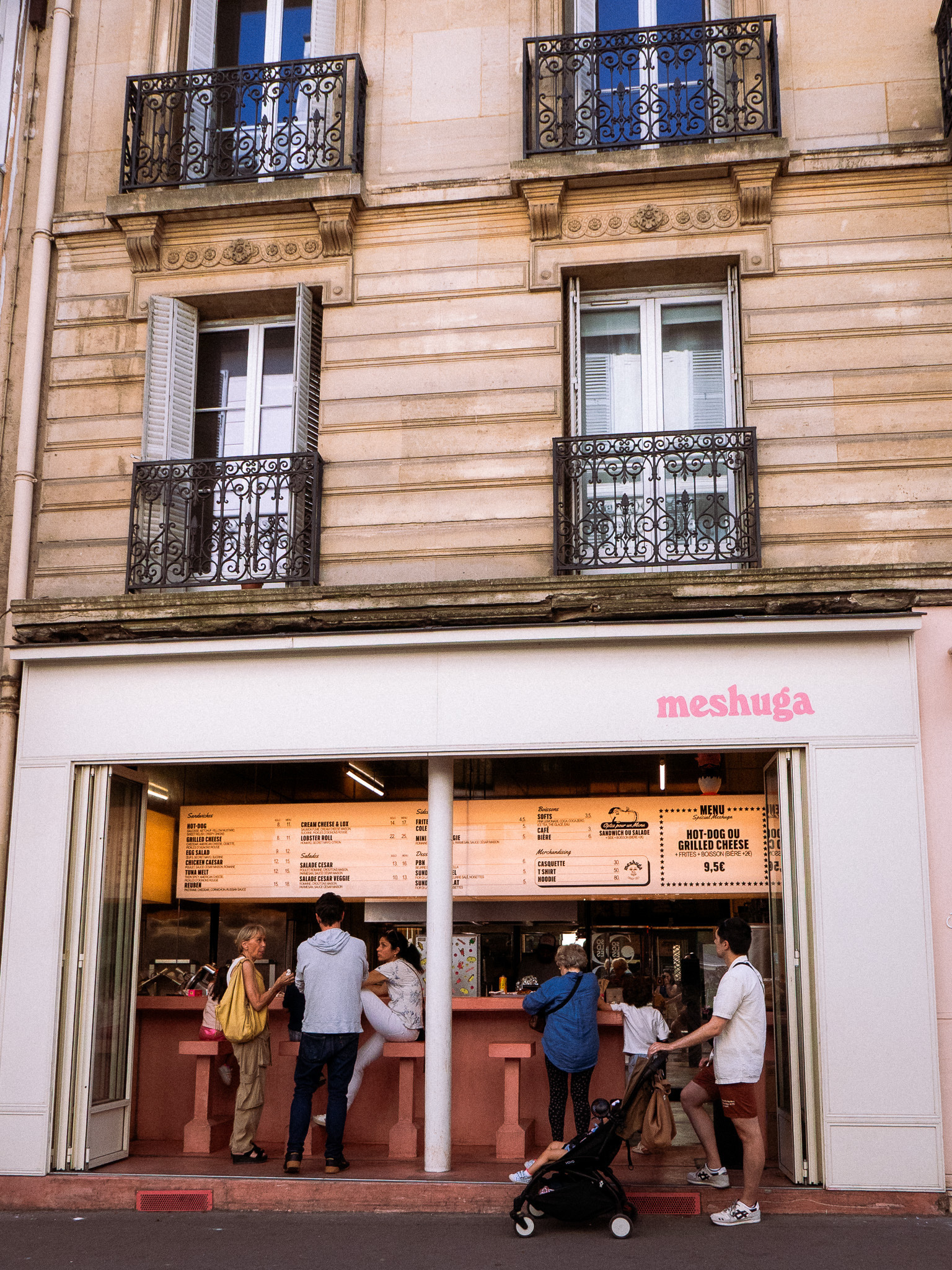
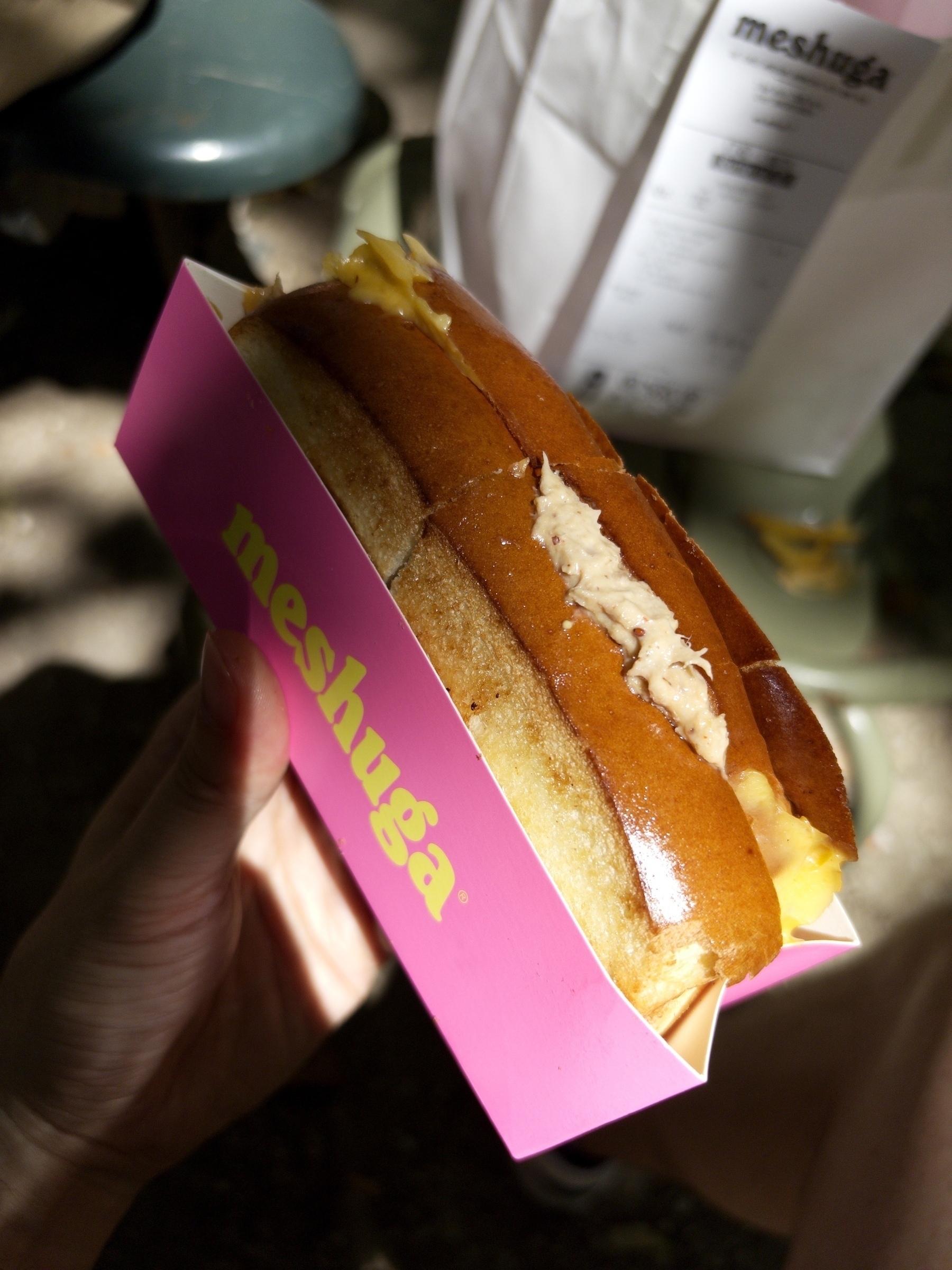
Discovering a new spot for lunch
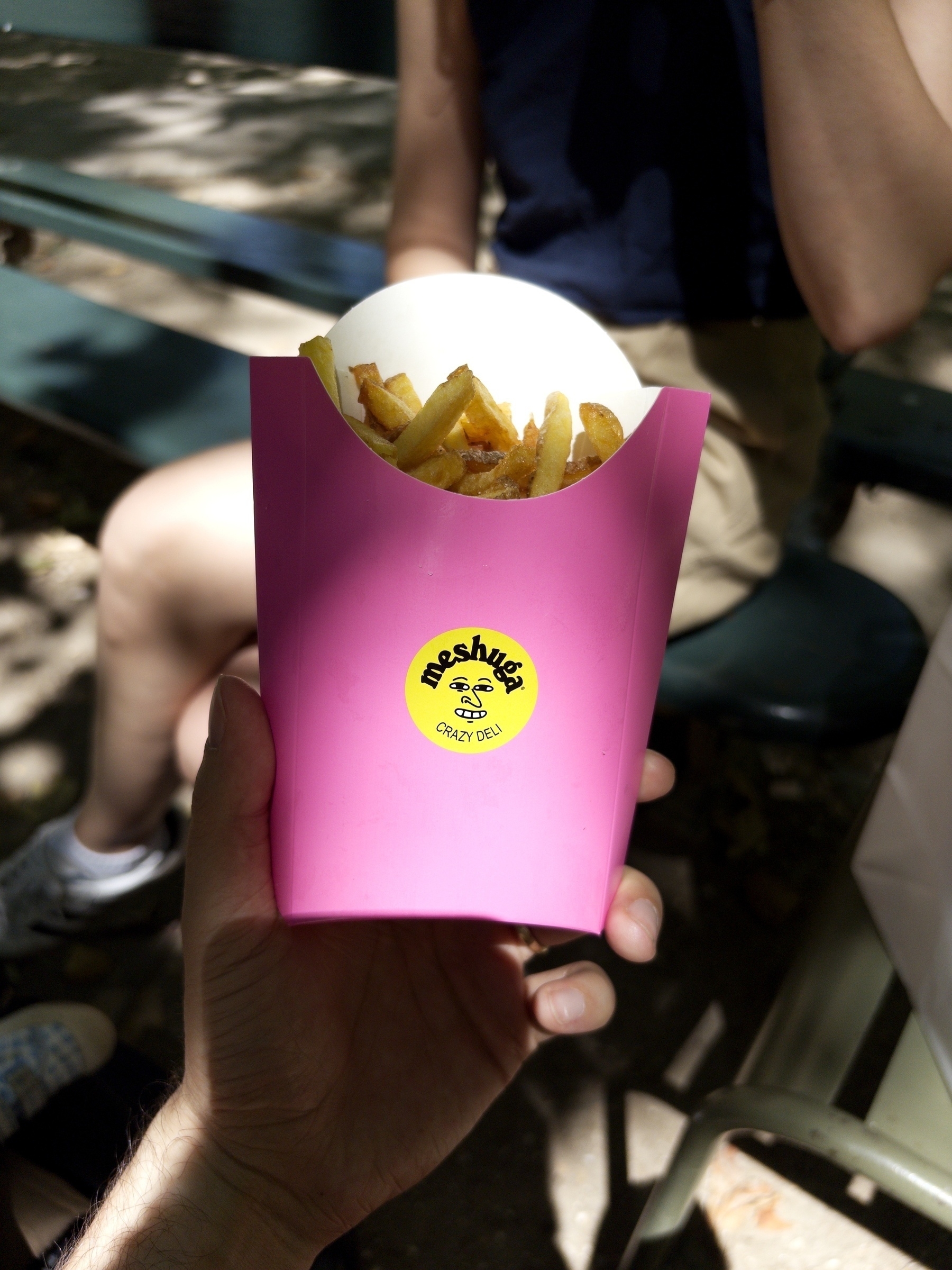
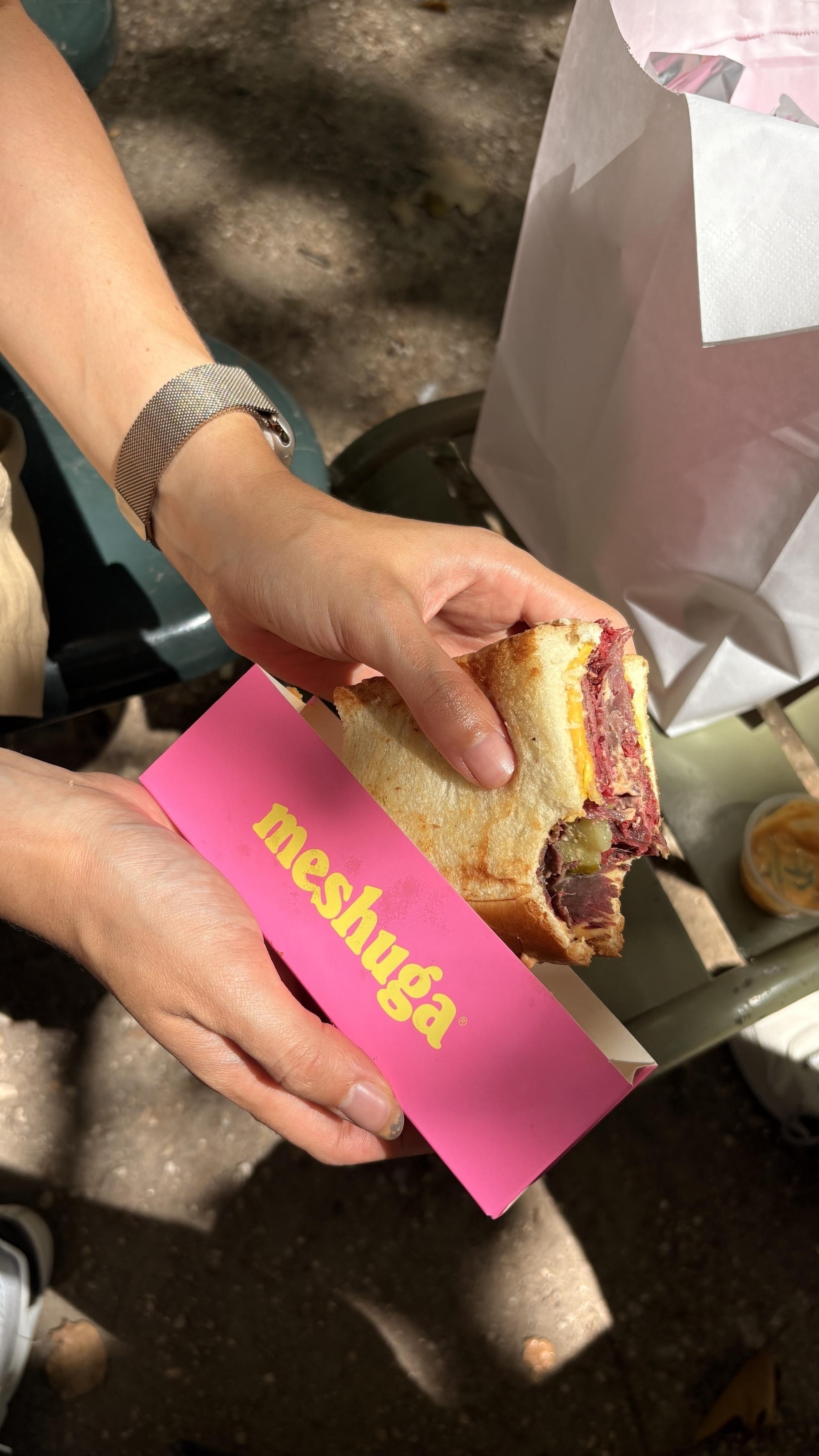
A walk around the Jardins du Luxembourg
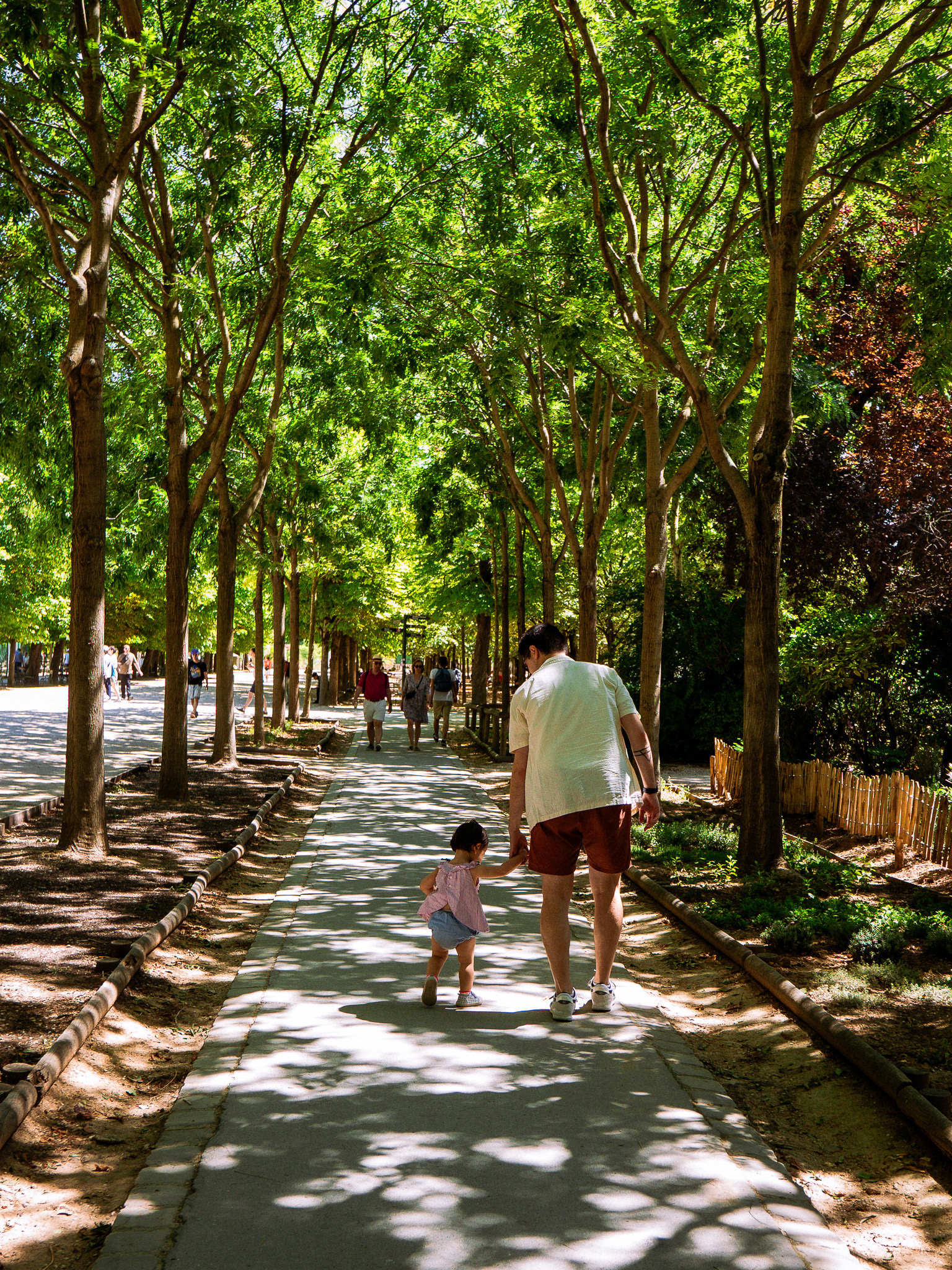
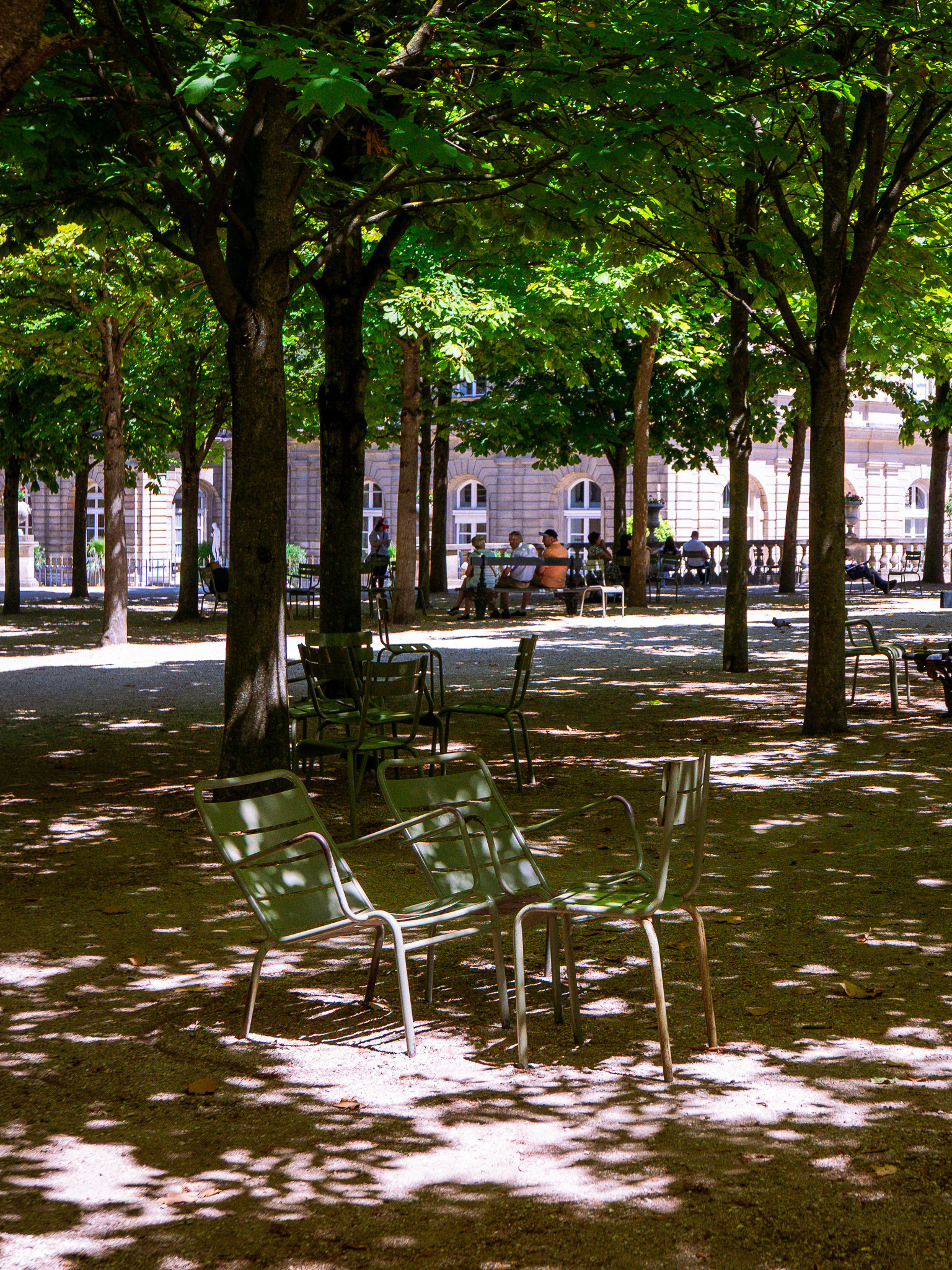
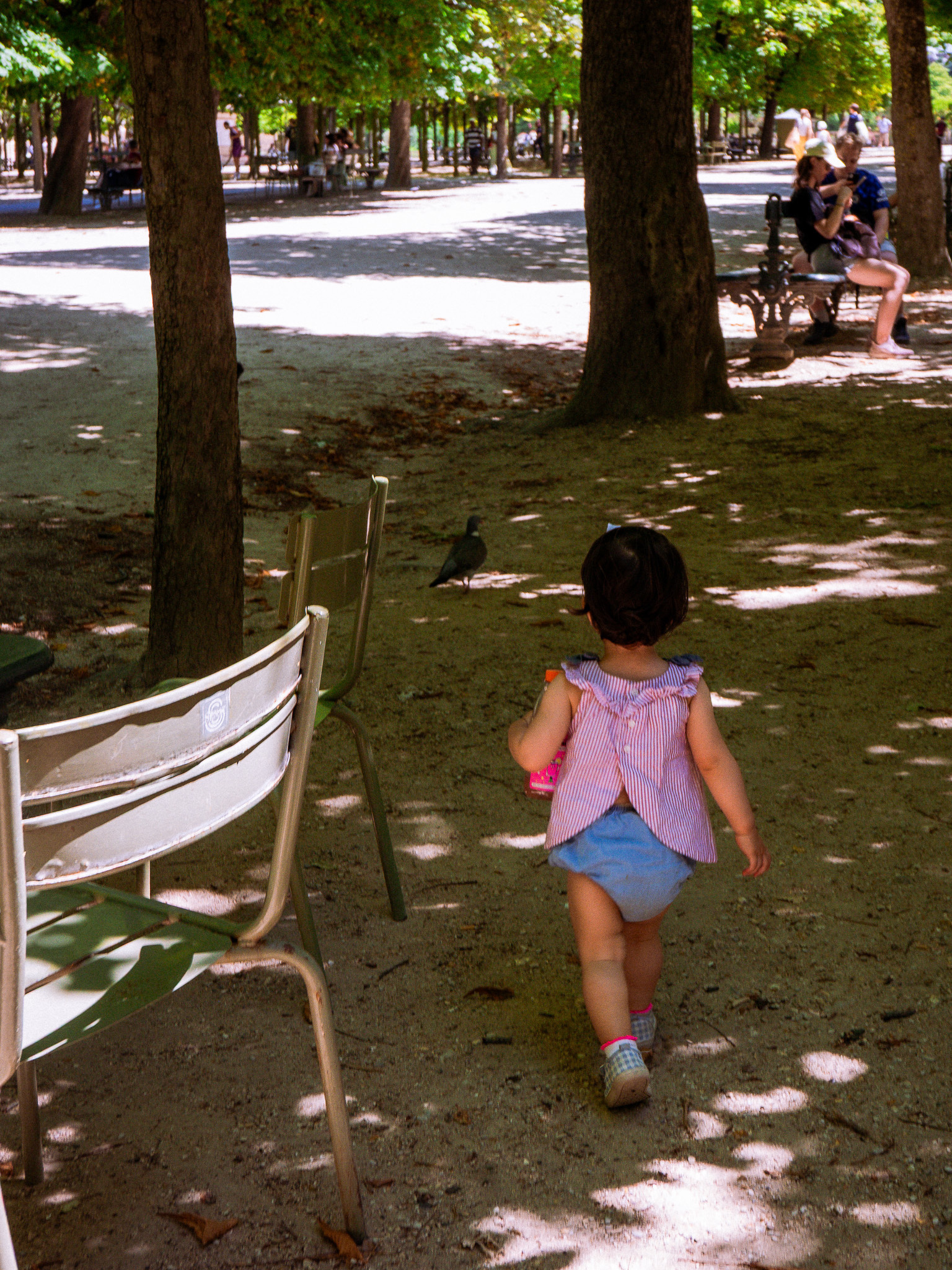
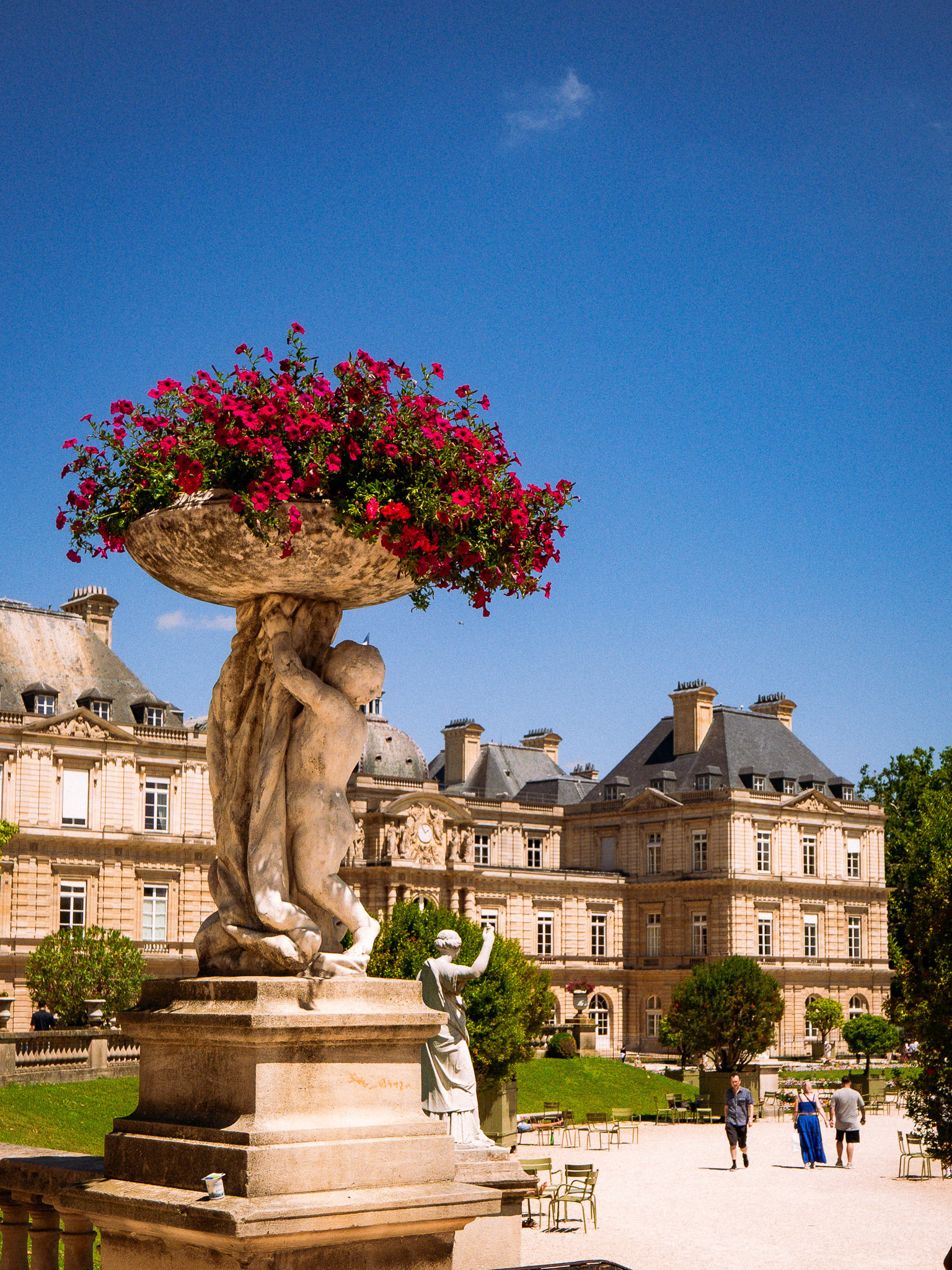
Some more city adventures
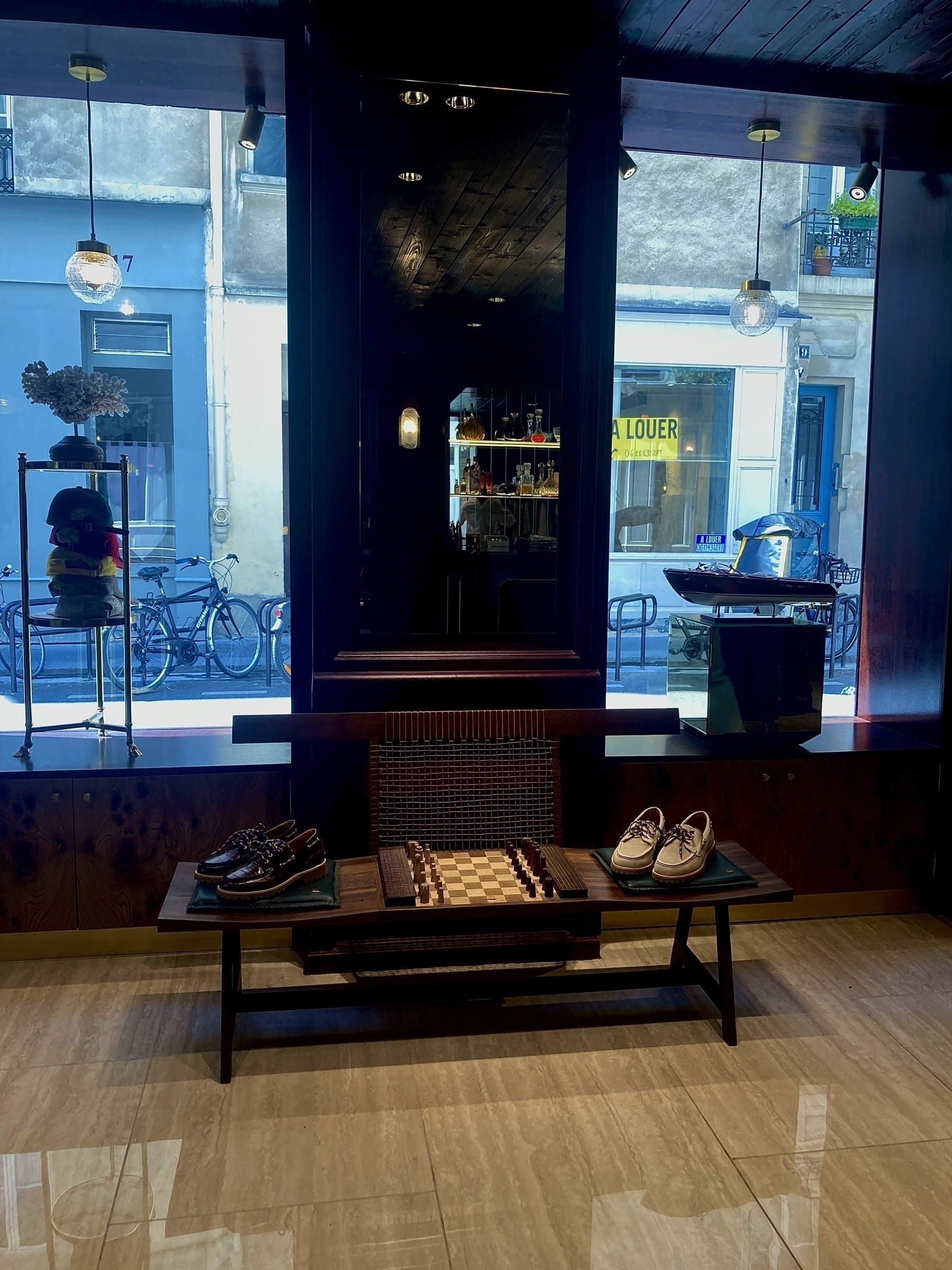
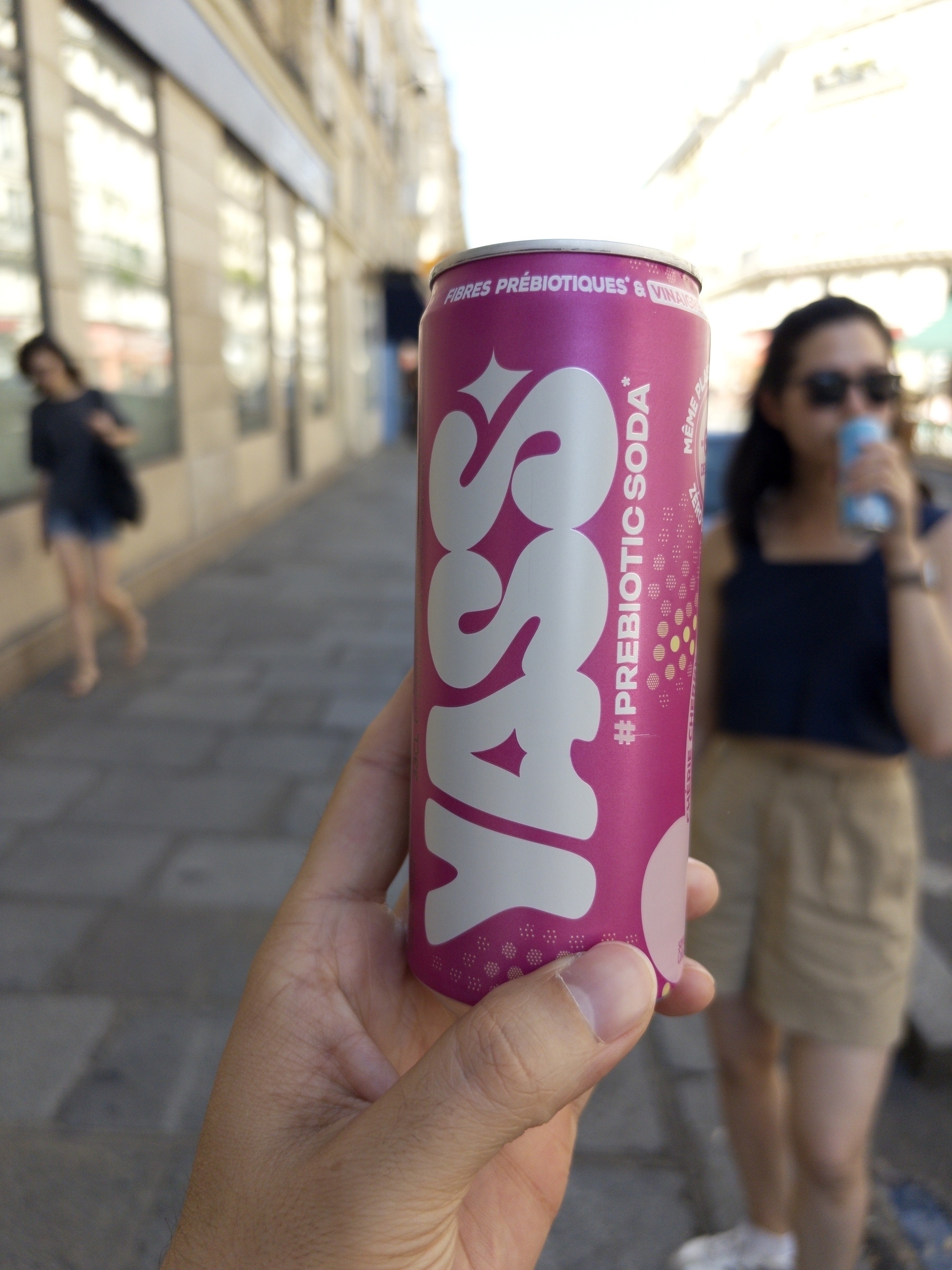
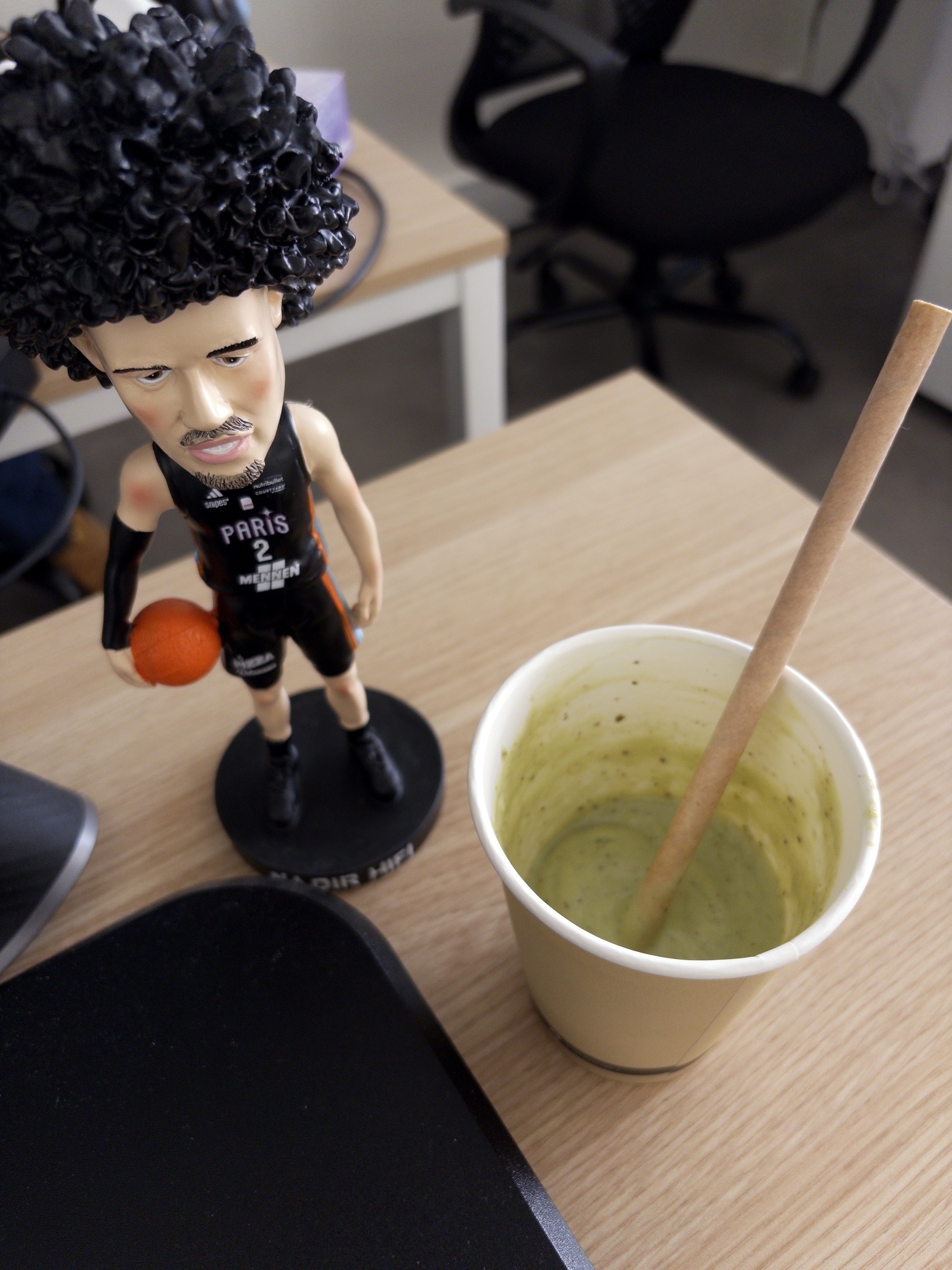
Coworkers went out and brought me a Viet Avocado Shake (Sinh To Bo) 😋🥑🥤#heatwave

6/13/25
Recent food highlights from the past few weeks, mostly at home for these ones:
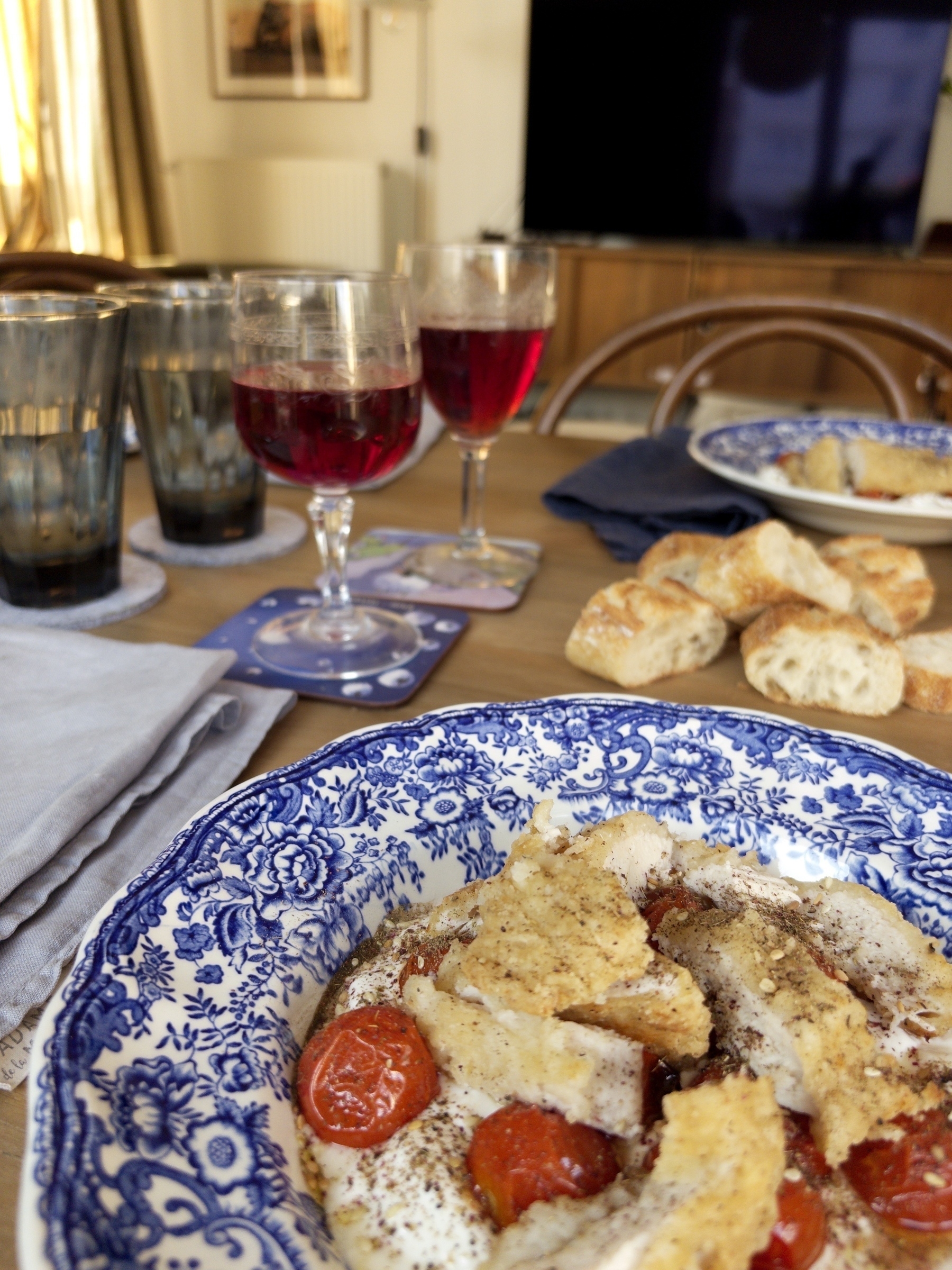
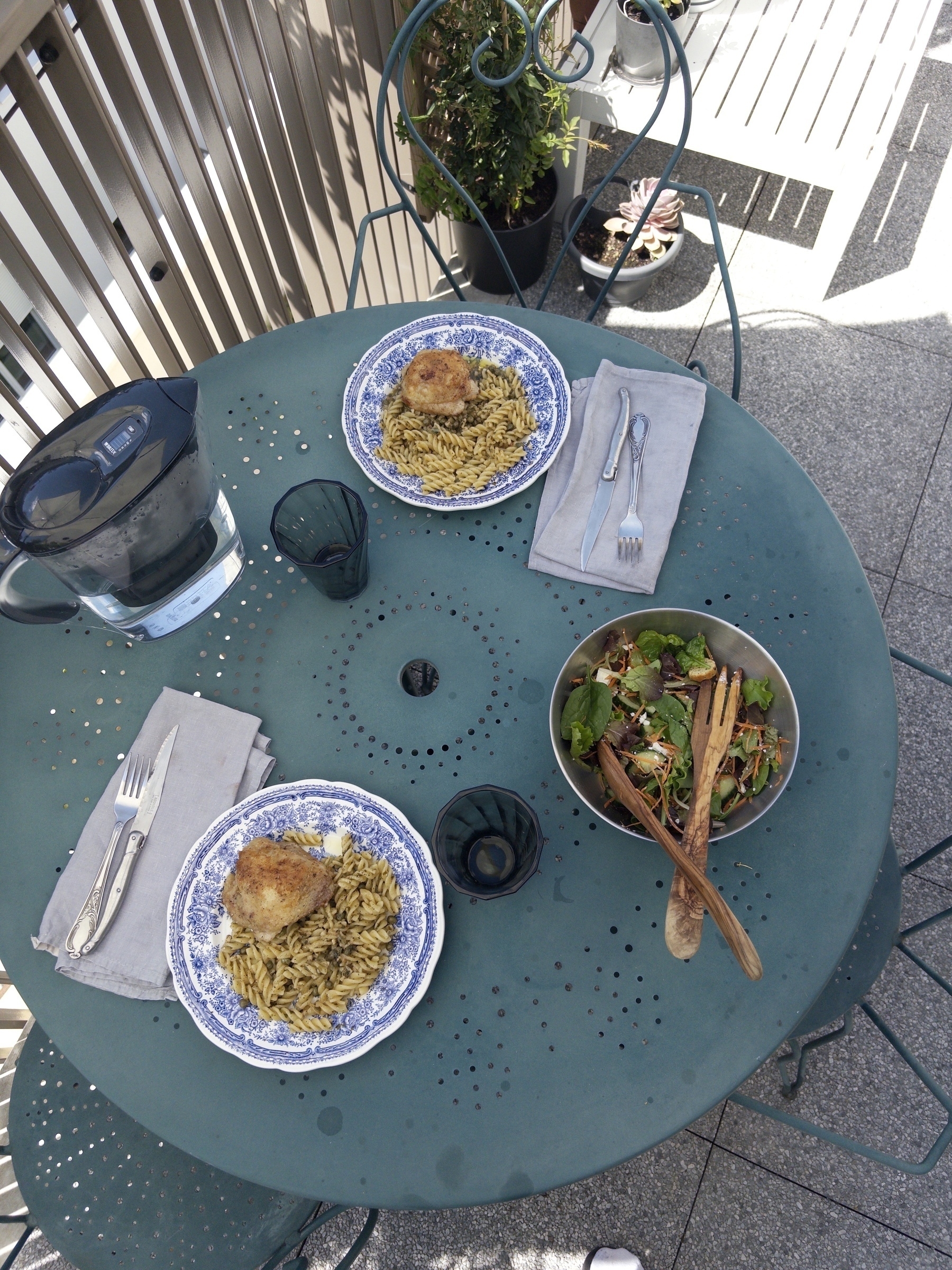
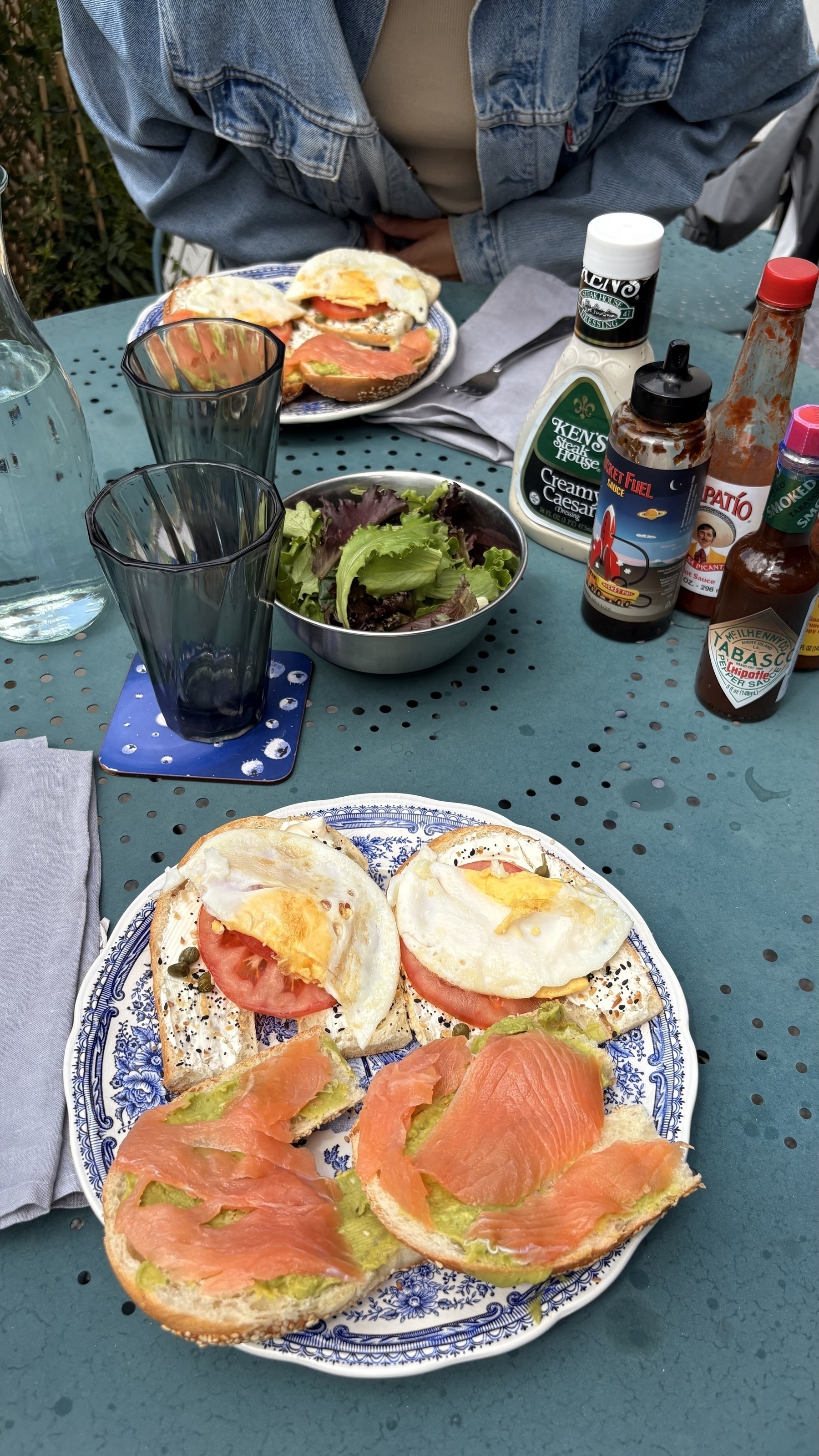
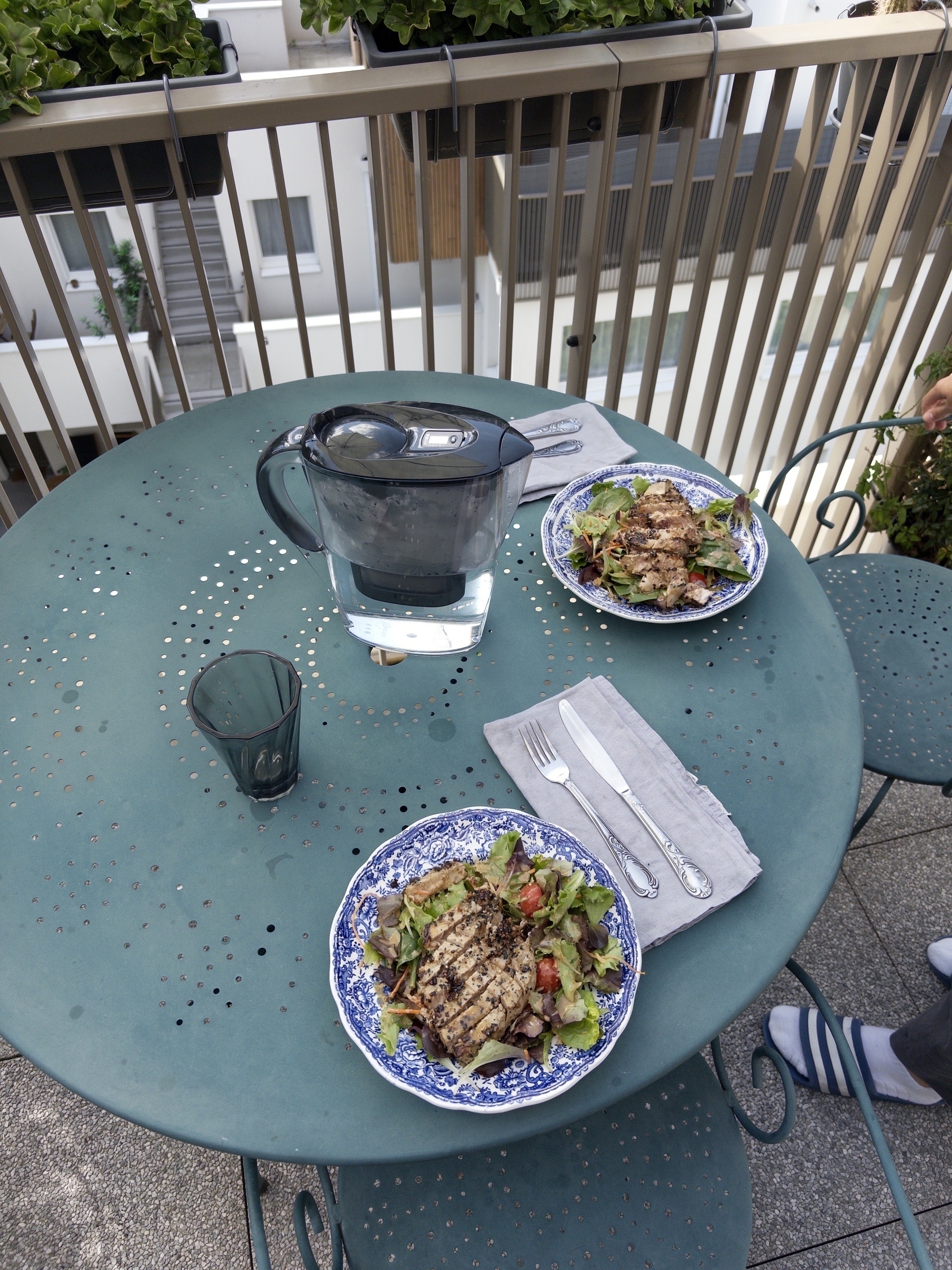
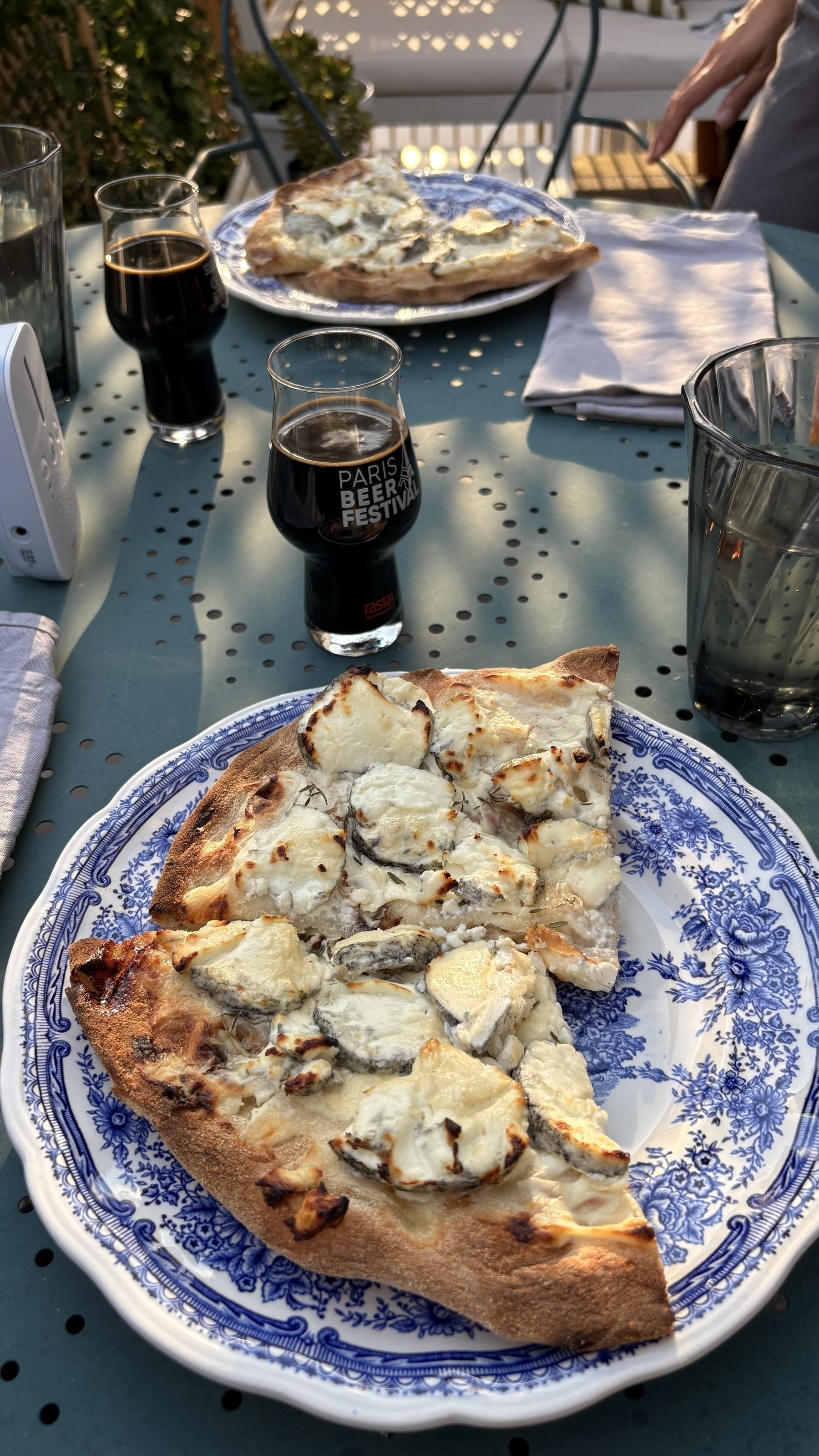
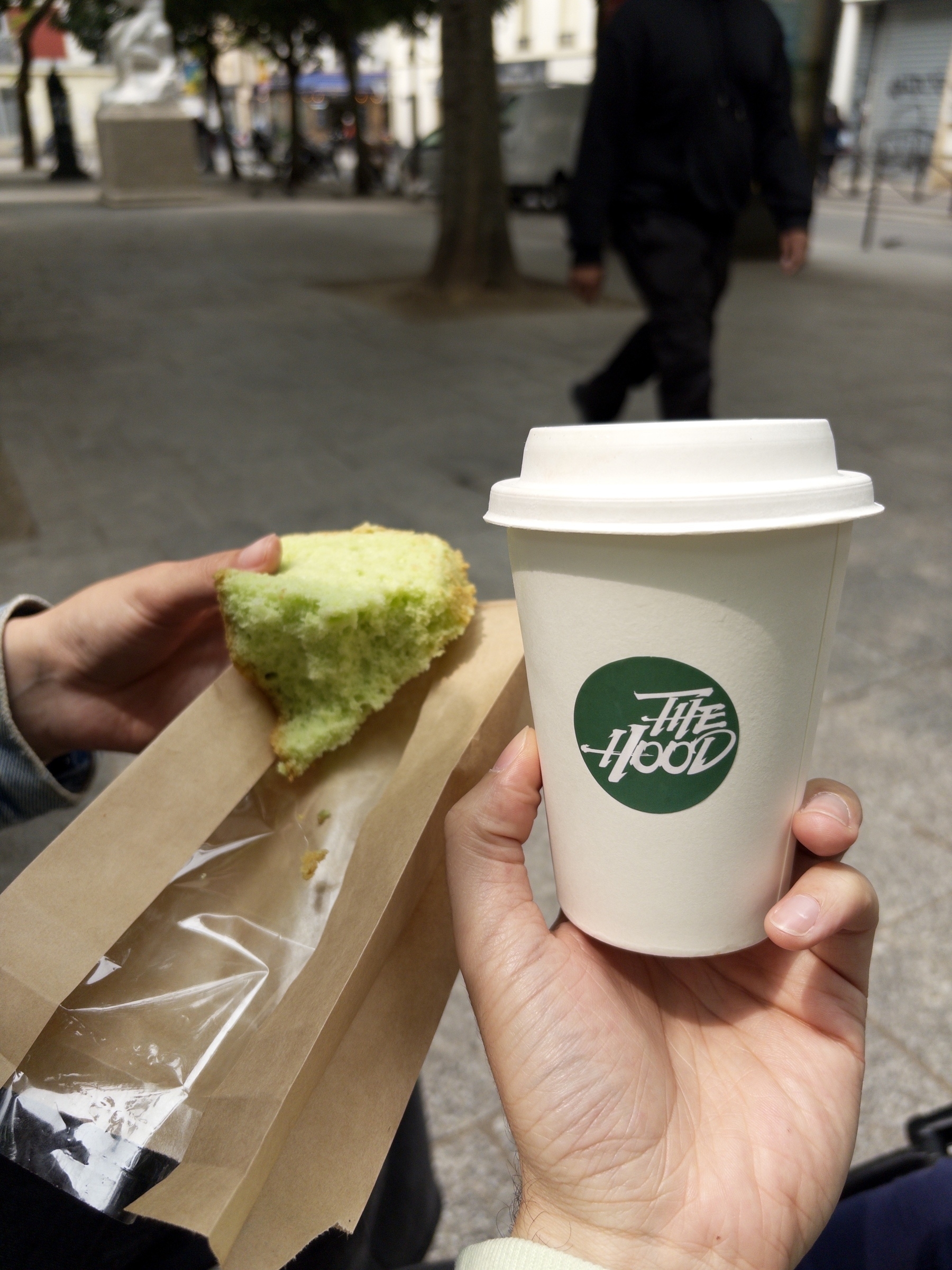
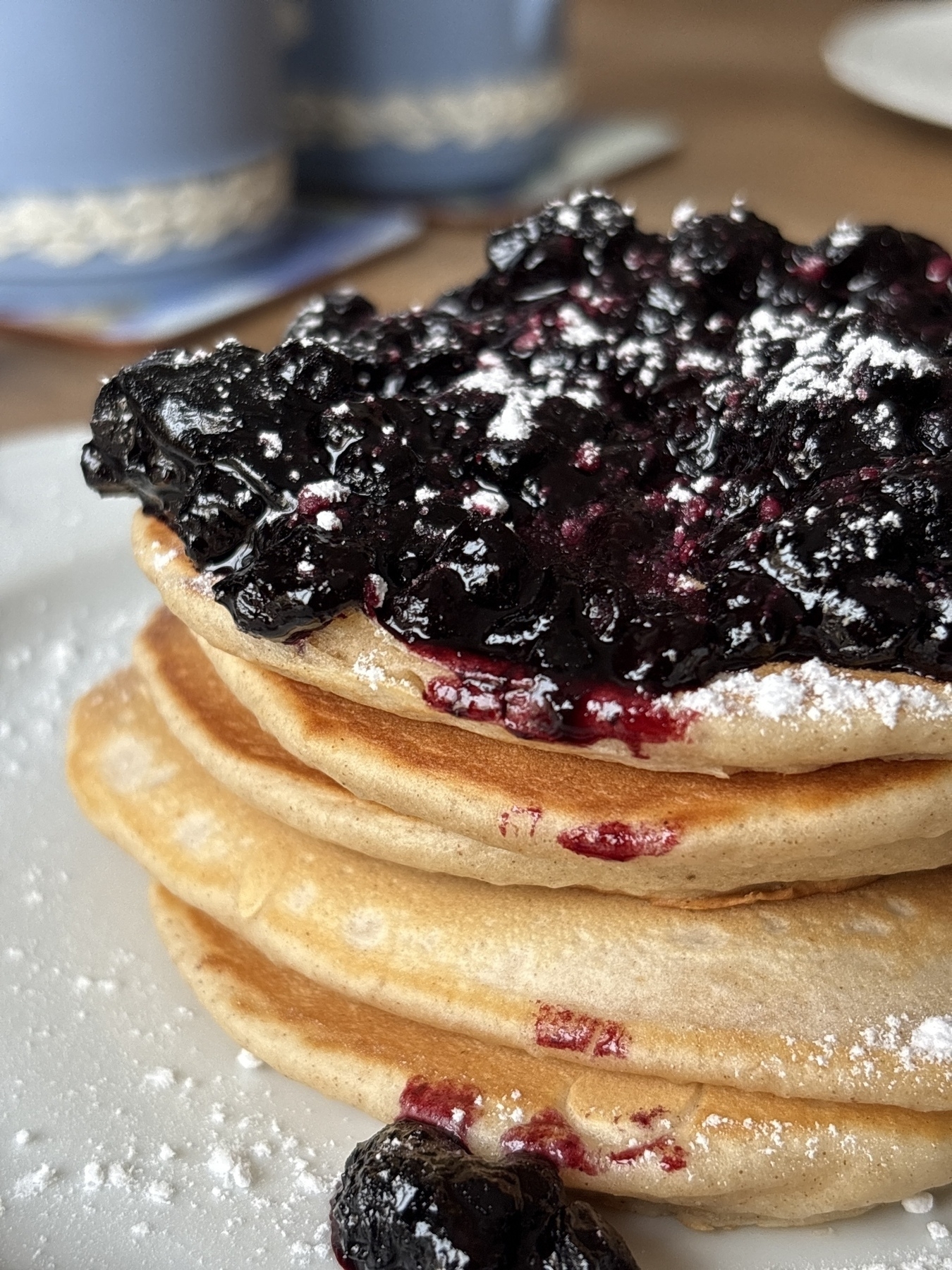
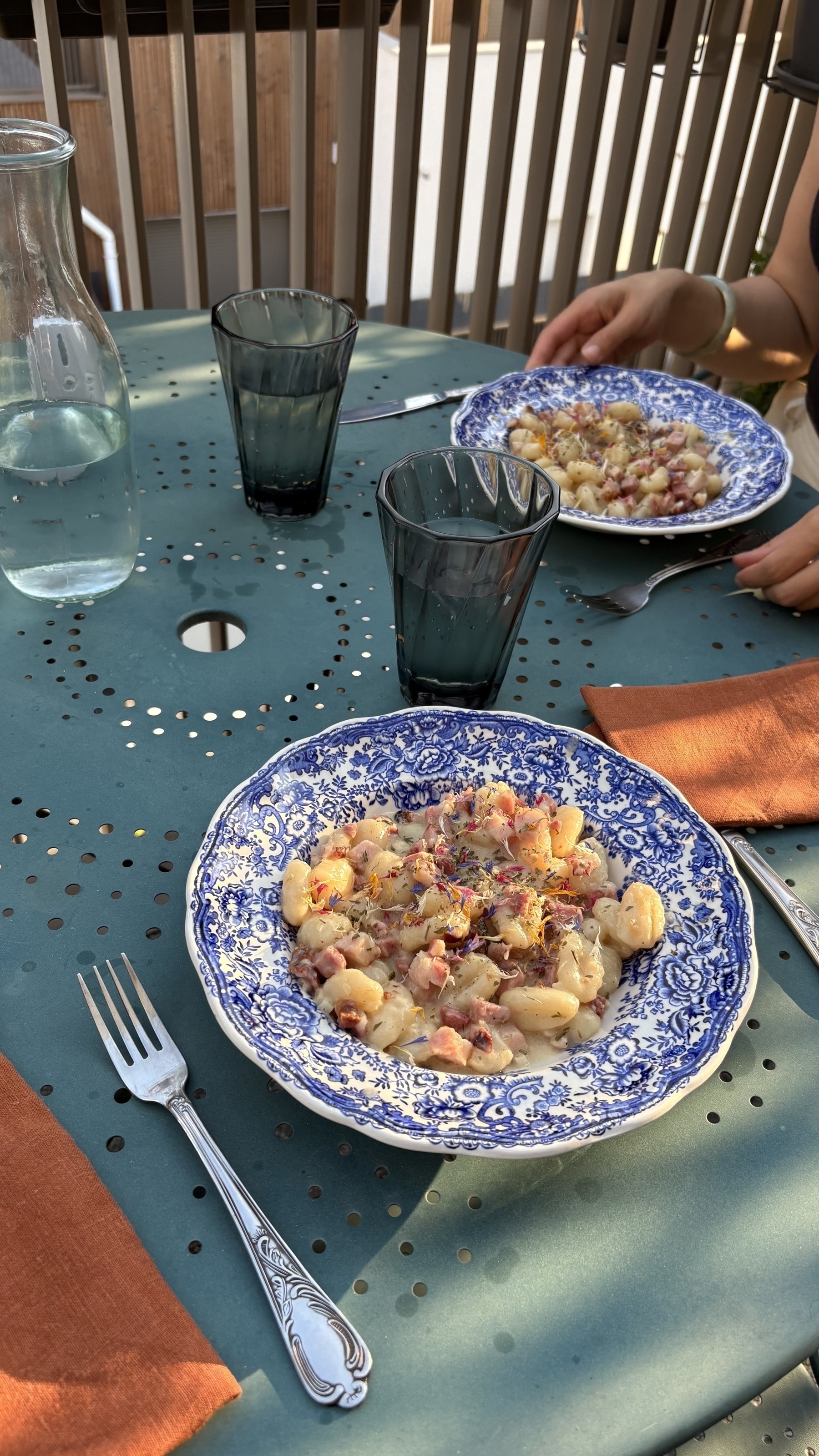
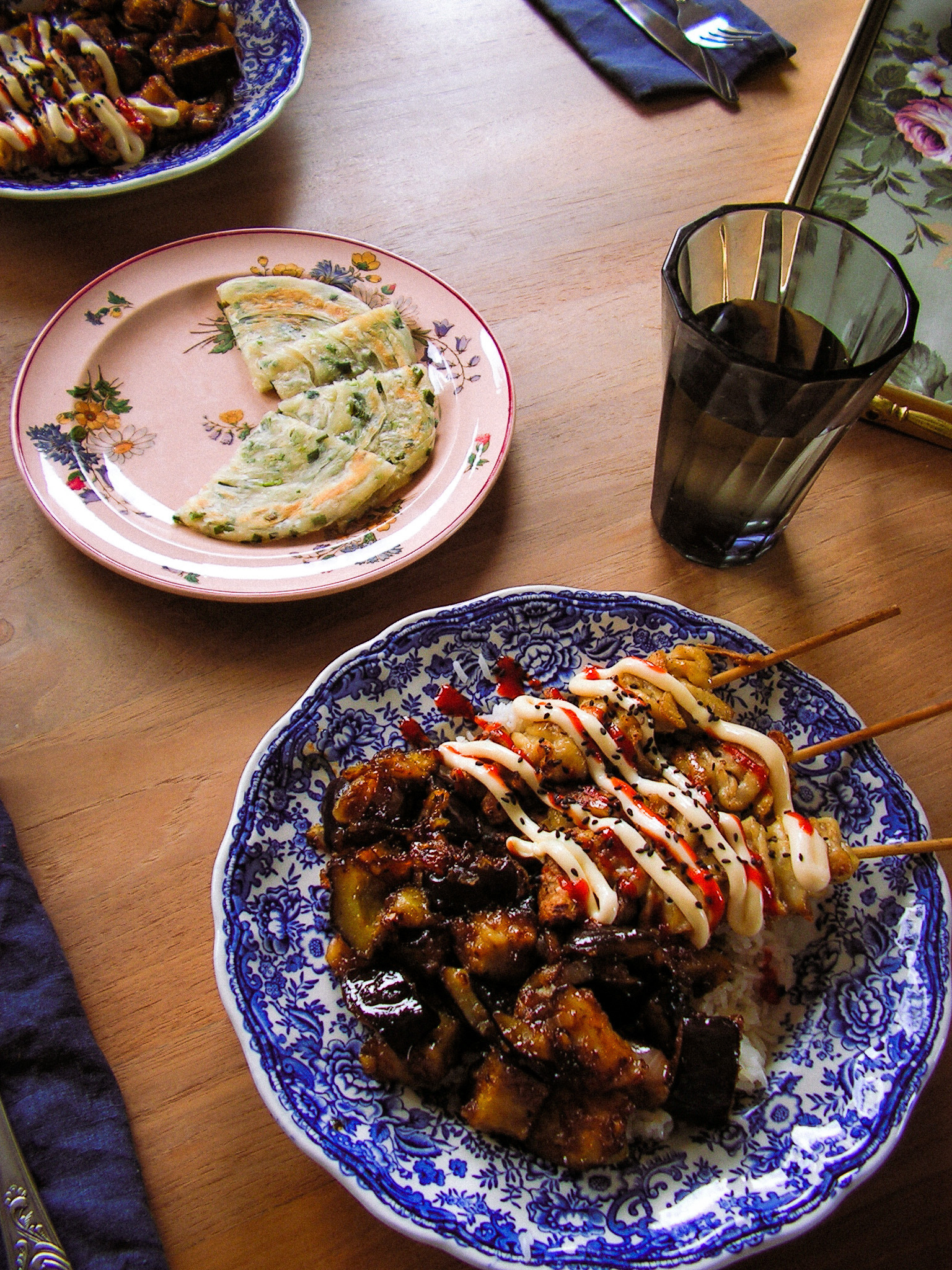
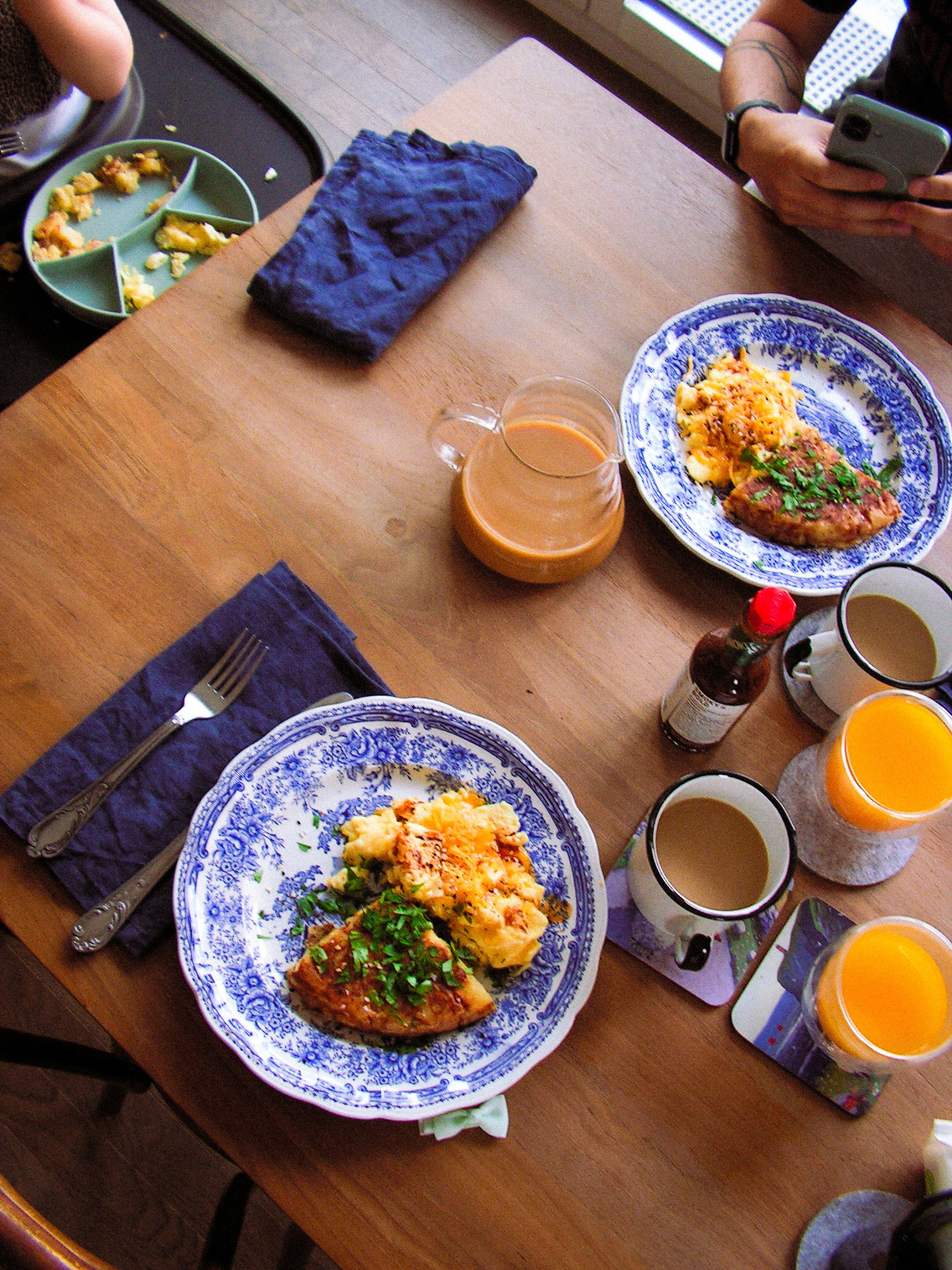
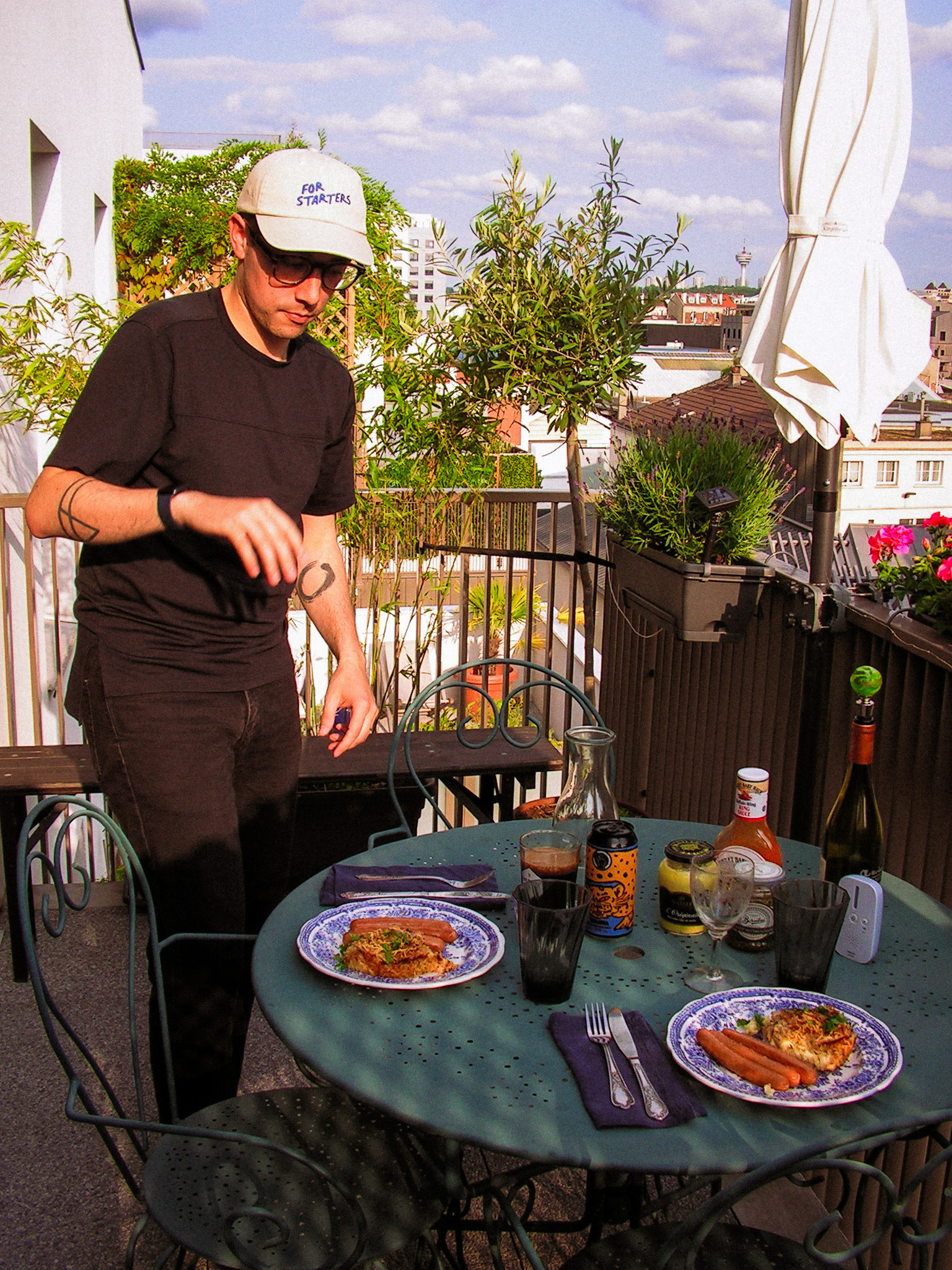
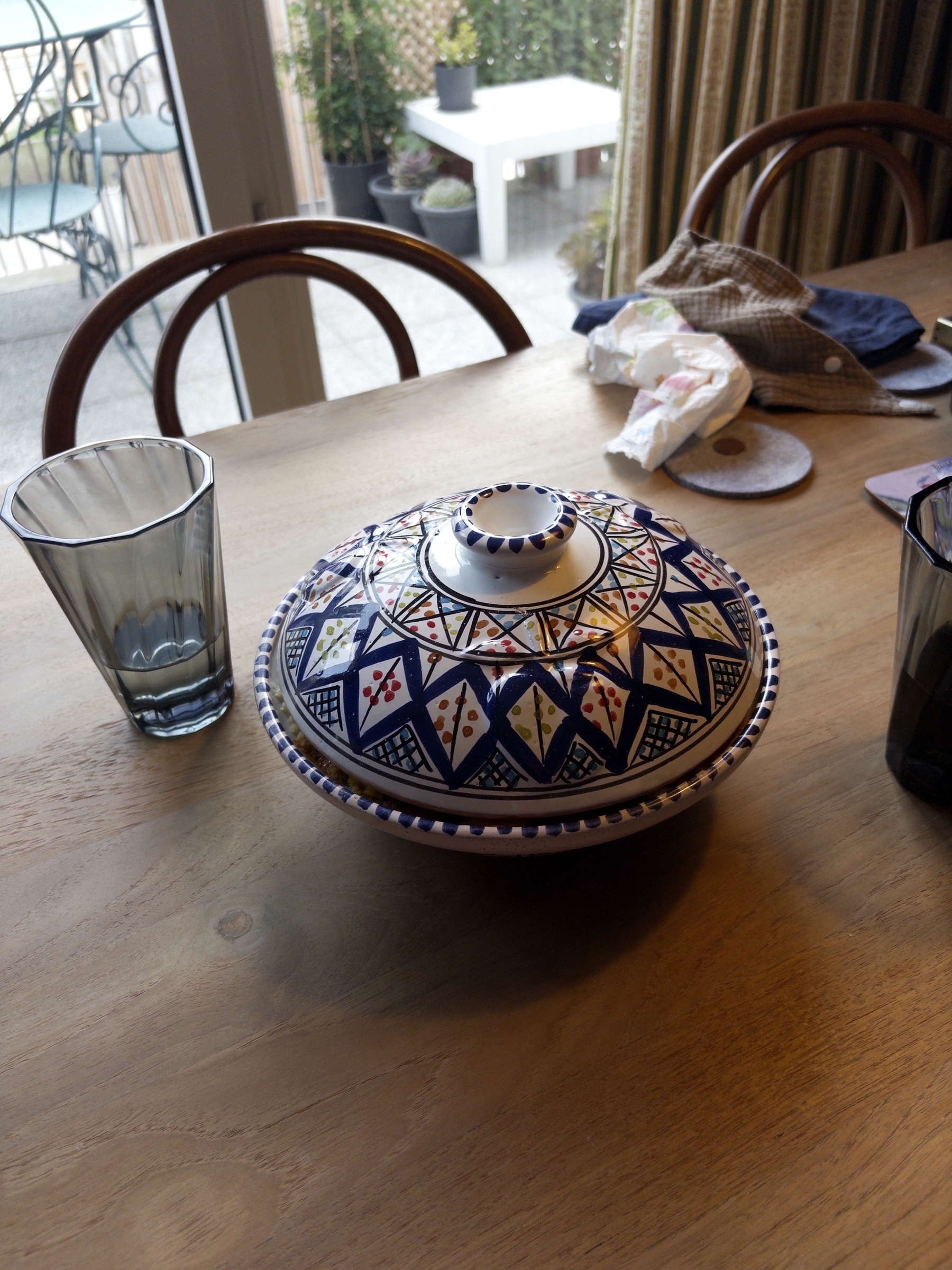
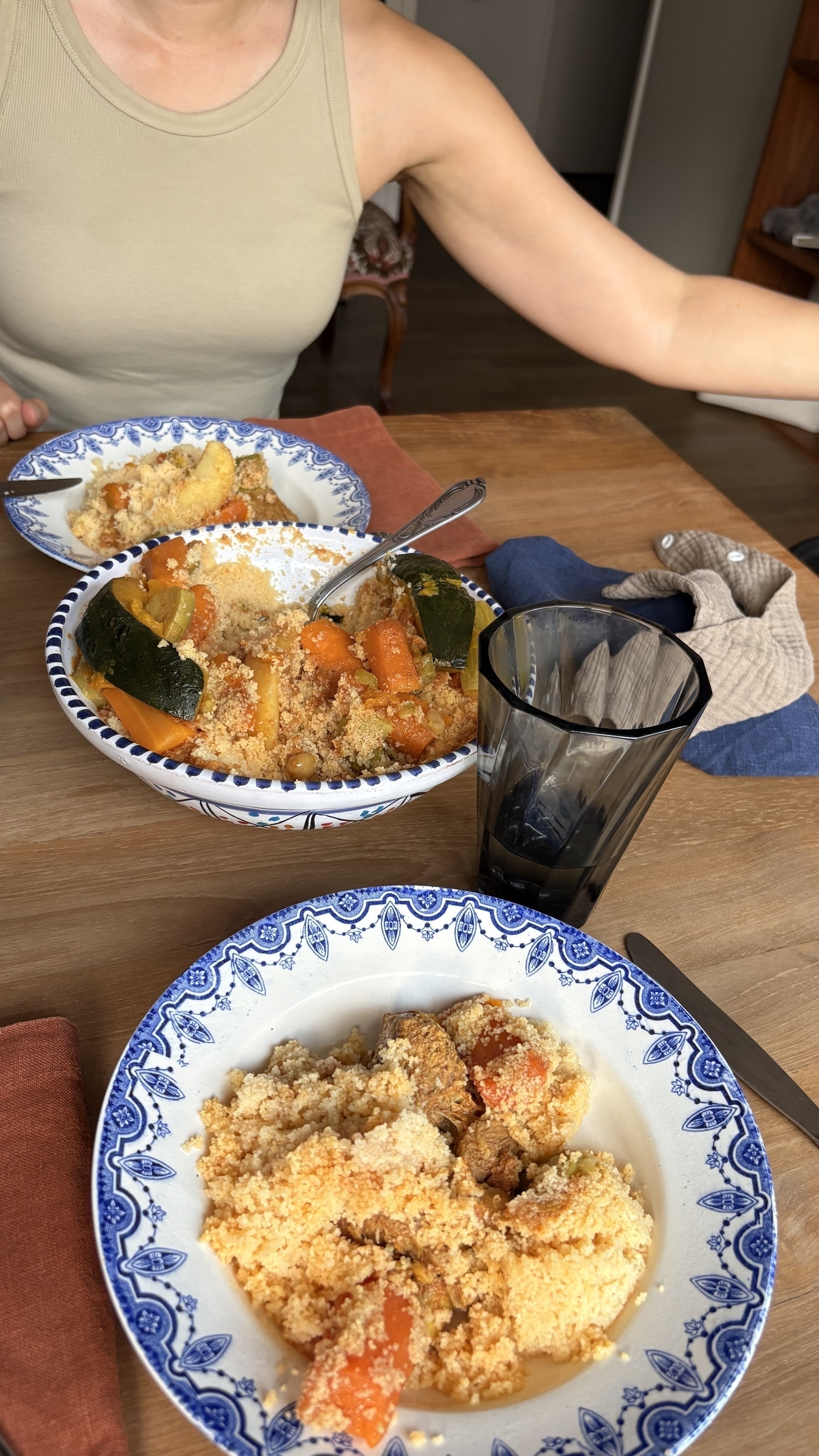
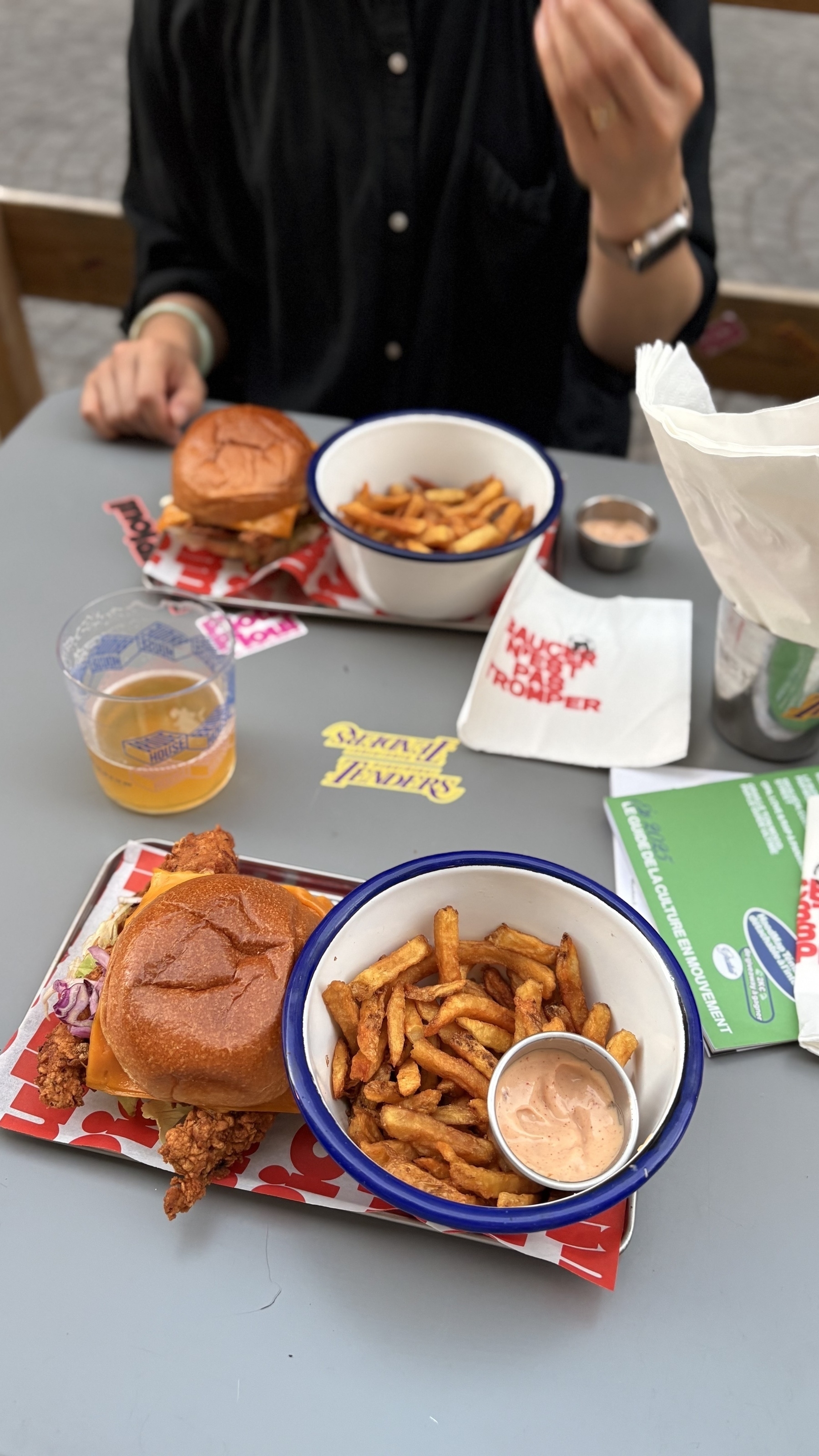
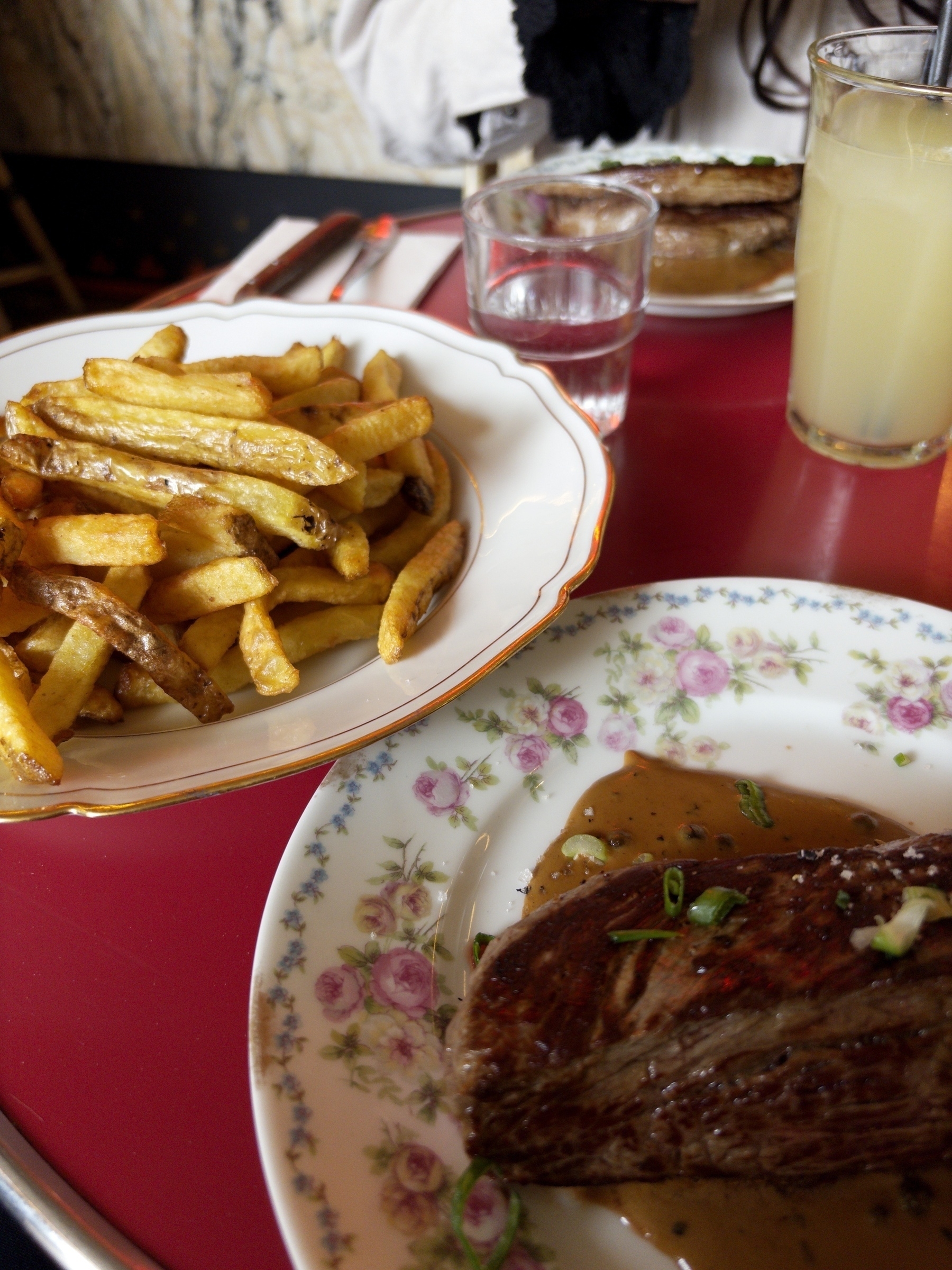
French food / French lunch in a Bistro is truly undefeated, if I do say so myself…
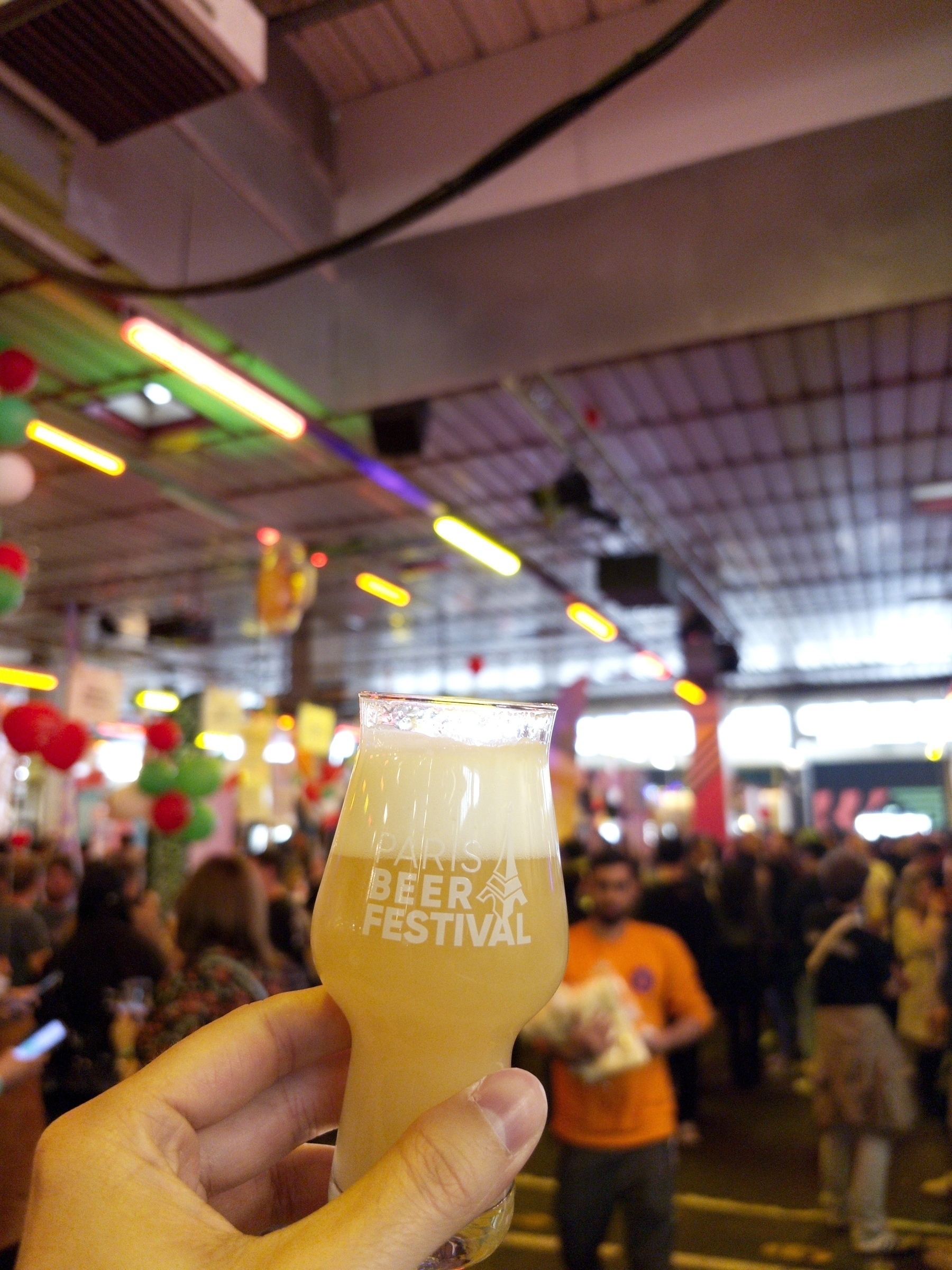
A great time at the #ParisBeerFestival yesterday! Will definitely plan to be back next year :) 🍻
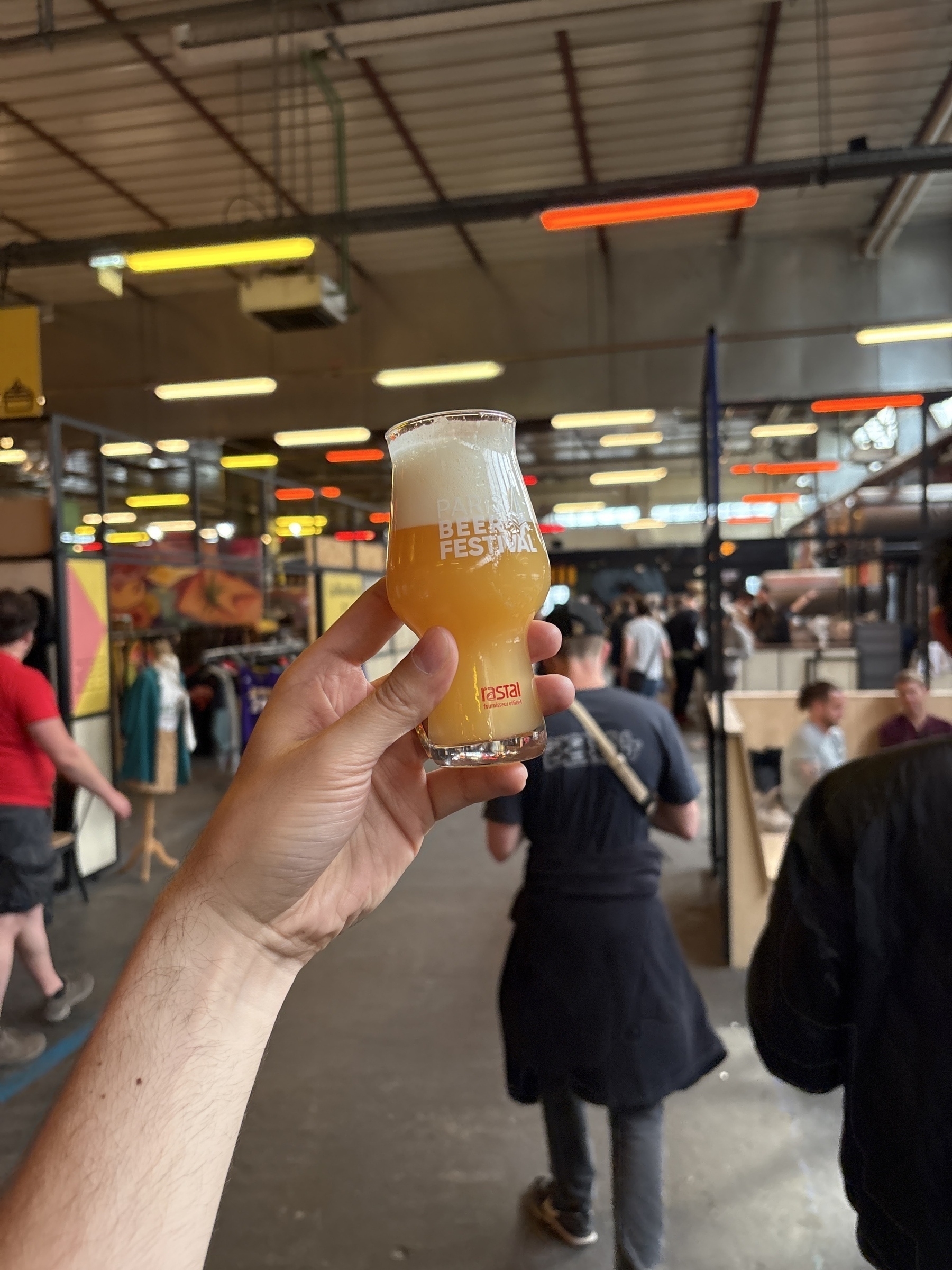

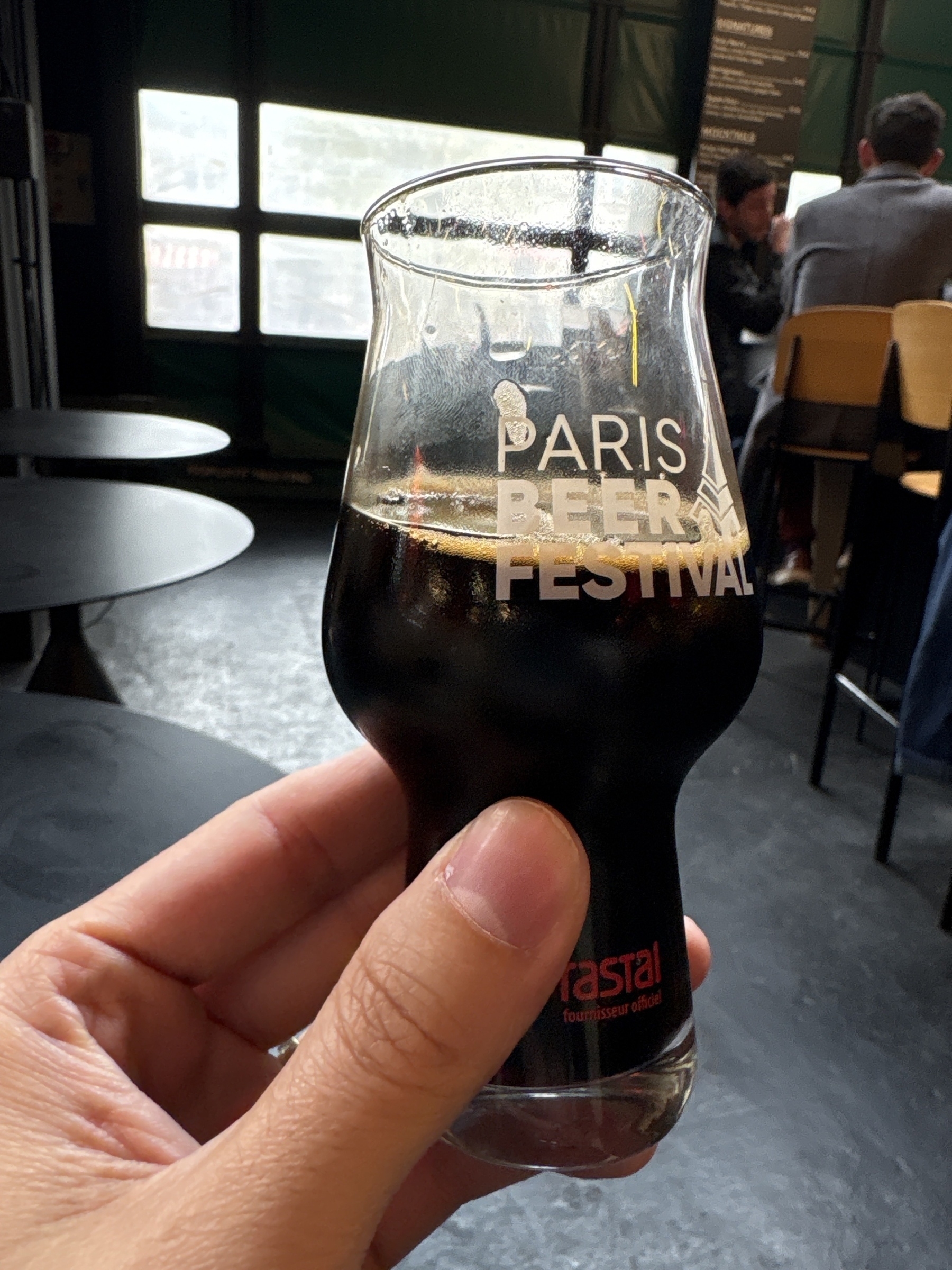
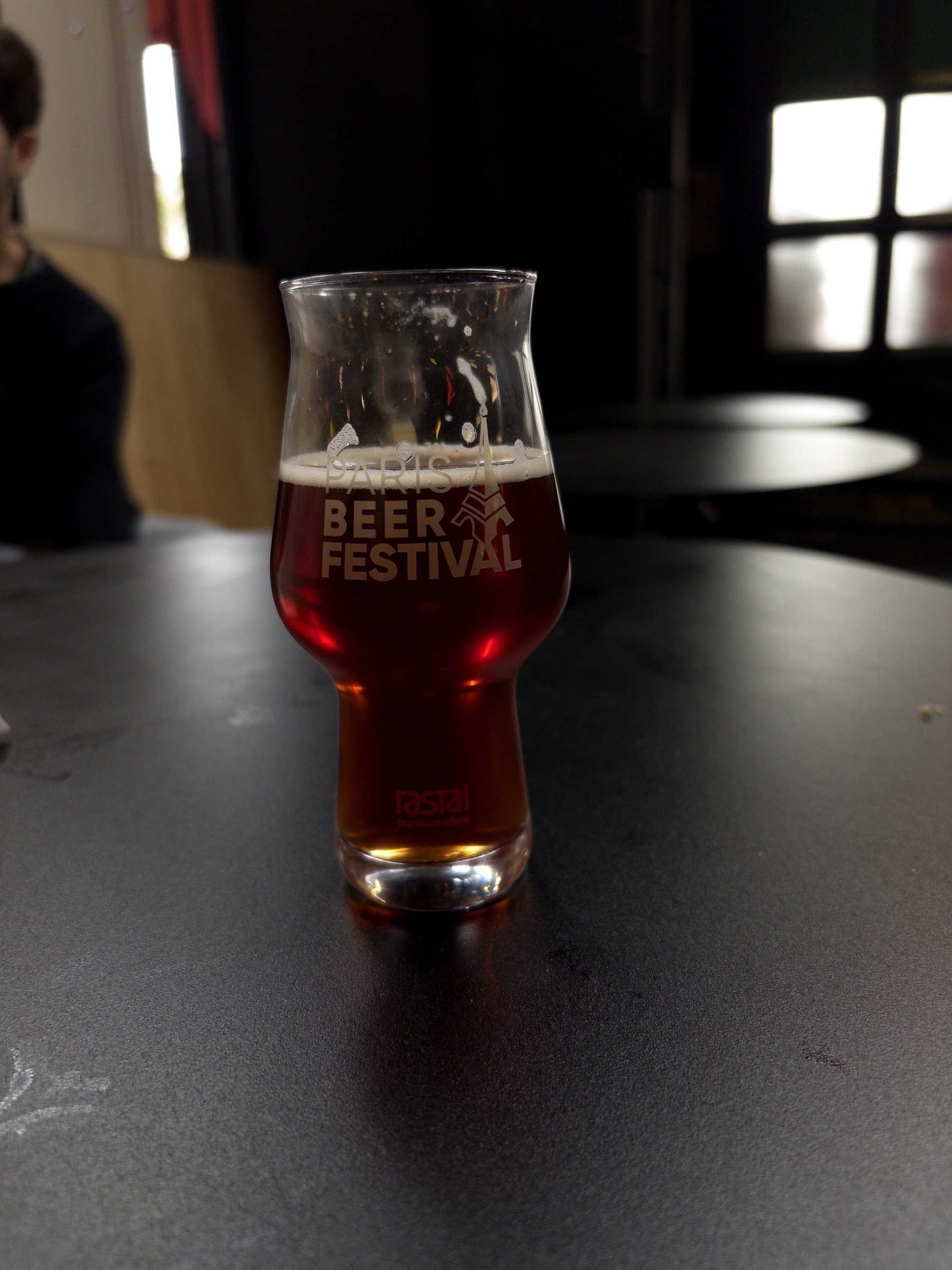
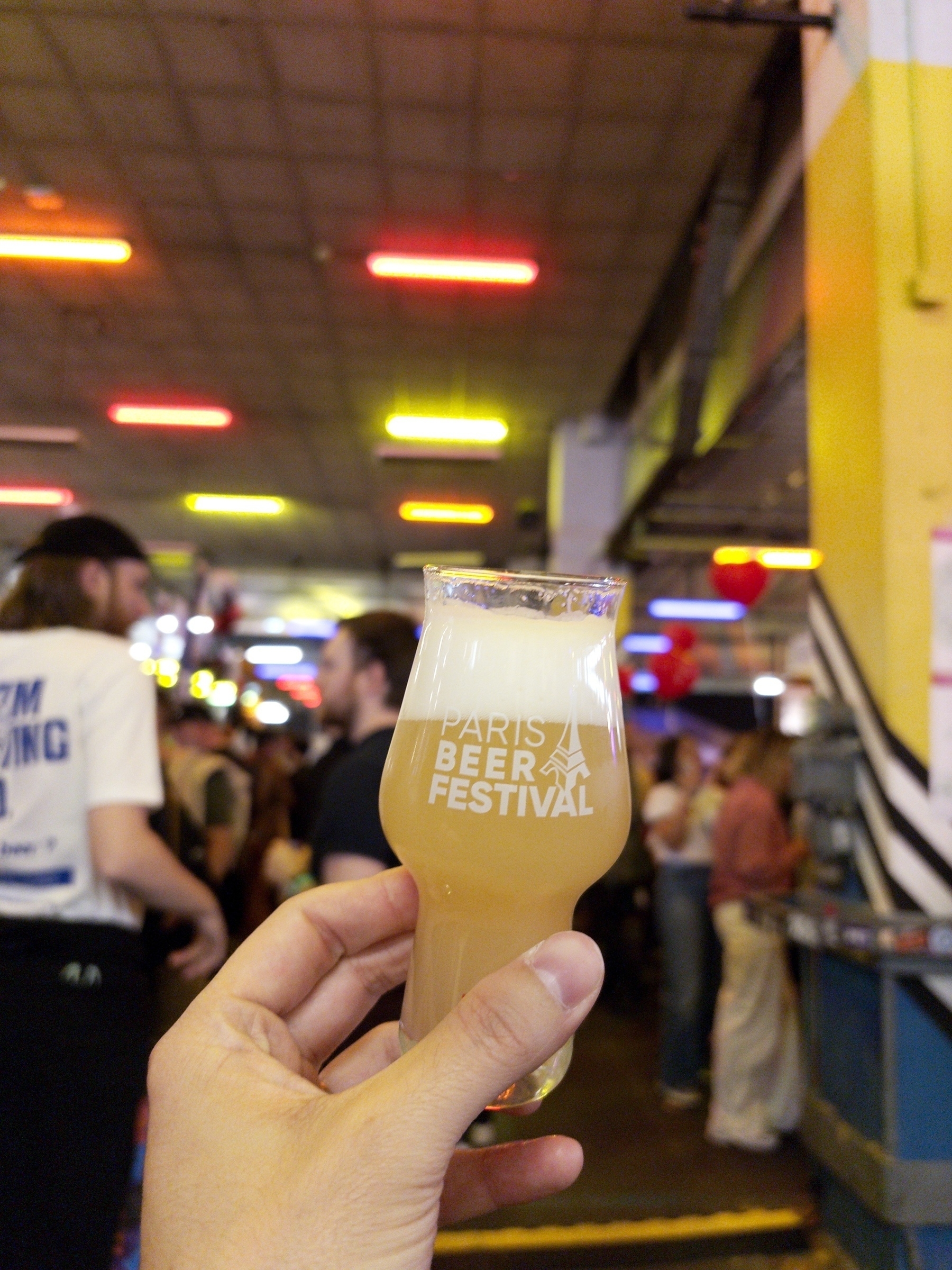

The end to a lovely weekend
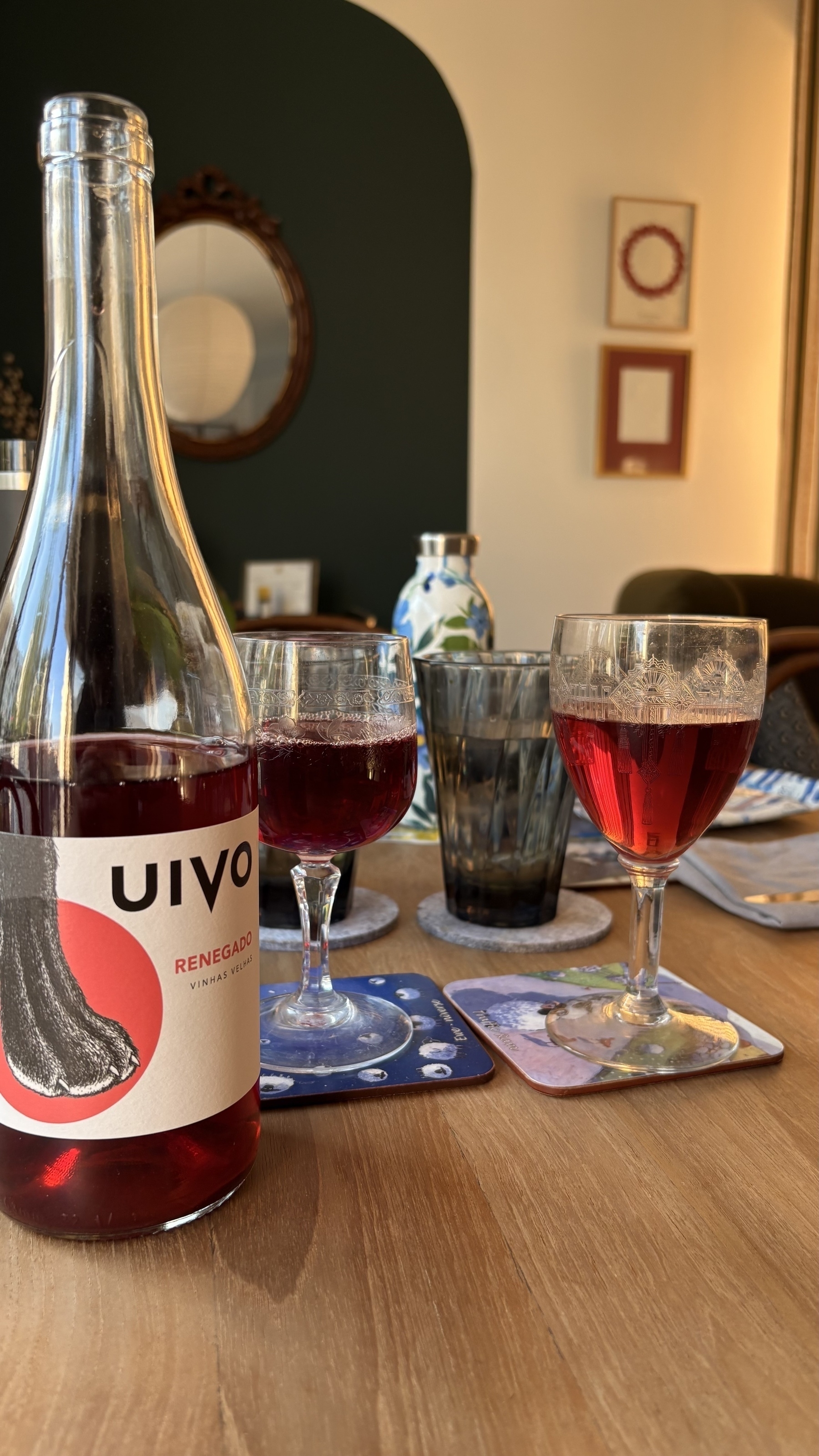
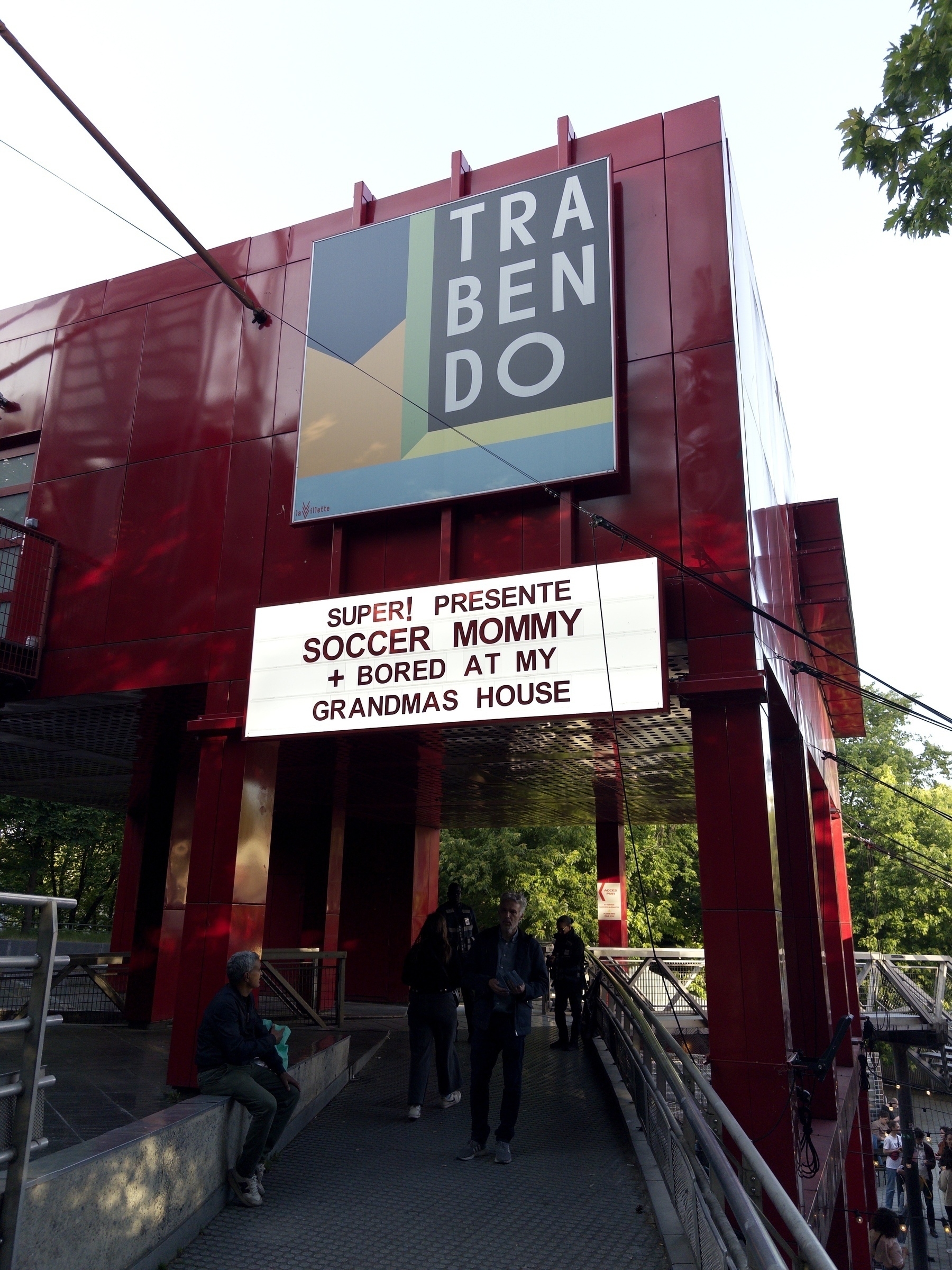
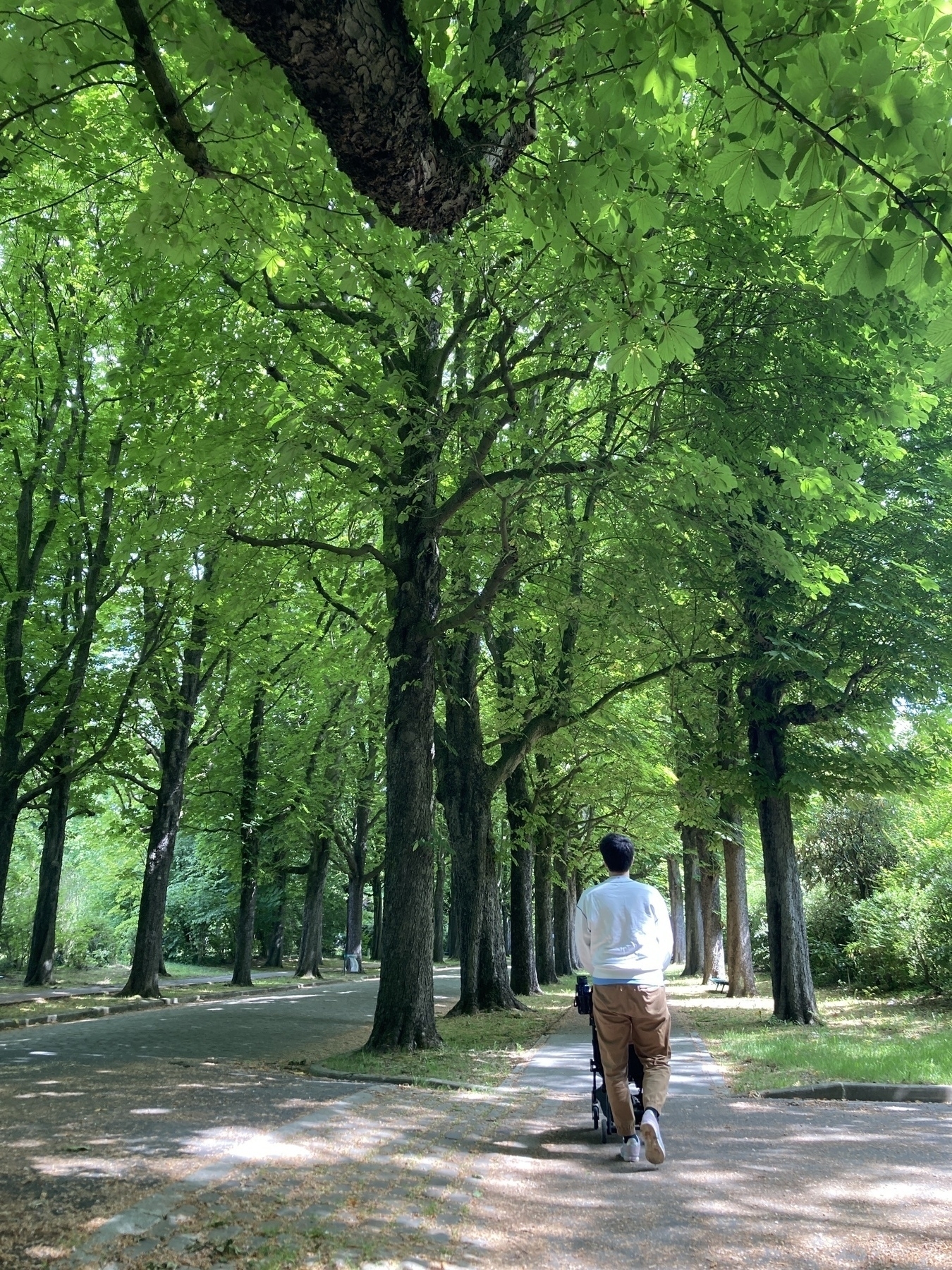
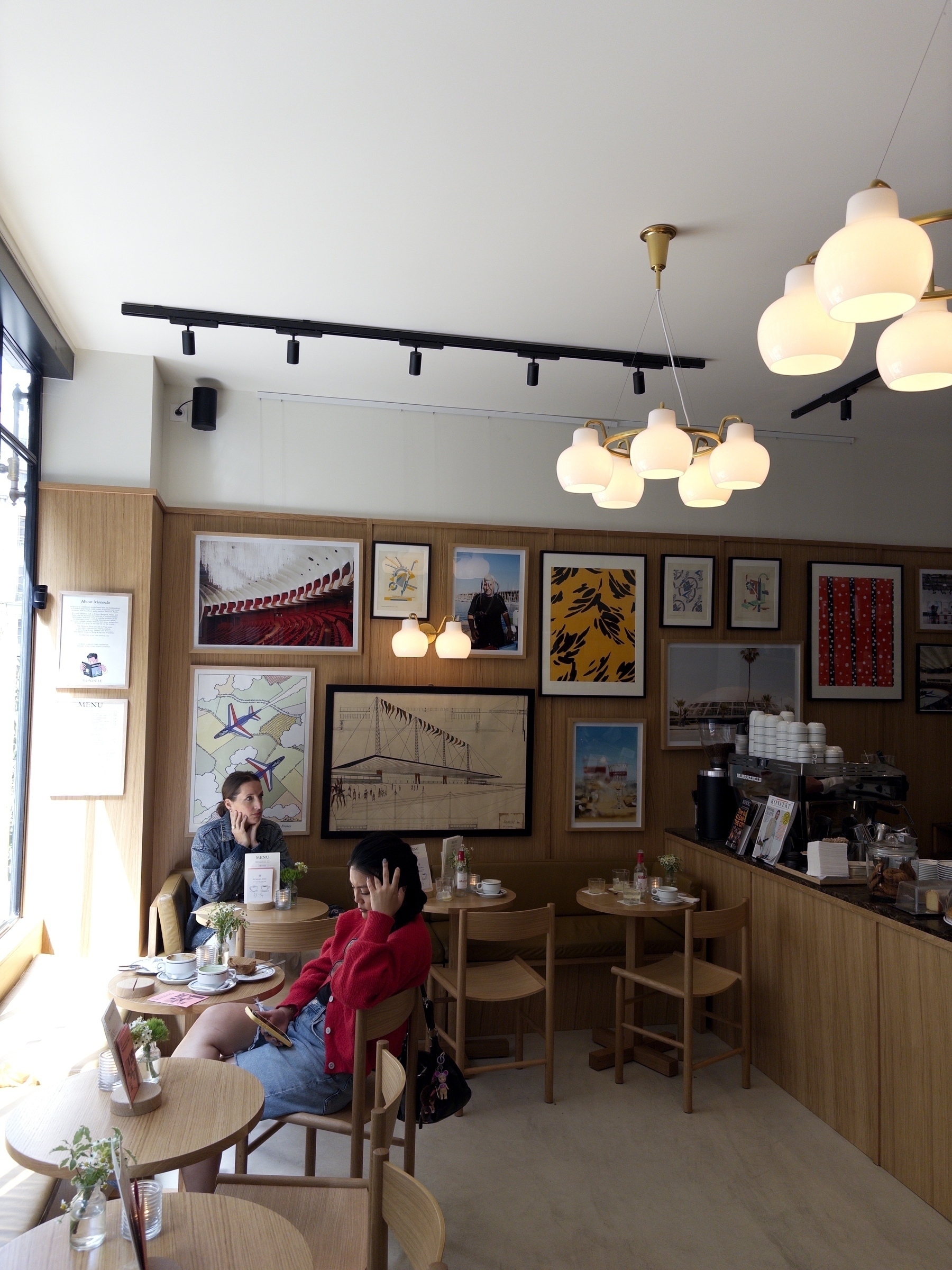

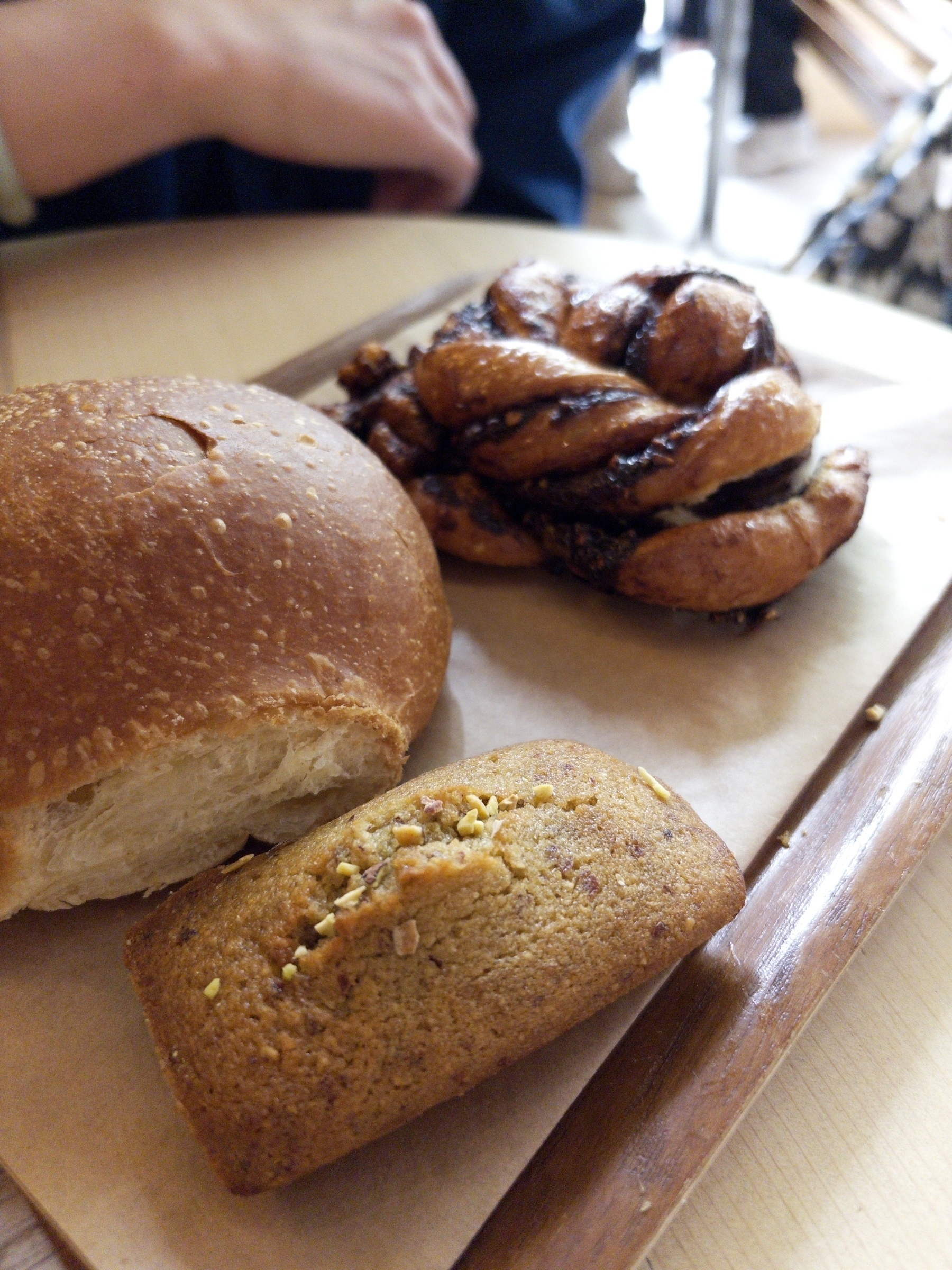
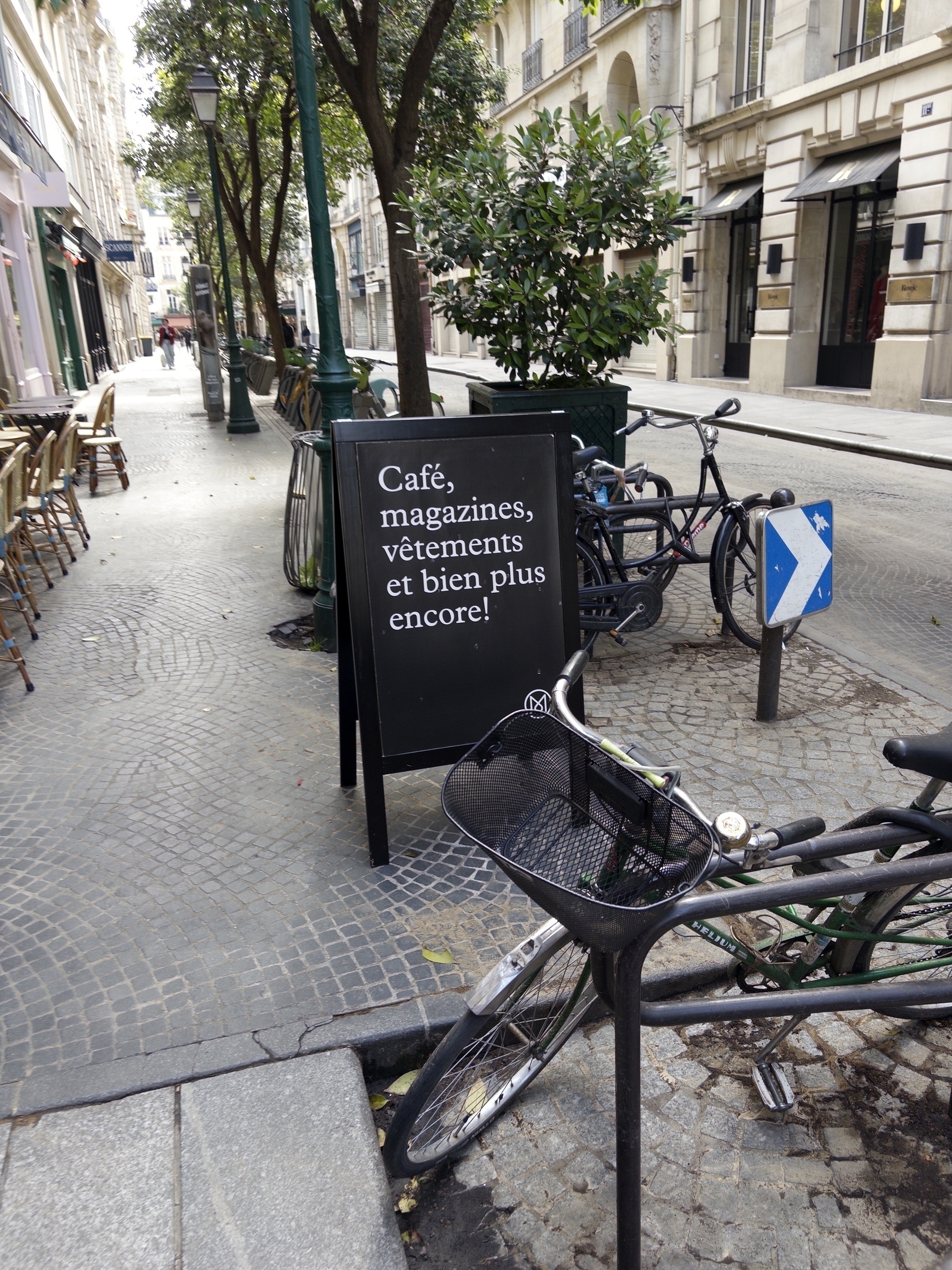
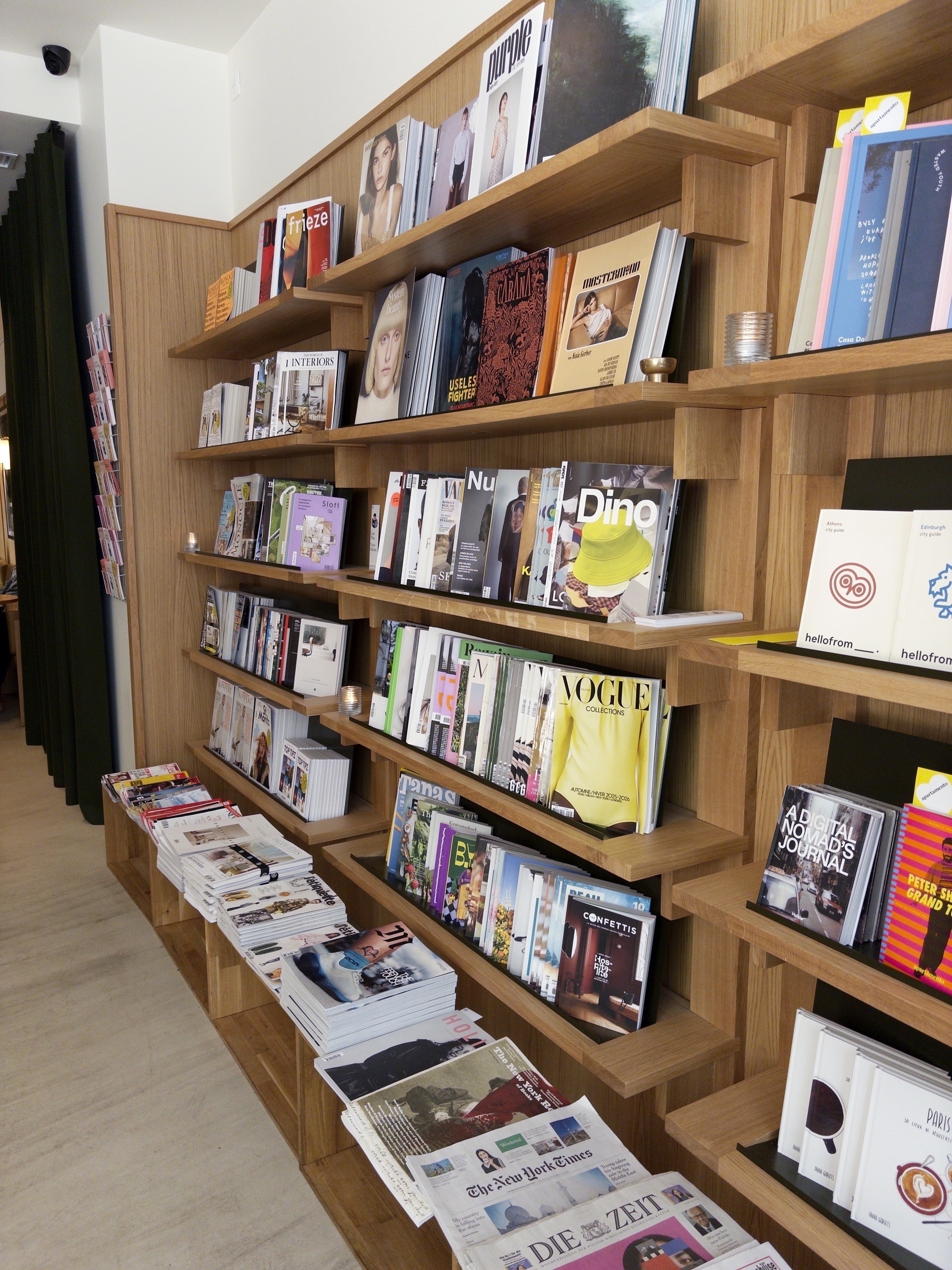
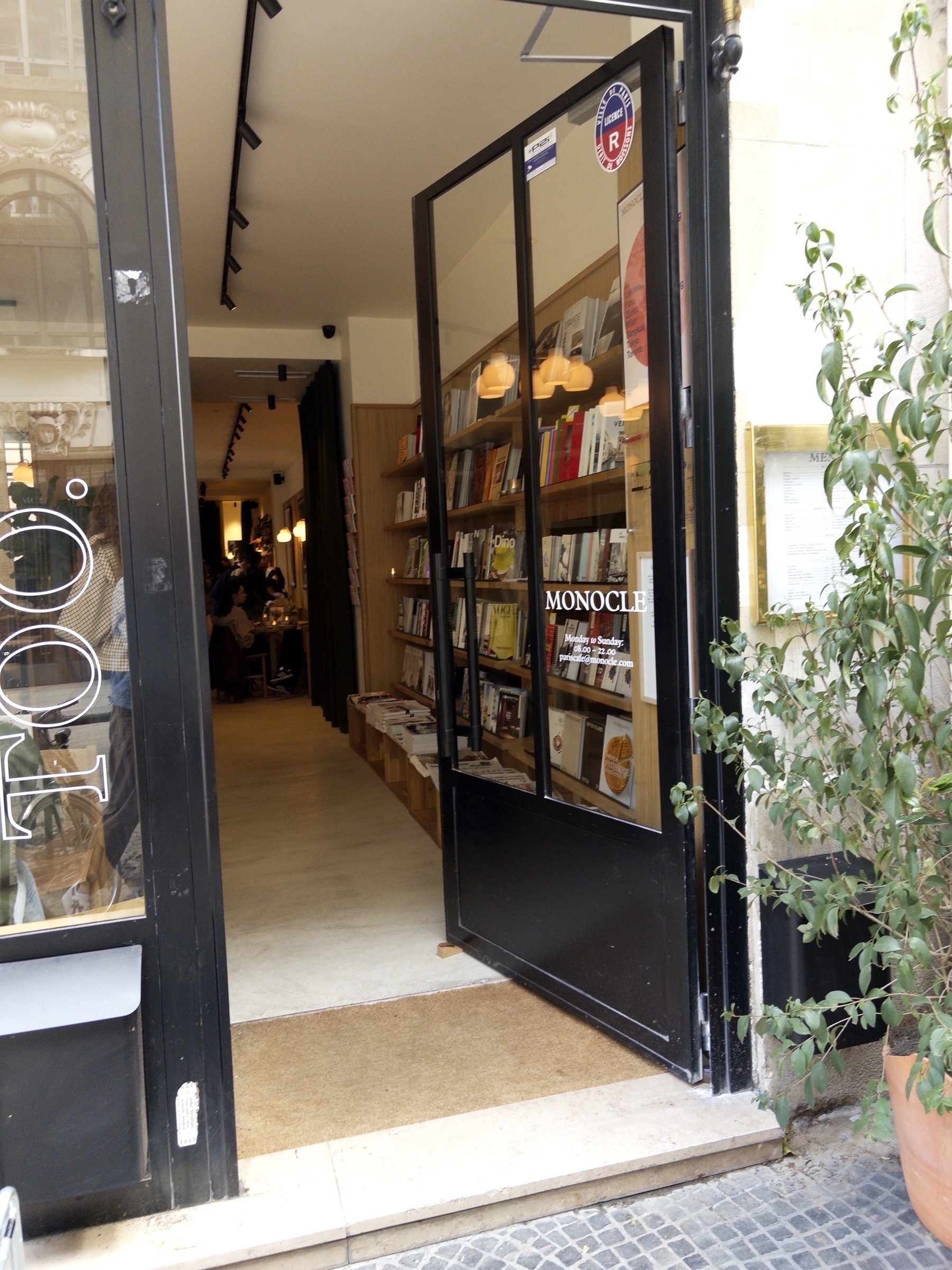
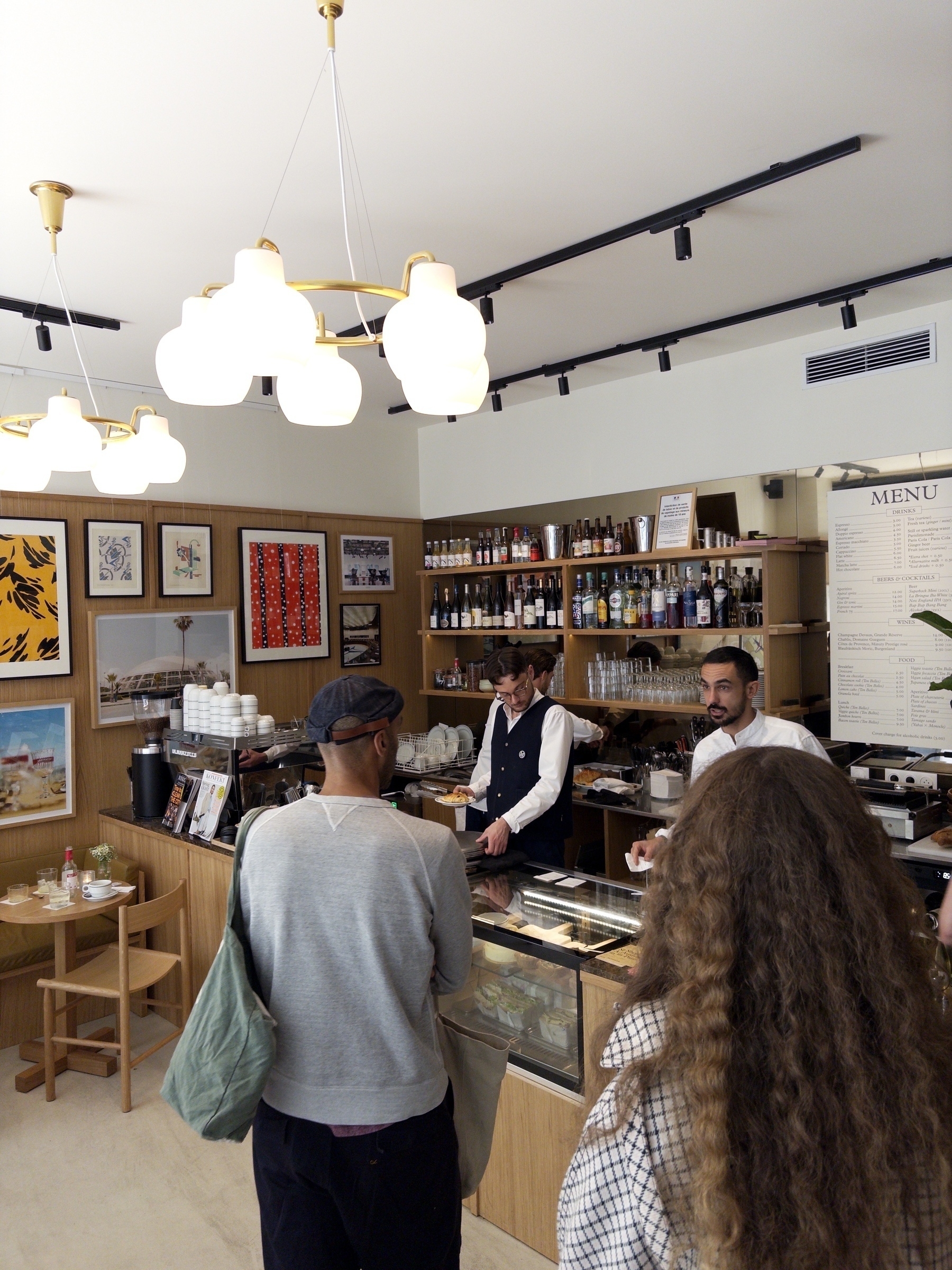
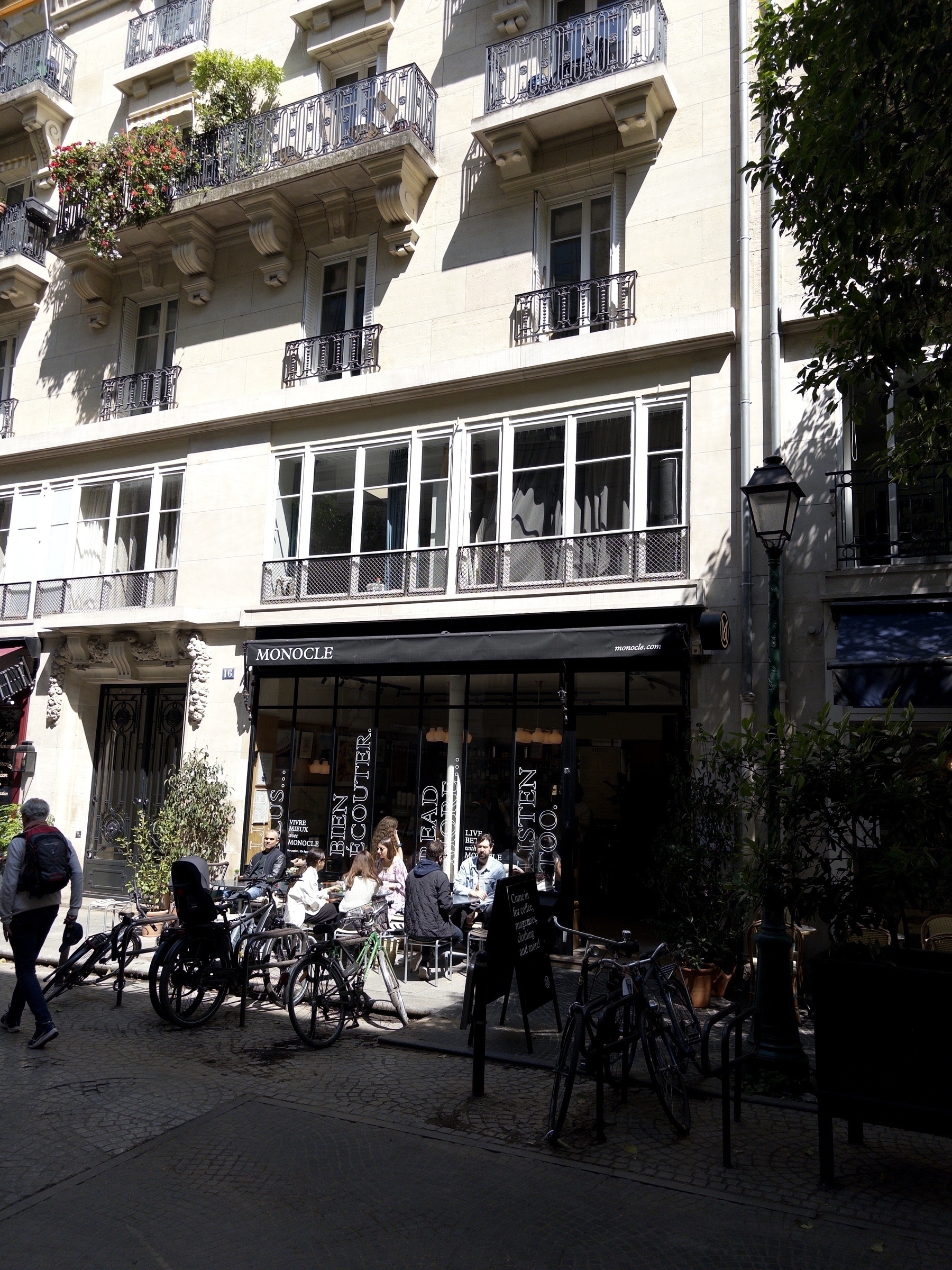
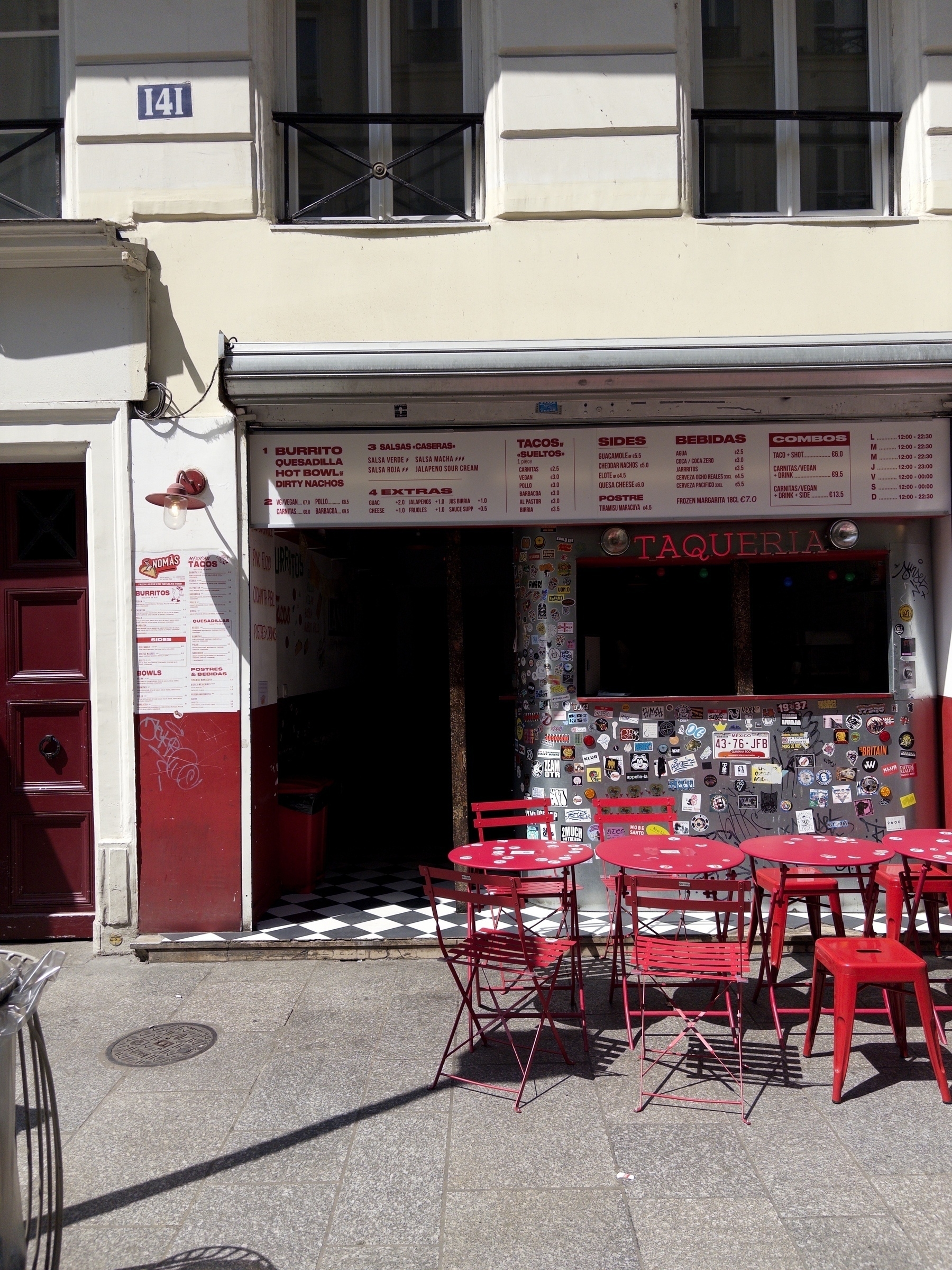
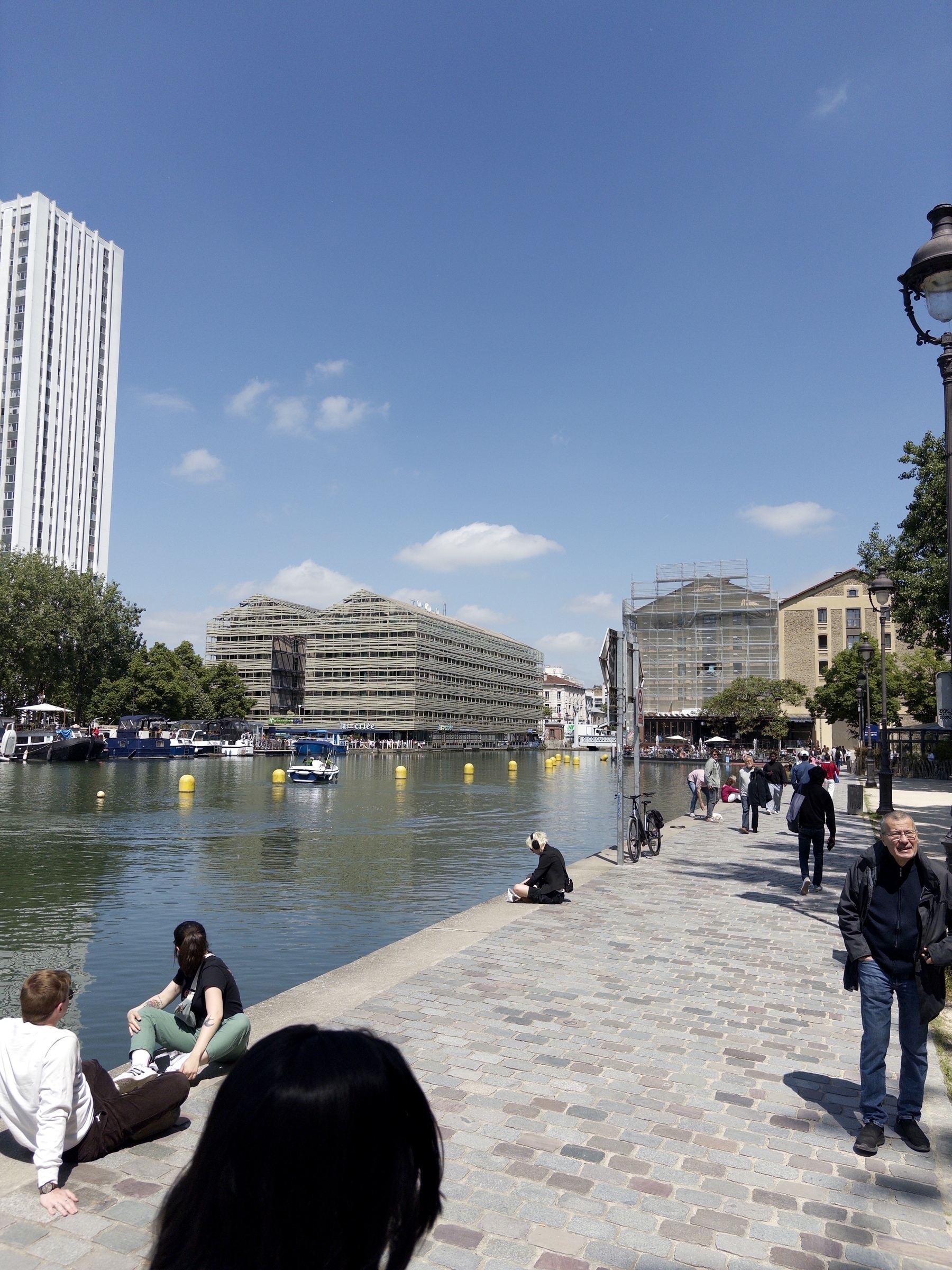
Food, it’s good!


Half day in Baltimore’s inner harbor and discovering Pratt Street Farmer’s Market for lunch (aka Charm City)
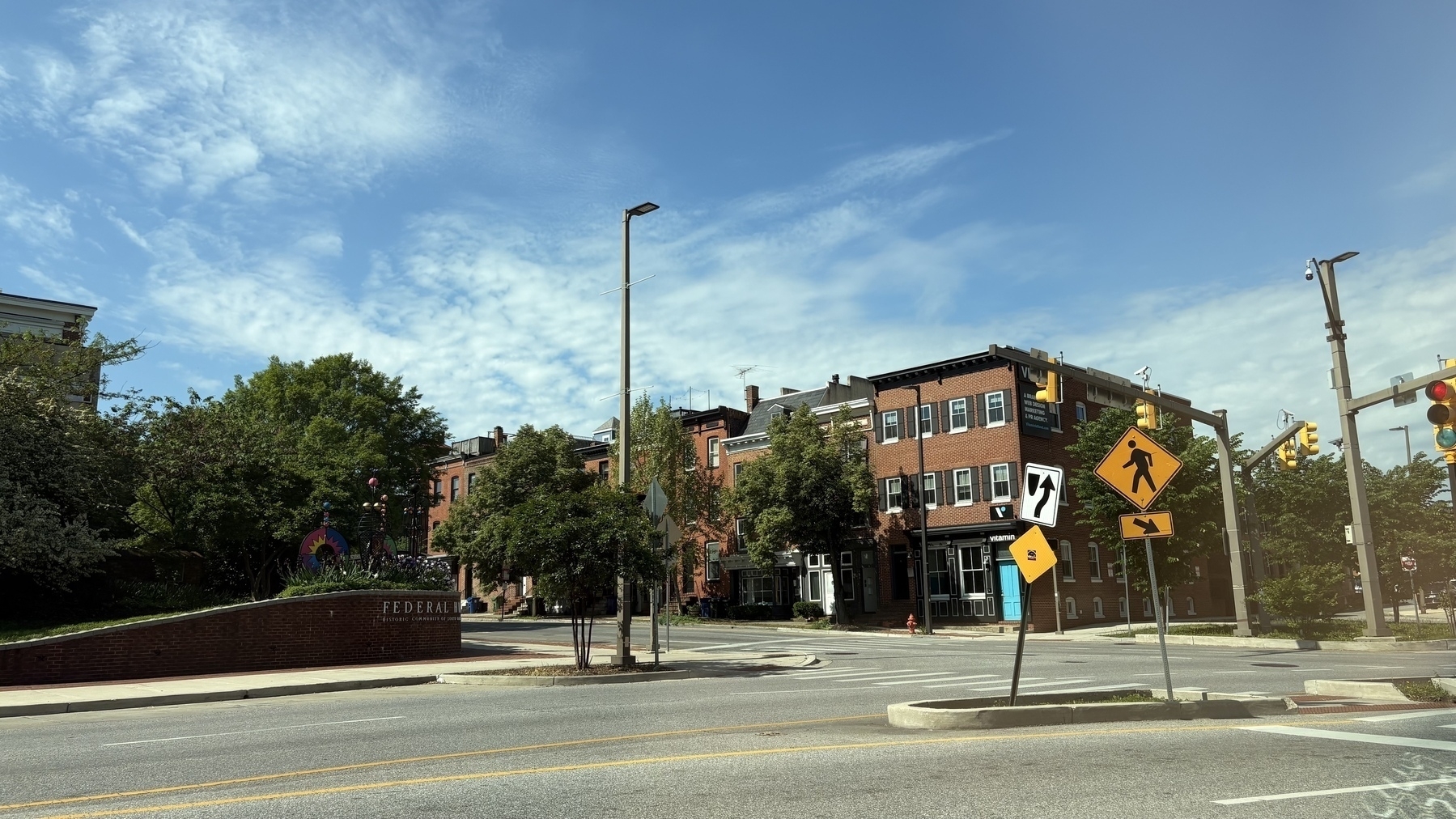
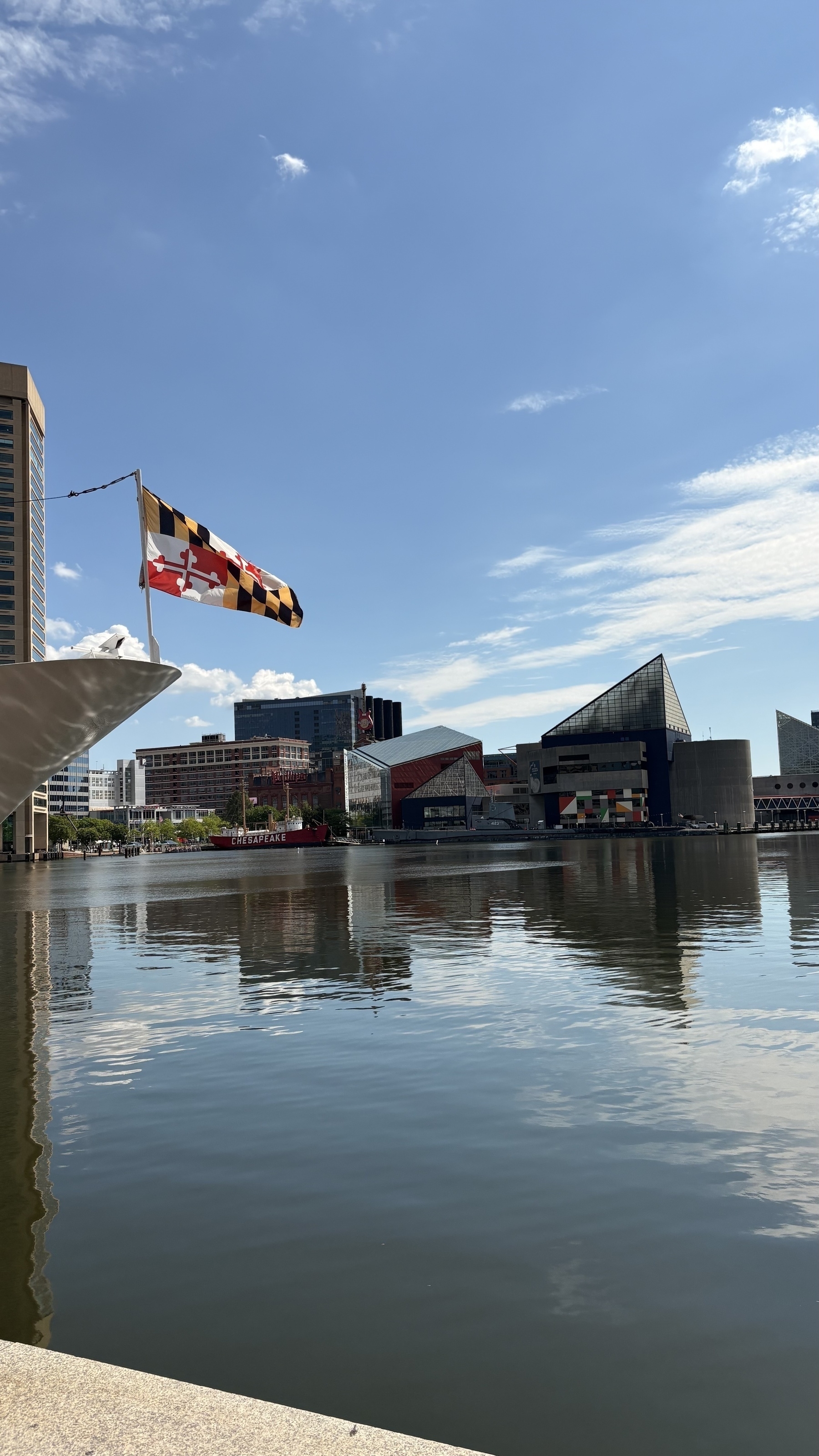
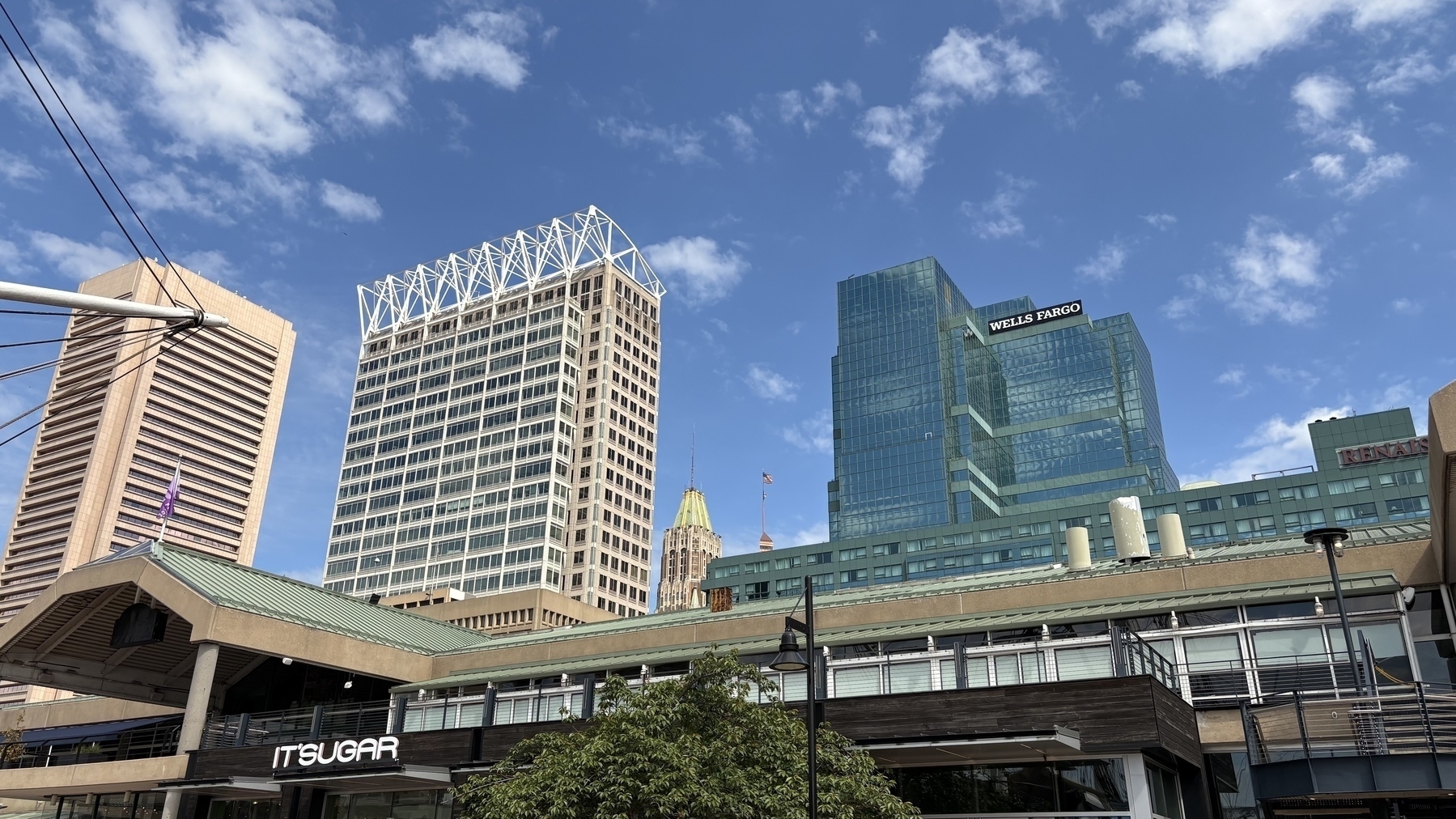
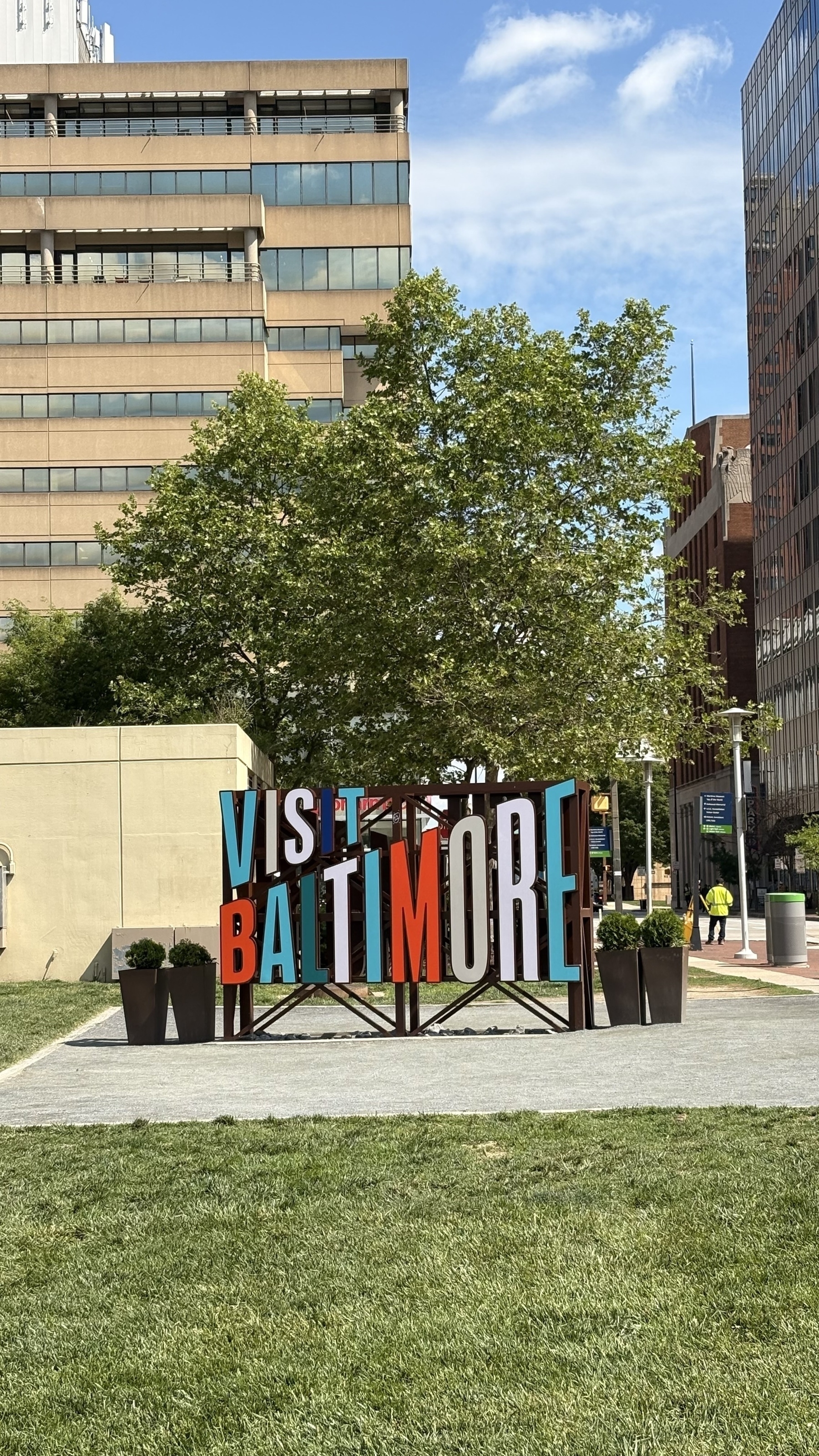
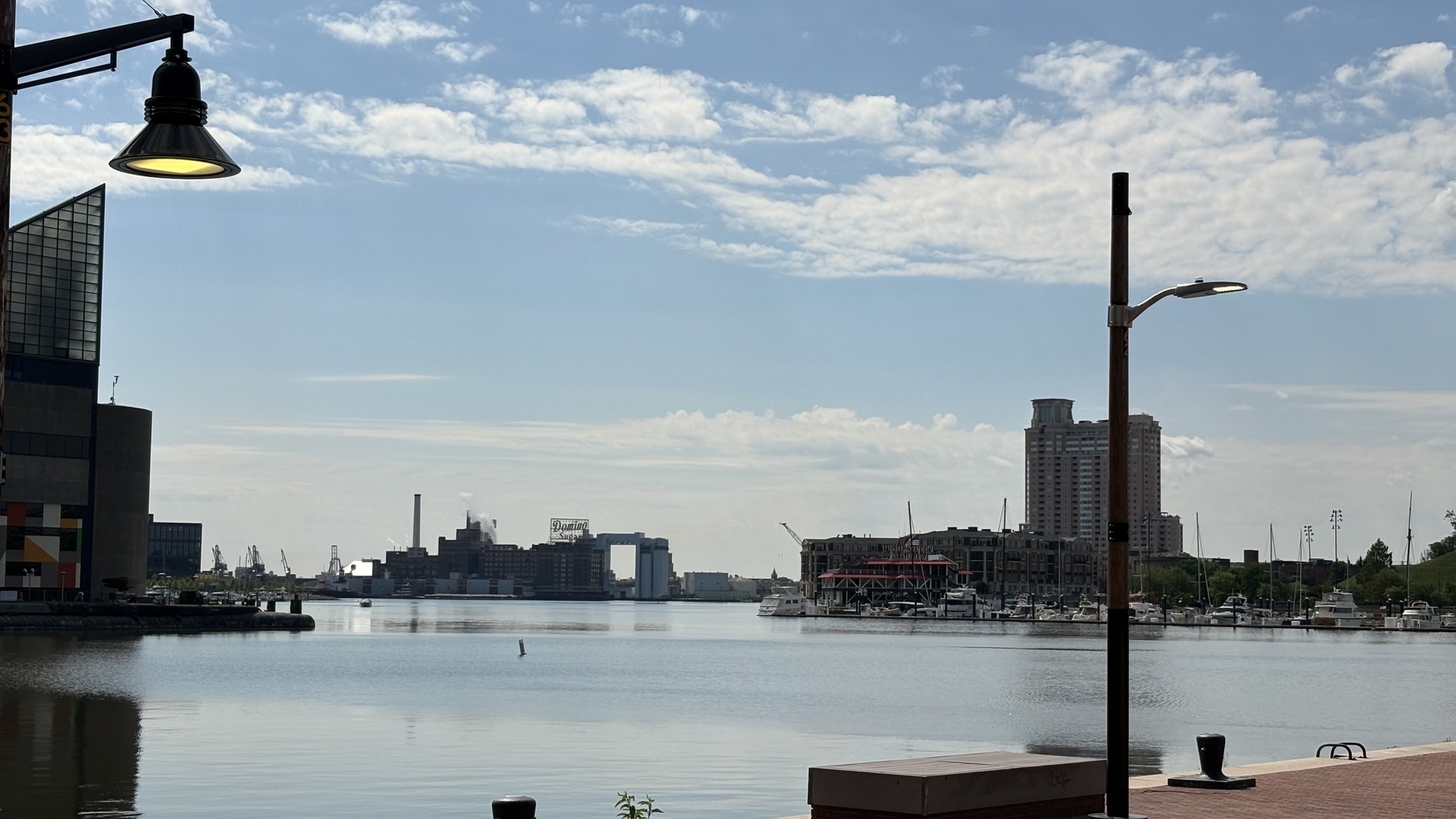
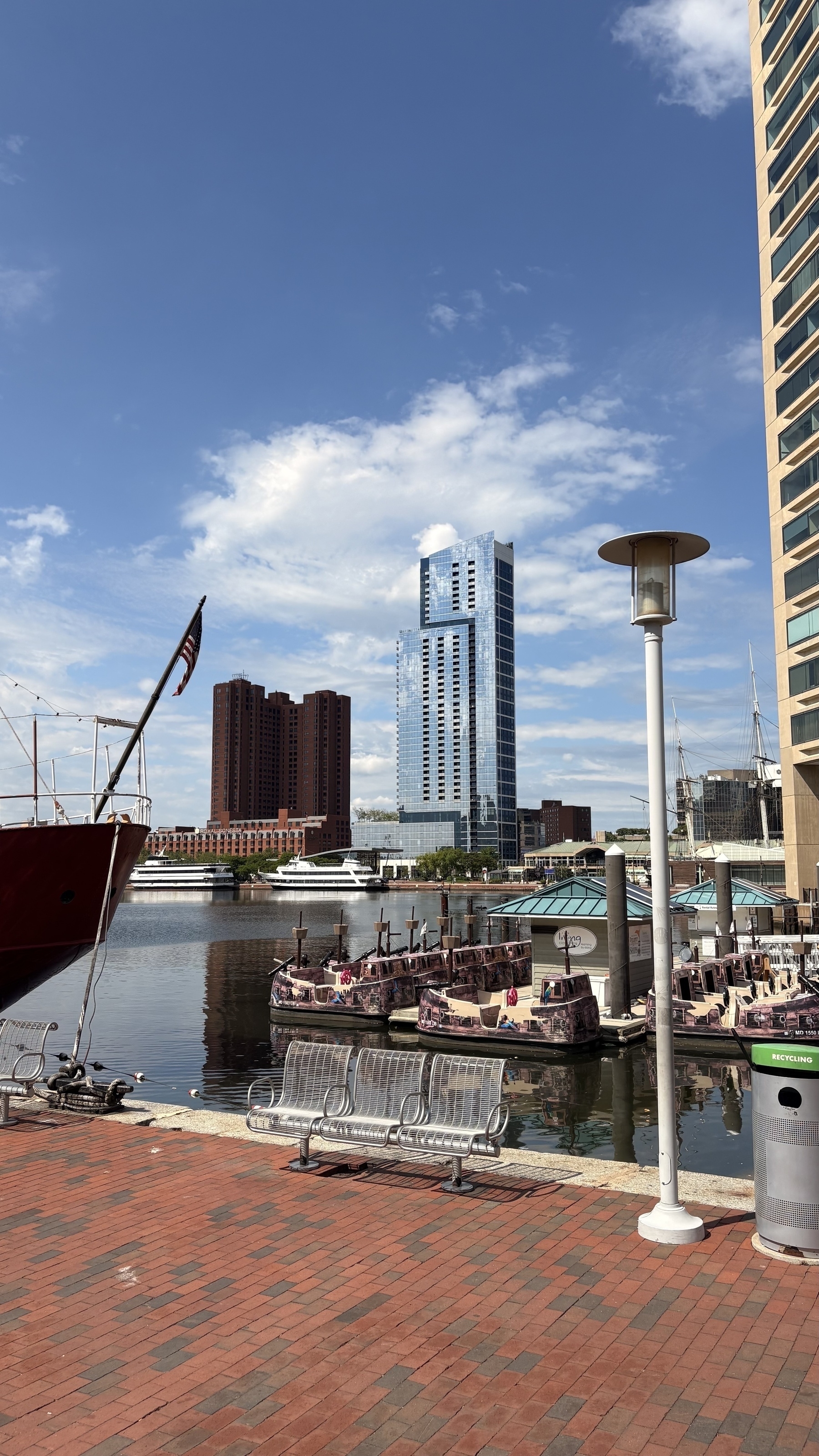
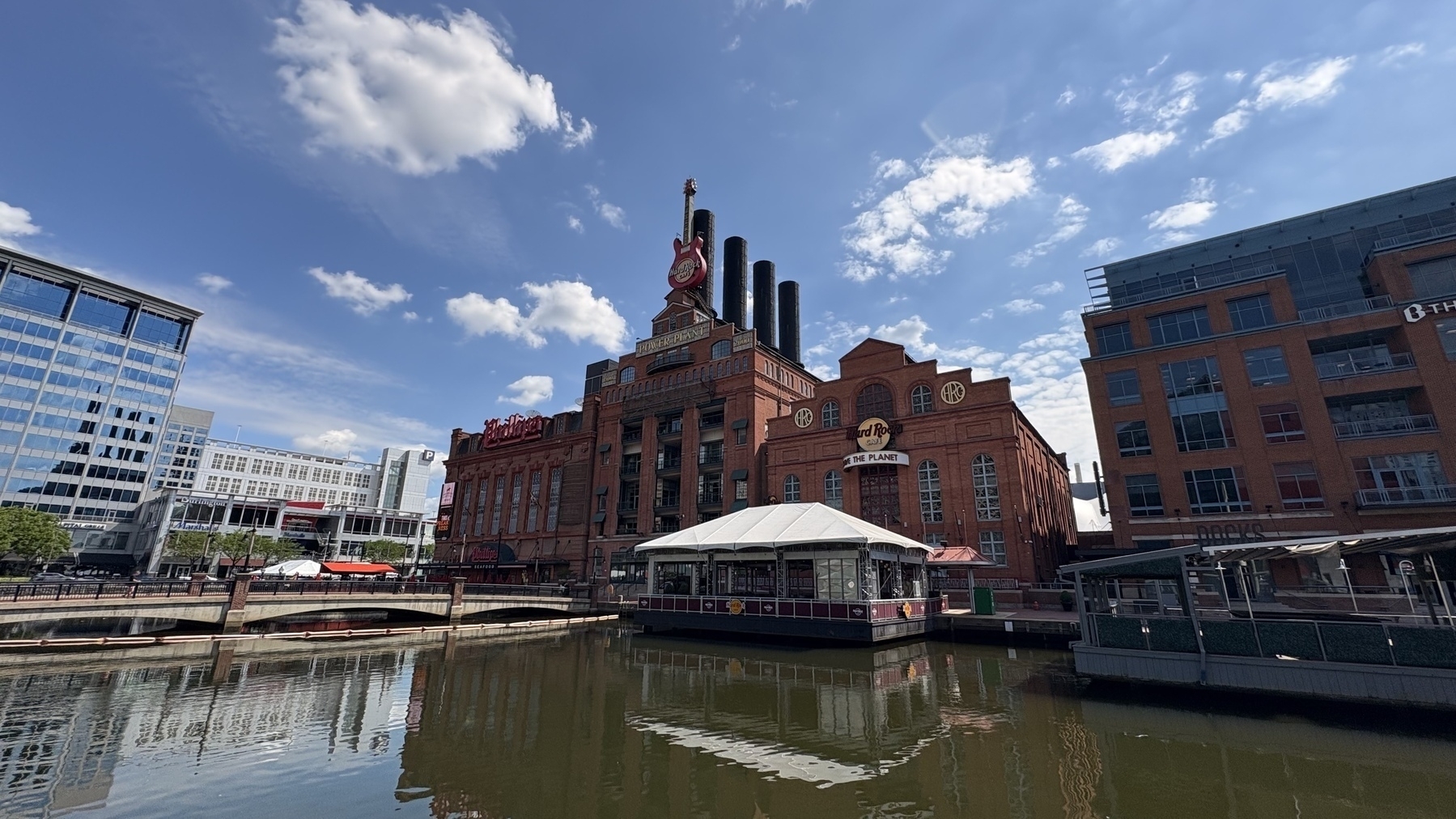
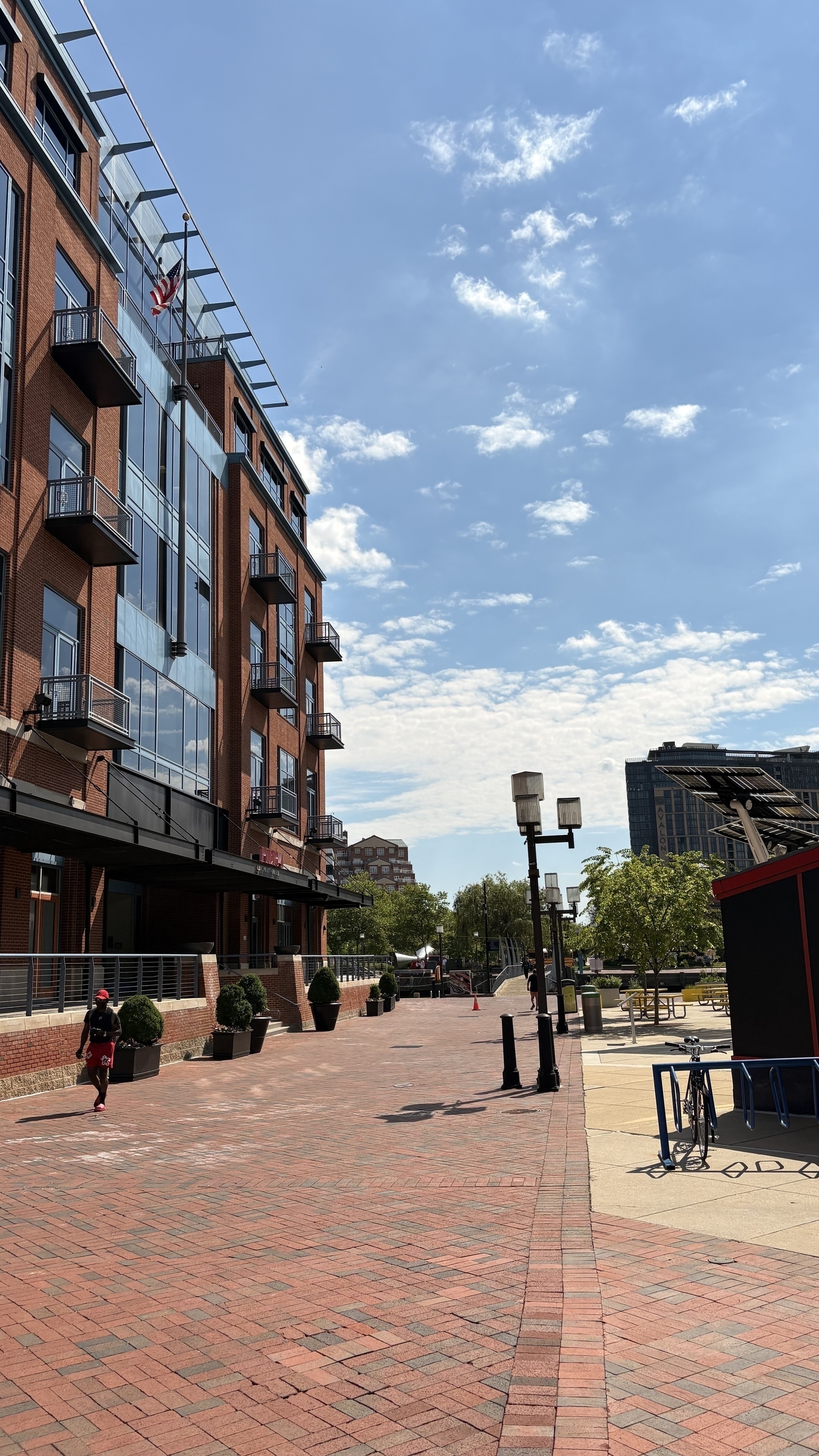
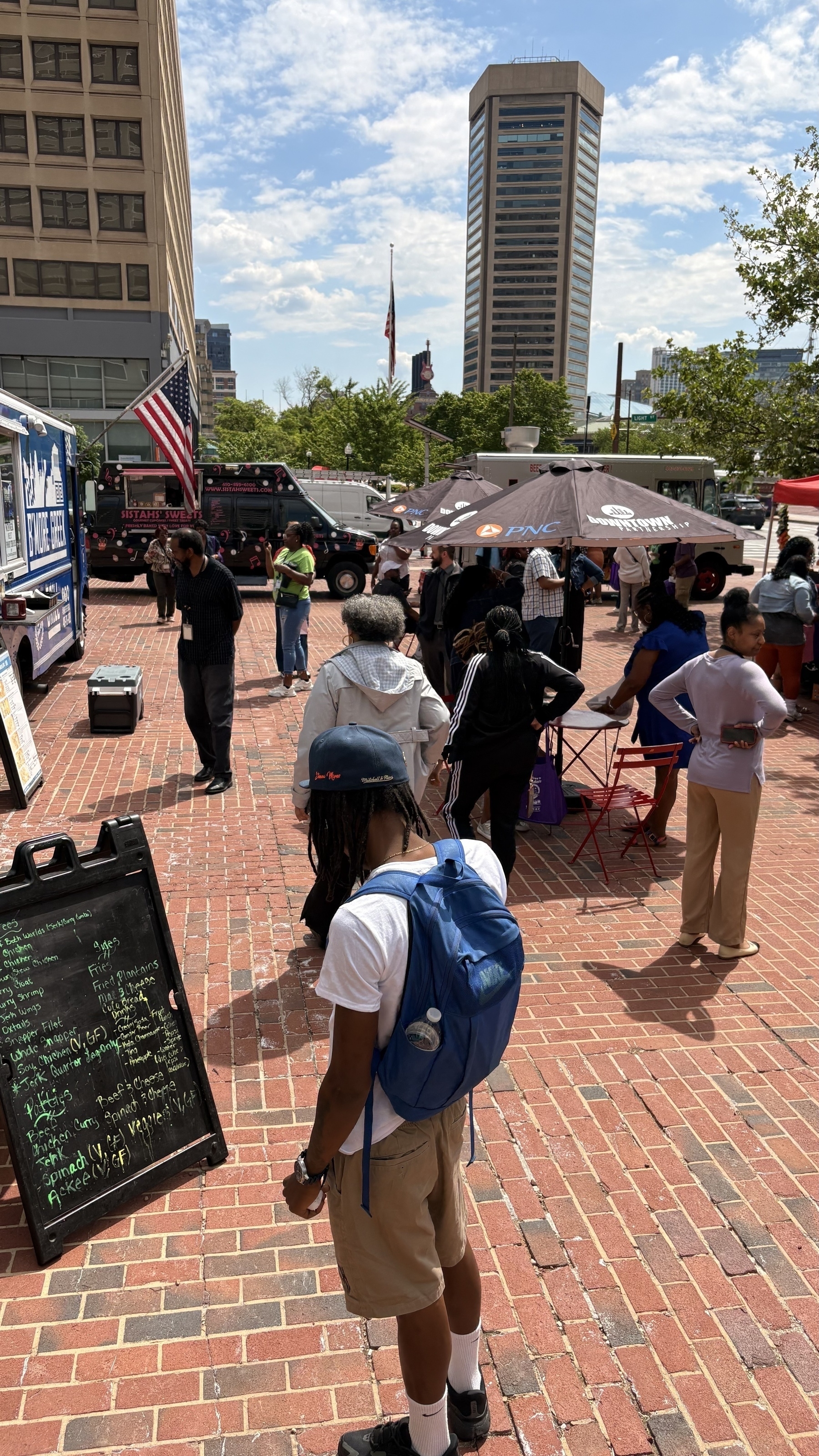
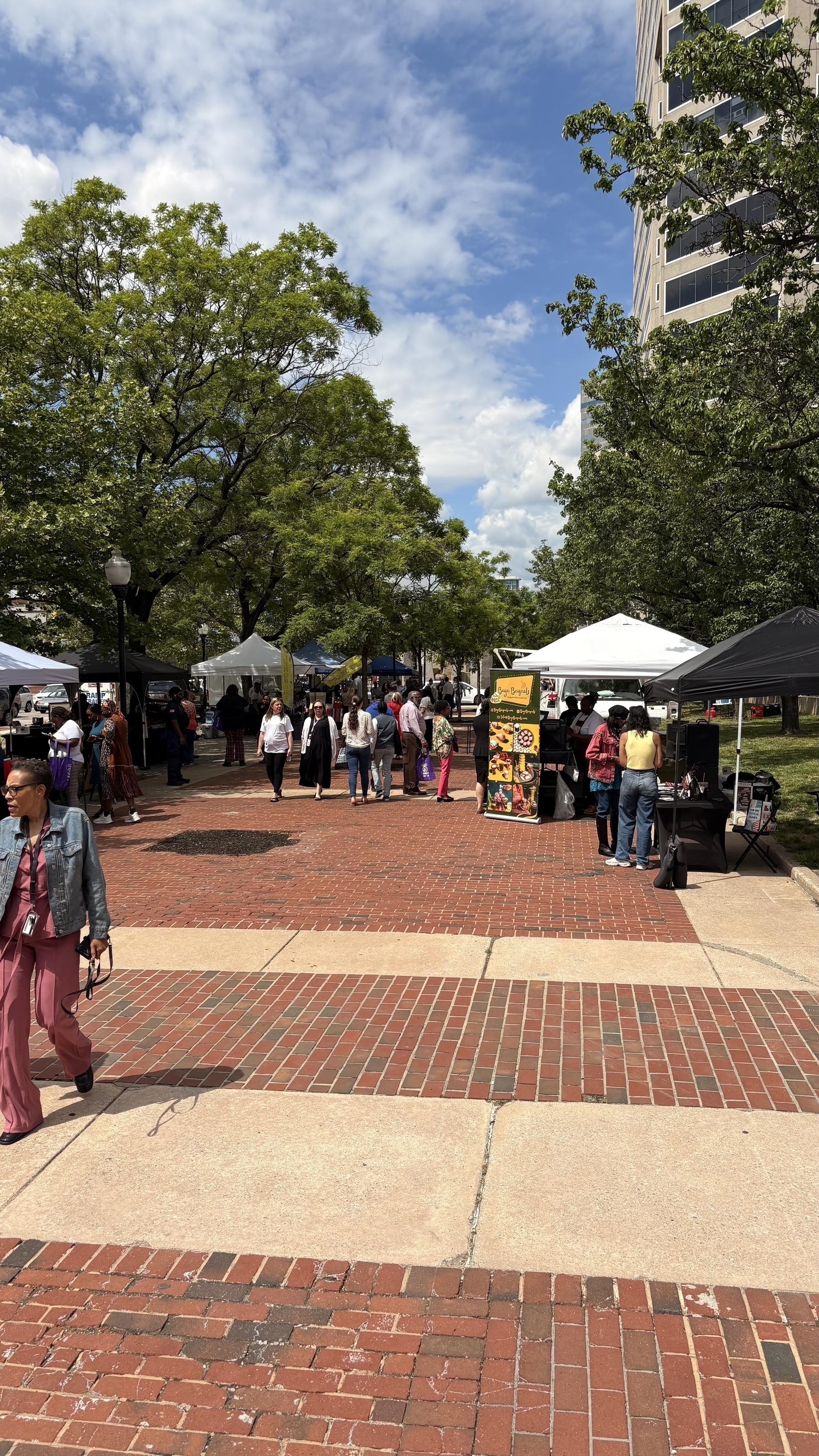
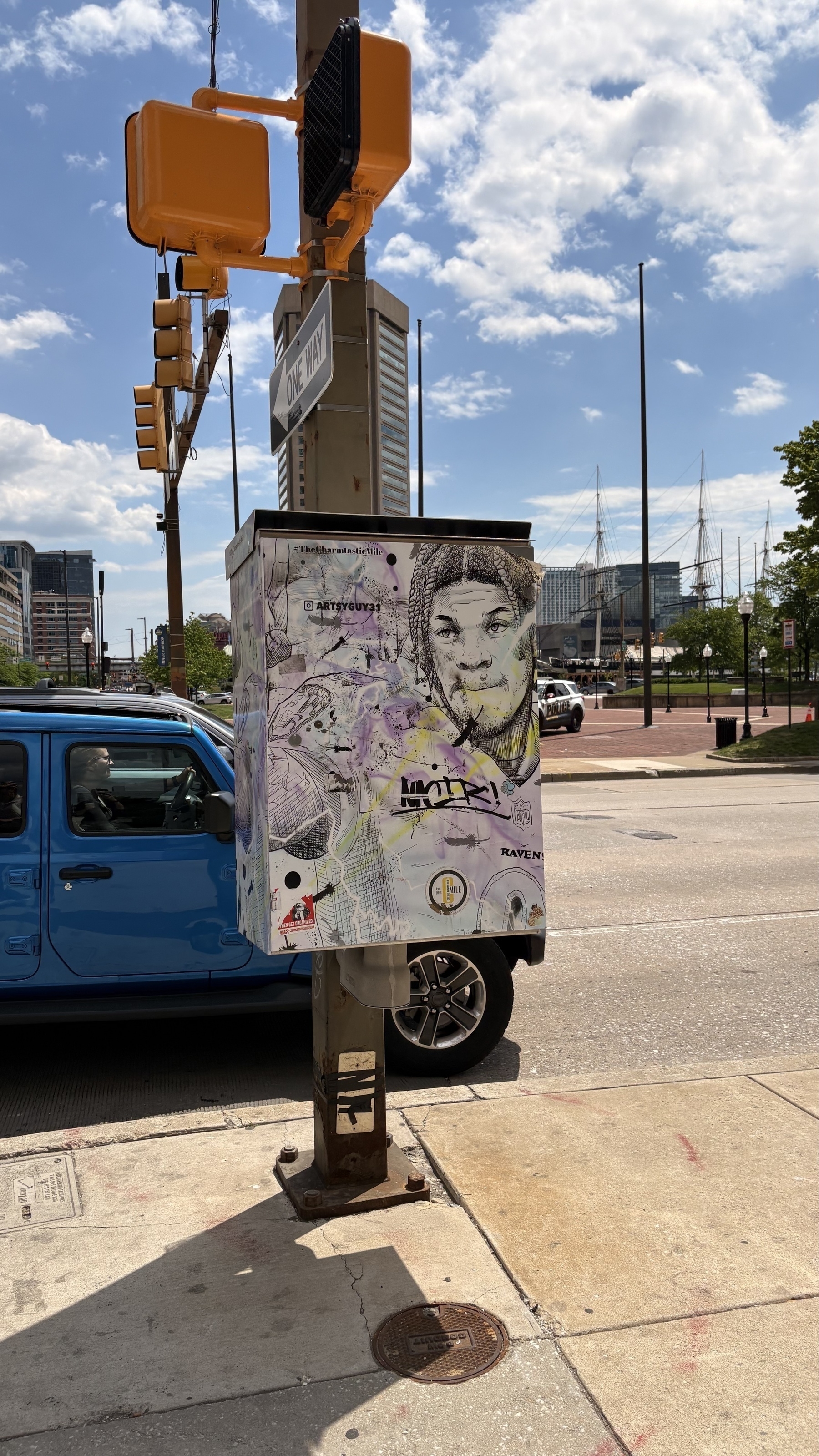
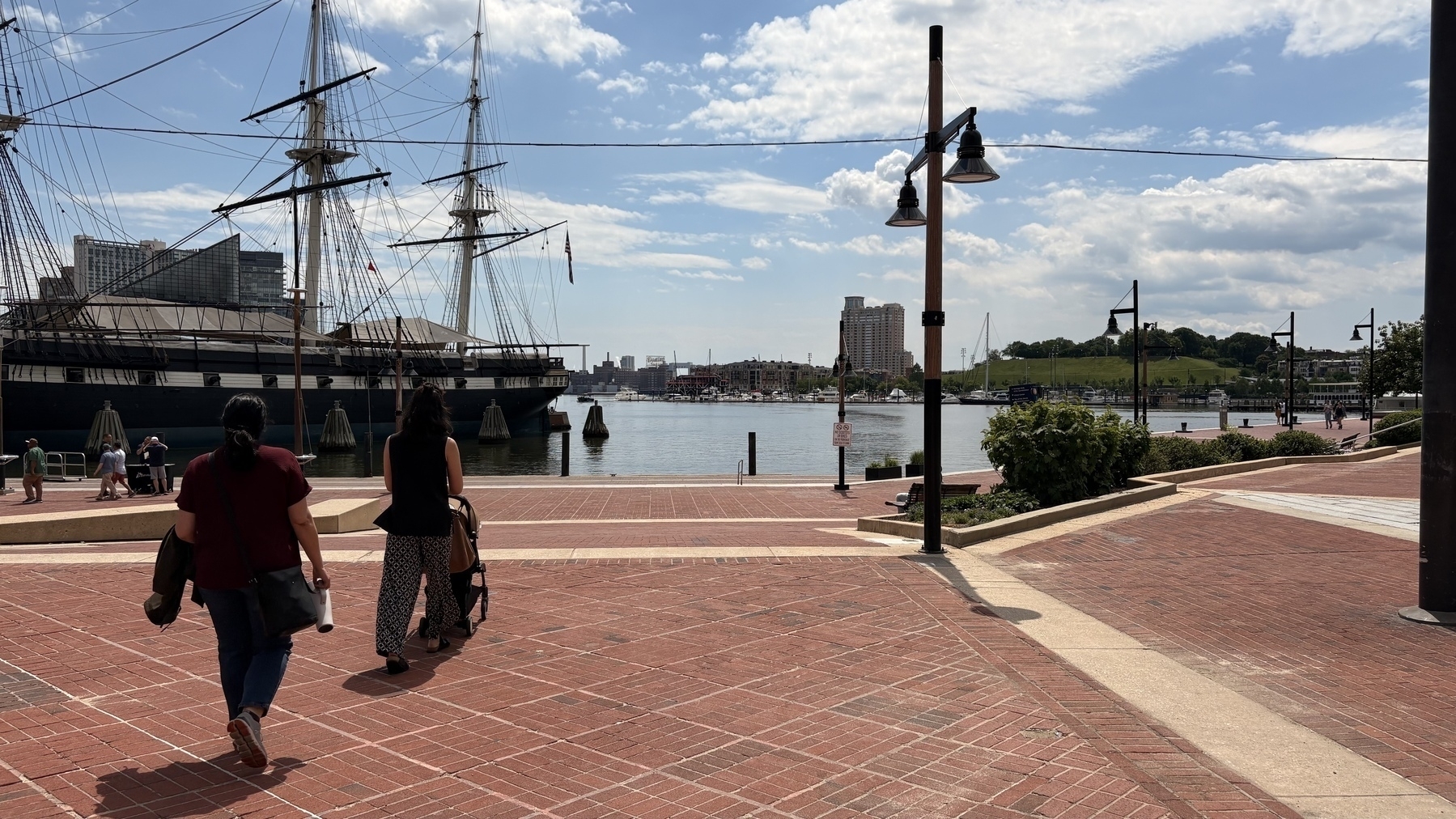
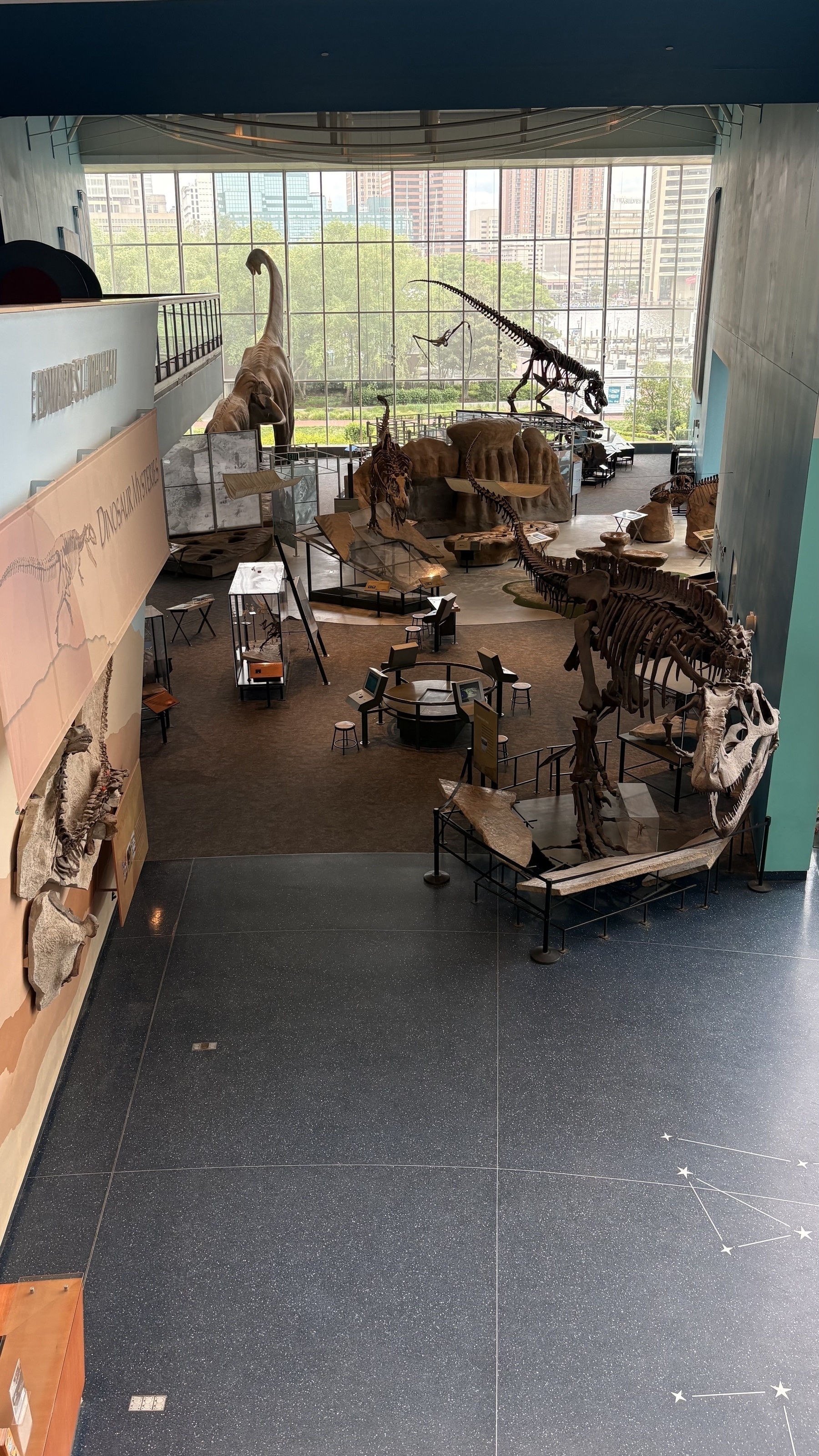
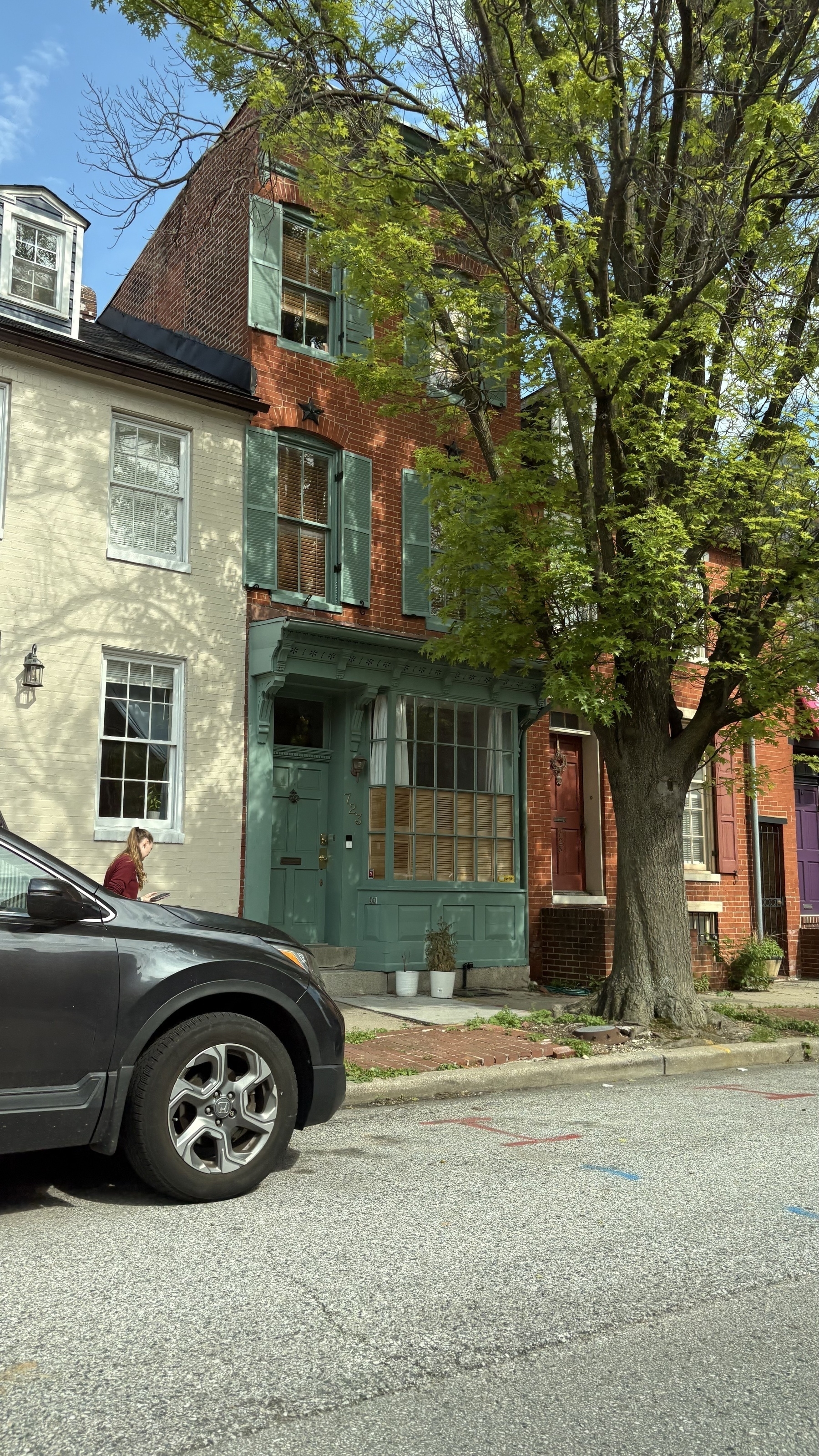
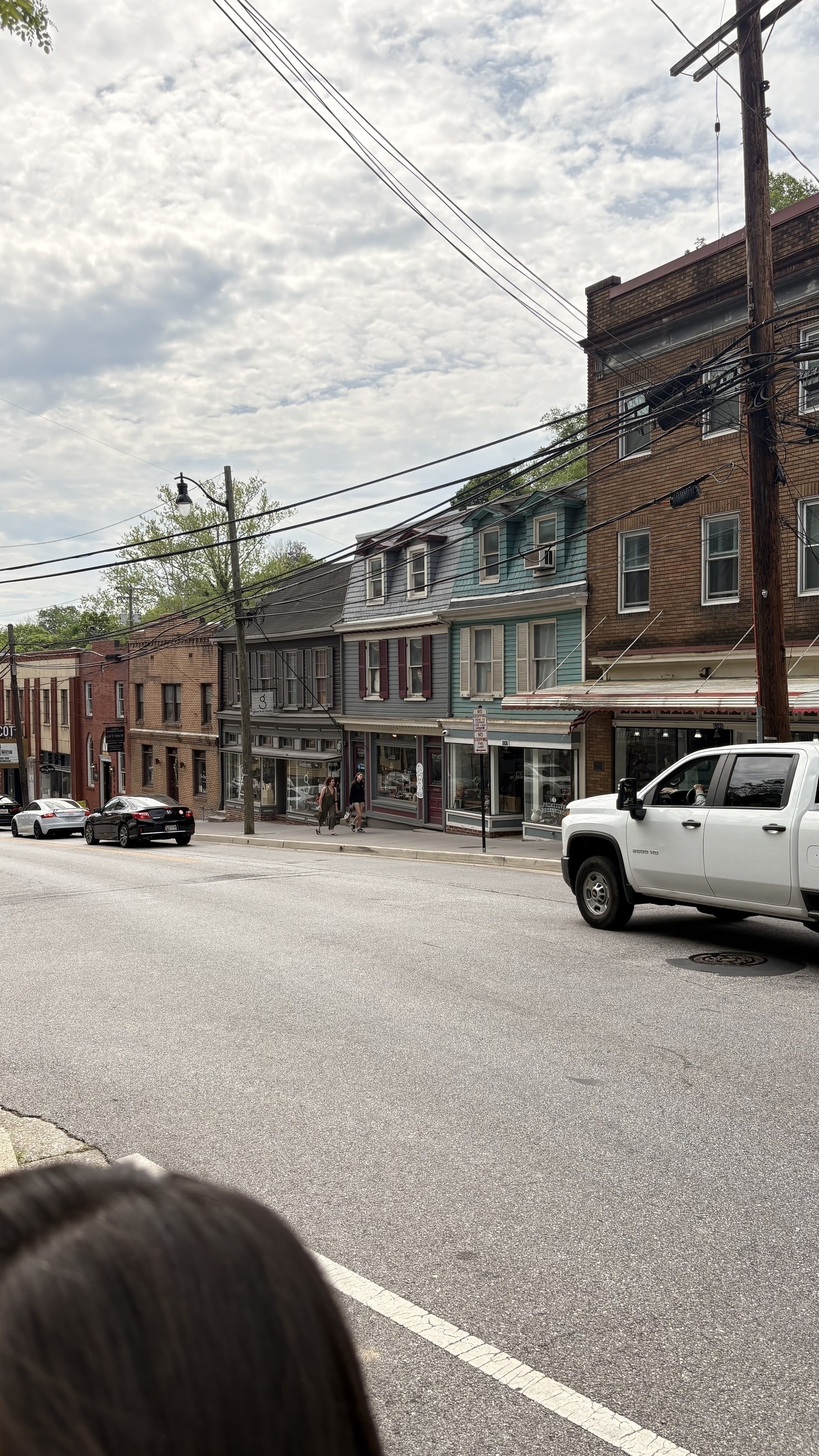
Wonderful little day out to Annapolis, state capital of #Maryland, today :)
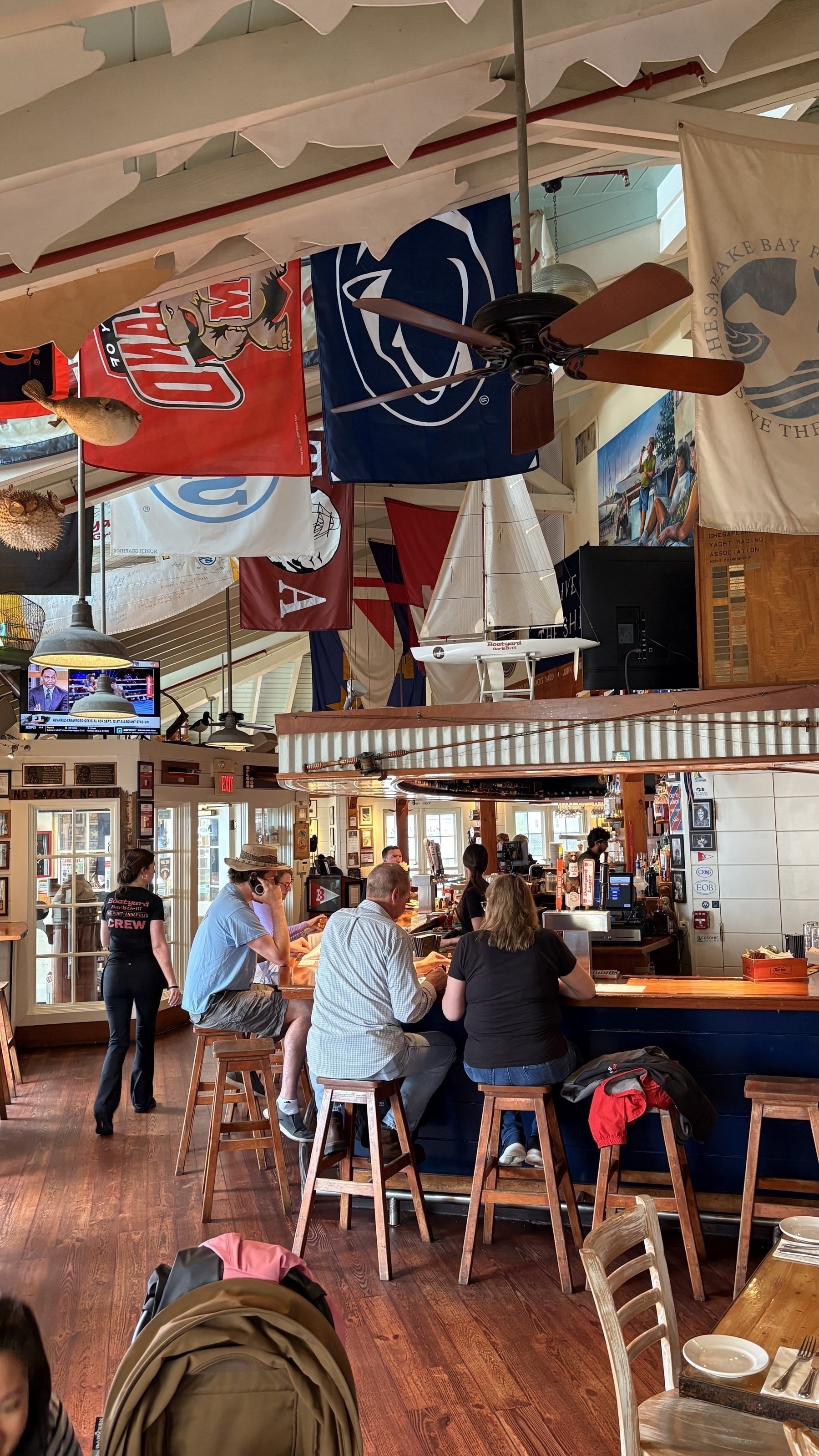
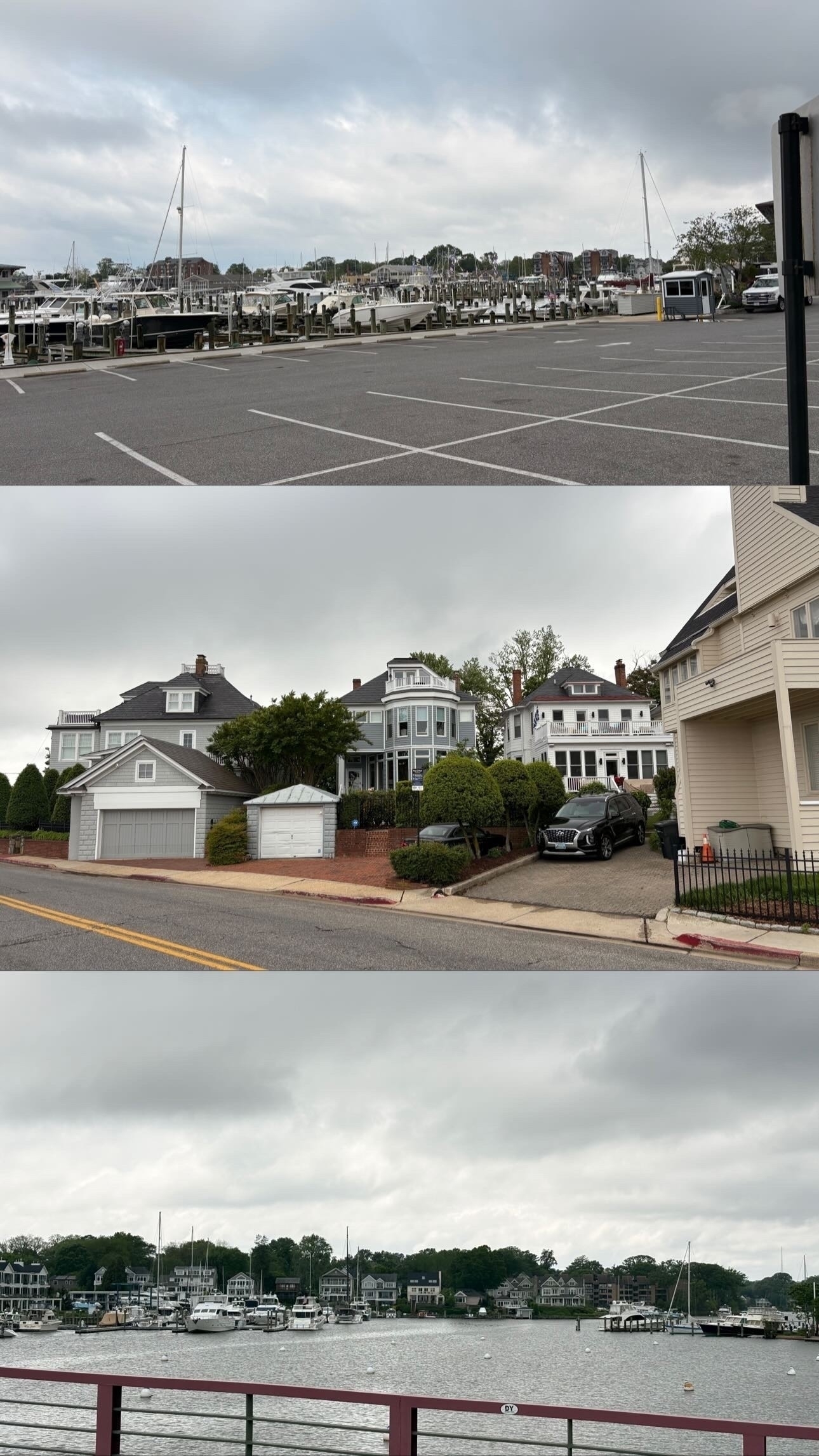
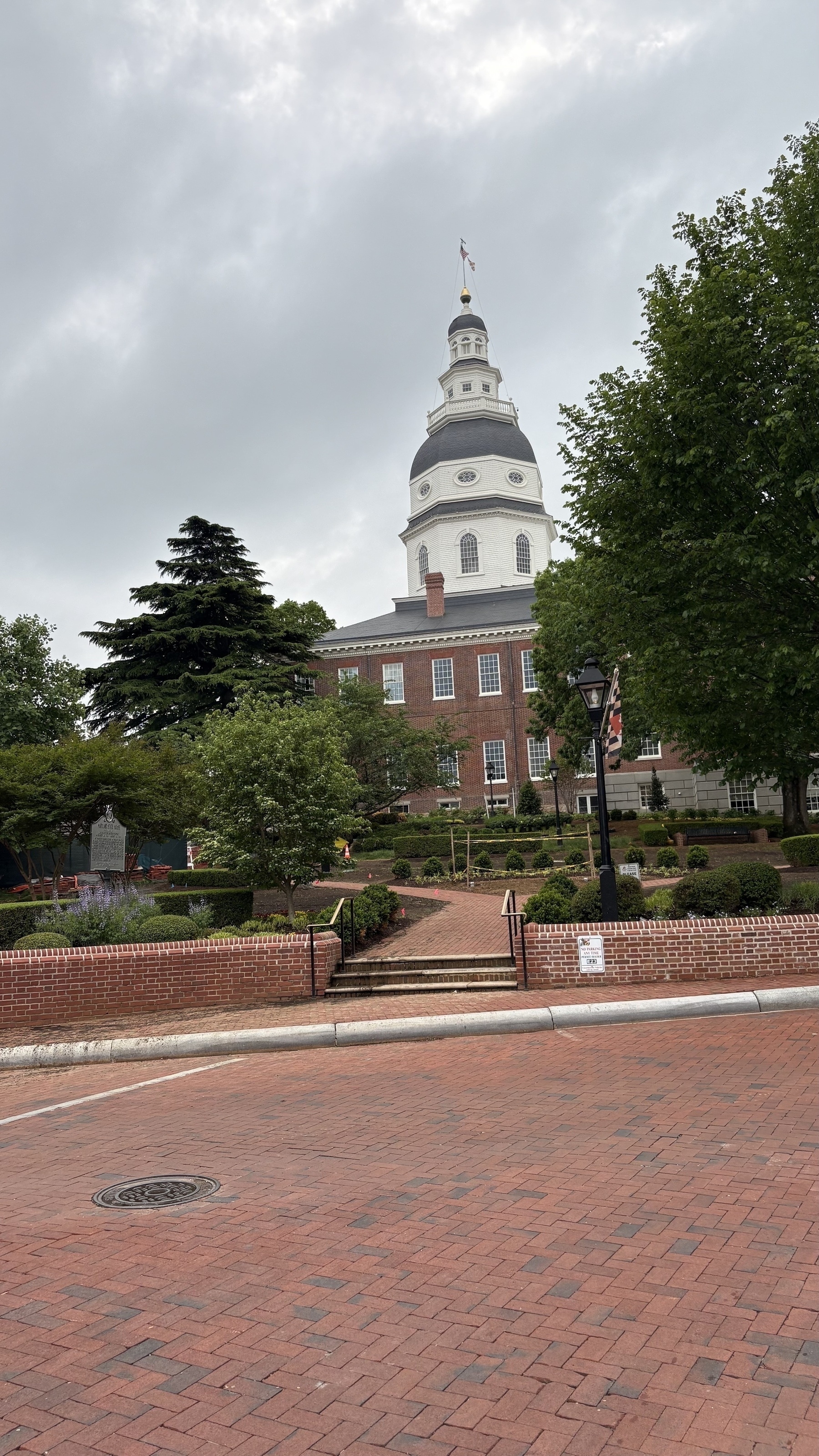
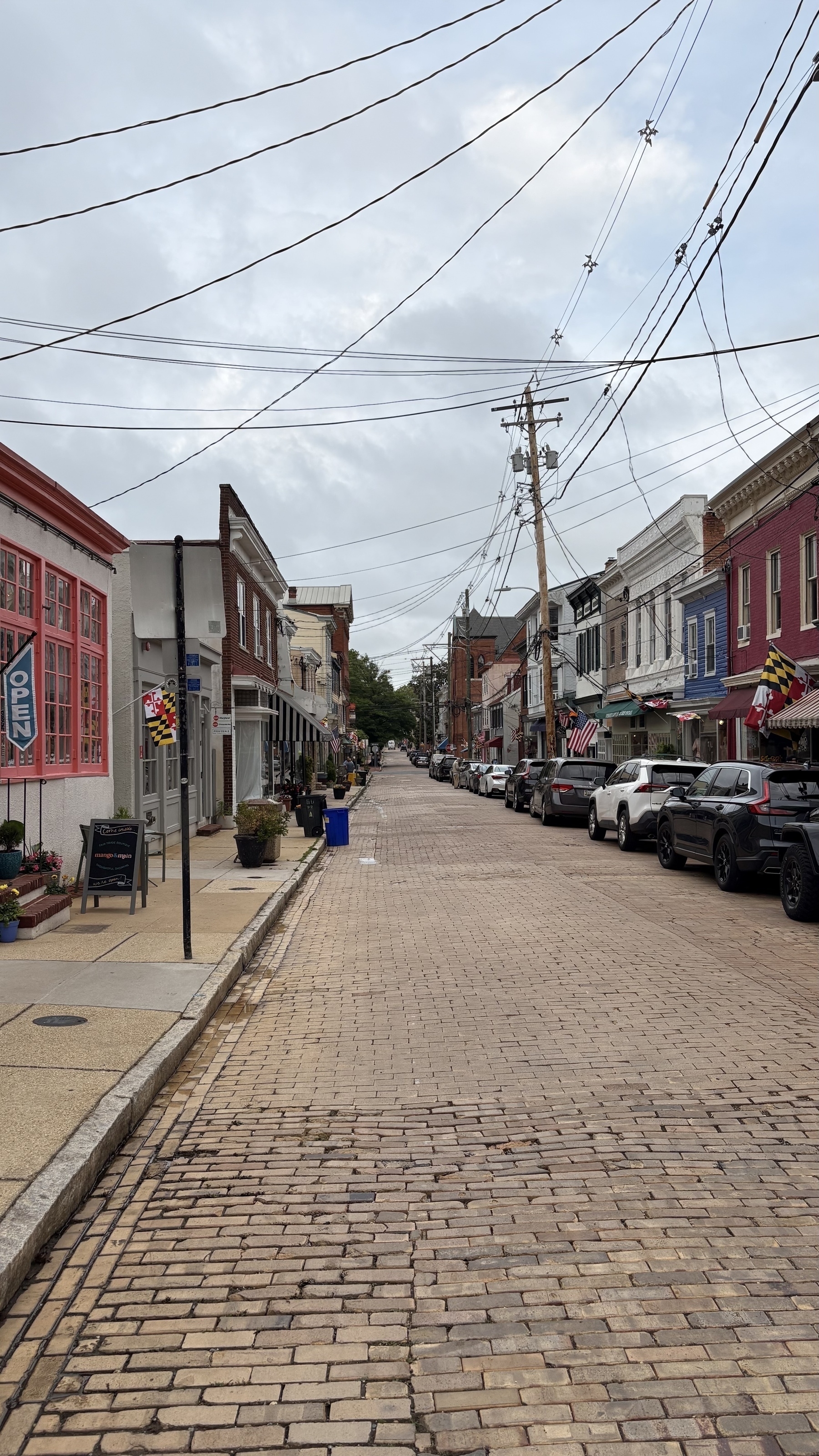
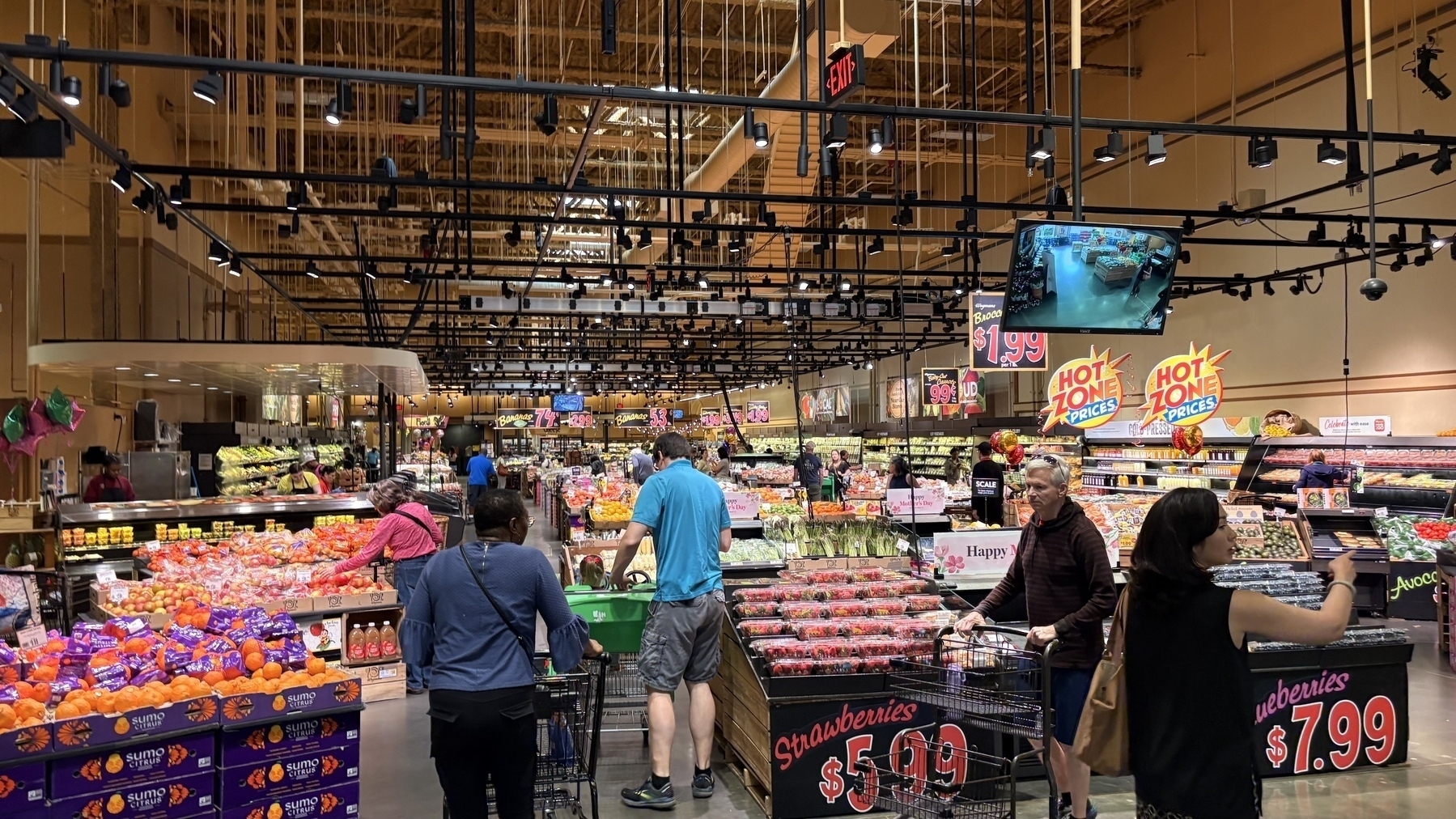
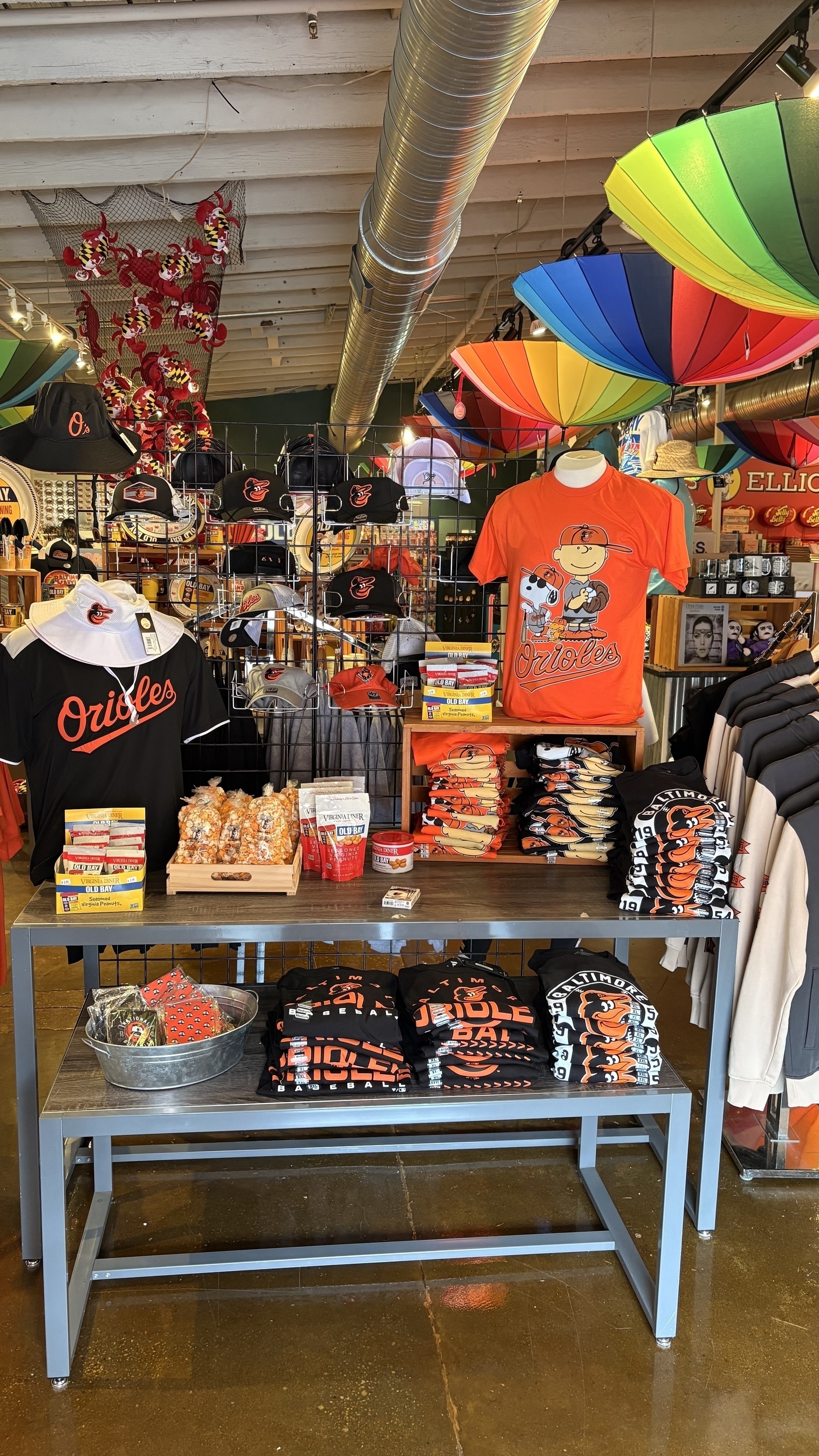
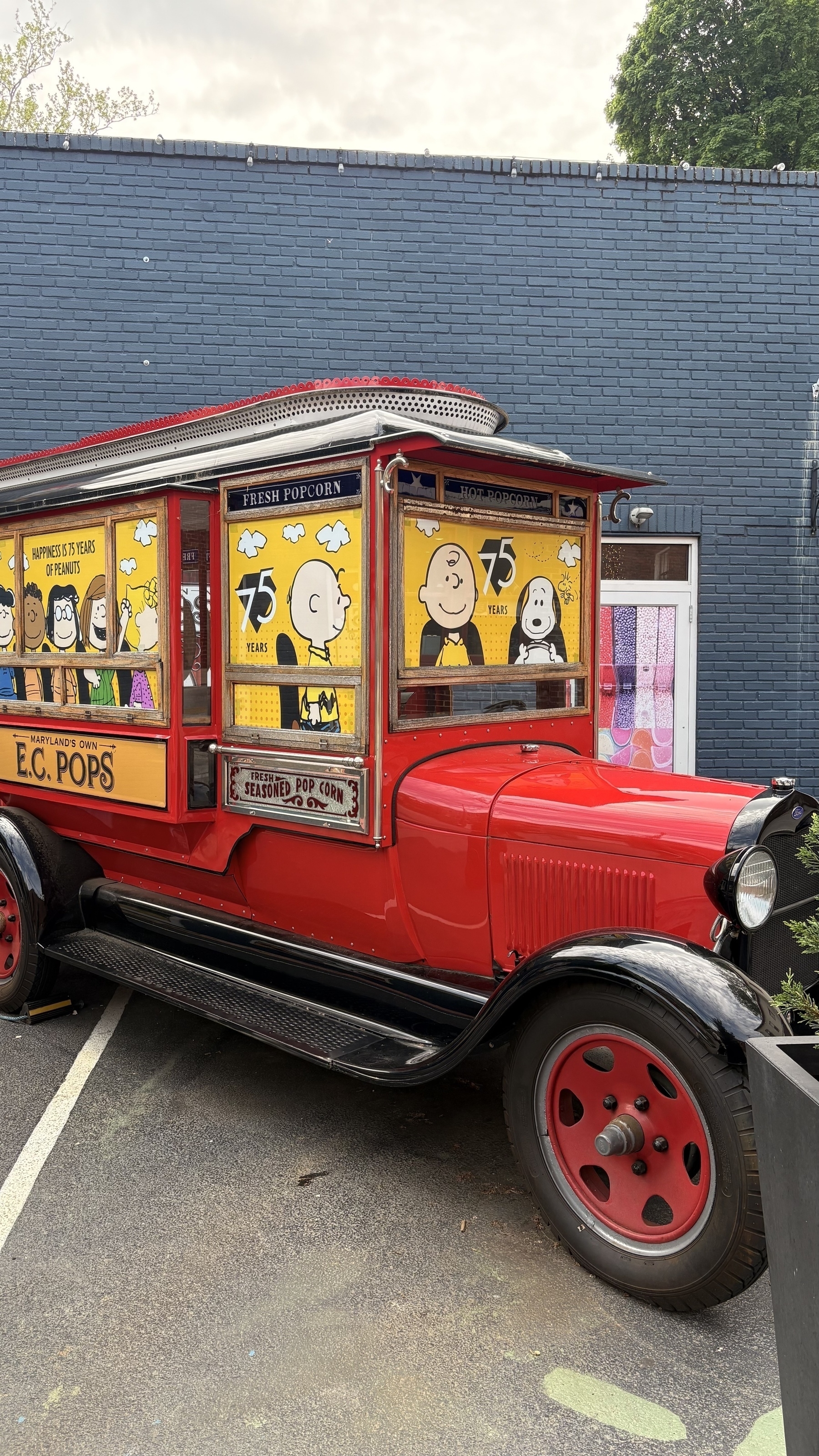
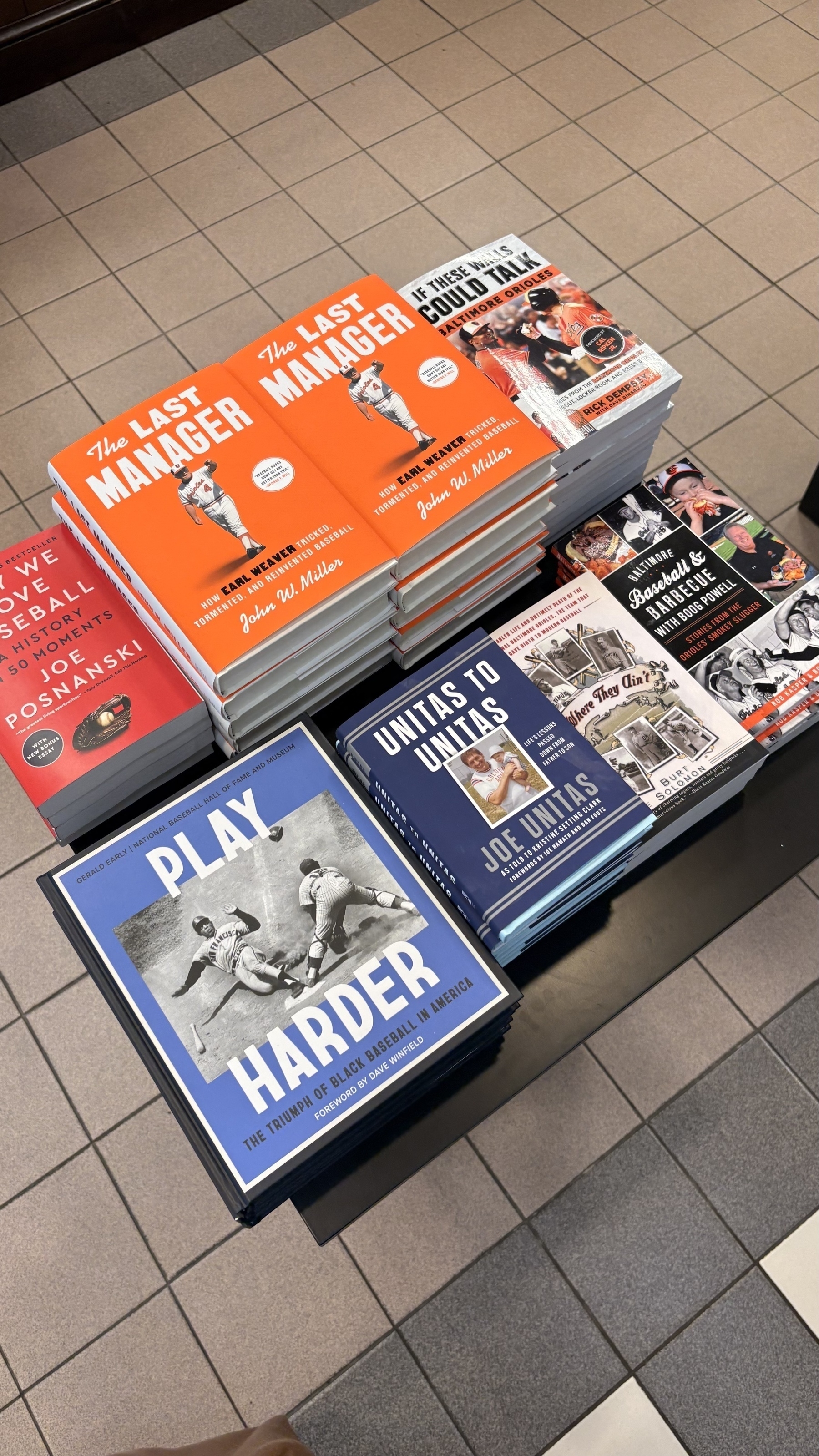
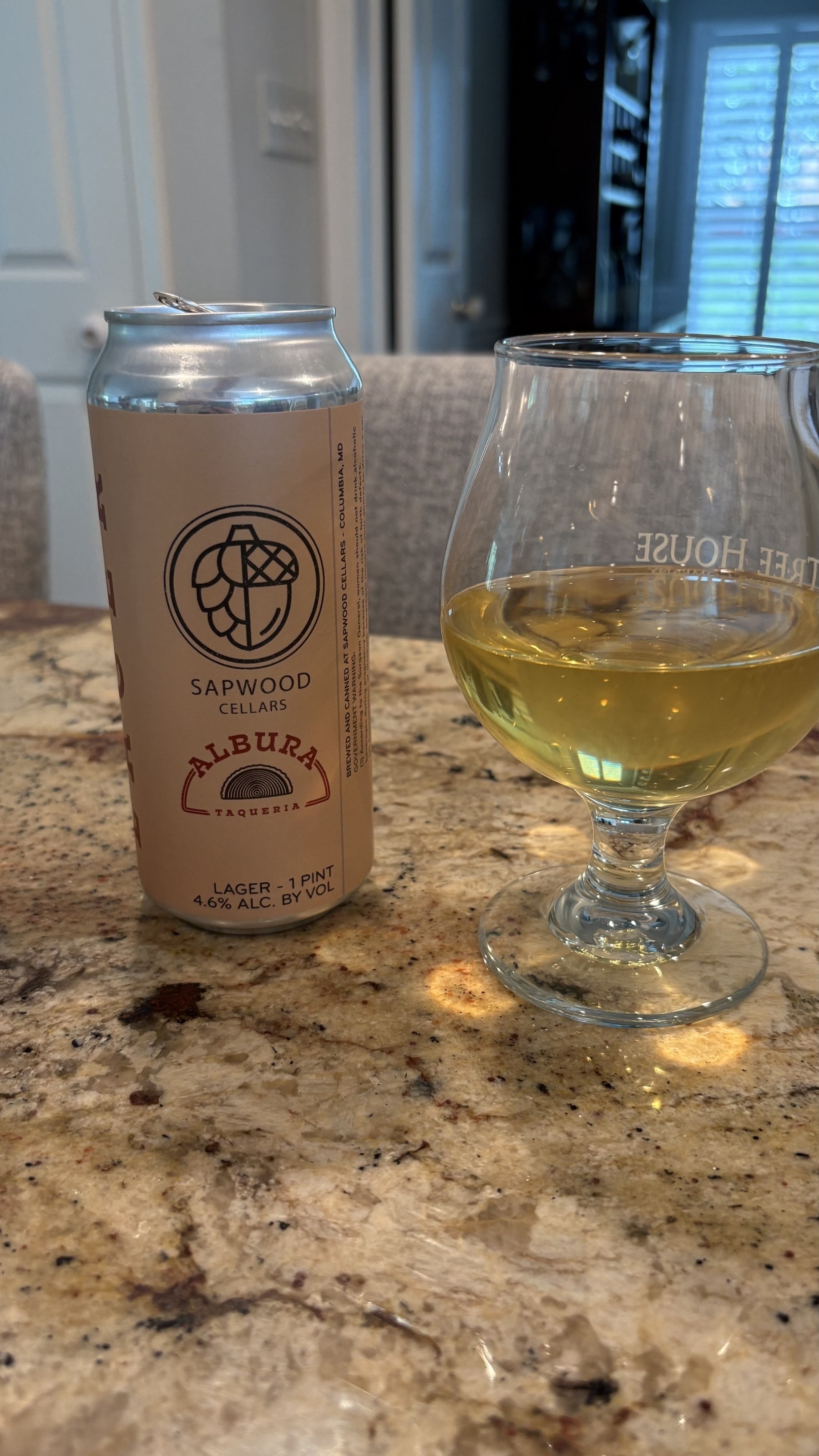
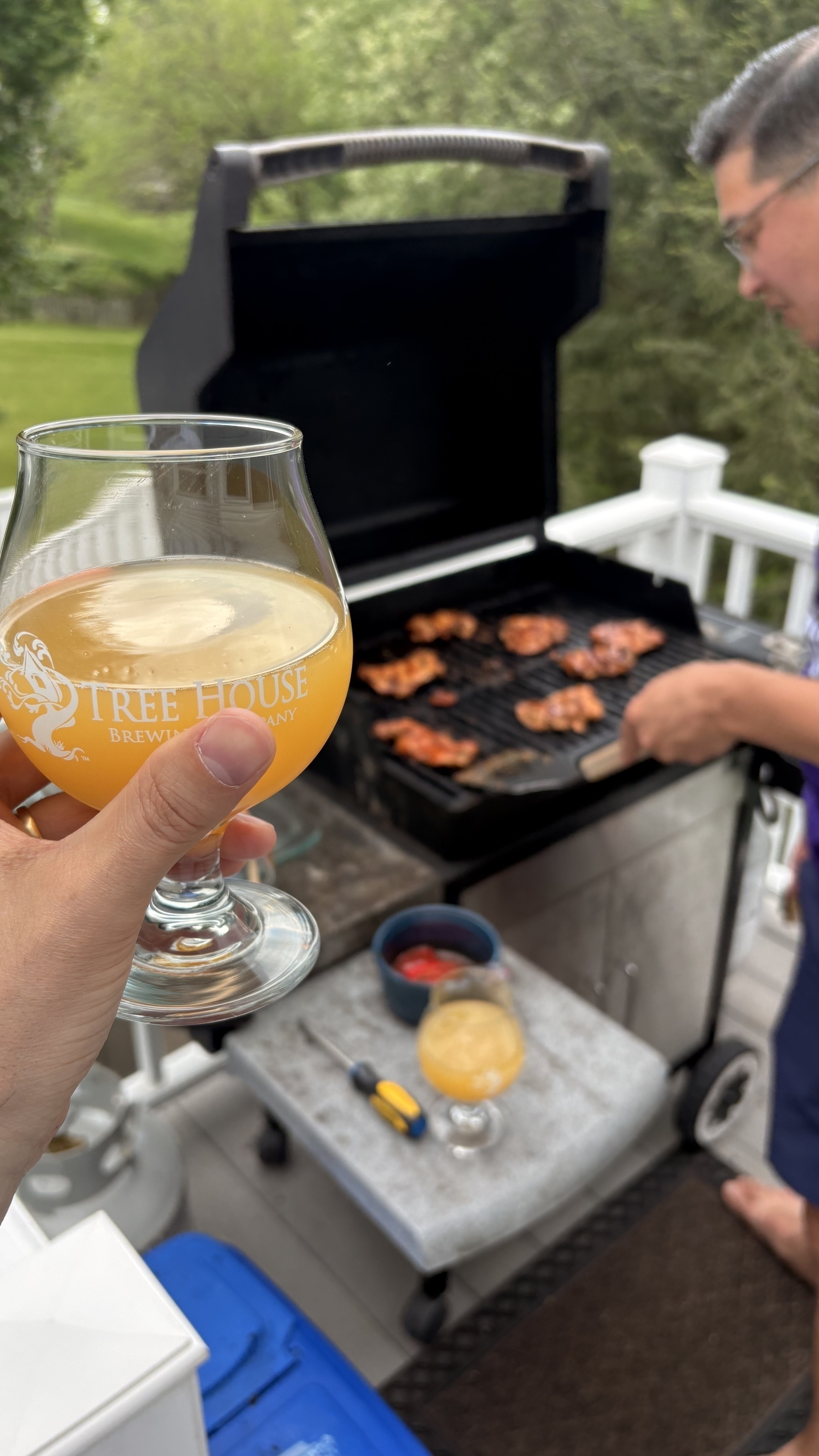
First few days of our holiday with the family in Maryland ☀️ 😊 🍔 🍗 🍺 🇺🇸
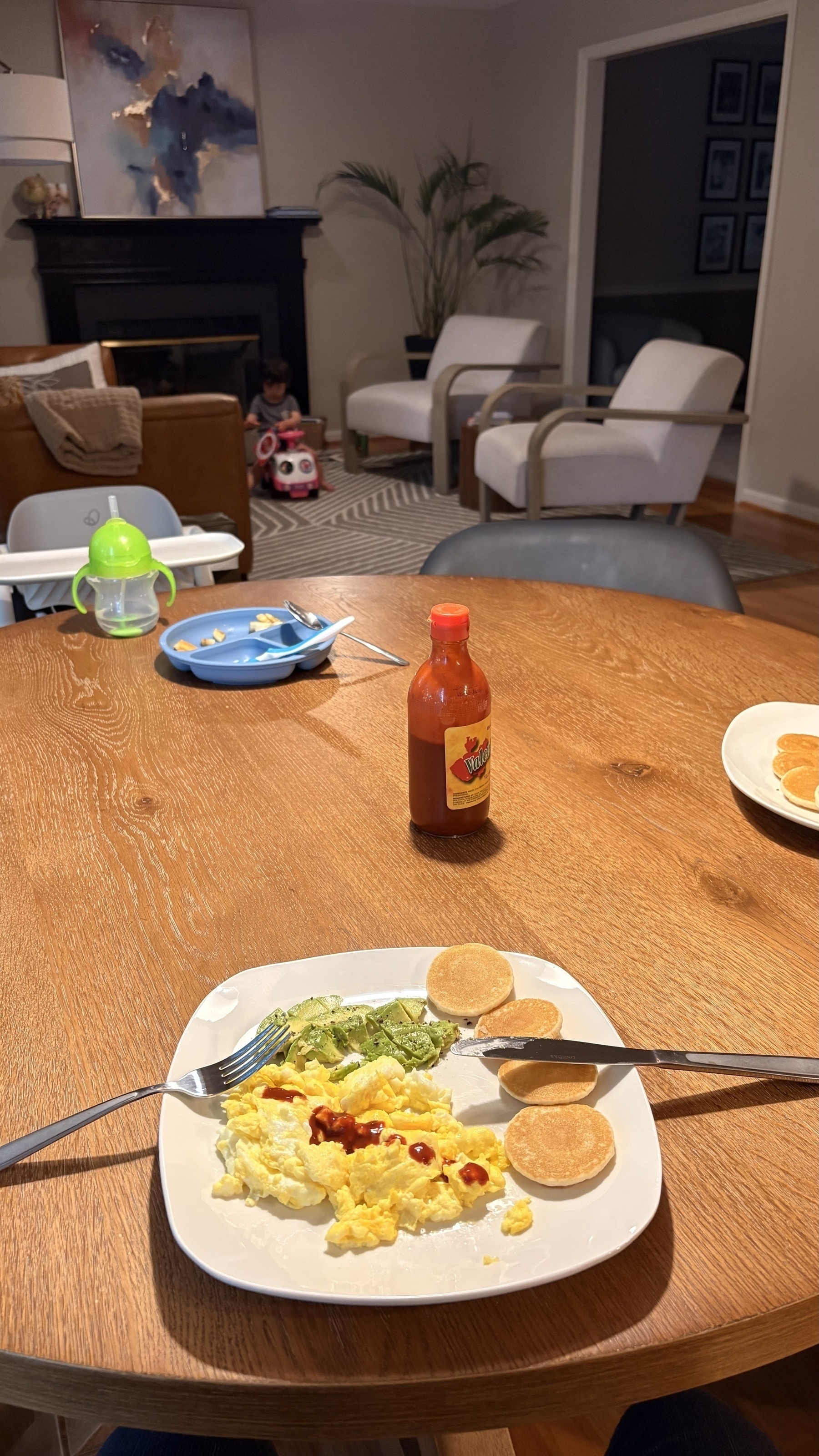
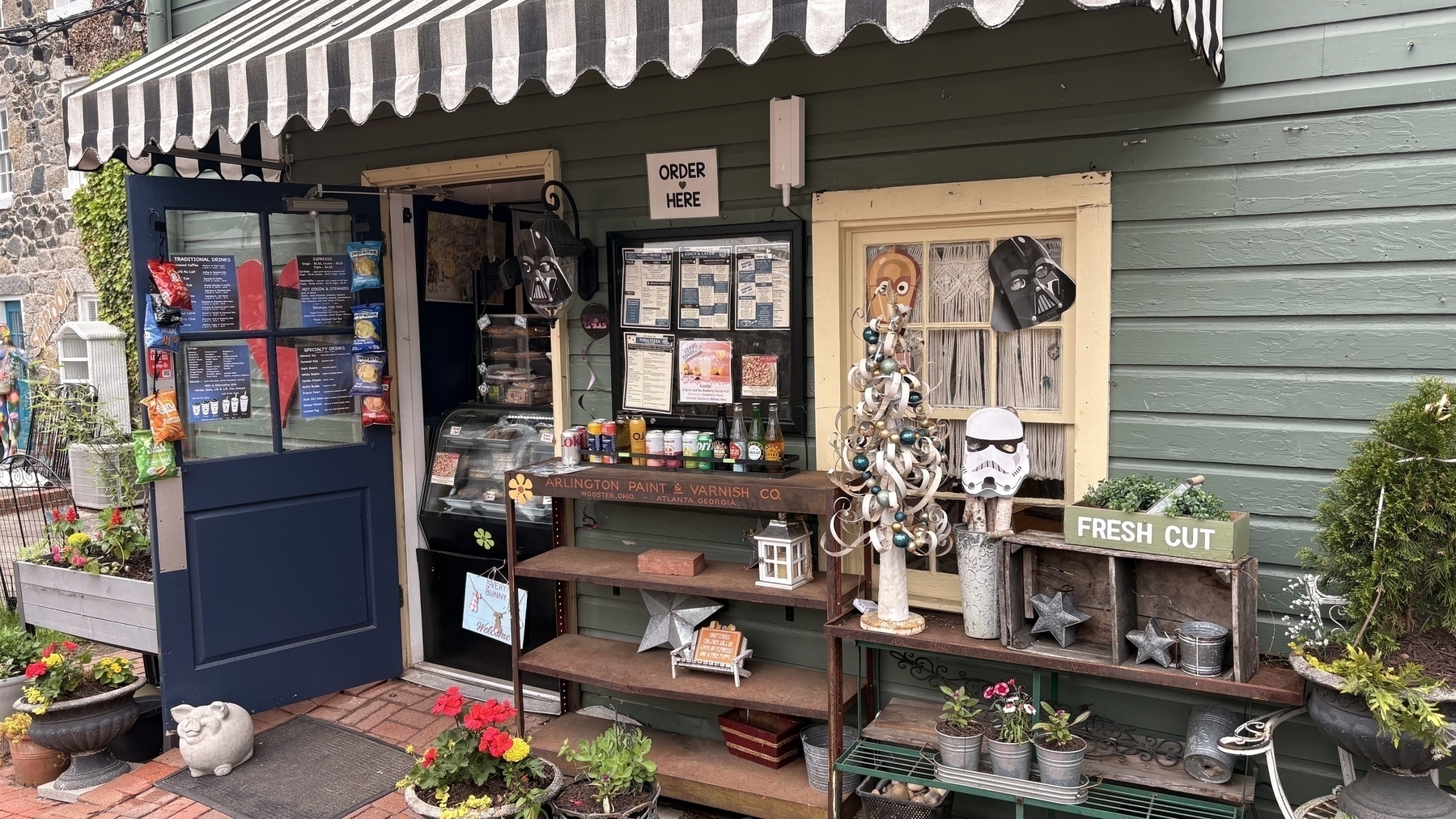
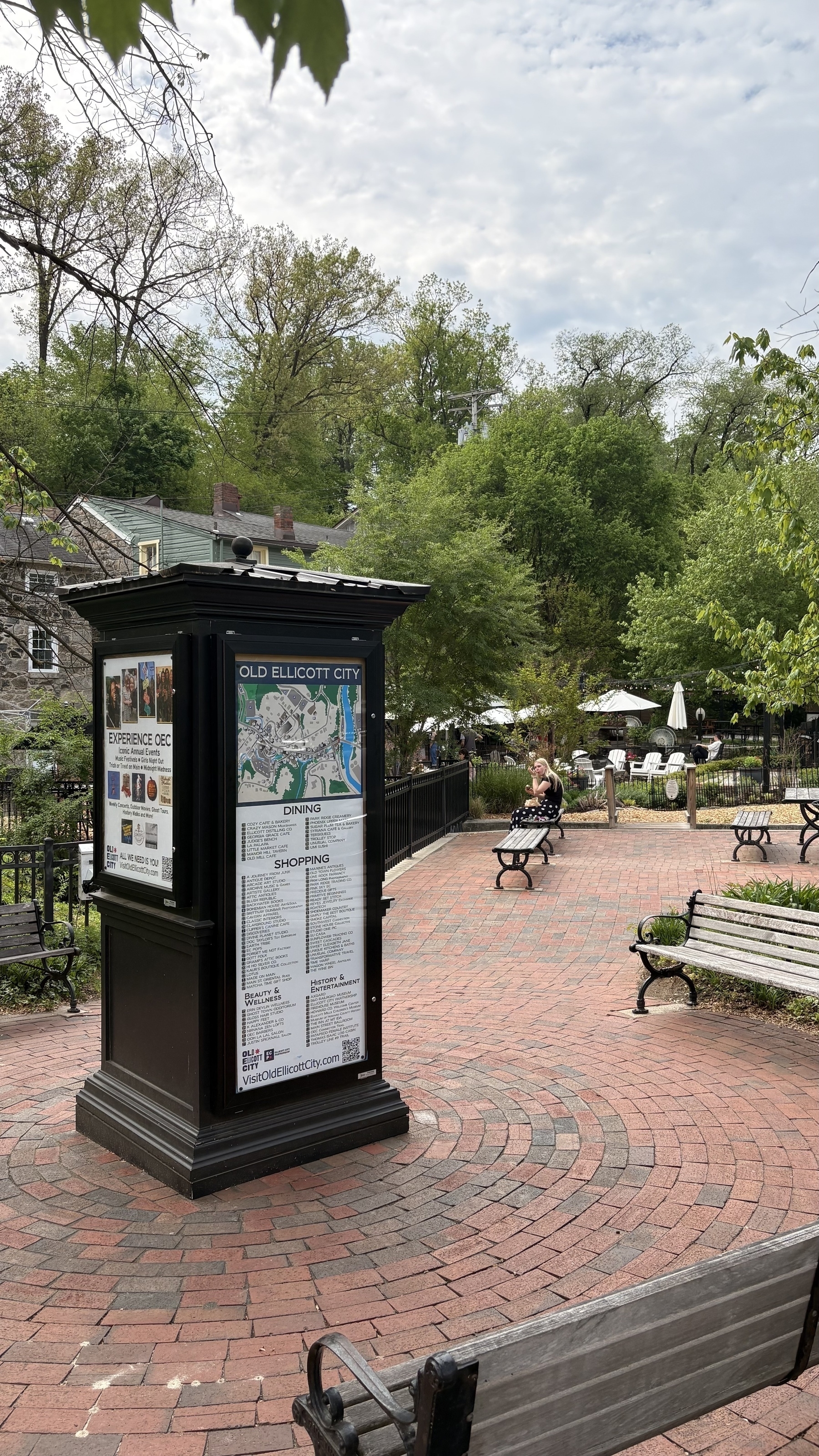
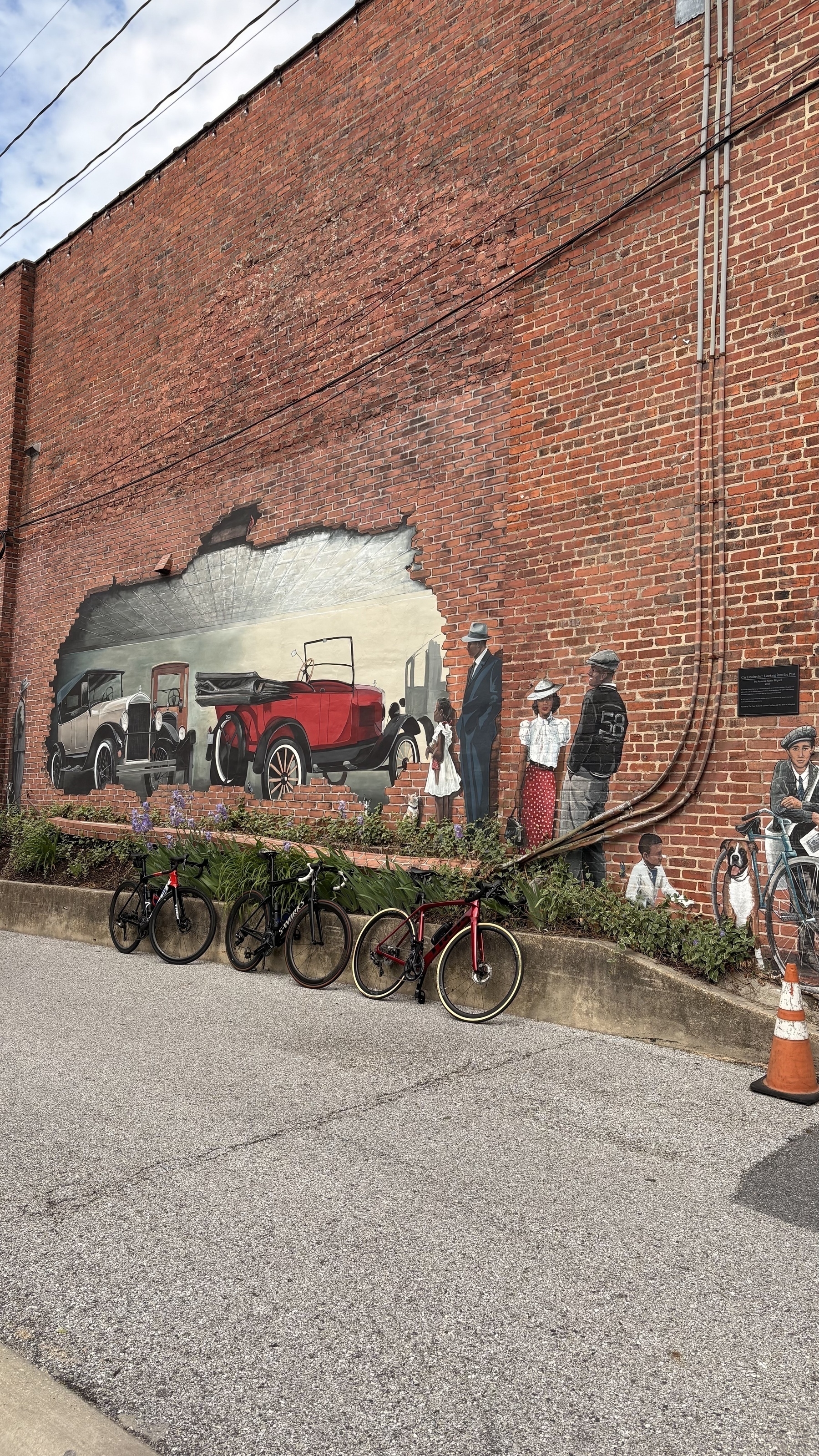

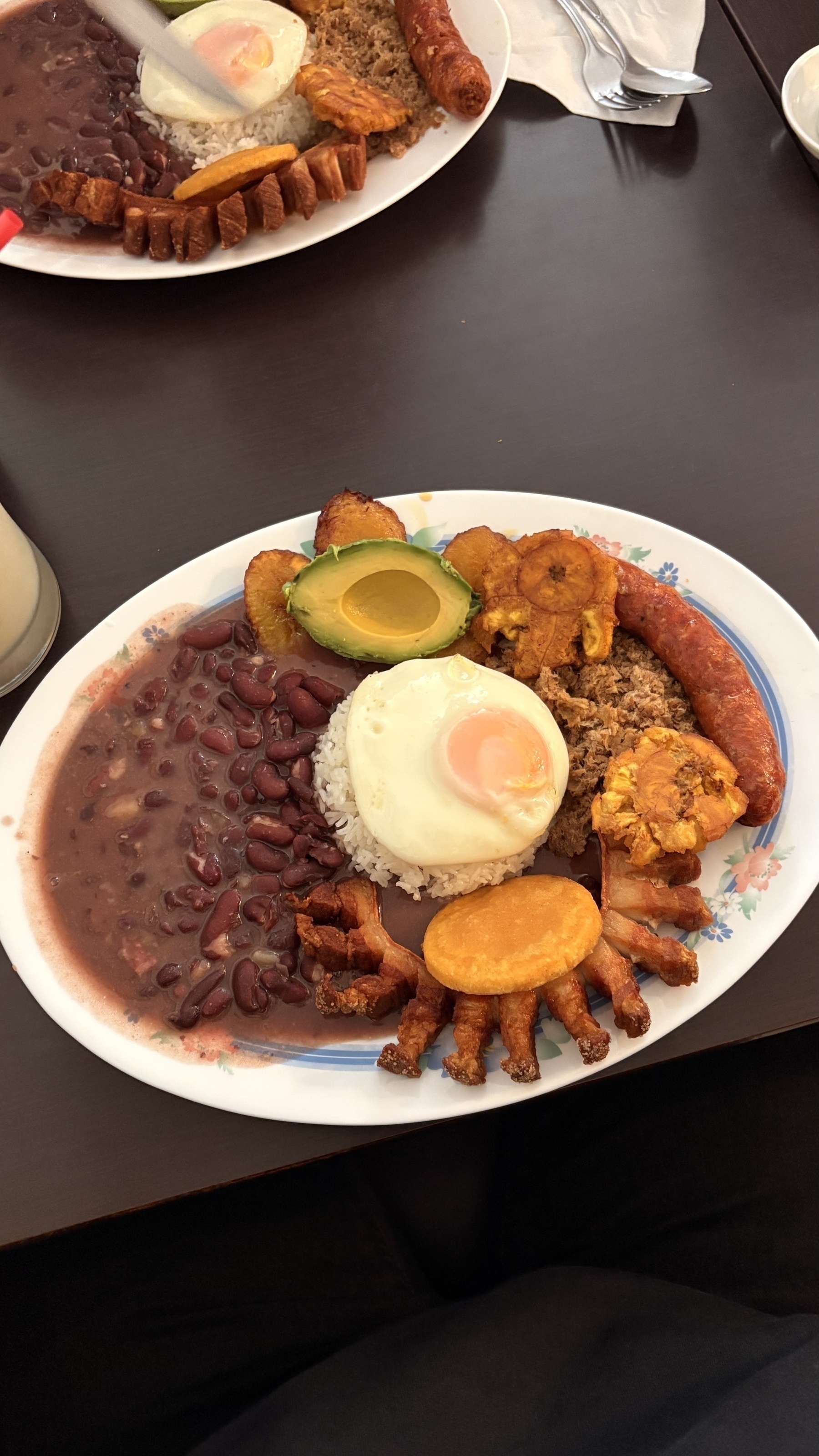
Coworker took us out to a mom & pop Colombian restaurant close to the office. OMG it was the real deal!
Fun day out today: friends, bike rides, and long walks in our former neighborhood 🌞 🧑🧑🧒

2/17/25
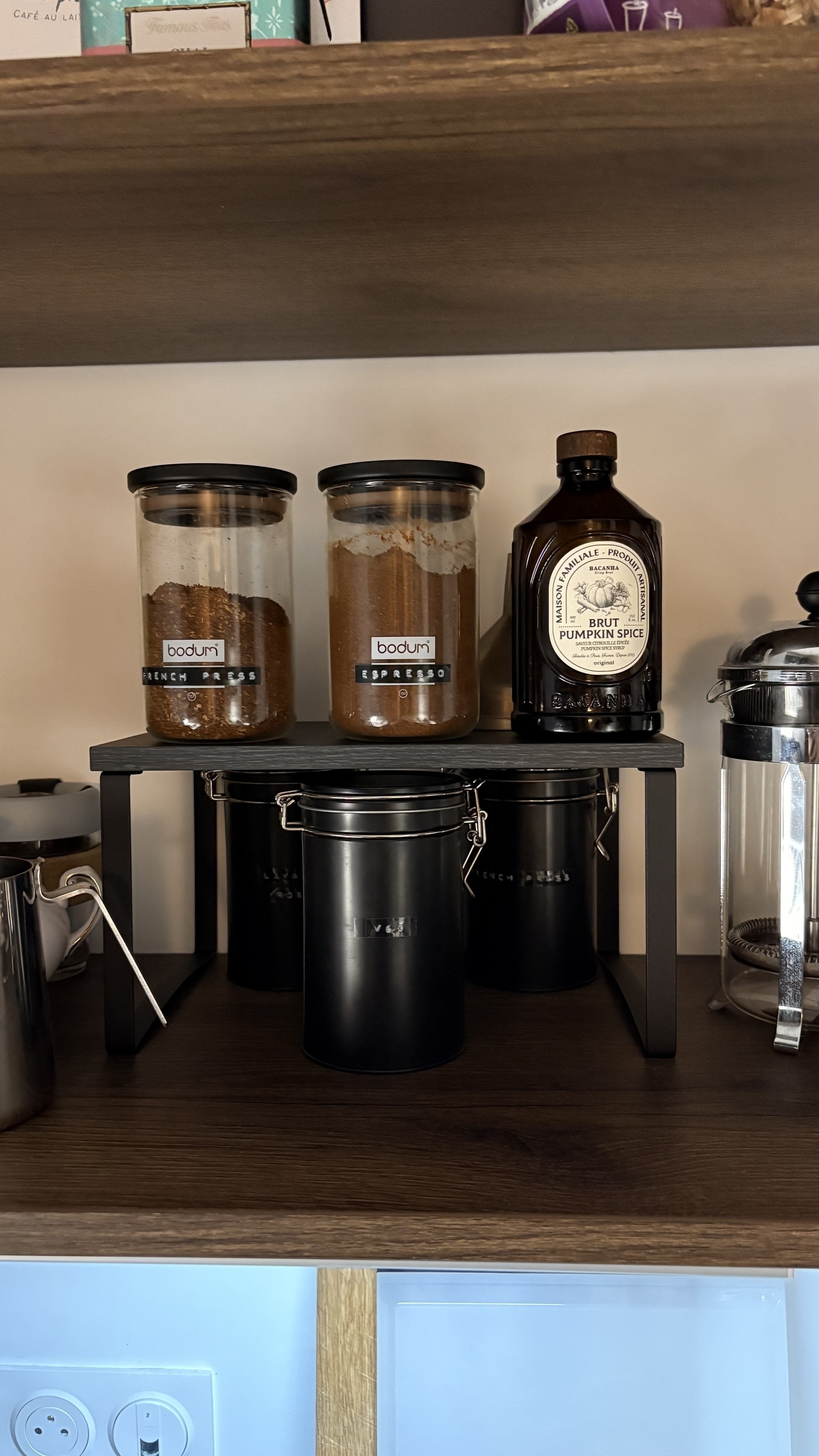
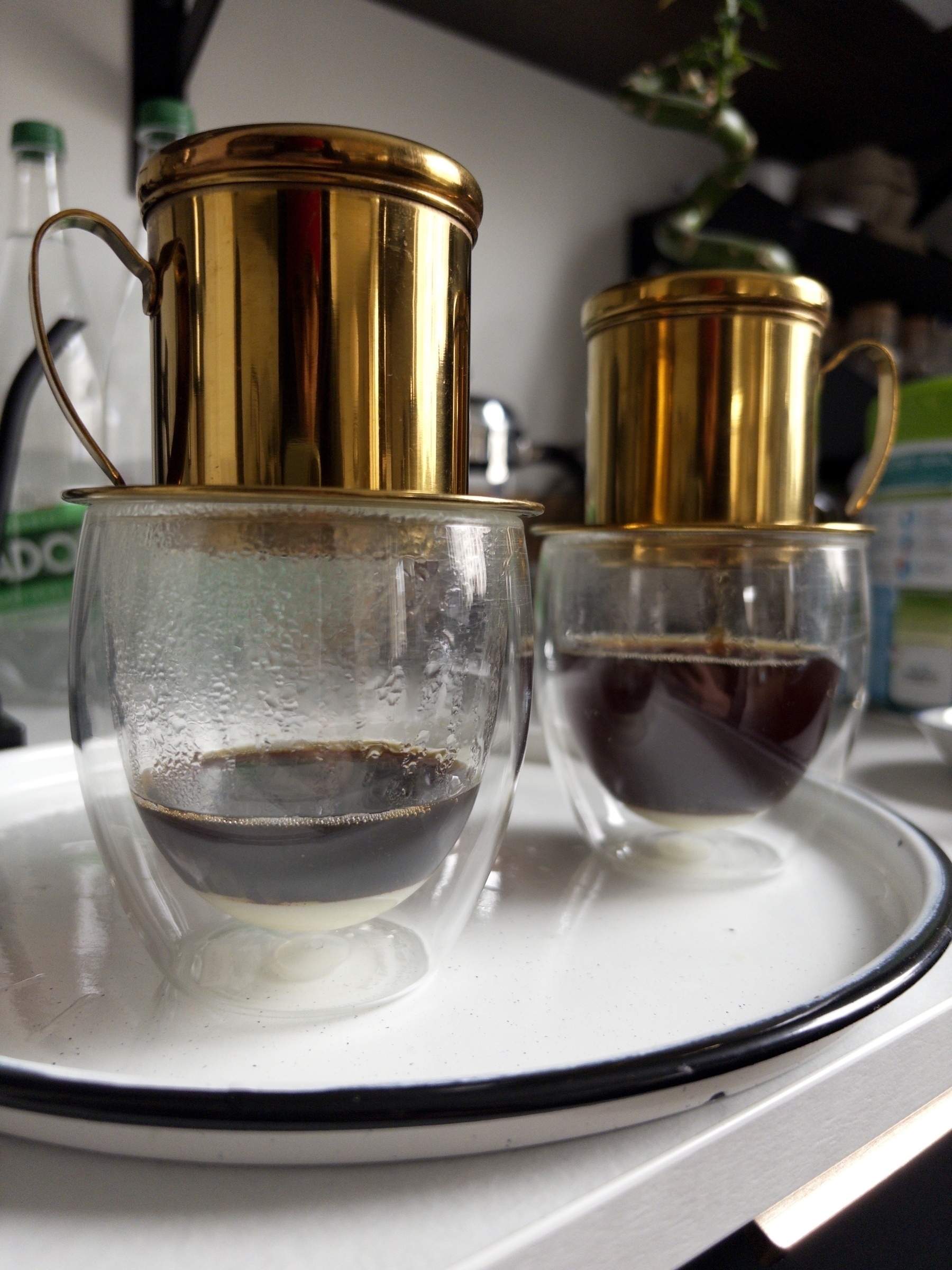
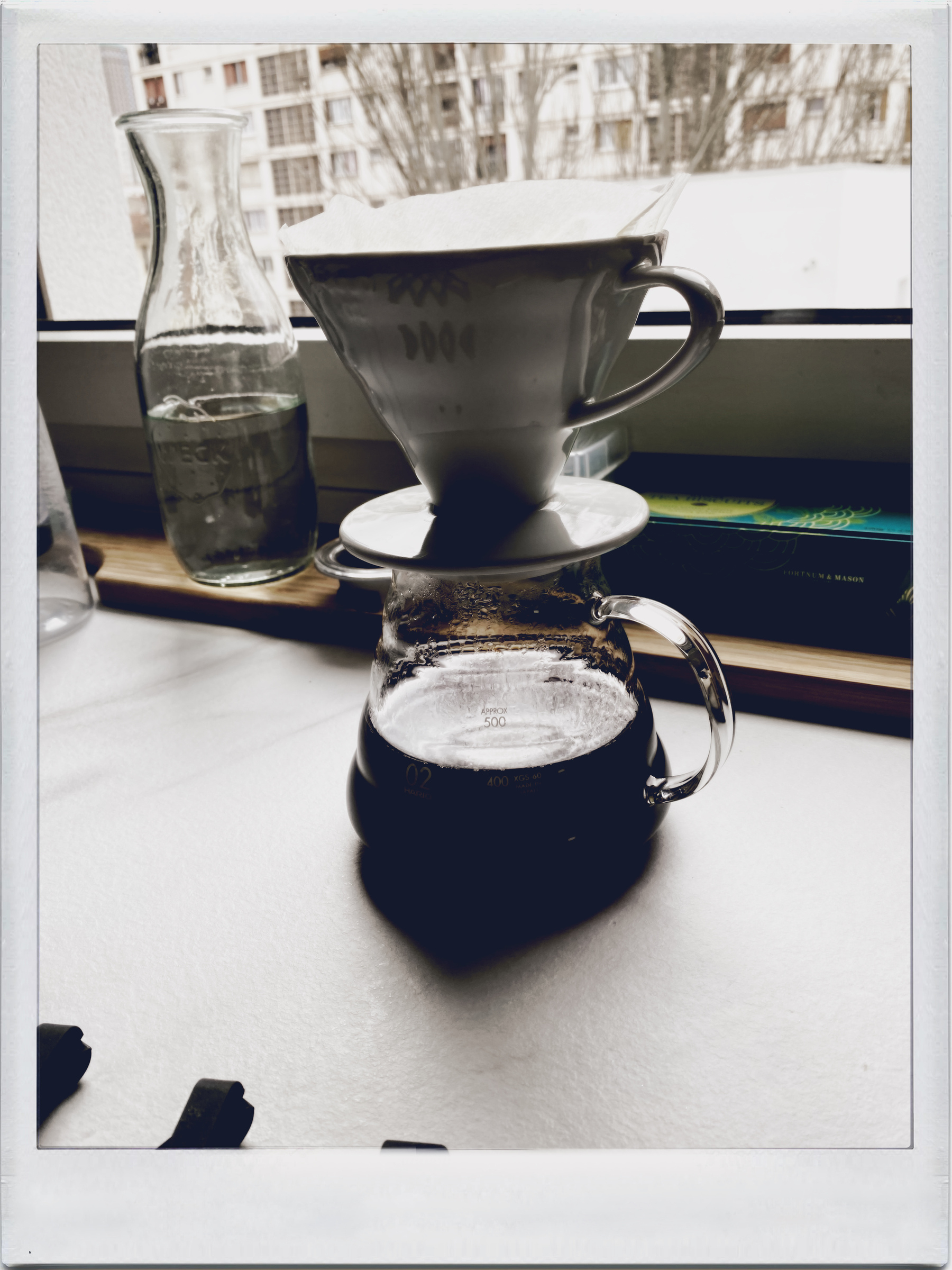
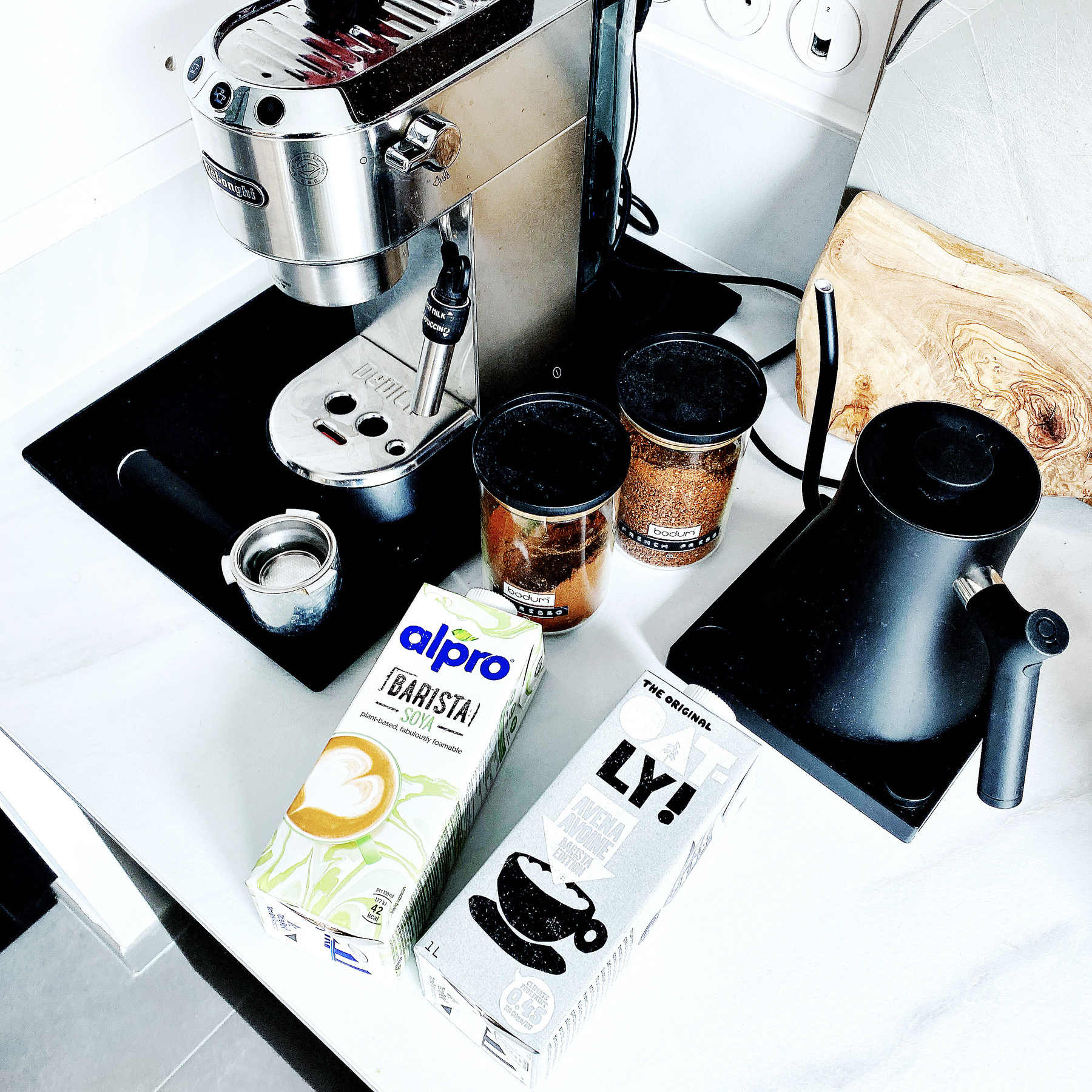
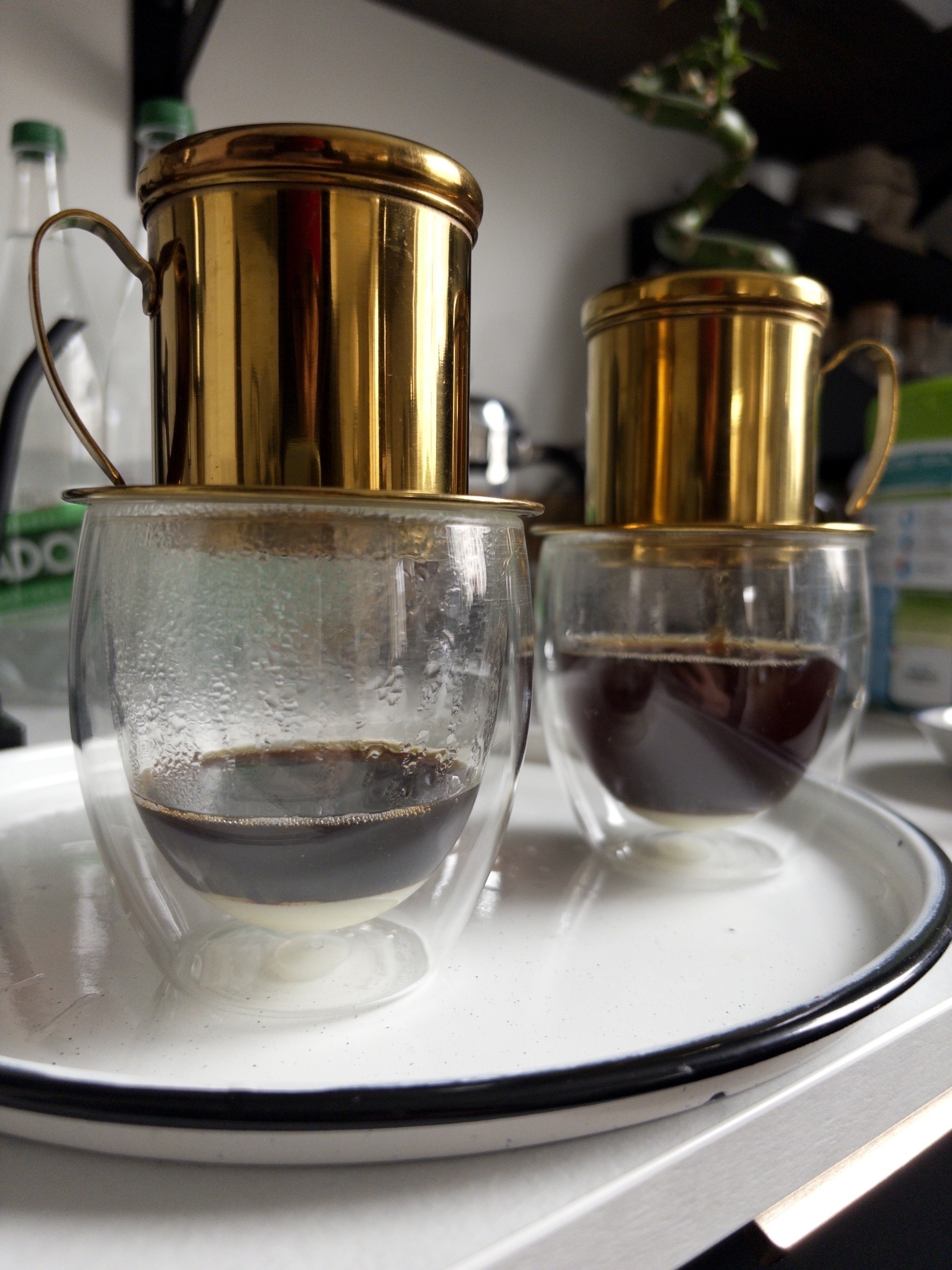
☕️ I recently read an article by my friend @adders (from his apt-titled Coffee and Complexity) about how the climate crisis is affecting coffee prices. It’s something we’ve been noticing for a while now.
As someone who takes their at-home coffee seriously, I’ve seen the prices at my local roaster go up. She mentioned that the cost per kilo has risen above 10€ for the first time in the past 18 months. Despite the increase, brewing coffee at home is still more affordable than buying from a coffee shop or purchasing beans from those same places. And it’s obviously a million times better than office-coffee.
Our daily habits are connected to larger issues but this is a good reminder to appreciate that morning cup even more.
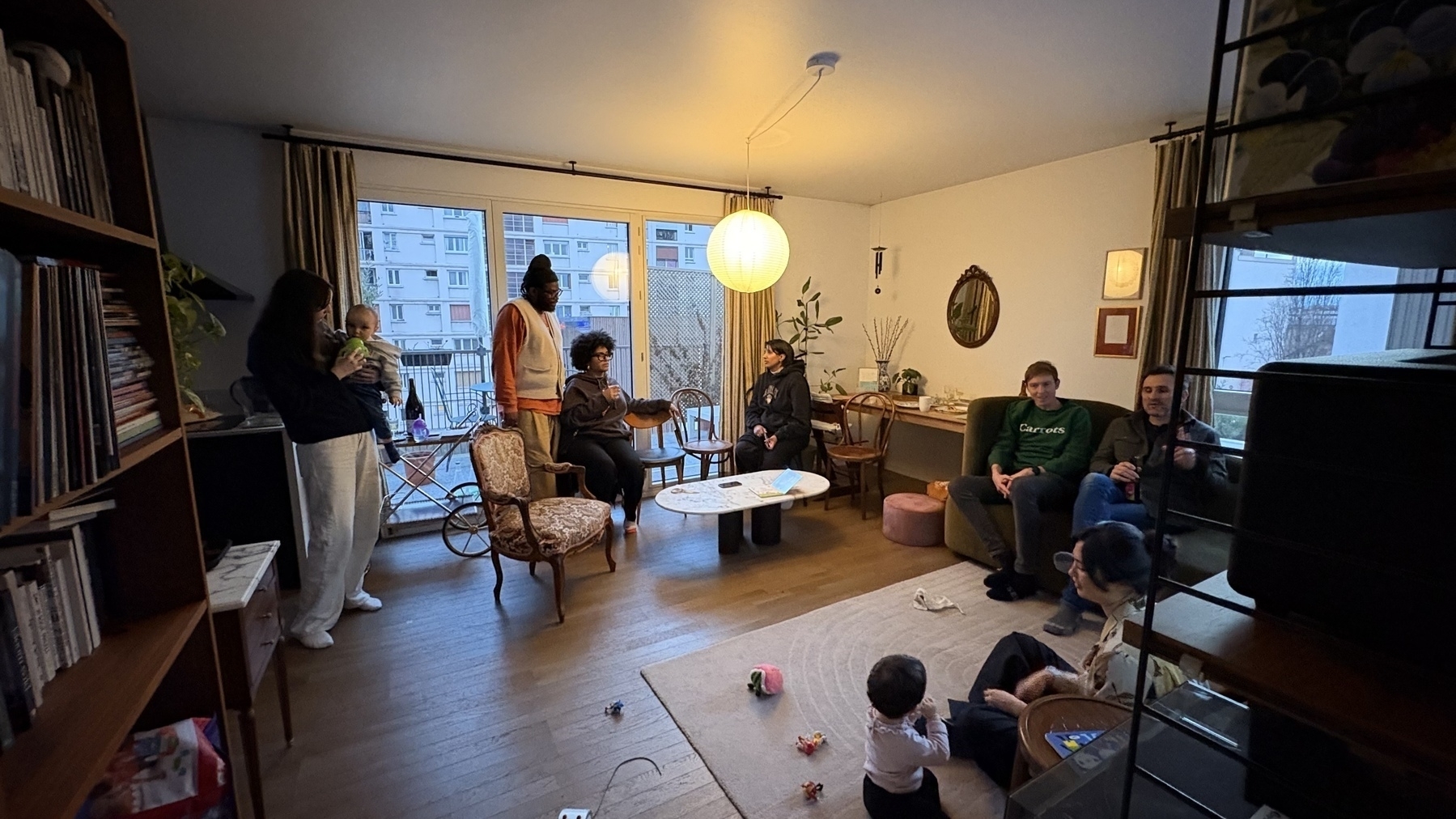
Birthday weekend 3️⃣4️⃣ 🎁
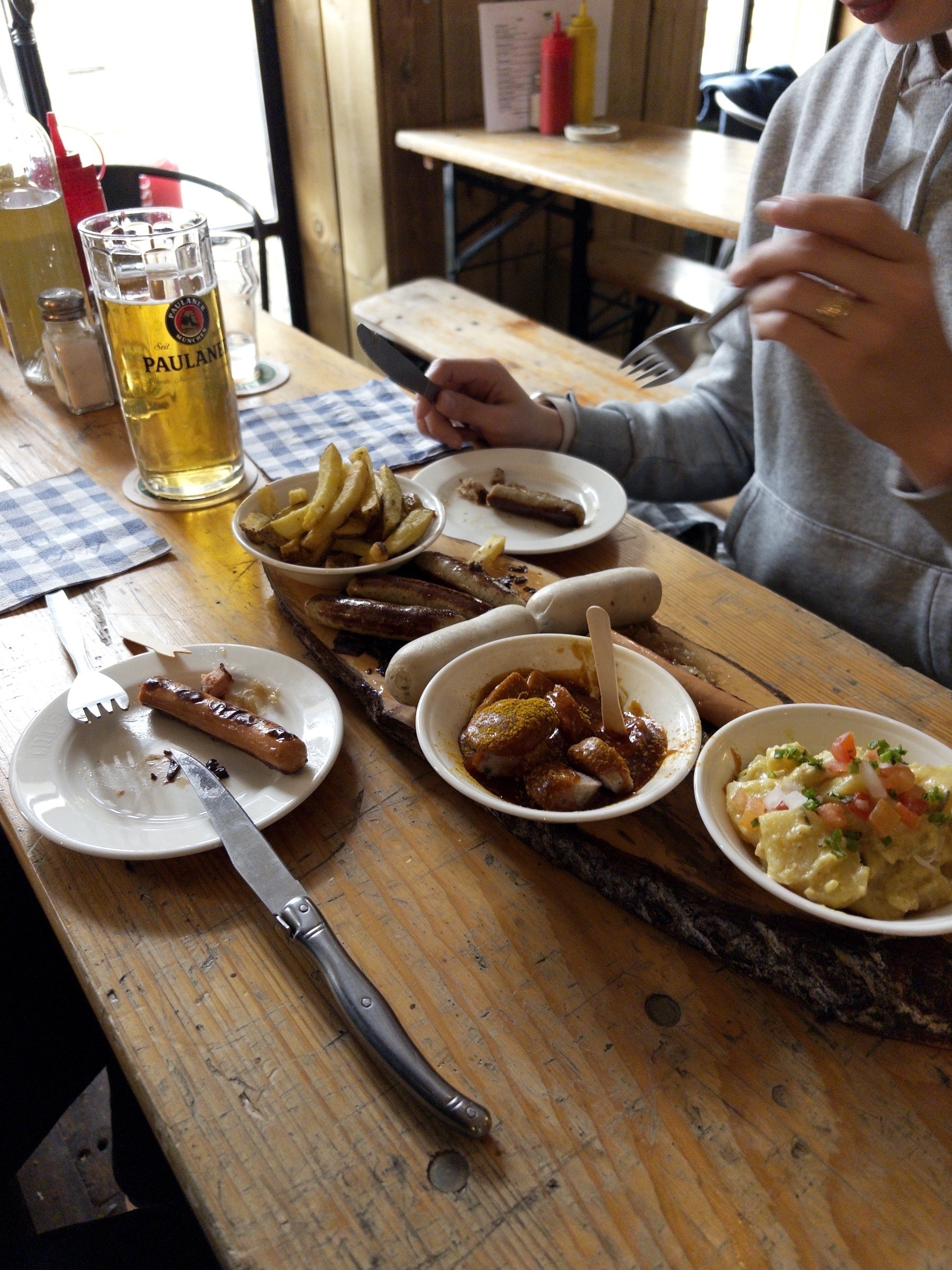
Decided to go to our local German pub for luck today — I realized I haven’t had a delicious currywurst since 2013 (!)
Following up on the previous post:
More and more, the notion of the classic American breakfast—bacon, eggs, toast, milk, coffee, and a glass of orange juice—is beginning to seem like a snapshot of a bygone era. Not only is the supply of orange juice becoming shaky, but so is that of eggs, milk, and coffee (not to mention other goods, such as chocolate and olive oil). None of this means that we’ll have to go without these foods anytime soon. But for everyday Americans, it will likely mean having less.
It’s hard not to look at this with a cynical “the writing has been on the wall, and you could have done something to prevent it but now all you can do is prepare yourselves for a different world you’ll have to adapt to because you’ve acted so unreasonably for so long as a country — and to some extent for at least 2 generations.”