Easter family-work trip to Berlin
I just came back from a short weeklong trip to Berlin. I was technically there for work. Our team at ITONICS used the Berlin office for our Quarterly Business Review — sales, account management, the full group.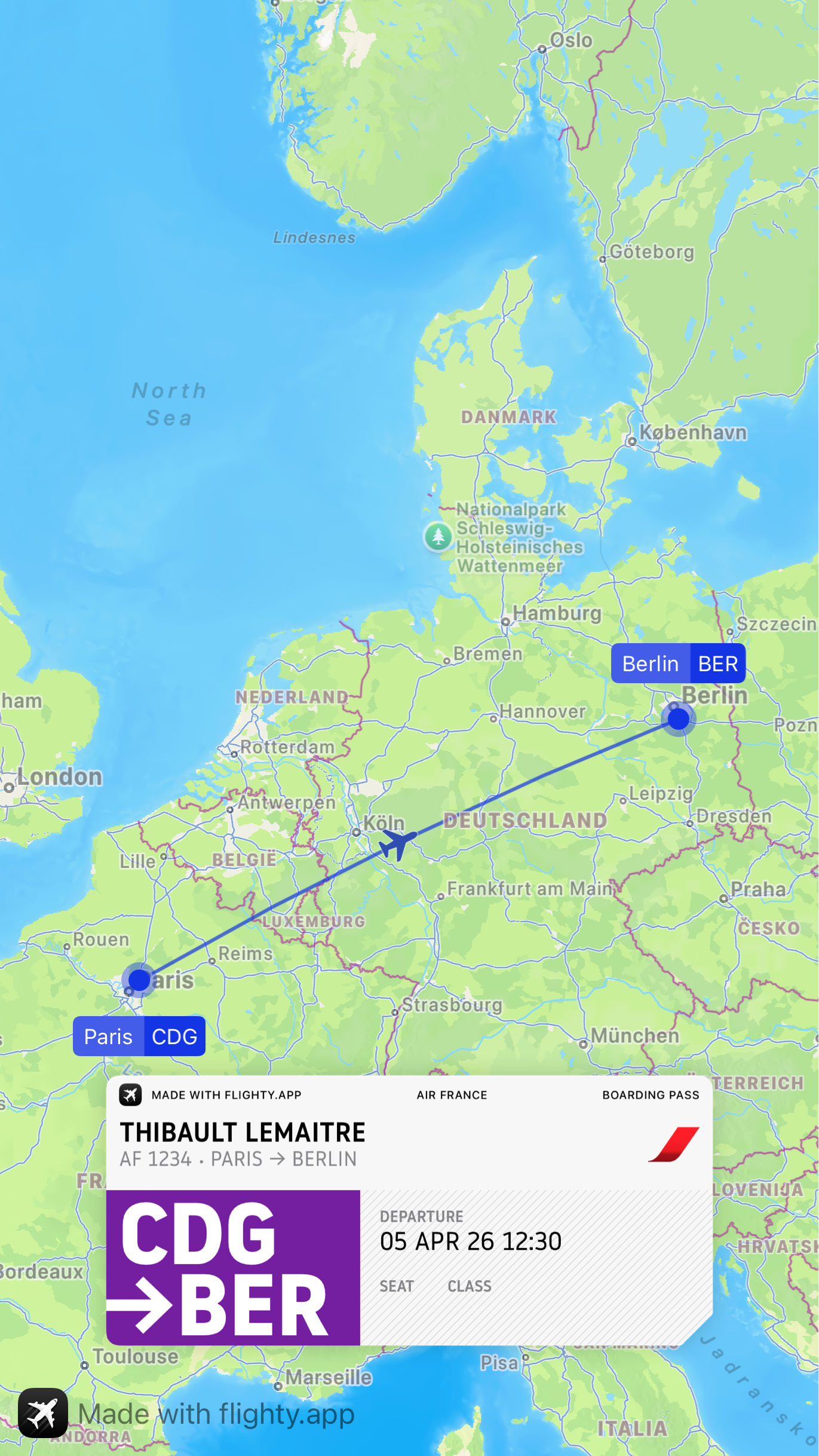
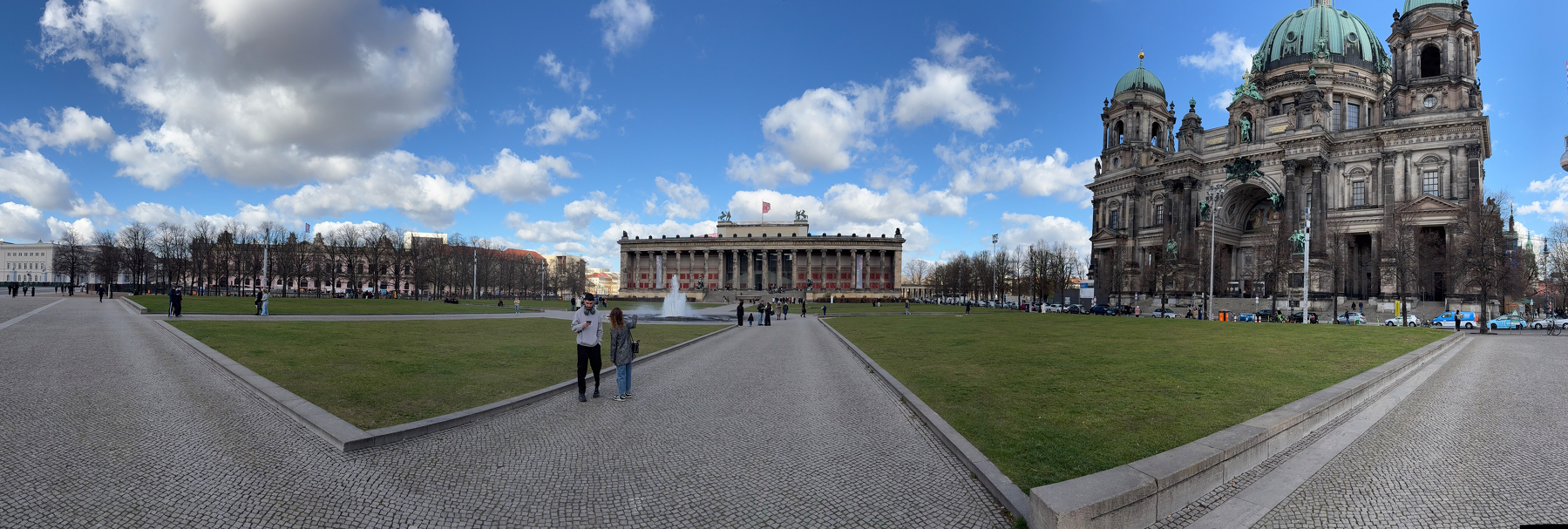
Berlin doesn’t look like anywhere else in Western Europe, and that’s not by accident. This is a city that was destroyed and rebuilt twice in a hundred years. Forget the Parisian Haussmannian style — what you get instead is a patchwork of eras, textures, and gaps. Empty lots next to Soviet-era blocks next to glass towers next to community gardens. It shouldn’t work. But in this city, it kind of does.
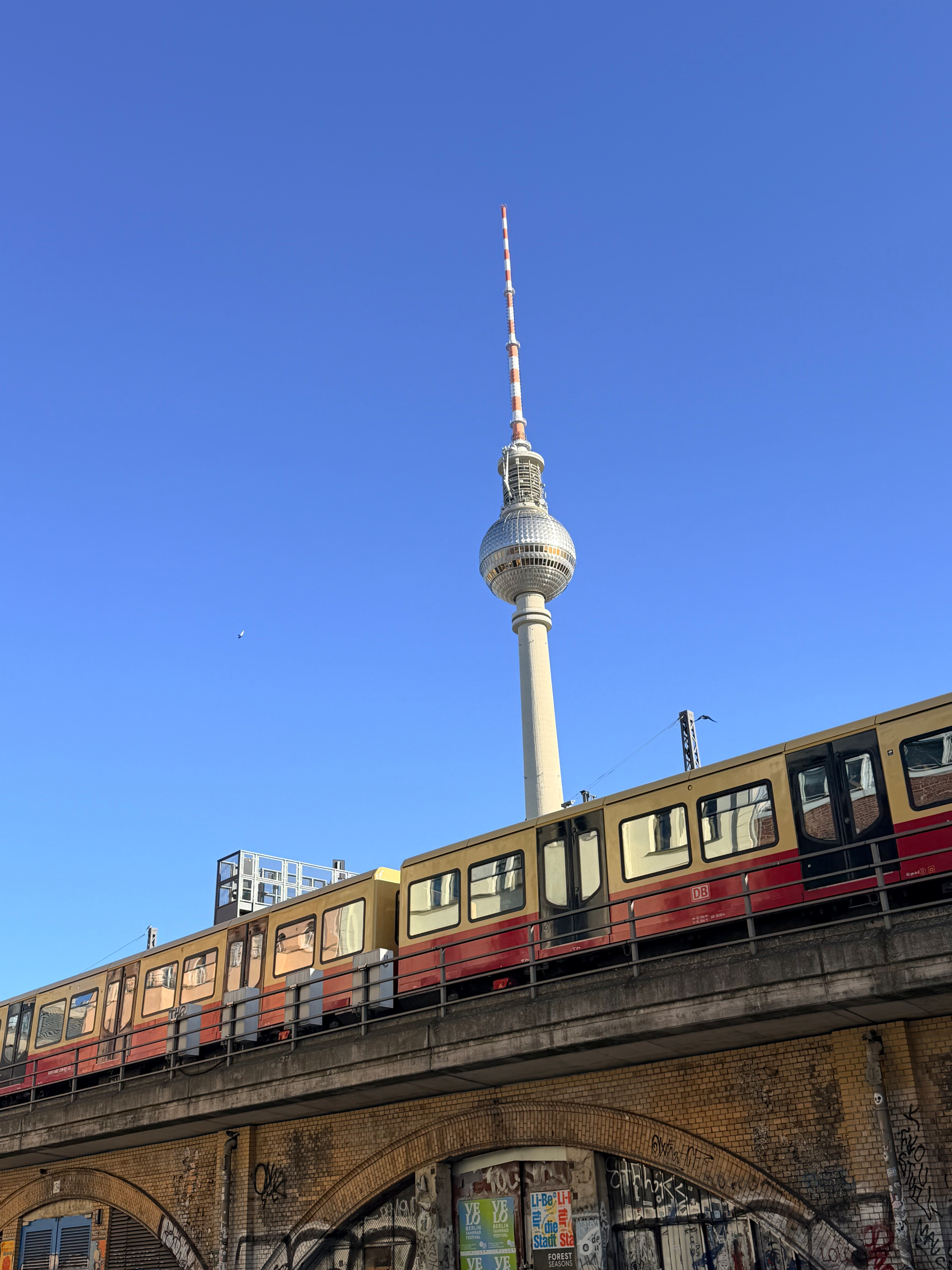
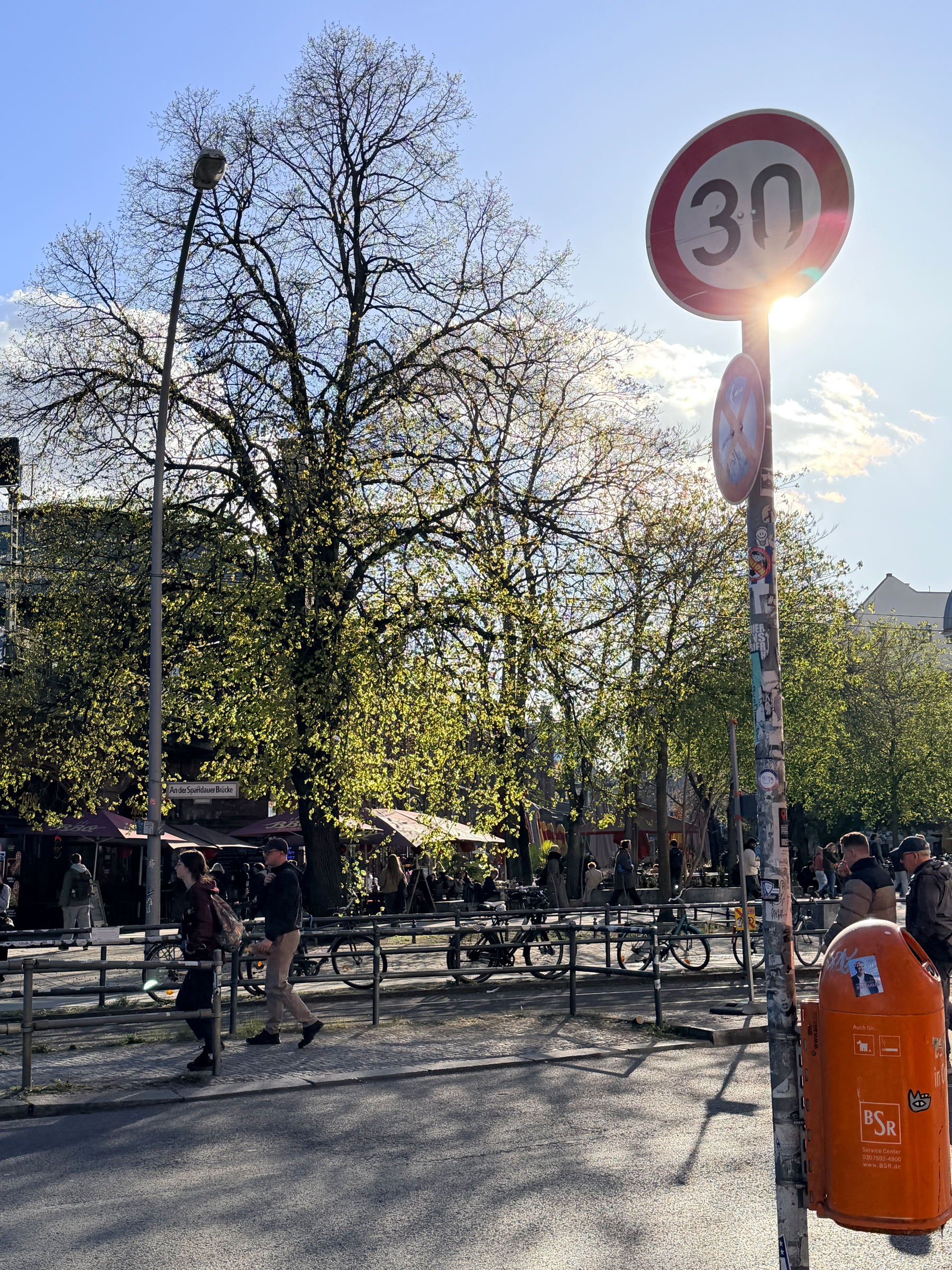
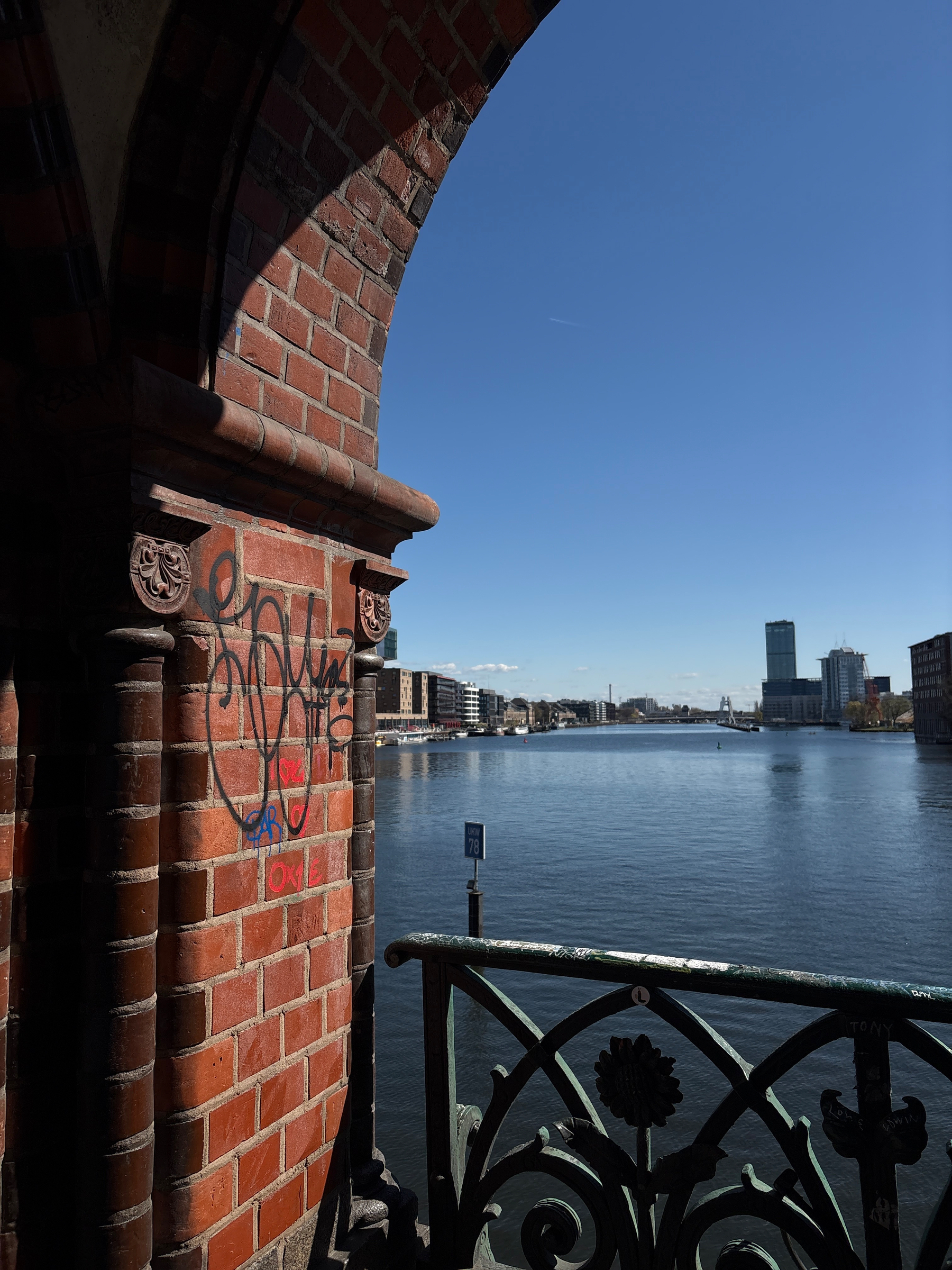
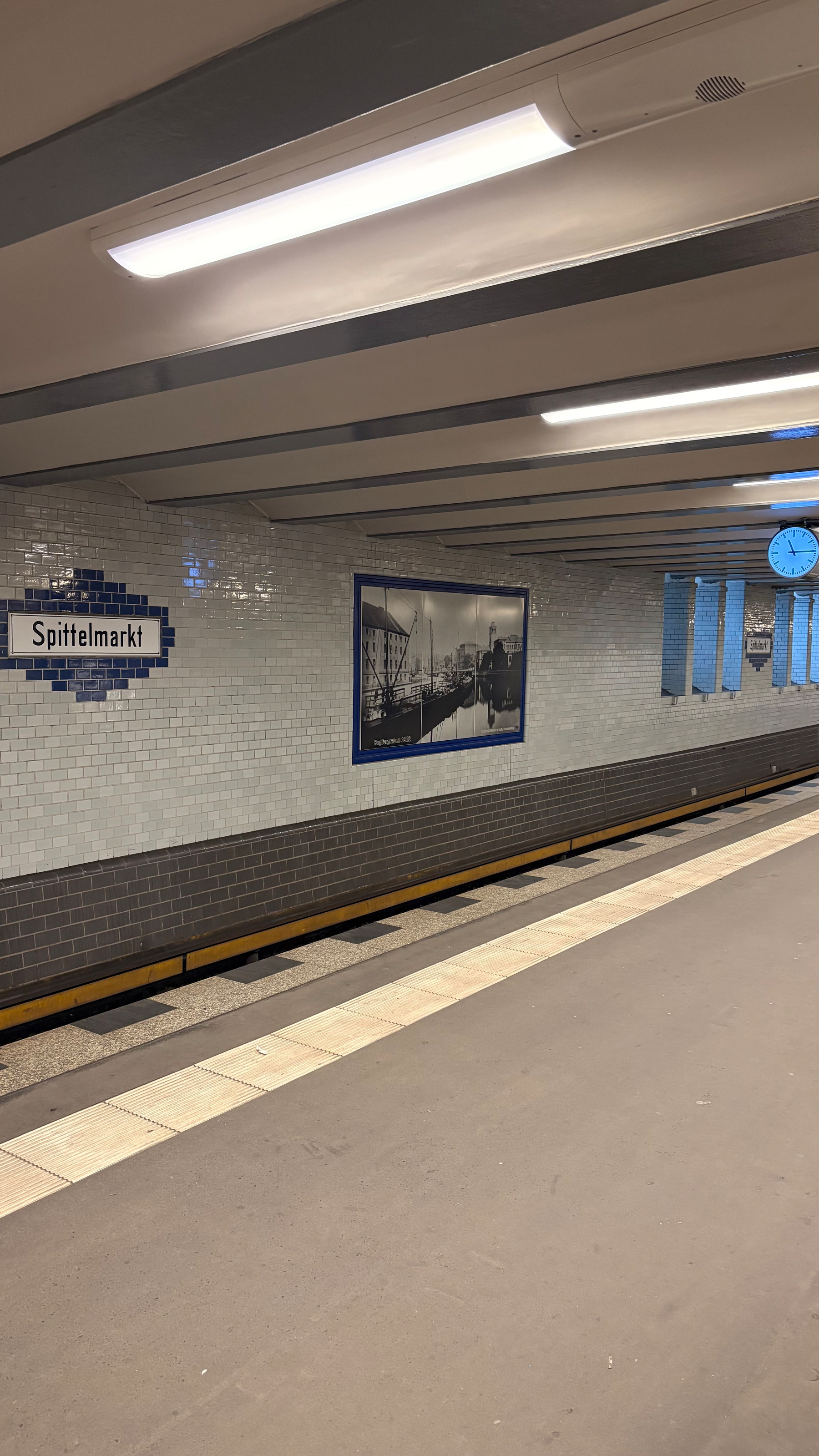
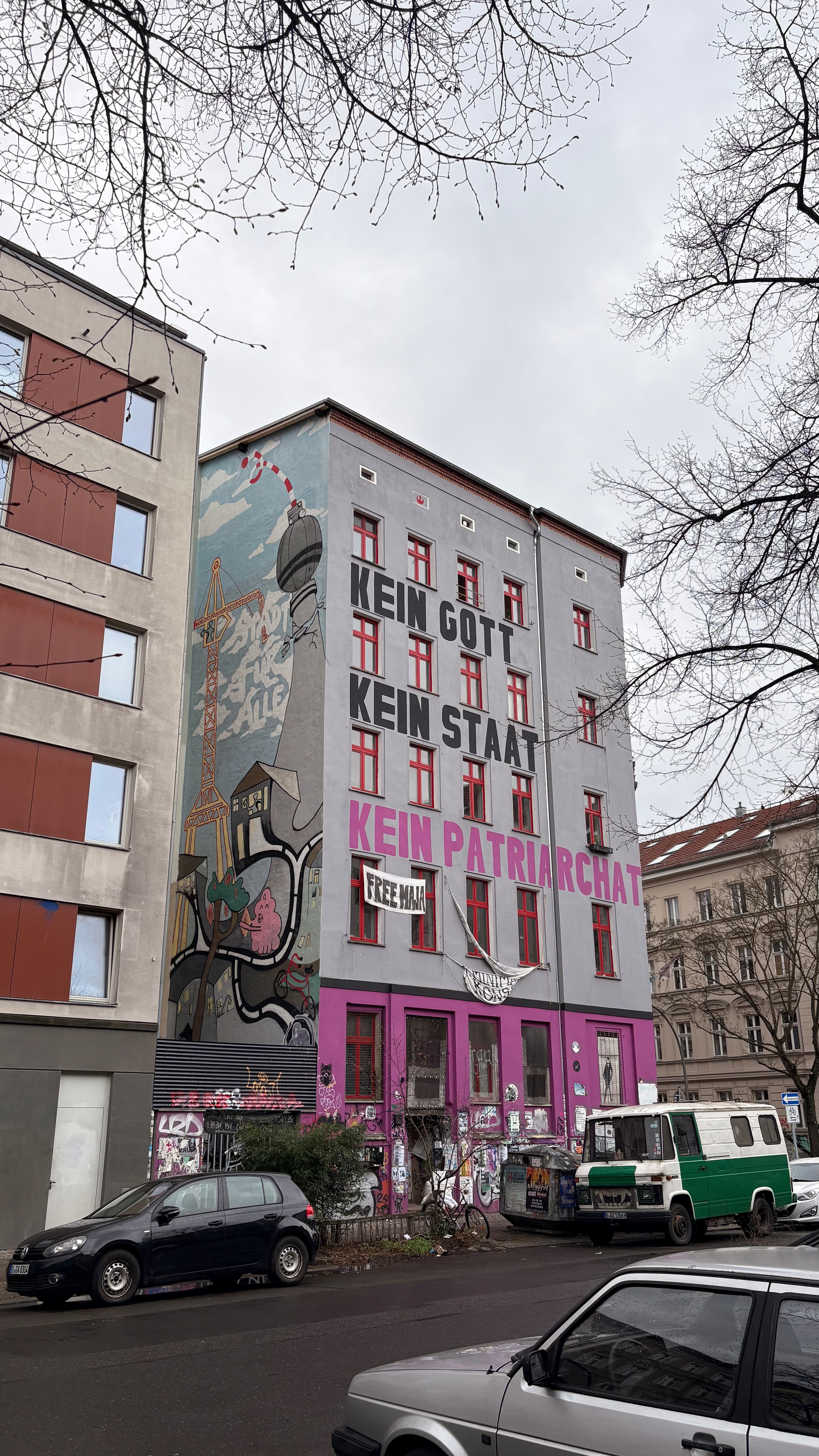
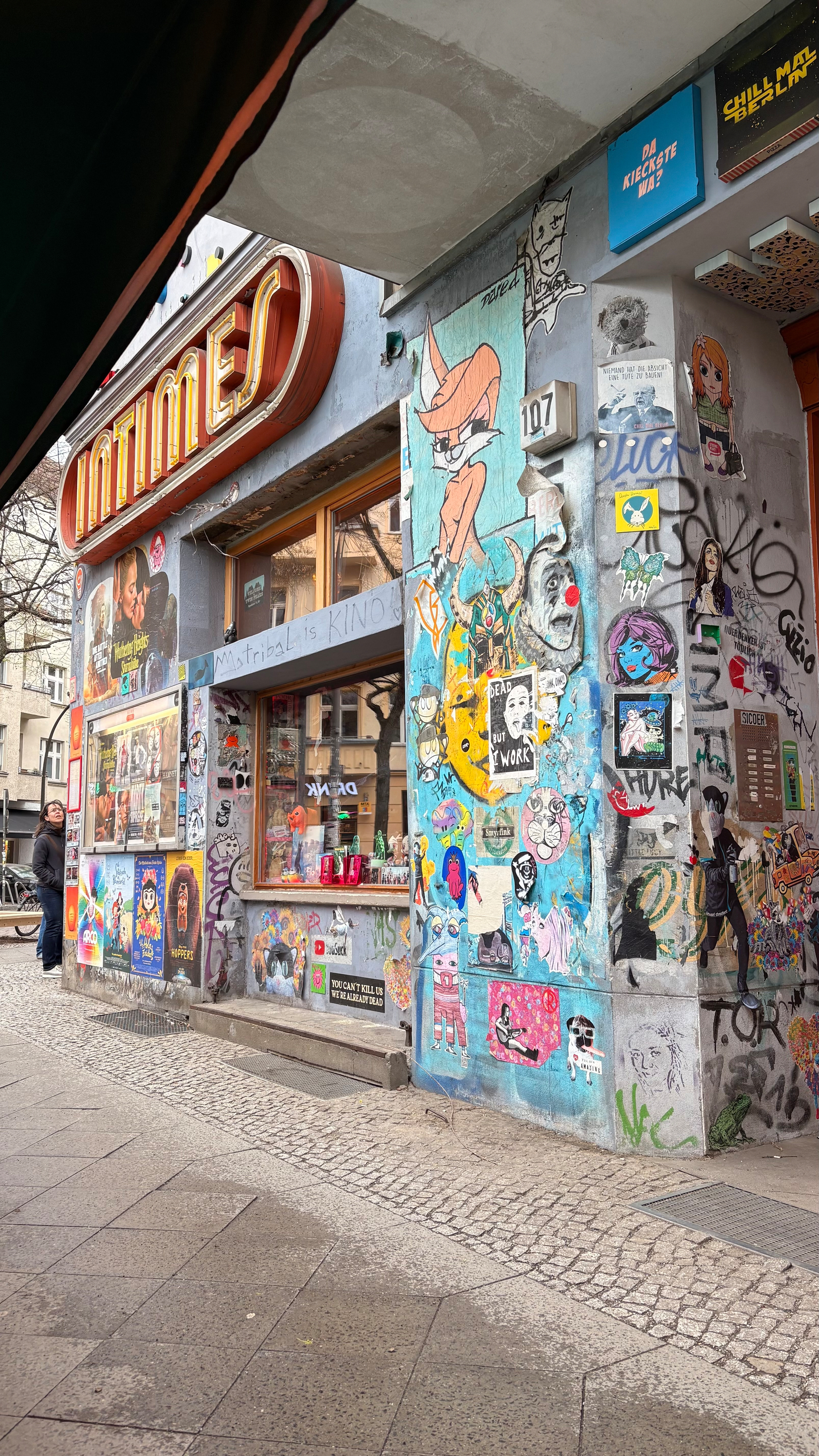
Part of what makes it feel different is who the city has attracted since the Wall came down. Affordable rents, squatted buildings, a low cost of living for three decades — that pulled in artists, weirdos, and creatives from everywhere. It shows.
The street art, the tattoos, everyone dressed head-to-toe in black with a leather jacket — it’s not a cliché, it’s just what Berlin looks like. I’ve only felt something close to it in San Francisco, and obviously this has changed a lot since the Sixties. Apparently Portland has this vibe too, though I wouldn’t know.
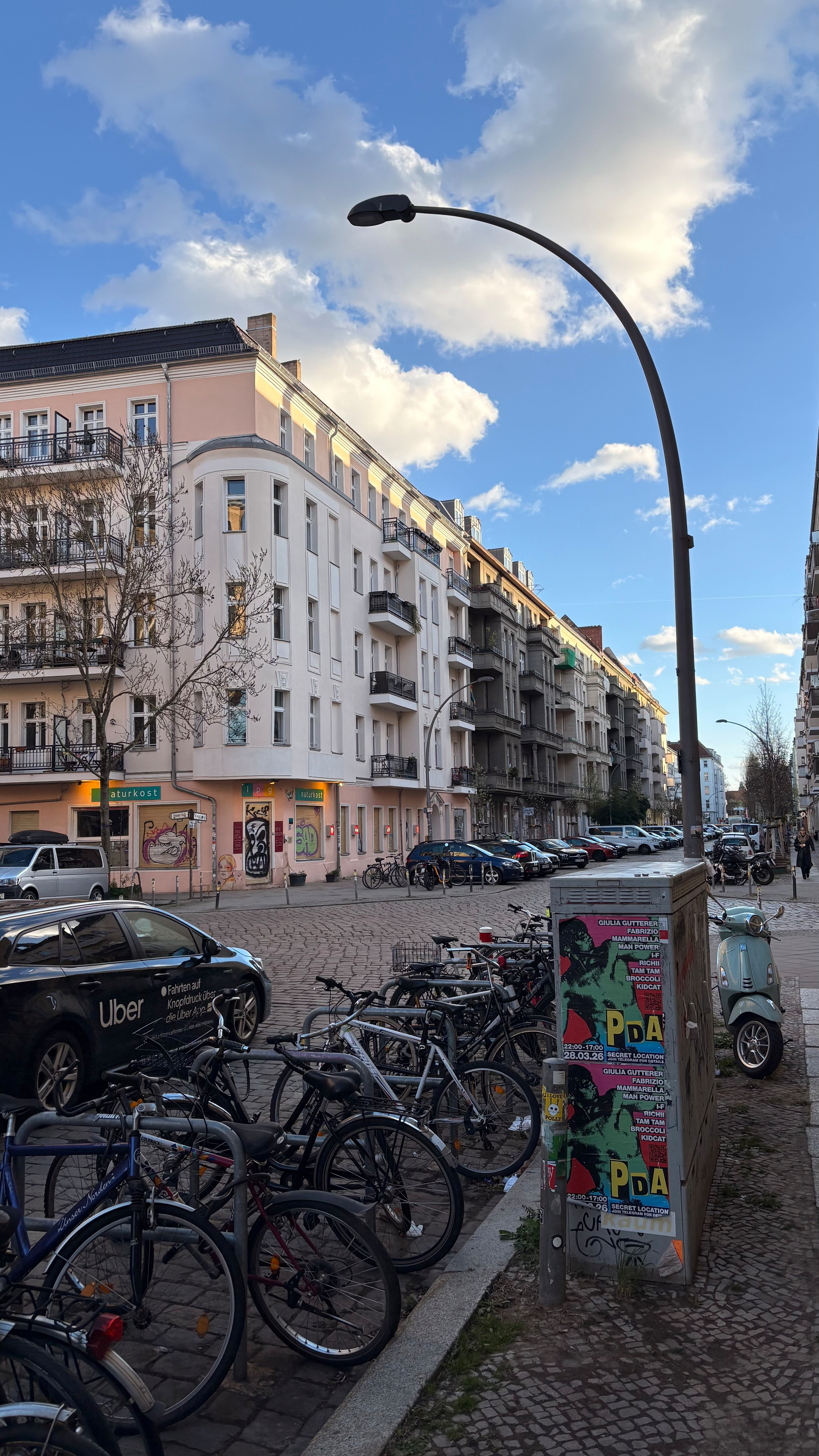
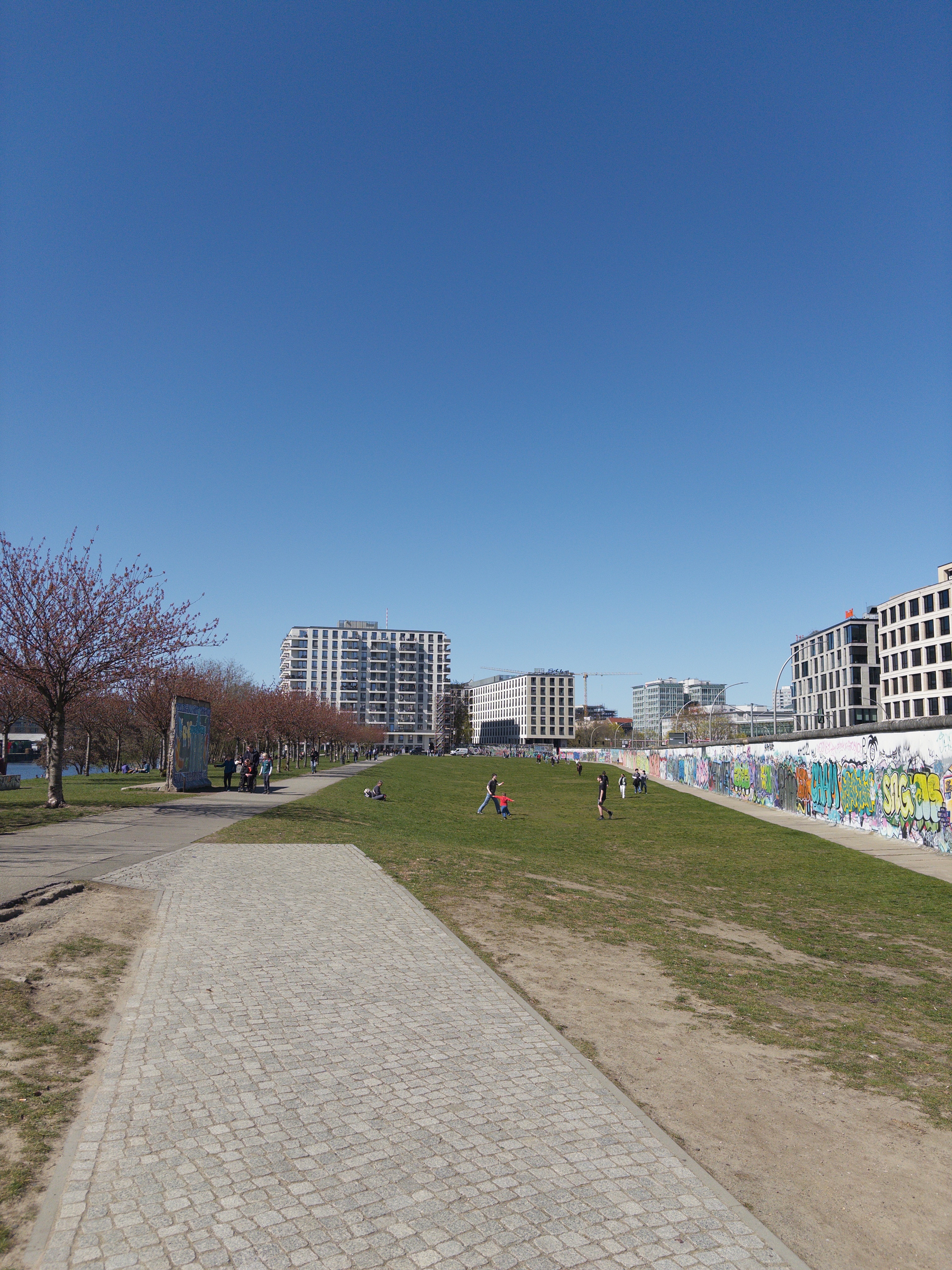
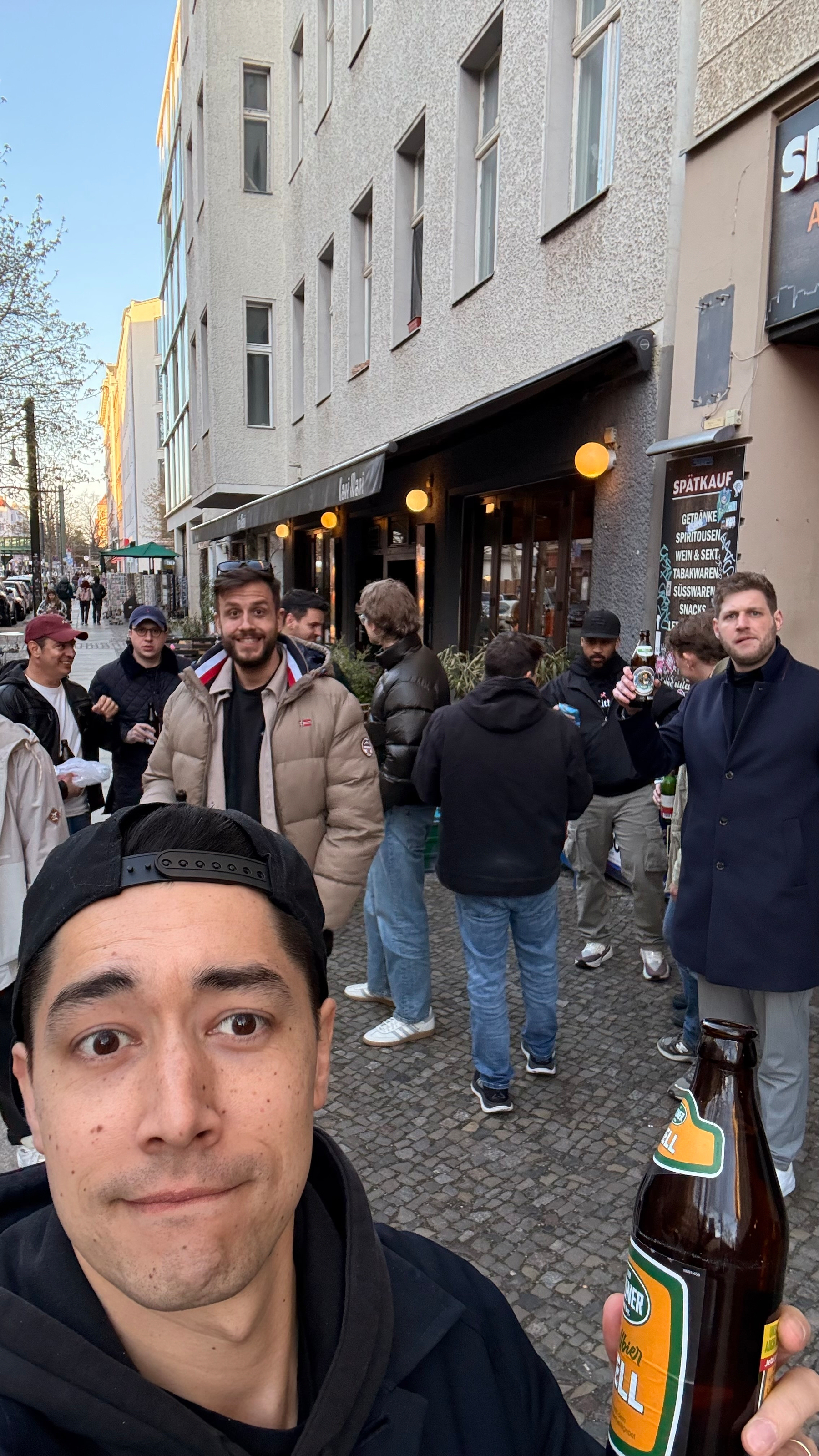
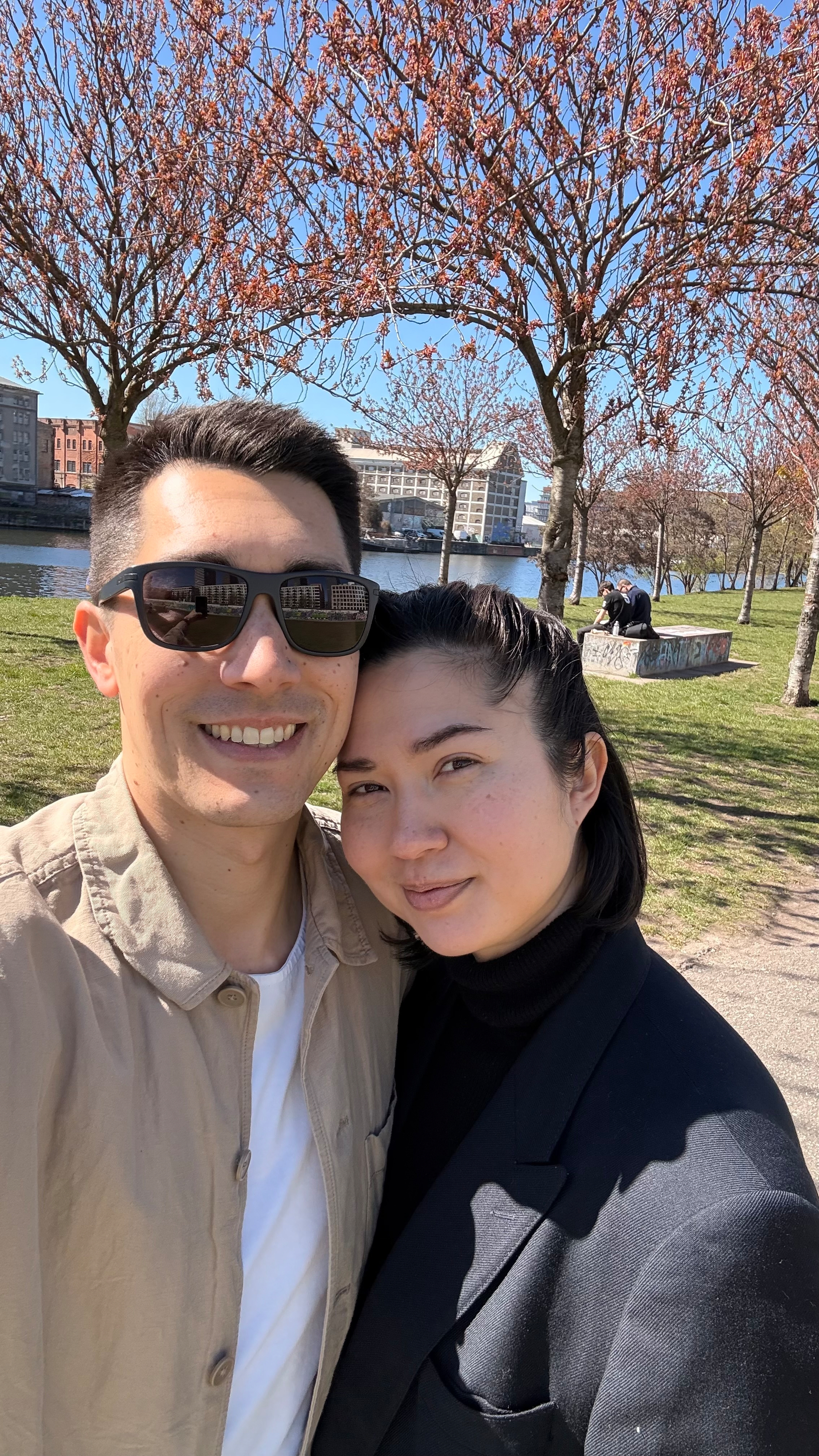
After a couple of rough months at work since the end of last year, seeing everyone in person was more than welcome. We’re lucky to have a genuinely solid department, managers included. That part was good.But I’d planned it as a family trip from the start. Shana and Azul came with me. It was a great call to make.
—–
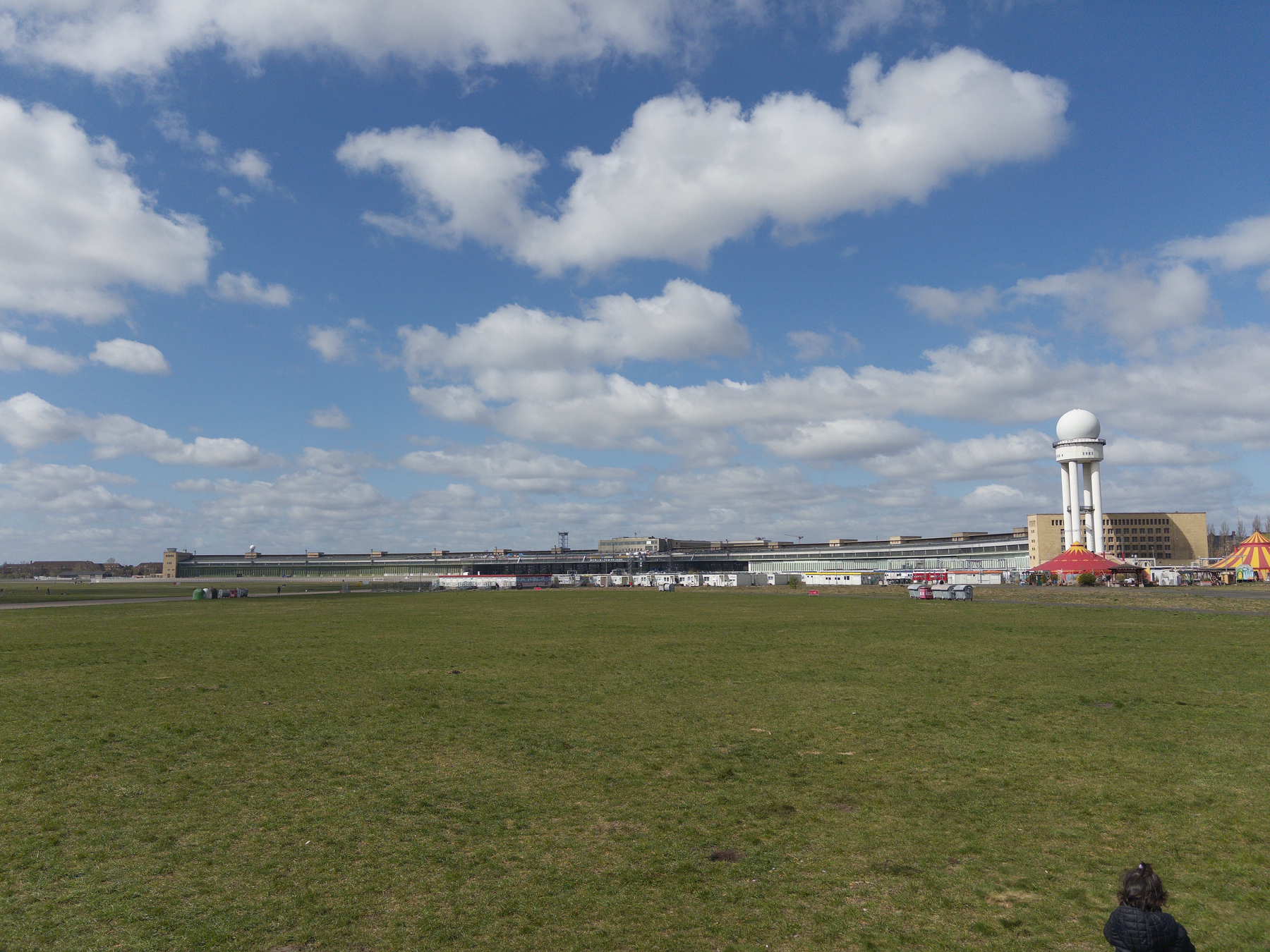
The thing that crystallised Berlin for me was Tempelhofer Feld. A decommissioned airport — runways, hangars, the whole footprint — that the city voted to keep as open public space in 2014. No development, no monetisation. Just an enormous field in the middle of the city where people run, cycle, fly kites, and exist. Azul ran across a runway. The scale of it doesn’t translate until you’re standing there. Neither does what it says about how Berlin thinks about public space — that you can take a 380-hectare airport in the middle of a capital city and just leave it empty for people.
The personal highlight was different. Élodie has been my best friend since we were 14 — over 20 years. She lives in Berlin now, with her fiancé Daniele. They just got engaged. We met at a park so my daughter could run around, then went back to theirs for pizzas and a long evening of laughter and deeper conversations.
These past few years, with life moving fast on both sides, it’s been harder to stay connected. That evening reminded me why the connection is still there. It also meant that my daughter could finally meet them, and they finally met her.
One big thing we noticed while walking as a young family: parks and playgrounds, everywhere, constantly. Élodie and Daniele explained it later — after the war, building a park or a playground was cheaper than constructing a building, so the city ended up densely seeded with green space almost by default. The practical result is a city that works well with a stroller.
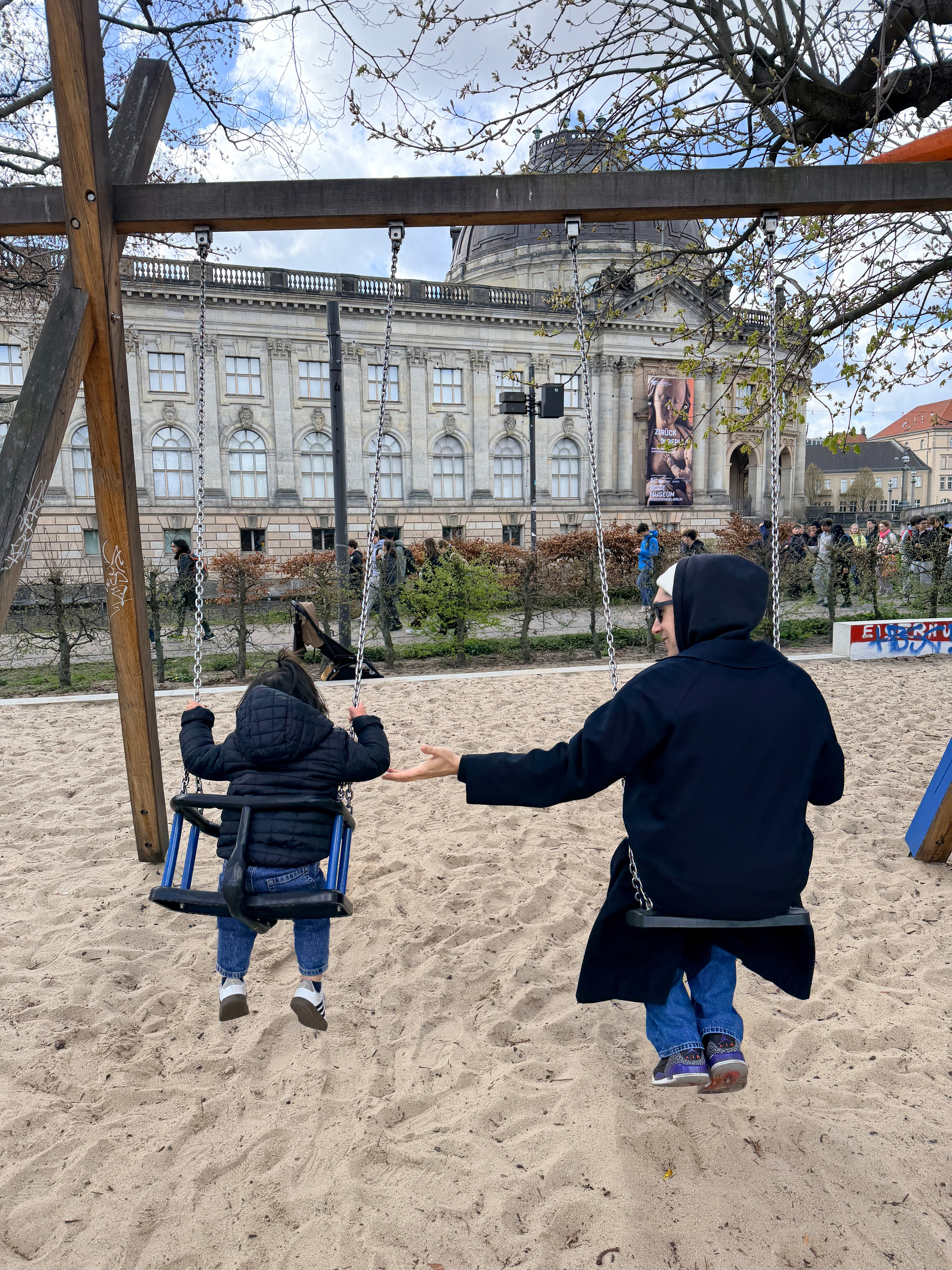
And one detail I hadn’t seen since growing up in France in the early 90s: all the playgrounds have sand. Actual sand, not rubber or plastic matting. My daughter was delighted. My wife and I less so — we had so much sand to remove from the stroller, our shoes and socks, and left all over the hotel rooms (😬😅).
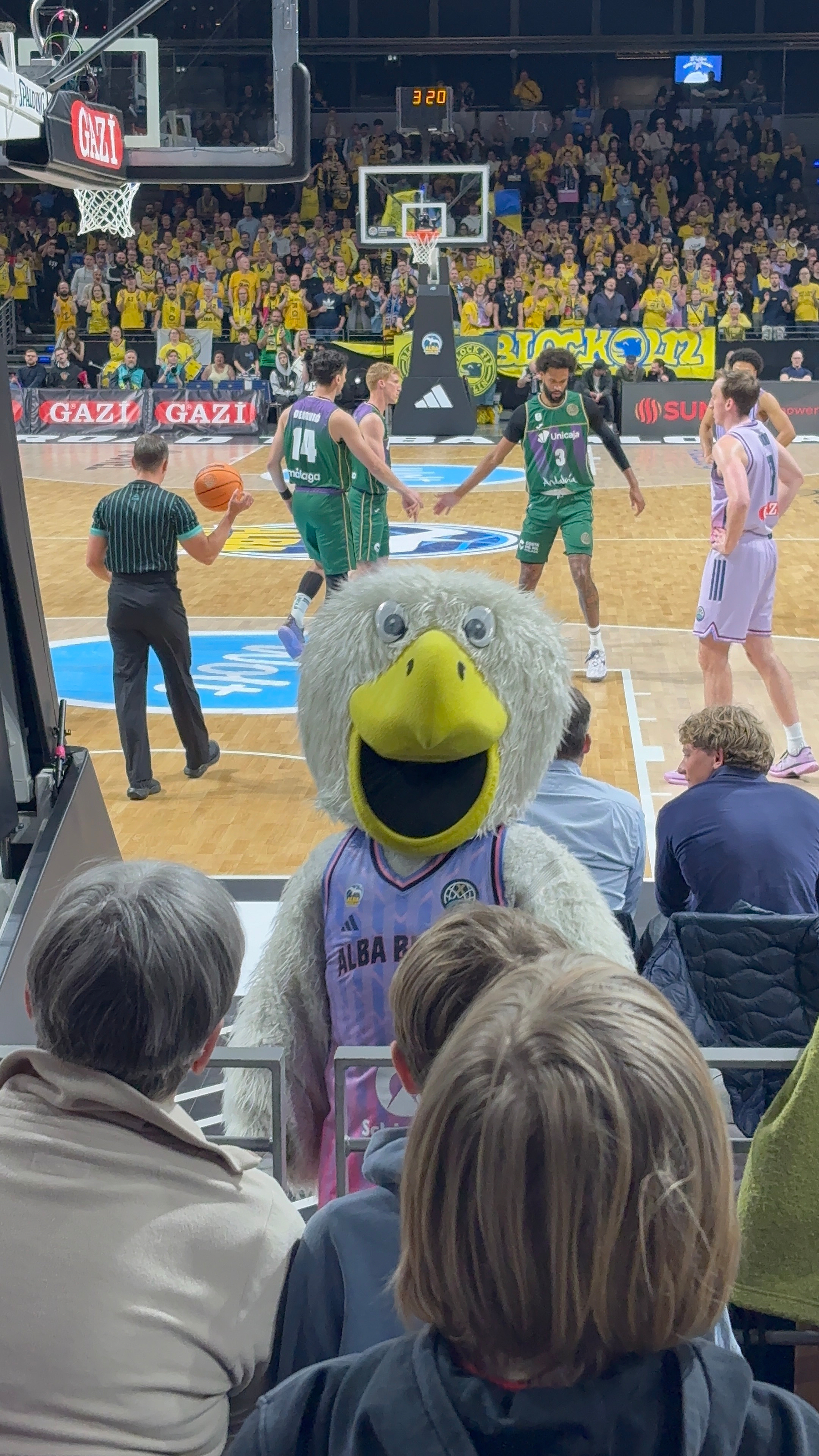
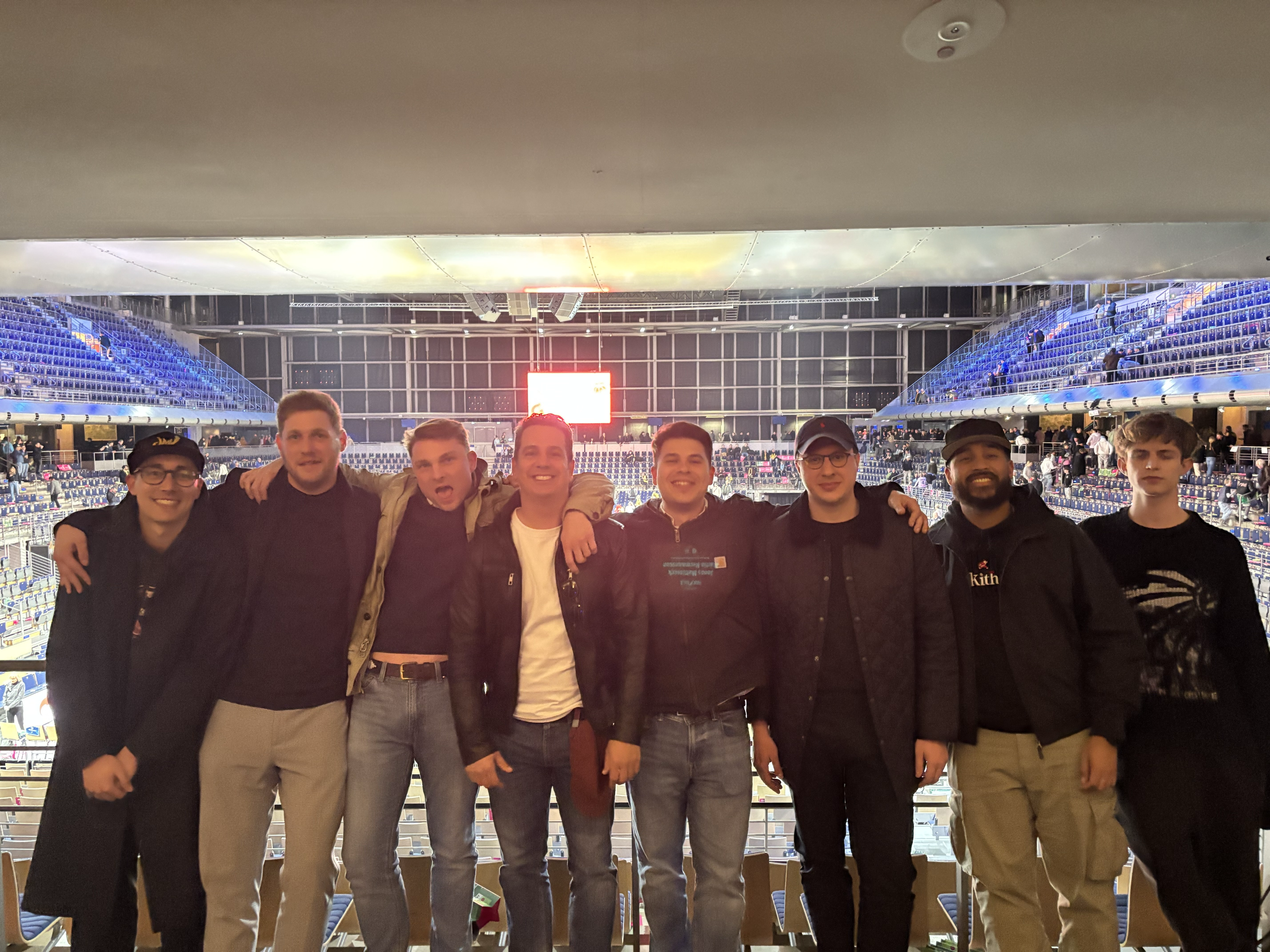
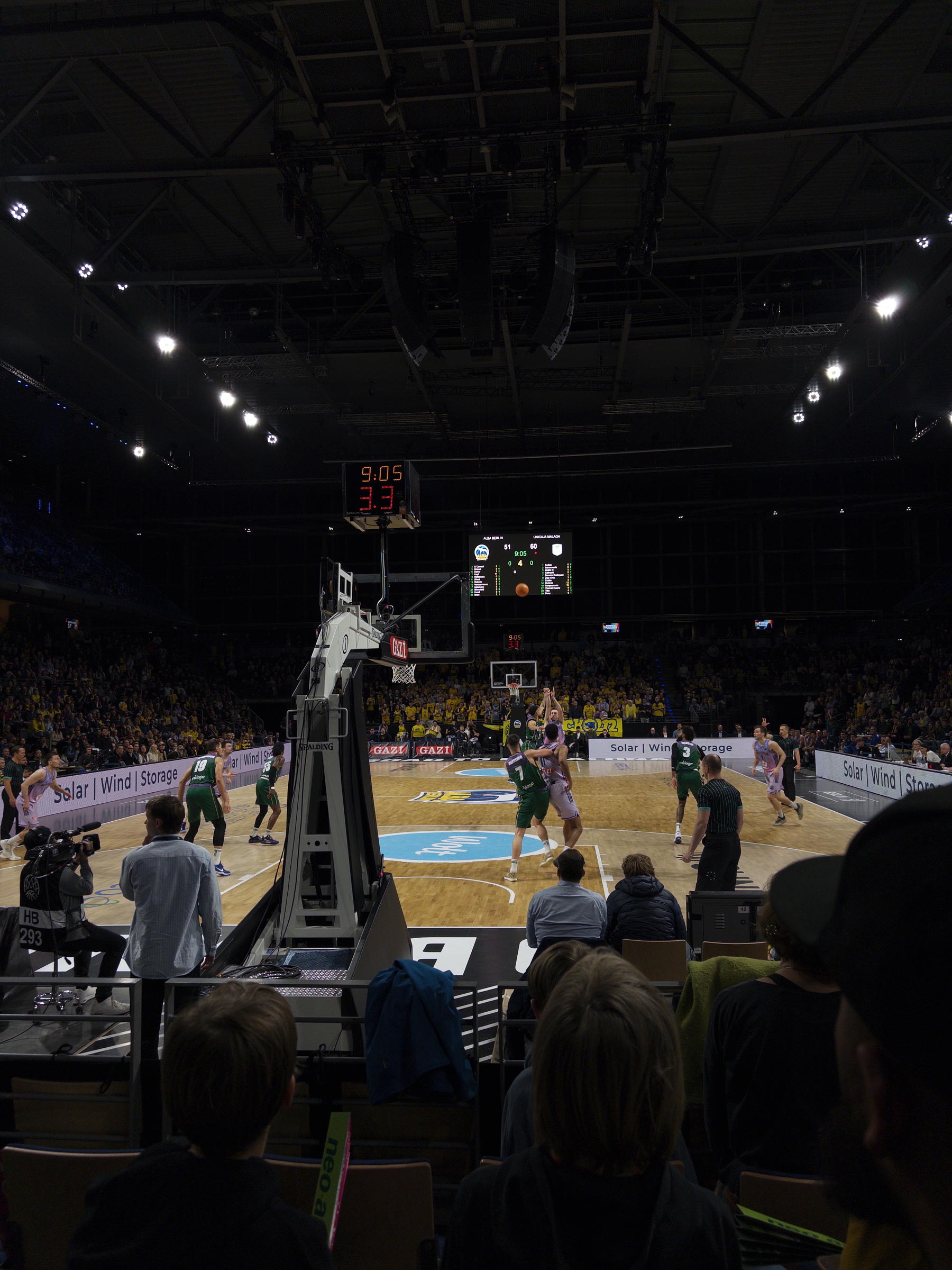
Another small-er highlight: attending game 2 of the Basketball Champions League quarterfinals between Alba Berlin, the local team, and Unicaja Malaga. Alba was relocated to the older Max-Schmeling-Halle, due to the German League Ice Hockey semi-final being played at the newer Uber Arena. But still: 7450 people showed up, including all 11 of us from work. We had a blast seeing the talented young star Jack Kayil take over in the second half, and, despite a loss, Berlin was able to get back in to the game and force an overtime.
—–
On Easter Monday, we went to the Dong Xuan Center in Lichtenberg — an enormous Vietnamese wholesale market with food stalls, shops, and a specific kind of energy that’s hard to describe if you haven’t been. We stayed for about an hour and a half, walked around, had lunch and a coffee. I’m French of Vietnamese descent; my grandfather came from Vietnam as a second-class citizen, brought to help rebuild France after the Second World War.
My wife Shana is American of Vietnamese descent; her mother came to the US as a refugee from Saigon in the mid-70s. Both family histories are charged. And yet both of us have been able to navigate the Vietnamese community in France, in the US, and in Vietnam itself — to move between those worlds with a degree of ease, cultural fluency, and, on both sides, openness.
We were not prepared for what we found at Dong Xuan.
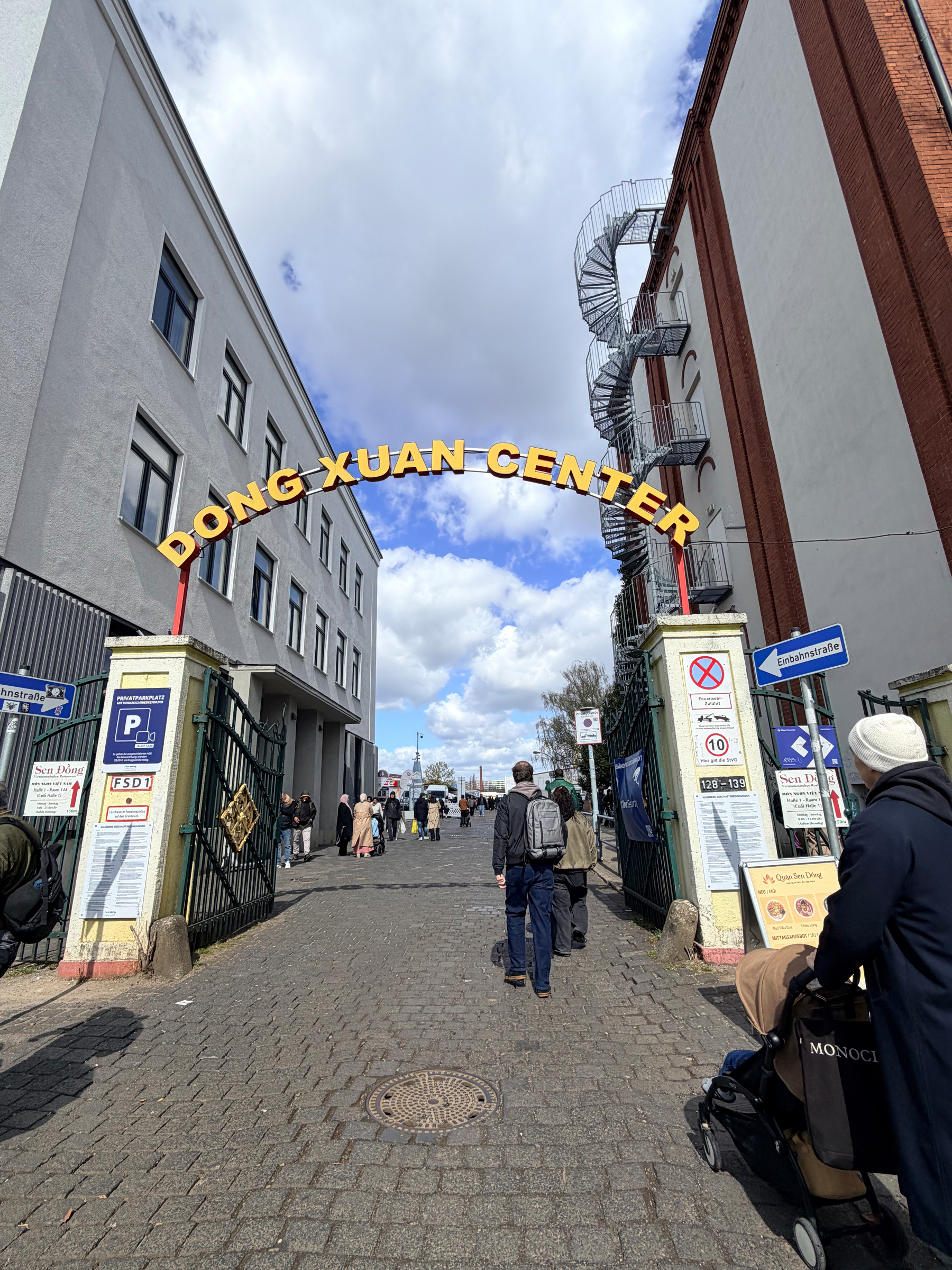
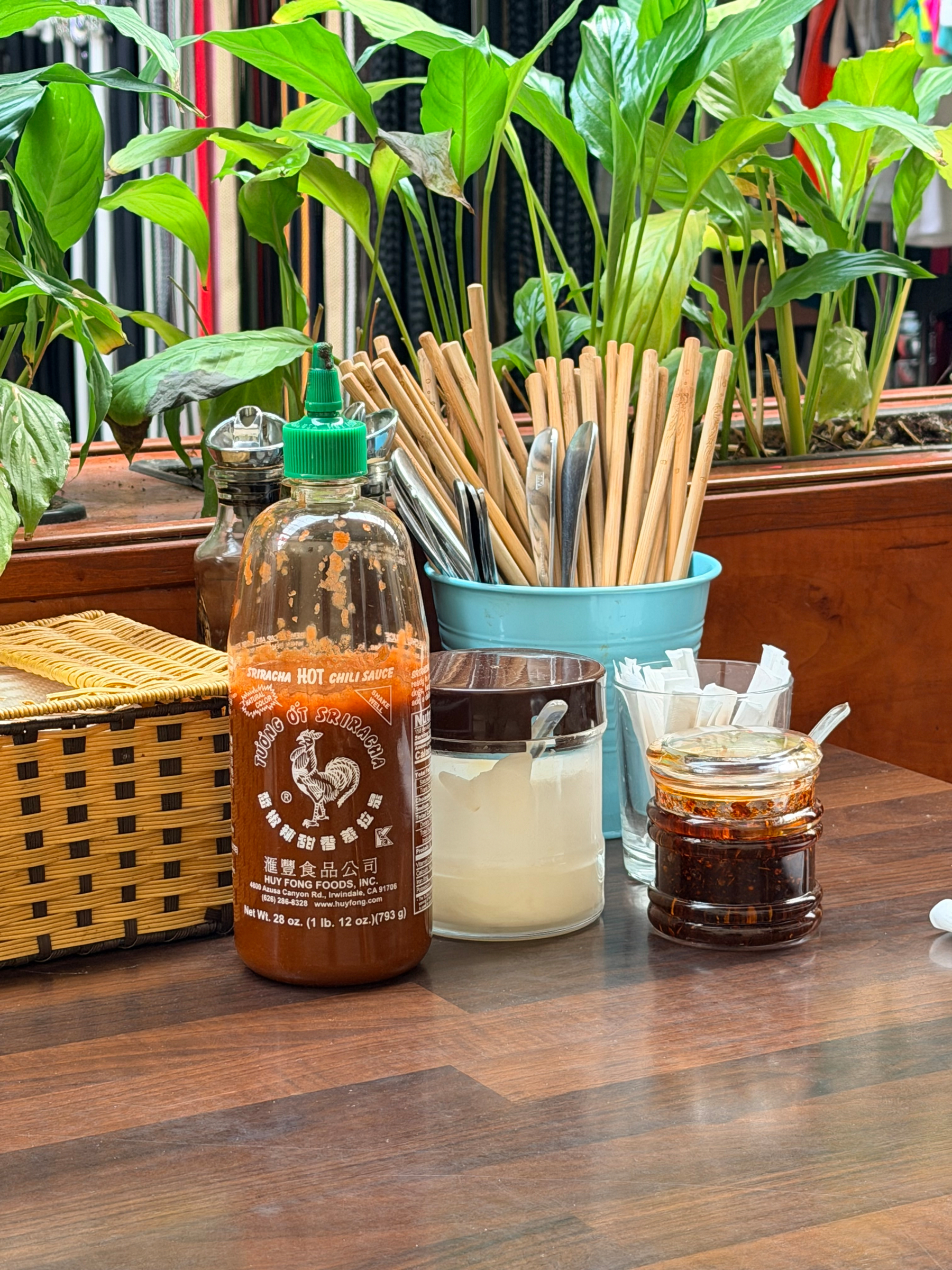
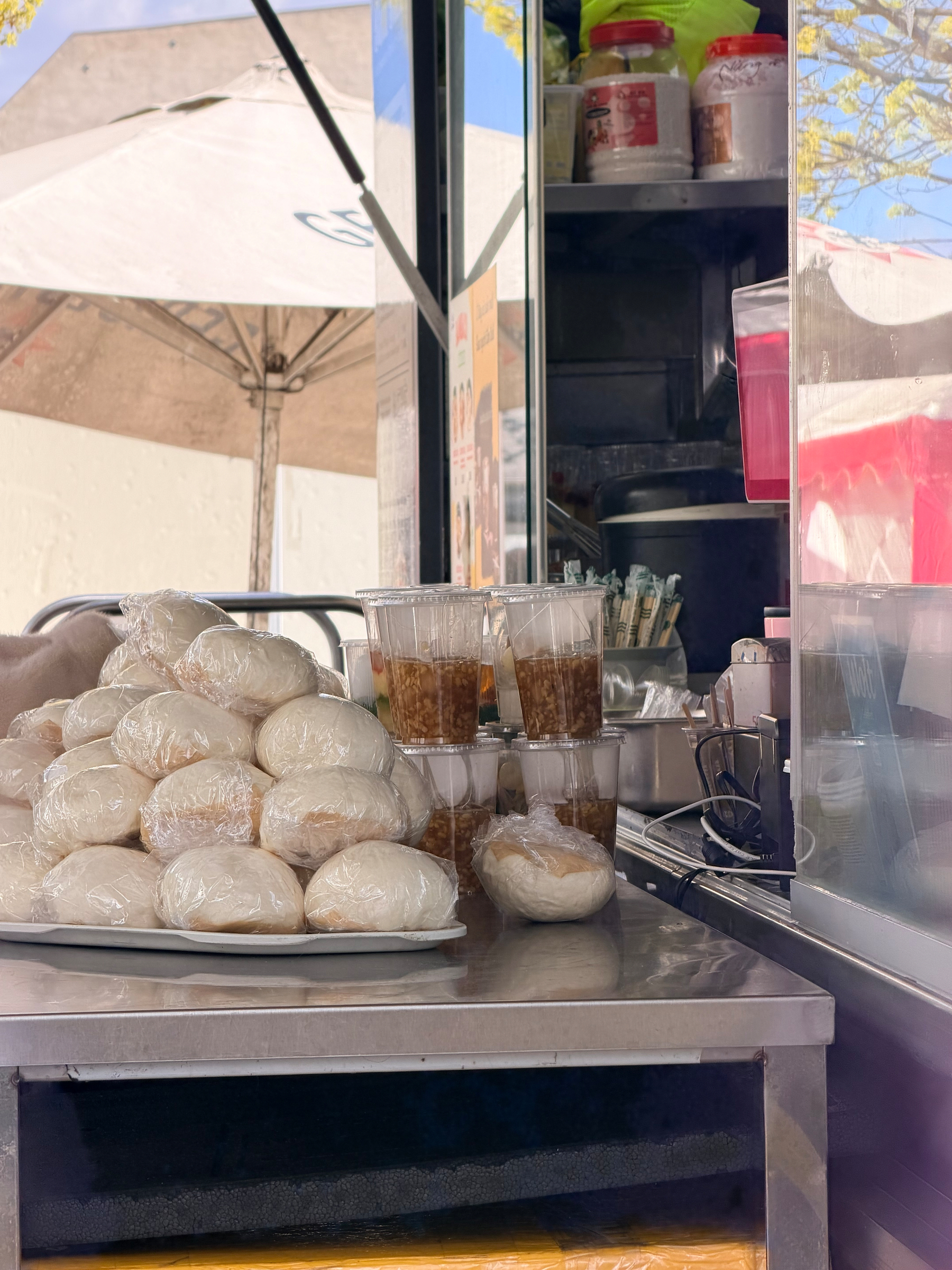
In Paris, if you visit the 13th arrondissement, you know the kind of place: all ethnicities mixing, including a lot of people of Asian descent who grew up in France, whose parents or grandparents came from Vietnam or Cambodia or elsewhere, who’ve found partners from different communities, built lives in between. There’s a visible exchange. In the US it’s similar — the Vietnamese-American community is deeply embedded in the broader culture, and that creates a certain permeability.
At Dong Xuan it was different. Vietnamese people were with other Vietnamese people. Other communities were there too, but separately, in their own groups. Nobody much mixing. It wasn’t unfriendly exactly — just distinctly closed. Two cultures that are both known for being reserved, existing in parallel rather than together.
I went looking for reasons afterwards. The history of the Vietnamese community in Germany is genuinely distinct: most came not as refugees or immigrants chasing opportunity, but as contract workers sent by the Vietnamese government to the GDR in the 1980s under bilateral labour agreements. They arrived in a country that was itself closed, transactional, not built for integration. When the Wall fell and Germany reunified, many stayed — but the social fabric that might have opened things up never fully formed. The community turned inward.
What we saw at Dong Xuan makes more sense in that light.This is not a judgment. It’s an observation — one that surprised us both precisely because we thought we knew what Vietnamese community spaces felt like. Berlin just had a different answer.
—–
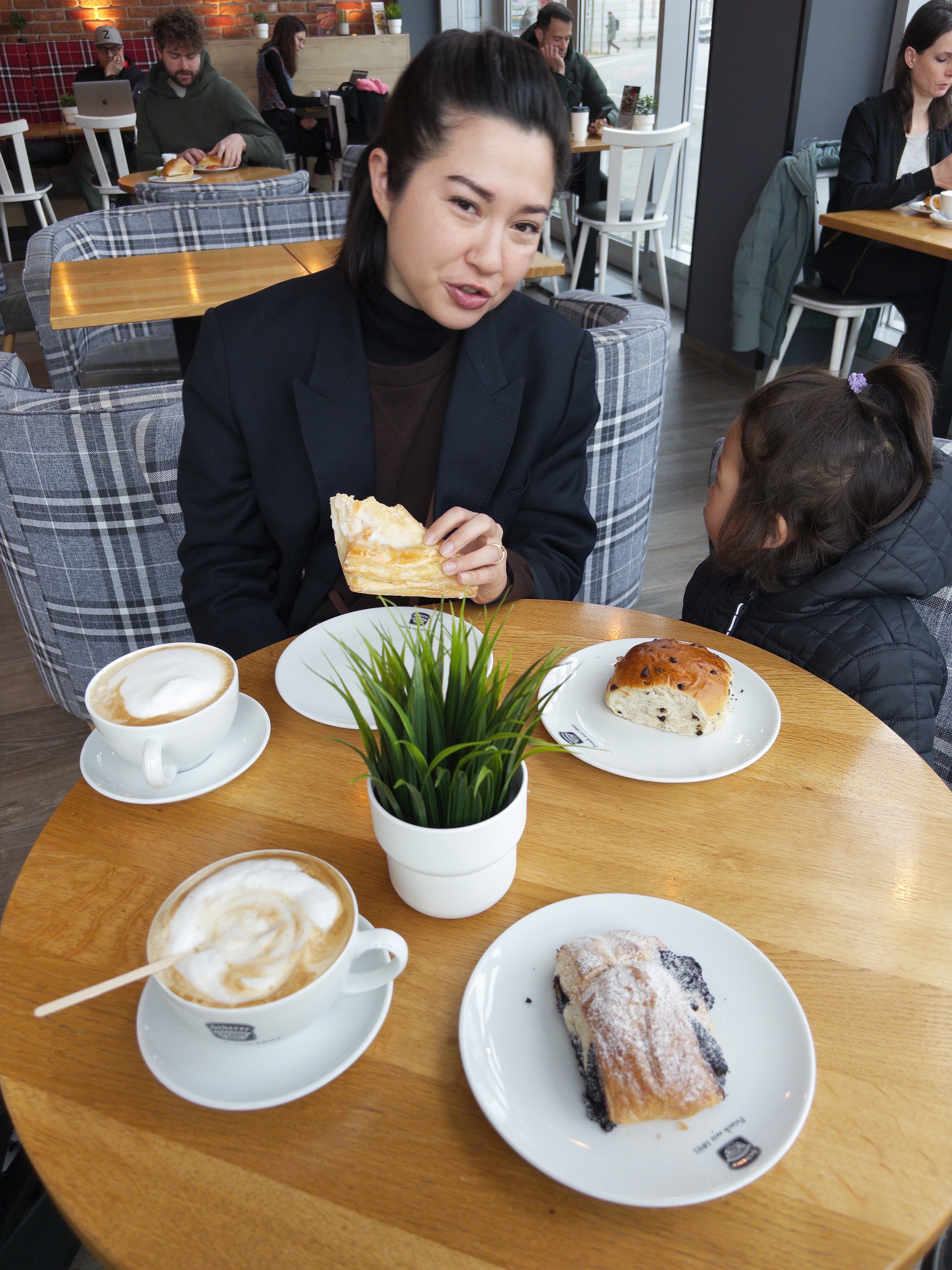
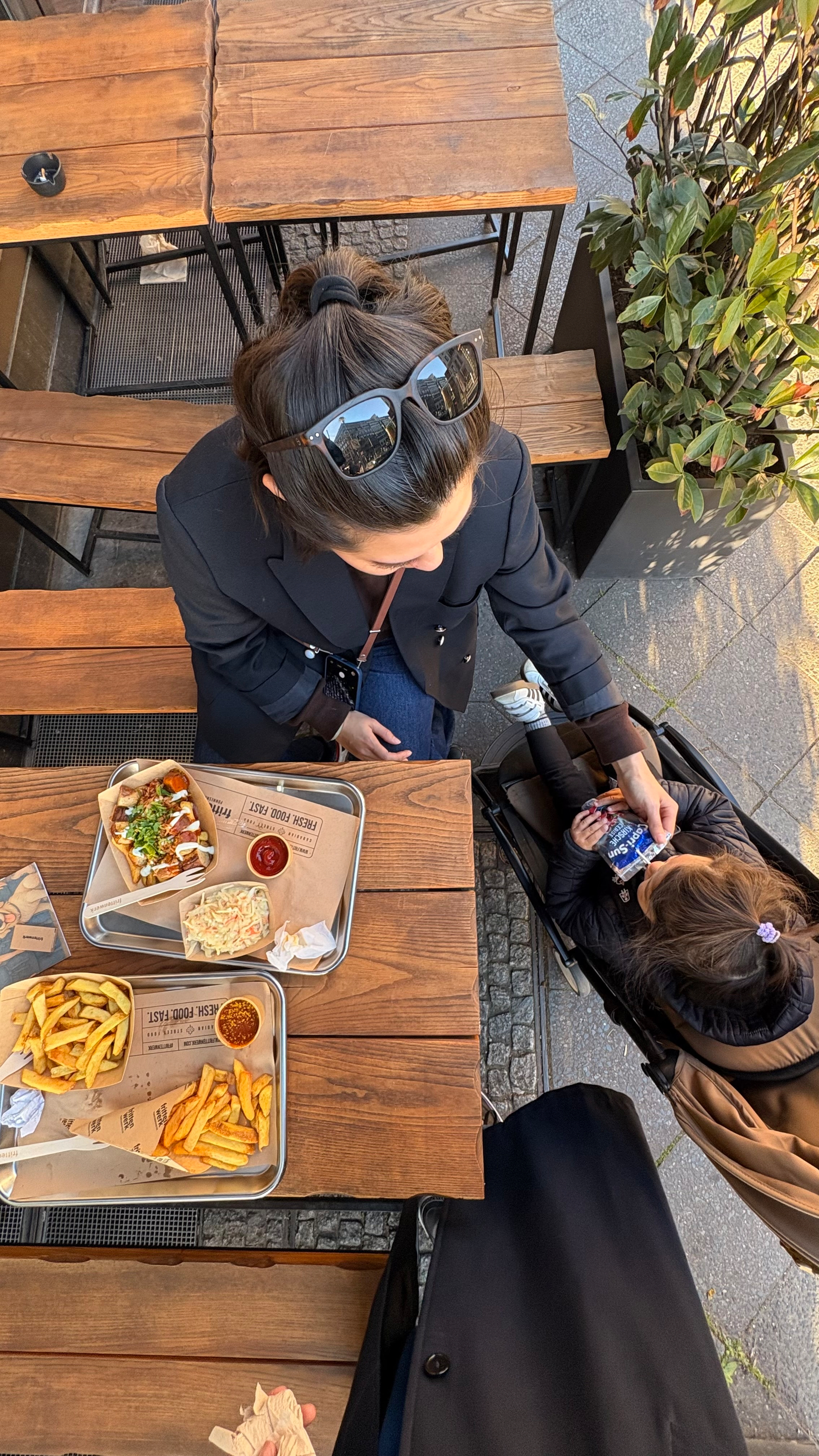
On the question of mixing a work trip with family: I was genuinely alone for maybe one full day and the two evenings around that. We were together for the majority of the time — split during work hours, but regrouping in the afternoon and evening, sharing what we’d each done. S and The Baby™️ explored freely while I worked. Shana found the Dussmann bookstore on her own — five floors of culture, open until midnight, she was very happy to discover it. I planned the days off in advance so nobody was just sitting around waiting. It felt like sharing an experience rather than one person traveling while the other one stays behind with a toddler. That distinction matters more than I expected it to.
A few other things worth noting.
People talk about Parisians being rude — we genuinely have nothing on Berliners, at least around strollers and public transit. In Paris there’s an unspoken consideration for young parents: people hold elevator doors, let you off trains first, make space. In Berlin it was consistently the opposite. People would cut in front of us to get into a lift they could have walked, rush train doors instead of letting us through. Not everyone, but enough to be a pattern.
Smoking was another surprise. Germany has a lower smoking rate than France statistically — around 20% versus 25% — but Berlin feels smokier than Paris. The reason, apparently, is that Berlin still allows indoor smoking in some venues at the state level, which the rest of Germany doesn’t. Combined with the fact that most of our friends in Paris don’t smoke, the smell was noticeable. Around bars especially.
One last thing: cash. Germany has a reputation. I budgeted €100 for three people across a week and barely used it — a handful of small vendors, that’s it. Everything else by card or Apple Pay. Either the reputation is outdated, or Berlin runs differently from the rest of the country. Probably both.
—–
Berlin’s the kind of city you don’t fully understand on a first visit. But you get enough. It took me until my second time, 13 years later, to get a much better grasp on it.
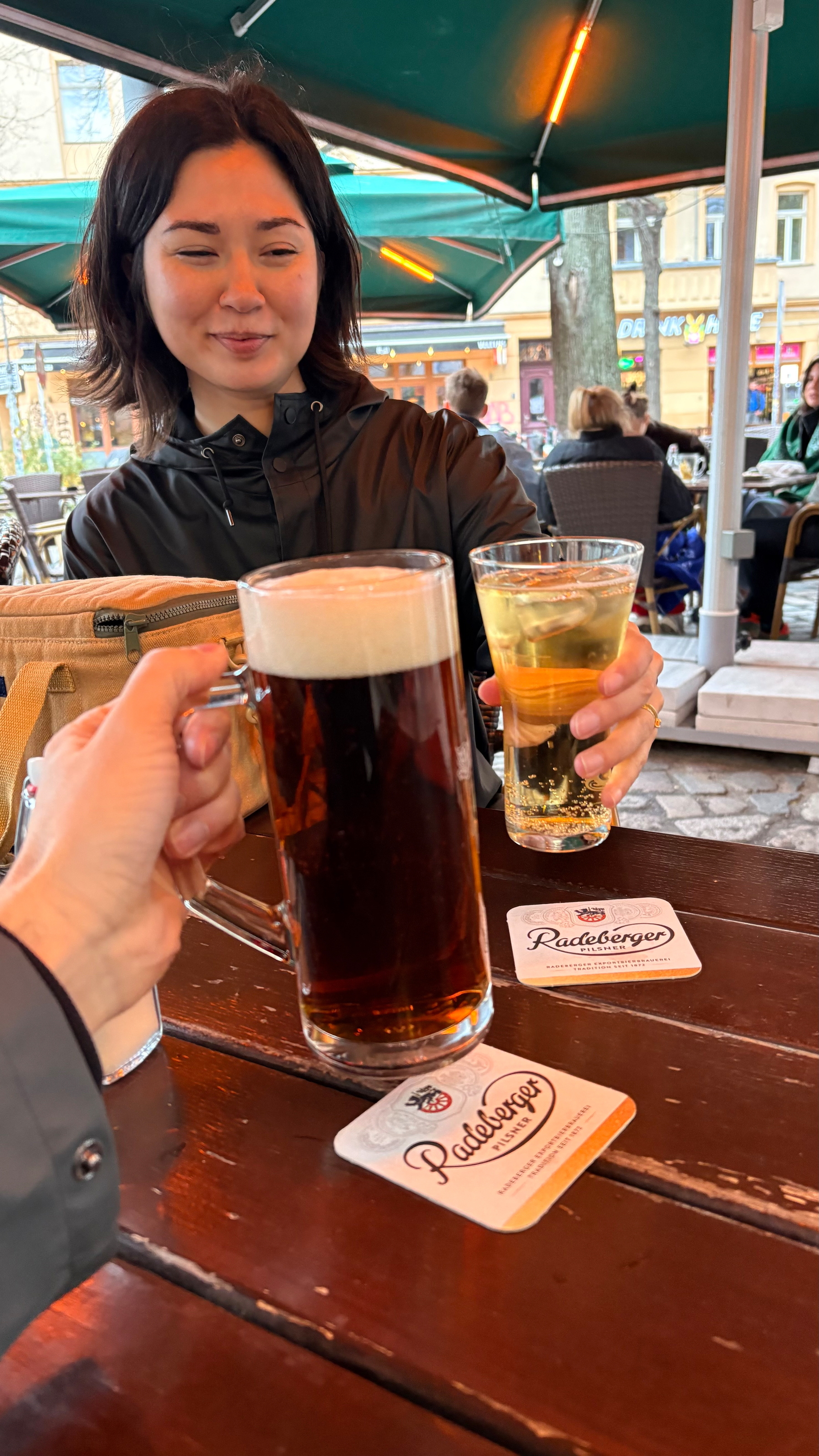
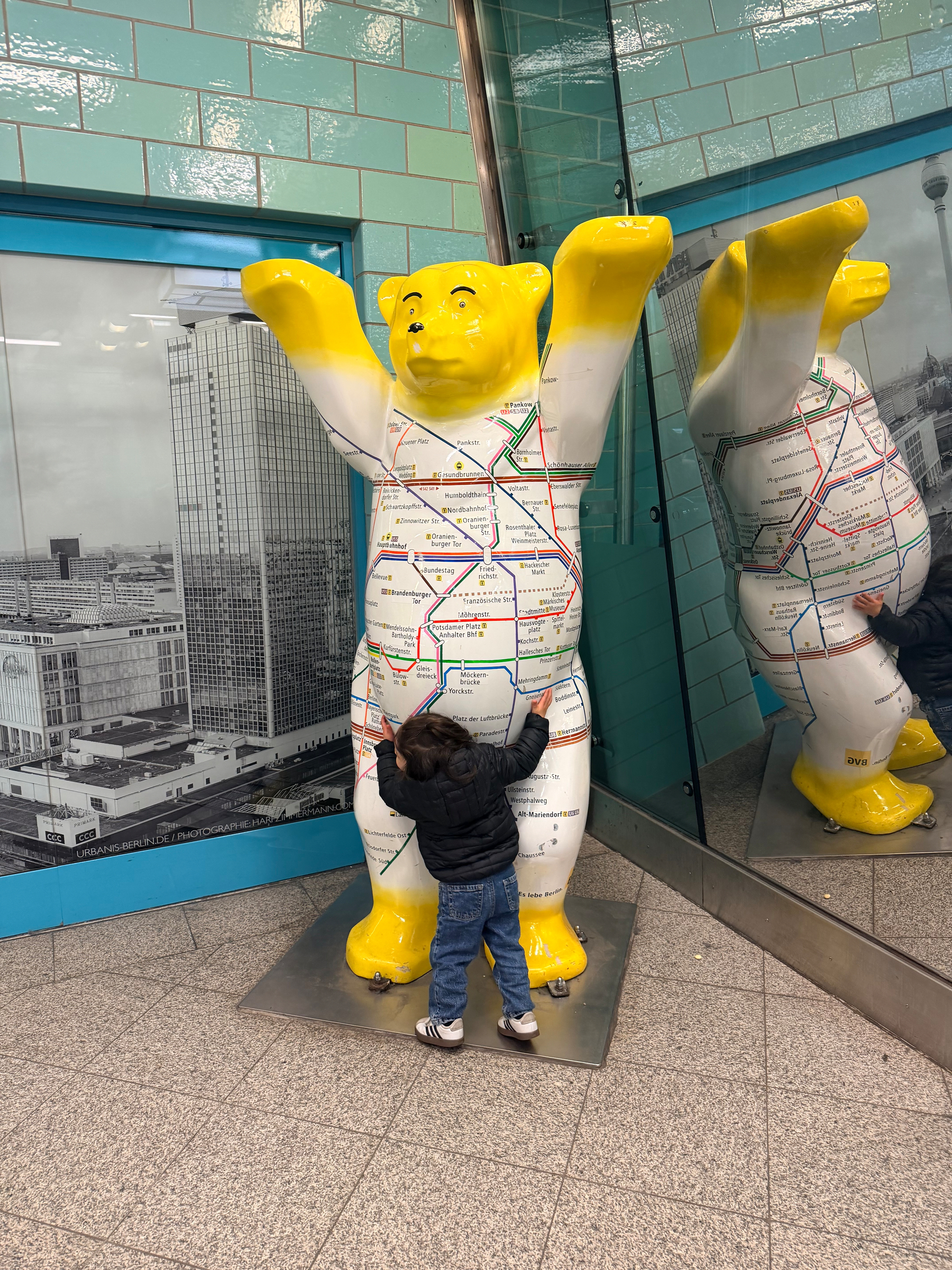
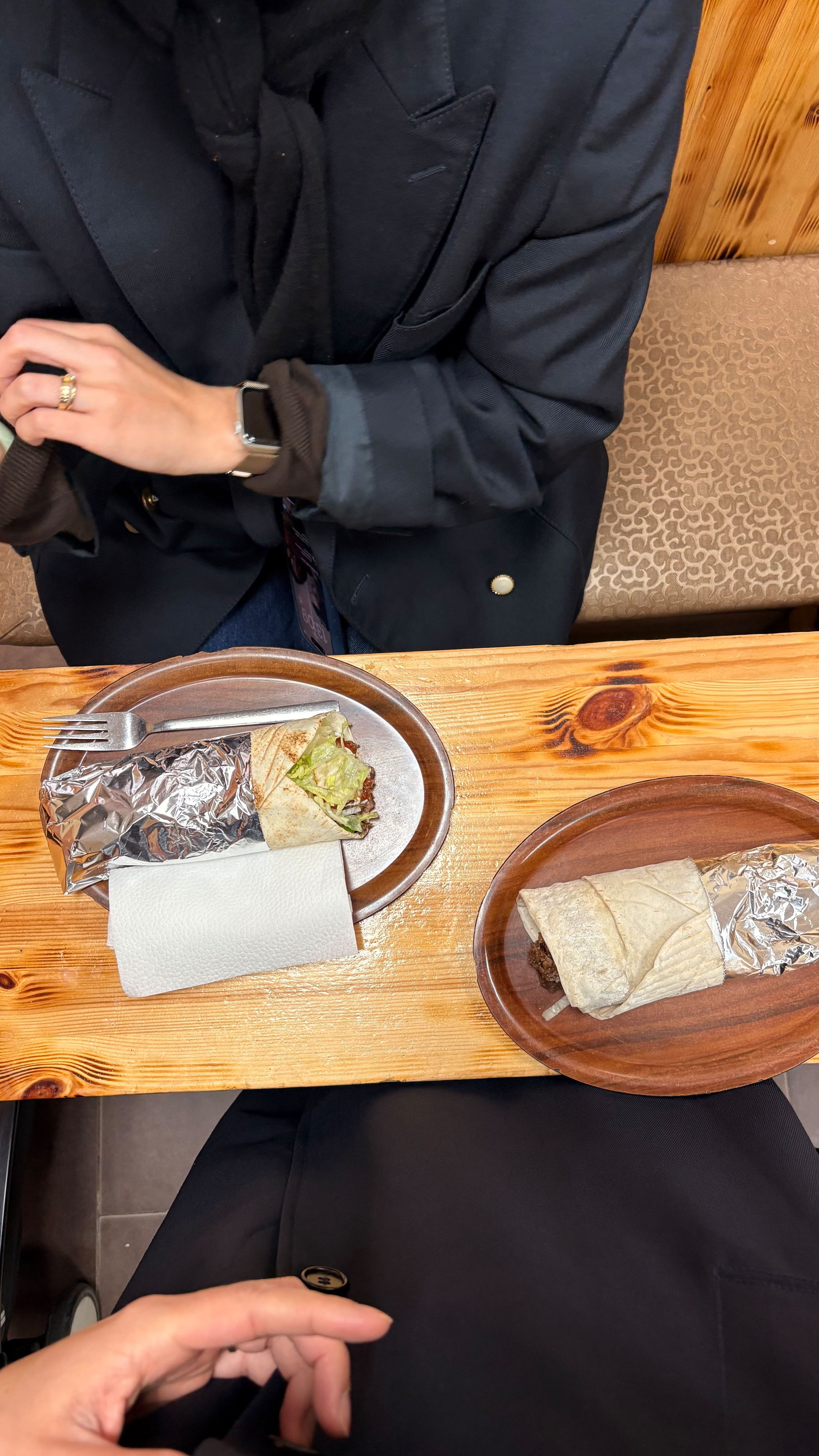
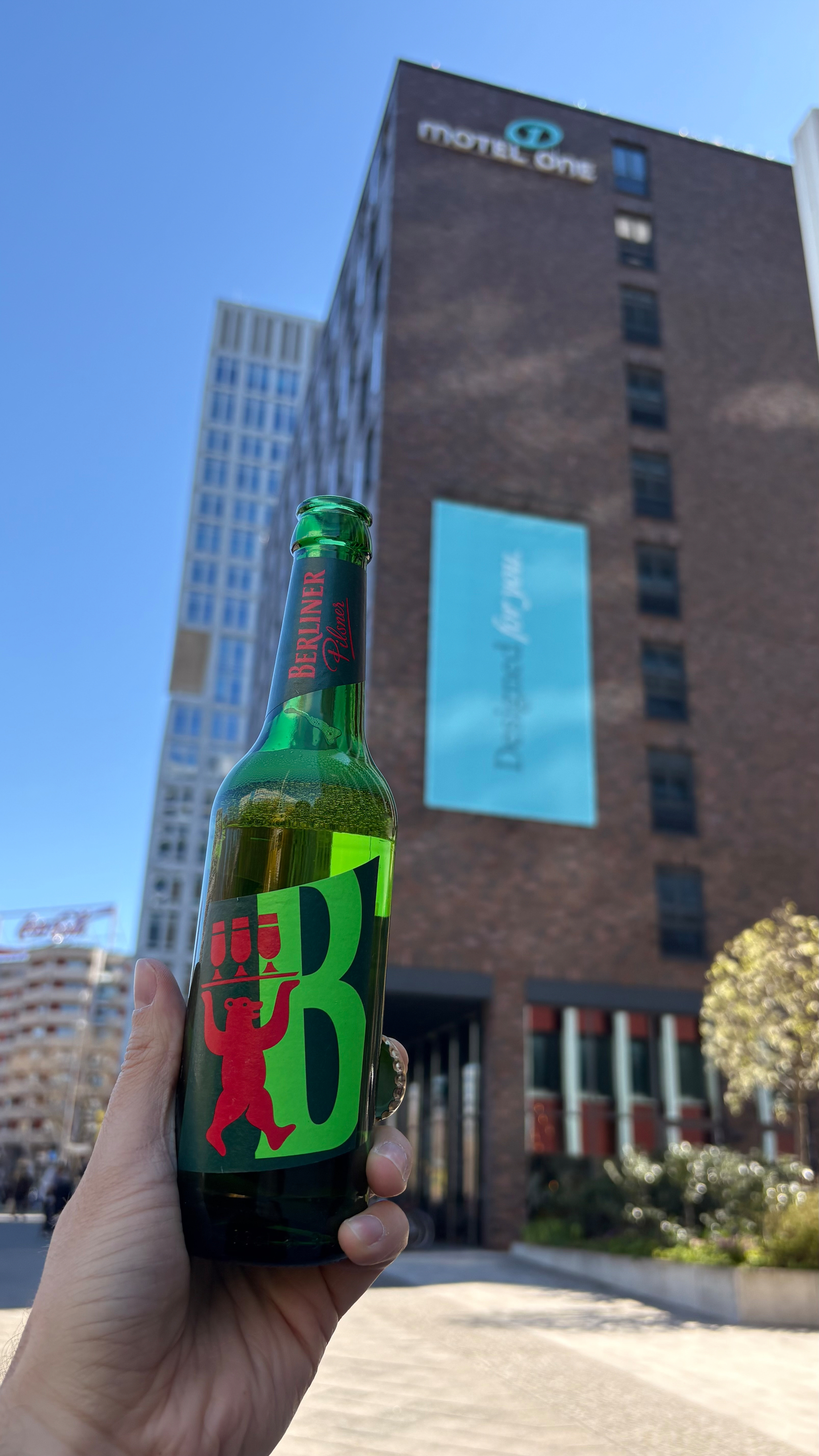
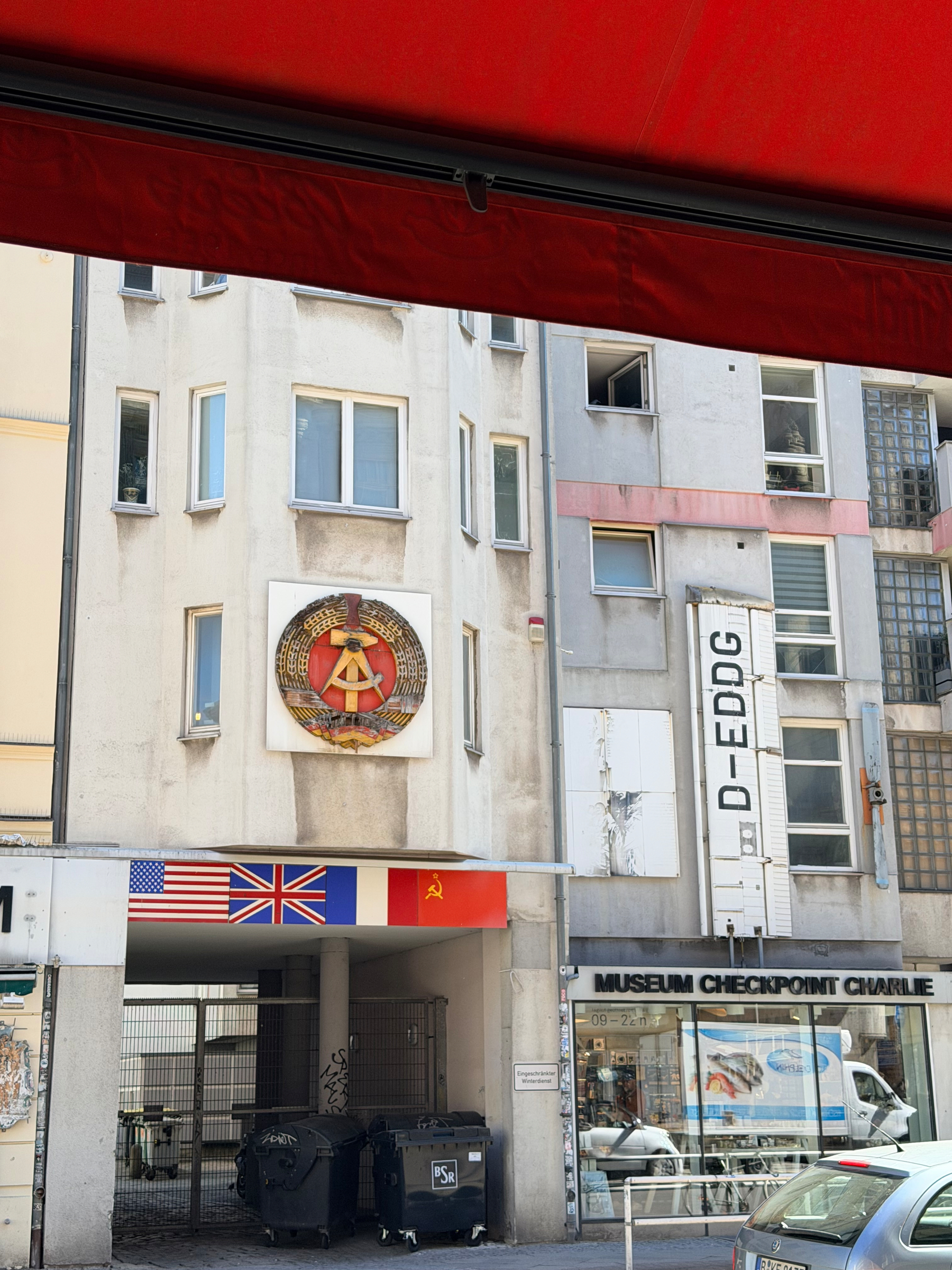
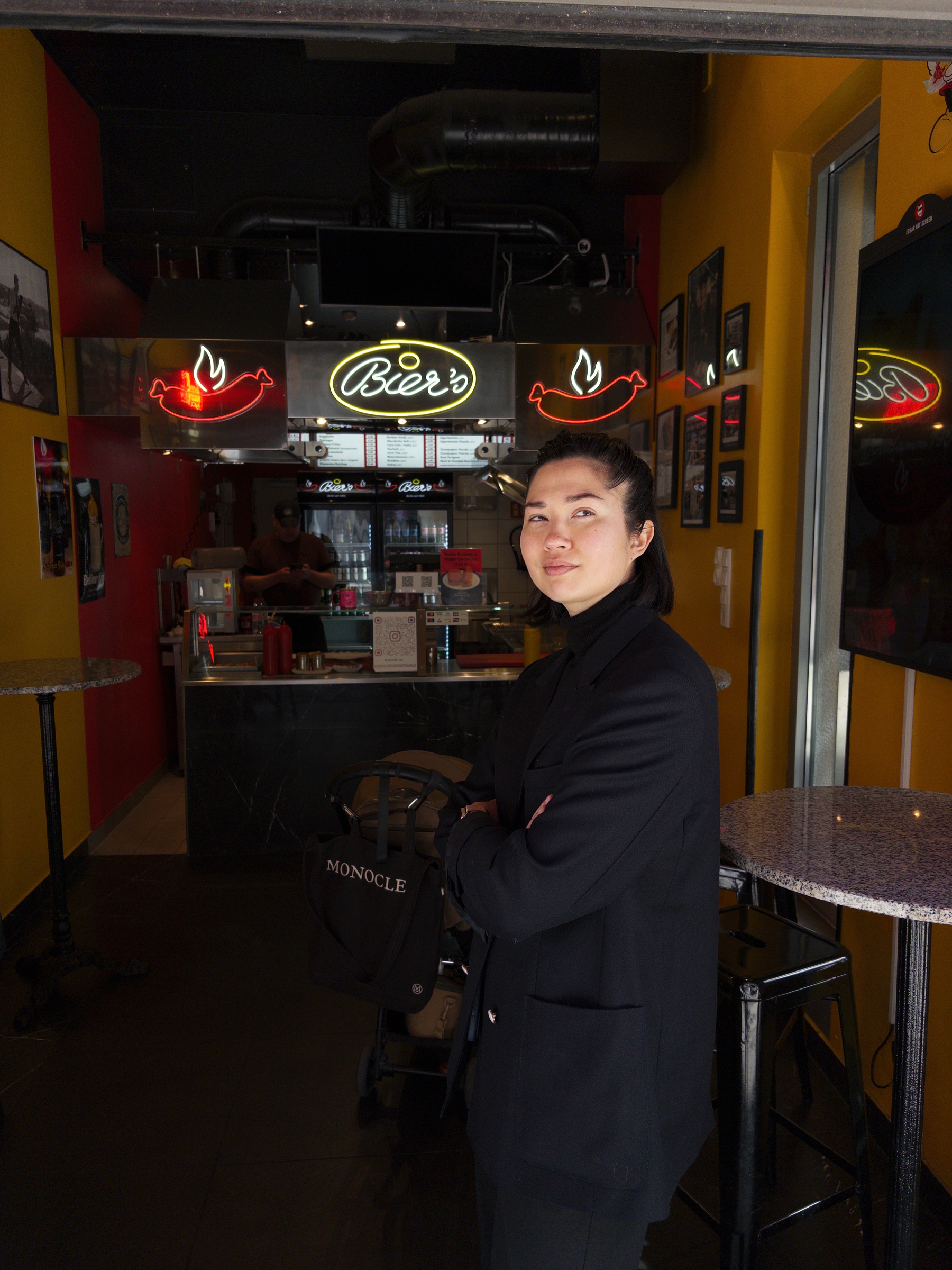
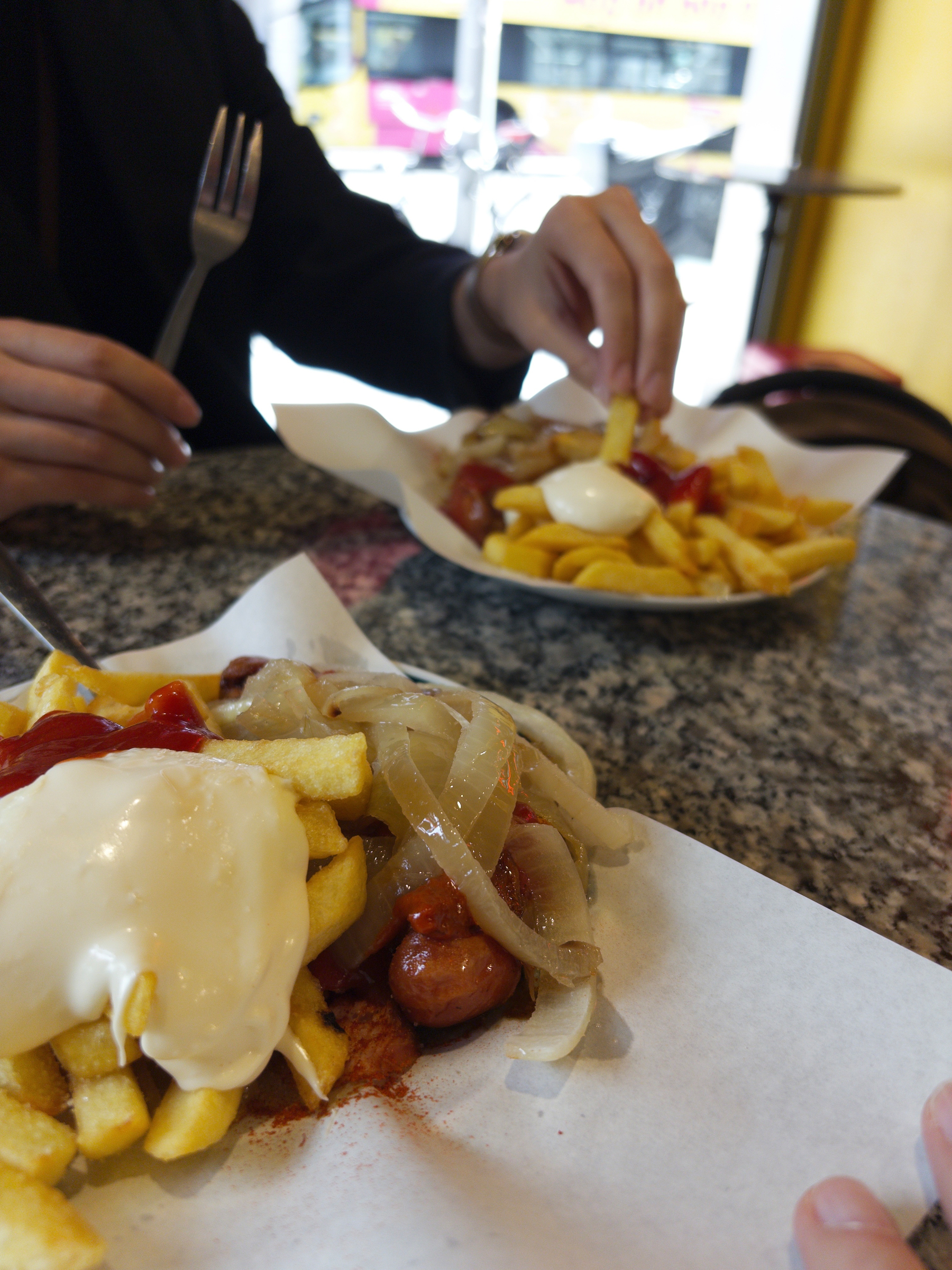
PS: for anyone interested in the things that we actually visited and went to, I created an online mini-guide and itinerary.