One month as Steerlab’s first CSM
A month ago I went back to my startup roots and joined Steerlab as Founding Customer Success Manager (and Value Engineer). It’s been intense, and super exciting.
The starting point
Until I arrived, our cofounders (CEO and CTO) owned every customer relationship themselves, while also running everything else an early-stage company needs. That’s a lot of bandwidth. So I wasn’t stepping into a CS function. I was starting one from the ground up.
My first weeks were mostly about taking stock: reviewing what was being done, connecting our tools, and figuring out what we weren’t tracking yet.
Getting to know every customer
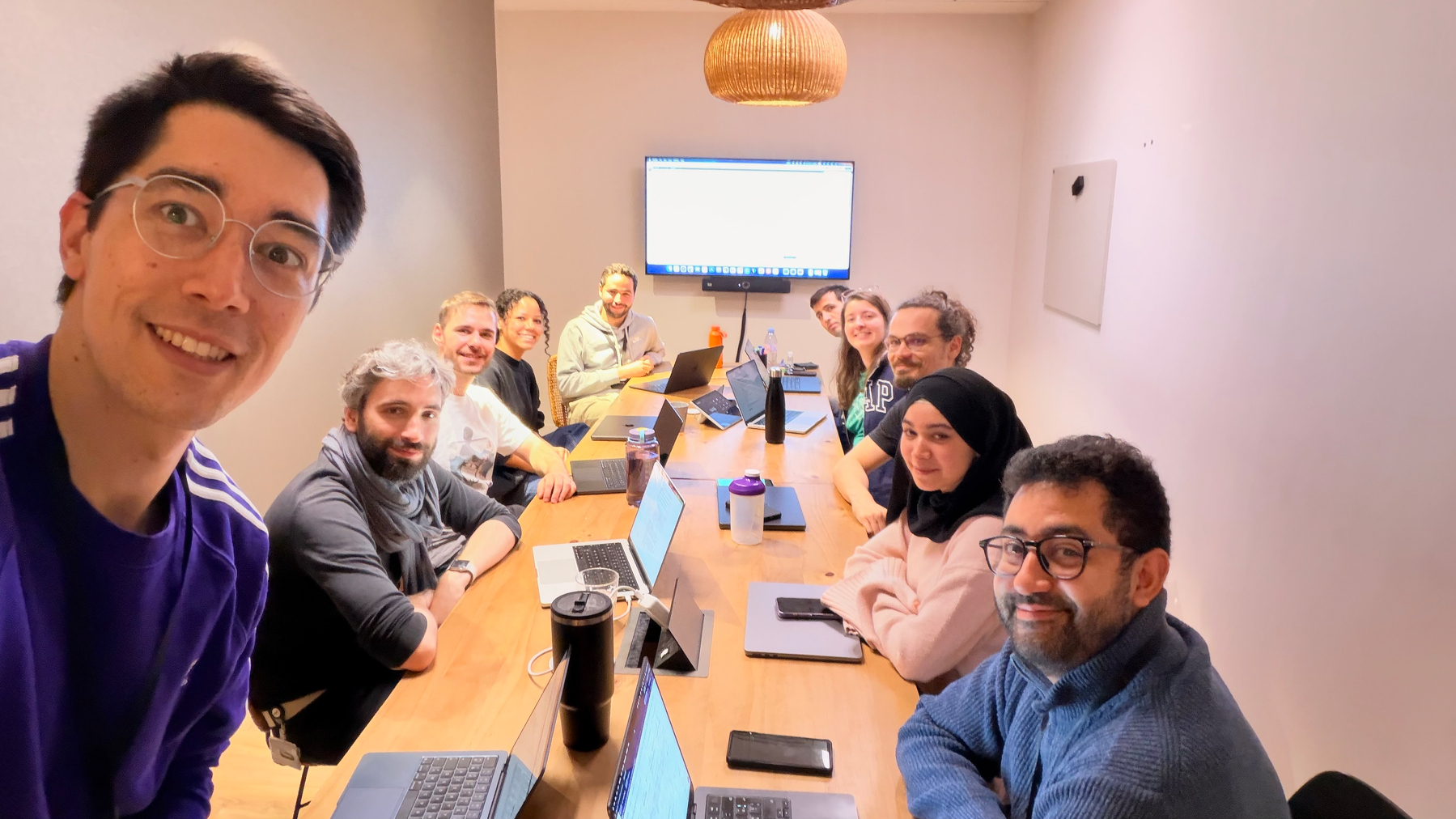
A big part of my first month has been engaging with customers to get a sense of how things are going on their side.
For each account, I looked at how they use the platform, asked coworkers for the context and history of the relationship, and set up time to talk. Some of these conversations are a first introduction, with new stakeholders who’ve joined since the account started. Others are a chance to hear what’s changed on their side and where we can help.
It’s one of my favourite parts of the job: building relationships one call at a time, and bringing what I hear back to the team.
Learning the product, properly
The other big piece has been learning the platform: the simple version customers see, and also the nitty-gritty and edge cases the team has learnt to work around. That second part doesn’t live in any doc, so you pick it up by asking a lot of questions.

The system behind it
To keep track of all this, I built a set of AI routines with Claude, like my morning summary from earlier this year but connected end to end:
- an inbox triage first thing
- a support sweep in the morning and afternoon
- prep for each of the day’s meetings
- a post-call routine that turns notes into CRM notes and tasks
- a weekly health snapshot and a Friday wrap-up
If I could keep only one, it’d be daily meeting prep. It works like an assistant: I don’t have to dig for context on each customer, because it now lives somewhere (usually Notion). But it only works because of the post-call routine. Prep is only as good as what got captured after the last call. Basically, the loop matters more than any single routine.
My rule stays the same: brainstorm, go back and forth with Claude to land on a plan, greenlight it when it feels ready, and always re-read and tweak by hand.
The part I didn’t expect
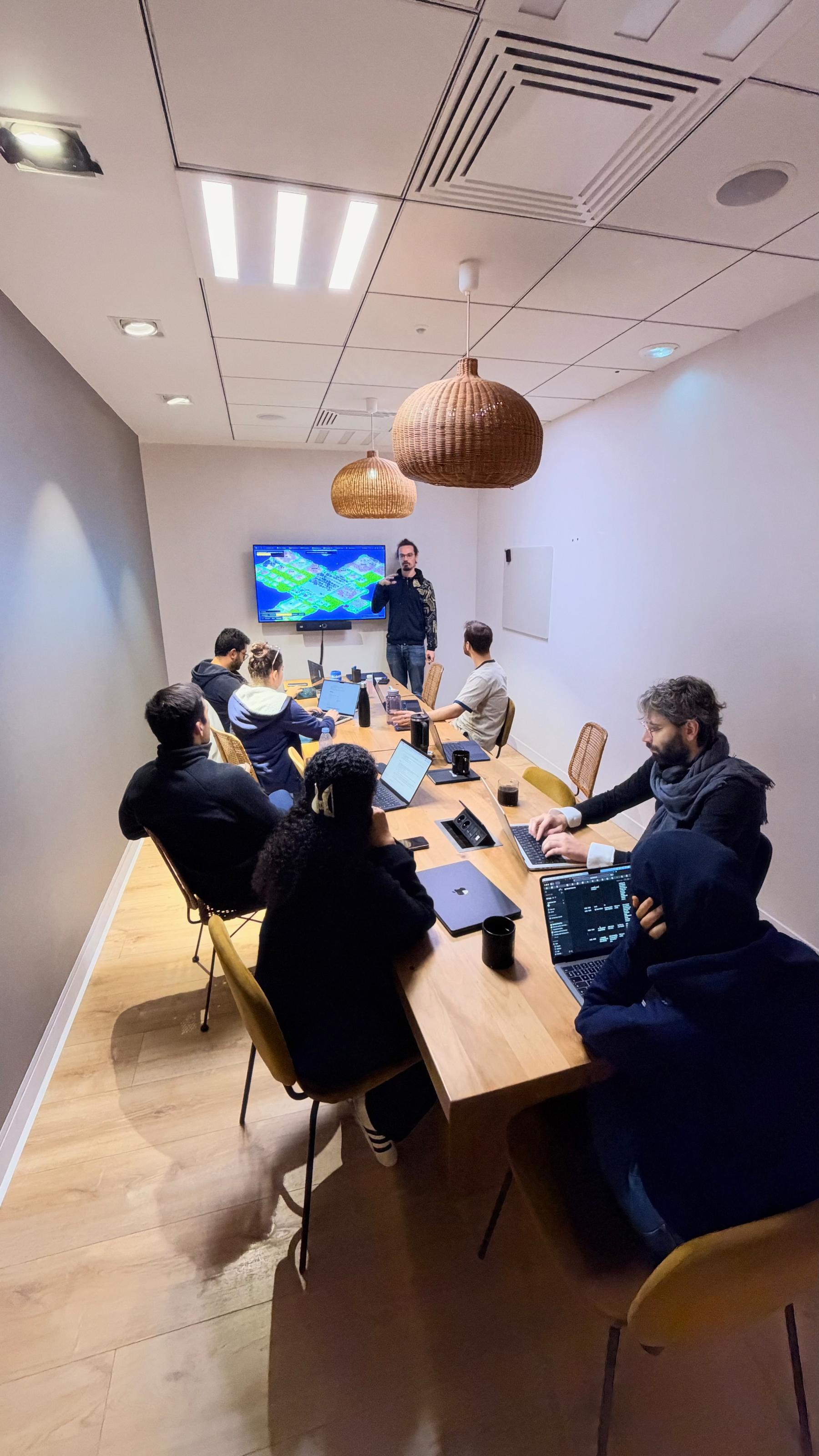
How nice the team is. People have different backgrounds, priorities and seniority, but everyone adds their own brick, is empowered to have an impact, and is trusted. That’s quite a departure from what I was used to.
Empowerment comes with a flip side: a lot of self-organization, and making progress on many topics at your own pace without always knowing what’s good or not. Add a half-remote team and fall sick days, and it’s been an interesting challenge.
If you’re the first CS hire somewhere
Something I’d tell anyone in my shoes:
- think at a meta level about how you’re organized and what you want to set up before diving in
- take one step back so you can leap further later
- don’t over-engineer it, and expect to change things as you go
If anyone reading this is building a CS function from scratch, or want to swap notes on AI routines, get in touch: I’m always curious about ways to improve and to hear from others’ experience.
What’s next
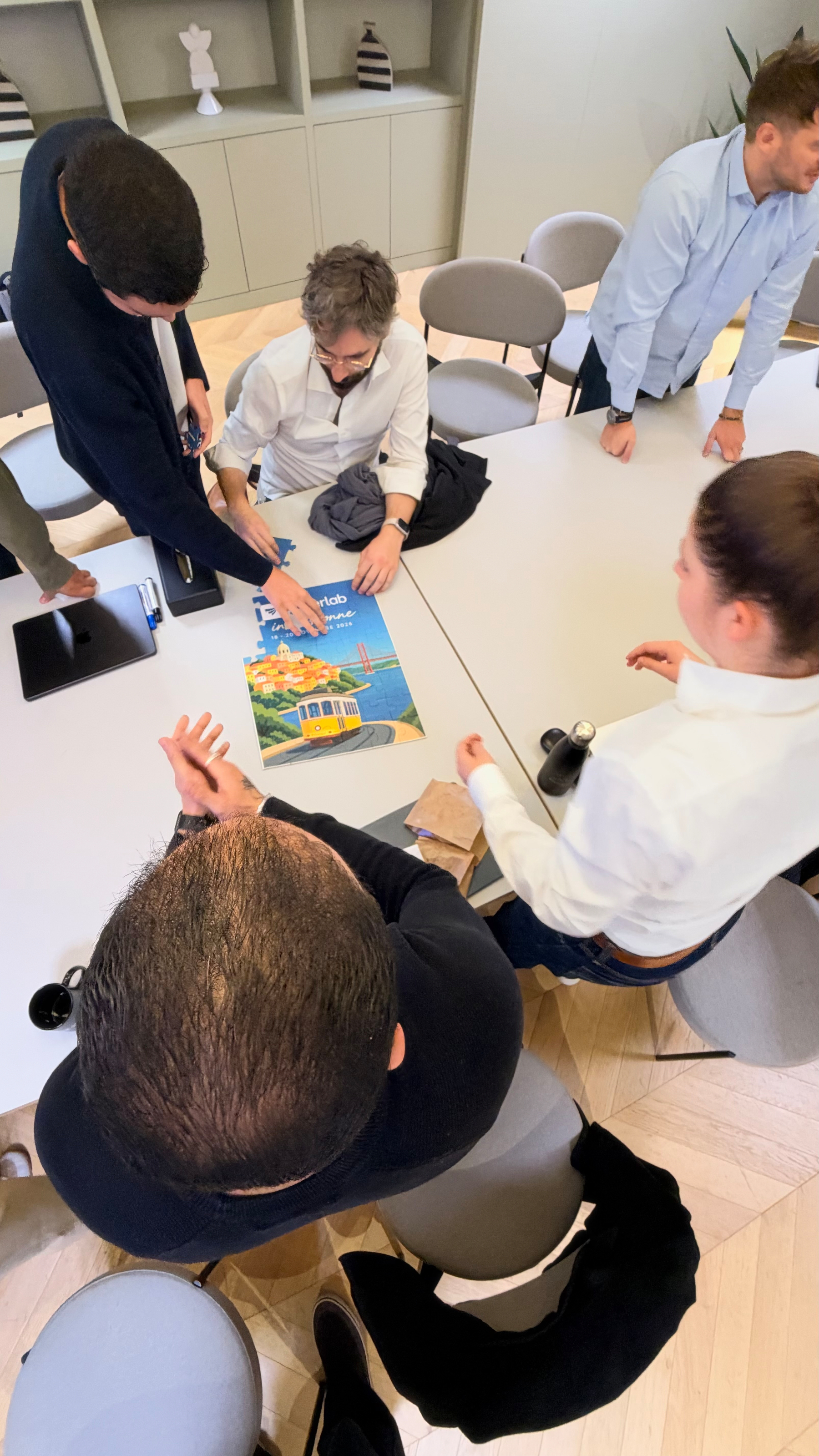
In 3 weeks the whole company heads to Portugal for an offsite: strong memories, culture, and getting stuff done together 💪
A group of five people are gathered around a table engaged in a discussion, with a colorful poster featuring a tram and a cityscape placed in the center.